
Walking into a restaurant should feel like a treat, not a gamble. You're about to hand over your hard-earned cash for a meal, and honestly, you deserve better than reheated mystery meat and wilted lettuce. Here's the thing: menus talk. They whisper secrets about what's really happening behind those swinging kitchen doors. Between January 2024 and September 2025, food away from home rose about six percent, and menus tell stories if you know how to read them.
When restaurants start cutting corners to stay afloat, the quality, portion sizes, service, and more often take a hit. I've noticed patterns that suggest a place might be taking shortcuts, patterns that show up right there on the menu before you even order. Some of these signs are subtle. Others practically scream at you. Let's dig into the telltale clues that should make you think twice.
That Suspiciously Massive Menu
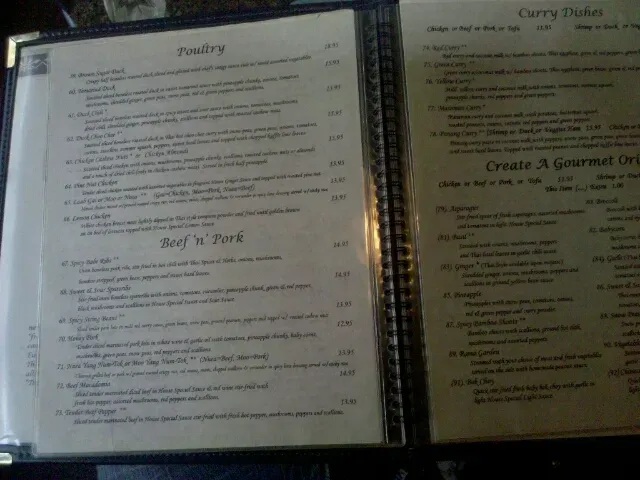
When a menu reads like a novel with every cuisine under the sun, your alarm bells should ring. Industry experts warn that spreading yourself too thin with too many dishes makes it easy to produce subpar food and requires cutting corners to make service happen each day. Think about it logically. How fresh can those ingredients be when the kitchen stocks items for Italian, Chinese, Mexican, and American dishes simultaneously?
With so many dishes and so many different types of cuisine, it's a clear sign that a restaurant hasn't mastered any of them. Realistically, when was the last time someone ordered that obscure Thai curry buried on page seven? Those ingredients are probably languishing in the back, well past their prime. It's also a red flag for food freshness and safety, as ingredients might be made with old items that have been sitting around since the last time someone picked it off the menu.
A focused menu shows confidence. It tells you the kitchen knows its strengths and isn't trying to be everything to everyone.
Rock-Bottom Seafood Prices
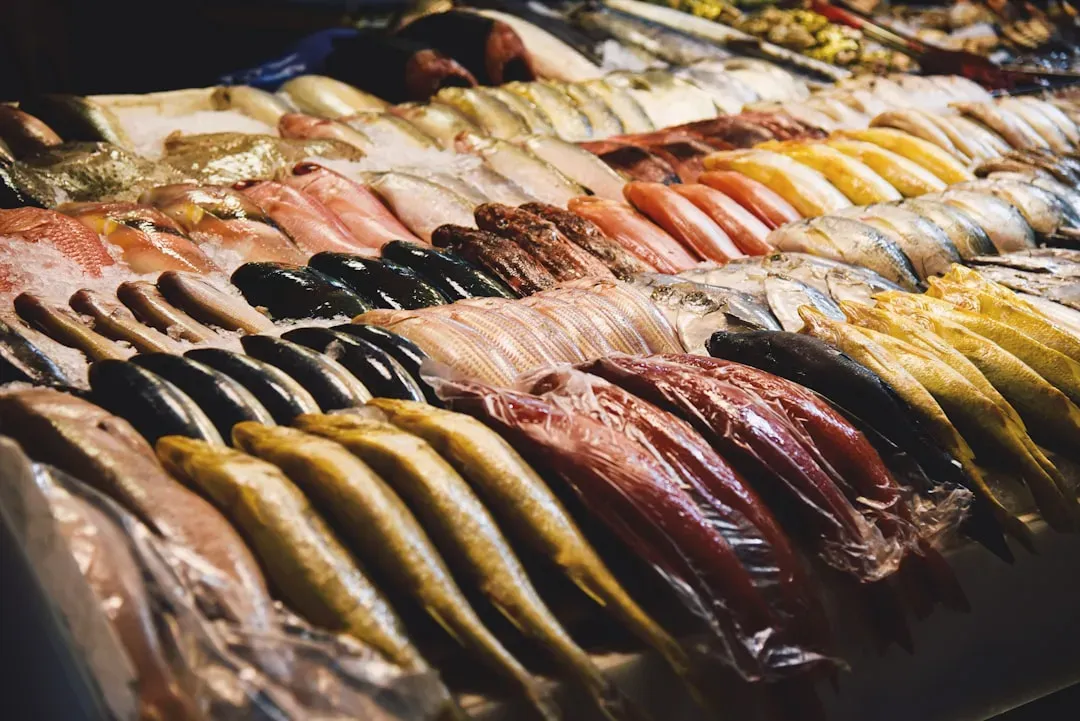
If the seafood special seems too good to be true, trust your instincts. Extremely low prices can be a red flag for freshness and sourcing. Quality seafood costs money from the moment it leaves the water. Cutting corners on price often means it is frozen for long periods or lower-grade imports.
I think about coastal restaurants versus landlocked spots. Location matters enormously with seafood pricing. The unfortunate truth about seafood restaurants is that those of us in landlocked states are generally going to pony up more scratch for a decent meal, whereas lucky folks in coastal regions might be able to catch a deal. Still, suspiciously cheap lobster or crab anywhere should raise questions.
Flash-frozen seafood isn't automatically bad, sure. Modern freezing technology preserves quality remarkably well. The problem arises when restaurants use bargain-basement suppliers who cut corners on handling and storage. You're gambling with both taste and safety at that point.
Dirty, Worn-Out Menus
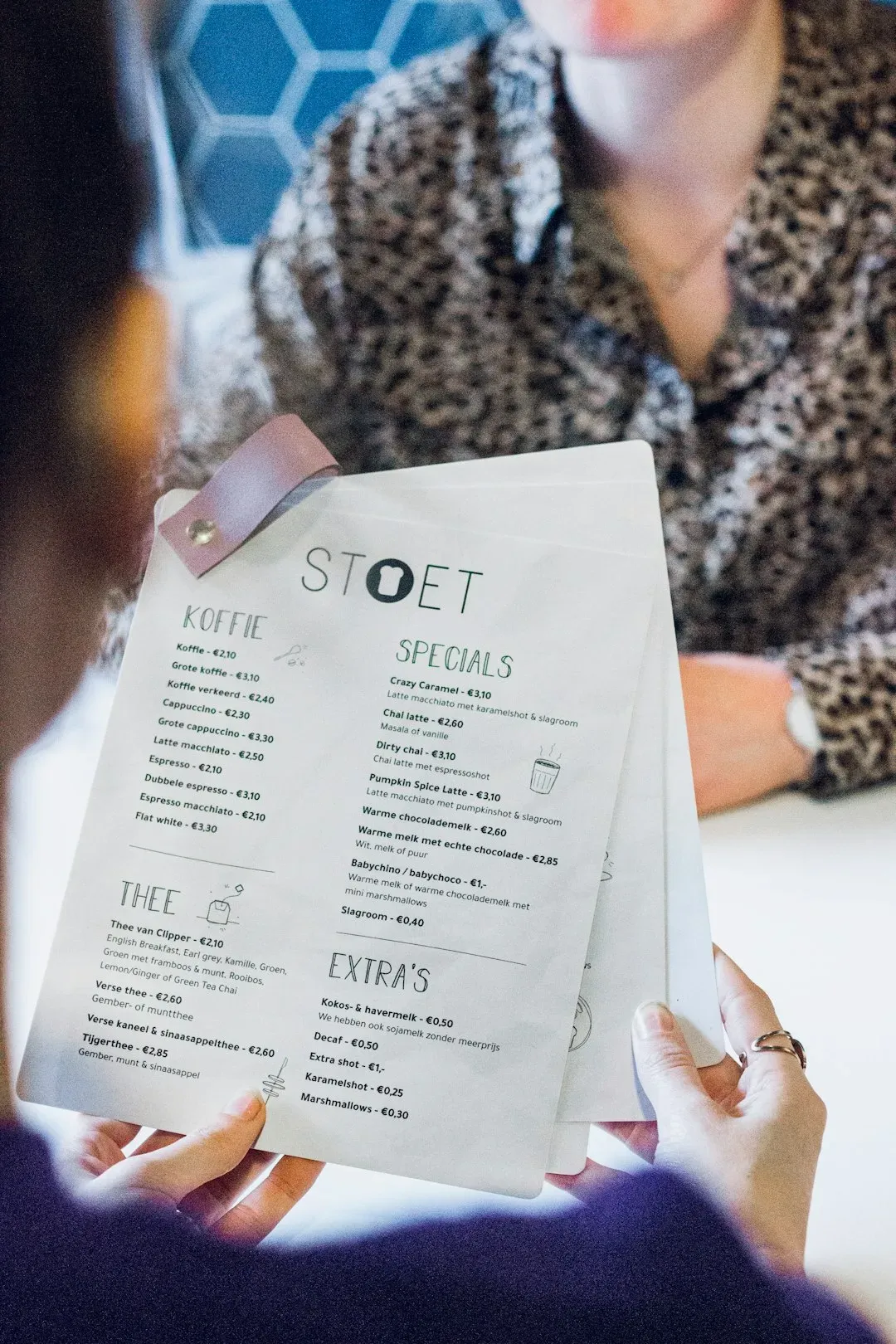
Torn, worn or dirty menus with bread crumbs, food stains and spilled sauces signal they're not cleaned regularly. Here's a restaurant management truth: if they can't be bothered to clean the first thing you touch, what does that say about the kitchen you can't see?
It's a sure sign that attention to detail is lacking, and a manager who ignores the front of the house often has difficulty in the administration of both the front and back of the house. These menus sit on your table, passed from customer to customer, collecting germs and grime. A clean menu takes minutes to wipe down. The fact that it doesn't happen speaks volumes about the restaurant's overall standards.
I always check the condition of whatever I'm handed first. Sticky lamination? Ripped corners? Mysterious stains? Those details aren't superficial. They're symptoms of a deeper operational problem where quality control has gone out the window.
Over-Reliance on Frozen Processed Foods
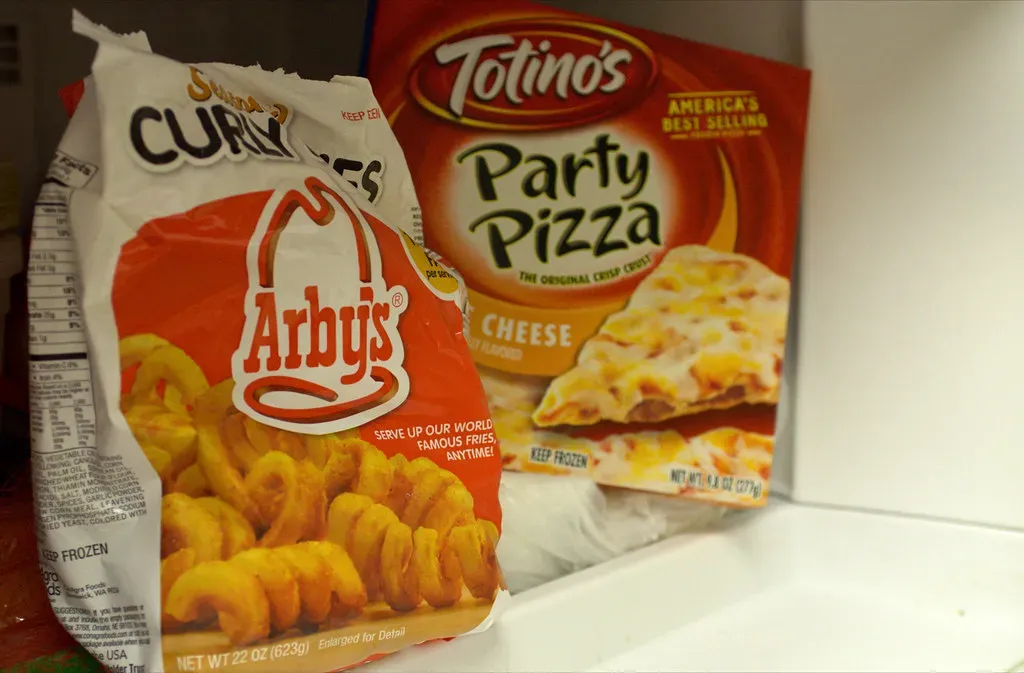
More than 40% of foodservice operators said they're purchasing more frozen food than they did in 2019, and the vast majority of restaurants report they use frozen foods in their menus. Frozen ingredients aren't inherently evil. Almost three-quarters of operators agree that their customers don't know if a product was made from a frozen item.
The problem emerges when restaurants rely exclusively on heat-and-eat processed meals. More than one third of non-fast-food restaurants have confessed to serving industrially processed, often frozen food, and many restaurants don't truly cook anymore - they serve up heat-and-eat meals that are basically glorified TV dinners. Relying on pre-made food is cost-effective, but taste is a major factor, since many processed foods overuse salt, oil, and sugar.
Smart kitchens balance frozen staples with fresh preparation. A warning sign? When every single item tastes suspiciously similar, with that telltale microwave texture and oversalted flavor profile. Fresh cooking has variation and personality. Factory processing creates uniformity that your palate can detect.
Generic, Uninspired Descriptions
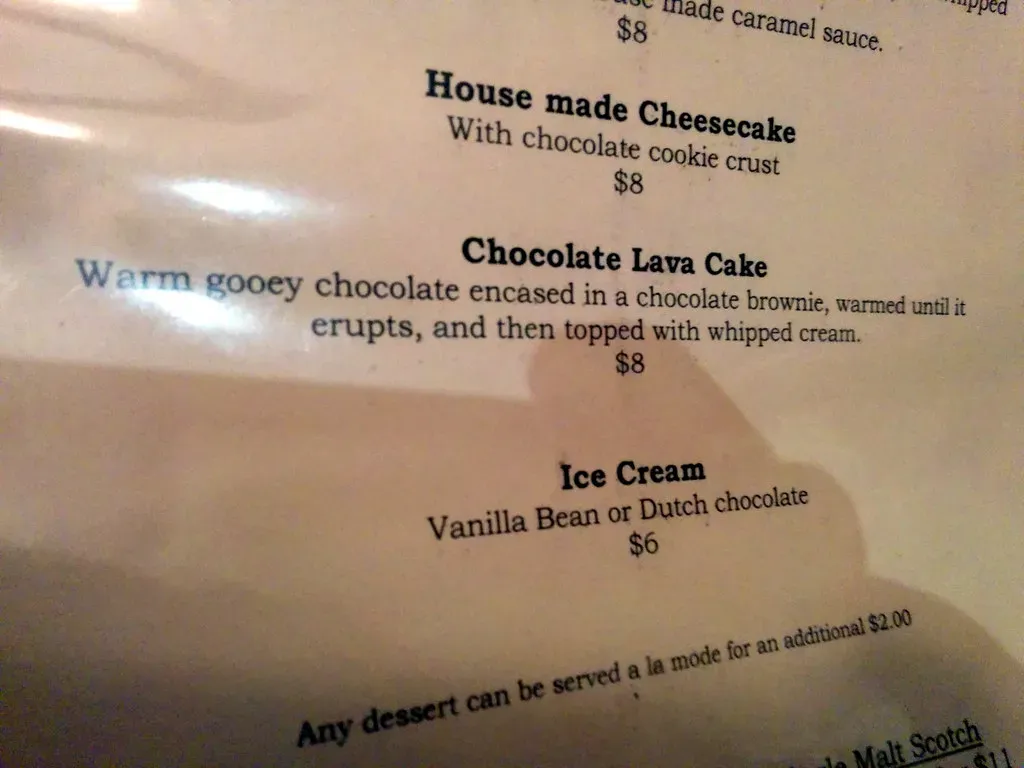
Menu language matters more than you might think. Selections that are described in more complex terms might be seen as being higher in quality and more desirable than those items described in more basic terms. When a restaurant bothers to describe how they prepare a dish, it signals care and craftsmanship.
Compare "Grilled Chicken" to "Free-Range Chicken Breast Marinated in Herbs and Garlic, Grilled Over Mesquite." One suggests a frozen patty tossed on a flattop. The other tells a story about sourcing and technique. When the dishes don't have any standout touches, you might be in for a disappointing meal.
Honestly, lazy descriptions often mask lazy cooking. If the menu can't be bothered to make the food sound appealing, chances are the kitchen isn't bothering to make it taste appealing either. Restaurants proud of their food shout about it. Those cutting corners whisper generic platitudes and hope you don't notice.
Faded, Outdated Menu Boards
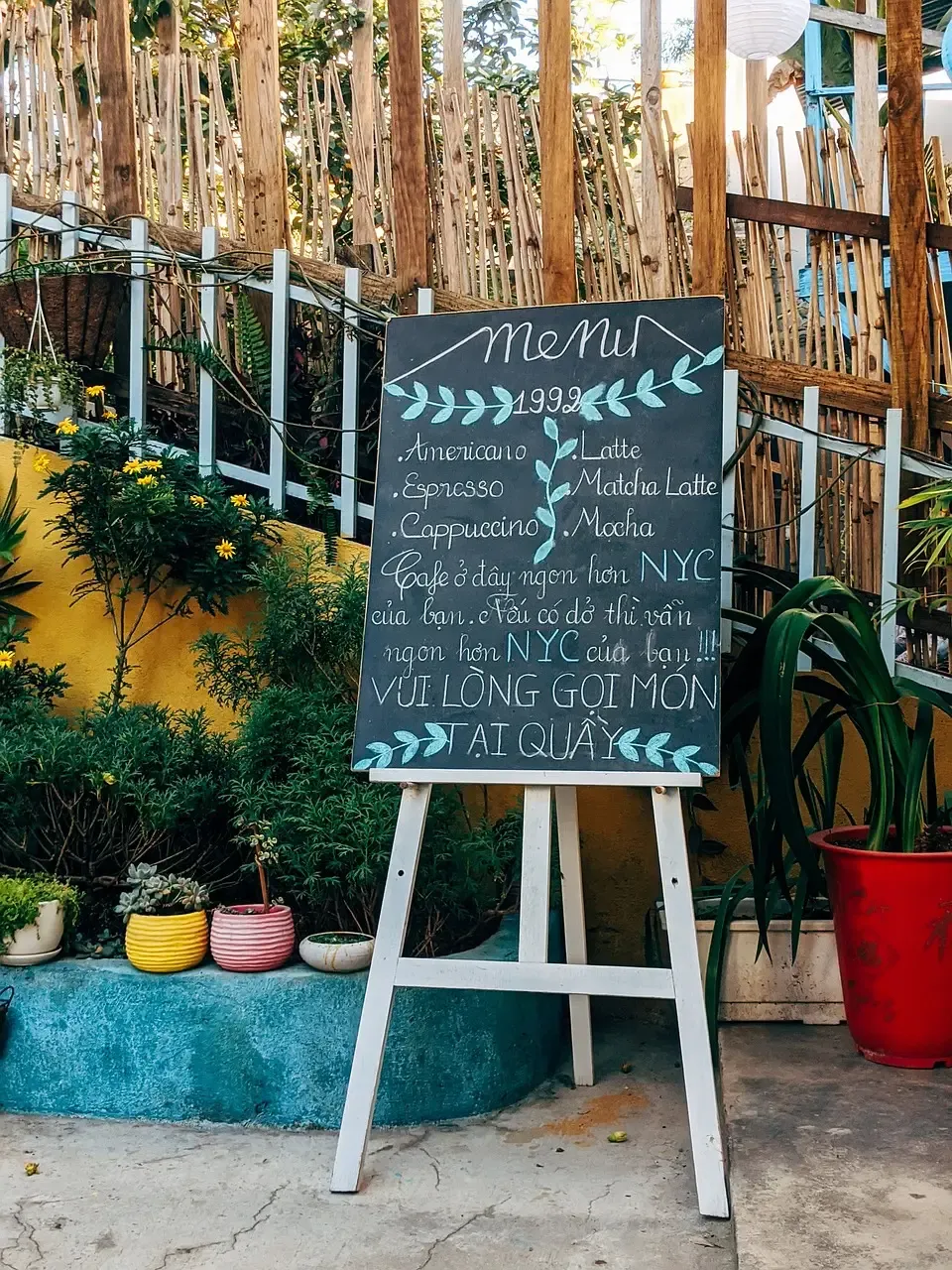
A faded menu says updates are overdue, and prices probably lag costs, dishes might be retired in spirit, and seasonal items are stuck in a different season. This applies to physical menus, chalkboards, and digital displays alike. When you see sun-bleached specials from three seasons ago still posted, it's a symptom of management that's checked out.
Keeping menus current requires attention and investment. Despite pullbacks reflecting changes in consumer demand and economic pressures, menu sizes have grown in restaurants, except fine dining, where menu sizes fell and have not recovered - a result of a new operational strategy that leans toward a more curated menu in the post-COVID era, with fast casual menus seeing a 33% increase in menu sizes over the last two decades.
Restaurants that care about their offerings update regularly. They reflect seasonal availability, adjust prices realistically, and retire dishes that don't work. Clinging to outdated menus suggests financial desperation or sheer apathy. Neither bodes well for your dining experience.
Sketchy Restaurant Cleanliness

The bathroom test never fails. If the bathroom is neglected with empty soap dispensers and floors that are soapy and wet, those are signs of a bad restaurant that signals staff isn't keeping up with their tasks, and a poorly maintained restroom serves as an immediate indication of the lack of attention to detail.
The cleanliness of everything, from cobwebs in the corners to dust on the reception desk, shows that if nobody cares about cleaning or maintaining the place, it's unlikely they care that much about the food. Front-of-house cleanliness directly predicts back-of-house standards. Grimy windows, sticky tables, and cluttered entryways aren't just aesthetic issues. They're health code violations waiting to happen.
A messy counter tells the truth up close, with spilled syrups, wilted garnishes, and sticky mats screaming rushed cleanup and lazy systems, because if the bar looks chaotic, imagine the corners you cannot see. Open dumpsters, trash and cigarette butts on the ground may indicate that dirty windows and doors signal the restaurant isn't focused on cleanliness, and that may carry over into the areas where your food is prepared.

Leave a Reply