
There's an unspoken contract at every restaurant table. You sit down, someone takes care of you, and ideally, everyone walks away feeling good about it. Simple enough, right? Except, honestly, it rarely works that cleanly. Servers deal with a daily parade of habits that chip away at that experience, most of which customers don't even realize are a problem. Some of these things seem genuinely harmless on the surface. Others are just... not great. Let's dive in.
1. Snapping, Clapping, or Waving Like You're Hailing a Cab
Let's be real: snapping your fingers at another human being to summon them is never a good look. Snapping fingers, clapping, or aggressively waving to get a server's attention may seem harmless to some diners, but it can feel genuinely demeaning to staff, making them feel rushed or as though they are not already working hard. Think of it this way - if someone snapped their fingers at you during a work meeting, you'd probably raise an eyebrow, too.
Servers have been known to purposely overlook customers who snap rudely at them. It's one of the worst ways to grab someone's attention, and staff will remember it long after you leave. The damage isn't just to the moment, either. That reputation follows you if you're a regular, turning what could have been a warm dining relationship into something transactional and cold.
Eye contact, a small hand raise, or a friendly "excuse me" works far better. Efficiency is good, but respect is better, and you still get what you need. It costs nothing to treat people like people.
2. Claiming a Fake Food Allergy
Here's the thing - lying about a food allergy to get a preference honored is not a victimless act. Both allergic customers and staff have raised the problem of allergy "fakers," people who claim a food allergy that is really just a preference. These fakers aren't just annoying. They actively make the dining environment less safe for people who genuinely need protection.
Fakers muddy the waters of allergy communication, making it more difficult for customers and staff to trust one another. This is one reason customers need to be clear about the severity of an allergy, and for staff to treat all allergies seriously, even when in doubt. When the line between preference and genuine medical need becomes blurry, real mistakes start happening.
Allergies are serious, so servers will jump through hoops to keep people safe. Lying about one wastes the server's time, other tables' time, and the kitchen's time. Just say you don't like something. Servers are there to help, not to judge your palate.
3. Saying You're Ready to Order When You're Clearly Not
I know it sounds minor, but this one is genuinely maddening for restaurant workers. Servers hate when customers say they're ready to order when they're really not. If you're still looking at the menu, that's fine, but let your server know so they can take care of other things. They will come back to you in just a few minutes. Keeping someone pinned at your table while you debate between the pasta and the fish is an invisible drain on their entire section.
Servers are managing multiple tables simultaneously, all at different stages of their meals. It's a bit like being an air traffic controller, except the planes are ordering drinks and complaining about noise. Customers who interrupt a server who is literally mid-order at another table compound the problem significantly. Timing and flow are everything in a restaurant environment.
The simple fix? Scan the menu before the server comes over. If something is unclear or you have allergies, then ask focused questions. Servers genuinely love helping curious guests who respect their time. That's the partnership working the way it's supposed to.
4. Splitting the Bill at the Very Last Minute
There's nothing wrong with wanting separate checks. Many groups do it, and most restaurants handle it just fine when given enough notice. The trouble starts when someone announces it after the plates have been cleared. Splitting a bill among several diners is common, but requesting multiple separate checks only after the meal can create complications, as servers may need to reorganize orders and payments while managing other tables. Many restaurants prefer to arrange split checks early so orders can be tracked more easily, and waiting until the end increases the chances of confusion, delays, or billing errors during busy service.
Think of it like trying to unscramble an egg. By the end of the meal, a server has mentally filed away the flow of the whole table and moved on. Asking them to reconstruct who had what, with separate payment methods, while five other tables also need attention, is a genuinely stressful ask. If you know your group will need separate payments, mentioning it at the beginning helps the server prepare accordingly.
5. Walking In Right Before Closing Time and Ordering Big
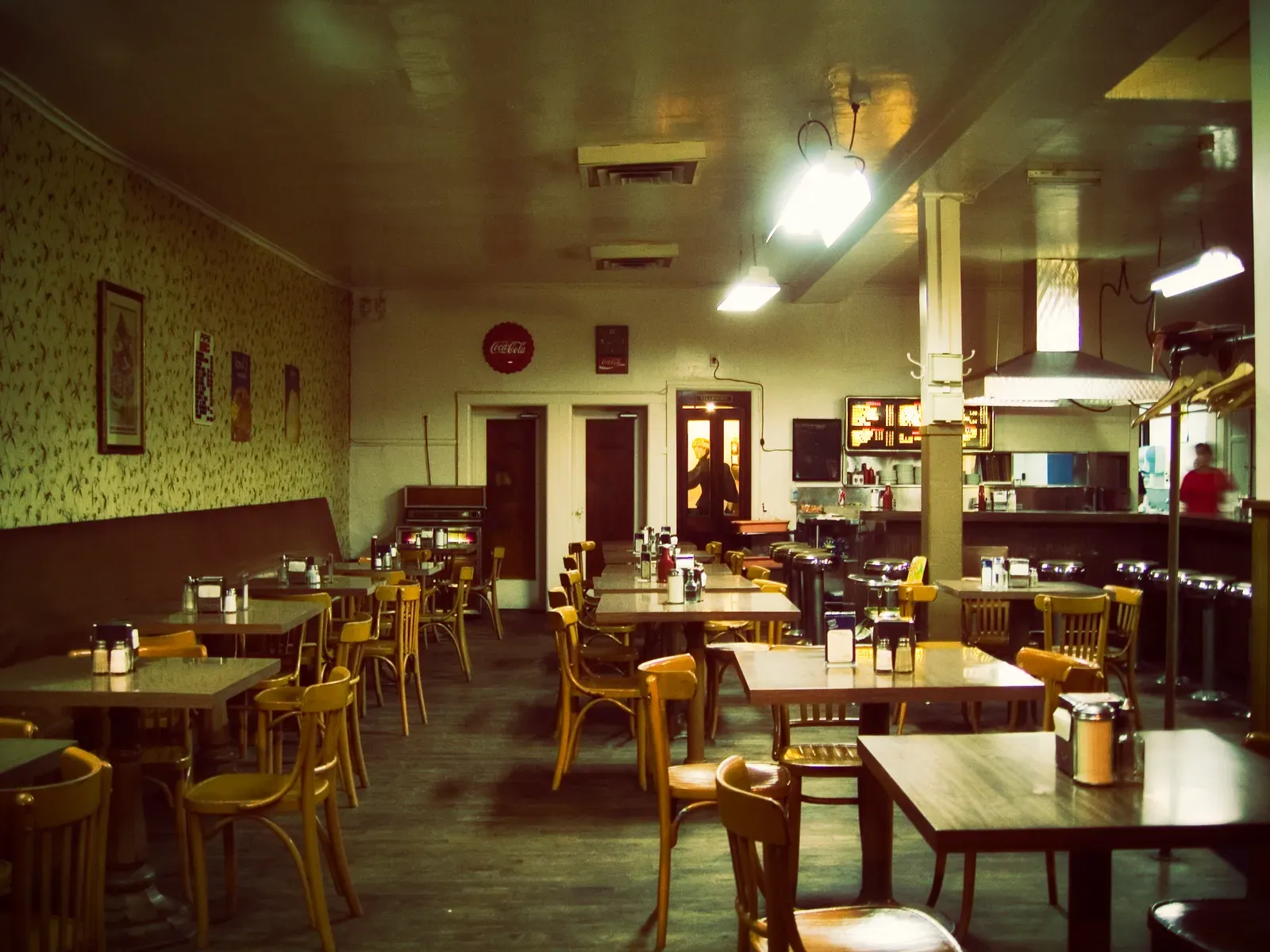
Every server has lived this particular experience, and it never gets easier. Technically, a restaurant that's still open must seat you. But there's a difference between being technically allowed to do something and it being considerate. Rolling in at closing and ordering big tests patience, because kitchens start breaking down early and gear gets cleaned on schedule. A late surge means rework and overtime.
Restaurants usually have clear closing hours, but some guests continue lingering long after the official time has passed. While staff rarely rush customers out the door, remaining for extended periods can delay closing tasks and keep employees from finishing their shifts. Servers often need to clean sections, complete side work, and prepare the space for the next day. Staying far beyond closing means staff may need to wait before they can complete these duties.
If you do walk in close to closing, keep things simple and tip generously. If the door is open, order simply and tip generously. Better yet, come earlier so the team can serve their best. That goes a long way toward making it a decent end to a long shift rather than a painful one.
6. Leaving a Poor Tip After Good Service
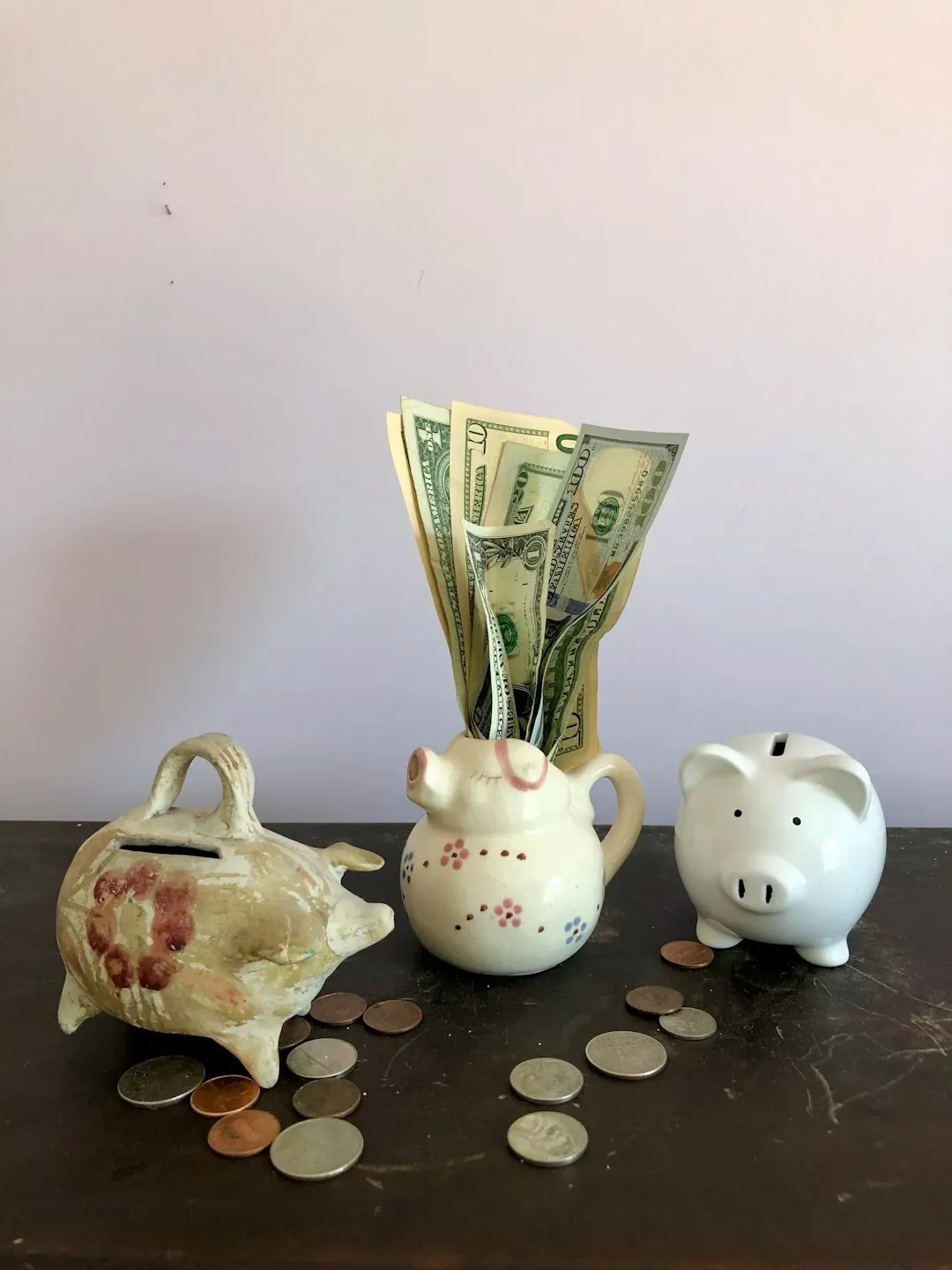
It's hard to say for sure what pushes some diners to skip a fair tip, but the data on what servers actually earn makes the stakes crystal clear. The federal minimum wage for tipped restaurant employees remains $2.13 per hour, unchanged since 1991. That number isn't a typo. The entire income model for servers in much of the U.S. is built around tips making up the difference.
Many diners don't realize that servers rarely get to keep all of their tips. They tip out bar staff, food runners, and bussers, often as a percentage of food and beverage sales regardless of what the guest tips. In other words, if they are stiffed on a tip, they are probably losing money. Tipping below a fair amount doesn't just affect your server. It ripples through the whole team.
The trend data heading into 2026 is also telling. Average tip size has shrunk from 15.5% in 2023 to 14.9% in the second quarter of 2025, leaving workers with less pay, according to a Square report. Meanwhile, a 2025 survey found that roughly two-thirds of consumers feel weary of frequent tipping requests, and a similar share feel pressured by digital payment screens suggesting gratuities. Tip fatigue is real, but so is a server's rent.
7. Letting the Mess Get Out of Control
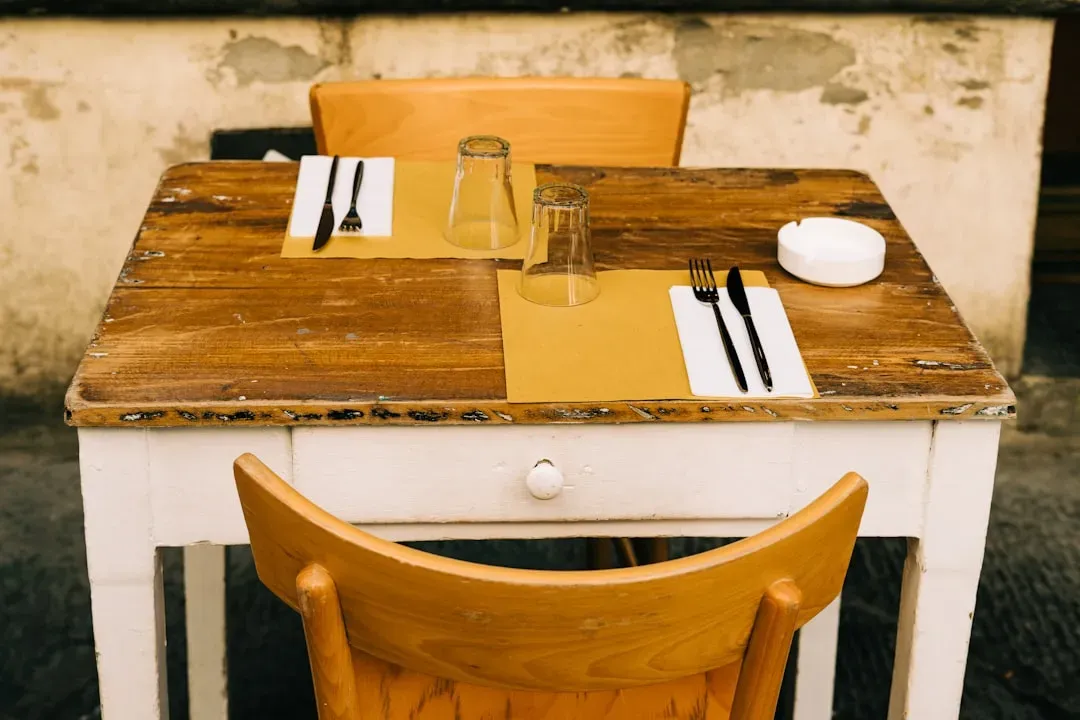
Nobody expects diners to clean their own tables. That's not the job of a guest. However, there's a meaningful gap between a natural mess and something that looks like a food fight happened. Allowing excessive messes without any attempt to tidy up can create extra work for servers and cleaning staff, and spilled food scattered across the floor or crushed into seats can take significant time to clean, especially during busy hours.
Tables turn over constantly in a busy restaurant. The faster a server can reset a table, the sooner the next guests can be seated, and the more tips a server can earn across a shift. Servers must reset tables quickly so new guests can be seated. Excessive mess requires additional time and effort, which may delay service for other diners. Keeping items reasonably organized and placing trash together helps staff clear the table more efficiently, and this small act of consideration supports smoother restaurant operations and shows respect for the people maintaining the space.
Servers understand that accidents happen, but small efforts like stacking plates or picking up larger spills show real consideration. These simple gestures acknowledge the effort required to reset a table quickly so the next guests can be seated without unnecessary delays. It's not about being perfect. It's about being aware.


Leave a Reply