
Ever walked into a fast food restaurant with a plan to grab just a quick bite, only to find yourself walking out with a combo meal, an extra side, and maybe even a dessert you weren't planning on? You're not imagining things. The entire experience from the moment you approach the building to the second you hand over your credit card has been meticulously engineered to trigger specific responses in your brain.
Fast food chains have invested millions of dollars over decades into understanding exactly how to make you hungrier, happier, and more willing to spend. These aren't accidents or coincidences. They're calculated strategies rooted in neuroscience, behavioral psychology, and sensory marketing research. Ready to discover what's really happening to your senses when you step through those familiar doors?
The Color Conspiracy: Why Red and Yellow Dominate the Fast Food Landscape
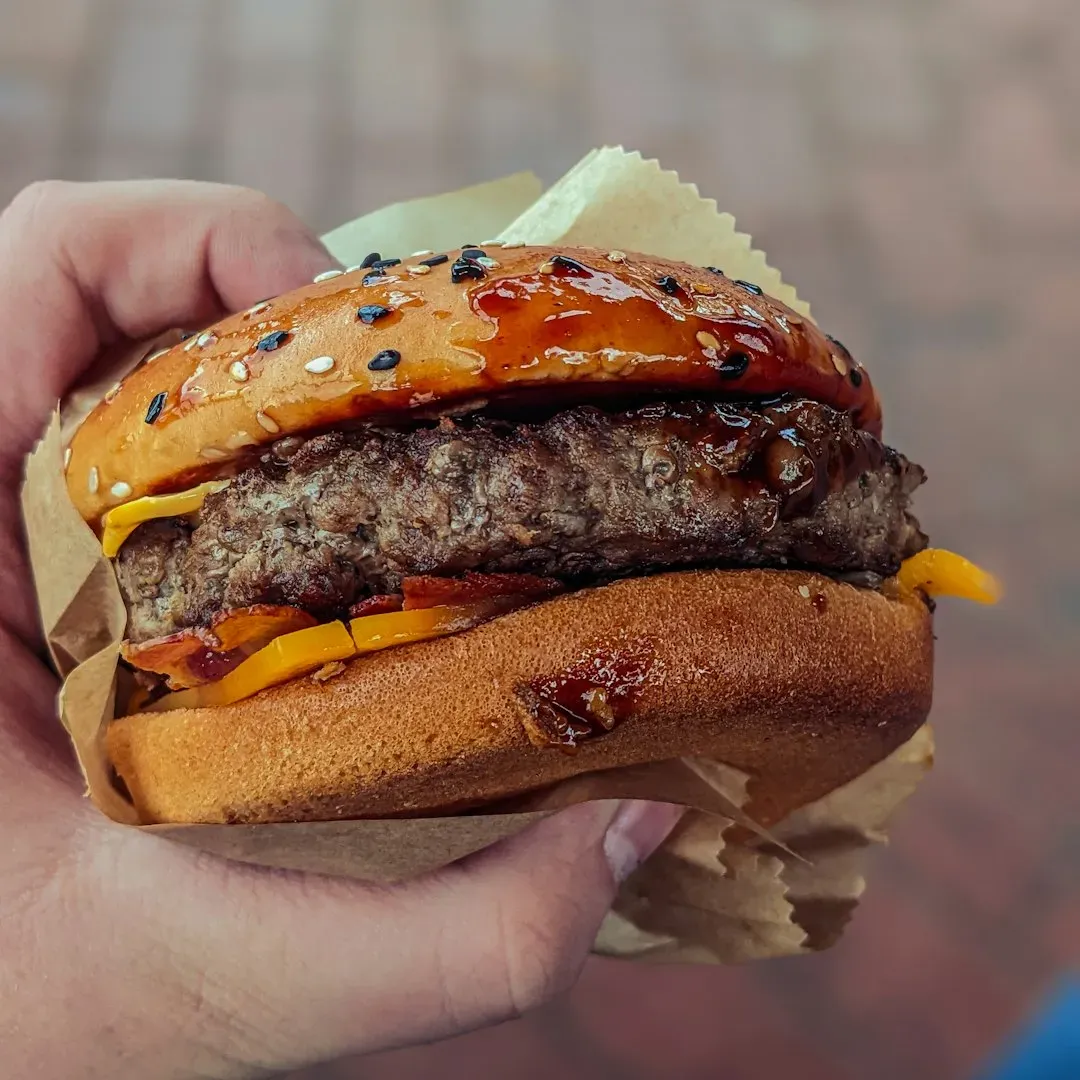
Look around at the biggest fast food brands in the world. McDonald's, Burger King, Wendy's, KFC, In-N-Out. What do they all have in common? Fast food chains predominantly use red and yellow in their branding because these colors are known to stimulate appetite. It's honestly hard to believe something so simple could be so powerful, but the science backs it up completely.
Red has been shown to increase heart rate and stimulate appetite, making it an ideal choice for fast food, as it subtly encourages customers to feel hungry and act on their cravings quickly. Think about it: red literally gets your blood pumping faster. Bright red draws our attention and energizes us, stimulating our senses including our appetite, and numerous studies have shown that red subconsciously encourages people to eat more and consume food faster, especially when paired with cheery yellow.
Yellow isn't just there to look cheerful. Yellow triggers the feelings of happiness and friendliness, and bright, vivid yellow is also the most visible colour in daylight, which is why the yellow of the McDonald's M can be seen from a far distance. Along with red and orange, yellow is one of the most hunger-provoking colors, and not only do people consume more food than normal, but they eat faster when significantly exposed to these three colors. When you combine red and yellow together, it's about speed, quickness, as they want us in, eat quickly and out again.
This color manipulation extends beyond logos and extends into store interiors, uniforms, packaging, and even menu boards. The warm color palette creates an atmosphere of urgency and excitement while simultaneously making you feel hungrier than you actually were when you walked in. Red, orange, and yellow color combinations are used rampantly in fast-food establishments because they encourage customers to eat faster, resulting in high turnaround and more sales.
Scent Marketing: The Invisible Force Pulling You Toward the Counter
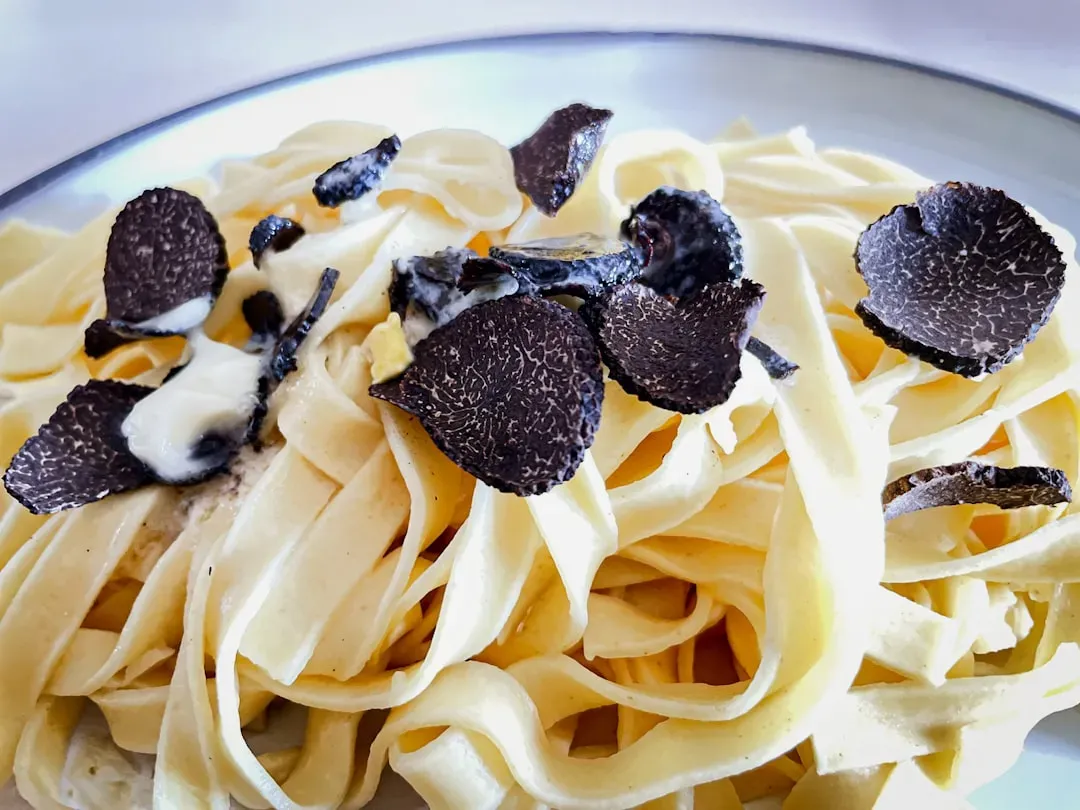
Here's the thing about smell: it bypasses your conscious thought entirely. Smell is unlike all other human senses, and any aroma has an instantaneous effect because it bypasses cognitive thought and goes directly to the brain's limbic system, which controls emotion. Fast food chains know this better than anyone.
A number of sensory marketers have become increasingly interested in the idea of signature scents associated with branded food establishments and the role that they may play in inducing a desire to consume, and thus bias people's food purchasing behaviour. Walk past a Cinnabon in a mall, and your willpower doesn't stand a chance. That's not accidental. When it comes to marketing food, scent can be as important as flavor, and the strategic use of scent by businesses to influence consumers is not limited to restaurants; some restaurants and bakeries use the scent of their product to drive consumer traffic and recognition.
Research conducted in restaurants shows just how powerful scent manipulation can be. Using a lavender scent in a restaurant increased the customers' duration of stay by an average of 15%, while their spending on food and beverage was on average 20% more than in an environment without a scent. I know it sounds crazy, but smell alone can make you stay longer and spend roughly one-fifth more money without you even realizing it.
Let's be real: if you've ever felt suddenly ravenous after catching a whiff of french fries or burgers cooking, that's your olfactory system being hijacked. Extended exposure (of more than two minutes) to an indulgent food-related ambient scent leads to lower purchases of unhealthy foods compared with no ambient scent, and the effects seem to be driven by cross-modal sensory compensation, whereby prolonged exposure to an indulgent food scent induces pleasure in the reward circuitry. Fast food restaurants maximize these smells strategically, ensuring that powerful cooking aromas waft toward entrances, drive-throughs, and high-traffic areas.
The Background Music Trick: Tempo Controls Your Wallet
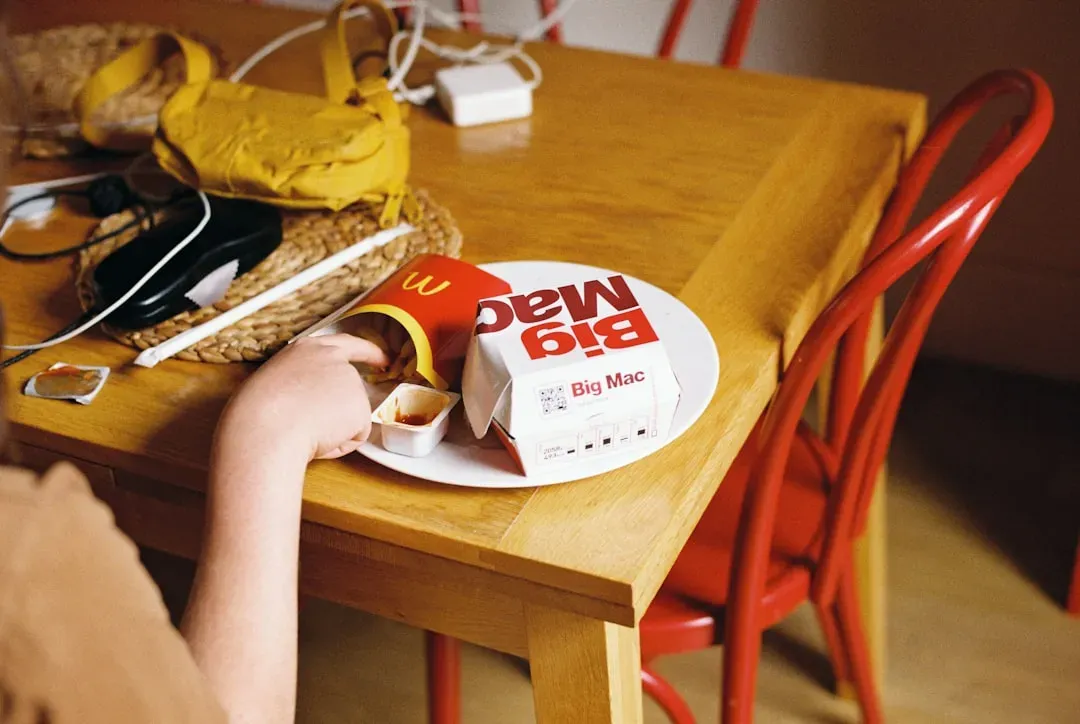
You might not consciously register the music playing in a fast food restaurant, but your brain absolutely does. Music is recognized as a significant environmental factor in shaping consumer experiences and behaviors, and in restaurant settings, background music contributes to creating an ambiance that can influence patrons' behavior; the tempo of music plays a critical role in regulating arousal levels and mood.
The tempo of background music has an effect on time spent in a restaurant and increases the consumption of alcohol, and slow music led customers to spend more time in the restaurant. Still, fast food chains don't want you lingering. They want high turnover. That's why they typically play faster-tempo music. Tempo appears to most strongly influence cognition, affect, and behavior, and retailers use slow background music to make shoppers linger, browse, and spend more money.
Customers spend an average of $55.82 when served with slow-tempo music, compared to $48.62 with fast music, and people experiencing slow-tempo music spent more time at the table (56 minutes), as opposed to those who listened to fast-tempo background music with 45 minutes. Fast food restaurants flip this insight on its head. Fast-tempo music can be used to increase a restaurant's efficiency and profitability. When the music speeds up, so do you, eating faster, leaving quicker, and making room for the next customer.
Fast-tempo background music increases consumers' variety-seeking behavior by enhancing consumers' arousal. This heightened arousal state makes you more impulsive, more likely to add items to your order, and less likely to carefully consider whether you actually need that upgrade to a large.
Menu Design Manipulation: Pricing Psychology That Empties Your Pockets
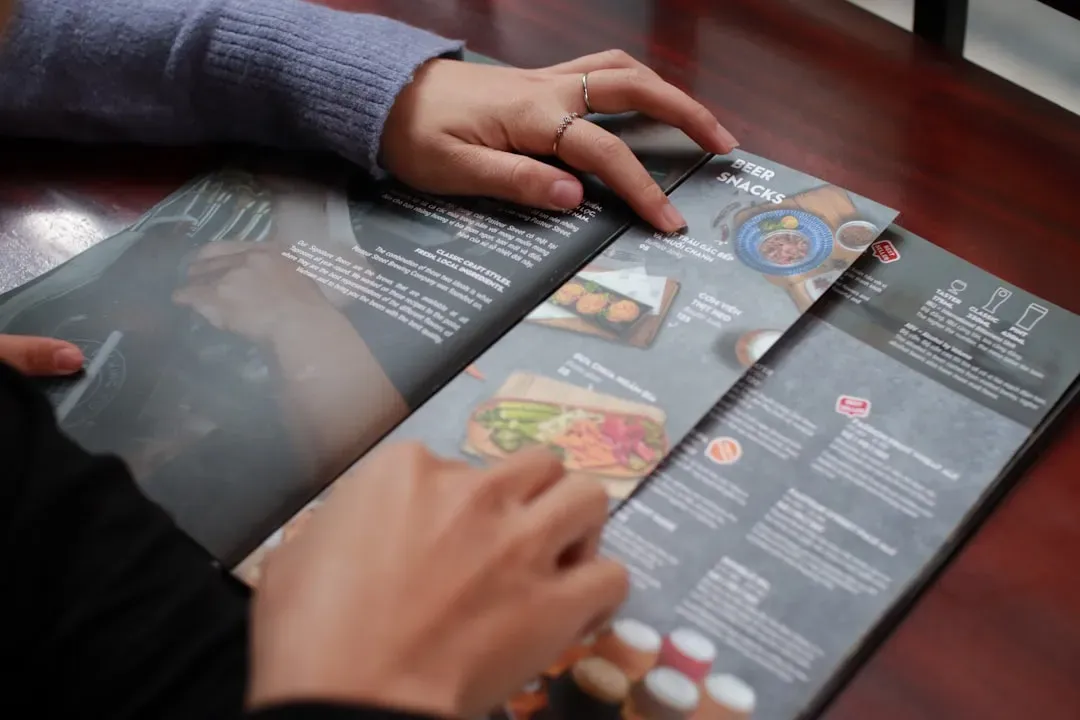
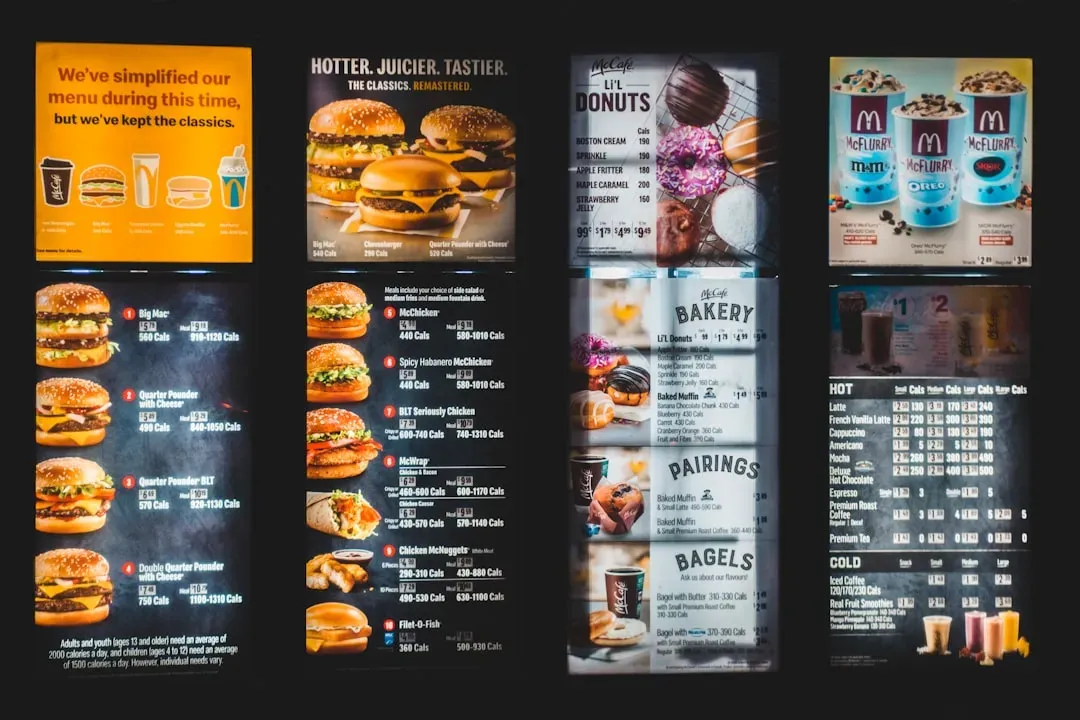
Menus aren't just lists of food. They're psychological warfare disguised as helpful information. Restaurants manipulate their menus with psychological pricing strategies such as "anchoring" where they make high prices stand out visually while low prices are less noticeable. Every element from font size to item placement has been tested and optimized.
The anchoring effect means restaurants often use this to their advantage by placing higher-priced items at the top of the menu, making other dishes seem more reasonably priced in comparison. See that premium burger listed at the top for nearly twice the price of everything else? That's not there because they expect everyone to buy it. It's there to make the other overpriced items look reasonable. McDonald's uses price anchoring to create emotional responses to different menu items, and by pitting cheaper classic menu items against newer lines or limited edition items, McDonald's is able to manipulate our behavior.
An intriguing study by Cornell University found that guests given a menu without dollar signs spent significantly more than those with dollar signs, and yes, $9.99 does seem cheaper than $10 in our minds. That's why you'll rarely see dollar signs on menus anymore. One of the simplest yet most effective pricing techniques involves removing currency symbols from restaurant menus, and a study found that menus without dollar signs resulted in customers spending more than identical menus with currency symbols; the psychology behind this is straightforward: the dollar sign reminds customers they're spending money, triggering price sensitivity.
Combo meals are another brilliant manipulation. Why order individually when you can get them through the combo meal menu cheaply, but do the math and you'll realize that savings are minimal or nonexistent at all; plus, you might not plan on getting fries and a drink, but you'll be manipulated to do so since it only costs a little more than your planned burger. They've trained us to believe bundles equal savings, even when they don't.
Strategic Product Placement: Decision Anchoring at the Entrance
The journey of manipulation begins before you even reach the counter. Research shows that when confronted with choices, humans are most likely to pick the first item presented to them, and even at a buffet, people will tend to fill their plate with the first three items they see. Fast food chains exploit this ruthlessly.
McDonald's makes good use of this psychology by placing photos of the items they want you to buy right at the entrance, and before you even make it to the menu, they're trying to influence you to buy something pricier than what you'd normally get. Those giant, beautifully lit posters of premium burgers and limited-time offerings aren't decorations. They're psychological anchors designed to hijack your decision-making process before you've consciously decided what you want.
Digital menu boards have taken this manipulation even further. Kiosks are especially popular with millennials because they reduce social interaction anxiety, give customers more control over their orders, and allow them to make decisions in their own time; McDonald's kiosks are part of the larger philosophy of eliminating psychological pain from the ordering and dining experience. They also feel like they can explore the menu and make more personalized selections, and since they don't feel judged by another human, they have less guilt, which often makes people order more food or feel better about upgrades and add-ons.
This is menu engineering at its finest. Items are positioned in "sweet spots" where your eyes naturally land first. High-profit items get prime real estate. Low-margin items get buried. Nothing is random.
The Health Halo Effect: Salads That Make You Order Burgers
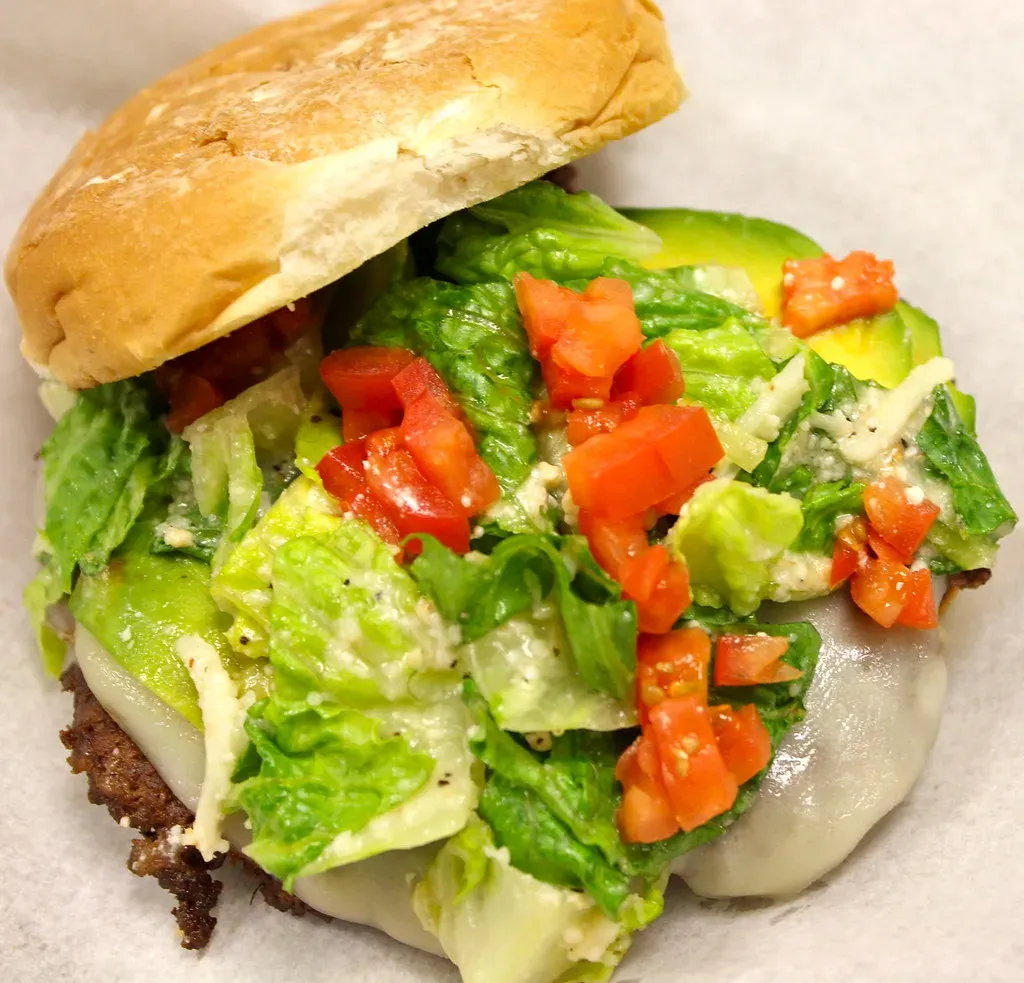
Ever notice how almost every fast food chain now offers salads and "healthier" options? You might think that's progress, but there's a darker psychology at play. The sales for french fries tripled when a side salad hit the menu. Wait, what? How does adding a healthy option make people buy more unhealthy food?
It's called moral licensing, and it's devastatingly effective. A hypothesis arose from studies that suggested that people tend to counter healthy habits with what they deem to be equally unhealthy habits, and further research into this theory discovered something interesting happening with fast-food chains. Simply seeing a salad on the menu makes you feel virtuous enough to justify ordering the double bacon cheeseburger.
In 2018, the federal government began mandating that restaurants with over 20 locations must be transparent about nutritional value by including calorie counts, and McDonald's had already been including calorie counts on all of their menu items since 2012; while later studies found that the addition of calorie information did nothing to affect consumer calorie intake, it is strange that McDonald's made this choice on their own. Why would they voluntarily do this? Because they understood the psychology: having calorie counts and healthy options makes customers feel less guilty about their unhealthy choices.
This isn't about offering genuine healthy alternatives. It's about psychological permission. The mere presence of healthy options on the menu creates a "health halo" that makes the entire restaurant seem more responsible, even though the vast majority of customers still order the same high-calorie, high-margin items they always did.
Lighting and Store Design: Creating Urgency Without You Noticing
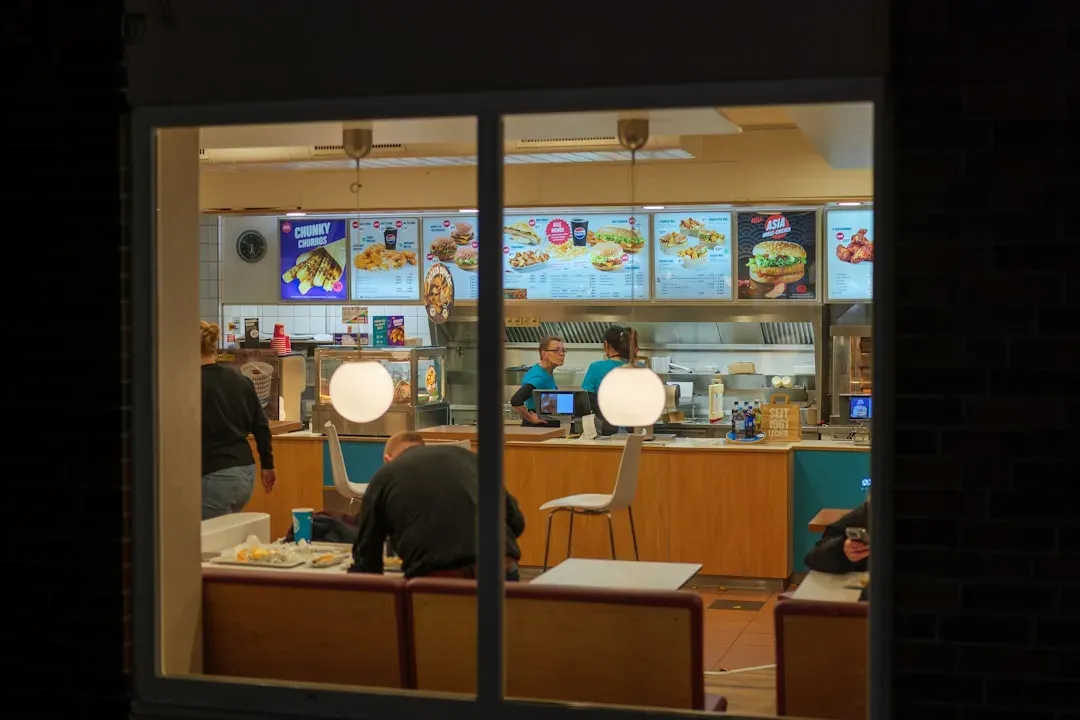
Walk into a high-end restaurant and you'll find dim lighting, comfortable seating, and a relaxed atmosphere. Walk into a fast food restaurant and you'll find bright fluorescent lights, hard plastic seats, and an overall environment that subtly encourages you not to stay too long. This isn't poor design. It's deliberate.
Fast food restaurants use environmental cues to maximize table turnover. Bright lighting increases alertness and speeds up eating. Hard, uncomfortable seating discourages lingering. Even the temperature is often kept slightly cooler than comfortable to keep people moving. The color scheme of an establishment impacts what customers order, how much money they spend, how long they spend inside the restaurant and much more.
The layout itself is designed to move you efficiently through a predetermined path. From parking lot to entrance, from entrance to counter, from counter to pickup area, everything is optimized to reduce friction and increase throughput. Fast food restaurants introduced drive-throughs and extended hours, ensuring that food is available at all times; this eliminates barriers to consumption and makes eating on impulse easier than ever.
Even the way food is packaged plays into this system. Those brightly colored boxes and wrappers featuring appetizing food photography? They're designed to keep you visually engaged with the brand even after you leave. Companies use brain scans and psychological research to design advertisements, packaging, and store layouts that maximize cravings and impulsive eating. Every touchpoint is an opportunity to reinforce brand loyalty and trigger future cravings.


Leave a Reply