
Most of us have stood over a stove, genuinely proud of what we're making, only to sit down and feel like something is... off. The flavor isn't quite there. The texture is wrong. The whole dish just feels a little flat. You followed the recipe. You used good ingredients. So what happened?
According to a 2025 HelloFresh State of Home Cooking report, roughly nine in ten Americans expect to cook as much as last year or more in the coming months. That's a lot of people in a lot of kitchens, making a lot of quiet, repeatable mistakes. Professional chefs see these patterns constantly, and they're remarkably consistent. Let's get into it.
1. Overcrowding the Pan and Turning a Sear Into a Steam
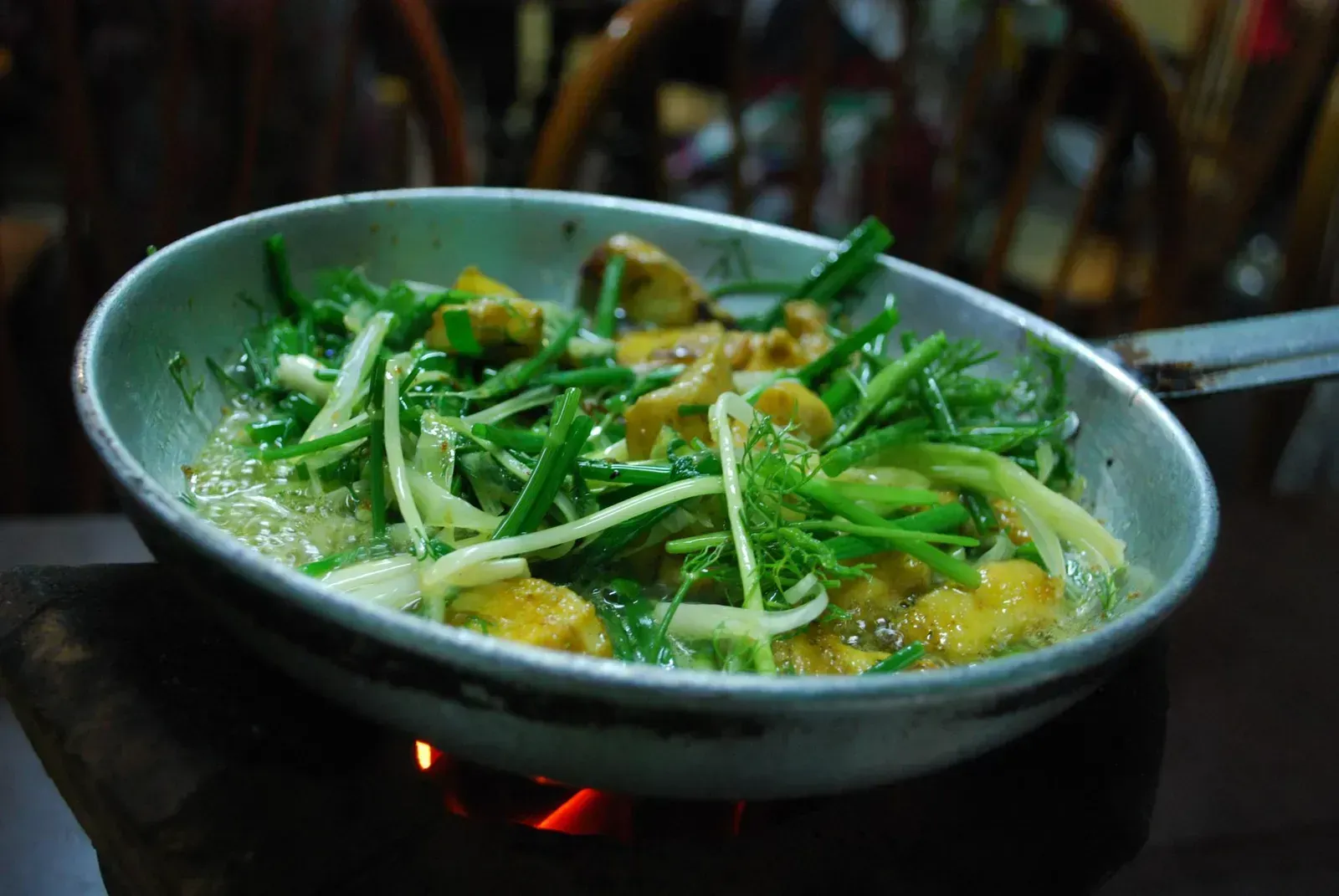
Here's the thing: this one mistake probably ruins more home-cooked meals than any other single error. It looks harmless. You're just trying to fit everything in at once, save time, get dinner on the table. Totally logical. Completely wrong.
The goal when cooking meat is a good sear, and you simply won't get it when your pan is overcrowded. Lots of meat on the pan means lots of moisture is released, and the temperature in the pan drops drastically. As a result, evaporation can't happen fast enough for caramelization to occur, and you end up stewing the meat instead of searing it.
This happens because of something called the Maillard reaction, which gives seared meats their rich, savory flavor and causes the natural sugars in meats and vegetables to caramelize into something genuinely delicious. Overcrowding the pan inhibits this process entirely. Too much moisture and insufficient heat circulation prevent the Maillard reaction from occurring correctly.
Michelin-starred chef Nicholas Lomba of Bar Lumière in New York City puts it plainly: don't crowd your pan, cook in stages rather than all at once. Adding all foods simultaneously and overcrowding the pan makes every ingredient suffer. The fix is almost insultingly simple: smaller batches, proper spacing, and a little patience.
2. Skipping the Rest After Cooking Meat
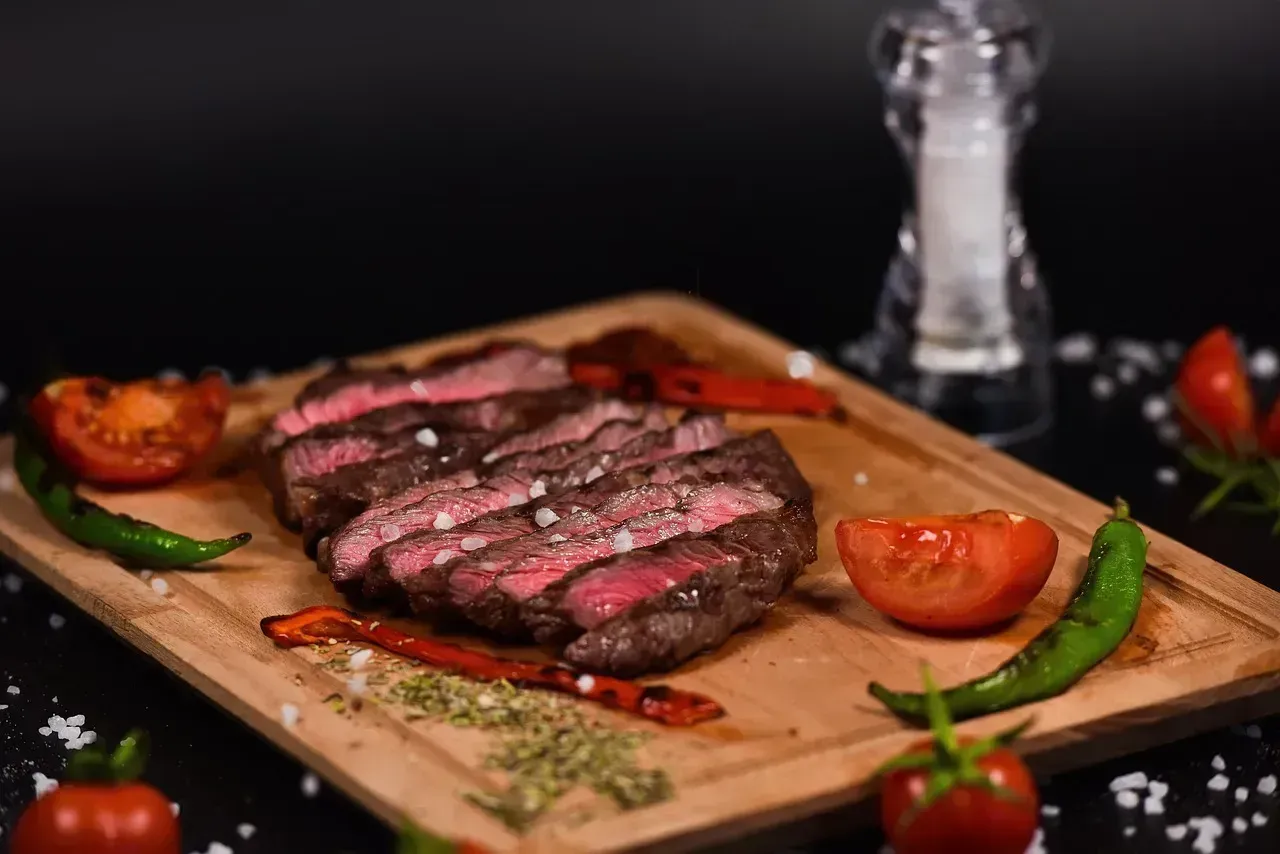
You've done the hard work. The steak looks perfect. So you slice straight into it and watch a small flood of juices pour onto the cutting board. This is one of those moments where a home cook unknowingly throws away the best part of the dish.
After cooking and before slicing and serving, meat should always be allowed to rest undisturbed. During the cooking process, protein fibers uncoil and then coagulate, becoming firm. As they do so, they expel the moisture they previously held. Then, while resting, the protein fibers are able to relax and reabsorb some of that lost moisture. If you skip resting, you will lose these flavorful juices the moment the meat is cut.
Cooks and chefs from all over the world consistently name resting as the secret to a perfectly cooked steak or any meat. Whether it's a steak or a brisket, culinary experts agree you should let the meat rest before slicing. The general rule is to let the meat rest for at least five to seven minutes.
Typical resting times in classic cooking range from about three to five minutes for small, thin cuts up to ten to twenty minutes for large roasts or thick steaks. The thicker and heavier the piece, the longer it should sit, partly to allow carryover cooking to finish the interior and partly to let juices redistribute. Honestly, the few minutes it takes to rest meat is one of the easiest upgrades any home cook can make.
3. Underseasoning Throughout the Process
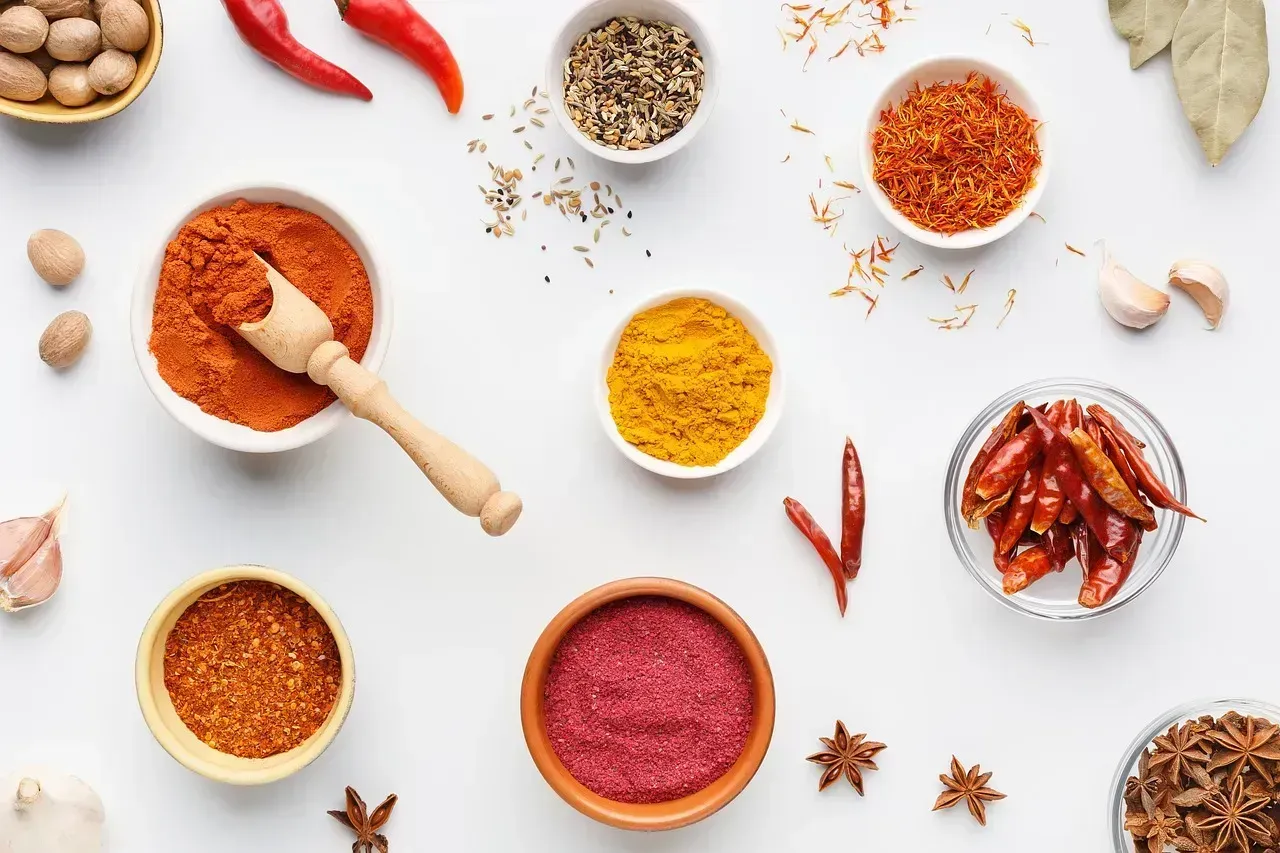
Salt is one of those things home cooks either use too much of at the end or forget to use at the right moments along the way. It sounds basic. It is basic. It's also one of the most frequently cited issues professional chefs see in home cooking environments.
Seasoning is a critical step in cooking that adds depth and flavor to your dishes. Neglecting proper seasoning and failing to taste throughout can result in lackluster flavors that no last-minute fix can repair.
Under or overseasoning can cause problems whether you're preparing coleslaw, a roast, mashed potatoes, or spaghetti sauce. Interestingly, even professional chefs sometimes struggle with getting seasoning consistently right. The difference is they taste constantly, adjust layer by layer, and build flavor intentionally rather than dumping salt on at the end.
The professional approach is to season throughout the process, adding seasonings gradually as you cook, tasting and adjusting as needed at every stage. Think of seasoning not as a finishing gesture but as a running conversation you're having with the dish from start to finish. The flavor transformation when you get it right is remarkable.
4. Using the Wrong Oil for the Wrong Heat
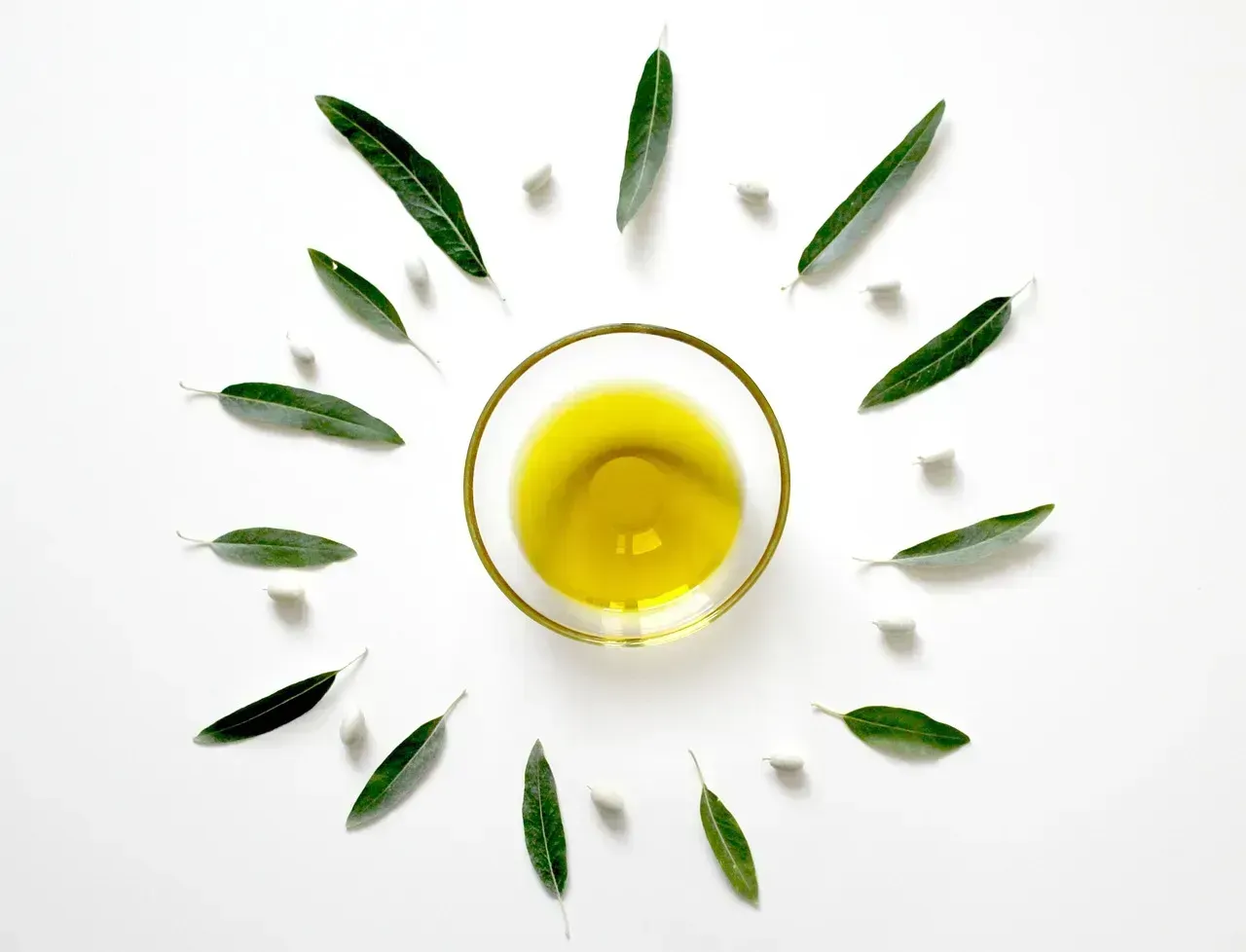
I'll be honest, this one surprised me when I first properly looked into it. Most home cooks grab whatever oil is on the counter and pour it in. Extra virgin olive oil in a screaming-hot pan? That's a problem. A real one.
Different cooking methods require different types of oils with specific smoke points and flavor profiles. Using the wrong oil can result in unpleasant flavors, smoking, and even the production of harmful compounds. For high-heat cooking methods like stir-frying or pan-searing, it's best to use oils with high smoke points such as avocado oil or grapeseed oil, as these can withstand the heat without breaking down or releasing smoke.
For salad dressings or low-heat cooking, extra virgin olive oil or walnut oil can provide a delicious flavor without the risk of burning. The issue is most people don't think about this distinction at all. They pick an oil once and use it for everything, from delicate vinaigrettes to high-heat stir-fries.
Once an oil exceeds its smoke point, the flavor changes, and not in a good way. You get acrid, bitter, stale notes in a dish that had every chance of being great. It's a silent saboteur, hiding in plain sight right next to the stove.
5. Shaking the Pan Instead of Letting Food Brown
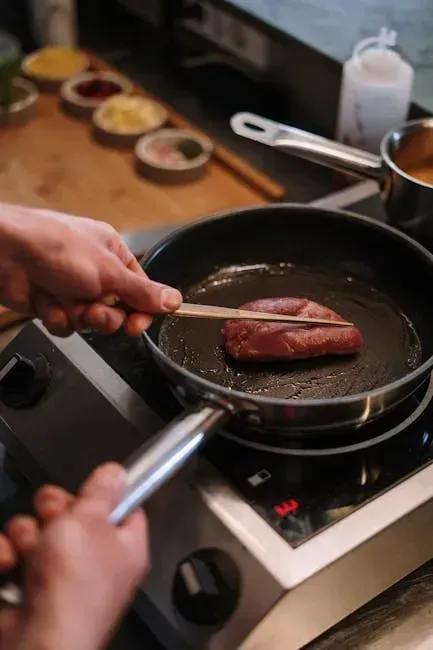
This one is so easy to understand once someone explains it, but almost nobody tells home cooks about it. You've watched professional chefs on TV, tossing their pans with flair. You try to replicate it at home. You're actually sabotaging your dish.
Amateur cooks tend to shake their pans because they see chefs doing that on TV, but shaking a pan to move things around actually cools down whatever you are cooking and prevents caramelization. Instead of getting a nice sear that's crispy, you can end up steaming your food.
Moving food too soon also prevents proper browning. The right approach is to let food cook undisturbed for at least two to three minutes before flipping or stirring. Think of it like this: when food is ready to flip, it naturally tells you. It releases cleanly from the pan. If it's sticking, that's the pan telling you it's not done yet.
Constantly flipping or poking the food tears the crust before it has time to form properly. The right technique is to let it sear undisturbed until it naturally releases from the pan. This applies to chicken, fish, steak, mushrooms, and virtually anything you're trying to brown with intention.
6. Failing to Preheat the Pan Before Adding Ingredients
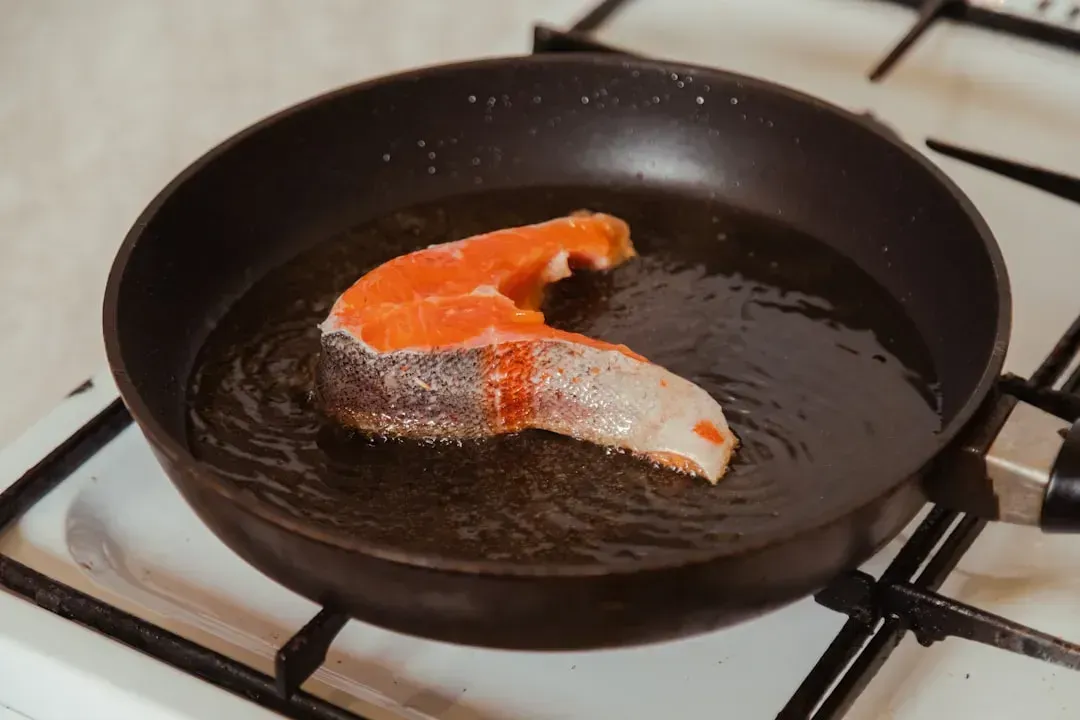
Here's a scenario almost every home cook will recognize. You add ingredients to the pan, hear almost nothing, no sizzle, no reaction, and wonder why the food looks gray and pale rather than golden and appetizing. The answer is nearly always the same: you didn't wait.
Many home cooks make the mistake of not preheating their pans before starting the cooking process. When you fail to preheat the pan, you compromise the texture and doneness of the ingredients from the very start.
Adjusting and managing temperature is critically important whether you're cooking or baking. Overheating or underheating can ruin any dish and impact its texture and flavor. Heat control determines how food browns, rises, or stays tender. A cold pan is like trying to start a campfire with damp wood. The conditions just aren't right.
Chef Robert Ramsey of the Institute of Culinary Education describes how full your pan should be as follows: think of it like an elevator, where you want everyone to get in but nobody touching. Each individual piece of food should have its own space, in a pan that's properly preheated and ready to work. Cold pan equals steamed, textureless food. Properly preheated pan equals the restaurant-style results home cooks spend years chasing.
7. Burning the Garlic and Destroying the Base Flavor
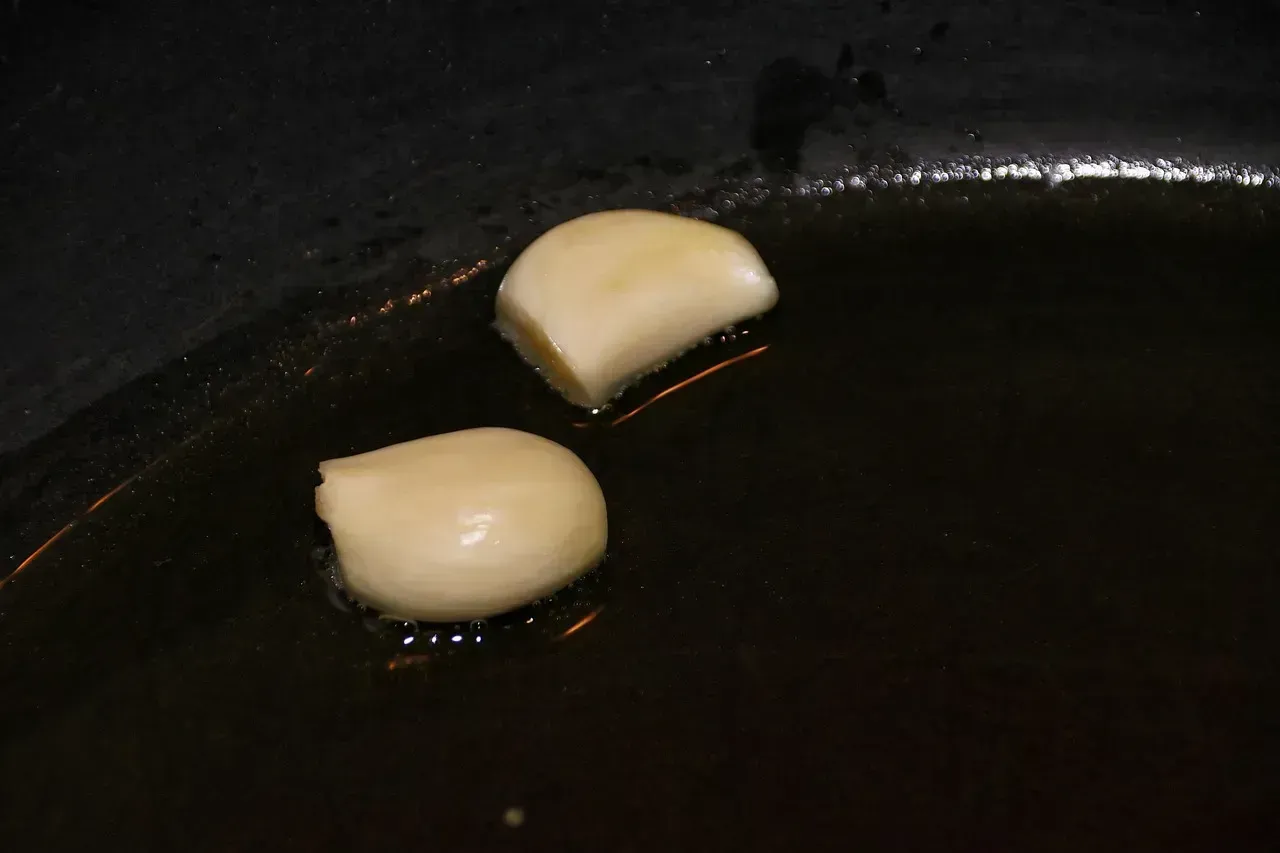
Of all the tiny mistakes in home cooking, this one might be the most common and the most damaging. Garlic is added at the start alongside the onions, gets forgotten for a minute, and by the time everything else is sorted, there's a bitter, acrid base flavor running through the entire dish. No sauce or seasoning can fully fix it later.
Garlic is a versatile and aromatic ingredient that can elevate the flavor of many dishes. However, overcooking garlic results in a bitter and deeply unpleasant taste that will permeate whatever it's cooked in.
The common mistake is adding garlic at the start of cooking alongside the onions, when in reality garlic only takes about three minutes or so to cook through properly. Adding it too early guarantees it will be overdone and bitter long before the rest of the dish is ready. The fix: add onions first, let them soften, then add garlic toward the end of that initial sautéing stage.
Just because you have twenty different spices in your cabinet does not mean you should use all of them at once. You have to know the right combinations, and garlic is one ingredient where timing and restraint are everything. Home cooks who crack this one detail consistently produce dishes that taste significantly more complex and balanced than those who don't.
The Takeaway
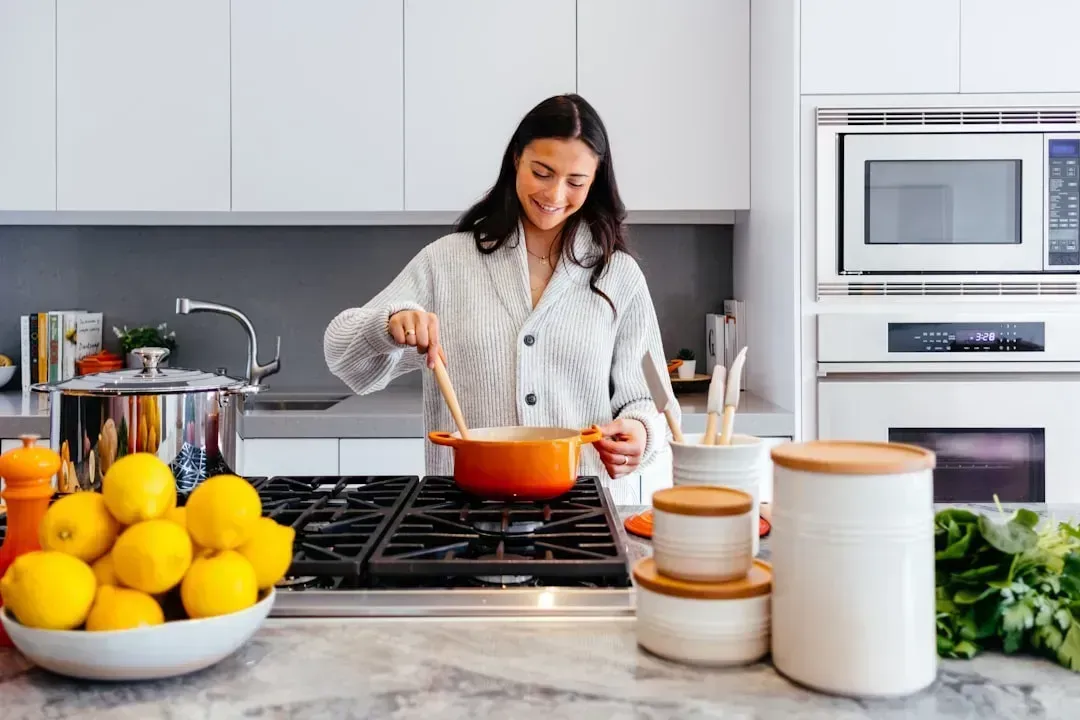
None of these seven mistakes require expensive equipment, culinary school training, or a complete change to how you cook. They're quiet errors, easy to overlook, but collectively they represent the gap between a dish that's merely edible and one that genuinely impresses.
The interesting thing is that professional chefs don't use magic. In the wake of the 2020 pandemic, many people rediscovered home cooking as a mindful ritual, and home cooking has continued to evolve as Americans adapt to shifting lifestyles and new techniques. The professionals simply understand why each step matters, and they execute with intention rather than habit.
Go back to your kitchen with fresh eyes. Taste as you go. Respect the pan. Let the garlic wait its turn. Small adjustments, outsized results. What's the one mistake from this list you know you've been making?




Leave a Reply