
Feeding a family well without spending a fortune feels harder than ever right now. Grocery prices have been climbing steadily, and according to the most recent consumer price index report, the food index rose 2.9% over the past year. That kind of creep adds up fast when you're buying for multiple mouths every single week.
The good news? You don't need an overflowing wallet to put real, nourishing food on the table. There are a handful of grocery staples - unglamorous, often overlooked - that punch way above their price tag. Let's get into it.
1. Rice: The Ultimate Budget Workhorse
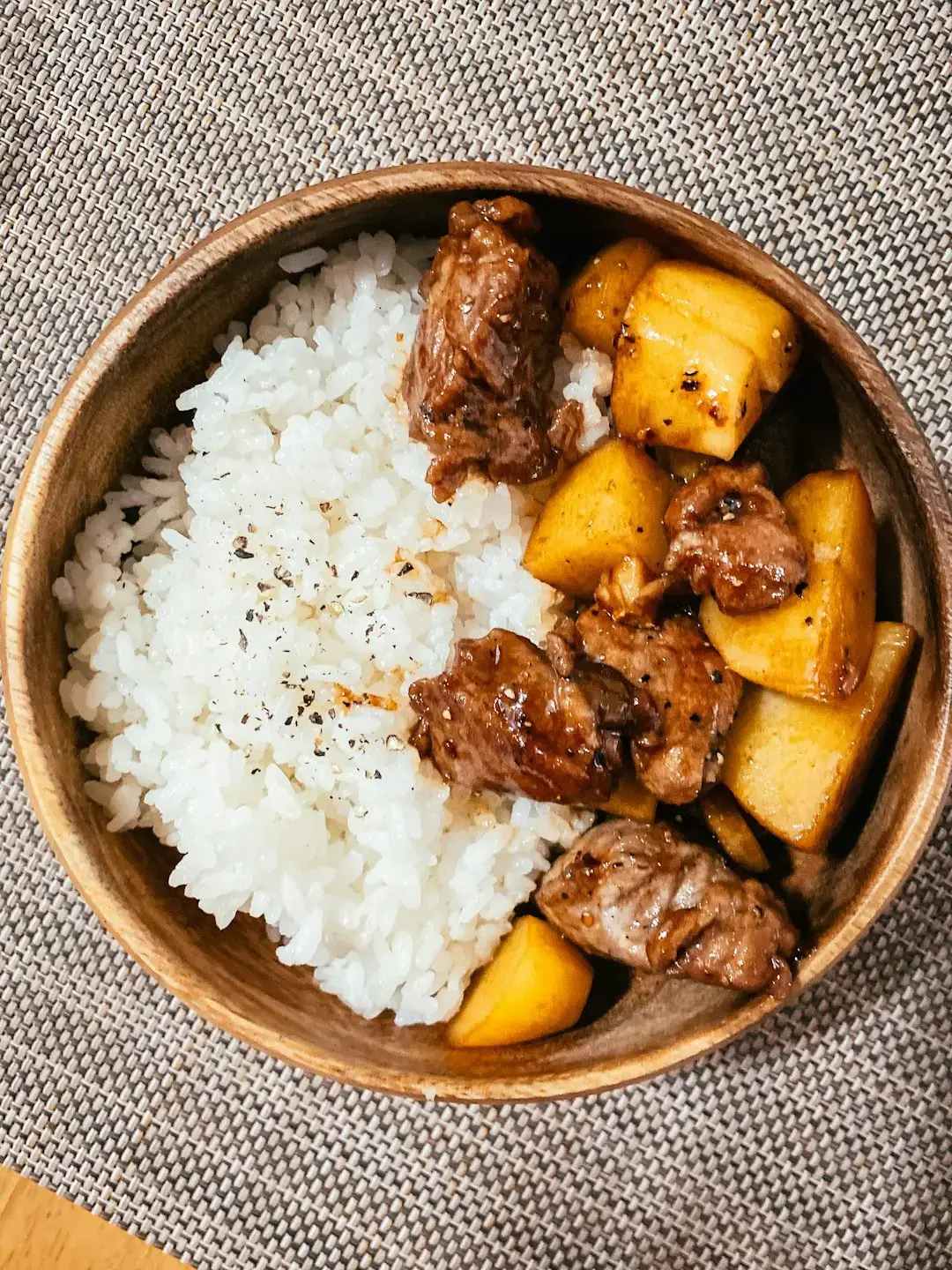
Rice is the most popular food on the planet, and at about 8 cents per ounce for medium-grain white or brown varieties, it's one of the cheapest staples out there. That's almost absurdly affordable when you think about how much volume you get from a single bag. Think of it like a blank canvas - it becomes something different every single night of the week.
Rice is one of the best budget staples according to food experts. A large bag will last for years in the pantry and costs about 10 to 20 cents per serving. White rice is a staple source of carbohydrates, while brown rice contains magnesium and fiber. Whole grains like brown rice, when bought in bulk, are extremely inexpensive and keep you full - it's also an excellent source of complex carbohydrates, which provide long-lasting energy and slow-digesting fiber.
2. Dried Beans and Lentils: The Protein You're Underusing
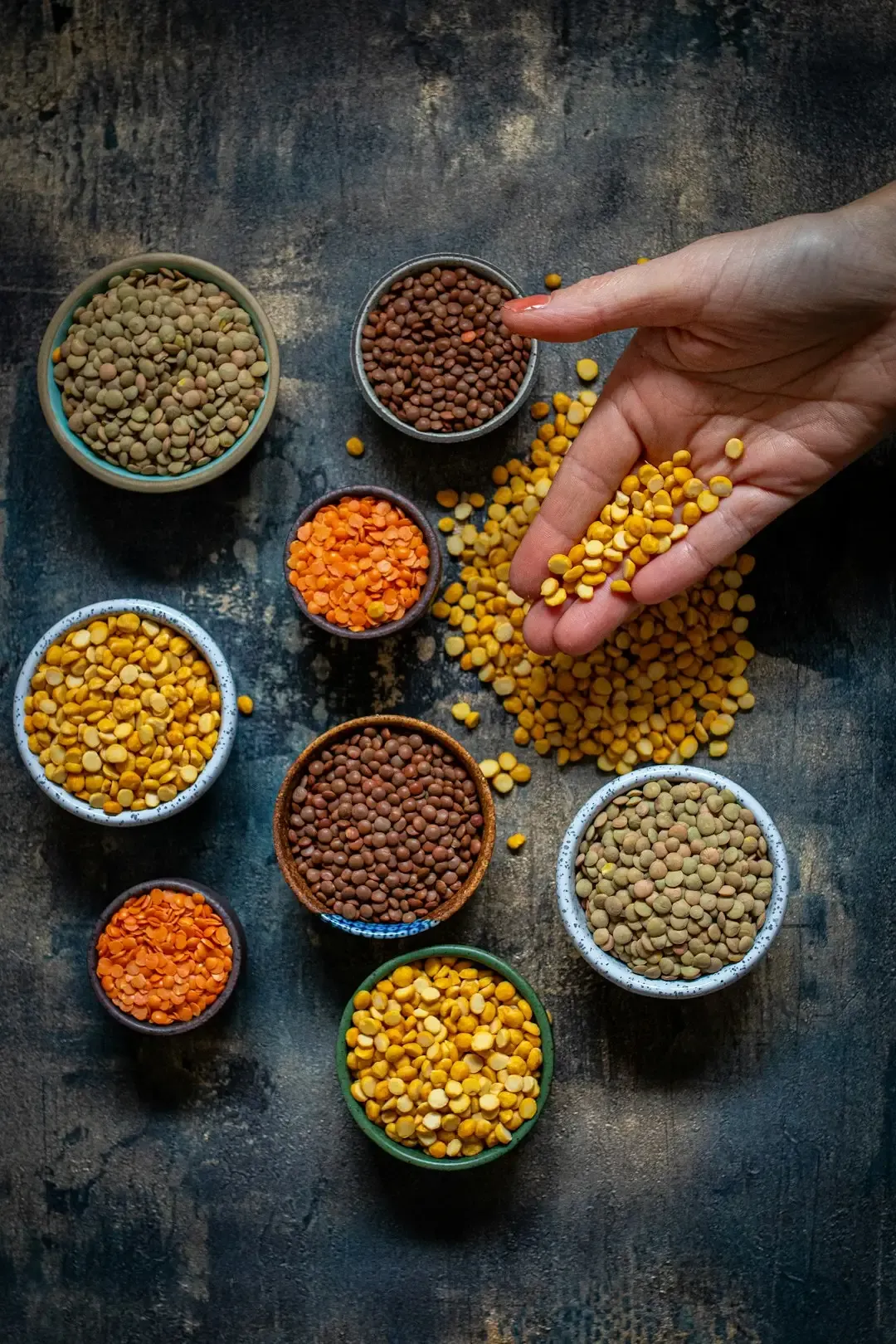
Here's something a lot of families don't realize: beans and lentils are among the most nutritious foods you can buy, and they cost almost nothing. At about $1.09 per 15-ounce can, beans are a particularly cheap protein source. Dried beans are even cheaper - at around 12 cents per ounce, they cook up to be about half to a third the price of canned. That's a deal that's genuinely hard to beat anywhere else in the grocery store.
Beans, peas, and lentils entered the nutritional spotlight when the 2025 US Dietary Advisory Committee released scientific guidance recommending that the protein section of MyPlate start with beans, peas, and lentils. Lentils cost just about $0.10 per serving and provide 18 grams of protein and 15 grams of fiber per cup cooked. They're also cholesterol-free, high in folate, iron, and potassium, and low in fat. That nutritional profile rivals most expensive proteins at a tiny fraction of the cost.
3. Oats: The Breakfast That Pays You Back
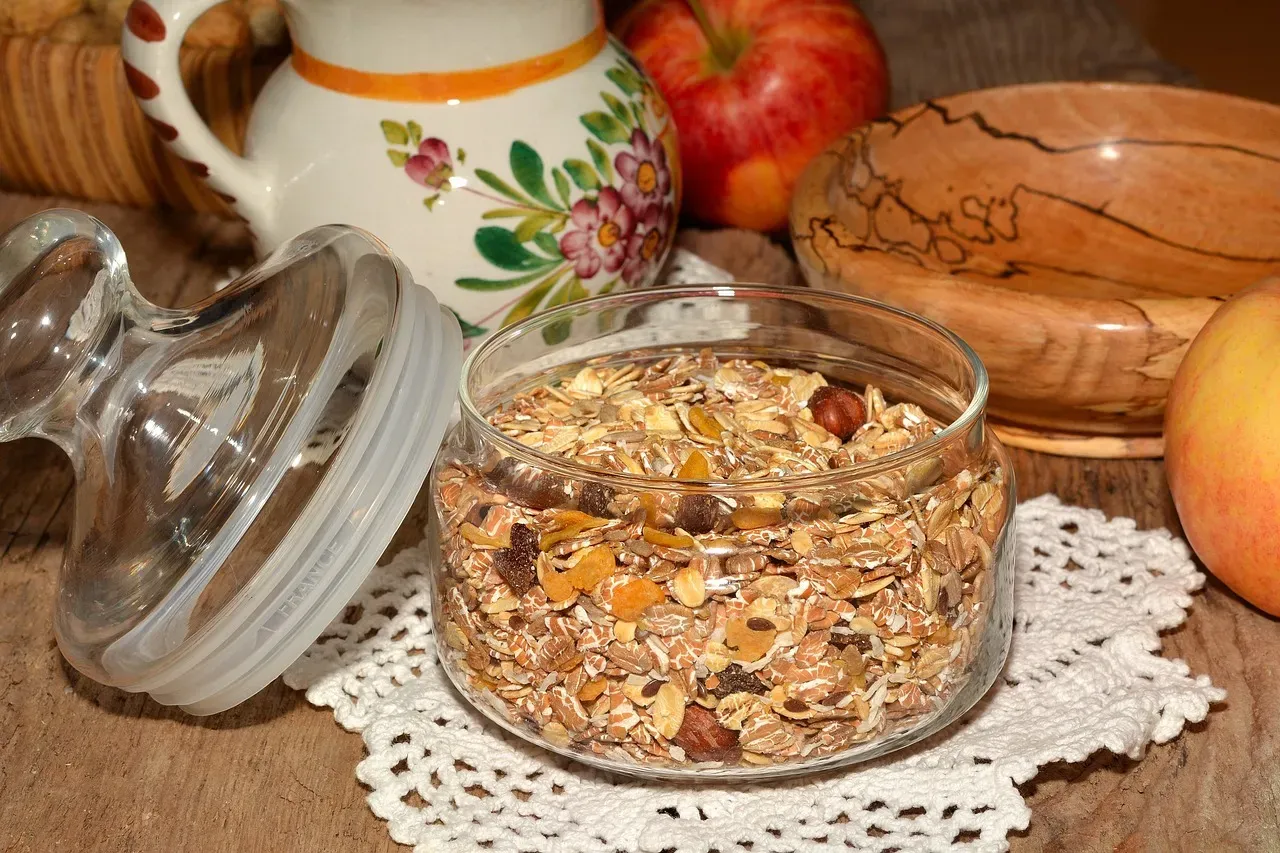
Honestly, oats might be the single most underappreciated item in any grocery store. Oats are rich in a type of soluble fiber called beta-glucan, which promotes regularity and prevents constipation. A half-cup serving of dried oats, which makes a cup of oatmeal, is usually less than 10 cents. That's a complete, filling breakfast for a child or an adult for less than a dime. I find that genuinely staggering.
Oats are a good source of many vitamins, minerals, and unique plant compounds. This grain offers potential health benefits including reduced cholesterol and improved insulin sensitivity. They are a very good source of fiber, especially beta glucan, and are high in vitamins, minerals, and antioxidants. Whole oats are also the only food source of avenanthramides, a unique group of antioxidants believed to protect against heart disease. Oats also provide iron, magnesium, and B vitamins, making them an affordable option for breakfasts, snacks, or even savory dishes.
4. Eggs: Still a Strong Value Despite Recent Price Hikes

Let's be real - eggs have had a rough stretch lately. Eggs have seen large price increases over the past year, rising by 53%, in part due to bird flu. That stings. Still, in the larger picture of protein sources, eggs hold their own in ways that matter for families on tight budgets.
Beyond just protein, eggs contain an excellent or good source of eight essential nutrients that support health at every age. They also deliver key nutrients that most Americans don't get enough of, including vitamin D and choline. Each large egg has six grams of protein, all for only 70 calories. Eggs remain a good value at the grocery store as one of the most affordable high-quality proteins per serving. As a complete protein, eggs contain all nine essential amino acids in a digestible and bioavailable form - making them uniquely efficient for the money you spend, price fluctuations and all.
5. Frozen Vegetables: Fresh Nutrition Without the Fresh Price
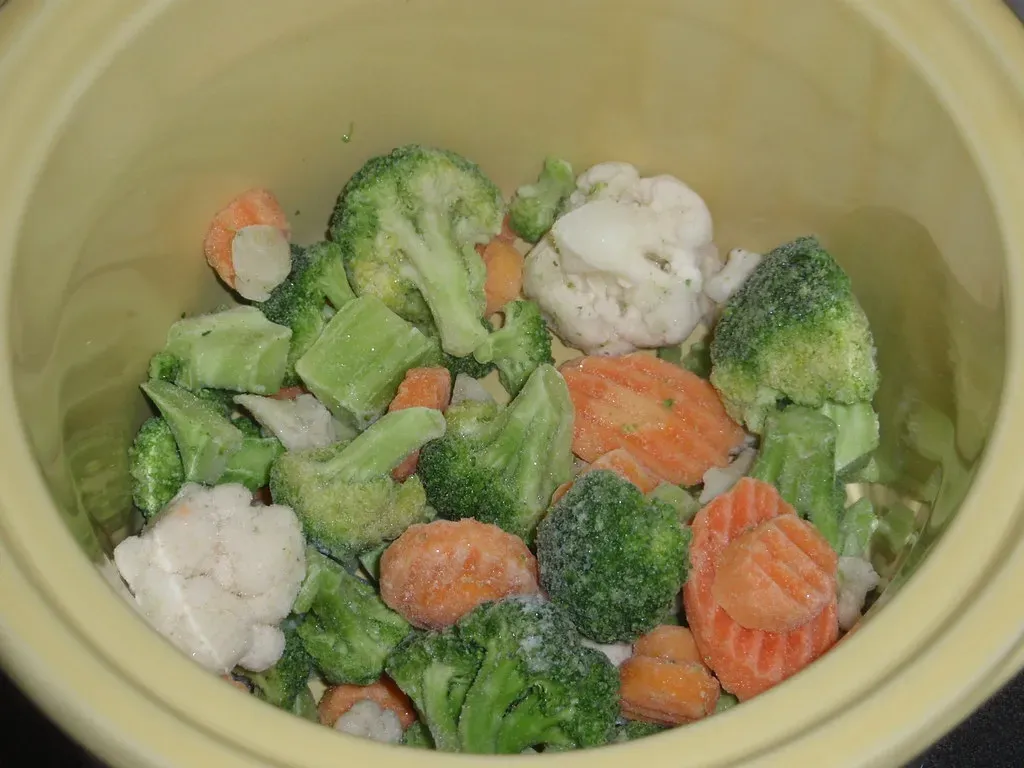
People overlook frozen vegetables constantly, and it's a mistake. Frozen vegetables offer the same nutrition as fresh - they're harvested at peak ripeness and flash-frozen to seal in nutrients. Frozen peas and broccoli are loaded with fiber and immune-boosting vitamin C, while frozen leafy greens like spinach are loaded with vitamin K, folate, and iron. The nutritional difference between frozen and fresh is genuinely minimal.
Frozen vegetables are some of the most nutrient-dense vegetables in the grocery store since they are frozen at peak ripeness, and they are often the cheapest option as well. They're often cheaper, there's no spoilage, and they last a long time, according to registered dietitian Wesley McWhorter. Food inflation reports indicate that canned vegetables are among the least affected by 2025 price increases, making them a reliable staple. That kind of price stability is exactly what stretched budgets need.
6. Pasta: Simple, Filling, and Endlessly Flexible
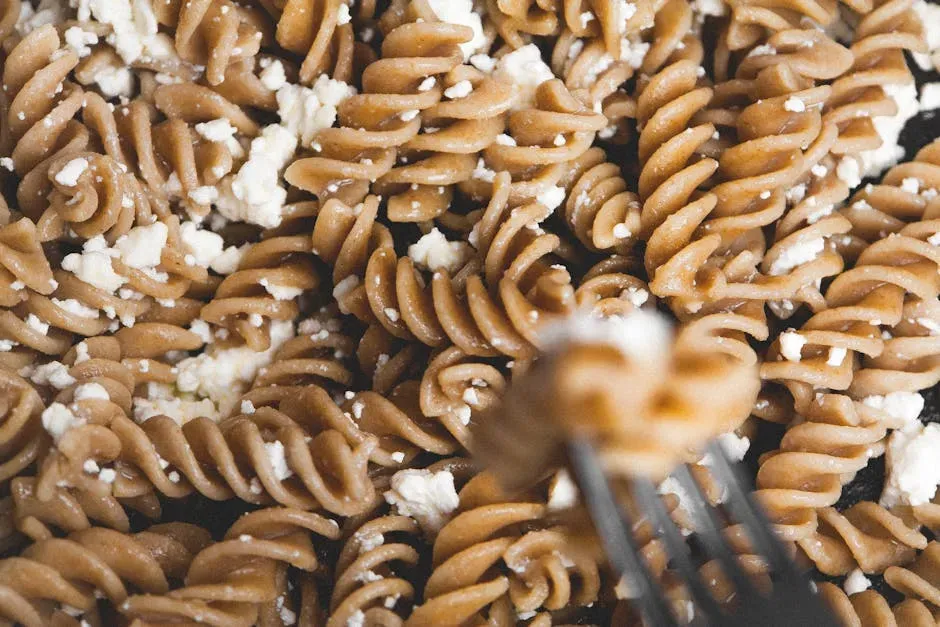
Few foods in the world offer pasta's combination of versatility, cost, and crowd-pleasing reliability. From spaghetti to macaroni, pasta's versatility is matched only by its affordability - toss it with just about anything for an instant hit. It's the kind of staple that saves you on those chaotic Tuesday nights when nobody has agreed on what to eat and the clock is ticking.
Whole wheat pasta is a particularly good staple to have on hand, as it contains more fiber and keeps you feeling full longer. There are many pasta varieties available today, but for a tight budget, whole wheat pasta is going to be the best bet. Pasta pairs perfectly with canned tomatoes, olive oil, and garlic for a quick marinara, while canned beans can be mashed for dips, simmered into chili, or added to salads for protein. The combinations are practically endless, which means you won't get bored.
7. Canned Tomatoes: A Small Can With a Big Nutritional Punch
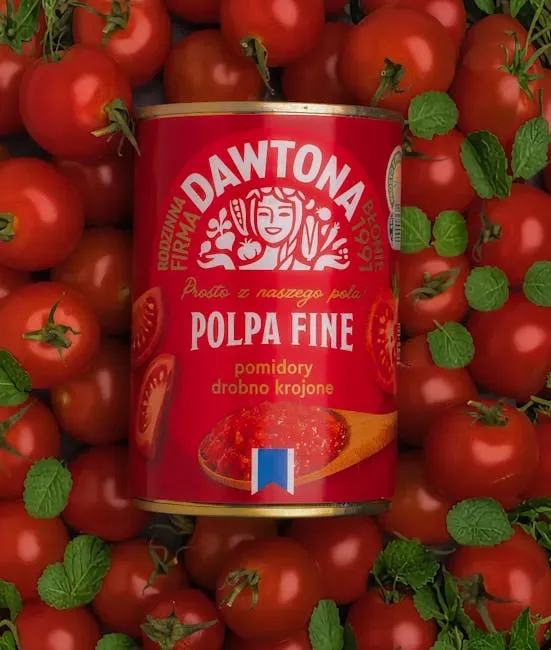
A can of tomatoes often costs around a dollar, but what you get nutritionally is surprisingly impressive. Canned tomatoes cost around $1.00 per 14-ounce can and are high in lycopene, an antioxidant with reported health benefits. In contrast to most nutrients, cooking makes lycopene more bioavailable, meaning the canned types are especially potent. Tomatoes are also a source of vitamin C, potassium, and folate, and they're naturally low in fat and calories.
Canned tomatoes are a powerhouse for sauces, stews, and soups and are a staple that can be used in many ways. They give depth and body to dishes that might otherwise feel flat - think of them as the secret behind every good chili, shakshuka, or pasta sauce that costs almost nothing to make. Cooking from scratch is one of the best ways to lower your grocery costs while improving nutrition, and canned tomatoes make that easier than almost any other ingredient on this list.
8. Potatoes: The Underestimated King of Budget Cooking
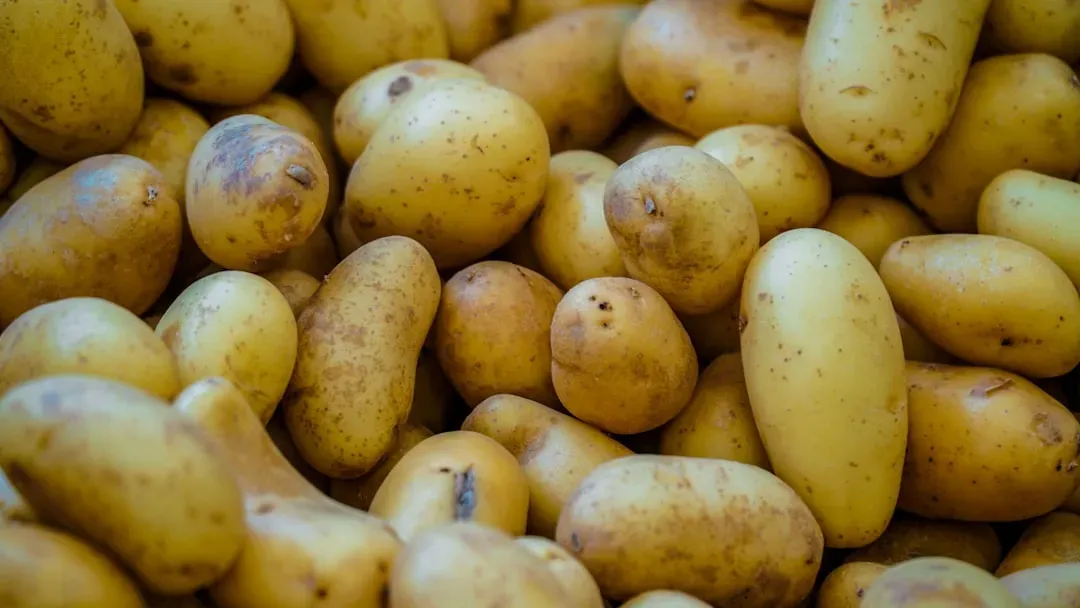
It's hard to say for sure why potatoes get such little respect in modern food culture, but the data is clear: they're one of the most filling, affordable, and nutritious foods available. Bake them, mash them, put them in a stew - the possibilities are endless with the basic potato. They're also incredibly filling, thanks to a surprisingly high fiber content in the skin and a natural compound that signals satiety to the brain.
When it comes to vegetables, long-lasting meal staples such as potatoes usually offer the best bang for your buck. Root vegetables like potatoes offer versatile ingredients for added nutrition across many types of meals. The USDA's 2025 estimates suggest a moderate food plan for a family of four costs between $975 and $1,500 per month - but leaning hard on staples like potatoes, rice, beans, and the other items on this list is exactly how families cut that number down dramatically. A ten-pound bag of potatoes still costs just a few dollars in most stores. That's a week of side dishes right there.




Leave a Reply