
Millions of people are quietly walking around with high cholesterol and no idea their arteries are slowly paying the price. It's one of those invisible problems - no pain, no obvious symptoms - until something goes seriously wrong. The good news? What you put on your plate every single day has enormous power over your cholesterol levels, and the science behind that is more solid than many people realize.
Cardiovascular disease remains the leading cause of death worldwide, with elevated LDL cholesterol as a major risk factor. Beyond medications, dietary interventions and functional foods offer significant cholesterol-lowering potential. That means your grocery list is genuinely part of your treatment plan. Doctors know this. Dietitians know this. Yet somehow, the connection between specific foods and measurable cholesterol reduction still surprises most people.
This is your gallery of eight foods that doctors consistently point to - backed by real, verifiable research - when they want to help patients take control of their cholesterol. Let's dive in.
1. Oats: The Classic That Actually Earns Its Reputation
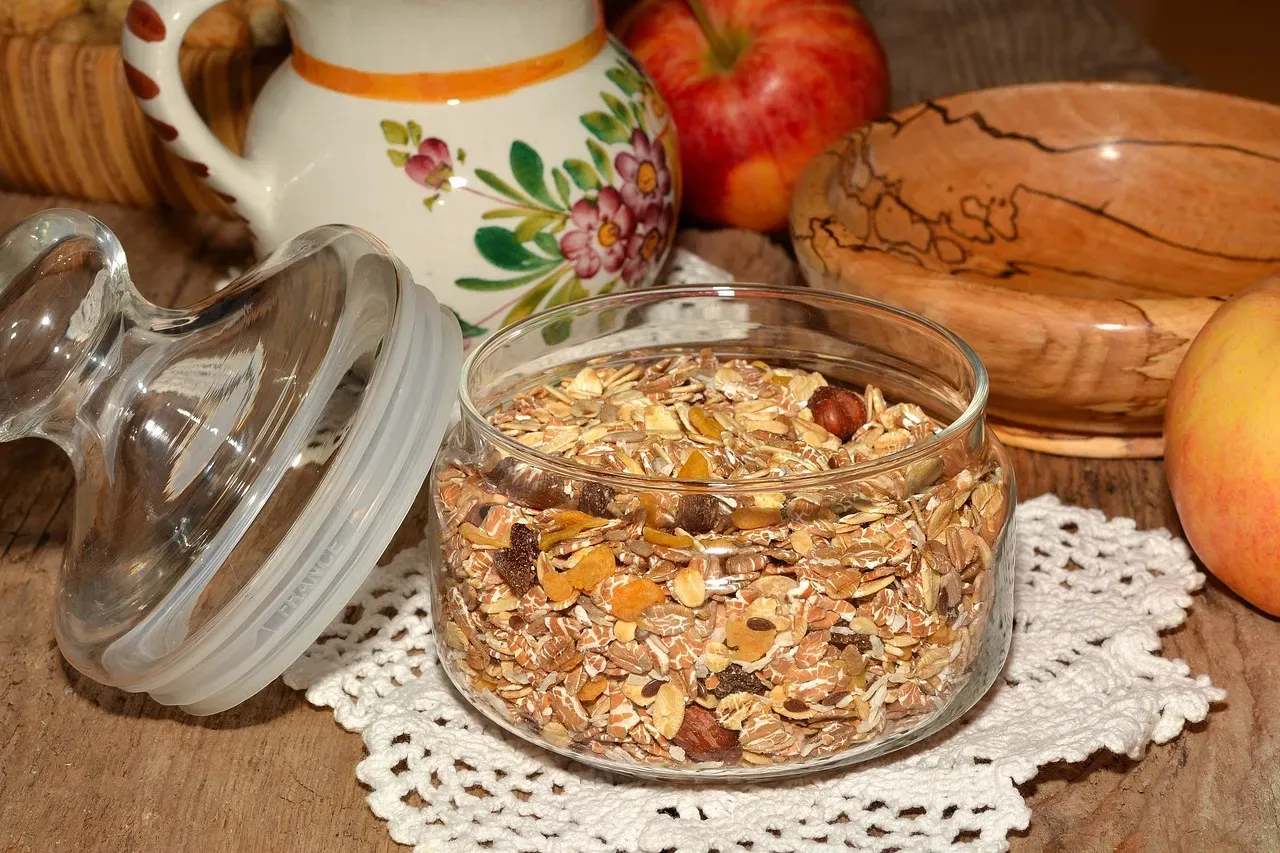
Let's be real - oats have been pushed as a heart food for so long that it's easy to assume the hype is overblown. It isn't. Oatmeal has soluble fiber, which reduces LDL cholesterol, the "bad" cholesterol. Soluble fiber can reduce the absorption of cholesterol into your bloodstream. The mechanism is remarkably elegant: the fiber literally traps cholesterol in your gut before it reaches your blood.
The key compound here is beta-glucan, and the research supporting it is extensive. A meta-analysis of 28 randomized controlled trials found that oat beta-glucan in doses of at least 3 grams per day reduced LDL cholesterol by 0.25 mmol/L and total cholesterol by 0.30 mmol/L, without changing HDL cholesterol or triglycerides. That's a consistent, measurable effect across dozens of studies - not a fluke.
Health authorities in the US, Europe, and elsewhere have permitted health claims attributing a reduction in cardiovascular disease risk to the consumption of at least 3 grams per day of beta-glucan. The mechanisms by which beta-glucan may lower cholesterol levels are linked to its ability to prevent re-circulation or enhance excretion of bile acids. As bile acids are a major repository of cholesterol in the body, this leads to an overall reduction in cholesterol.
Five to 10 grams or more of soluble fiber a day decreases your LDL cholesterol. One serving of a breakfast cereal with oatmeal or oat bran provides 3 to 4 grams of fiber. If you add fruit, such as a banana or berries, you'll get even more fiber. Think of your morning bowl of oatmeal as a daily investment - not just breakfast.
2. Fatty Fish: Omega-3s With Serious Heart Power
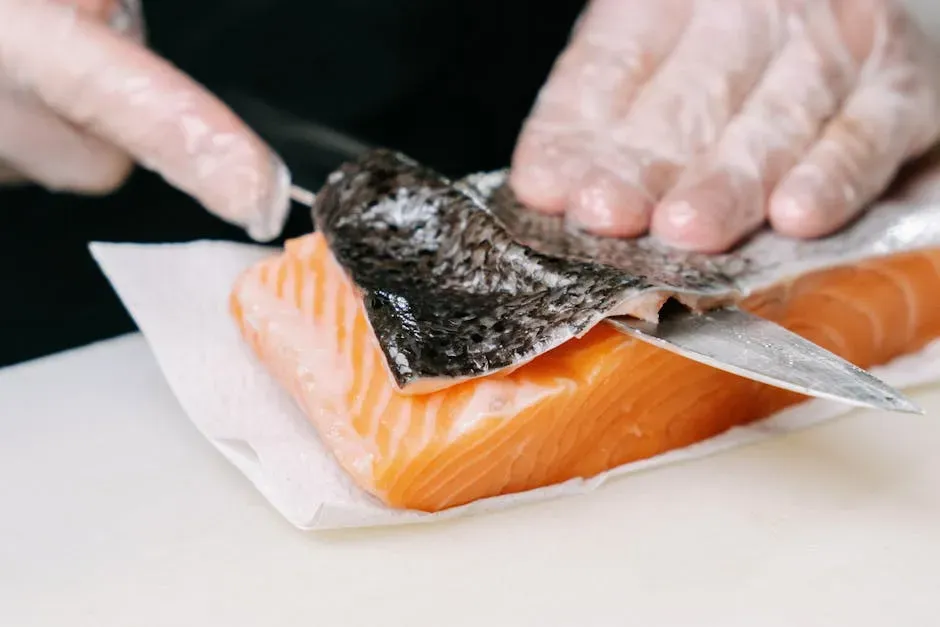
Salmon, mackerel, sardines, herring - these aren't just delicious. They carry one of the most studied nutrient packages in the world of cardiology. Research has shown that eating fatty fish, such as salmon, mackerel, sardines, tuna, pollock, and cod, can support heart health. High amounts of omega-3 fatty acids help reduce triglycerides, increase "good" cholesterol, and prevent blood clots that can cause heart attacks and strokes.
Fatty fish has high levels of omega-3 fatty acids, which can reduce your triglycerides - a type of fat found in blood. These acids also may help lower your blood pressure and reduce the risk of blood clots. In people who have already had heart attacks, omega-3 fatty acids may reduce the risk of sudden death. Omega-3 fatty acids may help lower triglycerides and increase HDL, the good cholesterol.
If you're worried about your heart health, try eating at least two servings of fish a week. Doing so could lower your risk of heart disease. The American Heart Association s eating fish rich in healthy unsaturated fats at least twice a week. Honestly, this is one of the simplest, tastiest ations in all of nutrition medicine - and it's well worth following.
3. Avocados: The Nutrient-Dense Fat That Fights Fat
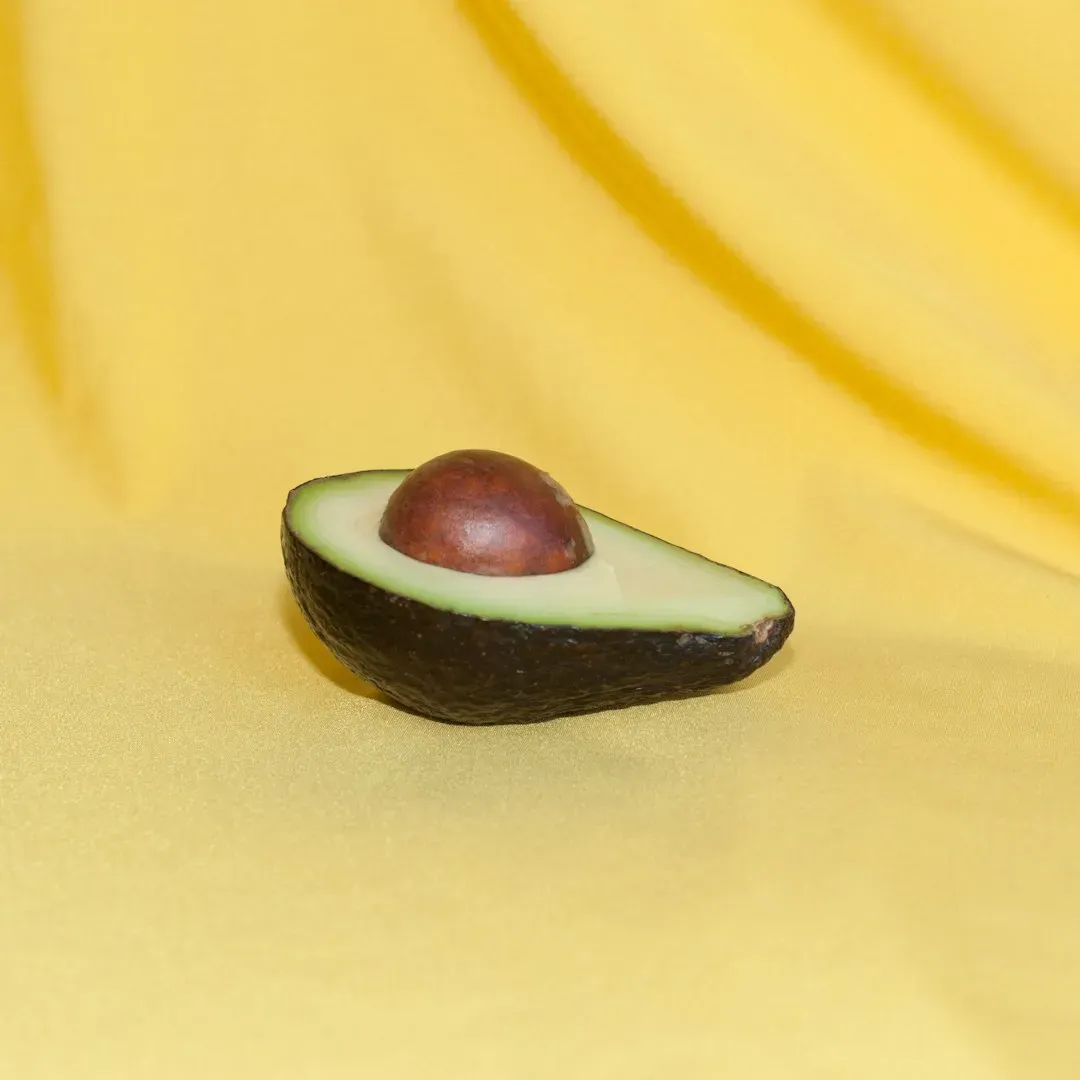
Avocados spent years being unfairly labeled a "high fat" food to avoid. Doctors and researchers have since firmly corrected that narrative. Avocados are rich in monounsaturated fatty acids (MUFAs), fiber, and plant sterols, which have cholesterol-lowering effects. Think of them as a triple-threat food - three separate mechanisms all working together.
A 2025 meta-analysis of randomized controlled trials published in the journal Critical Reviews in Food Science and Nutrition confirmed the effect. Results showed a significant reduction in total cholesterol and LDL cholesterol in avocado groups versus controls. A nonlinear dose-response analysis found an inverse association between higher avocado intake and LDL cholesterol levels, as well as between longer consumption and total cholesterol reduction.
Avocados are a good source of nutrients as well as monounsaturated fatty acids. Research suggests that the fiber from avocados can improve HDL cholesterol levels and the quality of LDL cholesterol. Adding two servings of avocado per week to a heart-healthy diet can lower your risk of heart disease. That's a remarkably low bar of effort for a genuinely meaningful health gain.
4. Nuts: Small Handfuls, Big Impact
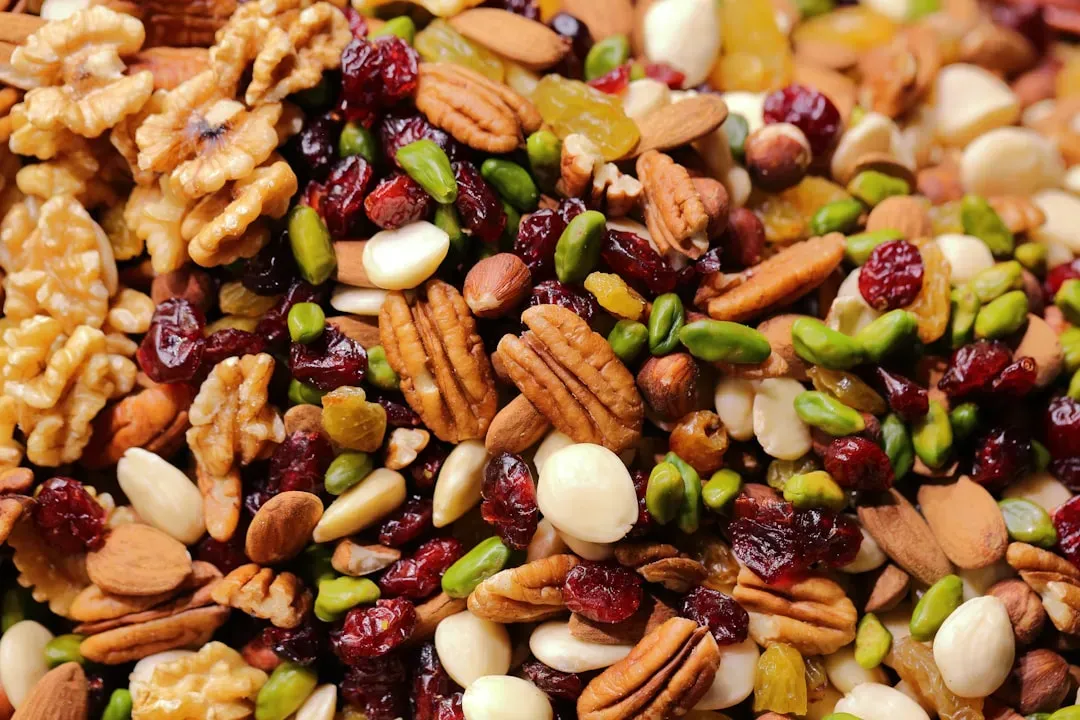
There's something almost comically convenient about nuts - they're portable, require zero preparation, and the research backing them is seriously impressive. Almonds and other tree nuts can improve blood cholesterol. Studies have shown that walnuts, which have omega-3 fats, may help protect the heart and lower the risk of heart attack for people who already have heart disease.
Nuts, especially tree nuts like almonds and walnuts, are rich in healthy fats, fiber, and phytochemicals. Regular consumption of nuts can improve lipid profiles by reducing LDL cholesterol and enhancing endothelial function. Plant-based monounsaturated fats, such as those found in olive oil and avocados, have also been incorporated into dietary ations due to their benefits on lipid profiles.
Those who ate more plant protein, legumes, nuts, seeds, foods rich in viscous fiber, plant sterols, and monounsaturated fats had a lower risk of cardiovascular disease, coronary heart disease, and stroke. The five pillars of the heart-protective portfolio diet include nuts and seeds, plant proteins, viscous fiber, plant sterols, and monounsaturated fats. Nuts sit right at the center of that winning combination. A small handful a day - ideally unsalted - is all it takes to start seeing a difference.
5. Legumes: The Underdog Food Your Doctor Keeps Mentioning
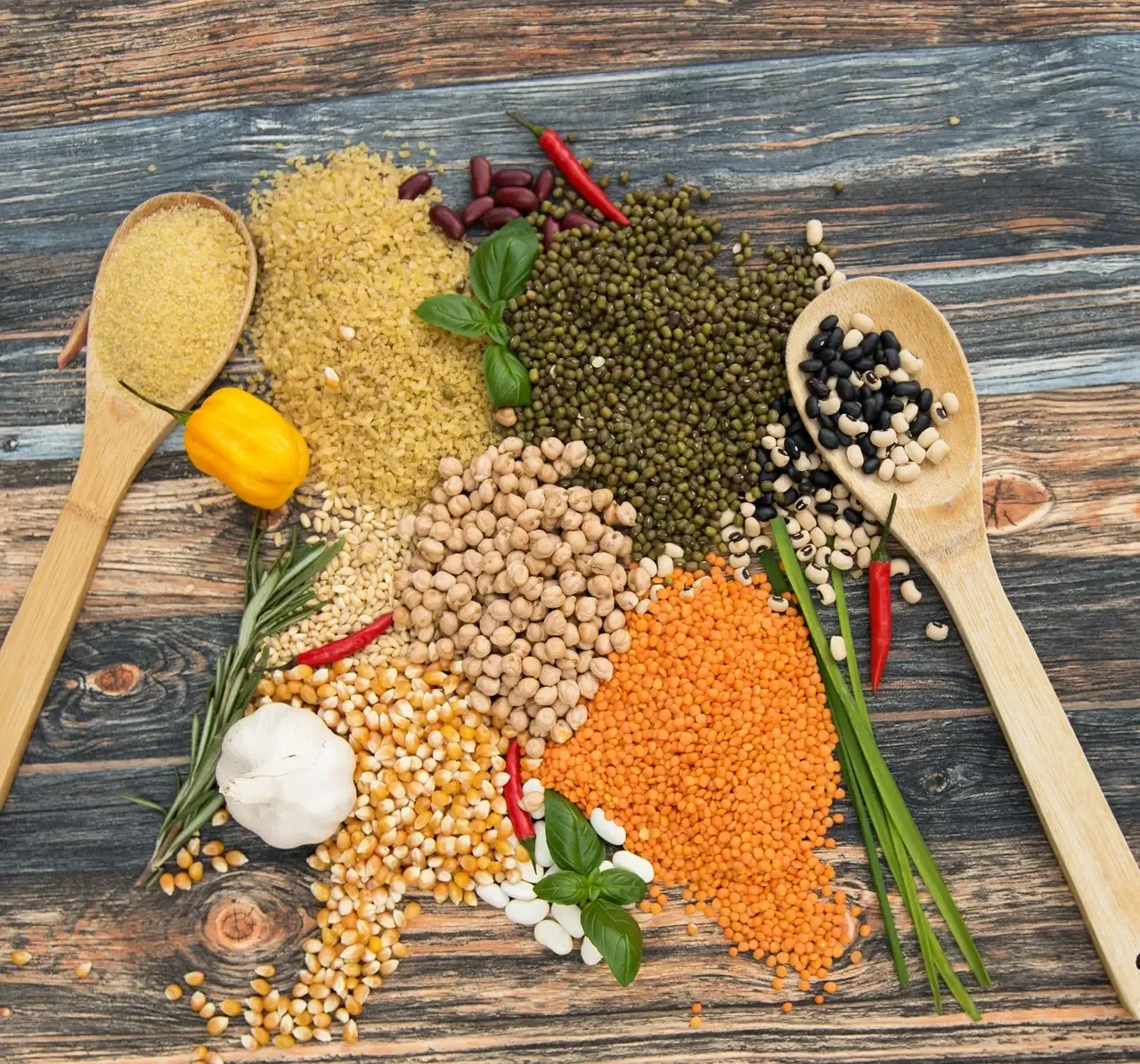
Beans, lentils, chickpeas, black beans - legumes are probably the most underutilized cholesterol-lowering food in the modern Western diet. I think this is partly because they're seen as boring or fussy to cook. The evidence for them, though, is impossible to ignore. Replacing some of the meat you eat with beans can help lower your cholesterol by boosting your intake of soluble fiber and cutting saturated fat. Protein-rich beans and legumes such as lentils, black beans, soy/edamame, kidney beans, and garbanzo beans are excellent choices.
The heart-protective portfolio diet encourages plant protein from legumes, particularly soy, viscous fiber sources including oats, barley, psyllium, okra, eggplant, berries, apples, and citrus fruits, along with nuts and seeds, phytosterols, and plant monounsaturated fat sources. Legumes feature prominently across all evidence-based dietary frameworks focused on lowering cardiovascular risk.
Clinical trials confirmed that the portfolio dietary pattern significantly lowered levels of LDL cholesterol by about 17%, non-HDL cholesterol by 14%, and ApoB by 15%, as well as high-sensitivity C-reactive protein. Those are statin-level numbers from food alone. Here's the thing: you don't need to overhaul your entire diet overnight. Simply swapping meat for lentils a few times a week can move the needle meaningfully.
6. Plant Sterols and Stanols: Nature's Cholesterol Blockers
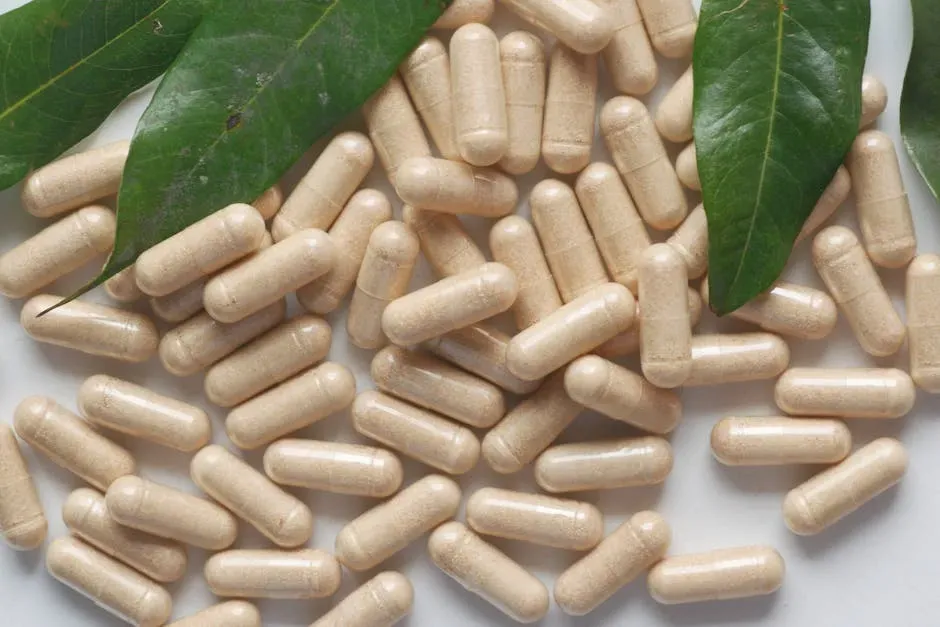
Most people have never heard of plant sterols or stanols, but doctors are very familiar with them. One of the most direct approaches to lowering cholesterol is to prevent it from being absorbed in the gut. Plant sterols and stanols are key agents in this category. These plant-derived compounds structurally resemble cholesterol and compete with dietary cholesterol for incorporation into mixed micelles in the intestine. By displacing cholesterol, sterols and stanols reduce the amount of cholesterol absorbed into the bloodstream.
Regular consumption of roughly 2 grams per day of plant sterols and stanols typically reduces LDL cholesterol by about 7 to 12%. Meta-analyses confirm roughly 8 to 10% LDL reduction on average from such doses. Think of it like a lock-and-key system in your intestine - the sterols physically occupy the absorption slots that cholesterol would otherwise use.
Plant sterols, which are naturally present in fruits, vegetables, nuts, and seeds, reduce the intestinal absorption of cholesterol. Fortified foods, such as spreads or juices, typically provide the ed daily dose of two grams for clinical impact. Adding 2 grams of sterol to your diet every day can lower your LDL cholesterol by 5% to 15%. It's worth checking the labels of certain margarines, yogurts, and juices - some are specifically fortified to hit that therapeutic dose.
7. Olive Oil: The Mediterranean Secret That's Not a Secret Anymore
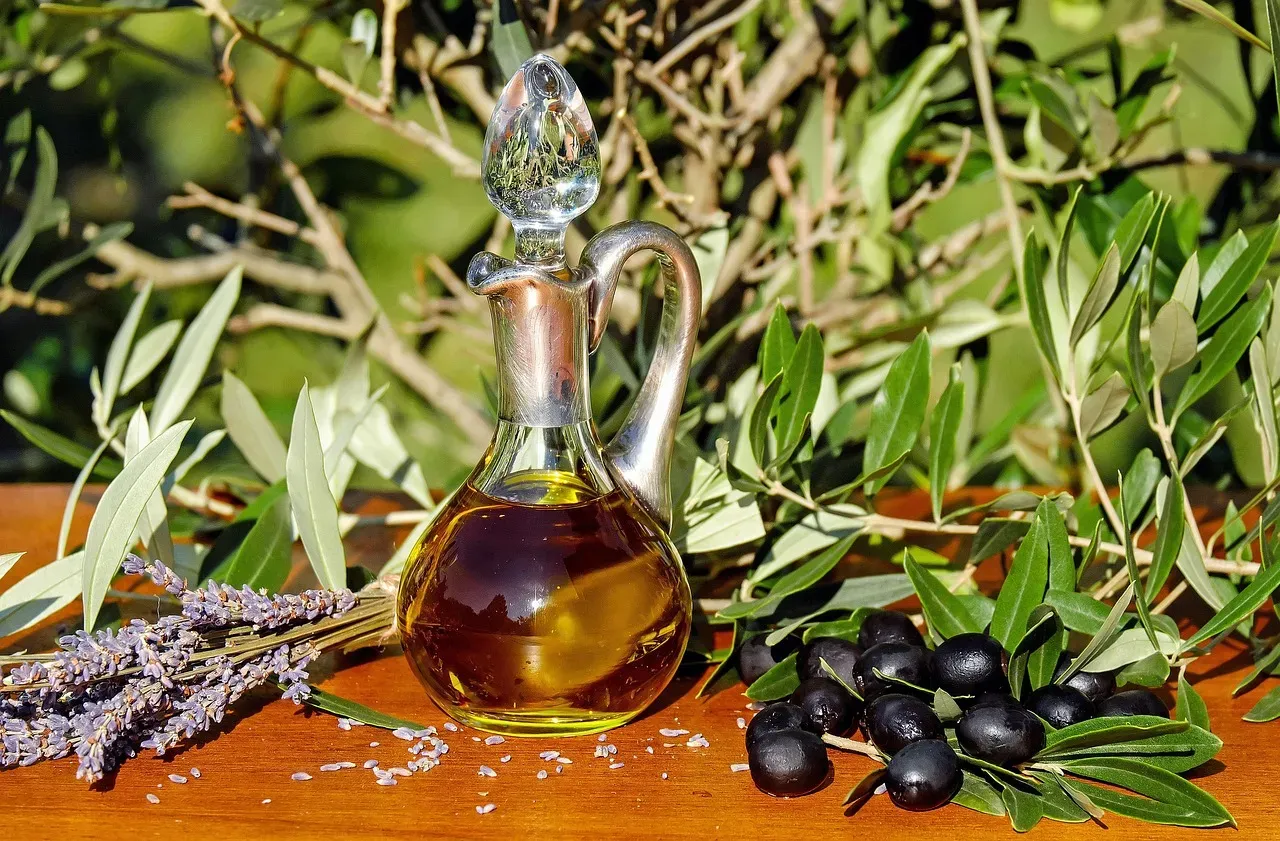
Extra virgin olive oil has been celebrated in the Mediterranean world for centuries, and modern science has finally caught up with what Greek grandmothers already knew. Replacing saturated fats, such as those found in meats, with monounsaturated fatty acids is part of what makes the Mediterranean diet heart healthy. The swap doesn't need to be dramatic - using olive oil instead of butter when cooking already changes the equation considerably.
In the intestine, compounds like plant sterols, soluble fibers, and green tea catechins act to reduce cholesterol absorption. In the liver, compounds like garlic, bergamot extract, and unsaturated fatty acids reduce LDL cholesterol by inhibiting cholesterol synthesis, enhancing LDL receptor activity, or modifying lipoprotein metabolism. These mechanisms converge to reduce circulating LDL cholesterol levels. Olive oil contributes to this liver-level effect through its unsaturated fat content.
Extra virgin olive oil also reduces the risk of heart attacks. Research published in the journal Nutrients in 2023 found that olive oil polyphenols improve HDL cholesterol and support the maintenance of lipid metabolism. An all-around heart-healthy diet, one that includes lots of fruits, vegetables, and whole grains, along with poultry, fish, nuts, and certain vegetable oils, can help lower your cholesterol. It's also naturally high in nutrients needed for overall health, like calcium, omega-3 fatty acids, and fiber, and low in unhealthy fats, salt, and sugar.
8. Apples and Fiber-Rich Fruits: The Pectin Advantage
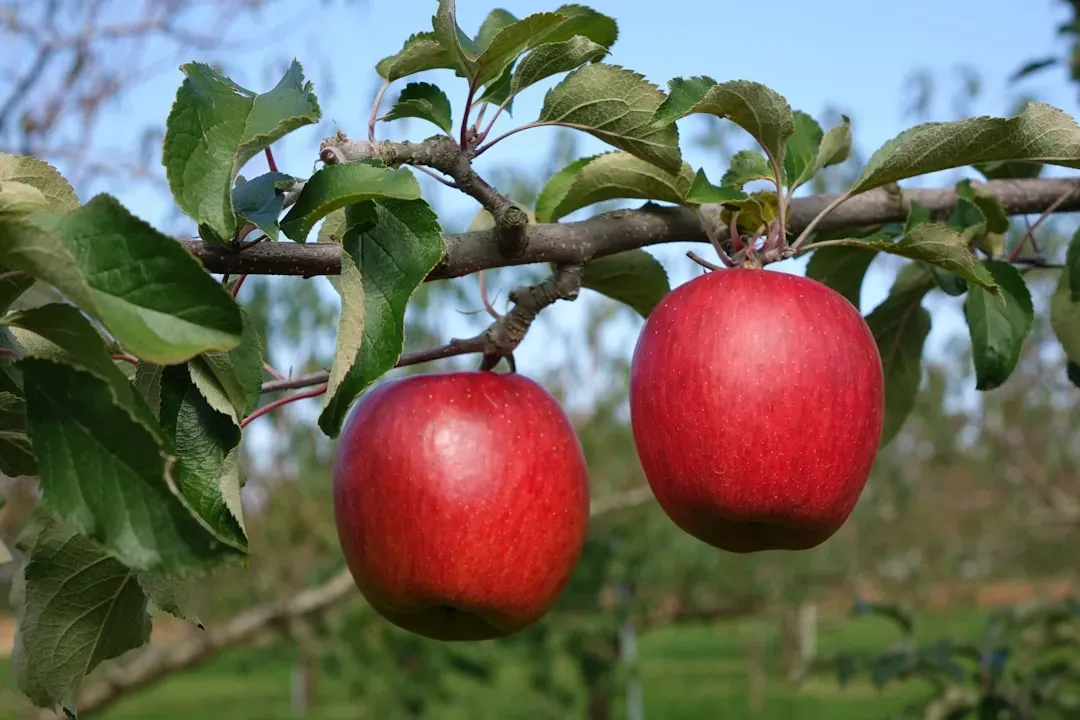
An apple a day may not completely replace your cardiologist, but the science behind this ancient saying is actually pretty compelling. Fruits such as apples, grapes, oranges, and strawberries are high in pectin, a type of soluble fiber - and that pectin is where the cholesterol-lowering power lies. Pectin works similarly to oat beta-glucan, forming a gel in the gut that traps cholesterol and sends it out of the body before it enters the bloodstream.
Soluble fiber is also found in foods such as kidney beans, Brussels sprouts, apples and pears. Soluble fibers such as oat beta-glucan, barley beta-glucan, psyllium husk, pectin, and konjac glucomannan form a gel in the intestinal lumen that binds cholesterol and bile acids, impeding their absorption and accelerating their excretion. This effectively reduces the circulating cholesterol pool. Clinical trials show that the daily intake of roughly 3 grams of oat beta-glucan can lower LDL cholesterol by about 5 to 7%, and higher intakes of soluble fiber can yield around 5 to 10% reductions in LDL cholesterol.
Boosting fiber can be especially helpful. A diet high in fiber contributes to gut health and can prevent too much cholesterol from being absorbed into your bloodstream. Fruits are also one of the easiest dietary changes to sustain long-term - they require no cooking, taste great, and fit into virtually any lifestyle. Swapping an afternoon processed snack for an apple is one of the smallest changes with one of the most reliable payoffs in heart nutrition.
The Bigger Picture: Combining These Foods Is Where the Magic Happens
The real power of these eight foods isn't in eating any one of them in isolation - it's in combining them strategically over time. A study of 14,835 adults, published in a 2025 issue of BMC Medicine, found that those with greater adherence to the portfolio diet had a 16 percent lower risk of dying from cardiovascular disease and a 14 percent reduced risk of dying prematurely from any cause over a 22-year period.
Even with roughly half adherence to a cholesterol-lowering dietary pattern, you can still get clinically meaningful reduction in LDL cholesterol. That's an important, reassuring finding. It means you don't have to be perfect. It's not about obsessive eating - it's about consistent, gradual shifts in what fills your plate most of the time.
Beyond medications, dietary interventions and functional foods offer significant cholesterol-lowering potential. Doctors increasingly recognize this, and the research increasingly confirms it. Whether you start with a bowl of oatmeal in the morning, a handful of walnuts as a snack, or grilled salmon twice a week, each step moves you in the right direction. What would you change about your diet first? Tell us in the comments.



Leave a Reply