
Your kitchen might look harmless enough. Sure, you've probably got a few worn out gadgets that need replacing, a pan or two with a scratch mark, maybe some foil tucked in the drawer. Yet somehow, in the next few years, several of these mundane tools could end up on the wrong side of new regulations. Policymakers and health researchers are paying closer attention to what's sitting in our cabinets. Studies keep rolling in about chemicals leaching into our meals, particles mixing with our food, and invisible toxins entering our bloodstream from the most ordinary cooking equipment. Let's be real, it's a bit unnerving to think about.
The conversation around kitchen safety has exploded recently. Several states have already started passing laws. Federal agencies are investigating. Some items face scrutiny for releasing harmful substances, while others pose environmental and public health threats that extend beyond the dinner plate. The shift is gradual, sure, though in certain regions it's happening faster than you might think. Not every kitchen tool on this list will disappear overnight, yet the momentum is building. Regulations could tighten significantly over the next several years, catching a lot of people off guard.
Nonstick Cookware Coated With PFAS
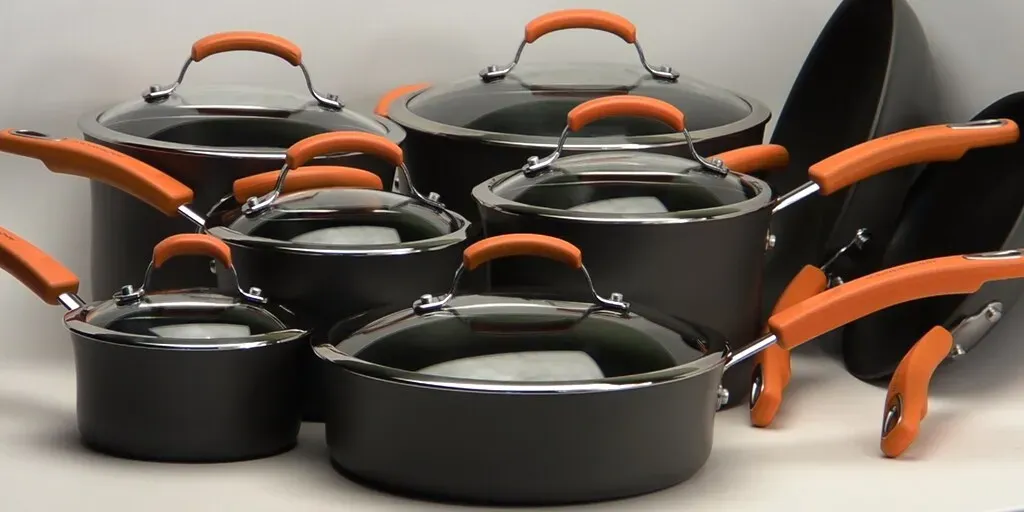
Several states have enacted outright bans of intentionally added PFAS in all cookware products, and more are considering similar measures. Colorado, Connecticut, Maine, and Vermont have product bans taking effect from January 2026, while Minnesota became the first US state to ban the sale of PFAS-containing products, including cookware, in January of that year. Those familiar nonstick pans coated with polytetrafluoroethylene, commonly known as Teflon, are the primary concern here.
Nearly everyone in the United States has been exposed to PFAS and has it in their blood, according to the Centers for Disease Control and Prevention. What makes this tricky is that these so-called forever chemicals persist in the environment and in human bodies for long periods. Researchers warn that the ongoing use of nonstick cookware products would likely perpetuate contamination of communities near facilities that make them. Even when pans aren't actively in use, they can release methane and other substances.
In Connecticut, Colorado and Vermont, cookware with intentionally added PFAS chemicals will be banned from sale beginning in 2026. California has also been debating similar restrictions. A California bill proposes banning the sale of cookware with intentionally added forever chemicals beginning in 2030, alongside cleaning products and food packaging starting in 2028. This isn't just theoretical regulation talk anymore. It's happening, state by state, with real enforcement dates.
Plastic Cutting Boards Releasing Microplastics
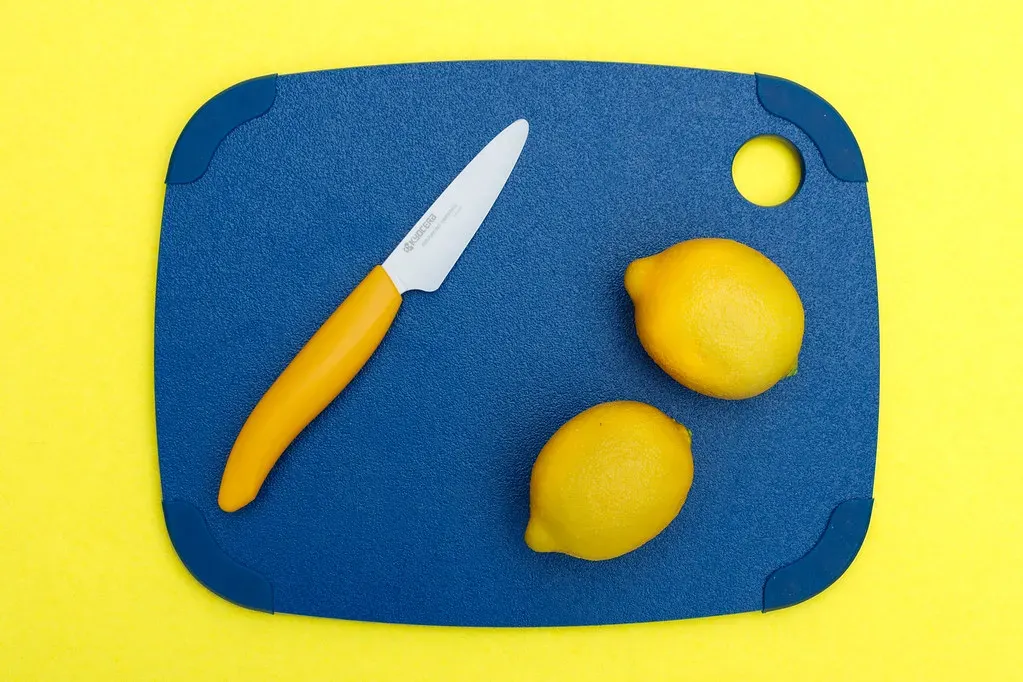
Chop, chop, chop. Plastic cutting boards are a potentially significant source of microplastics in human food, according to recent research. A single knife stroke can release 100 to 300 microplastics, which is pretty alarming when you think about how many times you use a cutting board in a week. One study found these plastic cutting boards resulted in 1,114 microplastic particles on carrots each time the board was used, generating around 50 grams a year, the equivalent of 10 plastic credit cards.
The thing is, both types of plastic cutting boards released significant amounts of microplastics into food, with the number increasing with each subsequent use, and mice fed food prepared using them developed intestinal inflammation or changes to the gut microbiome and liver metabolism. While studies on humans are still catching up, the animal data is convincing enough to raise serious concerns. Scientists suggest that no plastic cutting boards can be considered entirely safe given these findings.
The European Union recently restricted intentionally added microplastics, banning them from most consumer products, though the U.S. does not regulate microplastics but did ban microplastic beads from consumer products in 2015. There's no comprehensive ban yet on plastic cutting boards specifically, though it wouldn't surprise me if lawmakers start paying attention to this category soon, especially as the research becomes more widely publicized.
Gas Stoves Emitting Nitrogen Dioxide

A study published in December 2022 found that 12.7 percent of childhood asthma cases in the U.S. can be attributed to gas stove use. That's comparable to the risk posed by secondhand smoke, frankly. The biggest concern for human health is nitrogen dioxide, which irritates airways and contributes to respiratory problems. Gas stoves can also leak methane even when they're off, and stoves emit benzene, which is linked to cancer.
In early 2023, the U.S. Consumer Product Safety Commission announced it would consider measures to regulate hazardous emissions from gas stoves, though it clarified the agency did not plan to ban gas stoves. Still, some cities, including New York and several cities in California, have already passed legislation requiring that gas stoves and other gas appliances be phased out in certain types of new construction. The Berkeley ban was challenged and overturned, sure, though other municipalities continue pursuing similar policies.
Honestly, the debate gets pretty heated. Some folks swear by their gas stoves for cooking performance. About 38 percent of U.S. homes cook with natural gas, and utilities have preserved that market share with tactics to avoid regulations on gas stoves, including a decades-old cooking with gas campaign. The health evidence keeps mounting, though, and pressure from medical organizations is growing. The American Public Health Association has labeled gas cooking stoves a public health concern, and the American Medical Association warns that cooking with gas increases the risk of childhood asthma.
Aluminum Foil for High-Heat Cooking

Research is showing leakage of aluminum to food that was baked in aluminum foil, and the research is indicating that excessive consumption of food prepared by baking in aluminum foil can carry a health risk. The use of aluminum foil for cooking contributes significantly to the daily intake of aluminum through cooked foods, with the amount of leaching found to be high in acidic solutions and even higher with the addition of spices, and according to the World Health Organization, the obtained values are considered to be unacceptable.
The specific release limit for aluminum to food has been specified not to exceed 5.00 mg per kg of food according to European regulations. When you're wrapping something acidic like tomatoes or marinated meat in foil and then blasting it at high heat, the aluminum leaches faster. High temperatures, especially with acidic foods like tomatoes, citrus or vinegar, may cause aluminum to leach into food, and although this is typically in small amounts, excessive intake of aluminum over time has been linked to potential health concerns, including neurodegenerative diseases.
There isn't a full-scale ban yet on aluminum foil, though health authorities are recommending caution. Safety authorities like the German Federal Institute for Risk Assessment recommend that consumers avoid the use of aluminum pots or dishes for acidic or salted foodstuffs. The same logic applies to foil. Parchment paper is a safer alternative for high-temperature cooking, and it works just as well for most applications.
Aluminum or Brass Cookware With Lead
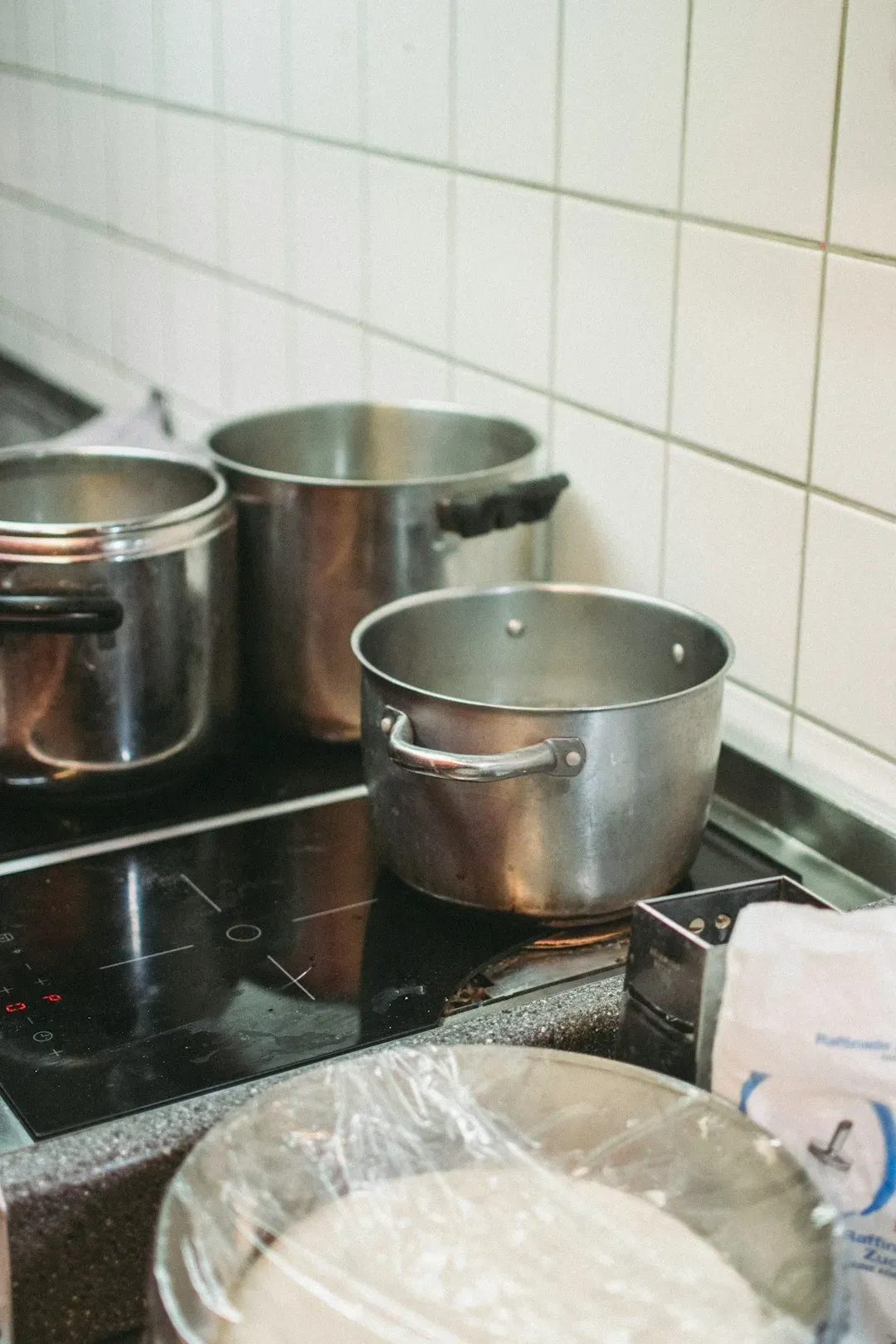
From January 2026, Washington state became the first state to ban the sale and manufacture of metal cookware containing more than five parts per million of lead. FDA investigators tested various cookware items sold at retail locations in the U.S. and found four products that contain lead, a toxic metal that could make food unsafe for consumption. The products, made by the brands Tiger White, Silver Horse and JK Vallabhdas, were manufactured in India and made of aluminum.
According to the FDA, even low levels of lead exposure can cause serious health problems and there is no safe level of lead exposure. Research has linked prolonged exposure to lead with learning disabilities and autism spectrum disorder. Small children are particularly vulnerable. Children and babies are more susceptible to lead toxicity due to their smaller body size, metabolism, and rapid growth.
The regulations are expanding. The current prohibition applicable to metal cookware containing lead or lead compounds more than 5 ppm beginning January 1, 2026 was set in Washington, yet other states could follow suit. It's honestly shocking that lead cookware is still sold in some retail stores, considering what we know about its toxicity.
Ceramic-Coated Cookware From Certain Manufacturers
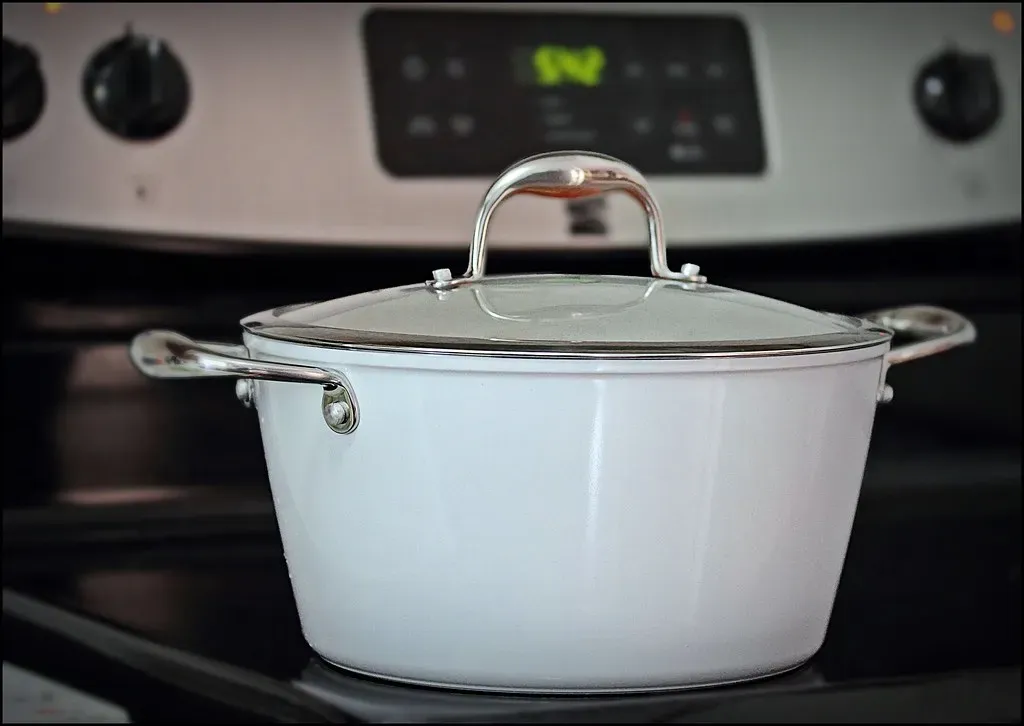
Ceramic cookware itself isn't necessarily under threat, though specific products from manufacturers that fail to meet safety standards are facing scrutiny. The FDA regulates food contact materials, and ceramic glazes can contain heavy metals like lead and cadmium if they're not properly formulated. Some imported ceramicware has been found to leach unsafe levels of these metals into food.
The concern is greatest with older or poorly manufactured ceramic cookware, especially items made in countries with less stringent regulations. Testing is required, yet enforcement can be inconsistent. Health agencies recommend purchasing ceramic cookware from reputable brands that provide certification of compliance with FDA standards. It's hard to say for sure, though, if we'll see comprehensive bans on specific ceramic products, unless testing reveals widespread contamination issues. The risk is real enough that consumers should pay attention to where their ceramic pans come from.
Wooden Cutting Boards Made From Untreated Imports
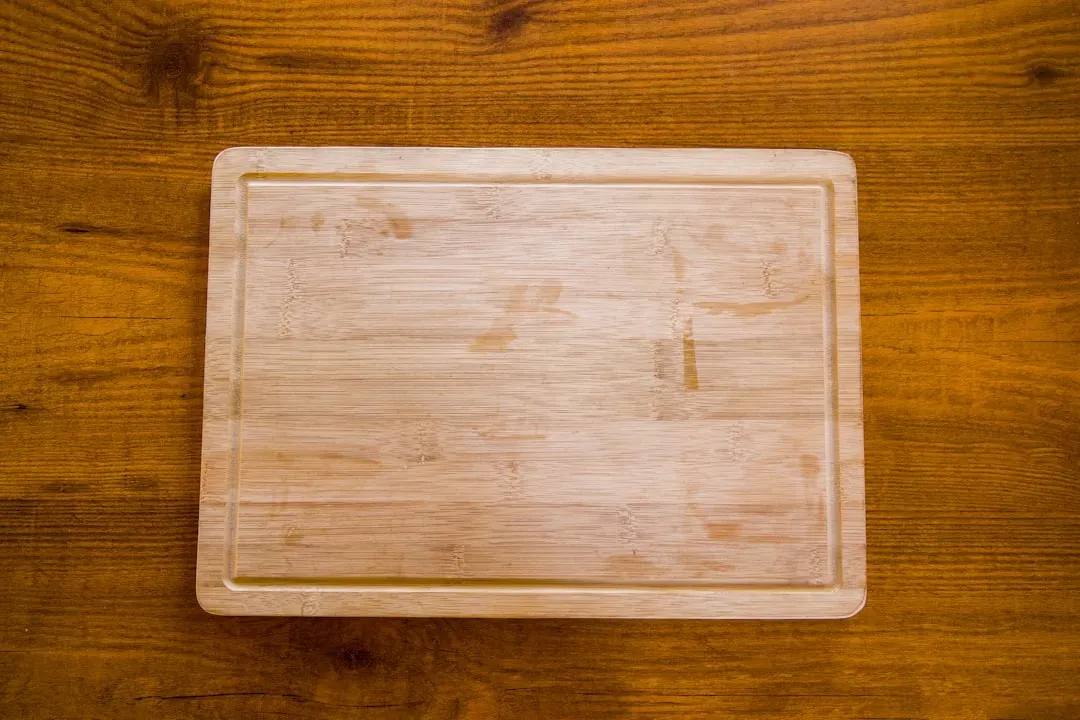
The USDA APHIS notes that wooden kitchenware is considered handicrafts under 7 CFR Part 319.40. There are regulations in place to prevent the importation of wooden items that could harbor pests or pathogens. Wooden cutting boards from certain countries require specific treatment and certification before they can legally enter the United States.
The problem is that some imported wooden boards bypass these requirements. Untreated wood can carry bacteria, fungi, or insects that pose both food safety and environmental risks. It's not so much that wooden cutting boards in general are being banned, yet regulators are tightening controls on imports that don't meet phytosanitary standards. If you're buying a wooden board, it's wise to check that it comes from an approved manufacturer or has the proper certification. Otherwise, you might end up with a product that doesn't meet safety standards and could theoretically be subject to recall or removal from the market.
Black Plastic Utensils and Spatulas
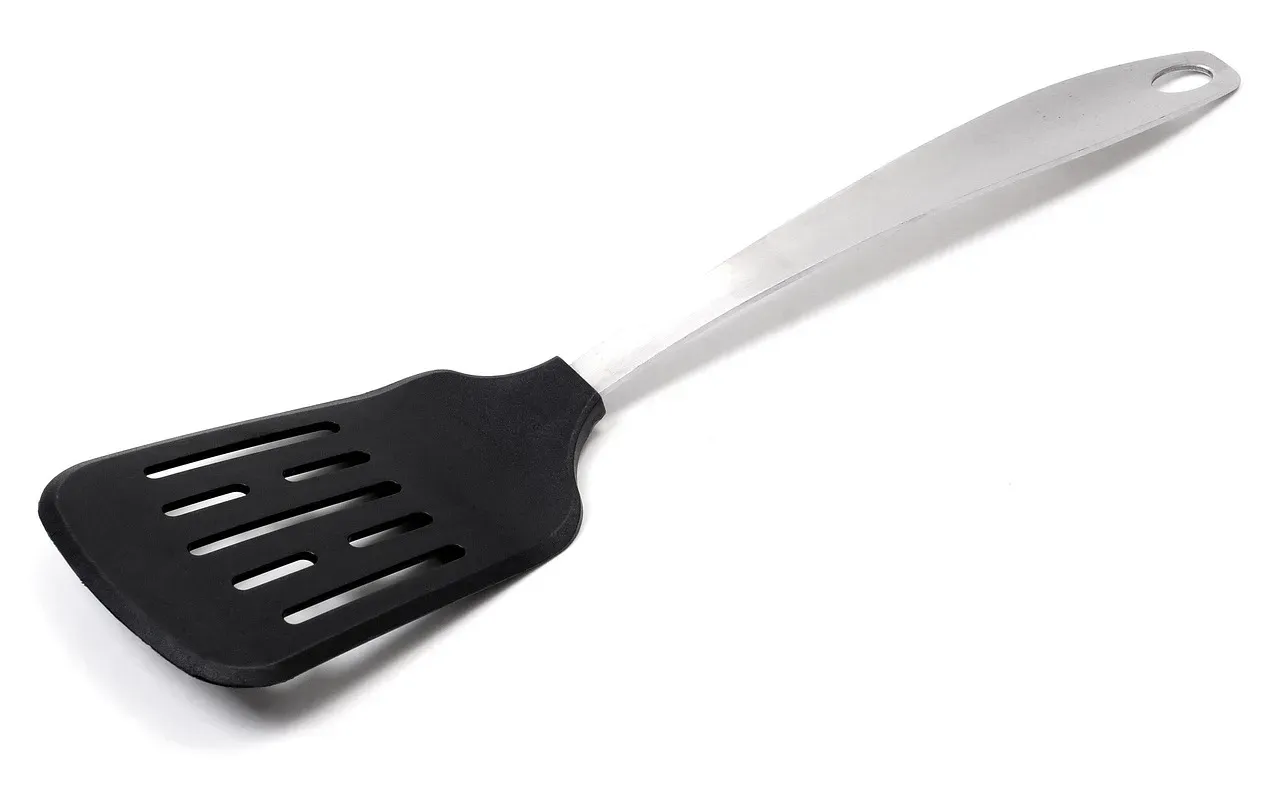
Black plastic cooking utensils have been flagged in recent studies for containing flame retardant chemicals. These chemicals can leach into food during cooking, especially at high temperatures. The issue stems from recycled electronics and plastics that are repurposed into kitchen products, inadvertently introducing toxic substances into items that come into direct contact with food.
There's no official ban yet on black plastic utensils, though consumer advocacy groups are pushing for action. Testing has revealed concerning levels of brominated flame retardants in some products. The science is still developing, yet the precautionary principle suggests it might be wise to switch to stainless steel, wood, or silicone utensils instead. If further research confirms widespread contamination, regulatory agencies could move to restrict or ban certain types of plastic utensils, particularly those made from recycled materials that aren't properly screened for contaminants.




Leave a Reply