
There was a time when visiting a food destination meant something genuinely transformative. You'd stumble into a tiny trattoria and eat the best pasta of your life. A street stall in Bangkok would ruin every noodle soup you'd ever try back home. An old tapas bar in Barcelona would change how you thought about simplicity. Honestly, those moments still exist. The question is whether they're becoming rarer every single year.
Culinary tourism can jeopardize the sustainability of the local food ecosystem, and the presence of food-loving travelers can push communities toward losing their cultural identity as the local economy slowly transitions to support tourists. This often means restaurants start prioritizing the preferences of the tourist palate at the expense of authentic local recipes and flavors. That's the quiet tragedy playing out right now in some of the world's most celebrated food cities. Let's dive in.
1. Barcelona, Spain: Tapas Tourism Has Diluted the Real Thing
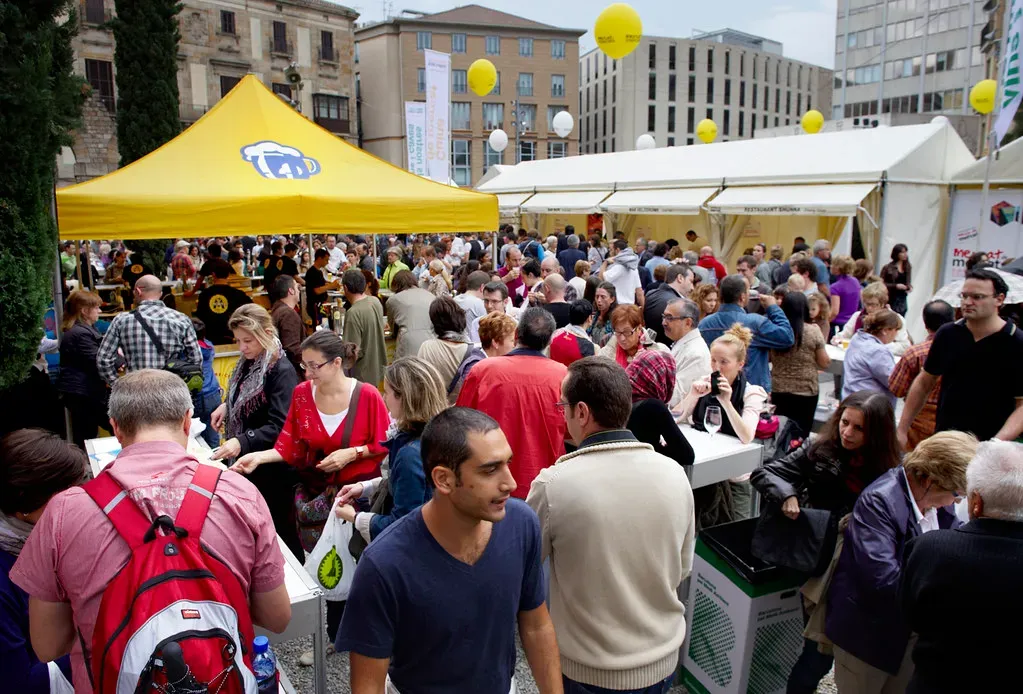
Barcelona's food scene was once one of Europe's most exciting, layered, and genuinely Catalan. Think anchoas, pan con tomate, proper patatas bravas with a sauce that took someone's grandmother a lifetime to perfect. Today, much of that authenticity has been buried under an avalanche of tourist-targeted menus and overpriced imitations.
With 55 million annual visitors flooding a city of just 1.6 million residents, Barcelona has become the poster child for overtourism, a crisis that is overwhelming the city's infrastructure and cultural fabric. That imbalance is staggering. Think about it like 35 people crashing a dinner party designed for two.
In summer 2024, Barcelona residents took to the streets with water pistols, squirting tourists at outdoor restaurants. Their message was clear: "Tourists go home." When discussing the city's tourism problems, Xavier Mas de Xaxàs highlighted drug trafficking, petty crime, and the loss of culture as problems increased tourism causes. Authentic Catalan food is slowly becoming harder to find among the tourist traps.
2. Venice, Italy: The Floating City Is Feeding Tourists, Not Residents
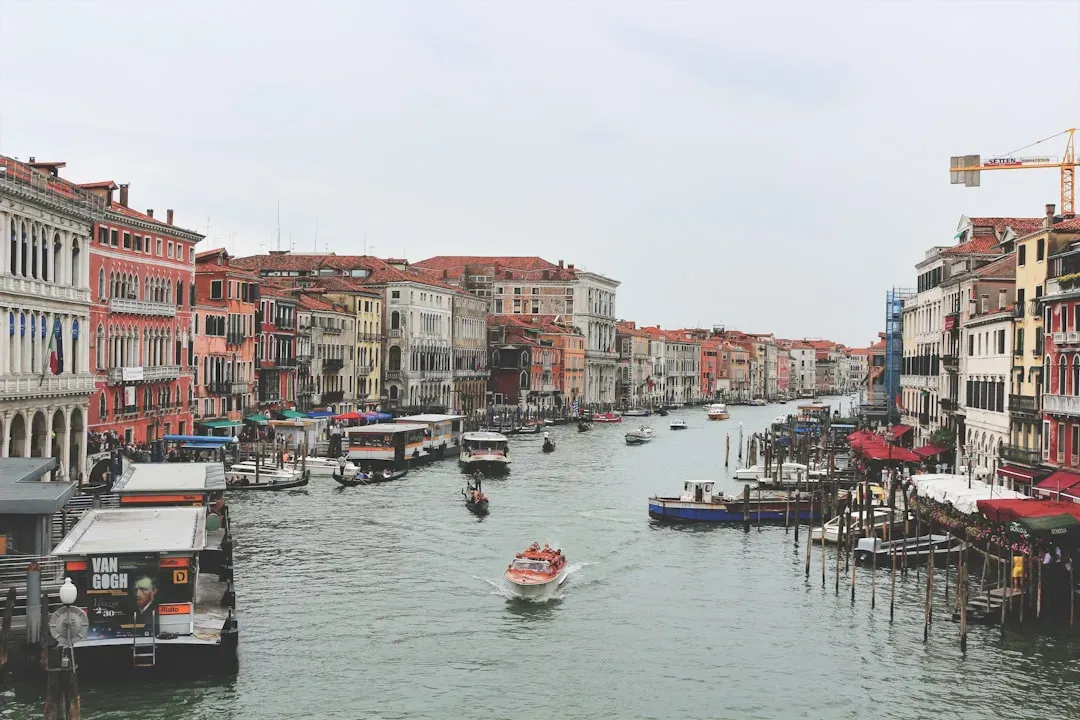
Venice is extraordinary in so many ways. The architecture, the canals, the evening light on the water. Historically, the food scene matched the drama: fresh seafood cicchetti, sarde in saor, a glass of local Soave at a bacaro that had been there for generations. That genuine culinary fabric is unraveling fast.
The city has been inundated with more tourists than residents on a daily basis. Reports indicate that in 2024, an average of 80,000 visitors arrived each day, pushing Venice's fragile infrastructure to its limits. Local residents have expressed growing frustration, feeling displaced within their own city.
With a population that has dropped from about 175,000 in the 1970s to just under 50,000 today, and with millions of daily visitors, Venice has imposed day-trip taxes and limited the docking of cruise ships. In Venice, there are now more hotel beds than residents. When a city is designed to feed tourists rather than feed its own people, its cuisine inevitably becomes a performance rather than a culture.
3. Bali, Indonesia: Sacred Flavors Are Being Swapped for Avocado Toast
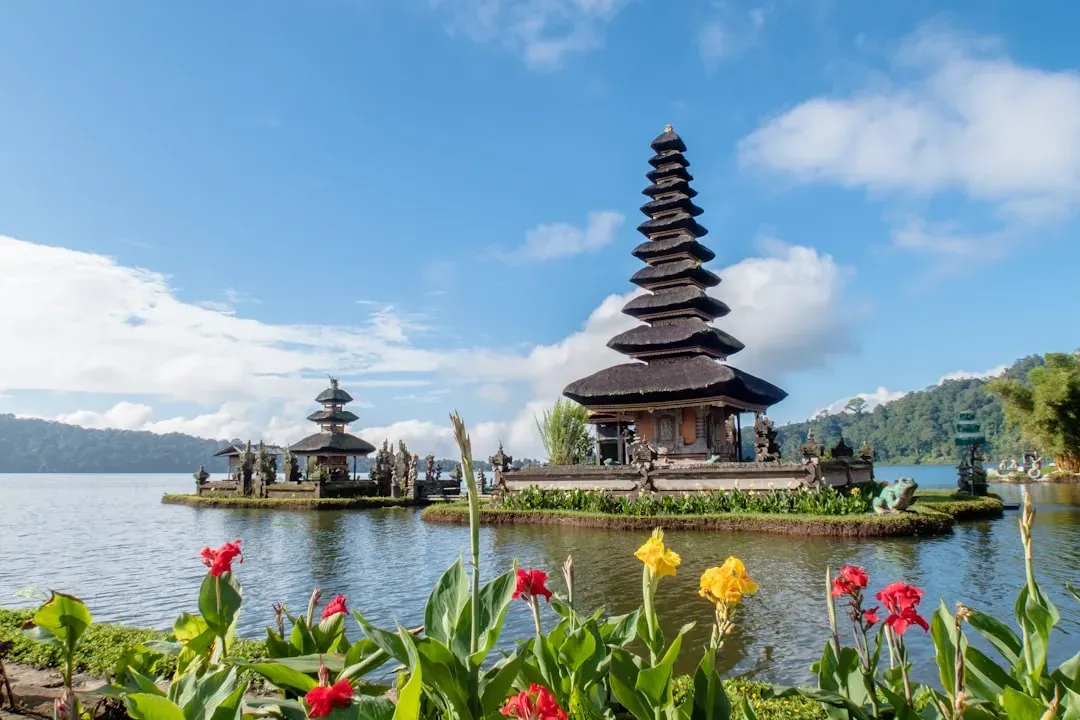
Balinese cuisine is, when experienced authentically, one of the most spiritually rooted food traditions on the planet. Babi guling, lawar, sate lilit, ceremonial offerings made from rice. The whole culture is intertwined with food. That's precisely what is at risk right now.
Recent perception studies show that nearly two thirds of Balinese residents agree that tourism growth has exceeded the island's ecological capacity, and more than half feel that cultural authenticity is being diluted by commercialization, according to a UNDP Bali Survey from 2023. Those are damning numbers from the people who actually live there.
Bali's lush landscapes and spiritual heritage have made it a global favorite among travelers, but the island's natural and cultural fabric has been increasingly threatened by the volume of visitors. Nearly 15 million tourists arrived in 2024, and many local communities have protested against rapid, unchecked development. The replacement of sacred sites and traditional rice paddies with resorts and beach clubs has sparked widespread concern among residents and activists. The smoothie bowls and brunch cafes are multiplying. The family warung is disappearing.
4. Kyoto, Japan: Ancient Tea Culture Under Siege
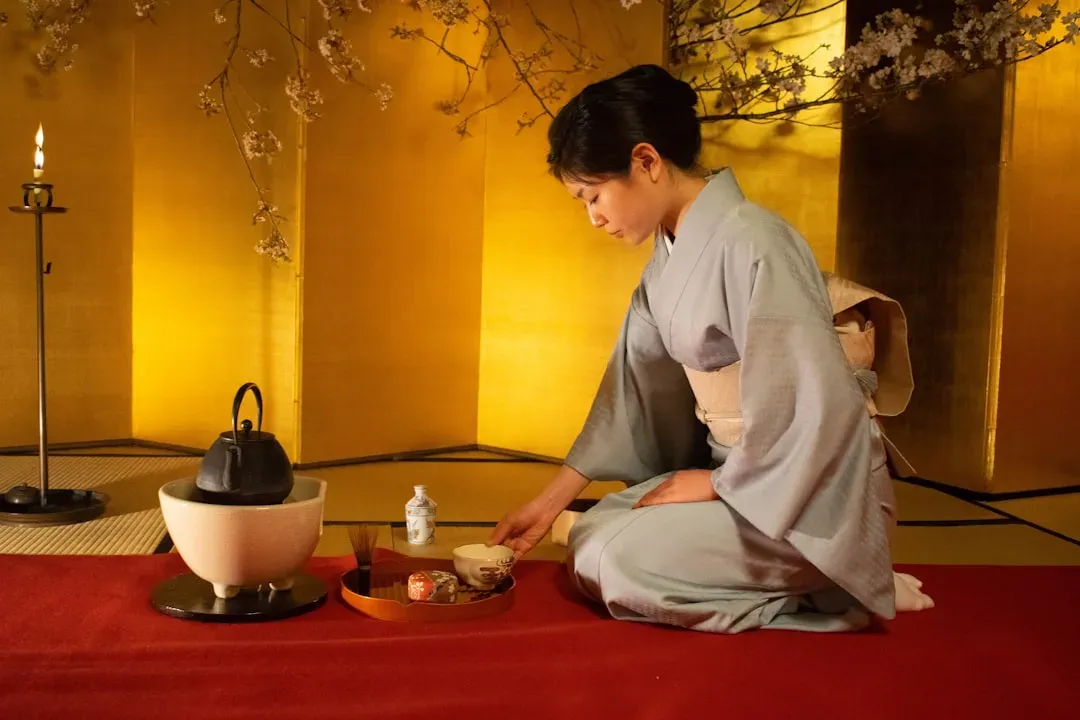
Kyoto was always quietly, breathtakingly special. The kaiseki tradition, the precision of a tea ceremony, the delicate flavors of yudofu in winter. Every bite was connected to something deeper: to a season, a philosophy, a centuries-old ritual. That depth is being eroded by sheer volume.
According to Kyoto City officials, a combined total of more than 56 million international and domestic tourists visited the historic city in 2024. In addition to the tourist experience being lowered, it is having a negative impact on local life. Residents in this city of around 1.5 million people are especially annoyed by swarms of tourists clogging narrow streets and overcrowding public trains and buses.
Roughly nine in ten Kyoto residents surveyed by Japan's Yomiuri Shimbun newspaper complained about overtourism. Besides crowding, one of the biggest grievances was rude or disrespectful behavior by foreign tourists who seem to treat Kyoto like a theme park rather than an old, venerable and very spiritual city. When a city stops feeling sacred, its food stops tasting sacred too. That might sound abstract but anyone who has eaten in Kyoto in the right context knows exactly what that means.
5. Bangkok, Thailand: Street Food Gold Is Being Paved Over
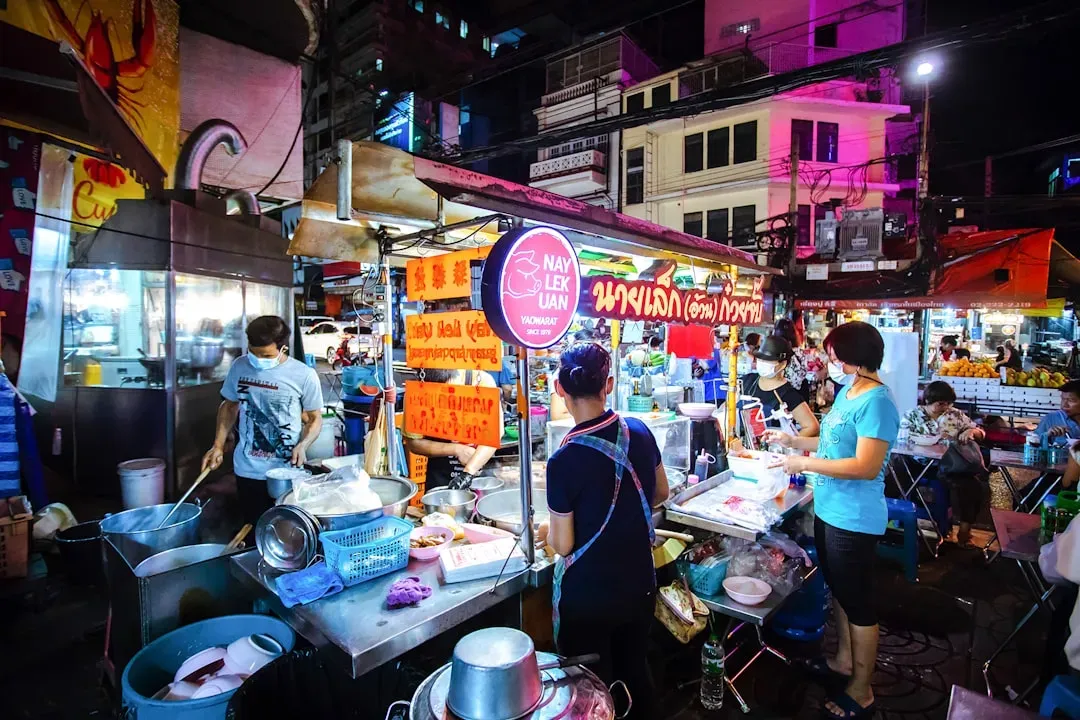
Bangkok's street food scene was, for a long time, the most democratically extraordinary food culture in the world. A three-dollar bowl of boat noodles that could make a Michelin star chef weep. Pad kra pao from a wok-charred cart at midnight. The kind of cooking that only exists because it has never needed to perform for anyone.
Consider the three-hour wait that visitors endure to indulge in a US$36 crab omelet at the one Michelin-starred Raan Ja Fai street food stall in Bangkok. Every day, the eager crowds block the street, waiting for a precious taste of food that has made headlines around the world. What was once a humble neighborhood institution has become a global attraction. The prices and expectations have changed accordingly.
Tourism shapes what gets cooked, grown, and served. Over time, certain cuisines get boiled down to the same, overly familiar dishes. Bangkok is living proof. The truly local stuff is moving away from the tourist zones entirely, and if you don't know where to look, you'll end up eating a sanitized version of the real thing.
6. Amsterdam, Netherlands: A Canal City Drowning in Generic Menus
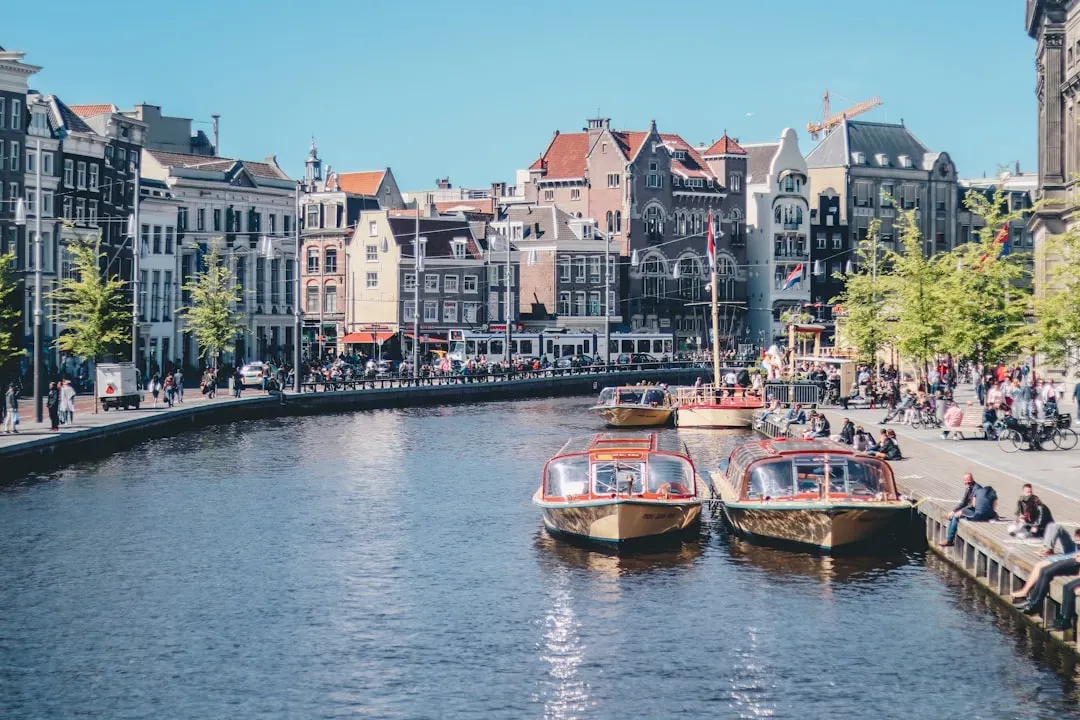
Amsterdam's food culture was never as loudly celebrated as Paris or Rome, but it had real character. Rijsttafel from its Indonesian colonial heritage. Herring stands near the canals. Stroopwafels warm off the iron. Brown cafes with genuine stamppot. Today, much of the tourist-facing food scene has blurred into the same international blur you find in every overvisited European city.
Amsterdam's historic canals and cultural heritage attracted over 20 million visitors in 2023, leading to significant challenges for residents. Daily life has been affected by overcrowded public transport, rising rents, and noise pollution in residential neighborhoods. In 2024, the city enacted a new tourist tax aimed at funding infrastructure improvements and cleanliness initiatives.
Amsterdam is among the ports tightening controls on cruise tourism. The city plans to halve cruise traffic by 2026, while concerns about turning the city into a tourist trap continue to grow. It's a bold move. Whether it comes in time to protect what's genuinely local in Amsterdam's food culture remains to be seen. I think it might be a case of too little, too late for many neighborhoods.
7. Santorini, Greece: Fava Beans and Sunset Views Replaced by Overpriced Menus
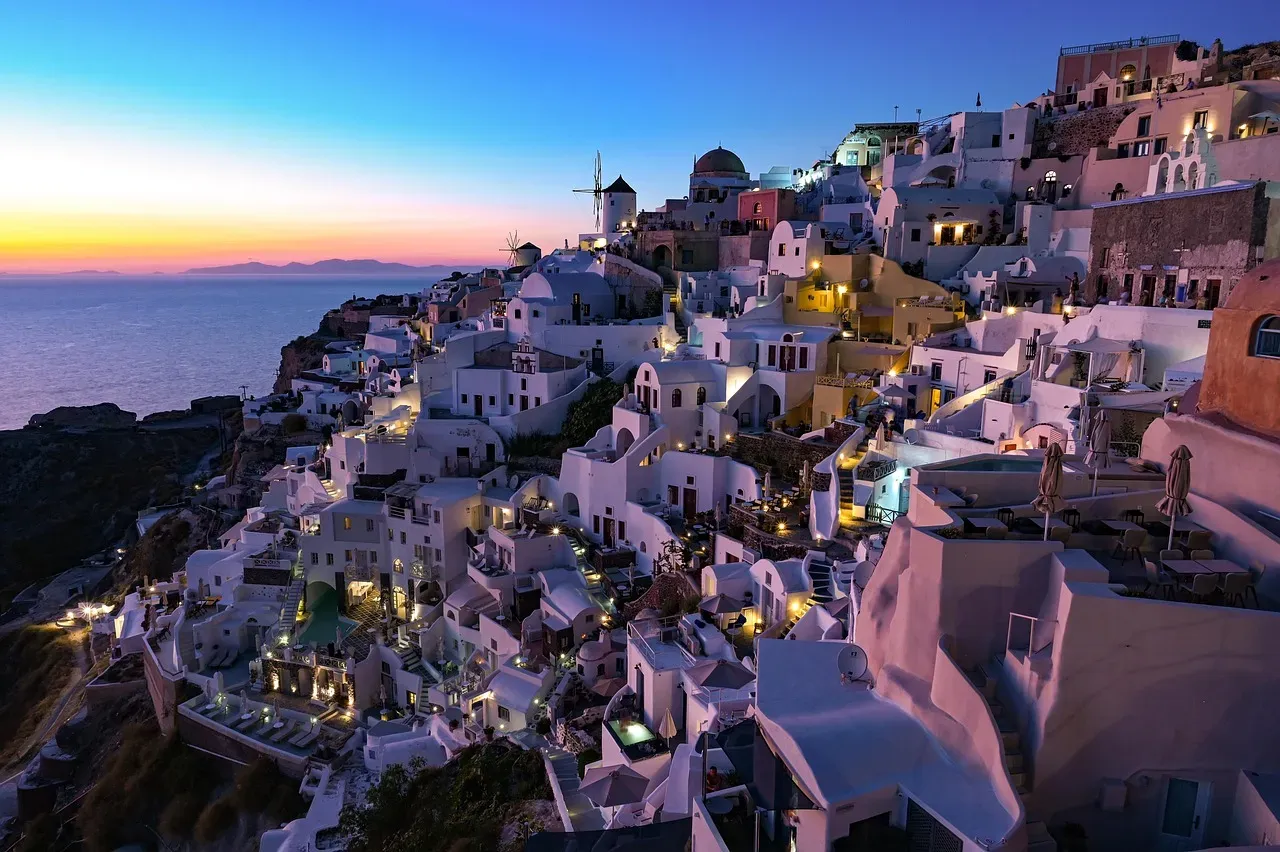
Santorini's cuisine has always been quietly remarkable. Fava from the island's unique volcanic soil. Cherry tomatoes with an intensity you cannot replicate anywhere else. Fresh octopus drying in the breeze, then grilled simply over charcoal. The food here was never flashy. It was rooted, honest, and entirely of the place.
In 2024, there were reports of up to 18,000 cruise passengers overwhelming the island daily, straining resources for its 15,000 residents. That means on any given day, there are more strangers on this island than people who call it home. That pressure reshapes everything, from what gets grown to what gets served.
In 2024, protests emerged demanding reductions in cruise ship arrivals, citing the island's limited capacity to handle mass tourism. The Greek government introduced initiatives to promote sustainable tourism, encouraging visitors to explore less crowded villages and beaches. Local business owners have voiced a desire for tourists who value Santorini beyond its social media appeal, seeking a balanced approach that supports economic opportunity without sacrificing quality of life. That last point tells you everything. They don't want less tourism. They want tourism that actually respects what makes the place worth visiting in the first place.
8. Oaxaca, Mexico: Mole Culture Meets Gentrification
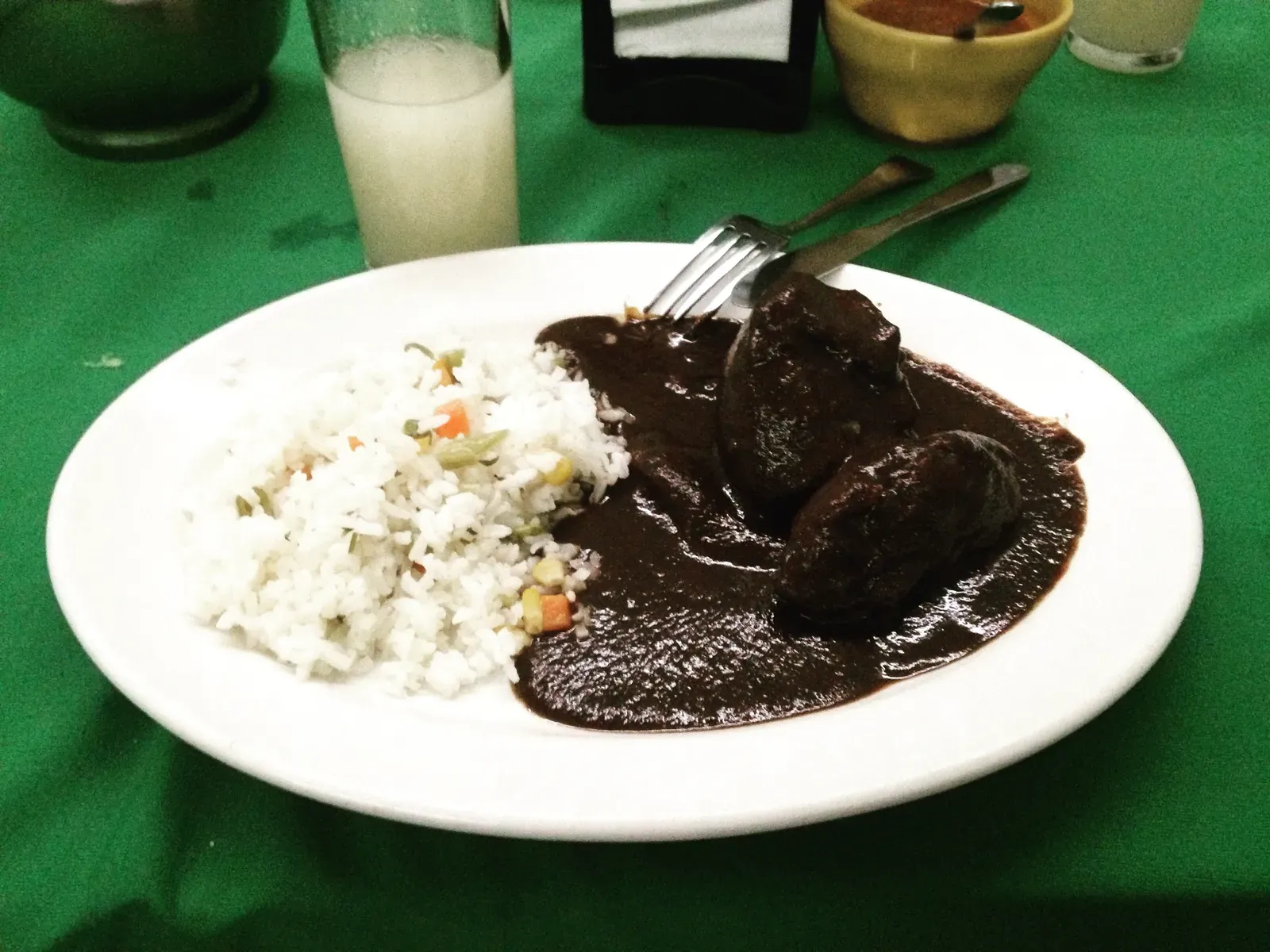
It's hard to overstate what Oaxacan cuisine means in the context of world food culture. This is the heartland of mole negro, tlayudas, memelas, chapulines, and mezcal rooted in centuries of indigenous tradition. The food here is living heritage. The threat it faces now is unlike anything a natural disaster could bring: it's the slow replacement of everything real with a curated, comfortable version for outside visitors.
Once a relatively quiet town loved for its rich history and culture, Oaxaca has sadly been transformed into an overtouristed destination. Today, the town has lost much of the charm and authenticity that made it so popular. Overtourism in Oaxaca has caused tension among local communities, leading to protests against the town's gentrification. Residents complain that commercialization destroys their customs and culture, leading to significant wealth gaps and environmental degradation.
Traditional buildings have become shops, rental prices have skyrocketed, and local traditions are disrupted. The grandmothers who made mole in their home kitchens are being priced out of the neighborhoods that tourists come to experience. There is a bitter irony in that. The very thing that made Oaxaca worth visiting is being consumed by the act of visiting it.




Leave a Reply