
Most people assume that food is at its absolute best the moment it leaves the stove. Piping hot, freshly seasoned, straight to the table. Makes sense, right? Yet anyone who has ever sneaked a cold slice of leftover pizza at 7 in the morning, or popped the lid off yesterday's curry and felt genuinely excited, knows the truth is far more complicated.
It turns out there's real science behind that leftover magic. If you've ever noticed that casseroles, chili, or curry seem richer the next day, you're not imagining it - flavor compounds continue to mingle long after the stove is turned off, giving certain meals a built-in boost overnight. Honestly, it's one of the more delightful surprises that food science has to offer. Let's dive in.
1. Curry: The Overnight Transformer
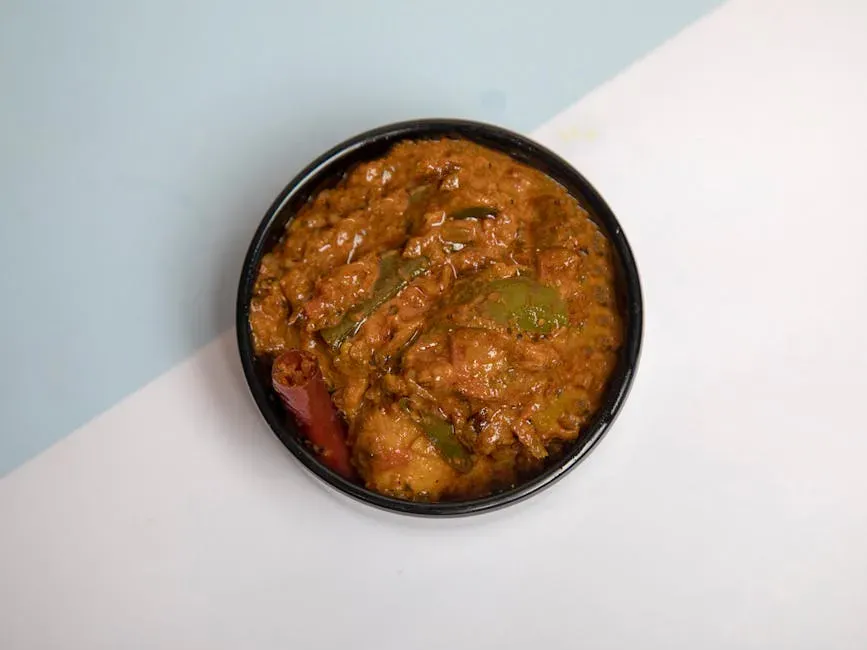
Curry is often described as intense or harsh, partly because your taste buds individually process each ingredient of this complex dish. Leftover curry, however, offers a much mellower flavor that's sometimes described as sweet - because, as it sits in your refrigerator in an airtight container, the many different flavors and spices unite to offer a smoother, more complex marriage of flavors.
When cooking curry, you're creating a complex process involving the dispersion of water and oil along with aromatic herbs and spices. Overnight rest allows for melding, where fat-soluble compounds in spices migrate into the oil and coconut milk, while the water-soluble ones distribute throughout the sauce. The proteins from the meat or vegetables also break down to contribute to the umami. Think of it less like reheating and more like a slow second cooking happening silently in your fridge.
2. Beef Stew: Where Collagen Becomes Gold
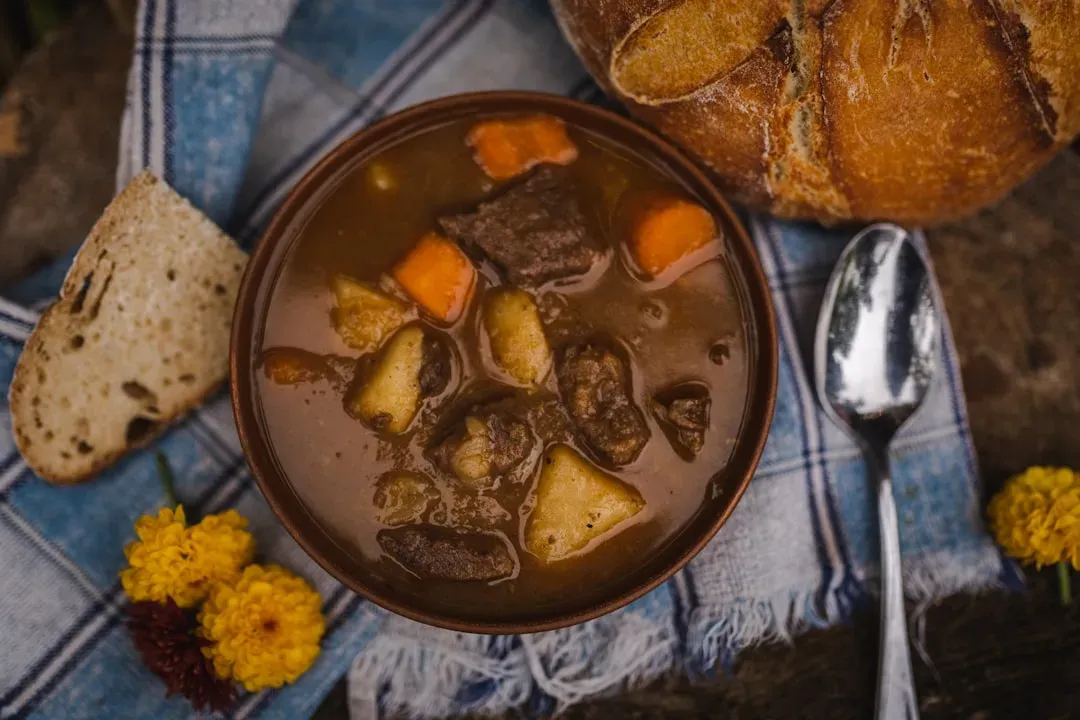
The science behind pot roast and beef stew improving overnight comes down to collagen transformation and the concentration of flavors. During cooking, the tough collagen in meat breaks down into gelatin. As it cools in the fridge, that gelatin becomes silky, trapping the flavors inside. When you reheat the dish, the gelatin melts again, intensely releasing its captured essence.
Fat blooming also plays its own important role. As a stew cools, fats rise and then solidify on the surface, capturing lipid-soluble aromatics including aldehydes, terpenes, and Maillard-derived flavor agents. This temporary cap prevents aromatic compounds from evaporating overnight. When reheated, the fat melts back into the stew and re-disperses its captured flavors, giving the dish a rounder, deeper profile than it had the day before. It's almost like nature gift-wrapping your dinner for you.
3. Chili: A Complicated Relationship With Time
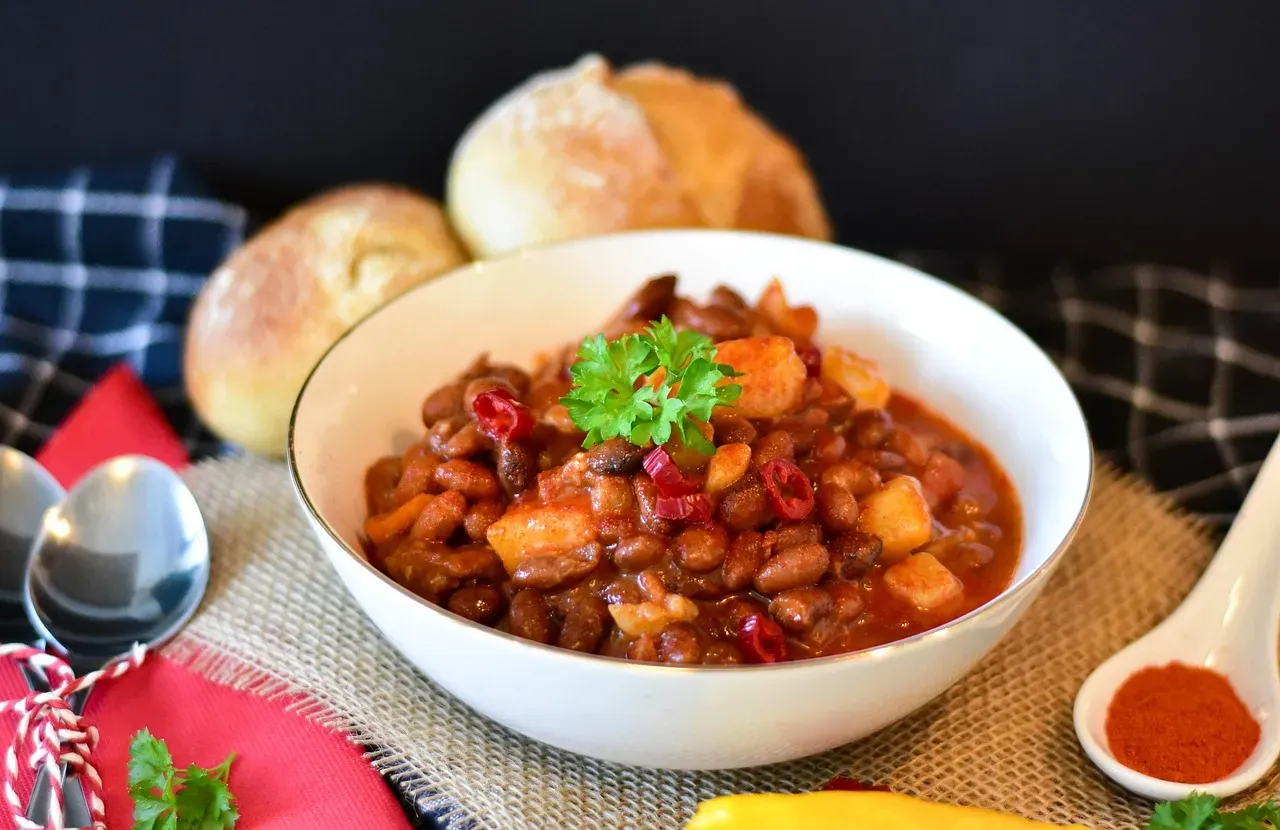
There's quick science at work here: aromatics like onions, garlic, chiles, and spices release their volatile oils as they cook, and while they cool they continue to release. Cook's Illustrated conducted an experiment to try and understand why some food flavors notably improved overnight, serving tomato soup, beef chili, and French onion soup to several testers - and every taster held that the two-day-old soups and stews were "sweeter," "more robust-tasting," and "well rounded."
Here's the thing though - chili is actually a nuanced case. Chili and other spicy, acidic dishes are a big exception: with time, their flavor can become muted, losing brightness. So while the richness of a beef chili may deepen, the initial punch of heat and acid can soften. If you were planning on making a big batch of chili to eat through the week, that loss in flavor is nothing a little dash of hot sauce can't solve on day three. Balance is everything.
4. Lasagna: The Casserole That Actually Waits for You
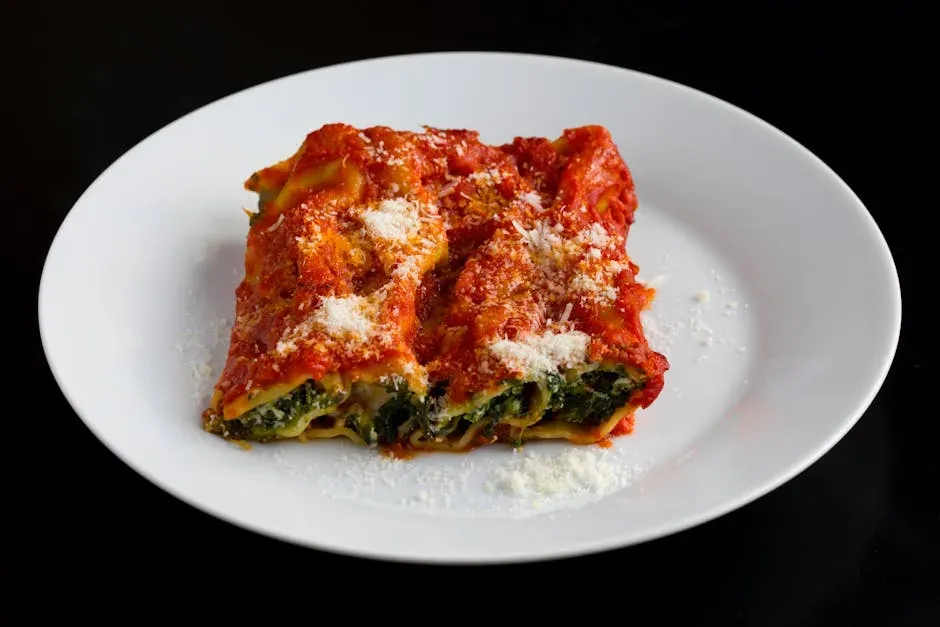
During storage, moisture within a dish can redistribute more evenly. For baked goods or pasta dishes, this prevents dryness and improves texture. In soups and stews, this redistribution makes the dish more cohesive and flavorful. Lasagna benefits enormously from this process. The layers of pasta, sauce, and cheese that feel slightly uneven right out of the oven essentially fuse together overnight into something far more unified.
According to a report from BBC Science Focus, when your lasagna is sitting on the shelf in your fridge, it's getting more flavorsome by the minute even though it's no longer on the stove, because the ingredients are still marinating and breaking down like they would in a super slow cook. Most chefs would recommend a good lasagna packed with spices as a leftover meal, as the flavors are so much better the next day. Honestly, I think day-two lasagna is one of life's genuinely underrated pleasures.
5. Soups: Slow Molecules, Big Payoff
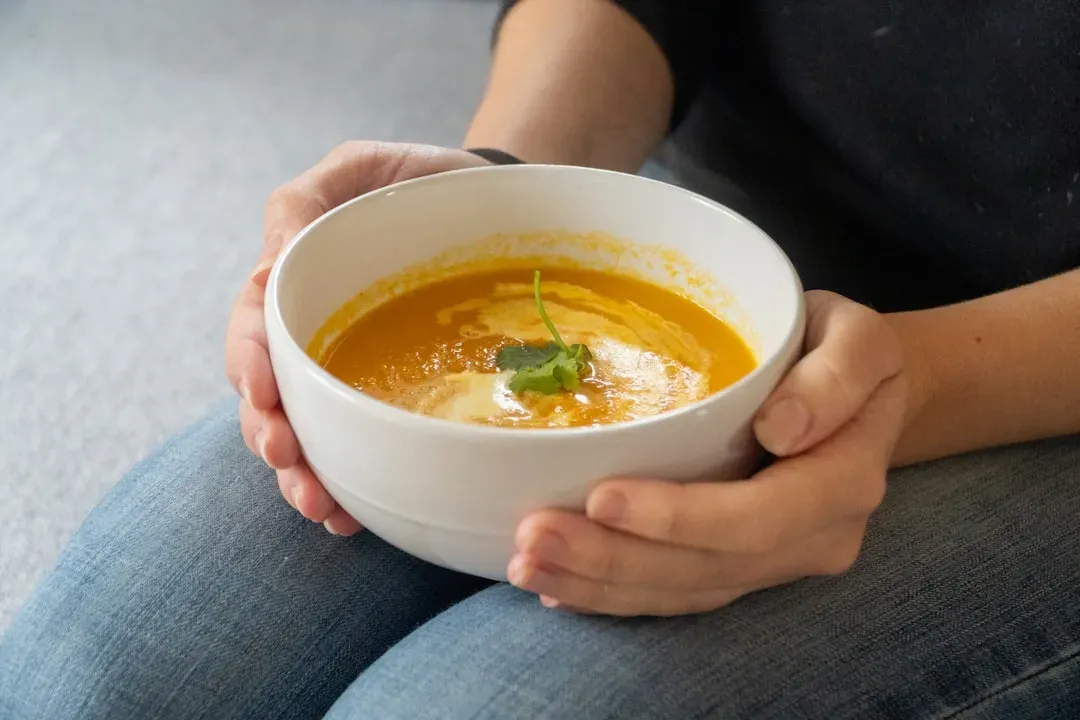
Soups and stews owe their day-after deliciousness to slow-moving flavor molecules. These little gems take their time moving around and mixing together, resulting in extra flavor after having been refrigerated and stored overnight. Soups and stews that contain milk or cream experience a breakdown of lactose into glucose, which tastes sweeter with time. Meanwhile, proteins in the meat convert into individual amino acids that act as flavor enhancers, and the starches present in both flour and potatoes break down into compounds people report as more flavorful.
Some experts also claim that aromatic dishes taste better the next day because the air is no longer permeated with cooking smells. Long-term exposure to these smells desensitizes your nose, keeping your taste buds from fully enjoying themselves at dinnertime. After the aroma has evacuated, a bowl of day-old soup can warm those senses right back up and be appreciated to the fullest. Think of it like how you stop noticing the scent of your own home - absence genuinely makes the nose grow fonder.
6. Pizza: Cold, Weird, and Surprisingly Justified

According to Pizza Hut's second annual Pizza Trends Report, more than half of Americans prefer their leftover pizza cold, and science suggests there might be something to the claim. I know it sounds crazy, but it's not just a quirky preference. Chilling foods mellows the flavors, particularly those that are bitter or sweet. Meanwhile, the taste receptors for saltiness are stronger in cold temperatures.
The reheating process liberates some of the flavor molecules that may be, for example, trapped inside fats or inside starch or vegetables. Reheating could certainly liberate some volatile flavor molecules and enhance the flavor in that way. Whether you prefer your leftover pizza cold or reheated in a skillet for a crispy base, the science backs you up either way. Fats from oils, meats, eggs, and cream absorb fat-soluble flavors like spices, balancing out a dish over time - and pizza has all of those in abundance.
7. Banana Bread: The Baker's Secret
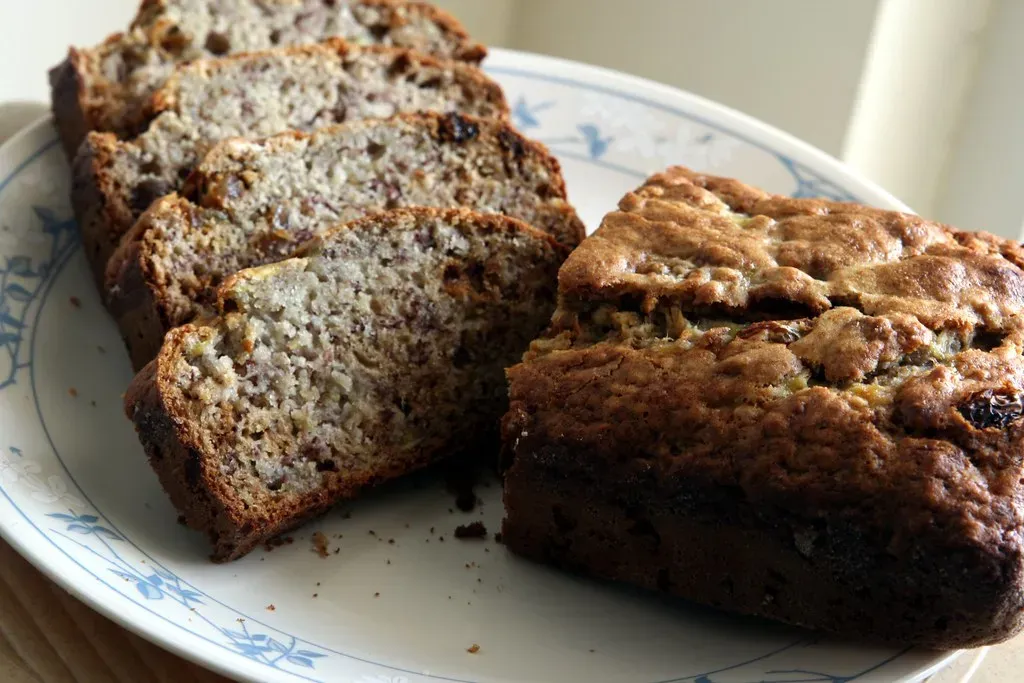
It's a fact that banana bread tastes even better with age. The science behind it lies in moisture migration and starch retrogradation. When banana bread comes out of the oven, the starches are in a gelatinized state and the moisture is unevenly distributed. Over the next 24 hours, the starches return to their structure, which creates a tender crumb. The natural sugars of the banana also develop and concentrate to make the bread sweeter.
Certain meals, such as pasta dishes and baked goods, transform remarkably, becoming more cohesive and flavorful. This process is not limited to savory dishes - even desserts like cakes and pies can improve in taste and texture after resting. Fresh banana bread is good. Day-old banana bread, sliced thick, maybe with a little butter? That's a different category entirely. It's the difference between a rough draft and the final version.
8. Spaghetti Bolognese: The Sunday Cook, the Monday Reward
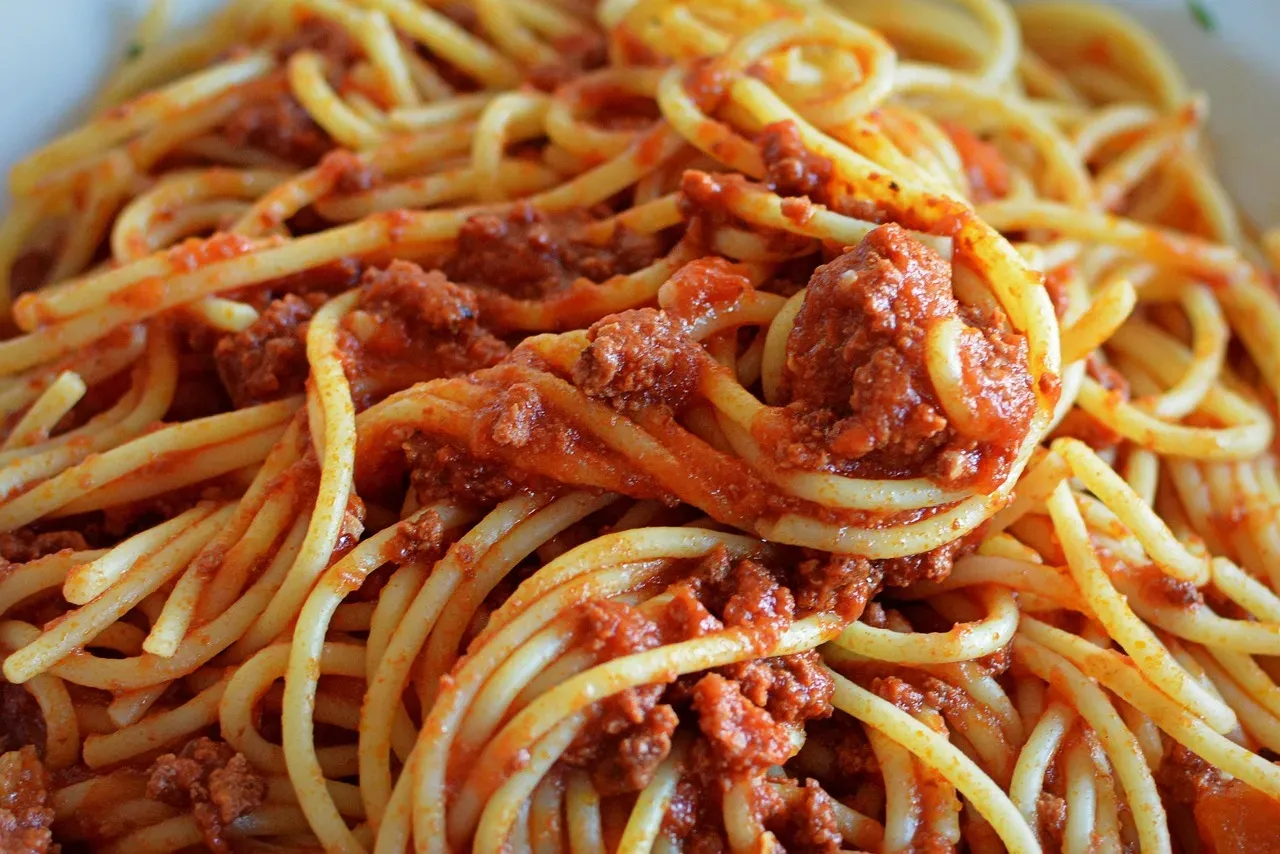
While a dish cools and rests in the fridge, a host of chemical and physical processes quietly improve it. Sulfur-rich ingredients like garlic and onions mellow over time, with oxidation softening their initially harsh flavors. Starchy vegetables slowly break down into natural sugars, adding a touch of sweetness while softening the texture. Proteins in meats continue to release amino acids, boosting umami and enriching the overall taste.
The Maillard reaction - a chemical reaction between amino acids and reducing sugars that gives browned food its distinctive flavor - doesn't stop immediately after cooking. During cooling and storage, these reactions can continue at a slower pace, further developing and enhancing the dish's flavors. According to the Institute of Food Technologies, those protein breakdowns enhance savory, meaty, umami taste, or through the reaction of amino acids with sugars produce new flavor molecules by the Maillard reaction, which can occur when the leftovers are reheated. That's why a bolognese cooked on Sunday and eaten on Monday is genuinely a different, more rewarding experience.

Leave a Reply