
You know that sinking feeling when you look at your bank account after a grocery run? You went in for milk and bread, yet somehow spent over a hundred bucks again. Here's the thing: it's not just you. Families across the country are hemorrhaging money at the supermarket without even realizing it. These aren't just innocent mistakes, they're silent budget killers that add up to hundreds, sometimes thousands of dollars wasted each year.
About seven in ten Americans say they're spending more on groceries compared to last year, with food prices rising nearly three percent from September 2024 to September 2025. More than half of Americans say grocery expenses are a major source of stress, according to a July 2025 survey. The pressure is real, and it's not letting up. So let's dive into the most common grocery mistakes draining your wallet right now, and what you can actually do about it.
Shopping Without a Meal Plan
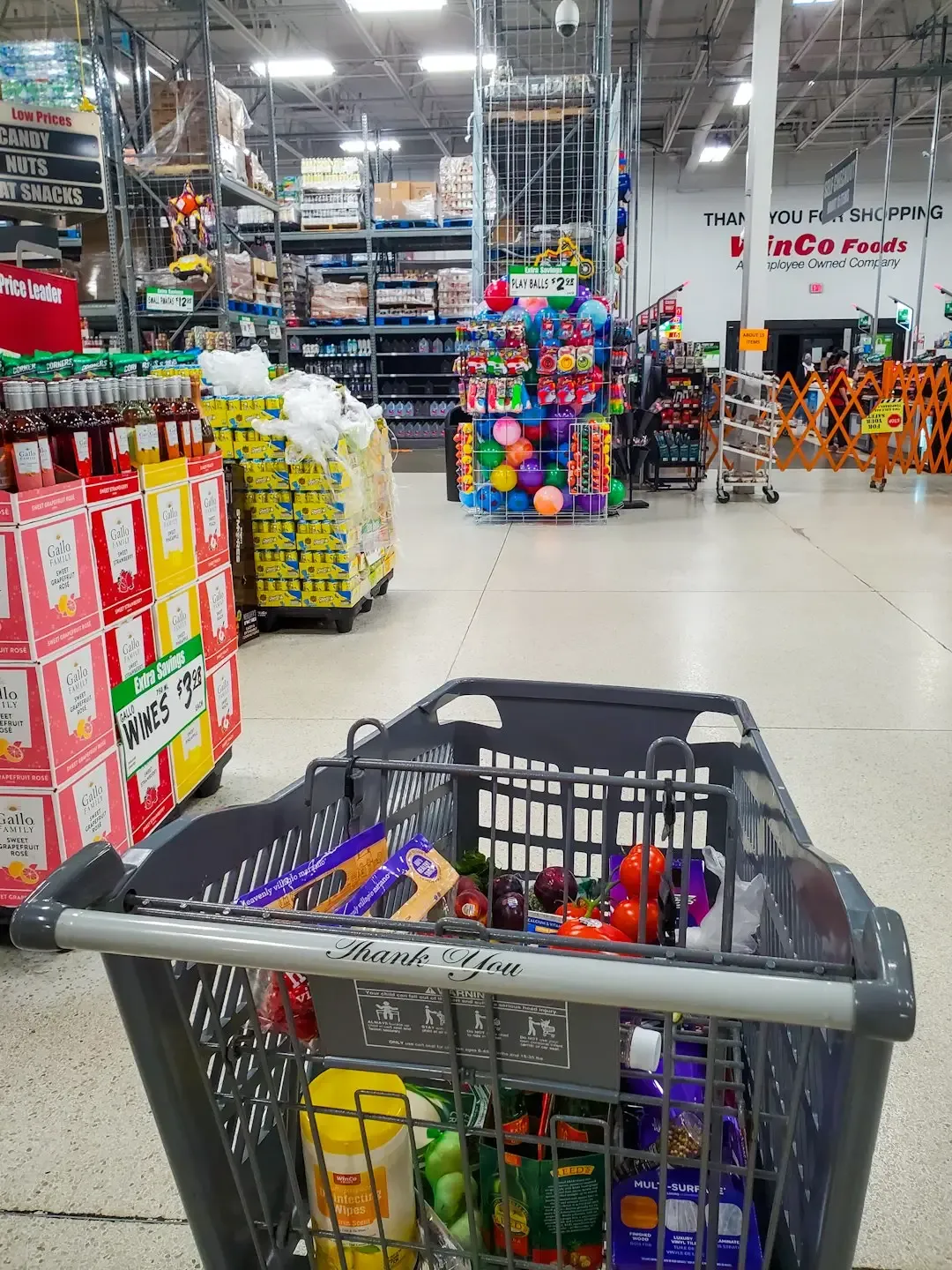
Let's be real: wandering into the grocery store without a plan is like walking into a casino with your paycheck. You might think you're just grabbing a few things, but those few things turn into cart overload faster than you can say impulse buy. Without a meal plan, you're guessing what you need, which means buying duplicates, forgetting essentials, and ultimately wasting food.
Meal planning helps families save money by sticking to a list based on planned recipes, avoiding impulse buys, and reducing waste, with grocery costs decreasing over time. The average American family of four throws out more than three thousand dollars worth of groceries each year. That's a vacation you're tossing in the trash. When you meal plan, even if it's just for a few days at a time, you buy only what you need and actually use what you buy.
The secret is making it simple. You don't need fancy apps or color-coded spreadsheets. Just pick five or six dinners for the week, write down the ingredients you need, and stick to that list when you shop. It's honestly that straightforward.
Falling for Impulse Purchases

That end cap display got you again, didn't it? Grocery stores are designed to make you spend more. Every placement, every colorful package, every "limited time offer" is strategically positioned to trigger your impulse buying instincts. Impulse buying accounts for up to 62 percent of grocery sales revenue, with some product categories reaching 80 percent.
The average consumer spends an estimated 282 dollars per month on impulse buys in 2024 for an annual total of 3,381 dollars, making nearly ten impulse purchases per month. Consumers are likely to impulse buy while shopping for groceries, with half of all shoppers making unplanned purchases in this category. Think about that for a second. Over three thousand bucks a year on stuff you didn't plan to buy.
The fix? Never shop hungry, and I mean never. Create your list at home and commit to it. When you're tempted by something not on your list, snap a photo and think about it overnight. If you still want it tomorrow, add it to next week's list. This simple pause button can save you hundreds every month.
Ignoring Store Brands
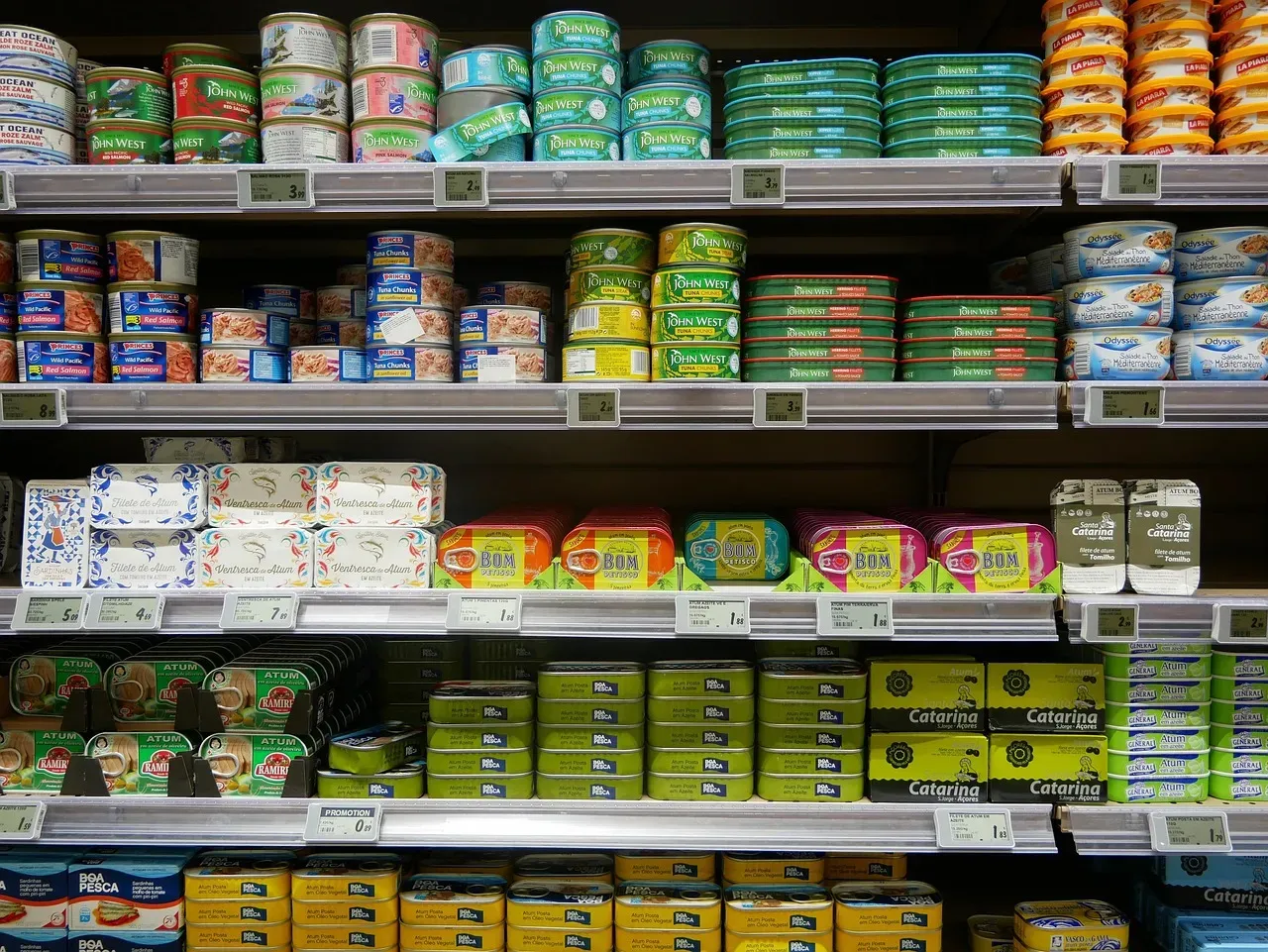
Brand loyalty is costing you a fortune. We've been conditioned through decades of advertising to believe that name brands are inherently superior, and sometimes they are. Most times? They're made in the same factories as store brands, just with fancier packaging and a higher price tag.
Using average cost per unit in a store-wide price comparison between store brands and national brands, U.S. consumers save more than 40 billion dollars a year on grocery and household purchases by opting for store brand over national brand versions. Store brands are typically 15 to 30 percent cheaper than name brands, and in many cases, you honestly can't taste the difference.
I'm not saying ditch every name brand item you love. Start small. Try the store brand sugar, flour, pasta, canned goods, spices, or paper products. Sometimes the store brand is the exact same product with a different label slapped on, and in these instances, the store brand really is just as good as the name brand. Do your own taste test at home. If you can't tell the difference, congratulations - you just found a permanent way to cut your grocery bill by potentially hundreds of dollars annually.
Wasting Food You Already Bought
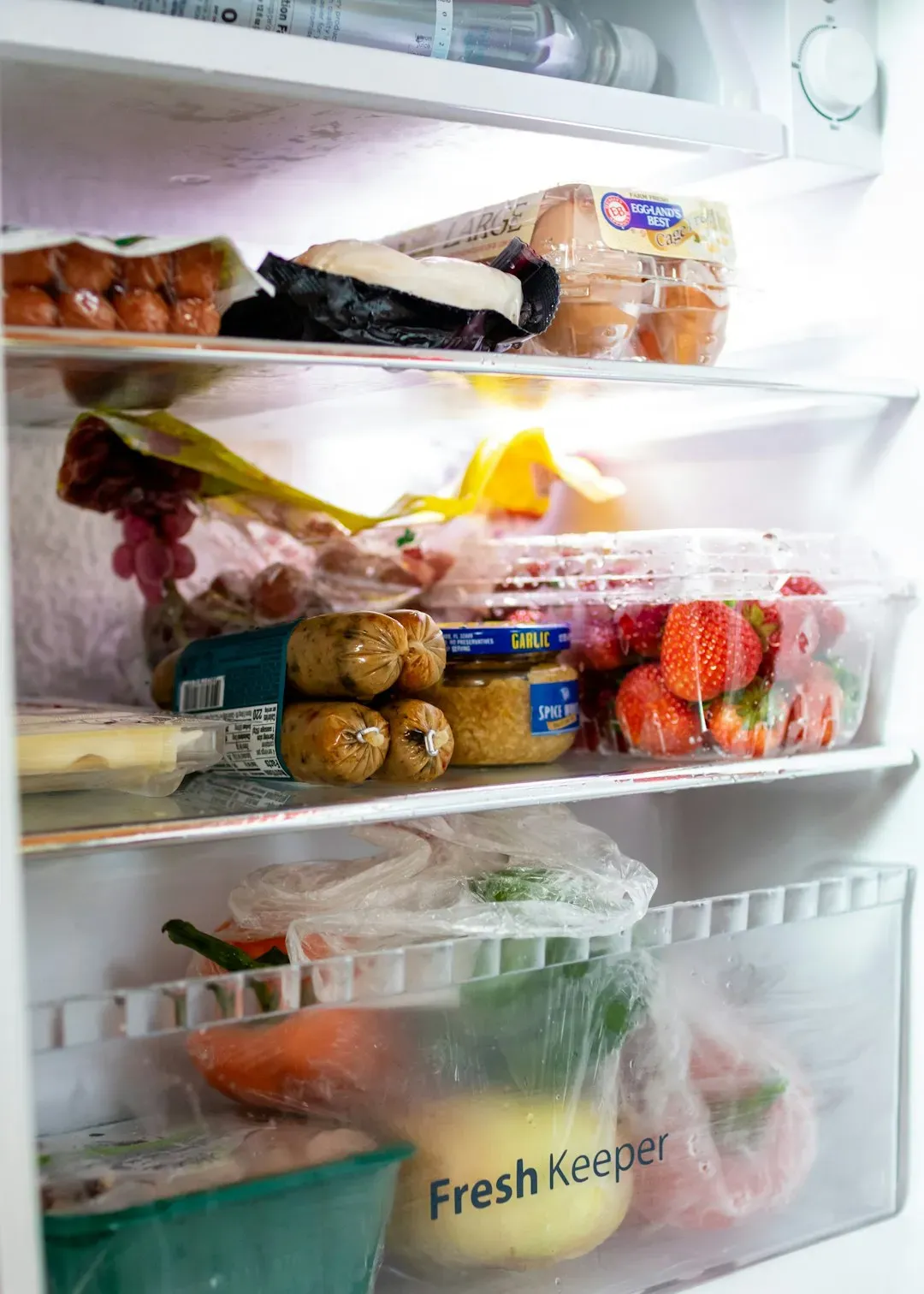
Open your fridge right now. I'll wait. See that wilted lettuce in the back? Those leftovers from four days ago that nobody wants to eat? That half-used can of tomato paste growing something fuzzy? That's money you already spent literally rotting away.
The United States discards nearly 60 million tons of food every year, estimated to be almost 40 percent of the entire U.S. food supply, equating to 325 pounds of waste per person. According to the USDA, Americans waste between 30 to 40 percent of the food supply each year, costing the average family of four roughly 1,500 dollars annually in wasted food. That number should make your stomach turn.
The solution involves getting serious about using what you have before buying more. Designate one night a week as "leftover night" or "clean out the fridge night." Get creative with repurposing ingredients. That rotisserie chicken can become three different meals if you're smart about it. Store food properly in airtight containers, and actually check what's in your fridge before making your shopping list. Sounds obvious, yet most of us skip this step every single time.
Shopping Multiple Times Per Week

Every time you walk into a grocery store, you spend money. That quick trip for one or two items somehow turns into thirty dollars at checkout because you grabbed a few extras while you were there. Nearly half of respondents shop weekly while 30 percent make two to three trips per week, and half of the respondents shop at two different stores each month with a quarter visiting three or more.
The more often you shop, the more opportunities you have to overspend. Each trip exposes you to more impulse purchases, more "oh I forgot we needed this," and more money walking out the door. A lot of that expense comes from impulse buys, spoiled produce, and frequent trips to the store.
Consolidate your shopping trips. Do one big shop per week with your meal plan and list in hand. If you absolutely must go back for something, make a rule that you can only buy exactly what you came for - nothing else. Better yet, see if you can make do with what you have at home instead. You'd be surprised how creative you can get when you stop relying on constant store runs.
Buying Everything at Full Price
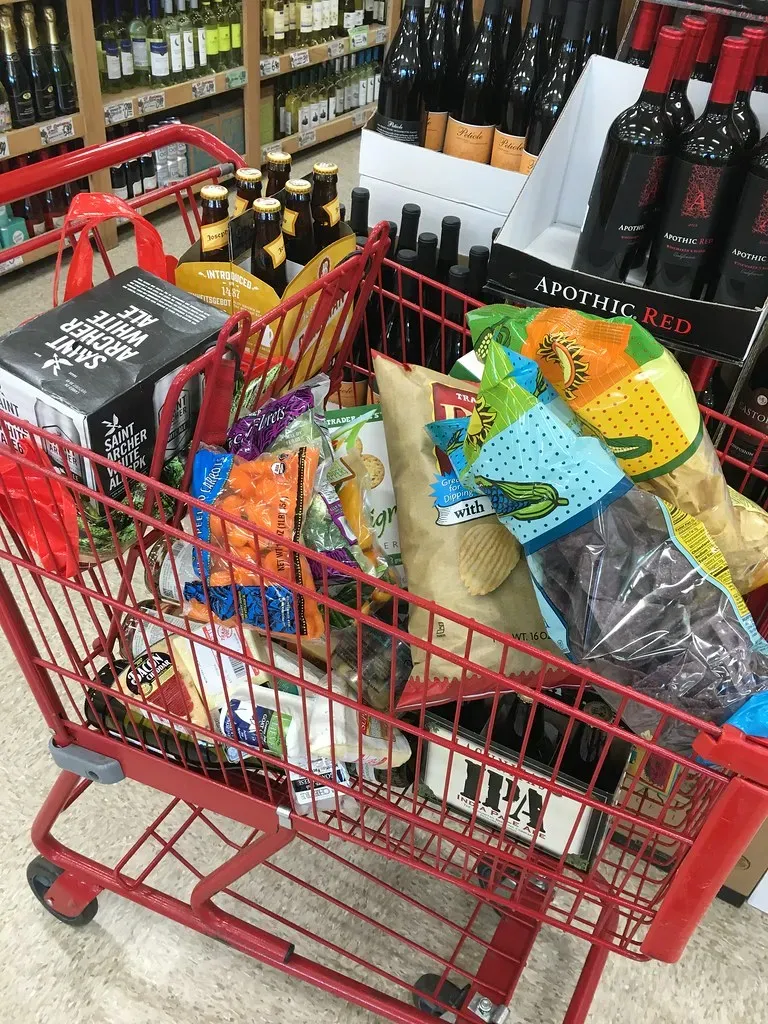
Paying full price is for people who don't pay attention. I don't mean you need to become an extreme couponer or spend hours hunting deals, but completely ignoring sales and seasonal pricing is leaving money on the table.
Roughly 36 percent of respondents switched to dollar or discount stores in 2024 with 66 percent citing lower prices as their main reason, and 65 percent shop during sales while 59 percent use coupons to save money. The trick is building your meal plan around what's on sale that week rather than deciding what you want to eat and then hoping it's discounted.
Check your store's weekly circular before you plan your meals. Stock up on non-perishables when they're discounted. If chicken is on sale, plan chicken-based meals that week. Meat prices jumped 12.3 percent from September 2024 to September 2025, so timing your protein purchases around sales makes even more sense now. You don't need to be obsessive about it - just strategic. Small shifts in timing your purchases can save hundreds over the course of a year.
Overlooking Discount Stores for Certain Items
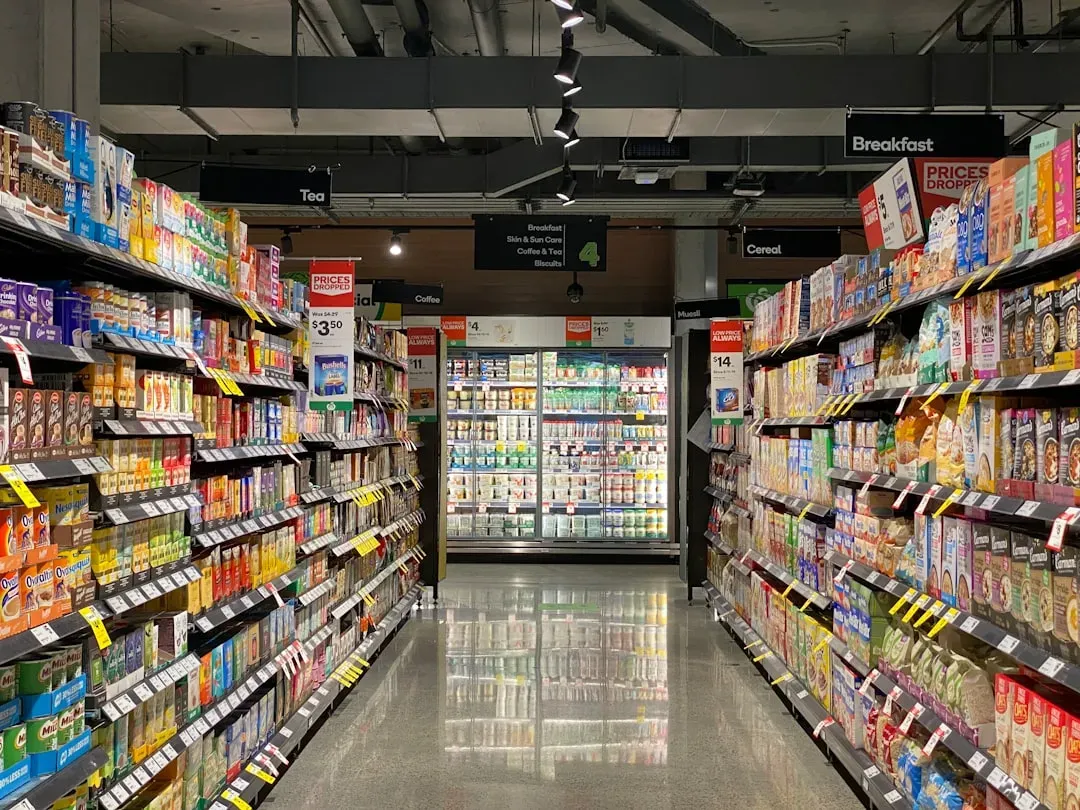
There's this weird stigma around discount grocery stores that needs to die already. Aldi, Lidl, and other discount chains aren't selling inferior products - they're just cutting out the middleman and operating more efficiently. For years store brands were the safety valve for family budgets, but in 2026 that gap has narrowed as many grocery chains quietly eliminated their cheapest private-label options and replaced them with premium or organic-inspired versions.
You don't have to do all your shopping at discount stores if you don't want to. Think strategically about which items make sense to buy where. Produce, dairy, and pantry staples are often significantly cheaper at discount grocers. Families who save the most now shop by category rather than by habit, with one store for produce, another for pantry staples, and another for meat or frozen foods, gradually stocking categories when prices are best over the month to reduce impulse buying.
Some shoppers rotate stores throughout the month to maximize savings without spending their entire week driving around town. It's about being intentional with where your dollars go, not about pride or habit. Your budget will thank you.
Not Tracking What You Actually Spend

Most families have zero clue how much they really spend on groceries each month. They know it's "a lot" but couldn't tell you if it's twelve hundred or eighteen hundred dollars. Flying blind like this makes it impossible to improve because you have no baseline to measure against.
Start tracking your actual grocery spending for one month. Just one. Write down every grocery purchase, every convenience store snack run, every last-minute store trip. At the end of the month, add it up. The number might shock you, and that's good. An hour of meal planning each week saves about 500 dollars a month for some families who actually track their spending and adjust accordingly.
Once you know your baseline, set a realistic goal to reduce it by ten or fifteen percent. Then use the strategies we've covered - meal planning, avoiding impulse buys, choosing store brands, reducing waste - to hit that goal. Track your progress weekly. When you see those numbers dropping, it becomes genuinely motivating to keep going. What gets measured gets managed, as they say, and your grocery budget is no exception.




Leave a Reply