
The kitchen has always been the heart of every home. It's where we gather, cook, experiment, and often spill coffee before sunrise. Yet despite its central role, the space has become a breeding ground for design trends that look incredible on social media but fall short when you're elbow-deep in meal prep on a Tuesday night.
Let's be real, not every trend deserves our attention. Some stick around far longer than they should, creating spaces that prioritize aesthetics over actual living. As we move through 2026, designers across the country are speaking up about the trends they're ready to bid farewell to. Here's what made the list.
1. The All-White Kitchen Era
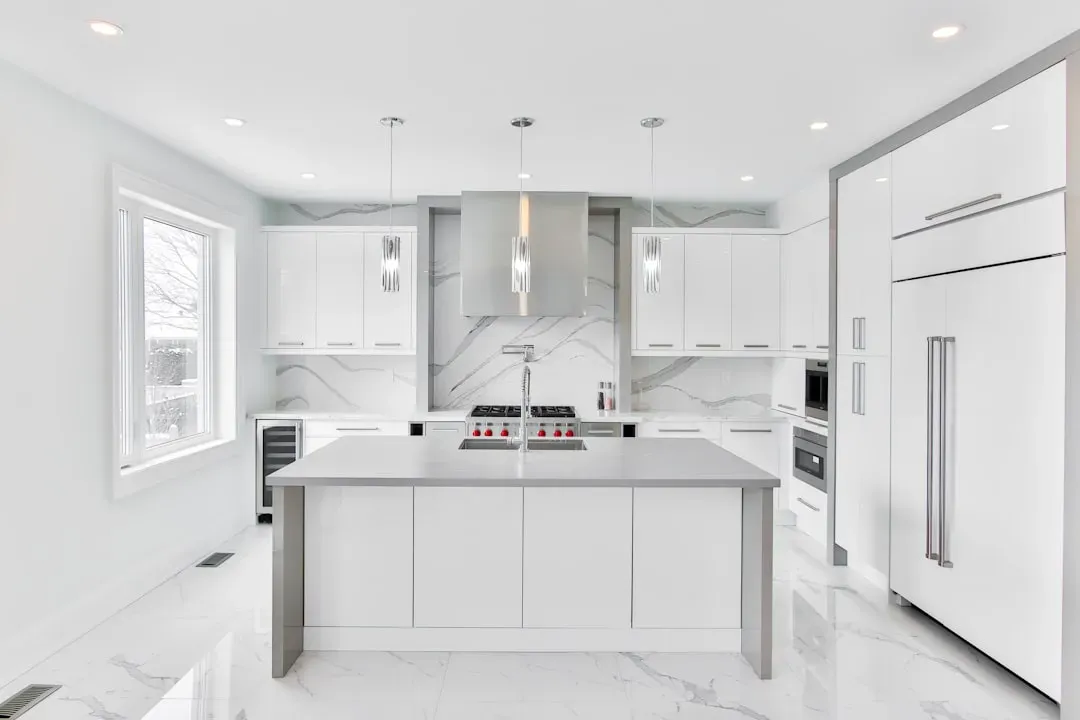
The all-white kitchen era is officially behind us, according to a staggering majority of professionals - 86% of industry pros confirm this shift. For years, the pristine white kitchen promised elegance and brightness. The chief complaint regarding all-white kitchens was that they felt overly sterile, and now people are moving away from those stark white kitchens and embracing warmth and vibrant shades.
Think about it. Every crumb shows. Every spill is a crisis. People are tired of that perfect sterile white color, and customers say they want to add style and individuality at home without feeling like they're in a hospital. The obsession with Instagram-perfect kitchens pushed many homeowners into a corner they didn't really want to be in.
What's replacing this trend? Honestly, anything warmer. Warm neutrals and earth tones are confirmed by 67% of experts as the new preference. We're talking soft mushroom tones, creamy beiges, and gentle greiges that give your kitchen a lived-in feel without looking dated.
2. Modern Farmhouse Overload
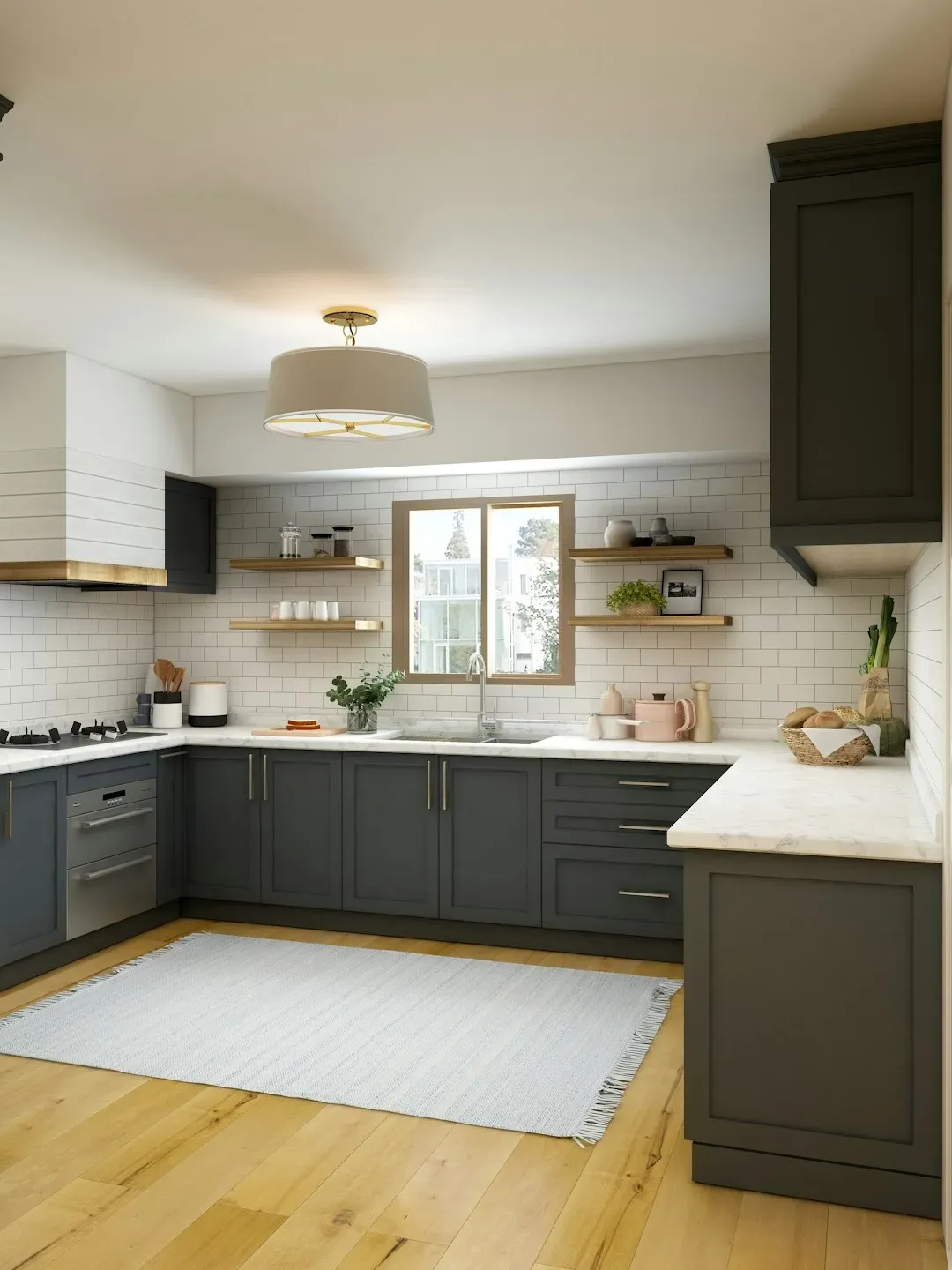
Farmhouse style encompassed every aesthetic in 2024, with rustic and characterful elements everyone craved, but the look has gone a bit too far and started to feel less timeless. Shiplap, barn doors, distressed wood finishes - at some point, the modern farmhouse aesthetic became less about charm and more about checking boxes on a Pinterest board.
Rustic and farmhouse kitchens, long oversaturated in the market, are falling out of favor. The style peaked, then plateaued, and now it just feels exhausting. The overuse of shiplap, barn doors, and distressed finishes has made the style feel less fresh and unique, with some designers saying by 2025 it's going to feel completely outdated.
Instead of leaning heavily into nostalgia, designers suggest subtler, textural approaches like plaster walls, limewash finishes, and artisan-crafted details that bring depth and character without leaning too heavily into nostalgia. You can still have warmth and texture without turning your kitchen into a replica of a country store.
3. Open Shelving Everywhere
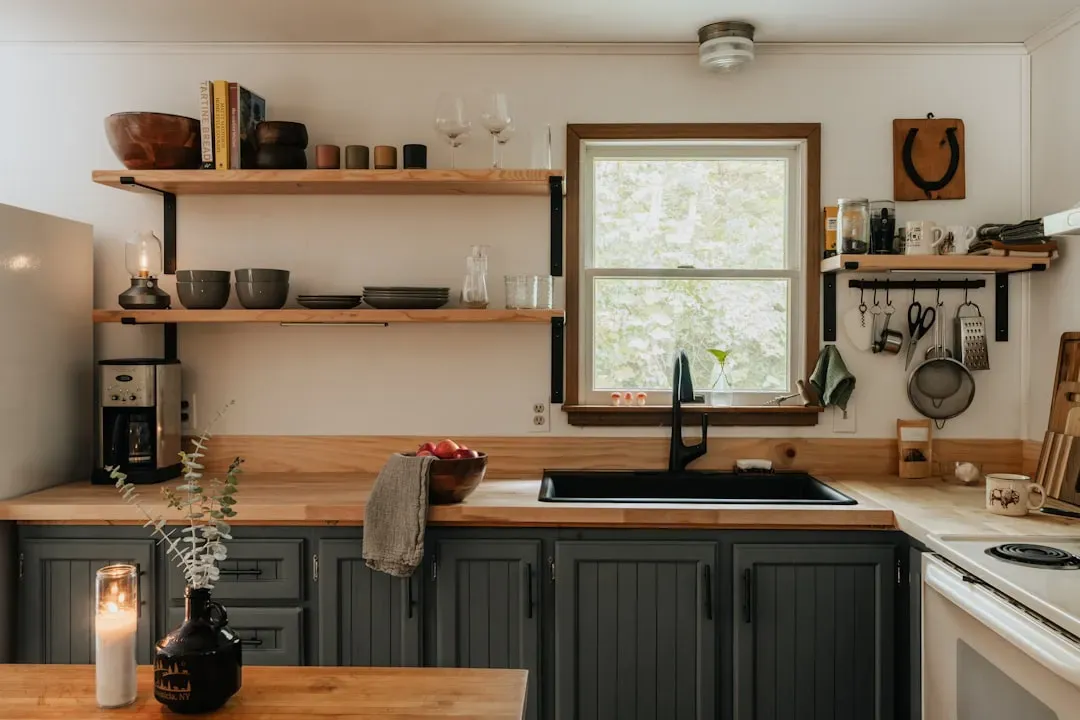
Once hailed for its airy charm, open shelving is now criticized for its impracticality. Sure, the concept looks fantastic in magazine spreads and design blogs. Who doesn't love the idea of beautifully stacked dishes and charming glassware on display?
Reality, though, is less forgiving. Open shelving requires constant cleaning and maintenance which many find tiring, with people now opting for simplicity and a cleaner look over visual aesthetics. Dust collects on everything within days. Keeping dishes perfectly stacked and free of dust requires constant maintenance that many find exhausting.
The shift back to closed cabinetry is gaining momentum. Homeowners are returning to closed cabinetry to hide the inevitable mess of real life, with a single accent shelf remaining popular while full walls of open shelving are fading away. If you really love the look, consider glass-fronted cabinets instead - they offer that display element without the dust parade.
4. Overly Industrial Aesthetics
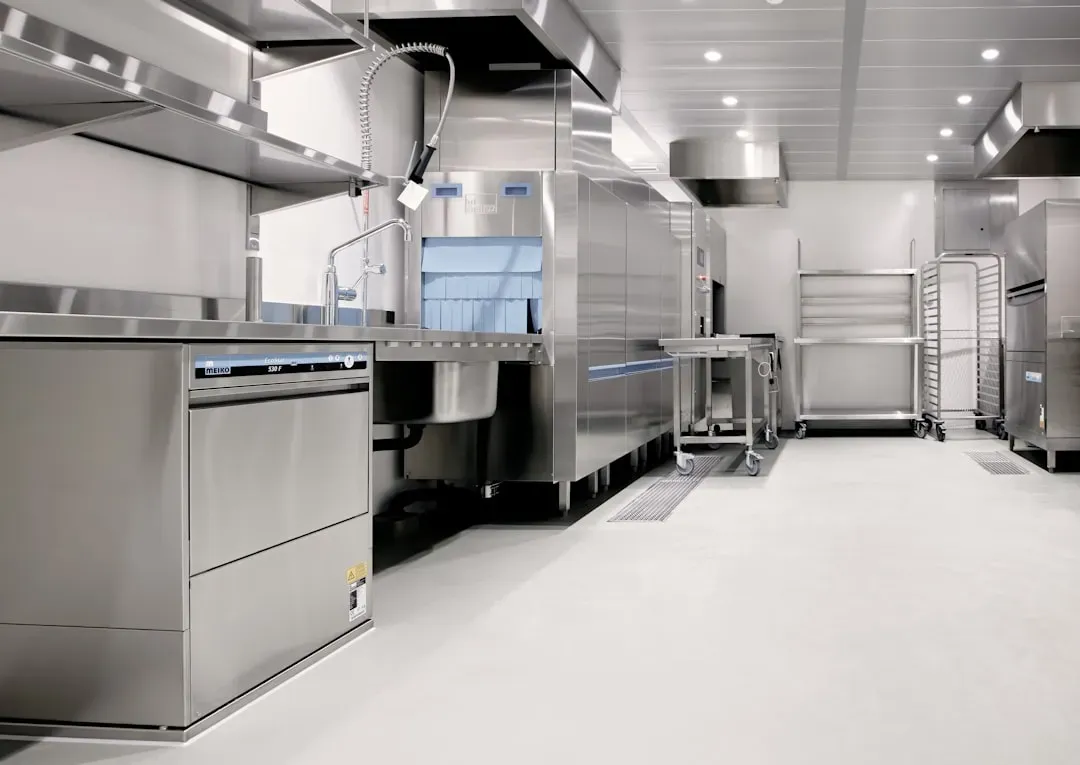
The trends fading in 2026 revolve around themes that lacked lasting charm or weren't practical over the long run, including industrial coldness and monotone minimalism. We're talking about those heavy black metal fixtures, exposed pipes, commercial-grade stainless steel everywhere, and raw concrete finishes that made your kitchen feel more like a warehouse than a home.
The raw industrial look featuring black iron piping and reclaimed wood is disappearing from modern kitchen designs. The aesthetic worked when it first emerged as a counterpoint to overly fussy traditional kitchens. Yet somewhere along the way, it became cold and uninviting.
What works better? A softer approach that incorporates metal and wood without going full factory mode. Mixed metals, warmer tones, and materials that feel more human-scale create spaces that still have edge without feeling like you're cooking dinner in a commercial kitchen.
5. Glossy Quartz and High-Polish Finishes
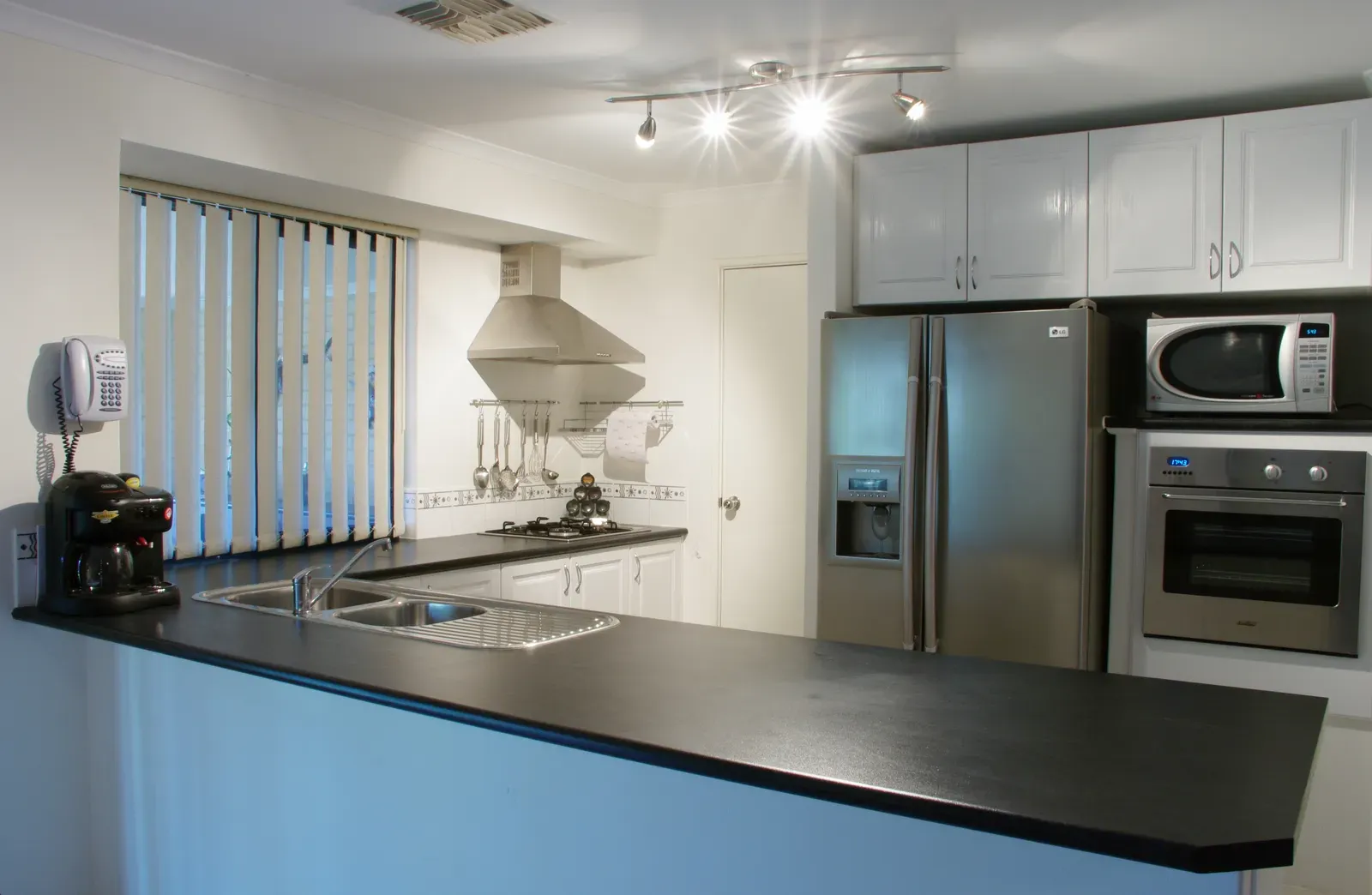
The glossy, high-contrast quartz that dominated the last decade is falling out of favor because those stark slabs read flat under natural light and make kitchens feel more like showrooms than lived-in spaces. Those ultra-shiny surfaces promised luxury and easy maintenance, yet the reality is far different.
High polish finishes are a no-go in 2026, with brushed and satin being the most popular choices, as a muted sheen is your best bet for the kitchen. The problem with high-gloss everything? Fingerprints, smudges, and every tiny scratch becomes immediately visible.
Designers are championing countertops with non-reflective finishes for a lived-in look, namely travertine, with textured, soft-movement stone with warm undertones, honed travertine, or leathered limestone. These materials diffuse light naturally and age beautifully rather than showing every imperfection.
6. Matchy-Matchy Hardware
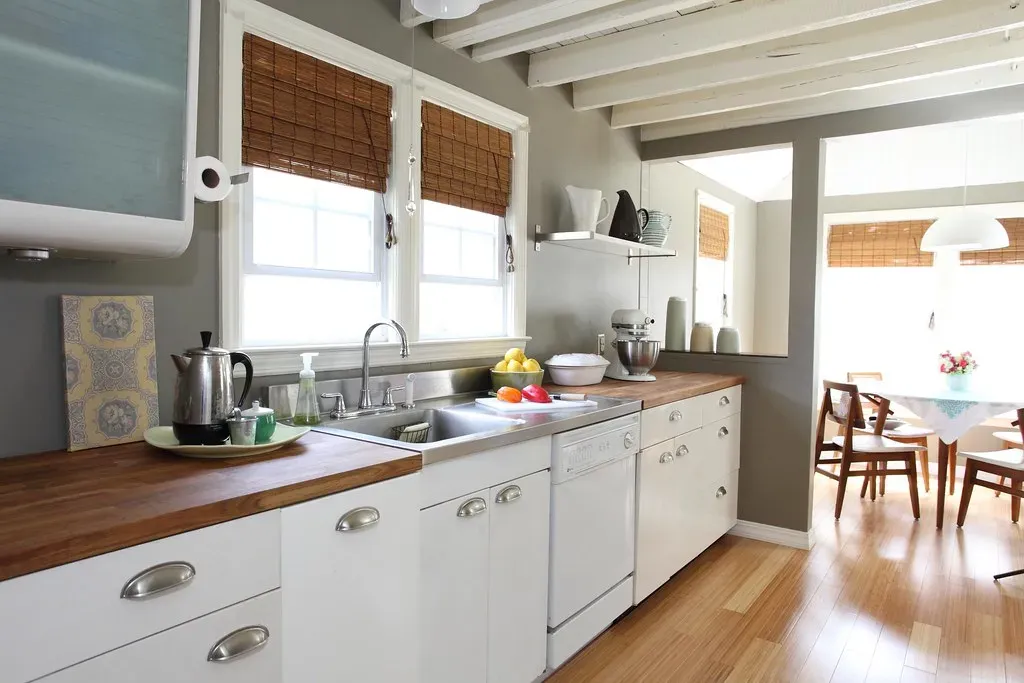
The days of perfectly matching hardware throughout the kitchen are coming to an end, as having all handles, knobs, and fixtures in the same finish was seen as the gold standard for a cohesive look. Somewhere along the line, design got too rigid. Every knob needed to match every pull, which had to match every faucet, which had to coordinate with every light fixture.
Gone are the days when every knob, pull, and fixture had to match precisely, as the new philosophy treats hardware as jewelry - mixing finishes and styles to add personality and interest. This shift allows for more creativity and personal expression.
The new approach is far more relaxed and interesting. You might pair brass cabinet pulls with matte black faucets and brushed nickel light fixtures. The key is intentional mixing rather than accidental chaos. It adds depth and makes your kitchen feel curated rather than catalog-ordered.
7. Hyperminimalism Without Warmth
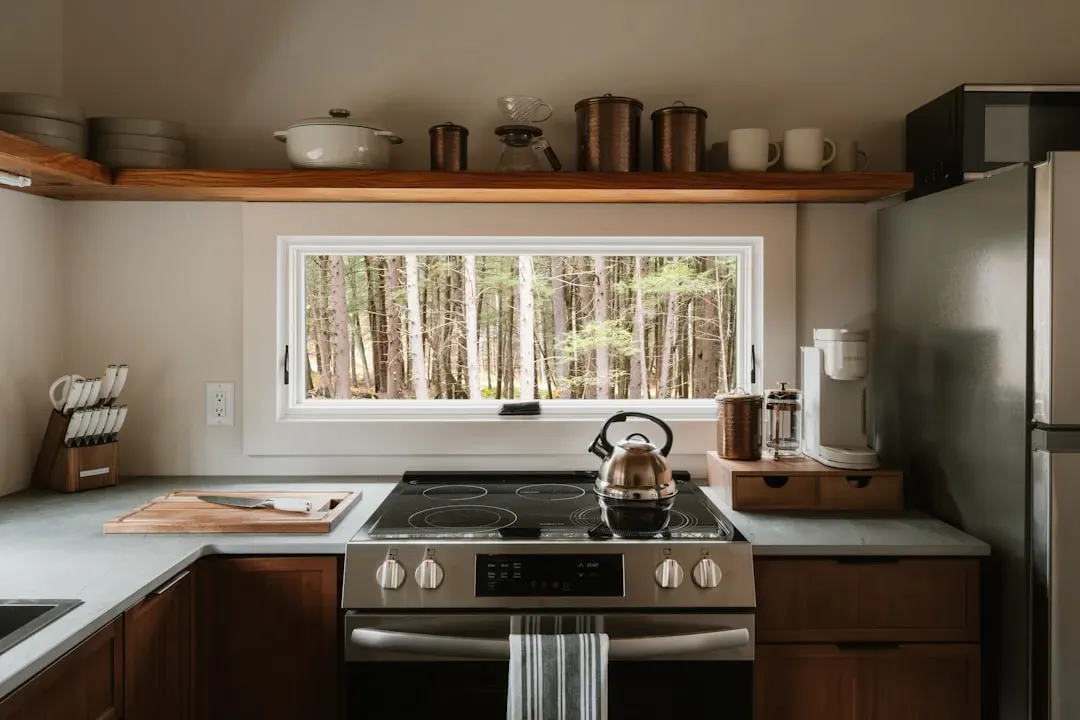
The hyper minimalist kitchen with its clean, stark lines and absence of visual interest is being phased out, as designers are reintroducing texture, layers, and touches of warmth into kitchen spaces. There's minimalism that feels calm and intentional, and then there's minimalism that just feels empty and cold.
Homeowners want more warmth, texture, and authenticity in the kitchen, with subtle color splashes and natural wood accents helping to soften the entire look and provide a more pleasant experience. Stripped-down spaces with nothing but flat cabinets and bare countertops might photograph well, yet they don't support how real people actually cook and live.
The correction happening now brings back personality. In place of fading trends, designers are embracing warmth, texture, personal expression, and technology that blends seamlessly into the kitchen fabric. It's about finding the middle ground between clutter and sterility.
8. Oversized Statement Pendant Lights
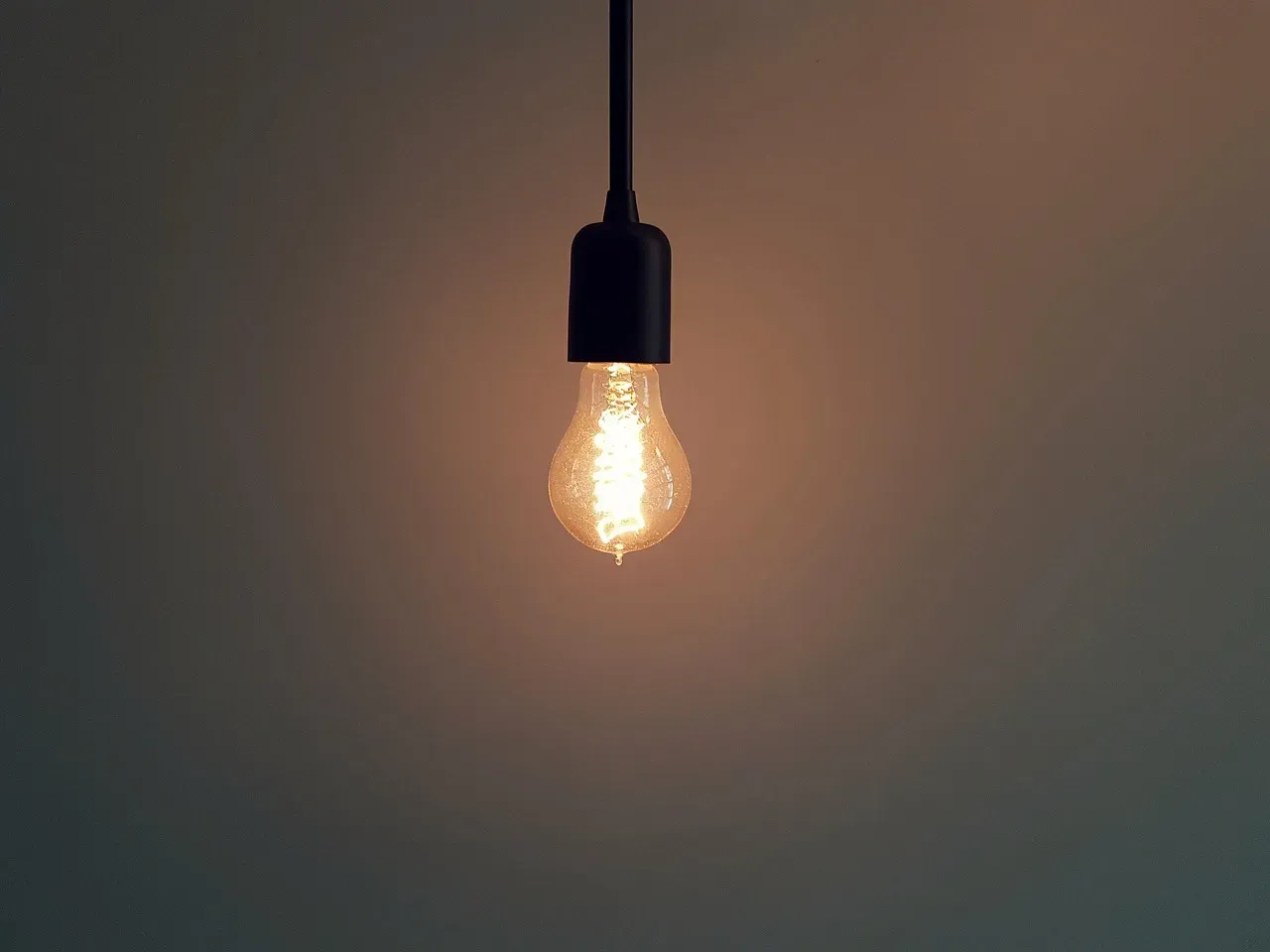
Kitchen lighting has favored pendants over the last few years, yet the oversized approach has started to feel overdone and outdated for some designers, with the focus shifting to smaller, more intentional fixtures that highlight the architecture and craftsmanship instead of stealing the show. Those massive globe lights hanging over your island might have felt bold and dramatic at first, yet now they just feel like they're trying too hard.
Layered lighting is a much better way to create an inviting, characterful kitchen that still provides plenty of task lighting, as smaller, more considered pendant lights feel more timeless and pair beautifully with wall lights and even counter lamps. Think about proportion and function. Your lighting should enhance the space, not dominate it.
The shift is toward fixtures that work together as a cohesive system. Recessed lighting, under-cabinet strips, smaller pendants, and even decorative sconces create a more sophisticated and functional approach.



Leave a Reply