
Beef prices have soared to historic levels in recent years, with the average price of steak rising by over three dollars per pound from December 2020 to December 2025. Everyone seems willing to shell out for premium cuts these days. Yet here's the thing. Some of those fancy steaks at the butcher counter or on restaurant menus simply aren't delivering the value they promise.
The mystique surrounding certain beef cuts has created a market where reputation trumps reality. You're about to discover which supposedly elite cuts are actually costing you way more than they should.
Filet Mignon – The Tender Trap
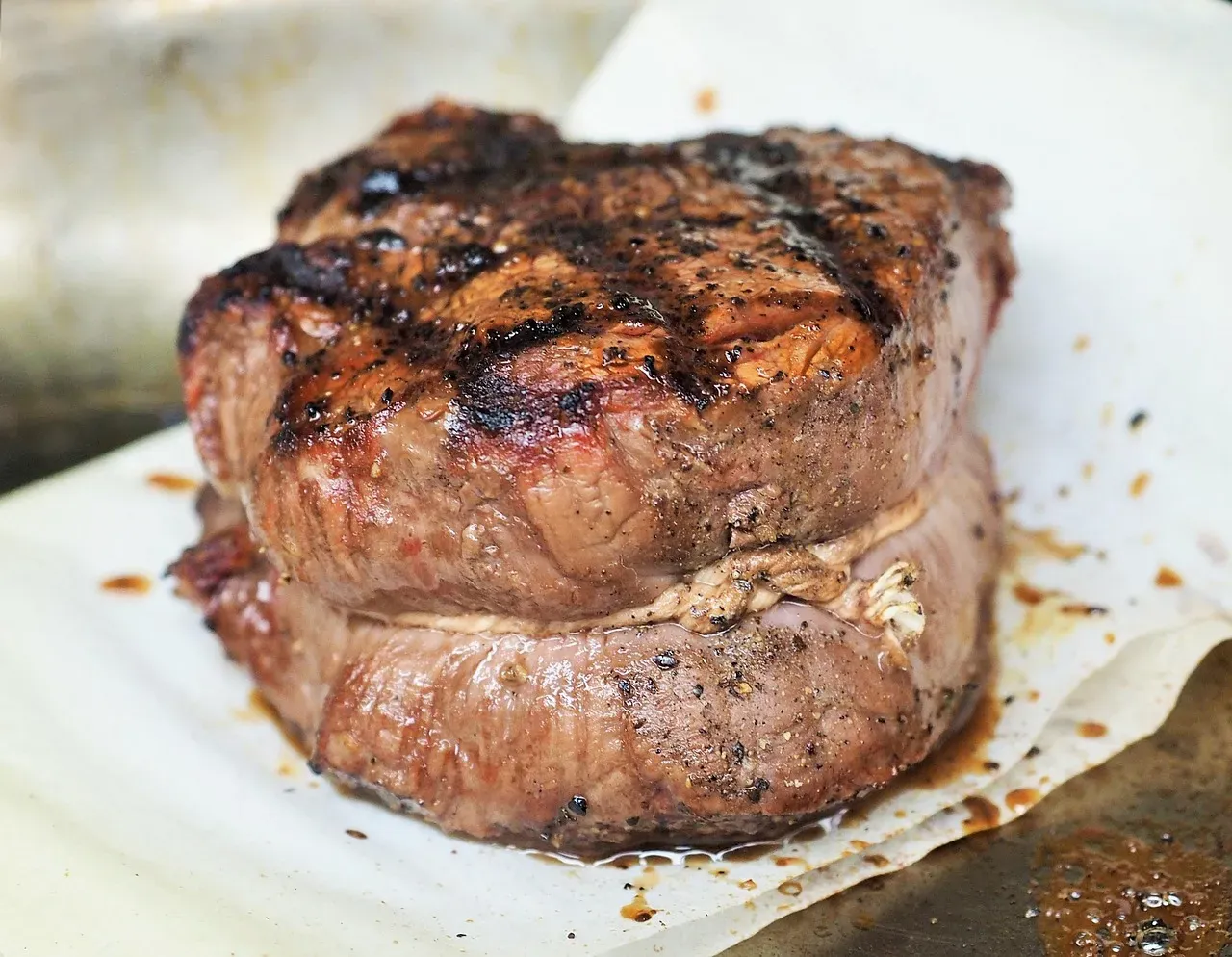
When professional chefs are asked what cut of beef is most overrated, they invariably name filet mignon. Sure, it's tender as can be. Katelyn Leckie says this is the number one cut that comes to mind as overrated. The problem isn't the texture; it's everything else.
Tender cuts of steak, which include filet mignon, make up just eight percent of the meat on a cow, with only about 500 grams per animal. That scarcity drives up prices, sure. Still, the bigger issue is that beef tenderloin and filet mignon don't have the flavor that many steak enthusiasts yearn for. What you're paying premium prices for is essentially a blank canvas that requires sauces, bacon wrapping, or heavy seasoning to make it interesting.
Priced anywhere from 20 to 30 dollars a pound, you're essentially overpaying for texture alone. Honestly, there are plenty of other cuts that deliver both tenderness and robust beefy flavor without the astronomical price tag.
Wagyu and Kobe – When Labels Lie
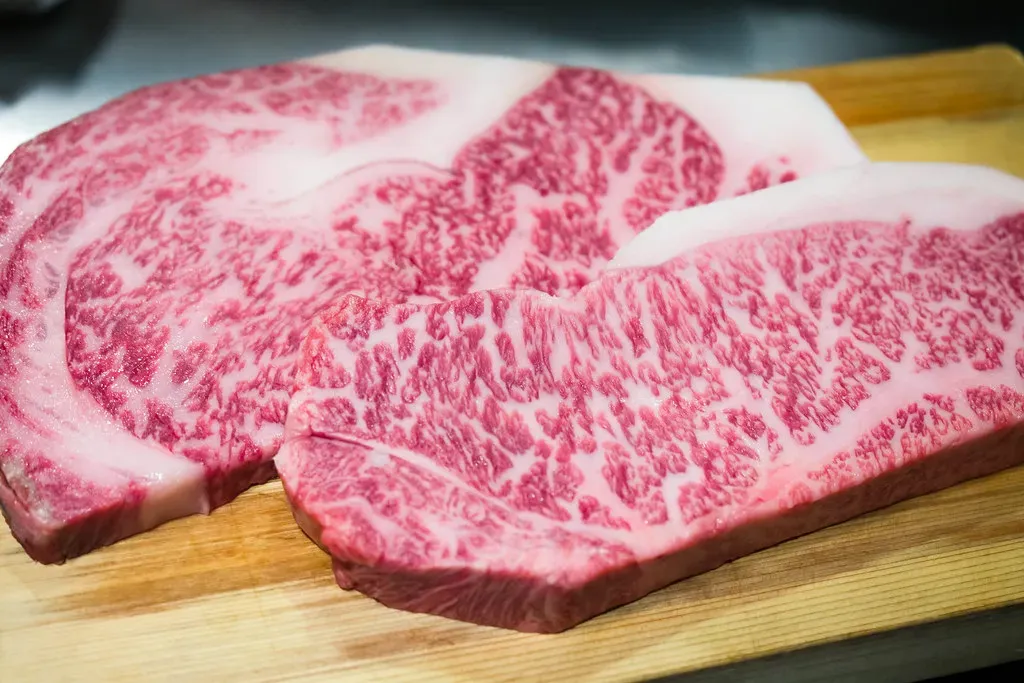
Let's be real about this one. With rare exception, Kobe or Wagyu on the menu in America is a scam used to charge you more because you expect to pay for its reputation. The authentic stuff exists, no doubt. Only about 3,000 cattle qualify as Japanese Kobe beef every year, which lends to its expensive pricing.
Here's where it gets murky. In some places, meat from crossbred cattle may be marketed under names such as "Kobe-style beef," and due to a lack of legal recognition of the Kobe beef trademark in the United States, it is also possible to sell this meat as "Kobe beef". Think about that for a second. Restaurants can essentially slap the word "Kobe" on any well-marbled steak and charge you triple.
Kobe beef price per pound can range from around 200 to 500 dollars, while Wagyu beef per pound can range from around 50 to 150 dollars. Unless you're dining at a certified establishment with traceable sourcing, what you're getting is likely just heavily marbled American beef with a fancy Japanese name. Authentic Kobe beef comes from the Tajima strain of Japanese Black cattle raised in Hyogo Prefecture, Japan, and only a small number of restaurants in the US are licensed to sell it.
T-Bone and Porterhouse – Paying for the Bone
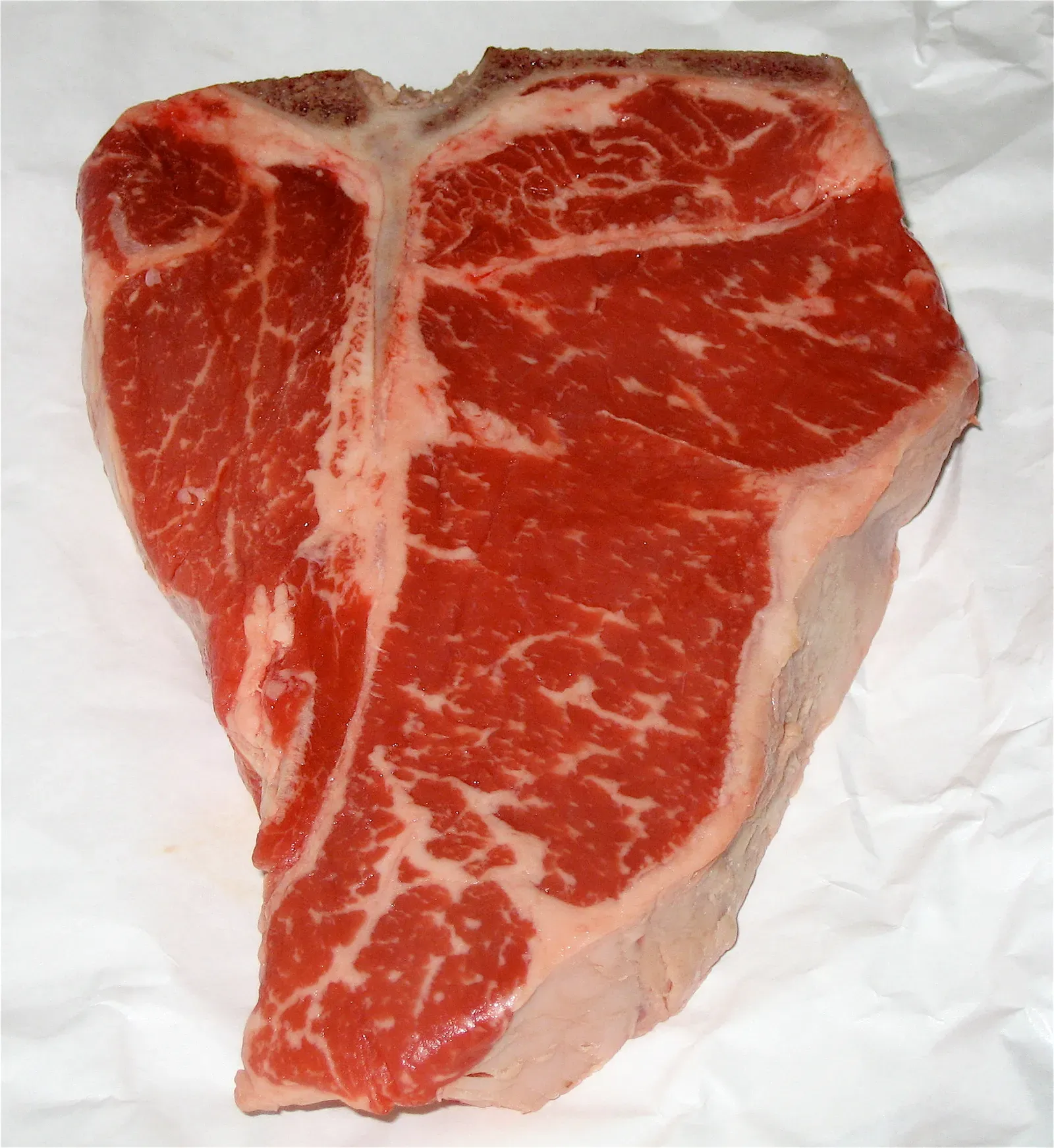
The T-bone seems like a great deal on paper. Two steaks in one, right? Not exactly. You'll be paying for that big bone when your butcher weighs your steak, and the actual meat on a T-bone can be surprisingly thin and easier to overcook. That's devastating when you've paid a hefty price for your dinner.
These cuts that are so big and impressive are not often the most beefy or the most tasty, and they don't necessarily have the most flavor. The bone itself adds weight but zero edible value to your purchase. You're essentially subsidizing a hunk of calcium.
The porterhouse faces the same issue, though the reason this steak is up there in price is that it's actually two steaks in one. Yet cooking these combination cuts evenly is tricky at best. One side often ends up overcooked while the other remains underdone. For the premium you're paying, that's a frustrating gamble.
Hanger Steak – The Secret's Out
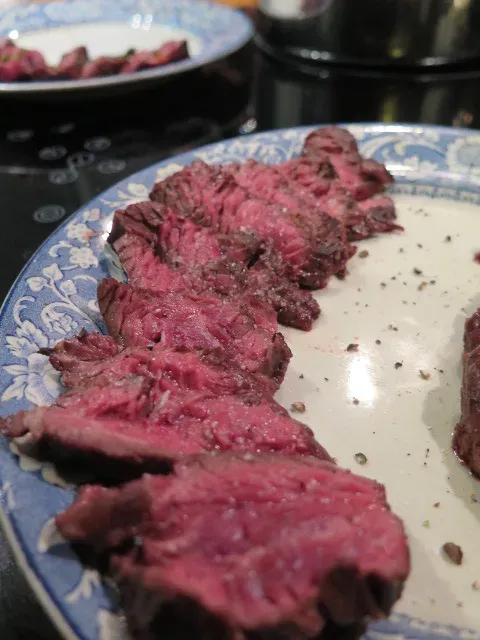
Once the butcher's secret, hanger has gone mainstream and its price has skyrocketed; delicious, yes, but at today's premium, you can find better value elsewhere. This cut used to be the insider's choice, the one butchers kept for themselves because it was flavorful and affordable.
Those days are long gone. The reason hanger steak appears elusive seems to be because it's so good, no one wants to share it; a cow yields only one hanger steak, so the demand for this prime cut is real. That limited supply combined with foodie fame has transformed hanger from budget-friendly to boutique pricing.
You're now paying nearly as much as you would for a ribeye, except without the marbling and consistency. The hype has officially outpaced the value here. What used to be a smart alternative to expensive cuts has become just another overpriced option.
Bavette Steak – TikTok's Trendy Trap
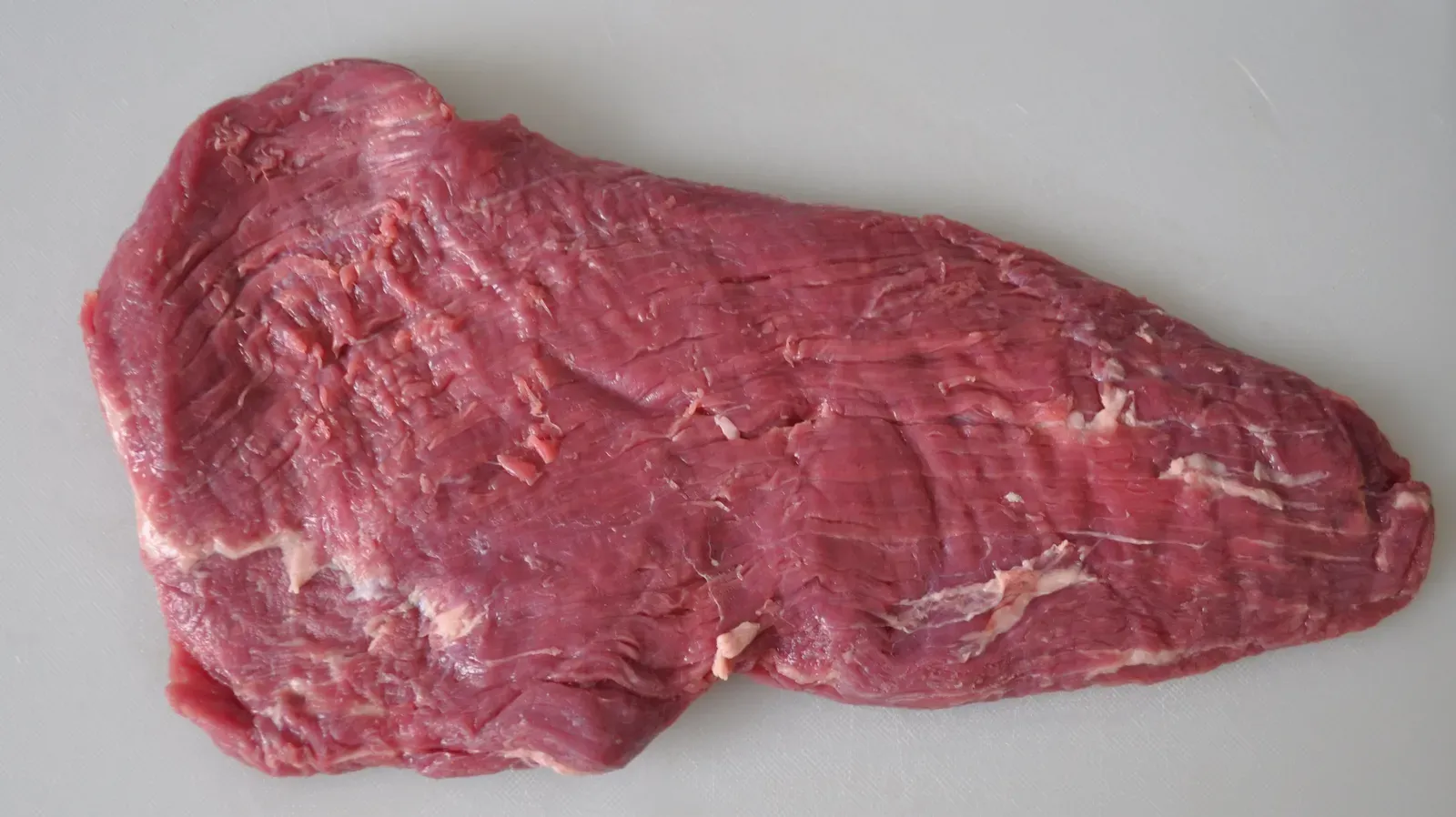
Another rising star hyped by chefs and TikTok alike, bavette is flavorful but often overpriced compared to similar options like skirt steak. Social media has a way of turning obscure cuts into overnight sensations, and bavette is the latest victim of its own popularity.
The cut itself is solid. Bavette is a versatile and tasty cut of beef that you can grill on a barbecue, sear in a cast iron skillet, or slice it up to share with friends. Problem is, you can get nearly identical results from skirt or flank steak at a fraction of the cost.
The Instagram-worthy factor has inflated bavette prices to the point where the value proposition completely disappears. You're essentially paying a "social media tax" for a cut that performs no better than its cheaper cousins. Unless you really need those foodie bragging rights, skip this one.
Ribeye at Restaurant Markup
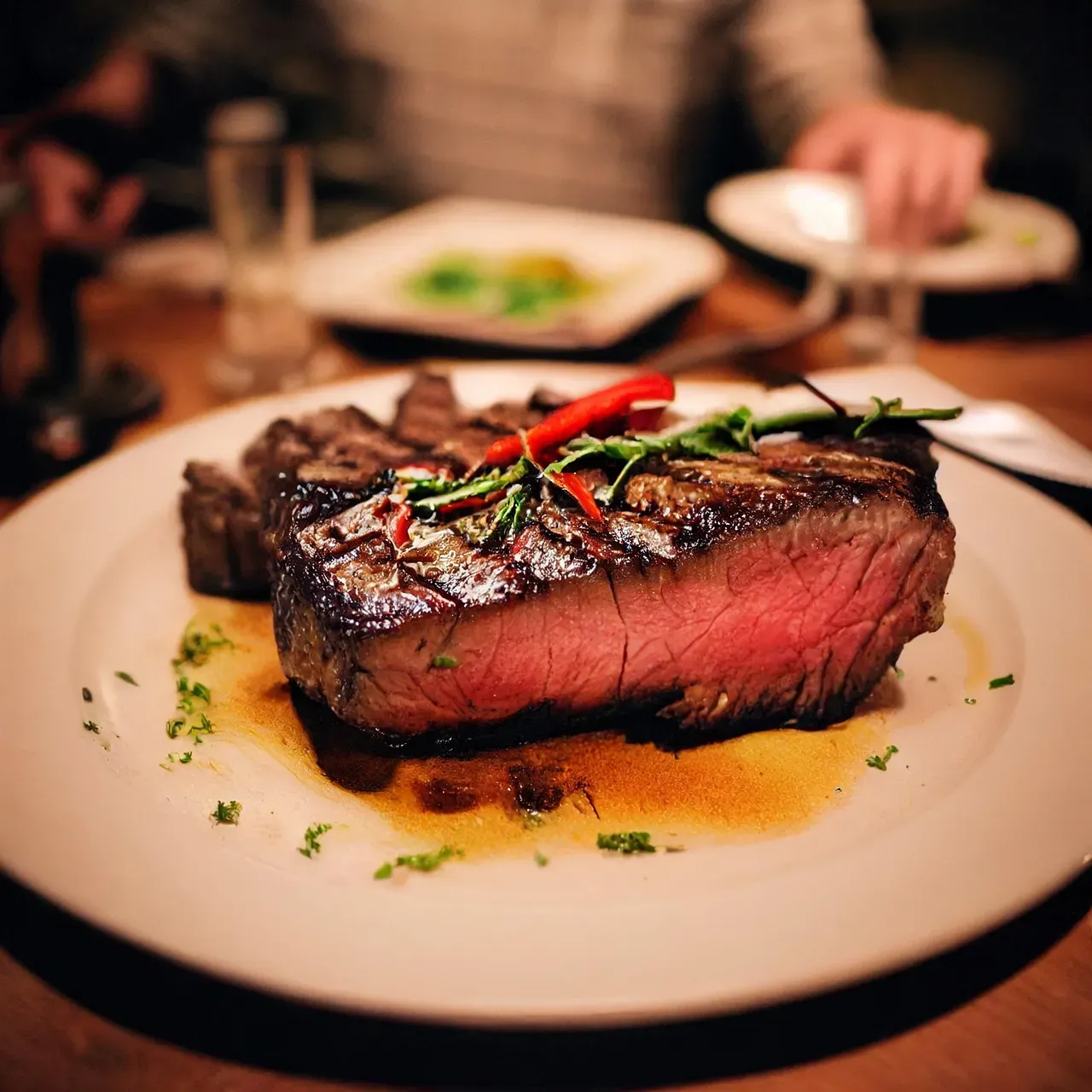
Ribeye itself isn't overpriced as a cut. It's legitimately delicious with great marbling. The problem is what happens to the price when you order it at a restaurant. At a high-end restaurant, expect ribeye steak prices to be marked up, generally falling between 30 to 65 dollars per plate, inclusive of preparation costs, as dining establishments implement a significant markup.
Some restaurant owners admit they're not paying certain prices for ribeye themselves, yet they're charging customers astronomical amounts. The markup on ribeye in restaurants often exceeds reasonable profit margins, especially at steakhouses that have built their reputation on this particular cut.
Here's the kicker. Ribeye is actually one of the easier steaks to cook at home. With minimal effort and a hot pan or grill, you can achieve restaurant-quality results for a third of the price. That three-times markup at restaurants just doesn't make sense when the cut is so forgiving to home cooks.
Beef Tenderloin Roasts – When Whole Isn't Better
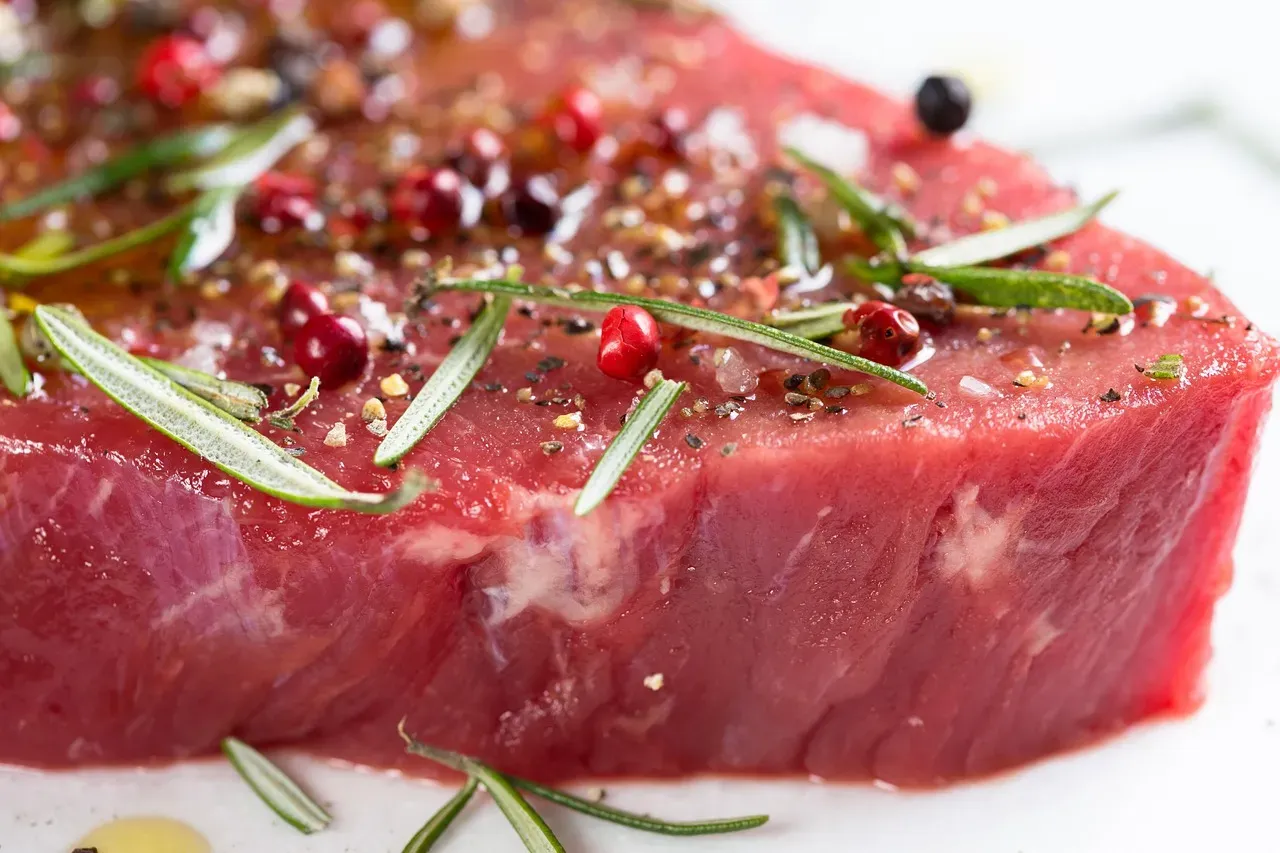
Expect to pay about 30 dollars per pound of beef tenderloin, which enthusiasts often say is well worth the price because of its robust flavor and super-tender texture. That marketing claim about "robust flavor" is generous at best. Tenderloin is known for tenderness, not flavor intensity.
Buying a whole tenderloin seems economical compared to individual filet mignon steaks. Yet you're still paying premium prices for a cut that lacks the beefy punch you'd get from cheaper options. As a rule with meat in general, the less butchered it is, the cheaper it's going to be, so because filet mignon is so heavily butchered down to that medallion, that adds labor cost.
Even when you factor in the trimming you'll do yourself, you're committing to multiple meals of a relatively bland cut. That's a lot of money for meat that consistently needs enhancement to shine. The whole roast might save you a few bucks per pound, yet you're locked into eating tenderloin for days. Not exactly thrilling for the investment.
Tomahawk Ribeye – Instagram Over Substance
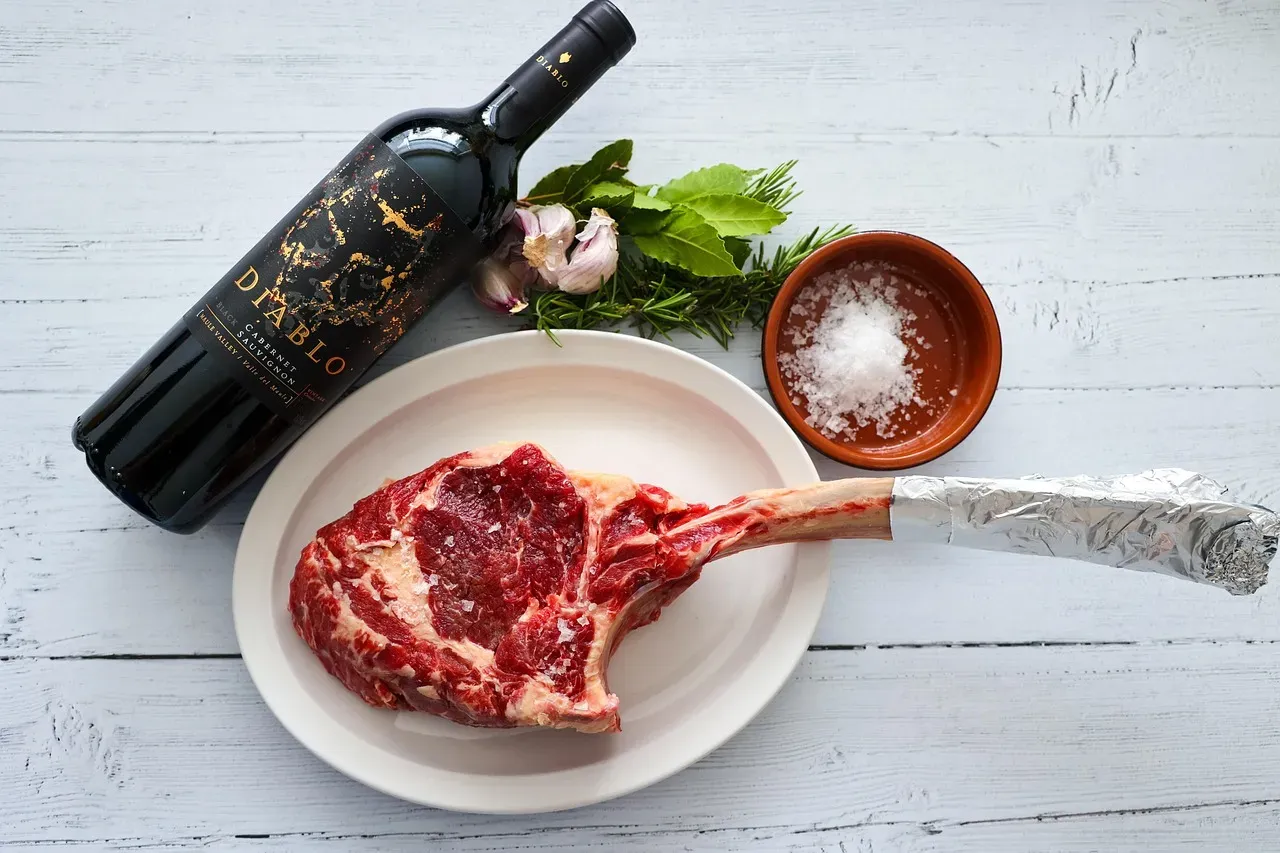
The Tomahawk ribeye is one of the most visually impressive and expensive cuts of beef available, essentially a ribeye steak that is frenched, with the rib bone exposed and cleaned. That long, dramatic bone is the entire selling point. It looks incredible in photos, which is precisely why restaurants charge outrageous premiums for it.
The Tomahawk is essentially a ribeye steak left on the bone, and the long bone adds to its visual appeal, but due to its size and the bone, it's often priced higher than a typical ribeye steak. You're literally paying extra for something you can't eat. The bone adds zero flavor that a regular bone-in ribeye wouldn't already have.
The presentation value might justify a small premium. What we're seeing in restaurants, though, is markups that double or triple the cost of a standard ribeye. You're essentially subsidizing a photo opportunity. Unless you're planning to post that steak on social media for hours of engagement, the tomahawk is financial theater masquerading as culinary excellence.
Think of it this way. Would you rather have one tomahawk steak or two regular ribeyes for the same price? The answer should be obvious.


Leave a Reply