
Keeping a kitchen running smoothly gets a whole lot more important as we get older. The last thing any senior needs is an appliance breaking down unexpectedly, eating up savings, or demanding complicated repairs. Honestly, there's a surprising gap between appliances that look affordable and those that actually stay affordable year after year.
According to an IBISWorld report, appliance repair was a $6.5 billion industry in 2024 - and a big chunk of that spending comes from households that simply chose the wrong appliance in the first place. The good news? Some kitchen appliances are genuinely low-cost to own, maintain, and repair. Let's dive in.
1. Electric Kettle - The Simplest, Most Reliable Countertop Appliance
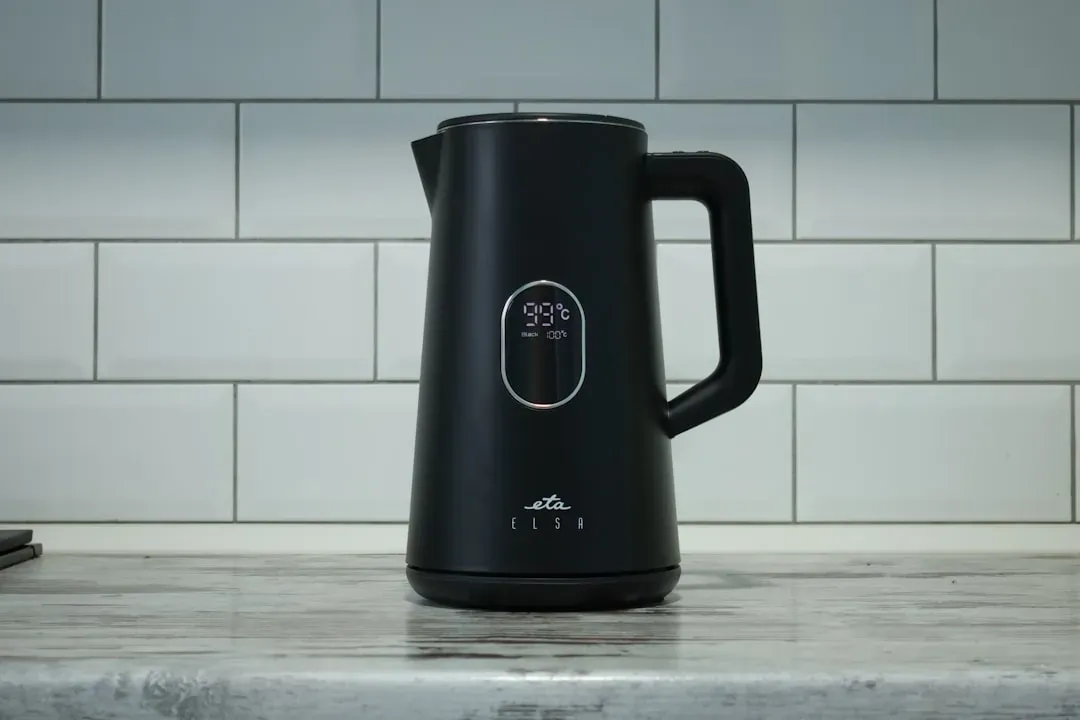
If you want to talk about rock-bottom maintenance costs, the electric kettle deserves top billing. It has almost no moving parts, which means there's very little to go wrong. Compare that to a refrigerator, a dishwasher, or any appliance with motors and pumps, and the difference is extraordinary.
Electric kettles generally last between two to ten years, with lifespan depending on the kettle's quality, how often you use it, and how well it's maintained. For seniors cooking for one or two, that kind of longevity at a price point of under $50 for a decent model is nearly unbeatable.
Research published in ScienceDirect shows that extending kettle lifetimes through repair can reduce total environmental impact by up to roughly a third, particularly when low-energy use is combined with maximum lifetime extension. Repairs focused on lime descaling were the most effective, reducing the environmental burden by up to a fifth. That means a simple decalcifying routine every few months keeps your kettle working like new. No technician, no service fee, just a bit of citric acid and warm water.
2. Microwave Oven - Low Repair Costs, Decades of Daily Use
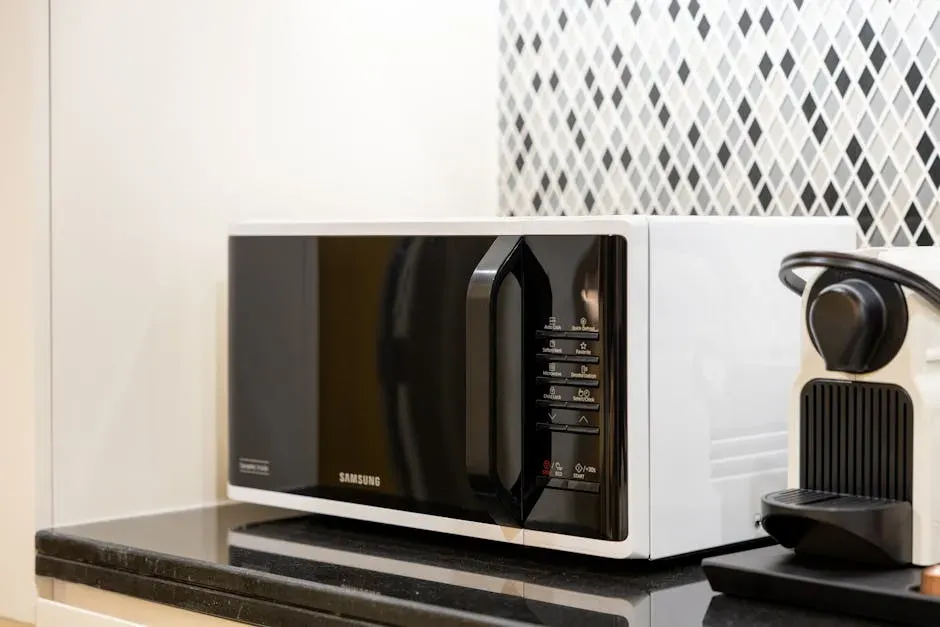
Let's be real: the microwave is the workhorse of any senior's kitchen. It reheats leftovers, defrosts proteins, and handles quick meals without demanding much in return. Most seniors use it multiple times a day without ever calling a repair technician.
A microwave can be expected to last about nine to ten years under normal conditions, though heavy use can cut that down to four or five years. Families who rely on it frequently for quick meals and reheating leftovers may need to replace it sooner. For a senior with moderate usage, nine to ten years of dependable service with minimal cost is a genuine win.
Repair prices can run as low as $70 to fix a microwave fuse, making it one of the cheapest appliances to restore when something does go wrong. The average lifespan of a microwave with regular use is about seven years, though this depends highly on quality, maintenance, and usage patterns. Wiping down the interior after each use and avoiding metal containers are the only upkeep habits needed. It's about as simple as appliance ownership gets.
3. Slow Cooker - The Set-It-and-Forget-It Marvel
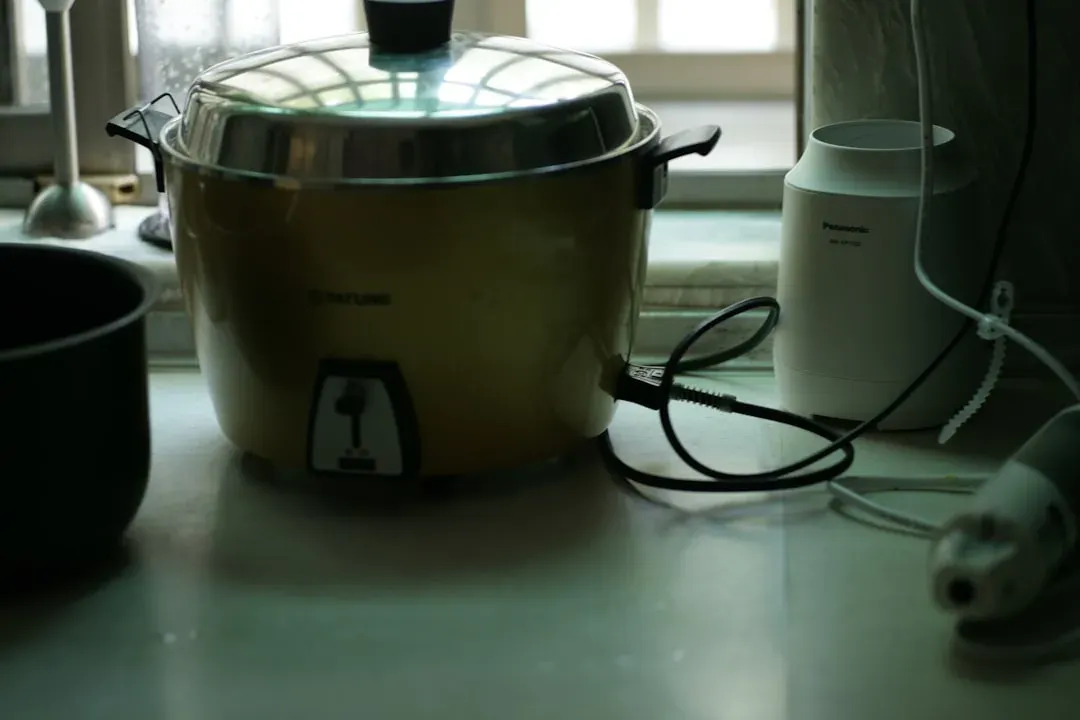
Here's the thing about slow cookers: they are almost embarrassingly simple machines. A heating element, a ceramic pot, a lid. There are no pumps, no electronic compressors, and no complex digital systems that can fail without warning. For seniors who value both convenience and low maintenance, this appliance is a standout.
While small kitchen appliance repairs might cost less than $100, major repair issues on high-end brands can exceed $500. Slow cookers, though, tend to fall at the very low end of that spectrum. Their basic mechanical structure means most issues are minor. A cracked ceramic insert, for example, can often be replaced independently for a fraction of the appliance's original cost.
The reality is that most appliances don't fail because they're truly worn out - they're let down by minor faults like loose wires, worn-out switches, and damaged plugs. Slow cookers have so few components that even these minor faults are rare. They are quiet, consistent, and cost next to nothing to keep running year after year.
4. Rice Cooker - One-Button Reliability for Every Day
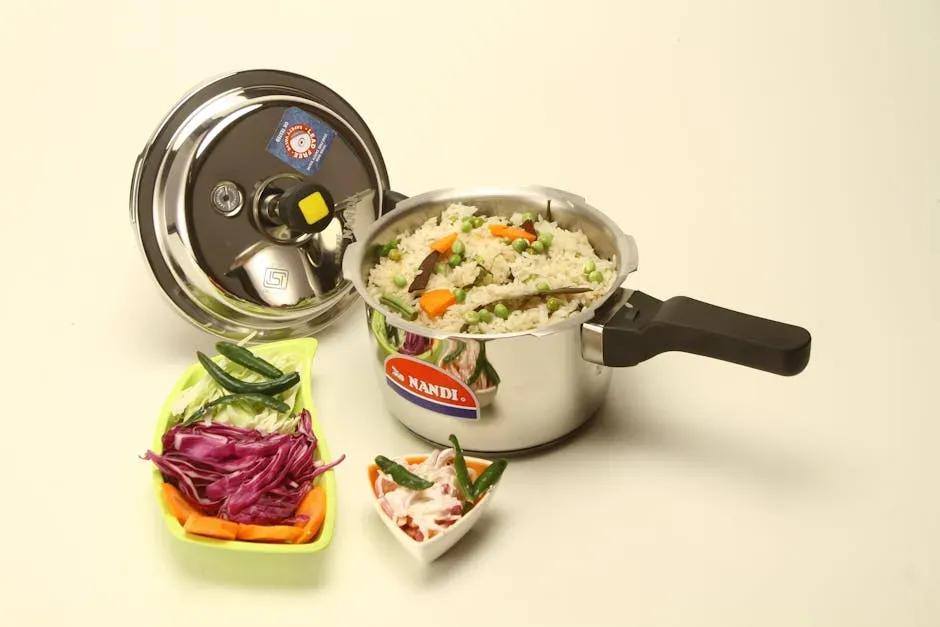
Think of a rice cooker as the slow cooker's equally humble cousin. It has one essential function, does it remarkably well, and asks almost nothing from you in return. Seniors who eat rice, oatmeal, or grains regularly will find it indispensable, and budget-conscious households will appreciate just how little it costs to maintain.
For small kitchen appliances, repairs often cost under $100, while high-end appliances or complex repairs can exceed $500. Rice cookers fall firmly in that affordable repair category. In fact, most of the time there's nothing to repair. The inner pot is nonstick and dishwasher-safe on most models, and the exterior body rarely develops issues beyond surface wear.
Honestly, it's hard to think of an appliance that offers more value per dollar maintained. The mechanical simplicity is its greatest feature, not just from a cost perspective, but from a usability standpoint for seniors who want cooking to be stress-free. One button in, a hot meal out. That's the entire promise, and it delivers.
5. Toaster Oven - A Small Footprint, Lower Running Costs Than a Full Range

A toaster oven does something that impresses most people once they realize it: it costs significantly less to operate than a full-size oven. For a senior cooking smaller meals, it's practically a no-brainer. The maintenance picture is equally appealing since repairs for countertop ovens of this type are among the least expensive in the kitchen.
A toaster oven is good for so much more than cooking frozen pizza. It can bake a cake, broil a burger, or roast veggies for a quick weeknight meal, and some models double as an air fryer or a convection oven. That kind of versatility at a low price point is genuinely useful for seniors who want a full cooking toolkit without the complexity of multiple large appliances.
Consumer Reports has tested over 75 toaster oven models for baking, reheating, and more, and the findings consistently show that reliability varies widely by brand. Sticking with a well-reviewed, mid-range model and keeping the interior crumb tray clean are the two most effective things you can do to extend the lifespan with minimal cost. Simple maintenance, long service life.
6. Air Fryer - Modern, Easy to Clean, Rarely Needs Repair
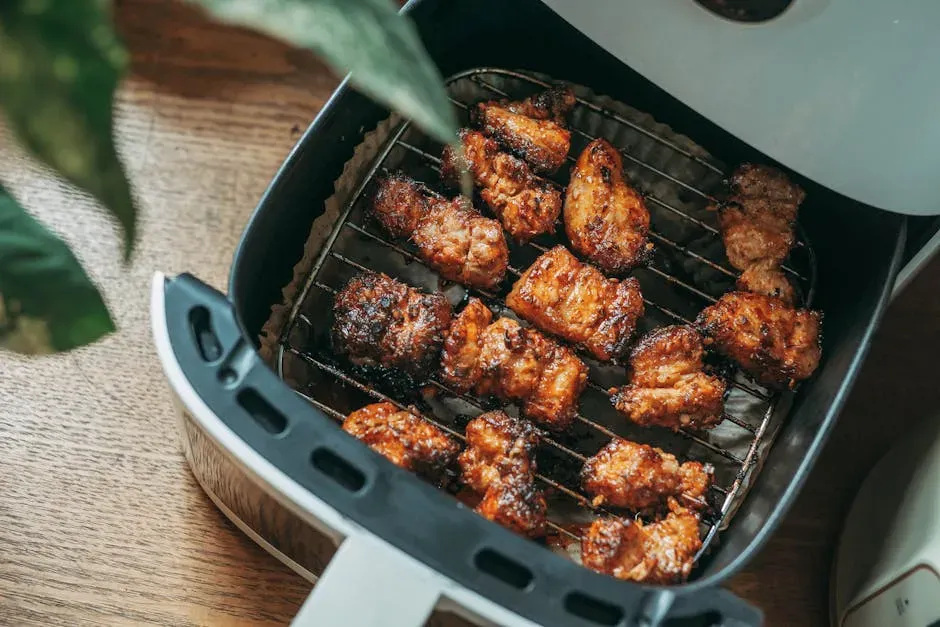
Air fryers have taken kitchens by storm over the past several years, and for seniors, the appeal goes beyond just crispy food. They heat up fast, they use less energy than a full oven, and their components are straightforward enough that breakdowns are uncommon during the first several years of use.
Despite the name, air fryers don't fry food at all - they're actually small convection ovens where a fan circulates hot air to quickly cook food in a basket or tray from the outside in. Fewer complex parts mean fewer potential failure points. Basket-style air fryers generally use less energy since there is less space to heat, and many have parts that can be put directly into a dishwasher.
Air fryers range in price from around $50 to upwards of $300, and many of the best options cost around $100 and are often on sale. That relatively low entry price also means replacement, if ever needed, is far less financially stressful than replacing a refrigerator or range. Think of it like buying a reliable bicycle instead of a car: the ongoing costs simply stay manageable.
7. Countertop Dishwasher - Compact, Senior-Friendly, and Cheaper to Maintain Than Full Units
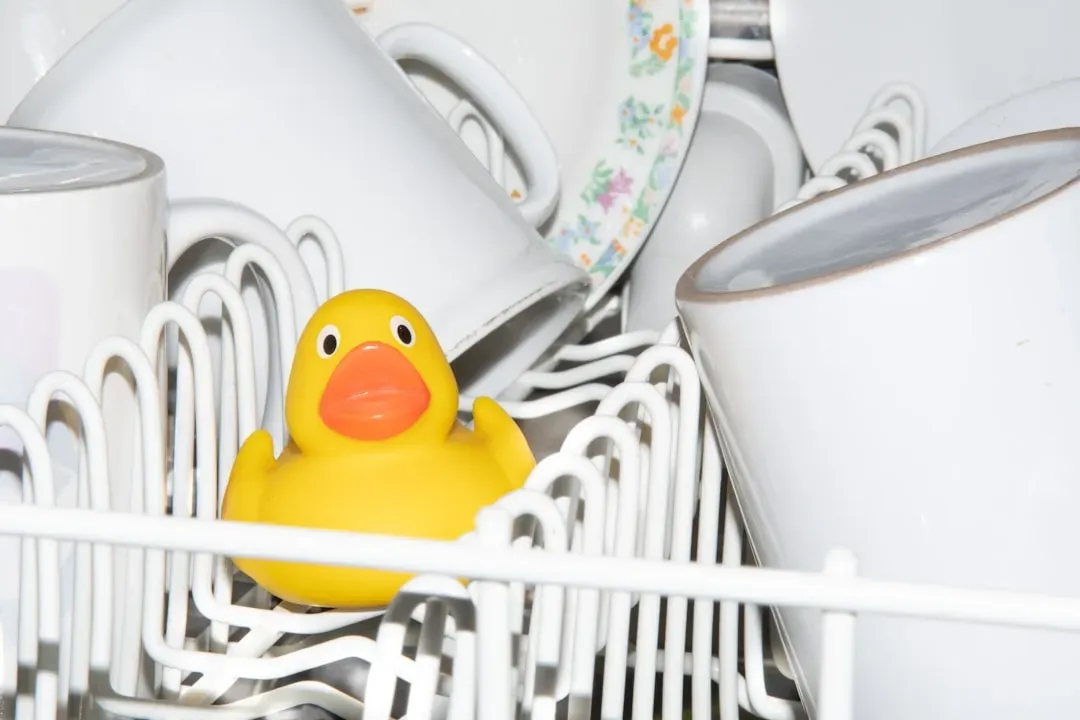
Full-size dishwashers are among the more expensive appliances to repair, with costs that can climb steeply depending on the fault. Countertop or portable dishwashers, on the other hand, are a growing favorite for seniors living alone or in smaller homes. They use less water, run quieter cycles, and the smaller mechanical footprint translates to meaningfully lower repair costs over time.
Bosch is still one of the top names for quiet, dependable dishwashers, and that remains the core of their reliability and the reason many people still choose them. For seniors prioritizing low noise and durability, brand reputation genuinely matters here. Based on over 33,000 first-year service calls, the most reliable appliance brands in 2026 included Bosch and LG, both with service rates under roughly ten percent.
Extending a dishwasher's life is straightforward: avoid overdoing it with detergent, scrape rather than pre-wash dishes, and clean the filter every few months with a soft-bristle brush to avoid clogging and odors. These are habits that take minutes per week, yet they can meaningfully extend the appliance's usable life. For seniors on a fixed income, that kind of budget protection matters enormously.
8. Induction Cooktop - Highly Reliable, Minimal Service Calls
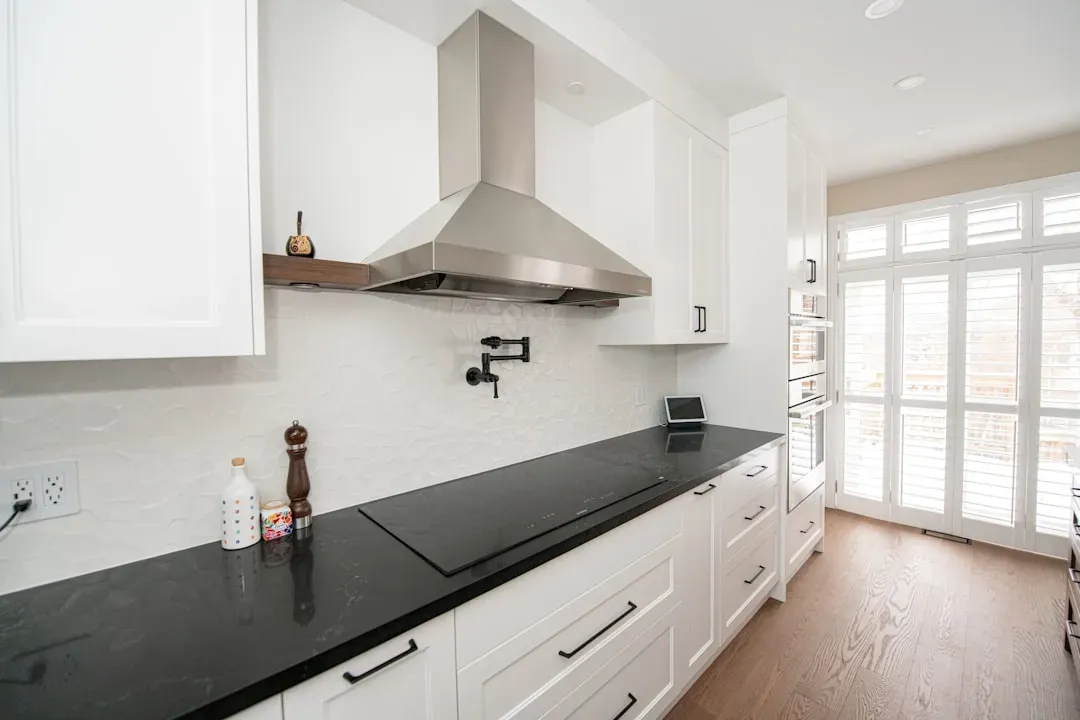
Induction cooktops might not be the first appliance that comes to mind when seniors think about low-maintenance cooking. Yet the data tells a compelling story. Unlike gas ranges with burners, igniters, and gas lines, or traditional electric cooktops with exposed coil elements, induction models have almost no exposed mechanical components that deteriorate with heat and daily use.
Bosch's Benchmark line is best known for its dishwashers and induction cooktops, and the standout for reliability in 2026 was induction. These cooktops stayed consistent and low-service across the board. That reliability translates directly to lower maintenance costs over time, which is exactly what seniors want in a cooking surface they will use every single day.
Electric models generally offer a more budget-friendly repair option, whereas gas-powered models typically incur about 20 percent higher costs. Induction falls into the electric category and benefits from that cost advantage. The smooth glass surface is easy to wipe clean, there are no grates to scrub, and the absence of open flames makes it one of the safest options available. For seniors, that combination of safety, reliability, and low upkeep is genuinely hard to beat.
What the Numbers Tell Us
Appliance repair costs on average between $108 and $250, with an average of $179. That figure sounds manageable in isolation, but it adds up quickly when you own multiple appliances or when repairs recur. According to an American Home Shield survey from January 2025, nearly one in three homeowners have no savings set aside for appliance failures. For seniors on fixed incomes, that statistic is more than a little alarming.
Premium appliances commonly reach 12 to 15 years before requiring replacement, and this longevity difference means they often cost less per year of service despite higher purchase prices. Choosing simple, well-built appliances rather than feature-heavy machines with fragile smart components is, in many ways, the most financially sound strategy available. Consumers consistently prioritize simplicity over more complex and expensive features, and many feel that older, simpler appliances are simply more reliable.
The appliances on this list share one unifying quality: they do their jobs without demanding much in return. For seniors who want a kitchen that works dependably, affordably, and without constant calls to a repair technician, starting here is a genuinely smart move. What would you change about how you equip your kitchen? Tell us in the comments.




Leave a Reply