
Walking through a farmers' market on a sunny weekend morning feels like stepping into something authentic. The air smells like fresh herbs and maybe some baked bread. Vendors chat with customers about their harvests. It's supposed to be the antidote to industrial grocery stores, right? A direct connection between you and the person who actually grew your food.
Here's the thing, though. Not every stall at your local farmers' market is what it appears to be. Some markets sell regular grocery store vegetables, passing them off as organic or locally grown, and plenty of shoppers never realize they're being duped. The good news is that once you know what to look for, spotting these imposters becomes surprisingly straightforward. Let's pull back the curtain.
Produce That's Wildly Out of Season
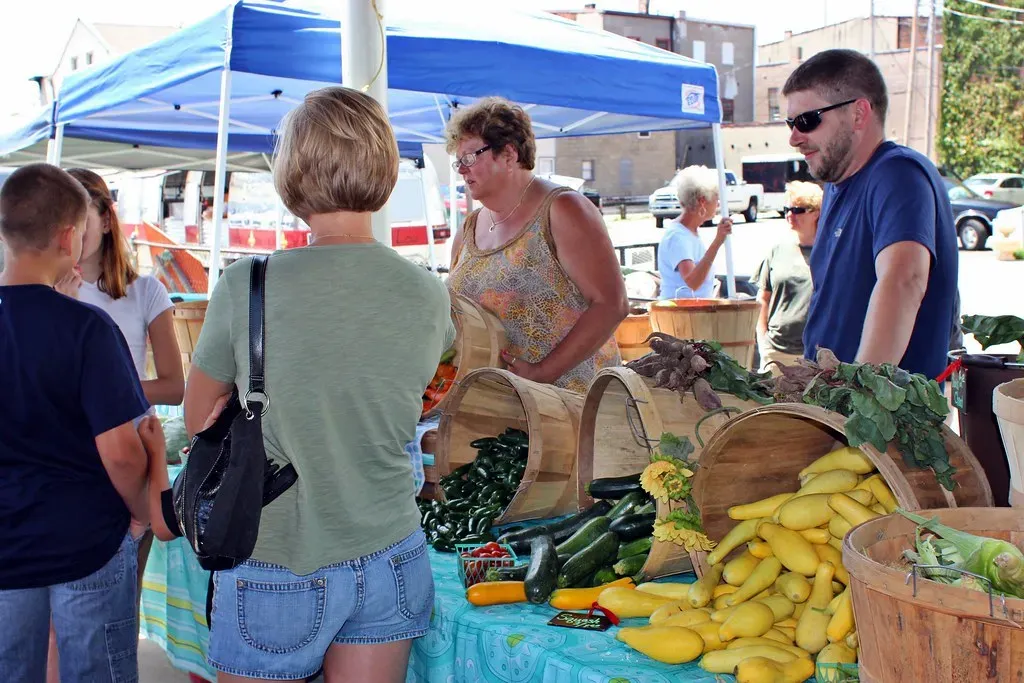
This is honestly the easiest red flag to catch, yet so many people miss it. A vendor offering grapefruit in Maine, or one selling local strawberries anywhere in September, should raise a red flag. Think about it. If you're buying tomatoes in February at a market in Michigan, where exactly did those come from? Real farmers work within the constraints of nature and climate.
Apples at a farmers market in Cleveland in July aren't likely local. Same goes for avocados in Denver during winter or mangoes in Chicago. These items simply don't grow in those regions or during those months. It's hard to say for sure without asking directly, but the seasonal mismatch is usually your first clue something's off.
Brushing up on what can be grown in your state, and during which seasons, will help you spot possible resellers. A quick online search about growing seasons in your area can arm you with the knowledge you need. Honestly, it takes maybe five minutes but saves you from getting scammed.
Real local farmers are limited by what nature allows them to grow at any given time. That limitation is actually part of the beauty of eating seasonally. If a vendor seems to have everything under the sun year-round, they're likely buying from wholesale distributors.
PLU Stickers and Branded Packaging
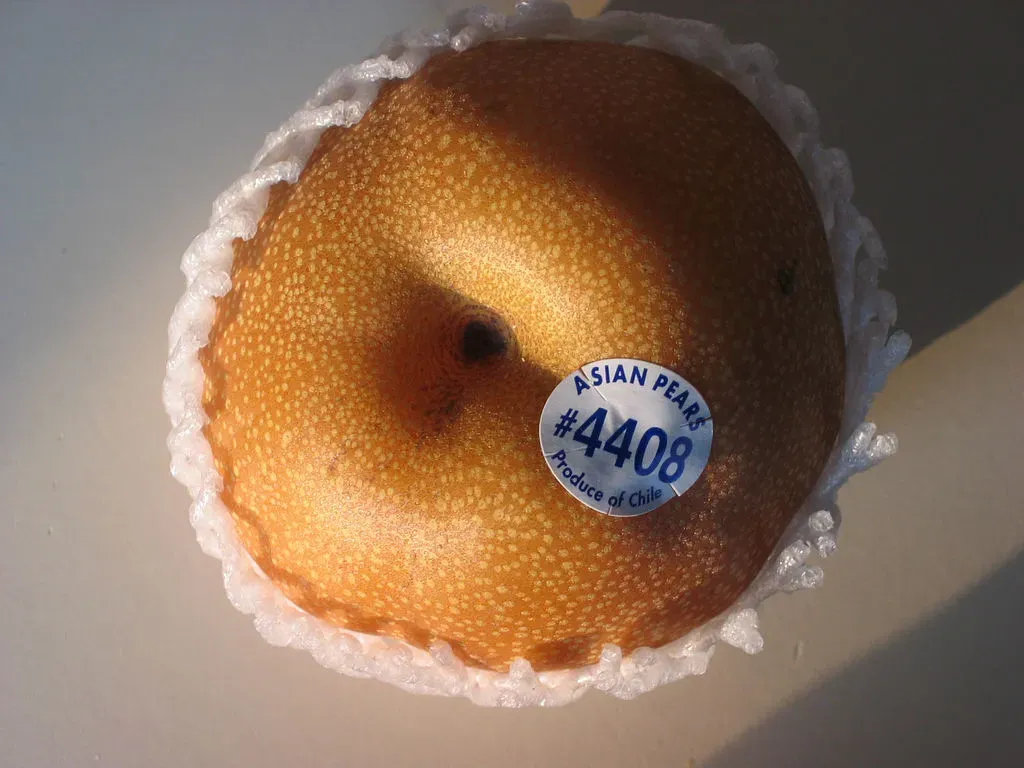
Let's be real. When you see those little oval stickers with numbers on fruits at a farmers' market, your alarm bells should go off. If you see labeled boxes of produce, plastic clamshells, PLU stickers, or other packaging, that's another cue that it's not grown on the farmers' land that morning. Those PLU codes are assigned by the International Federation for Produce Standards and are primarily used by large-scale commercial operations and grocery stores.
If you're seeing a branded box, PLUs on individual fruit, or plastic clamshells, there's a good chance you're seeing something that was sold at a discount from a local wholesaler. Sure, some farmers might reuse boxes, that happens. However, when everything is packaged in glossy commercial containers, that's a different story entirely.
When the produce arrives in glitzy packaging, you can be sure it did not come from a local farm. Real farmers usually present their produce in simple wooden crates, cardboard boxes, or baskets. The presentation is humble because the focus is on the actual food, not the marketing.
I know it sounds crazy, but some vendors go to wholesale markets, buy produce in bulk, and just resell it at farmers' markets with a huge markup. One investigation found that some stalls in one market purchased produce on the wholesale market and removed the original stickers, raising the cost to fifty percent above retail prices. That's straight-up fraud.
Suspiciously Perfect-Looking Produce
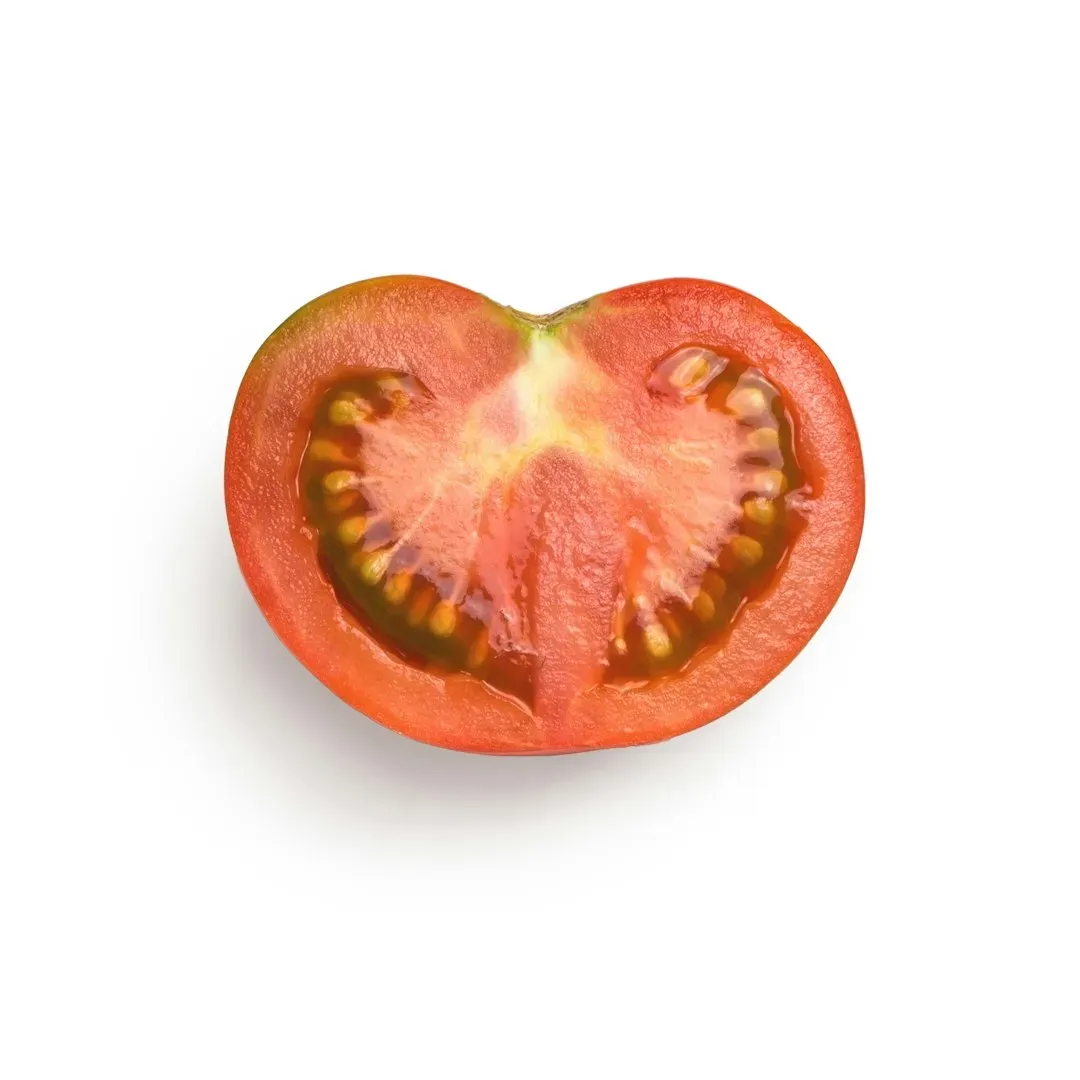
If you've ever grown a tomato in your backyard, you know it probably looked a little weird. Maybe it had some scarring, an odd shape, or wasn't perfectly uniform in color. That's normal. Homegrown organic veggies have character and flavor; they aren't perfect-looking. Commercial farms use controlled environments and heavy pesticide applications to produce flawless specimens.
If every tomato is the same color, with no blemishes or variation in size, or peaches have all the looks but none of the smell of a ripe peach, it's probably not from a local farm. Nature doesn't work that way. Real farm-fresh produce has diversity in size, shape, and appearance because it's grown in actual dirt with actual weather conditions affecting it.
Walk past the stall and use your senses. Does the fruit smell ripe? Do the vegetables look like they just came from the ground, maybe with a bit of soil still clinging to them? Or does everything look like it was just unpacked from a refrigerated truck after traveling hundreds of miles?
Perfectly uniform produce at a farmers' market is like seeing a unicorn. It happens so rarely in nature that when you do see it, you should probably question its origins. The imperfections are actually proof of authenticity.
Vendors Who Can't Answer Basic Questions
In this age of transparency, a vendor being cagey about where their produce comes from and how it was grown should raise an alarm. Real farmers love talking about their work. They'll tell you about their soil, their irrigation methods, the weather this season, and what varieties they're growing. It's their passion.
Try asking specific questions. Where's your farm located? What growing methods do you use? Can I visit your farm sometime? Ask sellers whether they grew the produce on their own farm, or ask for the location of their farm. Legitimate farmers will answer these questions enthusiastically and without hesitation.
Sometimes larger operations will send out a sales agent to each location, and there's nothing inherently wrong with that, provided the sales agent is able to answer questions about who the farmer is, their philosophy, where they grow and how they grow it. The key difference is transparency. If someone fumbles or gets defensive when asked basic questions, that's suspicious.
If vendors are not willing to talk about their products or farming practices, it's a sign that they may not be legitimate farmers. The conversation should flow naturally. When someone truly grows what they're selling, they can't help but share details.
Massive Quantities That Don't Match the Operation
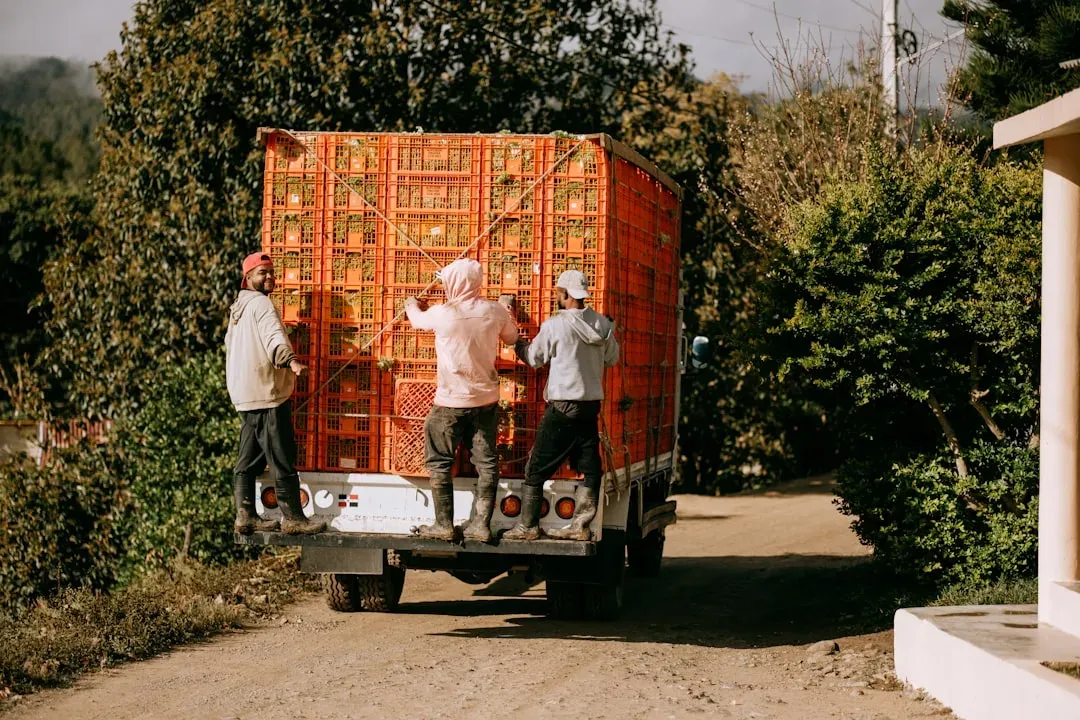
This one requires a bit of common sense and maybe some detective work. An orange grower with a small ranch of fifty trees that is selling year round at markets in quantities that would require one hundred or more acres sends up a red flag. The math simply doesn't add up.
If a vendor claims to have a small family farm yet shows up every week with truckloads of dozens of different varieties of produce, something's off. Small farms have limited acreage and labor. They can't produce the same volume or variety as industrial operations.
One vendor would stock up at the wholesale market on Friday and haul all manner of out-of-season stuff into the farmers' market on Saturday morning, arriving in a big box truck with labeled boxes of produce. Real farmers typically arrive in pickup trucks or modest vans, not commercial box trucks loaded with wholesaler boxes.
Look at the scale of what's being sold compared to what a small farm could realistically produce. Does this vendor have literally everything, every week, in massive quantities? That level of consistency and volume is nearly impossible for a genuine small farm to achieve.
No Farm Name or Vague Origin Stories
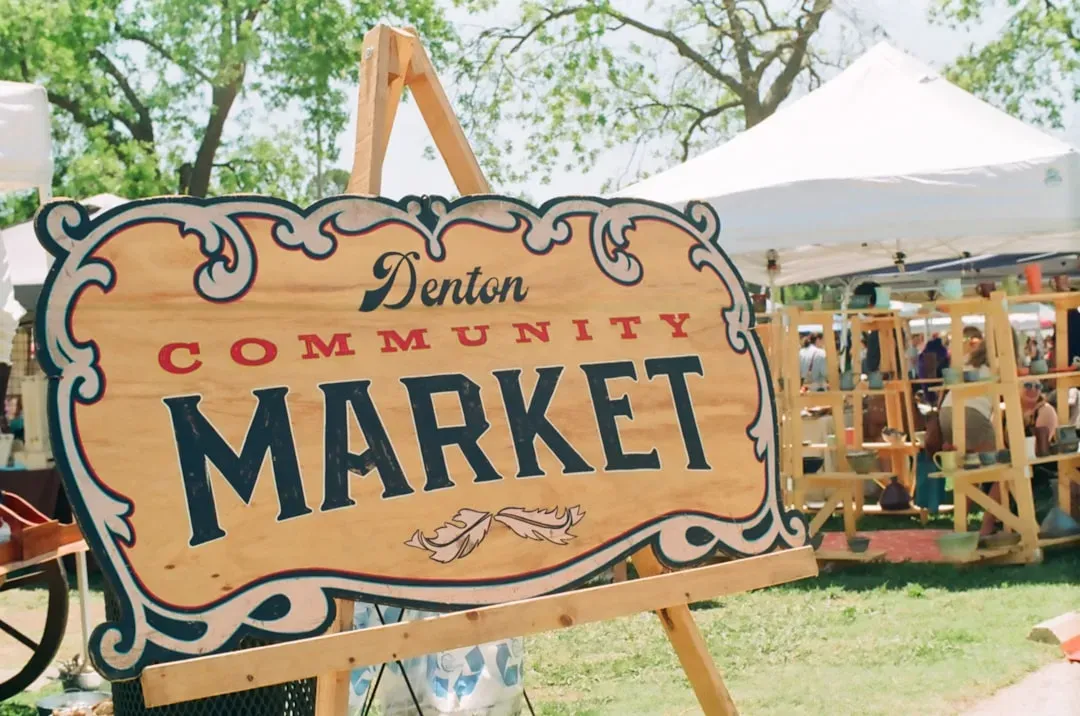
Pay attention to signage and branding. Does the stall have a clear farm name displayed? Is there a physical address or at least a general location mentioned? A search of one vendor's farm on the internet turned up the fact that he was a vegetable wholesaler, a middleman, who supplied restaurants and schools. That's worth investigating.
Be careful when you hear that food is local in a market. How far away is still considered local? Native to where? The definition of local varies wildly. For some markets, local means within fifty miles. For others, it means within the state. Dishonest vendors exploit this vagueness.
Legitimate farmers are proud of their farm's identity. They'll have signs with the farm name, maybe photos of the farm, and clear information about where they're located. They want you to know who they are and where to find them because they're building a reputation.
If a vendor gives vague answers like "we grow stuff around here" or "from a farm nearby" without specifics, press for details. If they can't or won't provide them, walk away. Transparency is the foundation of trust in farmers' markets.
No Dirt, No Imperfections, No Reality
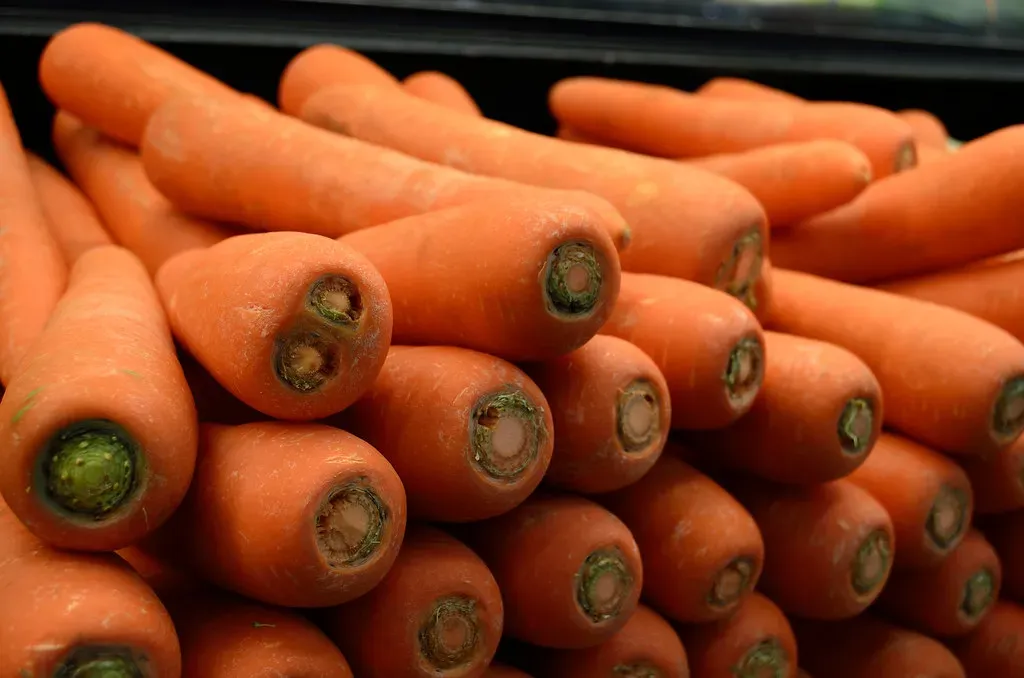
Here's a simple visual test. Does the produce look like it was just harvested, or does it look like it came from a refrigerated warehouse? Fresh-picked vegetables often have a bit of field dirt still on them. Greens might have the occasional bug hole. Carrots could have some soil in the crevices.
If the product appears to be overripe, underripe, or of poor quality, it's possible that it was not grown locally or was grown in a subpar environment. Timing matters. Real farmers harvest at peak ripeness because they're selling directly to you within hours or days. Wholesale produce is often picked underripe to survive long transport.
Look for those small details that indicate food came straight from the earth. Leafy greens with a bit of grit, root vegetables with dirt still clinging to them, fruits that vary slightly in ripeness across the batch. These are signs of authenticity, not poor quality.
When everything is pristine, uniformly ripe, and looks like it's been through a commercial washing and sorting facility, you're probably looking at resold wholesale goods. Nature is messy, and that's actually a good thing when it comes to farmers' markets.
The Vendor Avoids Market Rules Discussions
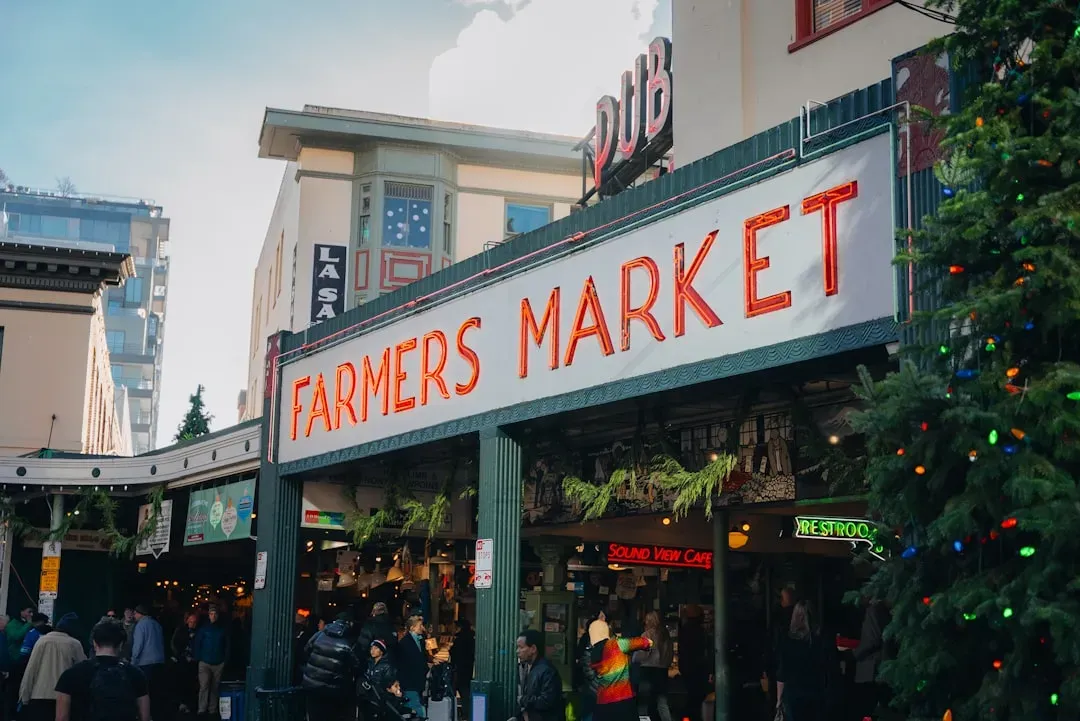
You can ask organizers how their vendors are screened, and ask for a copy of their market's rules. Different markets have different standards. Some are producer-only markets where vendors are only allowed to sell what they've produced themselves, and no reselling is allowed whatsoever. Others allow some carrying of products from other farms.
In California, it is illegal for farmers to buy and re-sell agricultural products at a Certified Farmers Market. Regulations vary by state and even by individual market, but the point is that rules exist for a reason. Markets with strict enforcement tend to have fewer fraudulent vendors.
Markets with rules that allow resellers are said to allow carrying, and some markets believe it's necessary to provide the diversity that gets customers stopping by. Whether that's legitimate is up to you to decide. Transparency is key. If a market allows reselling but doesn't clearly disclose it, that's a problem.
There are strong incentives for fraud: local produce can bring premiums at farmers' markets, and the costs of packaging, labeling, and middlemen are greatly reduced. The financial motivation for dishonesty is real. That's why having and enforcing strict market rules matters so much.



Leave a Reply