
Think about the last time you grabbed a quick snack from a vending machine or reached for something convenient in your fridge. Chances are, you didn't stop to consider what that food might be doing to your brain. Most of us don't. We're too busy, too tired, or simply unaware that certain foods we consume daily could be silently affecting our memory, focus, and overall cognitive health. Recent scientific research is painting an alarming picture about ultra-processed foods and their connection to early cognitive decline, and honestly, the findings might make you rethink your next meal.
Research published in Neurology found that a 10% increase in ultra-processed food intake was associated with higher risk of cognitive impairment, while chronic consumption has been linked to inflammatory processes in the brain, oxidative stress, and neurodegenerative diseases. Let's be real here, the chips, sodas, and frozen dinners that fill grocery store aisles aren't just convenient – they could be slowly chipping away at your brain health. So what exactly are these brain-damaging foods that researchers are warning us about? Let's dive in.
Processed Meats: The Memory Thief in Your Deli Drawer

That bacon cheeseburger or morning sausage links might taste incredible, but they're terrible for your brain. Researchers found a 17 percent increase in cognitive issues among people who consumed at least one serving of ultra-processed meat a day. Think about that for a second – nearly one fifth higher risk just from eating some bacon or a hot dog daily.
People in the study who ate ¼ servings or more of processed red meat daily had a 14% higher risk of dementia. The scary part is how quickly this adds up. Each additional 25 grams (approximately a single serving) of processed meat per day was associated with a 44% increased risk for all dementias and a 52% increased risk for Alzheimer's disease.
Why are processed meats so harmful? Processed red meat has high levels of harmful substances such as nitrites (preservatives) and sodium, which may damage brain cells. The good news? Replacing one daily serving of processed red meat with nuts or legumes lowered dementia risk by 19%. Even swapping for fish drops your risk significantly.
Sugary Soft Drinks: The Cognitive Crash in a Can

Every time you pop open a soda, you're essentially giving your brain a sugar shock that it really doesn't appreciate. For each serving of soda consumed, there was a 6 percent increase in cognitive impairment. That might not sound like much, but if you're drinking multiple sodas daily, the effects compound rapidly.
Studies showed the hazard ratios of all-cause dementia in middle-aged and older people consuming sugar-sweetened beverages was 2.77, meaning nearly three times the risk. Perhaps even more concerning, the hazard ratios of Alzheimer's disease in middle-aged and older people consuming sugar-sweetened beverages was 2.63.
Short-term consumption can impair memory performance and increase brain oxidative stress. The mechanism seems to involve how these beverages affect neurotransmitters and create inflammation. Honestly, when you look at the research, that afternoon Coke might give you a quick energy boost, but it's stealing from your brain's future.
Packaged Snacks and Chips: The Silent Brain Drainer
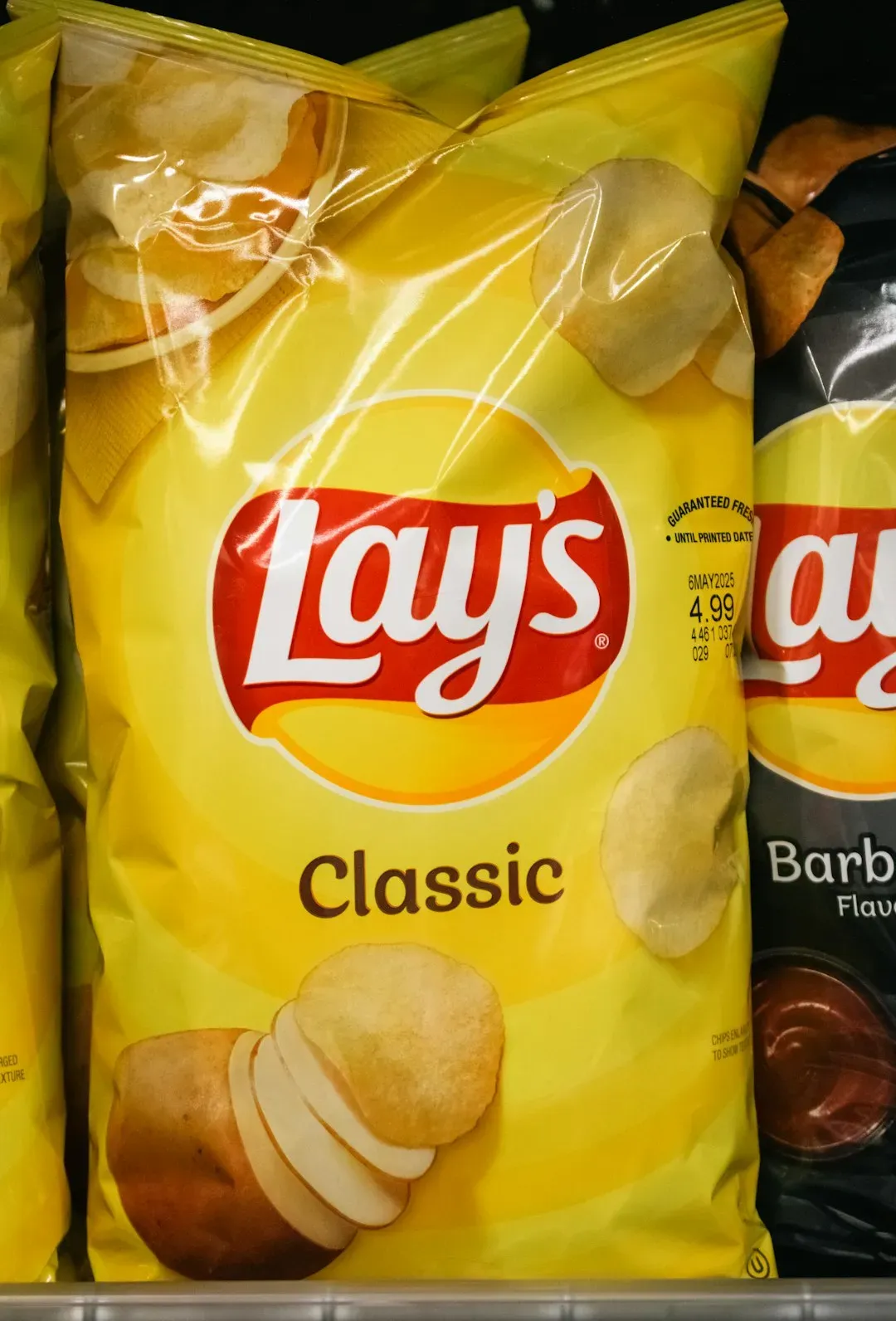
Those colorful bags of chips calling to you from the pantry aren't as innocent as they seem. A large study found that a 10% increase in the intake of ultra-processed foods raised the risk of cognitive decline by 16%. Packaged snacks fall squarely into this category, loaded with additives, unhealthy fats, and sodium.
Ultra-processed foods tend to be lower in nutrients and fiber and higher in sugar, fat and salt compared to unprocessed or minimally processed foods. Some examples include soda, packaged cookies, chips, frozen meals, flavored nuts, flavored yogurt, distilled alcoholic beverages and fast foods.
What makes chips particularly problematic is their combination of refined carbohydrates, trans fats, and artificial additives. Additives like MSG and artificial colorings can disrupt neurotransmitter function, leading to cognitive issues and mood swings. The brain fog you feel after munching through a bag of chips isn't coincidental – it's your brain struggling to function with poor fuel.
Frozen Ready-Made Meals: Convenience with a Cognitive Cost

I know it sounds crazy, but those microwave dinners you rely on during busy weeks could be affecting your mental sharpness. Frozen meals are the epitome of ultra-processed convenience, often containing multiple types of additives, preservatives, and unhealthy ingredients all in one package.
People who consume the highest amount of ultraprocessed foods have a 28% faster decline in cognitive scores, including memory, verbal fluency, and the ability to plan and execute goals. That's a massive difference in how fast your brain ages.
These meals typically contain excessive sodium, trans fats, and chemical preservatives. Preservatives, flavorings and colourings may alter the mitochondrial function of neurons, essentially damaging the energy powerhouses of your brain cells. When you're heating up that frozen lasagna or chicken pot pie, you're trading time for cognitive health.
Artificially Sweetened Beverages: The Diet Trap

Here's where things get really interesting. Many people switch to diet sodas thinking they're making a healthier choice, but the science suggests otherwise. Artificially-sweetened soft drink consumption was associated with an increased risk of stroke and dementia, which shocked many researchers.
Consumption of low and no-calorie sweeteners was associated with an accelerated rate of cognitive decline during 8 years of follow-up. Our findings suggest the possibility of long-term harm from LNCS consumption, particularly artificial LNCSs and sugar alcohols, on cognitive function.
Aspartame and saccharin (artificial sweeteners) can inhibit neurotransmitter synthesis and signaling. Artificial sweeteners can increase the beta-theta brainwave ratio, which is linked to negative emotions. So that "zero calorie" promise comes with a hidden price tag your brain is paying.
White Bread and Refined Carbohydrates: The Brain Fog Factory

Let's talk about that sandwich you had for lunch. If it was made with white bread, you essentially gave your brain a rollercoaster ride it didn't ask for. Refined carbohydrates, even ones that don't taste super sweet, can spike your blood sugar. That's often followed by a crash, which can make you feel mentally foggy. Research shows that too many refined carbs may increase your risk of Alzheimer's disease.
The glycemic impact of refined carbohydrates creates rapid blood sugar fluctuations. These spikes and crashes affect your ability to concentrate, remember information, and think clearly. It's like trying to drive a car while constantly switching between full throttle and slamming the brakes.
Even packaged breads, including those high in nutritious whole grains, qualify as ultra-processed in many cases because of the additives and preservatives they contain. This means even seemingly "healthy" bread choices can contribute to cognitive decline if they're heavily processed.
Fast Food: The Quick Meal with Long-Term Consequences

The drive-through might save you time today, but it's costing you brain function tomorrow. For every 10 percent increase in daily intake of highly processed foods, the risk of dementia increased by 25 percent. Fast food is perhaps the ultimate ultra-processed combination platter – bringing together processed meats, refined carbs, sugary drinks, and artificial additives all in one meal.
People who consume the highest amount of ultraprocessed foods have a 28% faster decline in cognitive scores, and fast food consumption is a major contributor to reaching those high intake levels. The convenience of grabbing a quick burger and fries comes at a steep cognitive price.
What makes fast food particularly damaging is the combination effect. You're not just getting one problematic ingredient; you're getting them all simultaneously. The trans fats, excessive sodium, refined carbs, and lack of protective nutrients create a perfect storm for brain damage.
Flavored Yogurts and Breakfast Cereals: The Healthy Food Imposters

This one might surprise you because yogurt and cereal are often marketed as healthy breakfast choices. The reality is more complicated. Flavored yogurt qualifies as ultra-processed. Even packaged breads, including those high in nutritious whole grains, qualify as ultra-processed in many cases because of the additives and preservatives they contain. You are not likely to find the ingredients that make up most of these foods in your home kitchen.
That strawberry yogurt or honey-nut cereal? They're often loaded with added sugars, artificial flavors, and preservatives. Studies have linked high levels of sugar in the blood with dementia. The "health halo" around these products tricks consumers into thinking they're making smart choices when they're actually consuming brain-damaging ultra-processed foods.
The difference between plain yogurt with fresh fruit and a flavored yogurt cup is massive in terms of processing and additives. Similarly, steel-cut oats versus a box of frosted cereal represents a cognitive health divide that many people don't realize exists. Reading ingredient labels becomes crucial because marketing claims don't tell the whole story.




Leave a Reply