
Something unusual is happening in supermarkets across the world. Shelves that once felt reliably full are showing gaps. Prices on everyday staples are climbing to levels that genuinely shock people at checkout. It is not just inflation doing the heavy lifting here. A combination of climate change, political decision-making, and labor concerns have all contributed to grocery staples being in short supply or available at high cost.
The threats are real, they are documented, and they are accelerating. Some of these foods have been household basics for generations. Others are the small luxuries millions of people reach for without thinking. So what exactly is vanishing from store shelves, and why? Let's dive in.
1. Chocolate
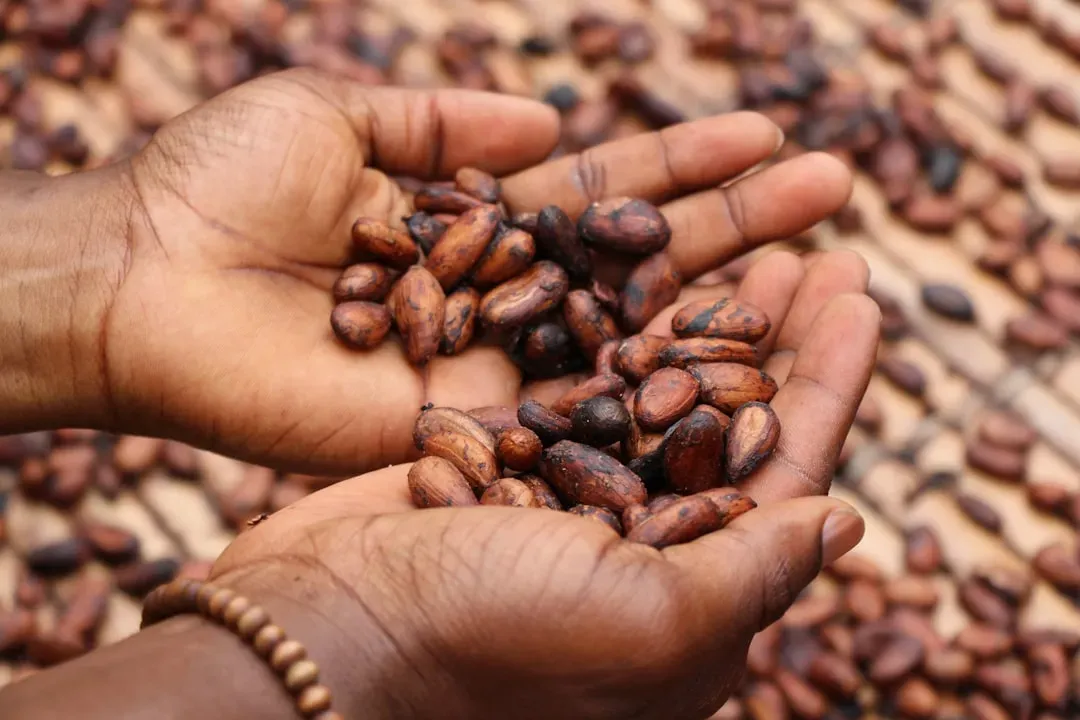
Let's be honest, most people never imagine a world without chocolate. It feels about as permanent as gravity. Yet the data from the past two years paints a genuinely alarming picture. Cocoa prices rocketed to a 50-year high of almost $13,000 per tonne in 2024, as climate change, disease, and aging trees resulted in mass crop failure across Ghana and Ivory Coast, where most of the world's cocoa is grown.
Most of the world's cocoa is produced in the West African countries of Ghana and Ivory Coast, which as of 2024 made up over 60% of global production. When those two countries struggle, the whole planet feels it at the candy aisle. Disease has particularly come in the form of black pod disease and cacao swollen shoot virus (CSSV), and in Ghana's North West, where most of the country's cocoa is produced, the Ghana Cocoa Board reported in 2024 that 81% of the crop was impacted by CSSV.
A 2021 study by the Intergovernmental Panel on Climate Change (IPCC) warned that West Africa, the world's largest cocoa-producing region, could see a 30 to 40% decline in suitable cocoa-growing areas by 2050. For consumers, the changes are already tangible. Surging commodity cocoa prices have already trickled down to consumers in the form of product price increases, reductions in product size known as "shrinkflation," and ingredient substitutions.
The era of cheap, abundant cocoa may be coming to an end, with manufacturers now actively exploring cocoa-free alternatives. The chocolate bar in your pantry may look the same as it did five years ago. Quietly, it has already changed.
2. Coffee
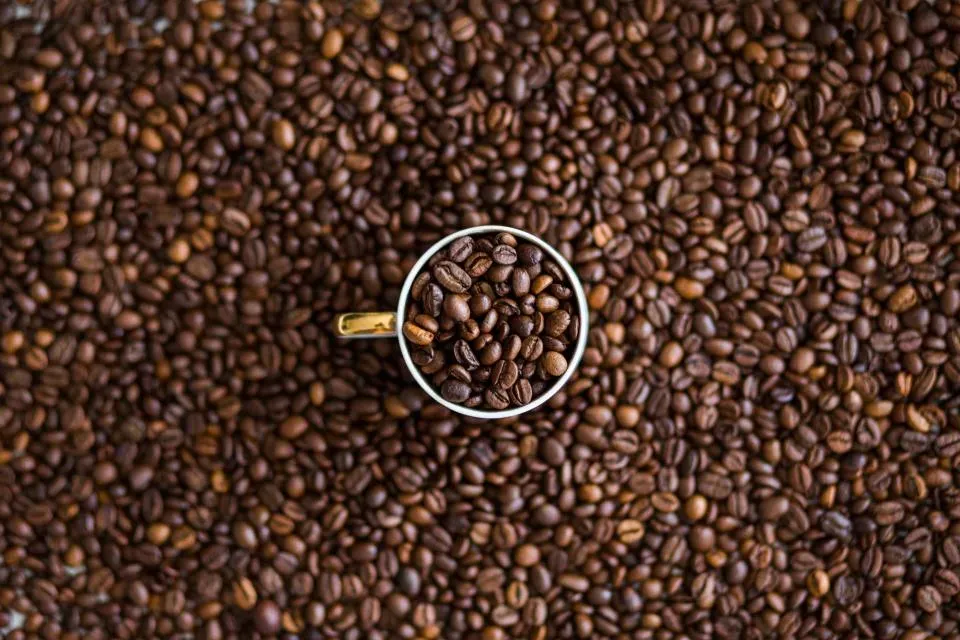
I know it sounds crazy, but your morning cup of coffee is under serious threat. This is not a dramatic headline, it is what the numbers are saying. An FAO study noted a nearly 40% price surge in coffee in 2024 due to supply-side disruptions, primarily from unfavourable weather. In December 2024, Arabica coffee was selling at 58% up on a year ago, while Robusta saw a price surge of 70% in real terms.
Brazil, the world's largest coffee producer, experienced its most severe drought in 70 years, leading to water shortages and crop failures. Similarly, Vietnam faced a devastating drought followed by severe flooding, significantly impacting its coffee production. Those two countries together account for well over half of global supply. The price of arabica beans listed in New York surged by 90% in 2024, smashing a record dating from 1977.
With the threat of climate change lingering, it is estimated that 50% of coffee-growing areas could disappear by the year 2050. Think about that for a moment. Half of all the places on Earth capable of growing coffee, gone within one human lifetime. In Brazil, which supplies roughly one third of U.S. coffee, a 2023 to 2024 drought led to a 55% increase in the global market price of coffee in August 2024, and the U.S. also imposed up to 50% tariffs on Brazilian products, contributing to a continued rise in coffee prices in 2025.
3. Eggs
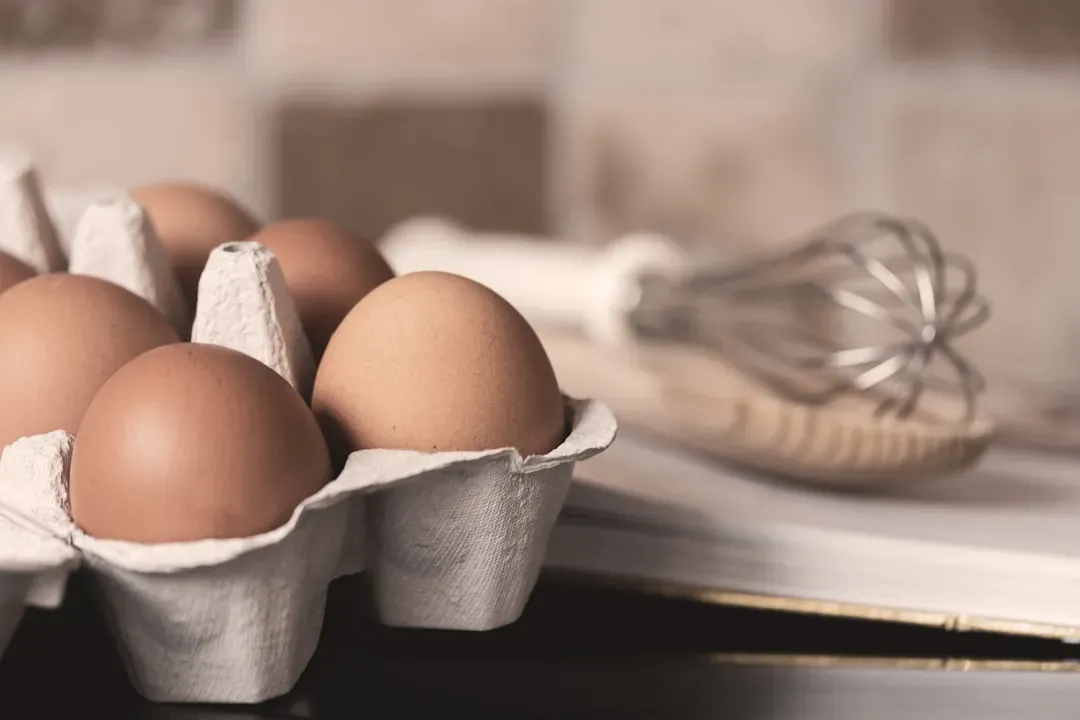
Nothing captures just how fragile food supply chains really are quite like the egg crisis of 2024 and 2025. As the spread of bird flu forced U.S. poultry farmers to cull more than 150 million chickens to contain the contagious avian H5N1 virus, retail egg prices soared to as high as $9 a dozen and egg supply shortages left many grocery stores running out between shipments from wholesalers.
In February 2025, the average cost of a dozen eggs in the U.S. reached $7.74 according to the USDA, with some areas like California seeing prices as high as $9 per dozen. For context, the national average of a dozen eggs in 2024 hovered around $2.50. That is a staggering leap in a short time. Think of it like your local gas station suddenly tripling prices overnight, except it is a food that appears in nearly every meal and every kitchen.
The number of birds affected by the virus rose dramatically, with roughly 7 million affected in November 2024, 18 million in December 2024, and 23 million in January 2025, according to USDA figures. The trade group also noted that it can take more than a year for farms suffering a bird flu outbreak to secure the required government clearance to resume operations. Recovery, in short, is not fast or simple.
4. Olive Oil
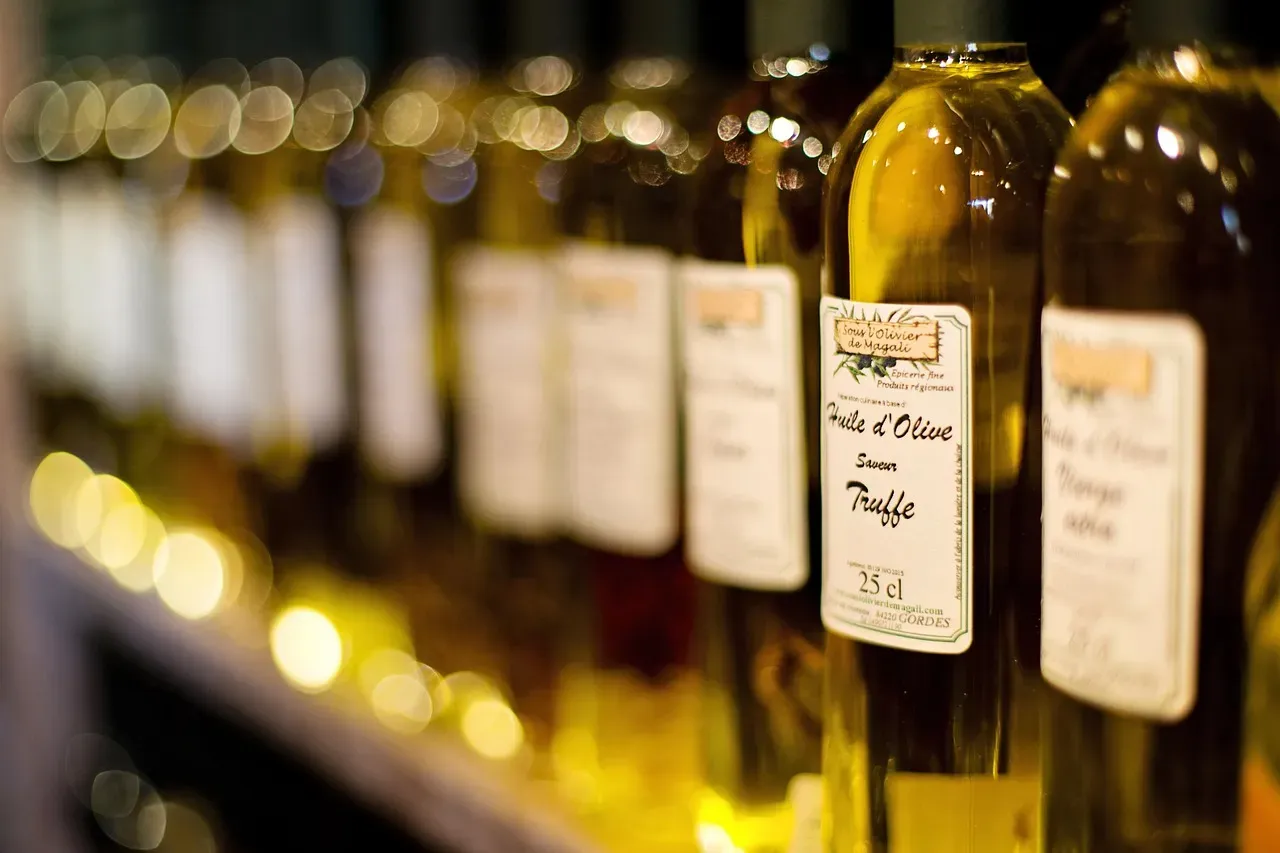
Olive oil has been called "liquid gold" for centuries. These days the nickname has taken on a whole new meaning. The price of olive oil shot up over recent years, with figures from market insight firm Y Charts reporting a record high of $10,281 per metric tonne in January 2024. That is not just an abstract number on a commodity exchange. It is what pushed a basic bottle of extra virgin olive oil past the $20 or even $30 mark in some markets.
Spain is the chief global exporter of olive oil, meeting between 40 and 46% of world demand in any given year. While the country usually produces between 1.3 and 1.5 million metric tons of olive oil, Spanish production fell to as low as 666,000 metric tons during the 2022 to 2023 campaign, a drop of 51% related to global climate change.
The Guardian documented how price hikes made olive oil the most stolen supermarket product in 2024. Olive oil theft. That is how desperate things got. The USDA forecasts a ten percent decline in global olive oil production in the coming 2025 to 2026 crop year, suggesting that even a partial recovery could be short-lived. The underlying vulnerability of Mediterranean olive groves to heat and drought is not going away.
5. Bananas
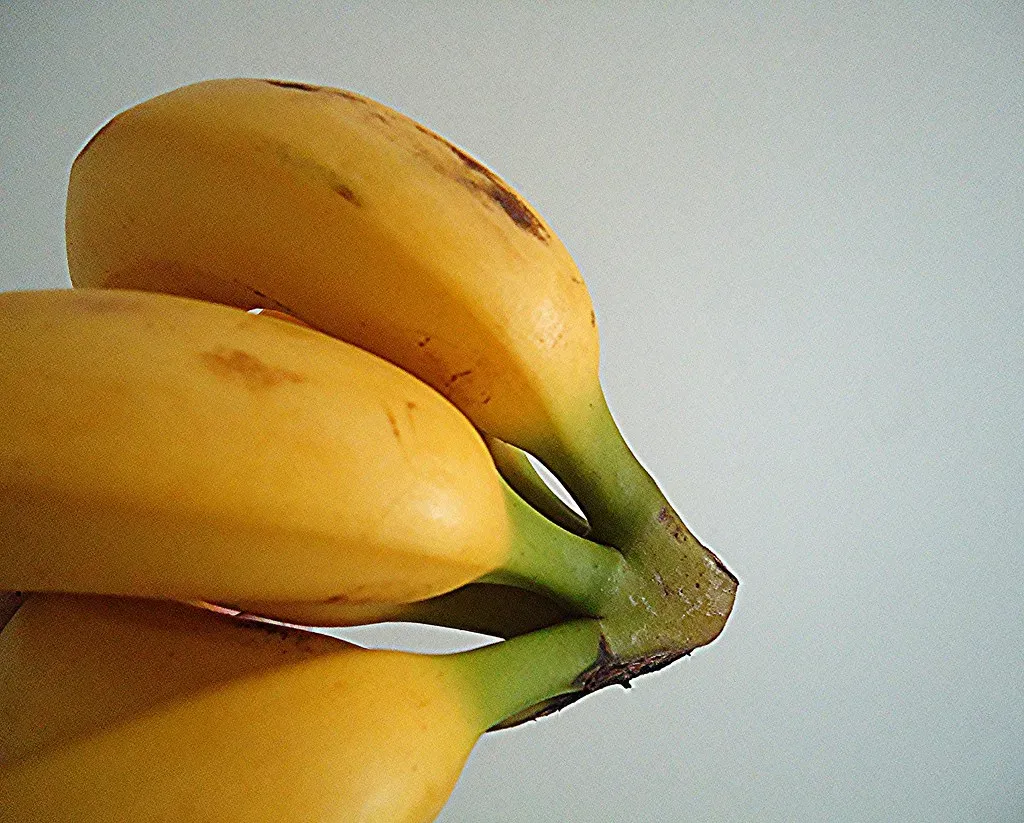
Here is a food so cheap and ubiquitous that most people never imagine it in short supply. Yet the banana is one of the most genuinely threatened items on this list. Extreme weather events in tropical regions are expected to disrupt the growth and supply of bananas and similar commodities, as noted by Fairtrade America. The world's most popular fruit grows in some of the most climate-vulnerable places on the planet.
The nonprofit anticipates that American consumers will face higher prices for bananas, various fruits and vegetables, herbs and spices, as well as nuts and oils. There is a structural vulnerability baked into banana farming that makes recovery slow. Most commercial bananas belong to a single variety, the Cavendish, making the entire global supply susceptible to a single disease or climate shock. As eggs continued to drop in prices in late 2025, bananas were actually still up 6.7% from November 2024 to November 2025, confirming the ongoing pressure on this staple fruit.
Most high-value, specialty crops and tropical fruits are at risk, including cocoa, vanilla, coffee, wine grapes, and bananas, according to food science expert Bryan Quoc Le, a food scientist and consultant with a PhD from the University of Wisconsin, Madison. The banana's path from tropical farm to grocery store is long, and every step in that chain is growing more fragile.
6. Wheat and Bread
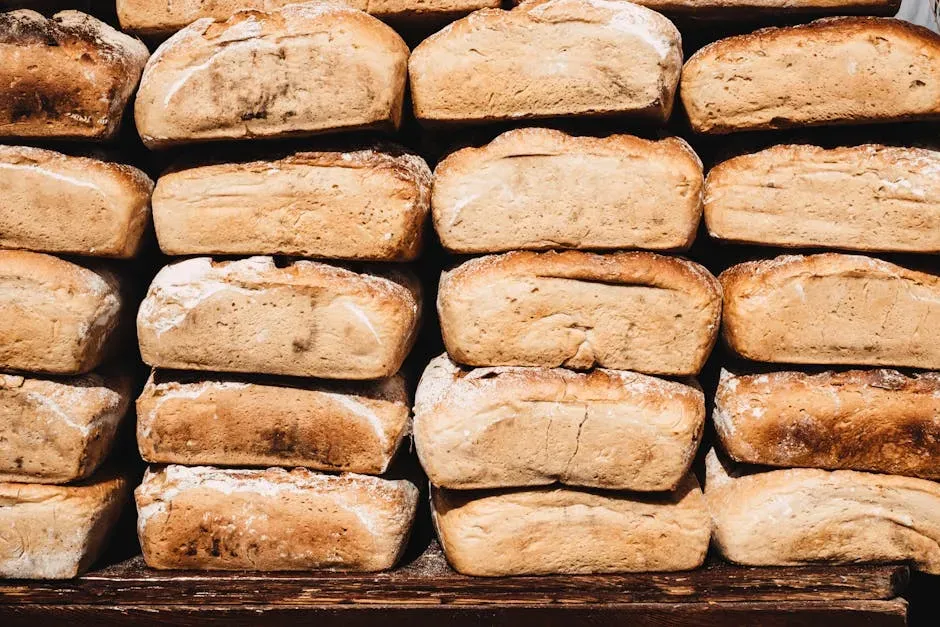
Wheat is one of the oldest, most essential crops in human history. It is also one of the most exposed to what is coming next. According to a 2022 report, two-thirds of the world's calories come from four staple foods: wheat, rice, maize and soybeans. Disrupting any of these is not just an inconvenience, it is a civilizational problem.
The report stated that wheat, with 65% of which produced in water-scarce environments, will be the most vulnerable of all the major staples. Water scarcity is already real in many wheat-growing regions. Combine that with war, trade disruptions, and volatile weather, and you start to understand the pressure building in the global bread basket. Climate change is directly responsible for reducing wheat crop yields, leading to flour shortages and impacting prices and availability for many foods requiring flour.
Droughts impacting wheat varieties pose challenges for wheat product production, meaning independent grocers should anticipate potential shortages in products like pasta, bread, and baked goods. Bread, pasta, flour-based snacks. Everyday staples that quietly depend on stable wheat harvests that are becoming anything but stable.
7. Sriracha and Hot Sauces
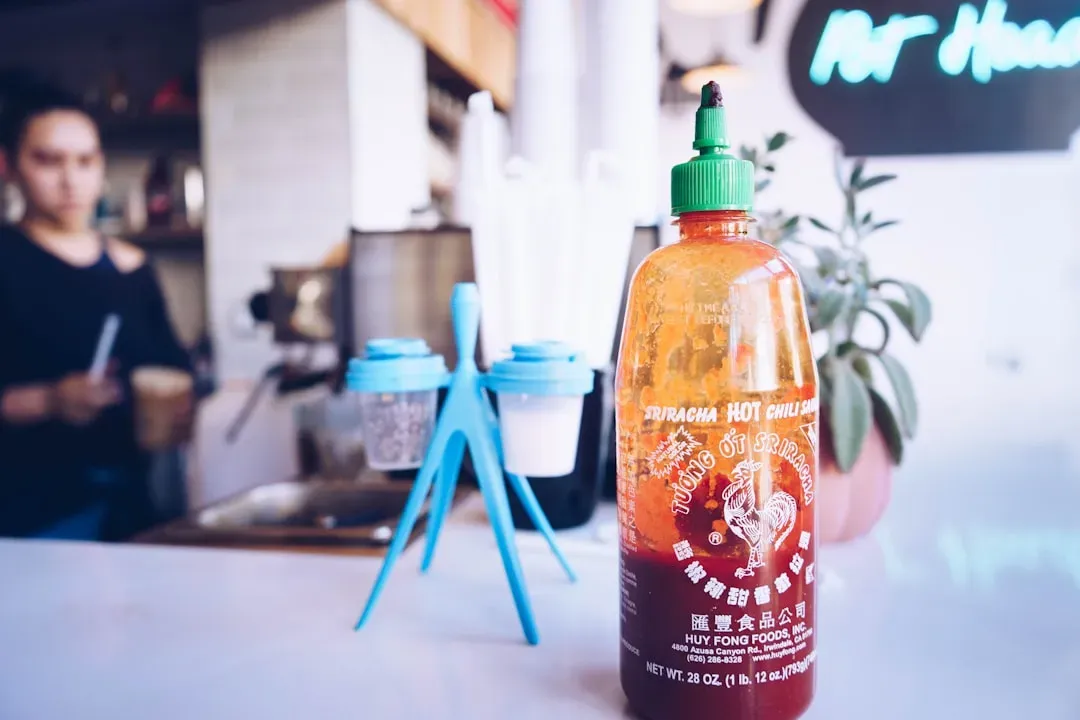
Few people would have predicted that their favorite hot sauce would become a symbol of food chain fragility. Yet here we are. Huy Fong Foods was affected by a chile pepper shortage due to drought in Mexico. Its popular Sriracha hot sauce returned to store shelves in early 2024 only to have production halted again in May.
Huy Fong sent a letter to distributors in May notifying them that the peppers used in Sriracha failed to ripen in time for harvest thanks to ultra-high temperatures and dry conditions. The peppers' still-too-green shade would result in discolored hot sauce. It is a vivid, almost absurd example of how climate disruption creates problems nobody expected. Some shoppers reported sightings of new Huy Fong shipments, though sauces may have a brown or green tint thanks to the peppers used.
Honestly, the Sriracha story is almost a perfect metaphor for where things are headed. A condiment that once seemed effortlessly available, suddenly scarce, discolored, uncertain. Climate issues affecting spice-producing regions may lead to scarcity in staples like black pepper, cinnamon, nutmeg, and garlic powder. Hot sauce is just the beginning. The broader world of spices and condiments faces the same pressures.
8. Sugar
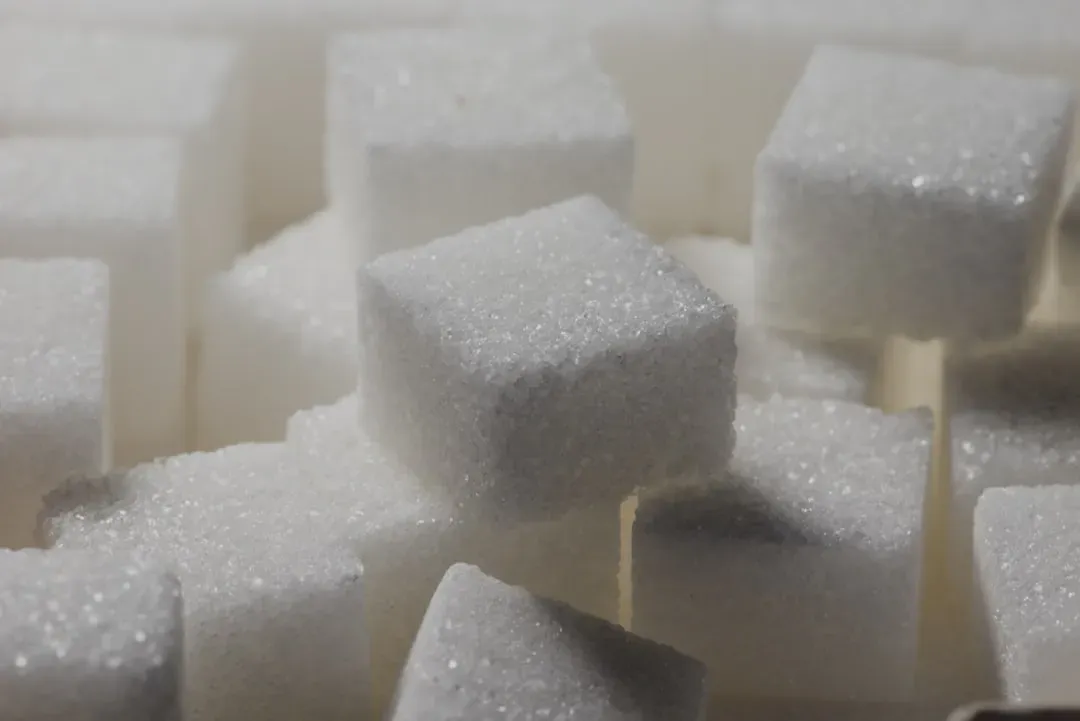
Sugar sits at the foundation of so many of the processed foods and drinks people buy every week. It is so common it barely registers as a potential shortage item. Yet the supply signals have been flashing warning signs for years. In 2023, India, the second largest producer of the world's sugar, banned sugar exports in order to satisfy domestic demand after a season with bad growing conditions and a low-yield harvest.
Reuters reported the ban was likely to extend another year, leaving much of the world to depend on the top sugar producer, Brazil. Placing the entire weight of global sugar supply on one country's shoulders is not a stable long-term arrangement. A 2024 study analyzed temperature data and over 27,000 monthly consumer price indices spanning 1996 to 2021 across 121 countries. Results show that a 1°C rise in monthly temperatures drives food price inflation, and that this effect persists for at least 12 months following the abnormally warm month.
Socioeconomic disruptions such as economic recessions, pandemics, conflicts, or changing trade agreements can all affect food supplies and prices. Food systems are also affected by both long-term climatic trends like rising average temperatures and shifting rainfall patterns, and more frequent or intense extremes including heat waves, drought, wildfire, hurricanes, and heavy rainfall. Sugar is every bit as vulnerable to all of these forces as any other crop. It just tends not to make the headlines until the price on that bag of granulated white in your kitchen quietly doubles.
Conclusion
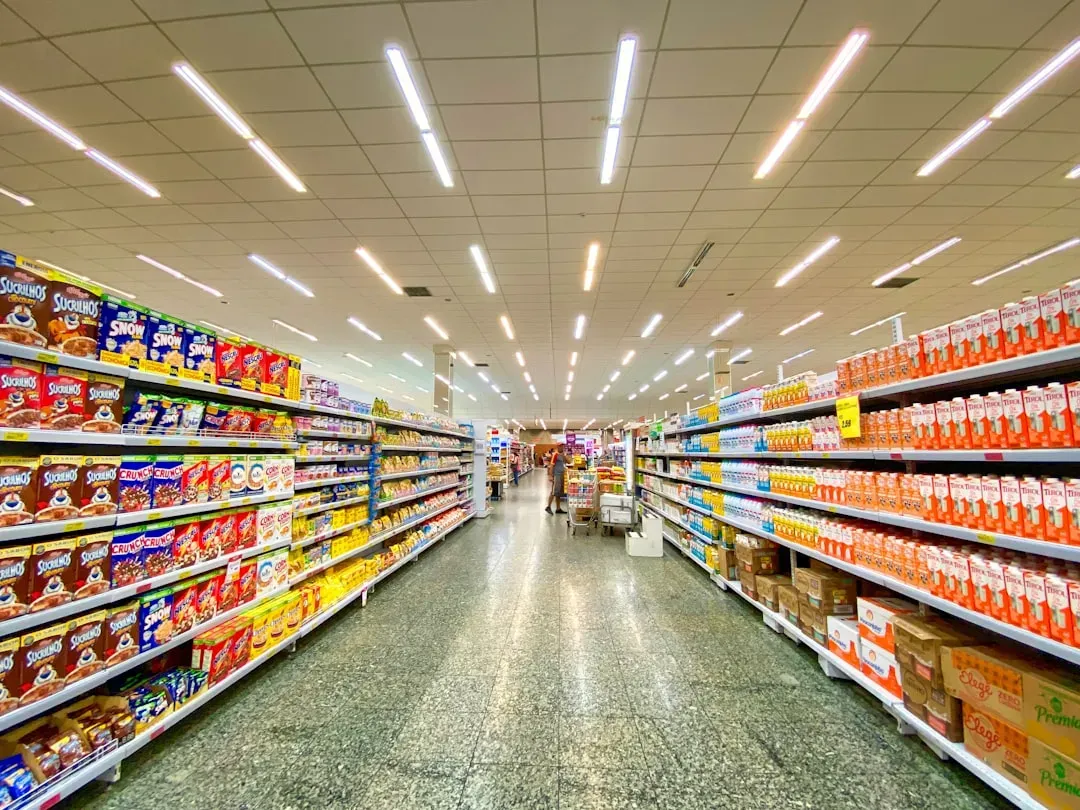
The eight foods in this article are not fringe items. They are the building blocks of kitchens, cafes, bakeries, and breakfast tables around the world. What is happening to them is not random. Over the last few years, crop failures and food shortages have been much more frequent and visible all around the world due to an increase in floods, droughts, heatwaves, hurricanes, and storms, all of which disrupt our global agricultural systems and farmers' ability to grow crops consistently.
From the ripple effects of climate change and foodborne illness to expected changes in U.S. immigration and trade policies, a variety of factors may disrupt the availability of specific foods. The question is no longer whether these disruptions will come. They are already happening. The real question is how fast things will change, and how prepared we choose to be.
What surprised you most on this list? Drop a comment and share your thoughts, because in a world of vanishing groceries, the conversation matters more than ever.



Leave a Reply