
There's a widespread myth floating around grocery store aisles that eating well costs a fortune. Fancy cuts of meat, exotic superfoods, premium organic produce - the food marketing world would have you believe these are the only paths to a satisfying, nutritious plate. Honestly, that couldn't be further from the truth.
According to the latest data from the SOFI 2025 report, around 2.6 billion people - roughly about one third of the global population - were unable to afford a healthy diet in 2024. That's a staggering number, and it makes the question of budget-friendly, genuinely delicious eating feel more urgent than ever. The good news? Some of the most incredible meals in the world are built from the humblest, cheapest ingredients. Let's dive in.
1. Lentils - The Tiny Powerhouse You're Probably Ignoring
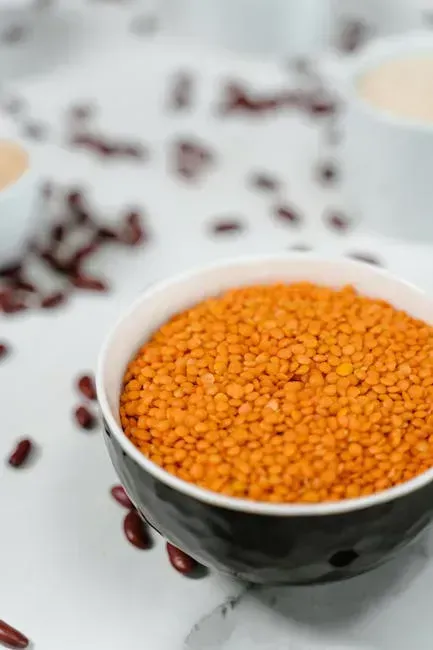
Lentils cost just around ten cents per serving and deliver an impressive 18 grams of protein and 15 grams of fiber per cooked cup. They're cholesterol-free, high in folate, iron, and potassium, and naturally low in fat. Let's be real - for that price, it's almost embarrassing not to be eating these more often.
Lentils are closely related to beans but technically legumes, and they are low-cost with impressive health benefits. Red, brown, or green - whichever variety you choose, lentils are a nutritious choice. Beans and their legume cousins, peas and lentils, actually entered the nutritional spotlight when the 2025 US Dietary Advisory Committee released scientific guidance, recommending that beans, peas, and lentils start the protein section of the government's food guide. That's not a small deal - that's federal nutrition science putting lentils at the very top of the protein priority list. Toss them in soups, mash them into dals, or blend them into thick, warming stews. The flavor possibilities are endless.
2. Eggs - Nature's Most Affordable Multivitamin
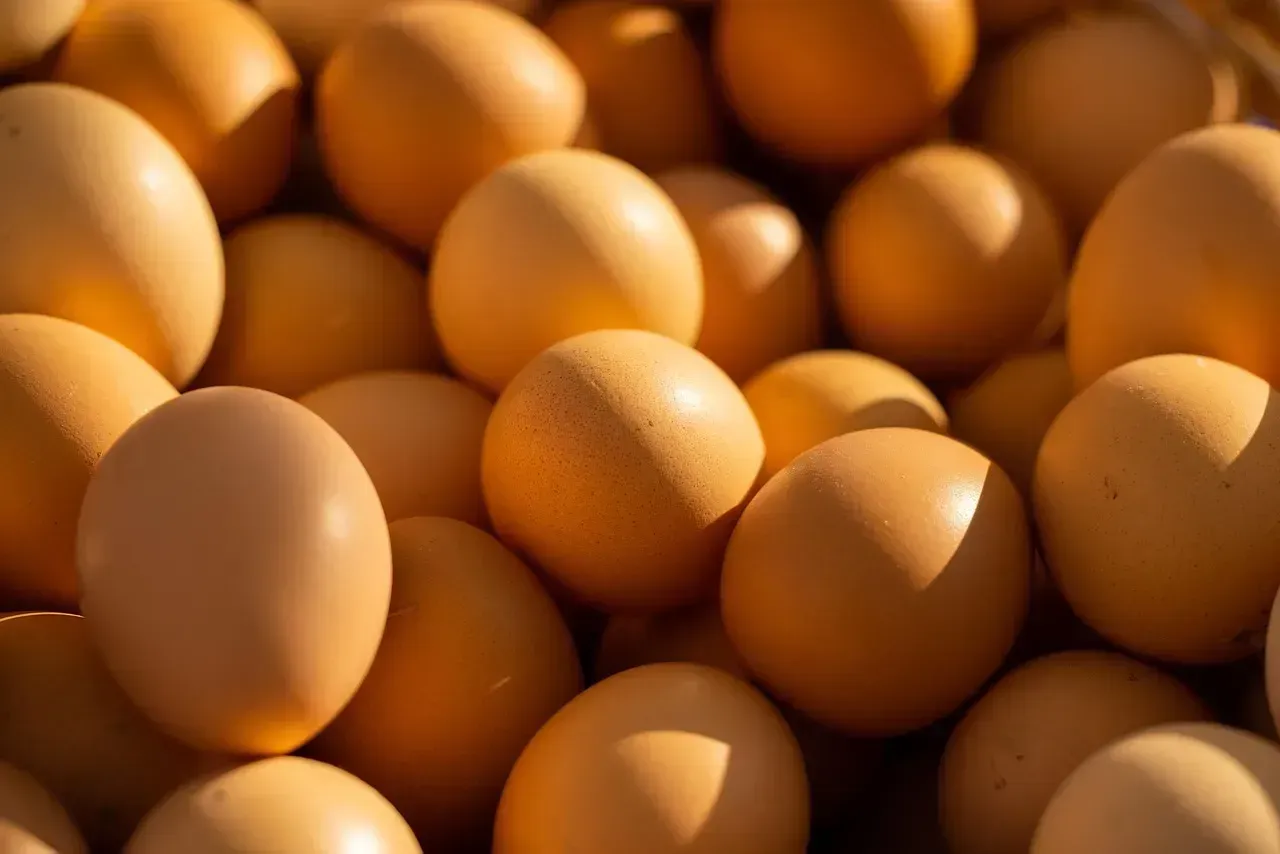
One egg has only about 77 calories, but delivers 6 grams of high-quality protein, 5 grams of fat, and 1.6 grams of saturated fat, along with iron, vitamins, minerals, and carotenoids. Think of an egg like a tiny, sealed nutrition capsule that nature designed to build life from scratch. That's not a metaphor - that's literally what it does.
The 2025 Dietary Guidelines for Americans emphasizes whole nutrient-rich foods as the basis of a healthy dietary pattern, and protein foods, including eggs, are recommended to be prioritized at every meal. Eggs are highly nutritious, accessible and affordable. Scrambled, poached, baked into shakshuka with canned tomatoes, or fried over rice - eggs are one of the most versatile cooking ingredients in any kitchen, and they cost almost nothing per serving.
3. Brown Rice - The Pantry Staple That Earns Its Keep
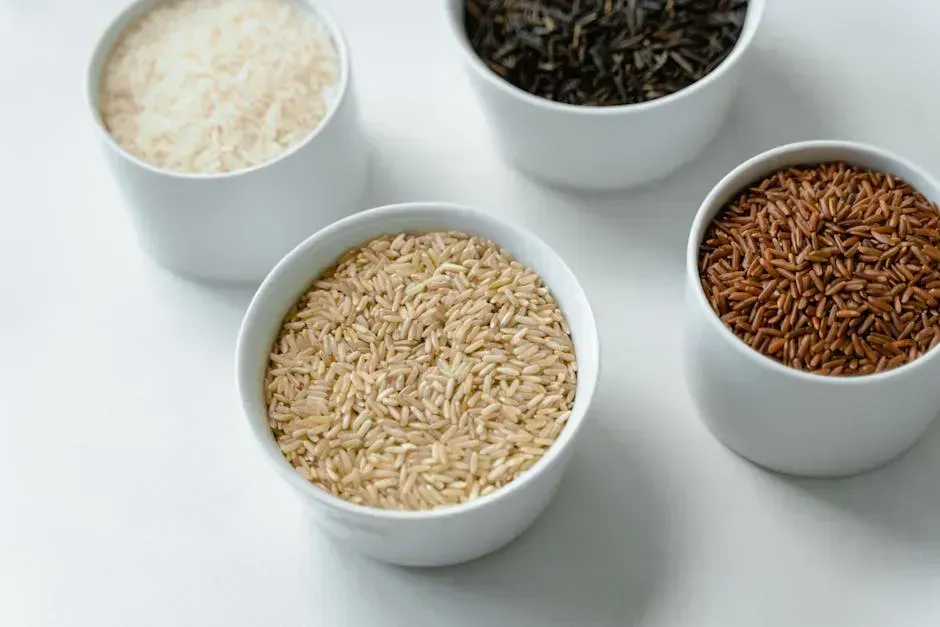
Rice is one of the best budget staples available. A large bag of rice lasts for years in the pantry and costs about 10 to 20 cents per serving. While white rice is a staple source of carbohydrates, brown rice also contains magnesium and fiber. That cost-per-serving number is almost unreal when you stop to think about it.
Brown rice is an excellent source of complex carbohydrates, which provide long-lasting energy and slow-digesting fiber. It is also loaded with B vitamins, magnesium, selenium, and phosphorus. You can even freeze cooked rice and reheat it, which lowers the calories and carbohydrates. Pair brown rice with lentils or beans, and you essentially have a complete protein meal on your plate - something that people across South Asia and the Caribbean have known for centuries.
4. Cabbage - The Underdog Vegetable That Delivers
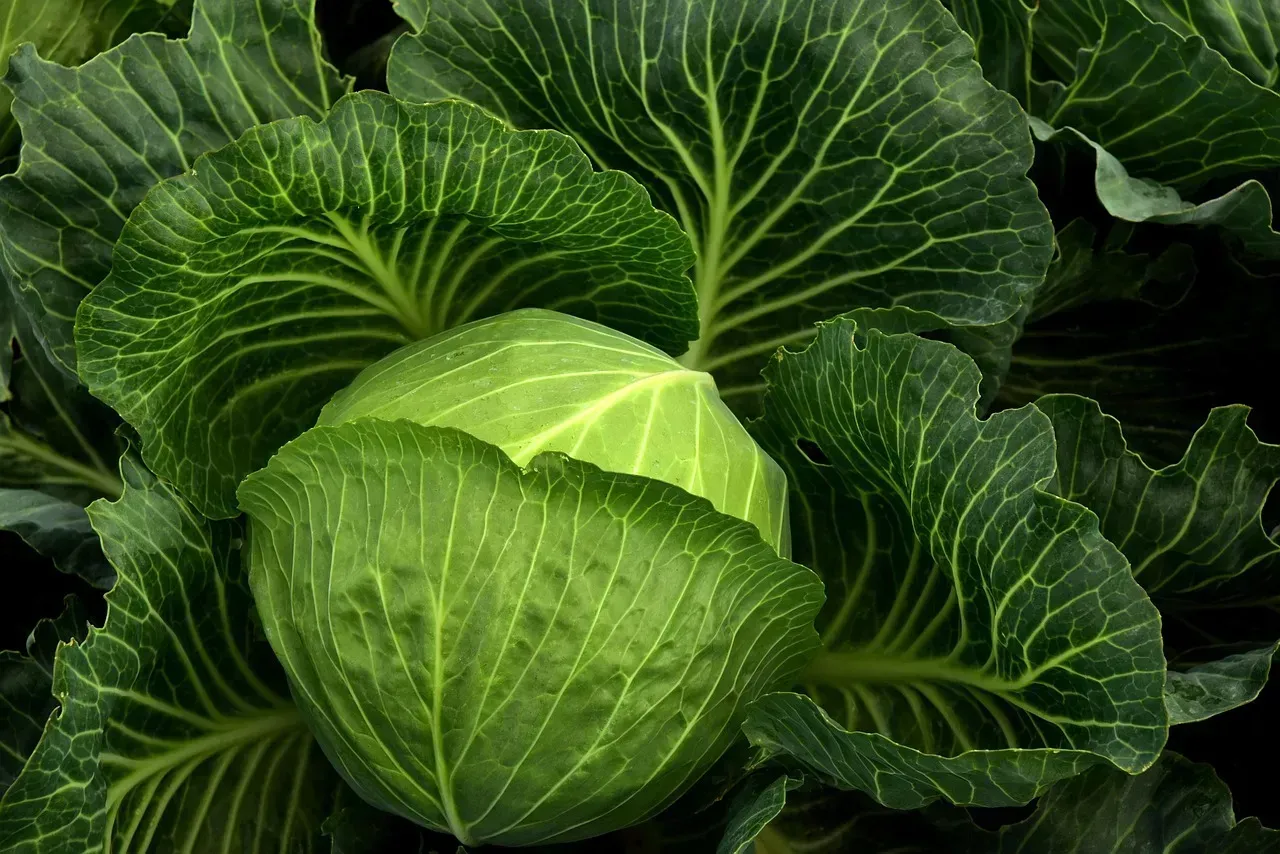
Cabbage costs only about 50 cents per pound and is rich in vitamin C, vitamin K, and gut-calming fiber. Cruciferous vegetables like cabbage also contain glucosinolates that were linked to the prevention of numerous cancers in a 2024 World Cancer Research Fund report. For less than a dollar, you're getting a serious nutritional punch that puts many pricier vegetables to shame.
Cabbage has a low-calorie but high-fiber content, which adds volume to a meal without adding cost. It also contains anthocyanins, which suppress inflammation and are heart-healthy. Shred it raw into slaws, braise it slowly with garlic and olive oil, or toss it into soups. It transforms beautifully with heat, taking on a soft, slightly sweet character that feels nothing like cheap eating.
5. Canned Tomatoes - A Secret Weapon for Flavor
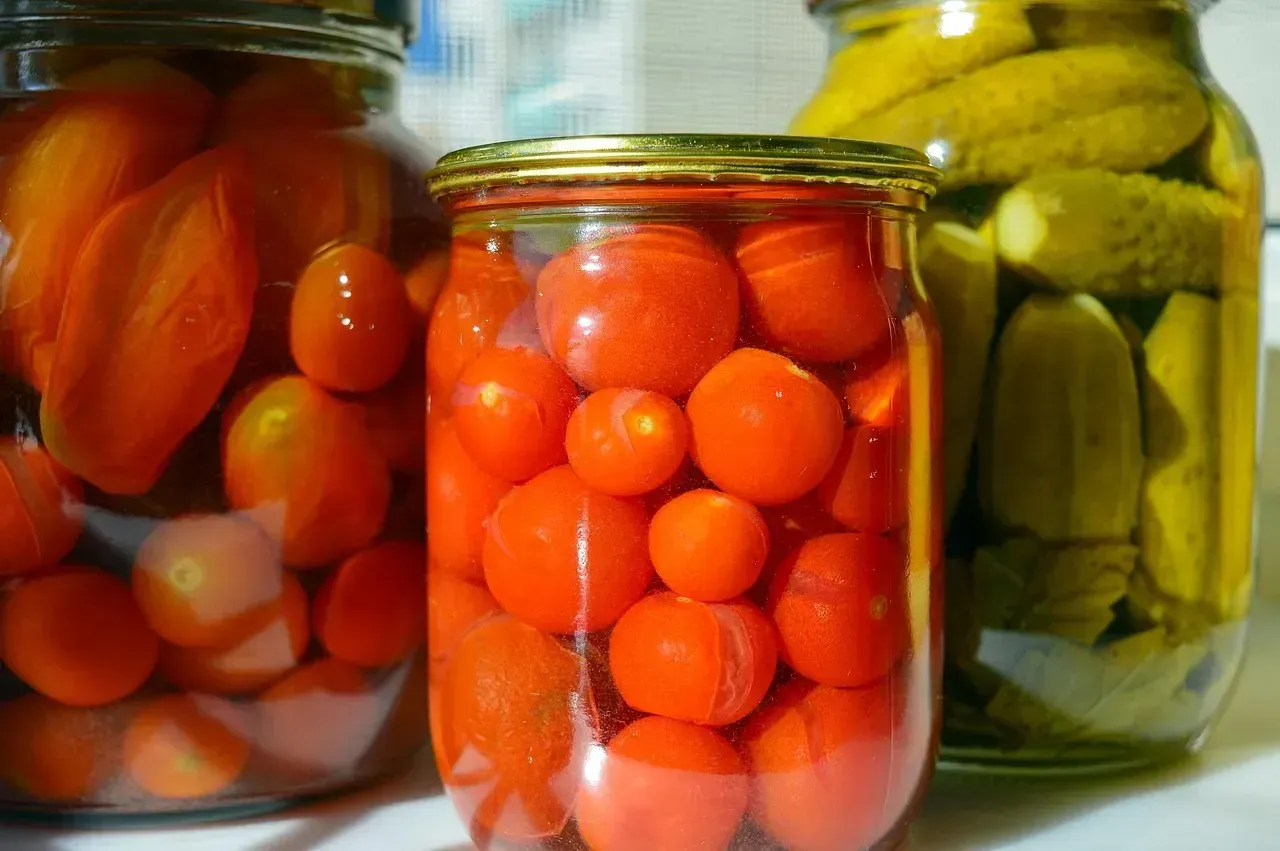
Canned tomatoes cost around one dollar per 14-ounce can and have a high content of lycopene, an antioxidant with reported reduced risks of some cancers and heart disease. A 2024 study at Harvard linked lycopene intake to a notable reduction in the risk of prostate cancer in men. In contrast to most nutrients, cooking actually makes lycopene more bioavailable, making the canned variety especially potent.
Food inflation reports indicate that canned vegetables were among the least affected by 2025 price increases, making them a reliable staple. They can be used in pasta sauces, soups, or stews for a pop of healthy, vibrant color. I think this is one of the most underrated pantry items in existence. Simmer a can of tomatoes with garlic, onion, and a pinch of chili flakes and you have a sauce that could hold its own in an Italian restaurant. No exaggeration.
6. Oats - Cheap, Filling, and Wildly Versatile

Oats are just about the cheapest whole grain available, coming in at about 15 cents per serving or often less. They are a great source of fiber, and a container can last up to a year in the pantry. A 42-ounce container of old-fashioned, whole-grain oats costs around $4.39 at major retailers. Fifteen cents per serving. Let that sink in.
Oatmeal cookies and overnight oats are obvious uses, but oats can also be blended into smoothies, used as a base for homemade granola, or served as a savory side dish. Dried rolled oats are a filling, affordable whole grain that can be bought in bulk. Try savory oats cooked with broth, topped with a fried egg and hot sauce. It sounds strange the first time you hear it. It tastes like a warm, comforting bowl of something you'd pay twelve dollars for at a brunch spot.
7. Frozen Vegetables - Fresh Nutrition Without the Price Tag
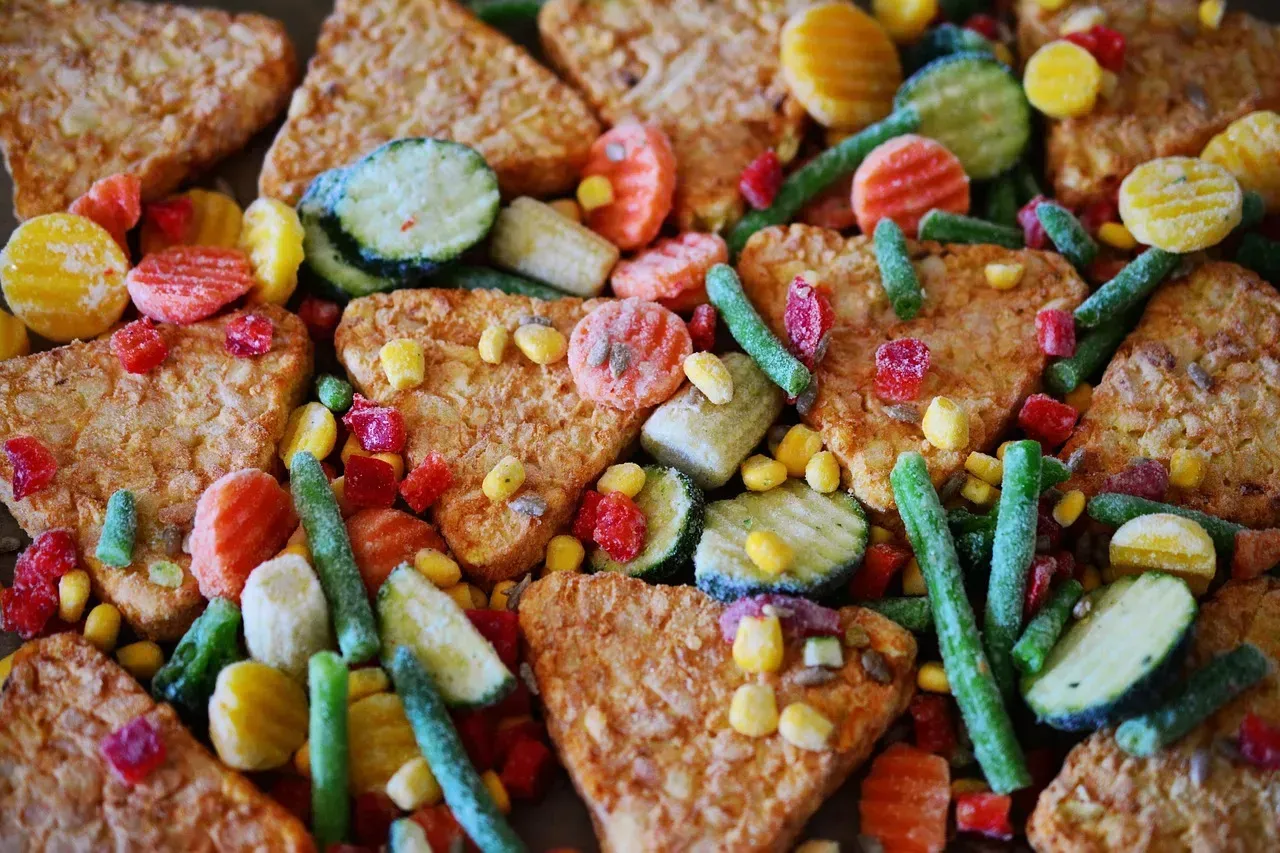
Frozen vegetables offer the same nutrition as fresh. They are harvested at peak ripeness and flash-frozen to seal in nutrients. Frozen peas and broccoli are loaded with fiber and immune-boosting vitamin C, while frozen leafy greens like spinach are packed with vitamin K, folate, and iron. Here's the thing most people don't realize - that bag of frozen spinach sitting in the freezer is nutritionally almost identical to fresh spinach bought the same day.
Many frozen vegetables are rich in plant compounds with anti-inflammatory benefits. They are often cheaper than fresh, and there is no spoilage - they last a long time. Leaning on frozen items can significantly reduce food waste, which is a huge hidden cost. Stir-fry a bag of frozen mixed vegetables with soy sauce, garlic, and a cracked egg over rice, and you have a complete, satisfying meal that costs well under two dollars per serving.
8. Chickpeas - The Most Versatile Bean in Your Pantry
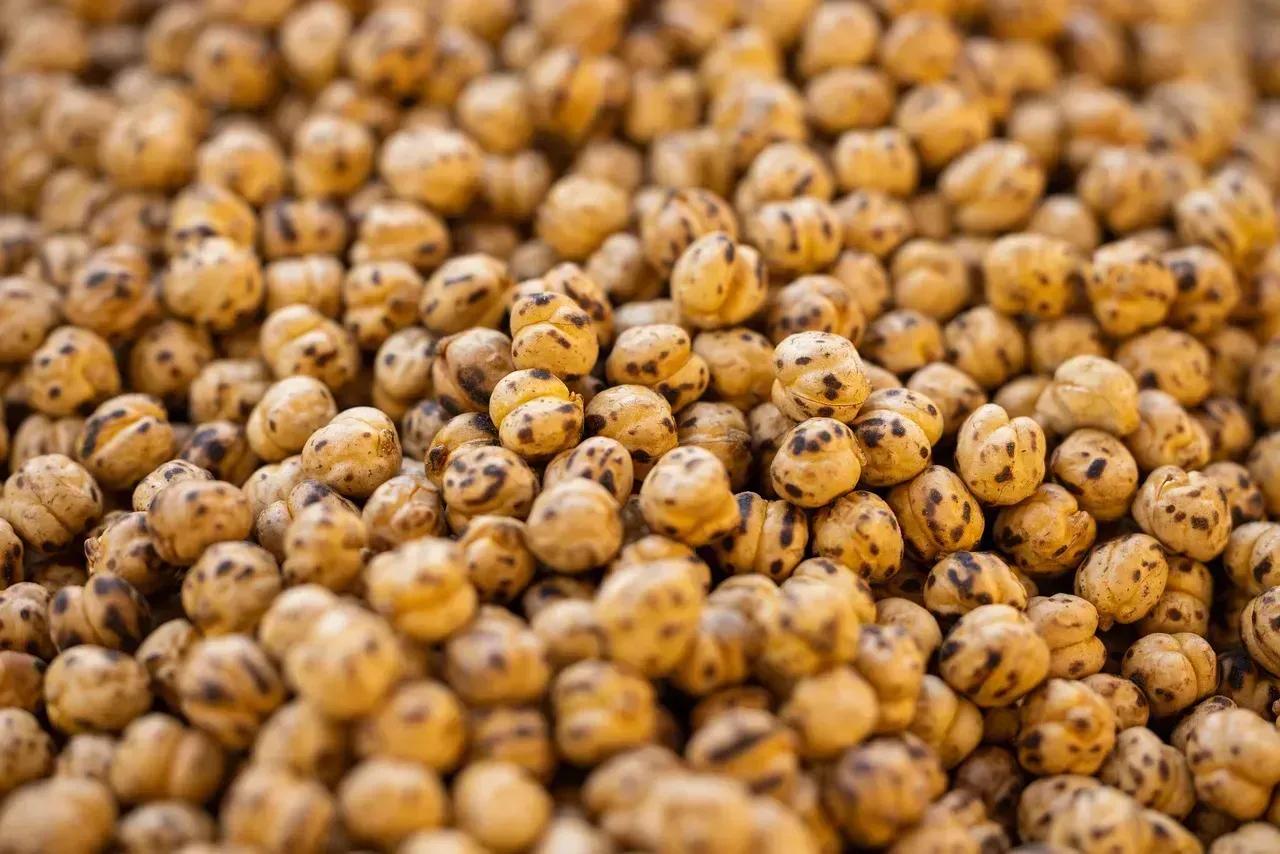
Beans and legumes are amazingly cheap pantry staples, but chickpeas deserve a special shout-out. Dried chickpeas are the most cost-effective, shelf-stable option and the best choice nutritionally, but canned chickpeas are a more convenient version. A can of chickpeas runs about one dollar. One dollar. For a food that genuinely does everything.
A 2023 review in the journal Nutrients found that regular bean intake reduced blood pressure and improved glycemic regulation in people with type 2 diabetes. Chickpeas are gluten-free, high in resistant starch, a prebiotic food that feeds good gut bacteria. They can be sautéed with garlic and onions, added to burrito bowls, or blended for dips. Roast them in the oven with cumin and smoked paprika and they become something that feels almost gourmet - crispy little bites of flavor that rival any expensive snack on the shelf.
9. Potatoes - The Misunderstood Hero of Budget Cooking

Buying nutritious, voluminous foods like beans, cabbage, rice, eggs, and potatoes can bulk up meals and save money. For protein powerhouses, choose cuts or preparations that stretch into multiple meals. In-season produce, frozen selections, and long-lasting staples such as potatoes usually offer the best bang for your buck. Potatoes have been unfairly sidelined by low-carb diet culture for decades, and honestly it's a shame.
A medium potato contains meaningful amounts of potassium, vitamin C, and B6, and it costs almost nothing per pound at any grocery store. Roast them whole, slice them thin into a Spanish-style tortilla with eggs and onions, or simmer them in a simple curry with canned tomatoes and lentils. A potato, egg, and onion-based dish is a testament to how simple ingredients can create maximum flavor - the kind of meal you'd absolutely add to your weekly rotation once you try it. The humble potato, when treated with a little creativity, is genuinely one of the most satisfying foods on earth.



Leave a Reply