
There is something genuinely magical about Irish desserts. They are not flashy, not overly architectural, not drizzled with fourteen different sauces competing for attention. They are honest. Warming. The kind of sweet that feels like someone's grandmother made it for you. And on St. Patrick's Day, when the whole world reaches for a pint of Guinness and a plate of corned beef, the dessert table tends to get overlooked. That, honestly, is a crime.
From rustic apple cakes to boozy chocolate creations that use Ireland's most iconic stout, the Emerald Isle has a deeper dessert tradition than most people ever get to discover. So let's fix that right now. Let's dive in.
1. Irish Apple Cake
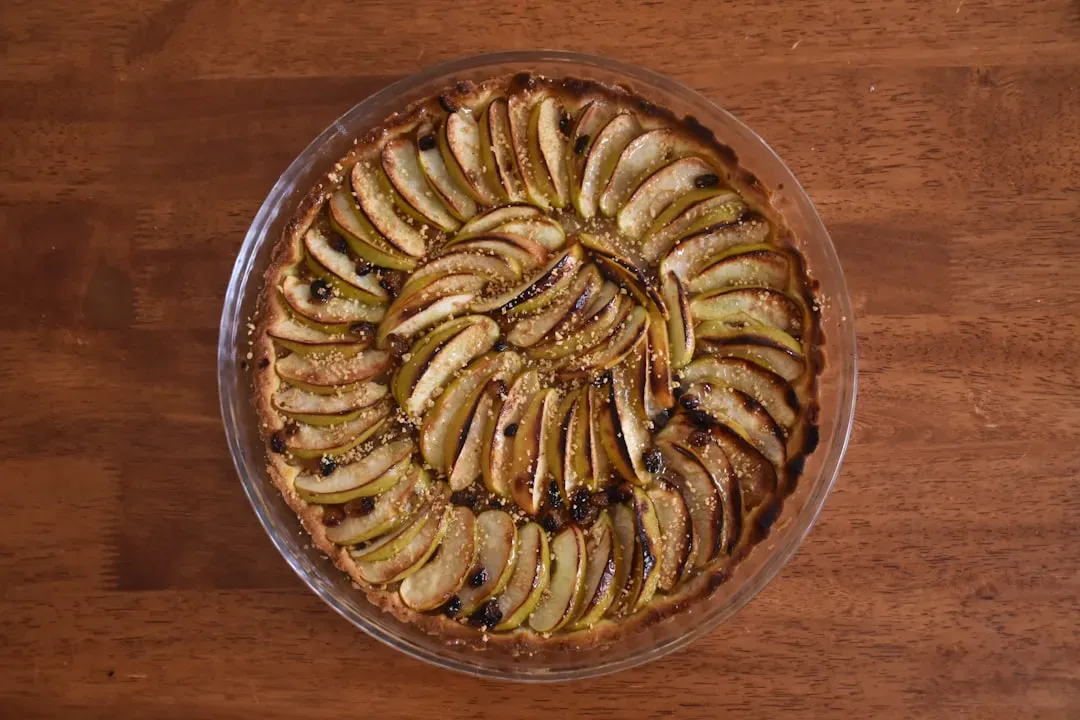
Also known as Kerry apple cake after County Kerry in Ireland, Irish apple cake features all the usual suspects, including flour, eggs, butter, and sugar. What makes it distinct from other apple cakes is the heavenly layer of streusel on top that contrasts beautifully with the soft, juicy apples in the sponge underneath. Think of it like the difference between a plain T-shirt and one with a perfect textured pocket. The detail matters enormously.
Another traditional Irish dessert is the apple cake. Ireland has an abundance of apples, and the dish was originally baked over an open fire. In modern times, it is baked on a cast iron skillet. The important element is the Irish butter that makes for a flaky pastry, and it is filling with a slight hint of spice from the nutmeg, cinnamon, and cloves, making it an ideal dessert for cozy evenings. Serve it warm with a generous pour of custard, and you will understand immediately why this cake has never gone out of style.
2. Guinness Chocolate Cake
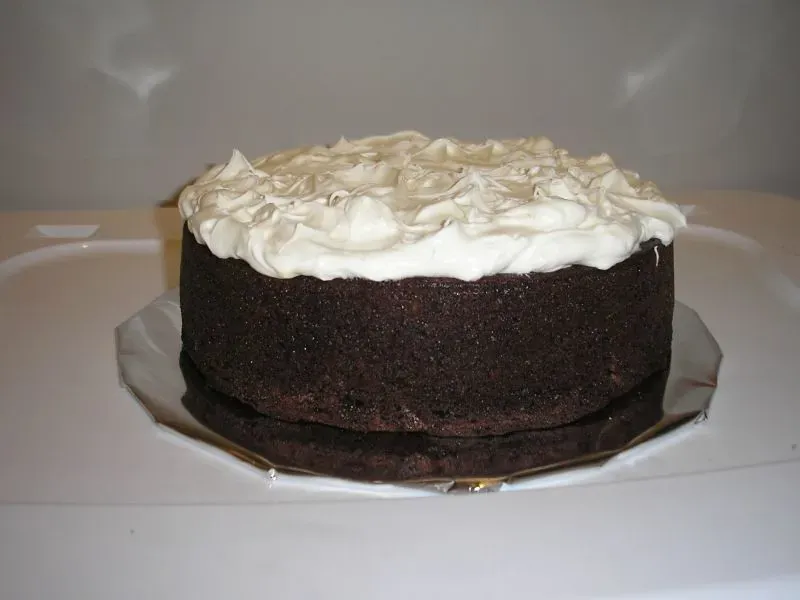
The exact origins of Guinness cake are somewhat unclear, but the tradition of using stout in cakes and breads is part of a broader historical trend in European baking. Alcohol, particularly beer and stout, has been used in baking for centuries. The stout's bold, slightly bitter taste made it a popular ingredient in Irish cooking, particularly in savory dishes like stews and pies. However, the use of Guinness in baking came later, as bakers began to experiment with incorporating the stout into sweet treats to take advantage of its malty and slightly chocolatey notes.
Guinness cake has become more than just a dessert - it is a symbol of Irish culinary tradition and a way to celebrate Irish culture. The cake is often associated with St. Patrick's Day, where it is served alongside other Irish staples like soda bread, colcannon, and stews. Its connection to Ireland's most famous stout makes it a fitting choice for celebrating Irish heritage. The use of carbonated Guinness as a liquid base creates an exceptionally tender crumb and deep chocolate flavor that ordinary milk or buttermilk cannot achieve. It is one of those desserts where the secret ingredient is gloriously obvious once you know it.
3. Irish Bread and Butter Pudding
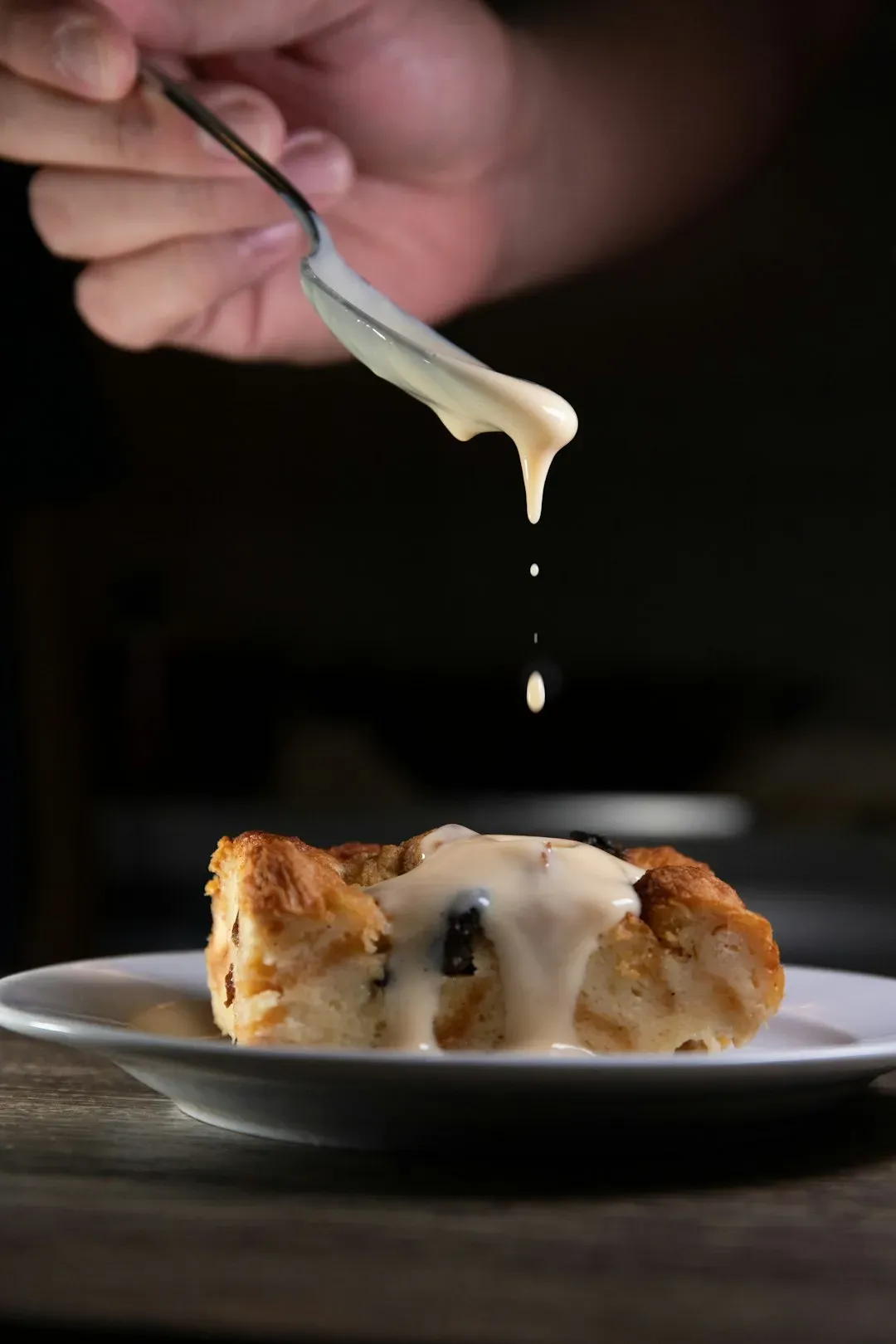
Bread and butter pudding is an Irish mainstay. It is a comfort food that makes for a scrumptious meal. It was first made as a way of using up stale bread, which was soaked in a sweet custard and then baked. There is something quietly genius about that origin story. A practical solution to food waste that accidentally became one of the most beloved desserts in the country.
Homemade vanilla custard and flaky brioche give a classy spin to this old Irish dessert. This has been enjoyed in Ireland for centuries, considering bread and butter were readily available, and the dessert itself is relatively straightforward to make. With some added flavors to the mix, this dessert will go down a treat with everyone. Serve your warm Irish bread pudding with a decadent creme Anglaise made with Bailey's Irish Cream liqueur for the perfect finishing touch.
4. Sticky Toffee Pudding
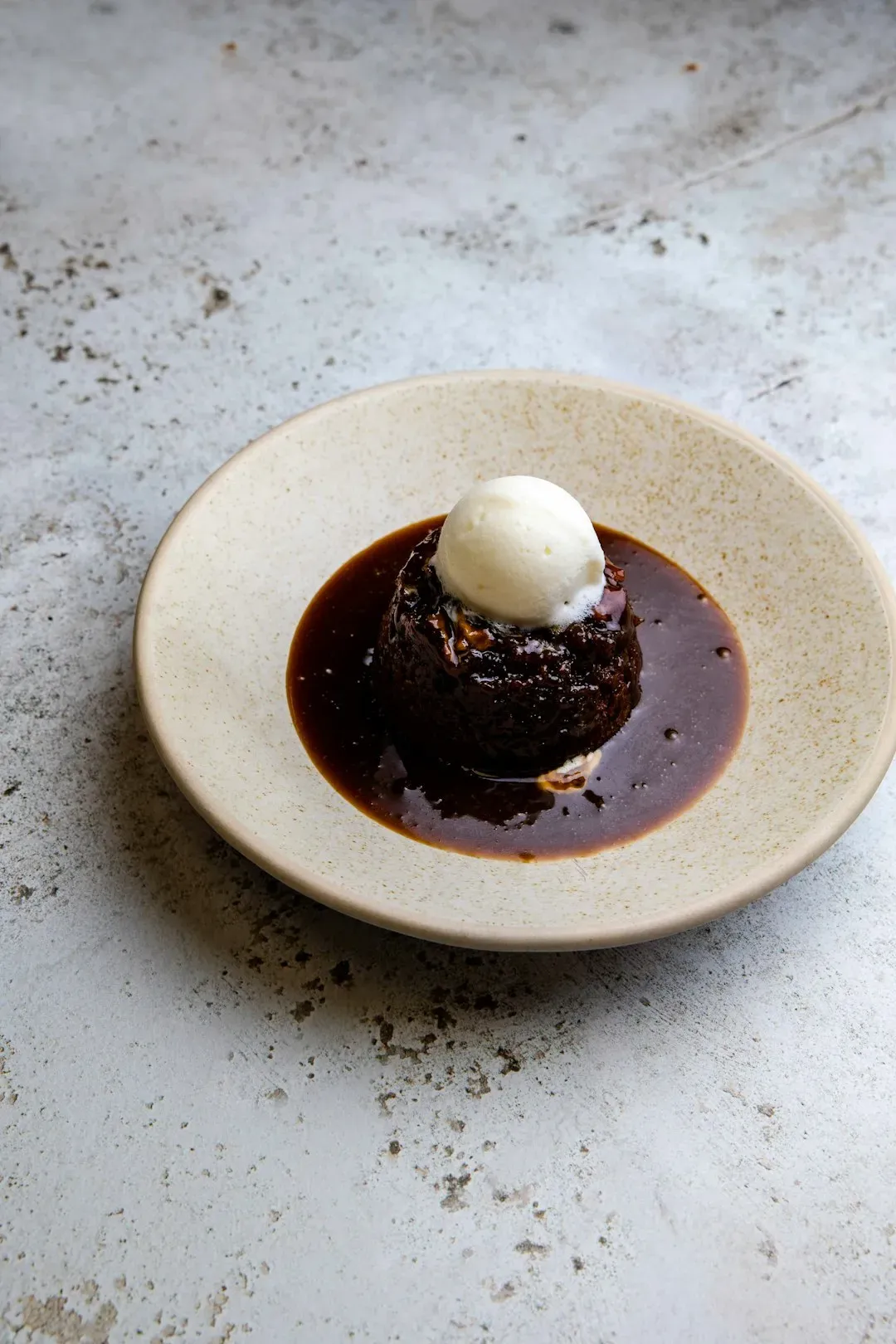
It doesn't get much richer than sticky toffee pudding, and this easy version of the recipe is no exception. Sticky toffee pudding is a very moist cake that is sweetened primarily with dates. The sponge is then covered in a rich, buttery toffee sauce that is truly heaven-sent. Let's be real, calling this a "pudding" is both technically accurate and wildly underselling it. This is pure decadence in cake form.
This dessert is a staple on pub menus, but it is a bit trickier to find stateside. The classic sticky toffee pudding recipe, complete with a butterscotch sauce, will evoke the feeling of a pub in the Emerald Isle, right in your home. The Irish love to eat it as a dessert or snack, accompanied by vanilla ice cream for a touch of freshness. That hot-cold combination of warm pudding and cold ice cream is one of the great sensory joys of Irish baking.
5. Banoffee Pie
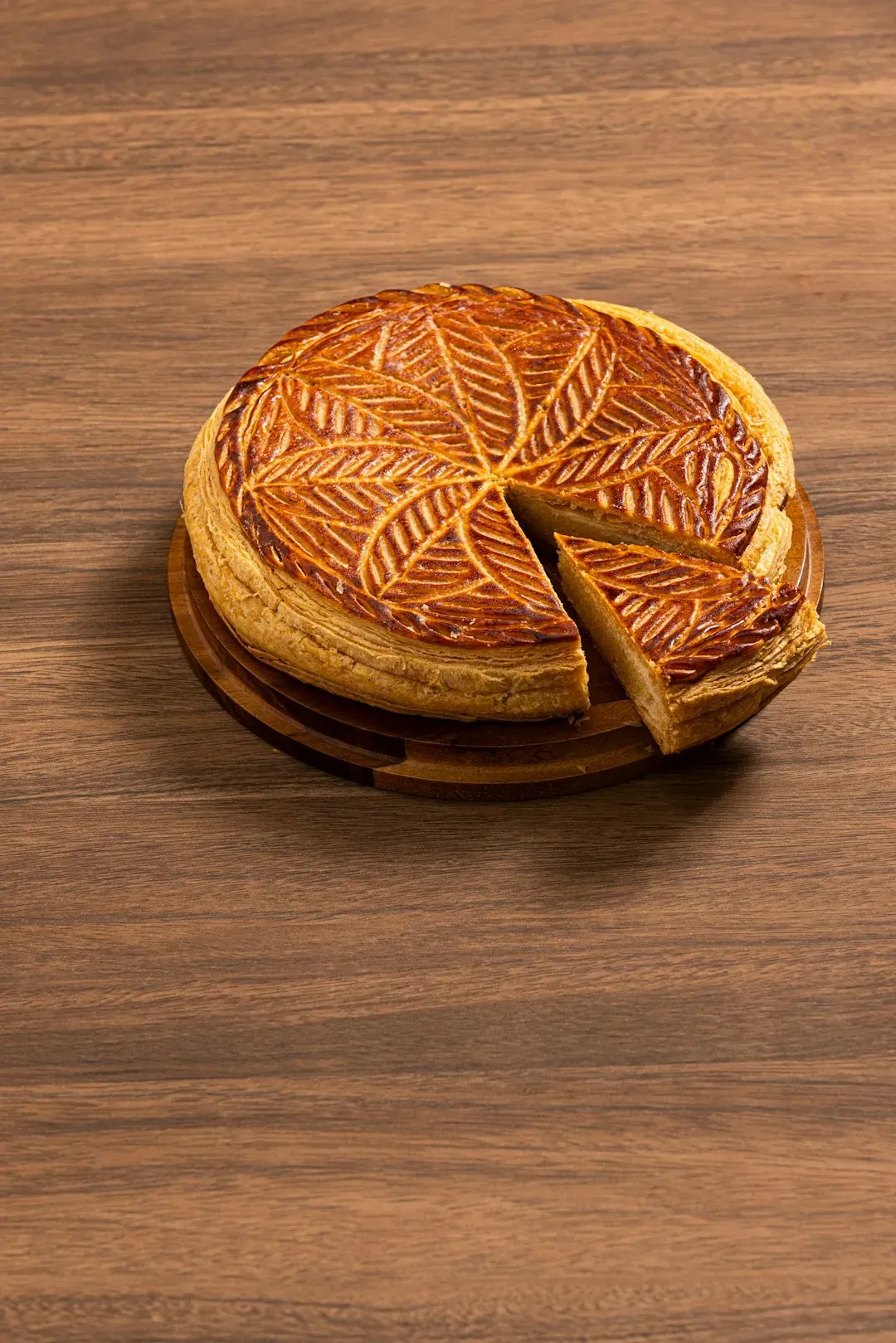
Banoffee pie is a British dessert pie made from bananas, whipped cream, and a thick caramel sauce made from boiled condensed milk, combined either on a pastry base or one made from crumbled biscuits and butter. Some versions include chocolate, coffee, or both. The name is a portmanteau combining the words banana and toffee. Honest, brilliant naming. No pretension whatsoever.
Credit for the pie's invention is claimed by Nigel Mackenzie and Ian Dowding, the owner and chef respectively of the former Hungry Monk Restaurant in Jevington, East Sussex, England. They said they created the dessert in 1971, basing it on a San Francisco recipe for "Blum's Coffee Toffee Pie." Banoffee pie is served as a dessert all over Ireland and is available in many restaurants and cafés. It is truly an English dessert, but Irish and British baking traditions share many recipes and techniques. The Irish have fully adopted it as their own, and who could blame them.
6. Gur Cake
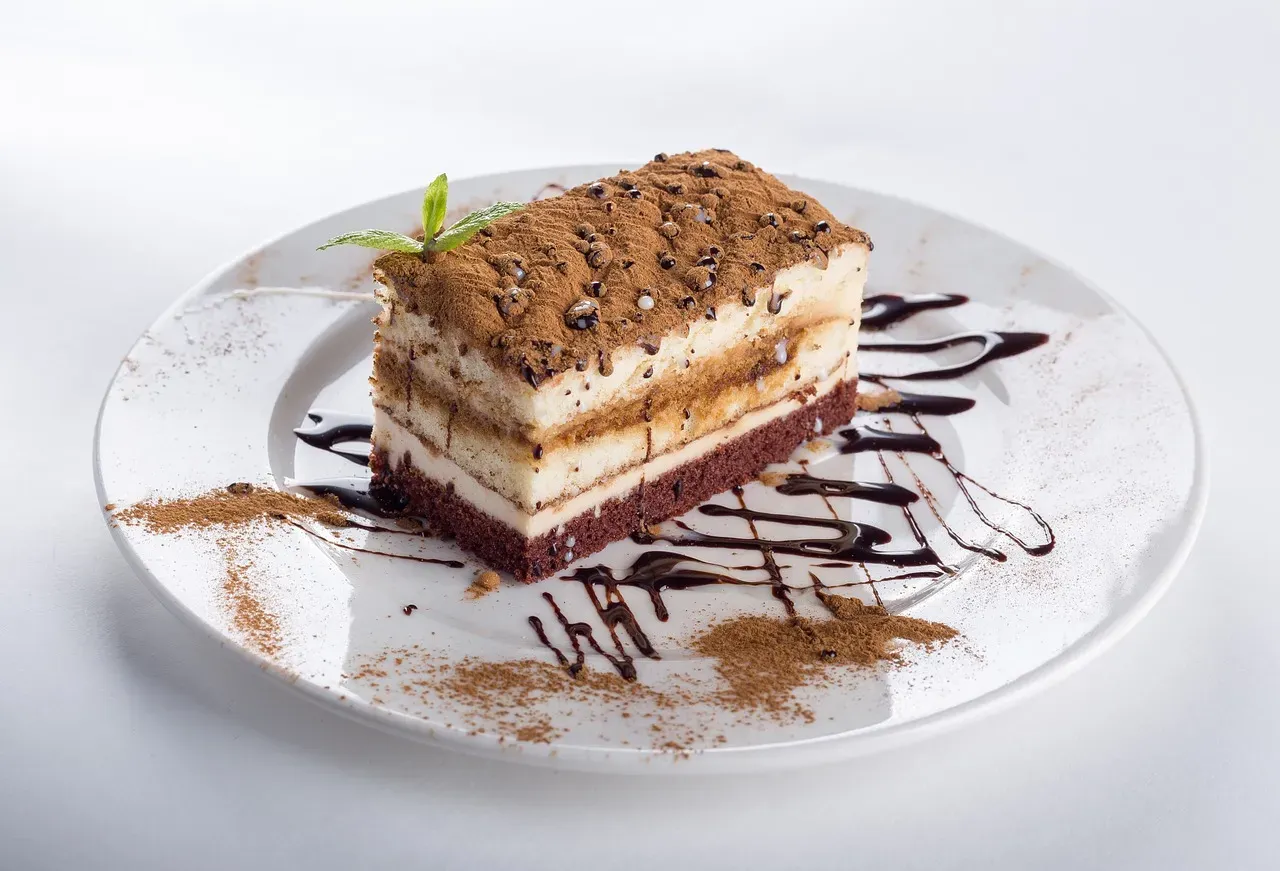
A Gur cake is a distinctly traditional cake that hails from Dublin, Ireland. Although it goes by other names in other parts of the country, this version features a thick paste studded with dried fruit between two layers of flaky puff pastry. It is one of those desserts born out of pure resourcefulness, the kind that working-class Dublin bakers invented when nothing went to waste.
Several of the desserts on this list showcase the resourcefulness of home bakers. Gur cake, on the other hand, is unique in that it was the brainchild of commercial bakers who profited from turning leftover scraps of baked goods into palatable pastries. You might also see gur cake referred to by other names, like Chester cake. Whether or not there is any difference between Chester cake and gur cake is up for debate, but they are likely one and the same. It generally consists of two layers of pastry crust encasing a concoction of leftover baked goods, along with sugar or syrup, spices, and dried fruit like raisins. For a more complex flavor profile, some choose to soak this mixture in black tea.
7. Baileys Irish Cream Cheesecake
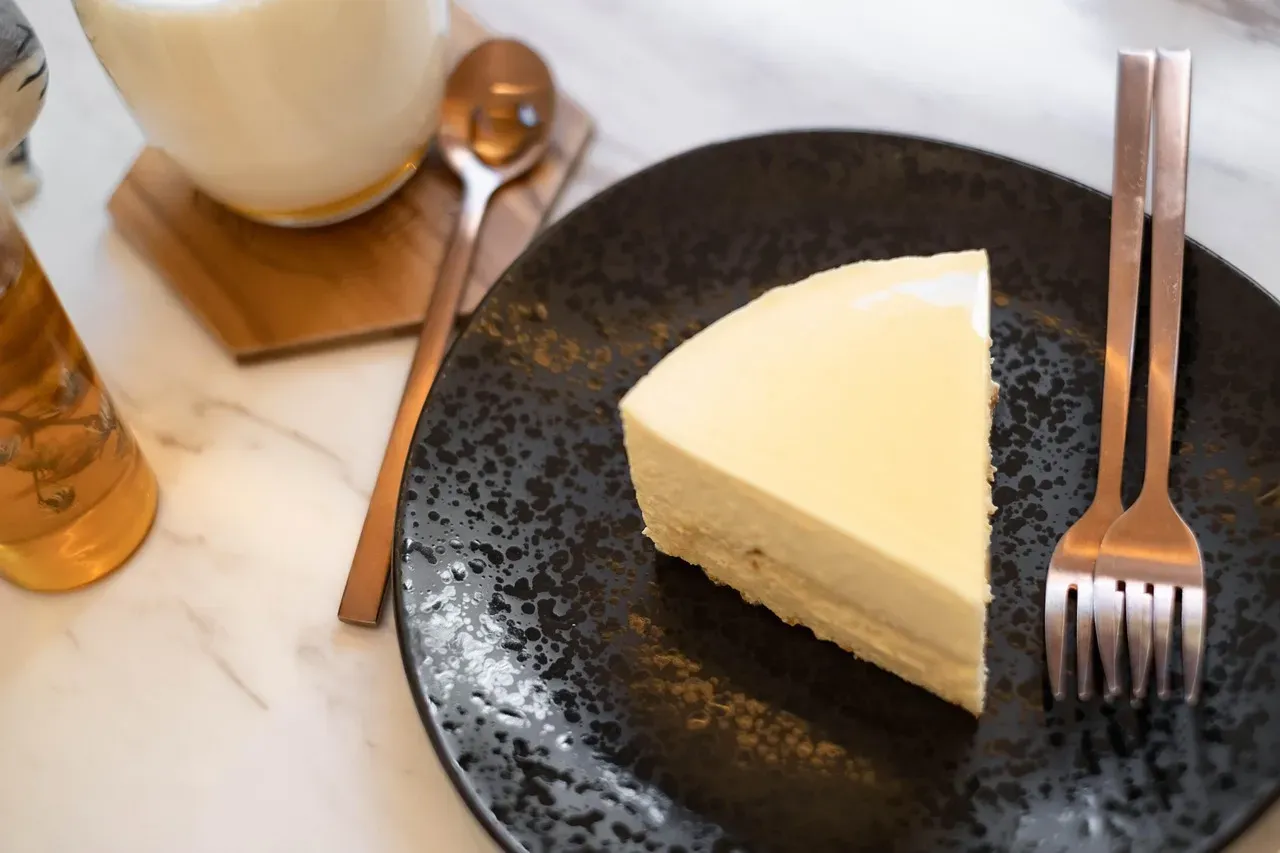
Baileys is a fantastic invention and stunning liqueur, and one of the best things people love Ireland for. It can be used in coffee, over ice, or, in this case, mixed into an insatiable cheesecake recipe. Who doesn't love cheesecake, and who doesn't love Baileys? Together, this is the perfect Irish dessert combination. It is hard to argue with that logic, honestly.
The cream cheese Baileys flavored filling sits upon a buttery Oreo biscuit base and slices like a dream. This no-bake cheesecake is quick to whip up and tastes rich, creamy, and indulgent. Irish cream liqueur seamlessly elevates frostings, creamy cheesecakes, decadent brownies, and a hot chocolate recipe that will knock your socks off. No-bake, deeply satisfying, and genuinely Irish in character. It is the kind of dessert that disappears from the table with suspicious speed.
8. Irish Soda Bread Pudding
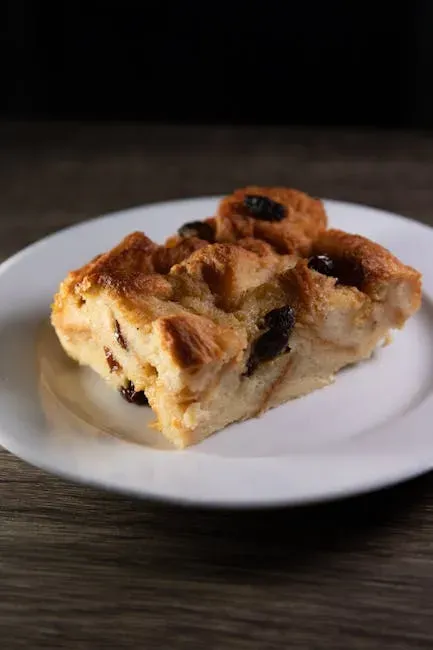
Soda bread pudding is traditionally prepared by mixing cut-up soda bread, raisins, and sultanas into a mixture of cream, milk, eggs, and sugar. The mixture is then baked in an oven, creating a rich and creamy St. Patrick's Day dessert. Serve your warm Irish soda bread pudding with a decadent creme Anglaise made with Bailey's Irish Cream liqueur for the perfect finishing touch.
Irish soda bread pudding transforms leftover soda bread into a warm, comforting dessert. You layer pieces of day-old Irish soda bread with custard and bake until golden. This traditional pudding uses simple ingredients like eggs, milk, and sugar. The dense texture of soda bread soaks up the creamy custard mixture. It is essentially what happens when two beloved Irish classics meet and decide to become something even better. Think of it like a culinary remix that actually works.
9. Carrageen Moss Pudding
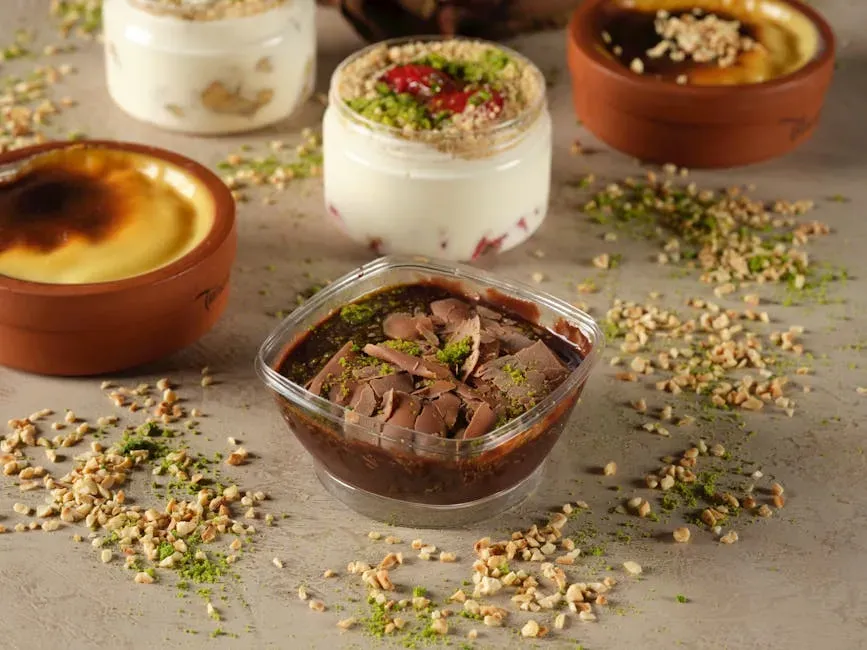
The thickening capability of carrageen isn't a new discovery; for centuries, the Irish have harvested this seaweed, commonly called Irish moss, for both medicinal and culinary applications. It was even employed during the Irish potato famine to add nutrients to milk. Today, carrageen moss pudding remains one of the most iconic Irish dishes everyone needs to try at least once. This is the one that surprises most people. Seaweed in a dessert? I know it sounds crazy, but trust the process.
This is a traditional Irish pudding made with seaweed, called "chondrus crispus," which also lends the dessert its name. The seaweed is cleaned, dried, then soaked in warm water and boiled in milk. Regular baking ingredients like eggs and sugar are then added to the mix. The pudding is served cold with whipped cream and fresh berries on top. The marine flavors of the seaweed are surprisingly subdued in this dessert. What carrageen moss pudding really needs to shine is a superb topping. Honey and fruit, perhaps infused with alcohol, can work wonders, as can a touch of vanilla.
The Emerald Isle's Sweet Legacy
Irish desserts are not trying to impress you with complexity. They are trying to feed you, warm you, and make you feel at home. That is exactly what the best food is supposed to do. Irish desserts offer a rich blend of traditional flavors and comforting ingredients passed down through generations. From the warming spices of apple cake to the bold flavors of Guinness-infused treats, these sweets reflect Ireland's culinary heritage and love for hearty, satisfying desserts.
Whether you bake an apple cake with custard, dive into a slice of Guinness chocolate cake, or try something as surprising as carrageen moss pudding, there is a genuine story behind every single bite. Some dessert trends don't go out of style. Classic, familiar flavors continue to be popular with a large section of consumers. Irish baking proves that beautifully. Which of these nine will be making an appearance on your St. Patrick's Day table this year? Tell us in the comments!



Leave a Reply