
You probably think your kitchen is pretty safe. Most people do. In fact, research has found that nearly all home cooks give themselves passing grades when it comes to food hygiene - yet when trained observers actually evaluate those same kitchens, the average score is failing. That gap between confidence and reality is exactly where foodborne illness lives.
The Centers for Disease Control and Prevention estimates that each year roughly one in six Americans - or about 48 million people - gets sick, 128,000 are hospitalized, and 3,000 die of foodborne diseases. Those are not numbers from a restaurant or a factory. Many of those cases trace back to ordinary home kitchens. So let's talk about what's actually going wrong, and what you can do about it. Let's dive in.
1. Skipping Proper Handwashing Before Cooking
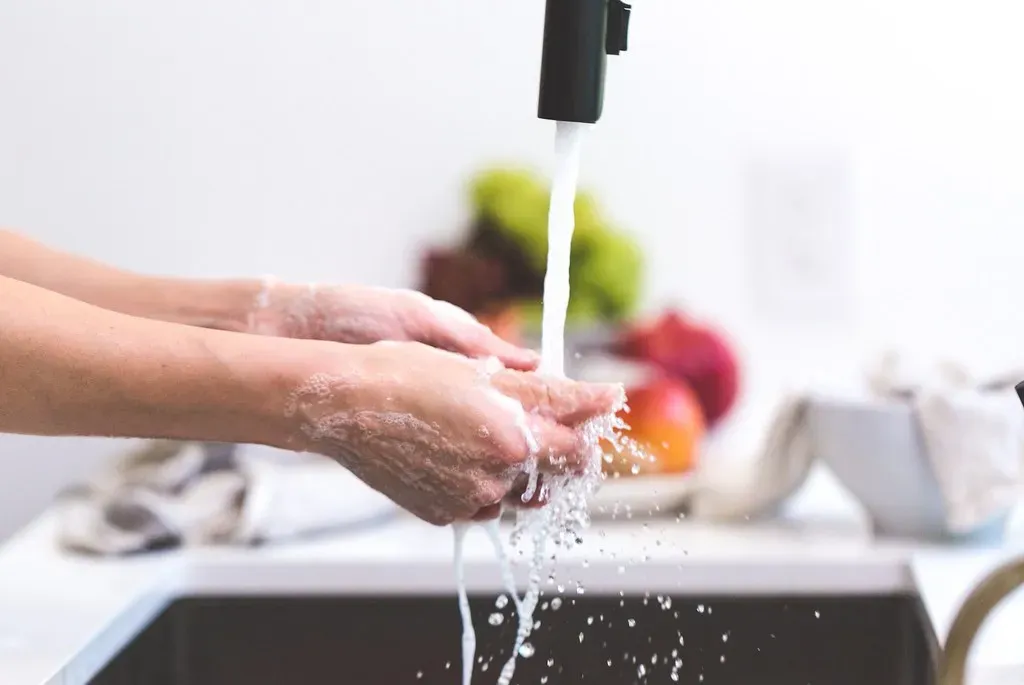
Here's a number that should stop you cold. A 2023 USDA study showed that participants failed to wash their hands correctly 97 percent of the time. Not occasionally. Not half the time. Nearly every single time, people got it wrong. That is a staggering failure rate for something we've been told to do since childhood.
In an experiment conducted by the Department of Agriculture, researchers evaluated the food safety habits of almost 400 people as they prepared turkey burgers and a salad in a test kitchen, and in 97 percent of the instances when the participants should have washed their hands, they didn't do so properly. Think about that the next time you grab a chicken breast straight from its packaging.
That USDA experiment also highlighted that improper handwashing can transfer bacteria to some unexpected places - salt, pepper, and spice containers could be a significant source of cross-contamination in the kitchen. Nearly half the people spread the virus from their hands to salt and pepper shakers and other spice containers that they used while cooking, more than any other surface. Honestly, that changes how you'll look at your spice rack forever.
Washing hands with warm water and soap for at least 20 seconds can help eliminate germs from your hands - and that means actually scrubbing, not just a quick rinse. Not rubbing hands was the biggest handwashing mistake people made in the USDA study.
2. Washing Raw Chicken in the Sink
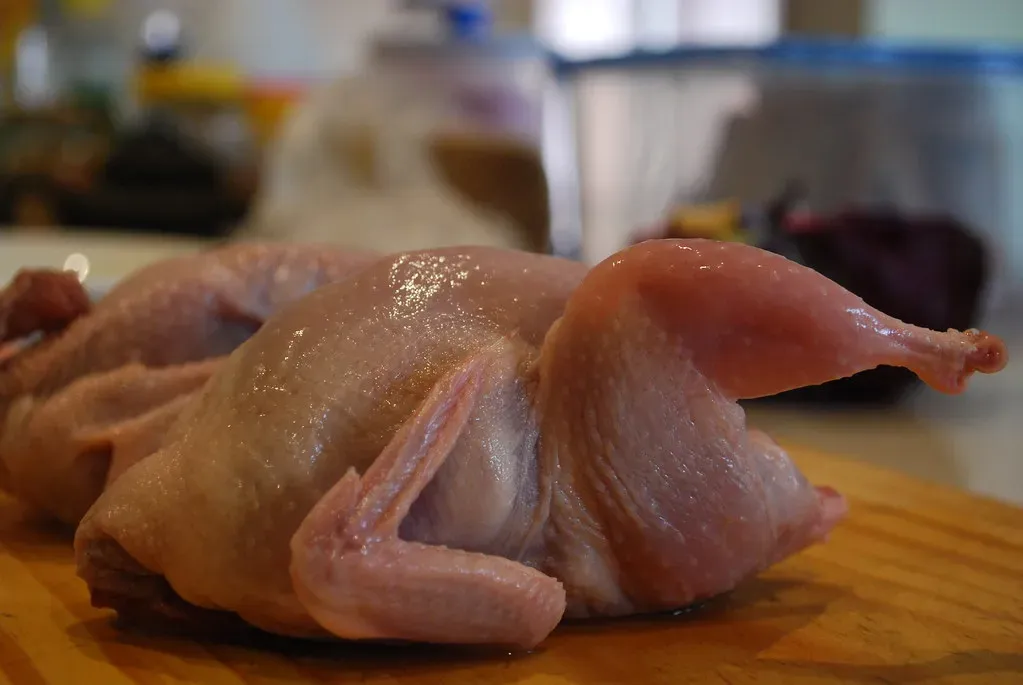
This one is deeply embedded in kitchen culture - the idea that you should rinse raw chicken before cooking it. Grandmothers swear by it. Whole families do it without thinking. While washing raw poultry may seem harmless, it is a sure way to spread harmful germs onto other parts of the sink, countertops, utensils, and other cooking equipment nearby.
Raw poultry is ready-to-cook so it doesn't need to be washed before cooking. According to the CDC, raw chicken can be contaminated with bacteria such as Campylobacter, Salmonella, or Clostridium perfringens, so skipping the wash actually helps prevent you and others from becoming sick. The washing does not remove bacteria - it just sends them airborne and onto every nearby surface.
Raw chicken is ready to cook and doesn't need to be washed first. Washing these foods can spread germs to other foods, the sink, and the counter and make you sick. Let that tradition go. Your family's health is worth more than a kitchen habit passed down through generations.
3. Cross-Contaminating Surfaces and Utensils

Cross-contamination occurs when bacteria are transferred from raw foods to ready-to-eat foods, surfaces, or utensils. For instance, this can happen when juices from raw meats come into contact with cooked meat, or when raw meat is cut on a cutting board and vegetables are subsequently cut on the same surface. It sounds like a simple mistake. It is. It's also one of the most common.
Putting cooked meat back on a plate that held raw meat is a classic case of cross-contamination, where germs from raw meat can spread to cooked meat. You should always use separate plates for raw meat and cooked meat. Think of it like this: that cutting board is a highway. If a truck carrying hazardous materials drives on it, you don't want a school bus using the same lane immediately after.
Use one cutting board or plate for raw meat, poultry, and seafood and a separate cutting board or plate for produce, bread, and other foods that won't be cooked. Color-coded cutting boards are a simple, inexpensive fix that professional kitchens have used for decades. There's a reason they do it.
4. Leaving Food in the "Danger Zone" Too Long
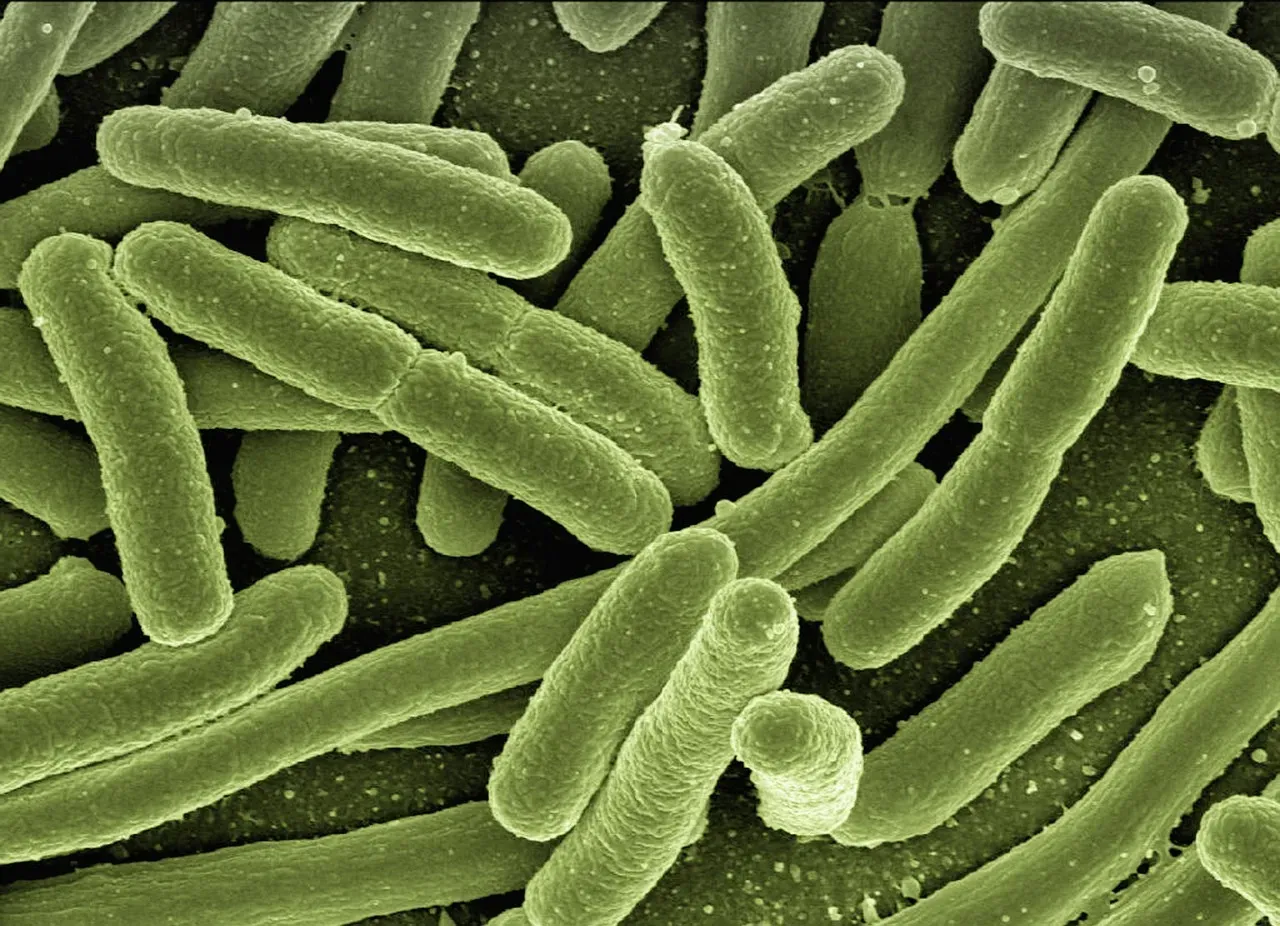
Bacteria grow most rapidly in the range of temperatures between 40°F and 140°F, doubling in number in as little as 20 minutes. This range of temperatures is often called the "Danger Zone." Most home cooks have no idea their dinner party spread is essentially a petri dish after two hours sitting on the table.
Leaving food out too long at room temperature can cause bacteria such as Staphylococcus aureus, Salmonella Enteritidis, Escherichia coli O157:H7, and Campylobacter to grow to dangerous levels that can cause illness. These aren't exotic laboratory pathogens. They are lurking in everyday kitchens, right now.
Never leave perishable food out for more than 2 hours - or 1 hour if exposed to temperatures above 90°F. Dangerous bacteria growth may occur without any visible signs that the food is unsafe for consumption. Foods may smell and appear normal but could contain harmful amounts of bacteria that will cause foodborne illness. If it looks fine and smells fine, that doesn't mean it is fine.
5. Thawing Frozen Food on the Counter
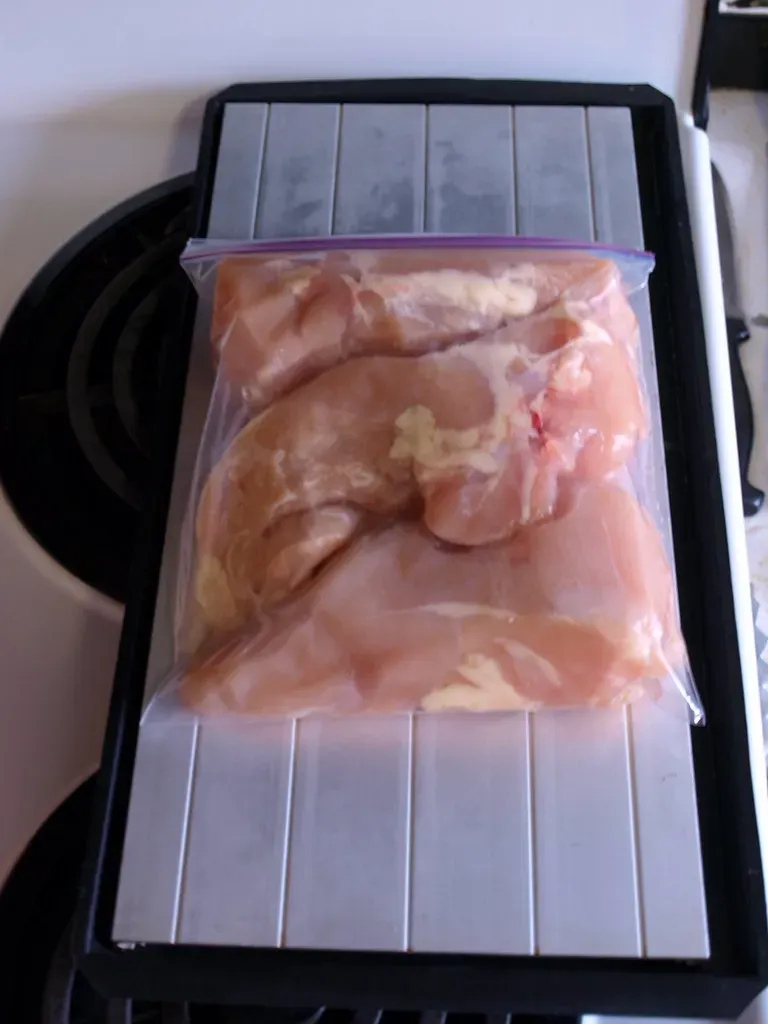
It's the kind of thing you do on autopilot. Pull the frozen chicken out of the freezer, set it on the counter, go about your day. Unsafe thawing practices are a common food safety mistake that can lead to the proliferation of harmful bacteria and potential foodborne illnesses. Thawing food at room temperature, such as leaving it on the kitchen counter, increases the risk of bacterial growth as the outer layers of the food may enter the danger zone where bacteria multiply rapidly.
Thaw frozen food safely in the refrigerator, in cold water, or in the microwave. Never thaw food on the counter because bacteria multiply quickly in the parts of the food that reach room temperature. The inside might still be frozen solid while the outside is already hosting a bacterial party. That is not an exaggeration.
Thawing in standing water can result in uneven thawing, creating pockets where bacteria can thrive. It is essential to thaw food safely in the refrigerator, under cold running water, or in the microwave using the defrost setting to minimize health risks. Plan ahead by a day. Your gut will thank you.
6. Not Using a Food Thermometer
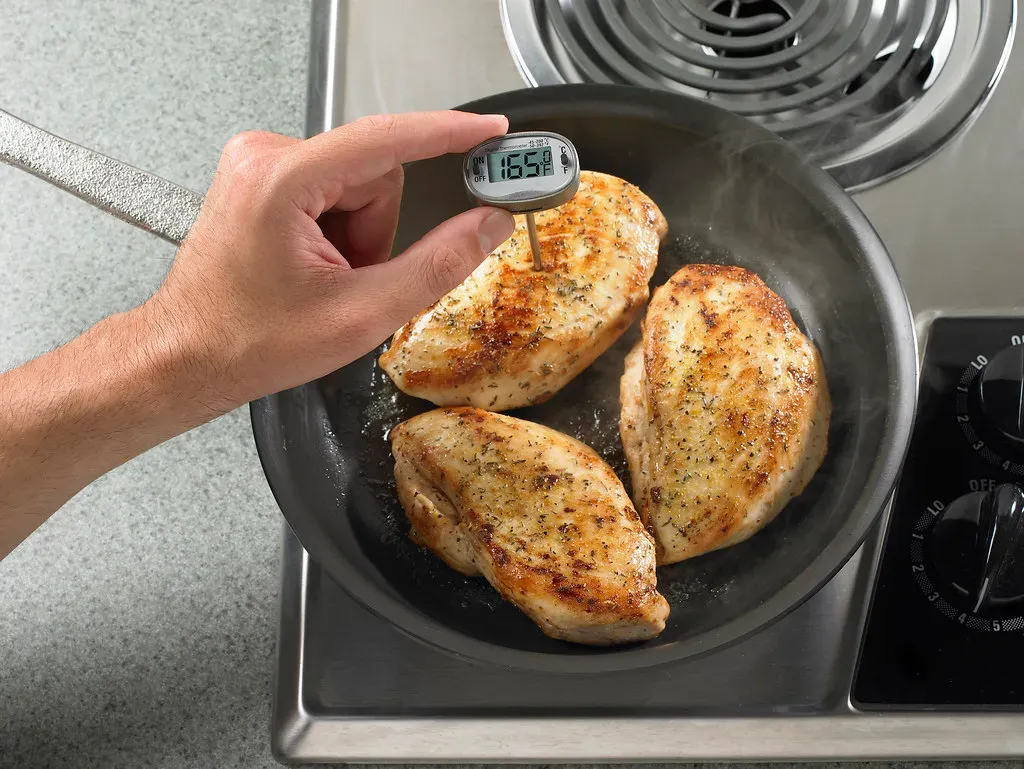
Let's be real - most home cooks still judge doneness by how something looks. Pink in the middle? Keep cooking. No pink? You're done. Not using a thermometer to test doneness is a major mistake. It's not enough just to look and see if the chicken is white inside and there are no pink juices - a thermometer needs to be used to make sure the chicken is cooked to at least 165 degrees Fahrenheit.
When foods are not cooked to recommended minimum internal cooking temperatures, harmful bacteria can multiply and make you sick. While you may think a food is done by giving it a good look, it is always recommended to use a food thermometer to measure doneness. Visual cues are simply unreliable. Color is not a safety guarantee.
One of the best ways to protect yourself and your loved ones from foodborne illness is to make sure you're cooking your meat, poultry, fish and leftovers to the correct temperature. All poultry and leftovers should be cooked to 165°F and pork, meat and fish to 145°F. Have a meat thermometer on hand in the kitchen to make checking temperatures a breeze. A decent meat thermometer costs next to nothing and could save you a week in bed - or worse.
7. Setting the Refrigerator at the Wrong Temperature
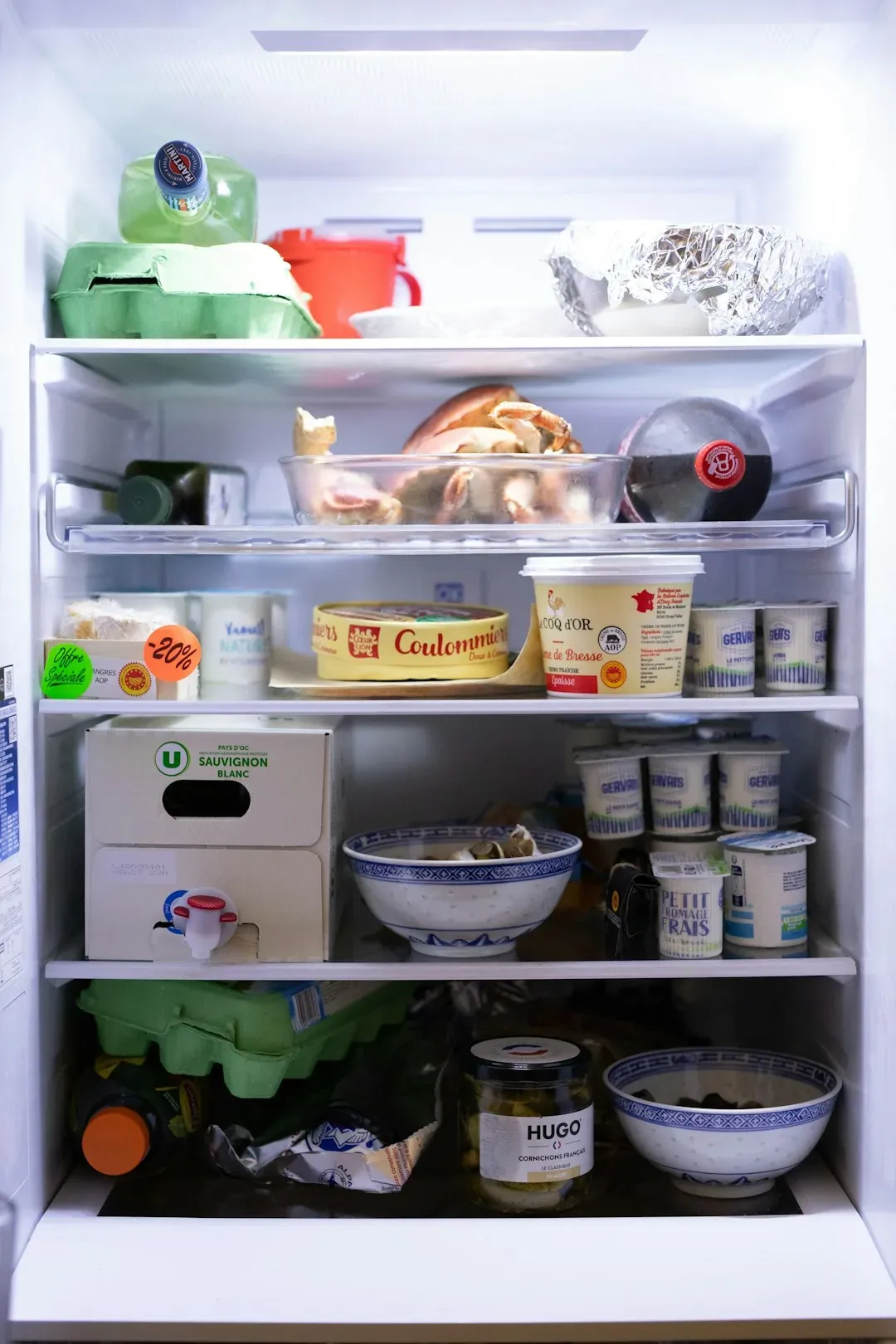
Research found that when the temperatures of participants' refrigerators were taken, one was as high as 60 degrees Fahrenheit, and almost 15 percent were about 45 degrees Fahrenheit - which is too warm. That's nearly one in seven home refrigerators running too hot to keep food safe. Most people have no idea.
The refrigerator should register at 40 degrees Fahrenheit and the freezer at 0 degrees Fahrenheit. If your refrigerator doesn't have a built-in thermometer, keep an appliance thermometer inside it to check the temperature. It's a two-dollar fix that most households skip entirely.
Overcrowding of refrigerators and freezers can obstruct airflow and affect temperature control, leading to uneven cooling and possible food spoilage. Think of a packed fridge like a traffic jam - the cold air can't circulate, and some spots end up warmer than they should be. Keep your refrigerator at 40°F or below and your freezer at 0°F or below, and know when to throw food out before it spoils.
8. Improper Storage of Leftovers
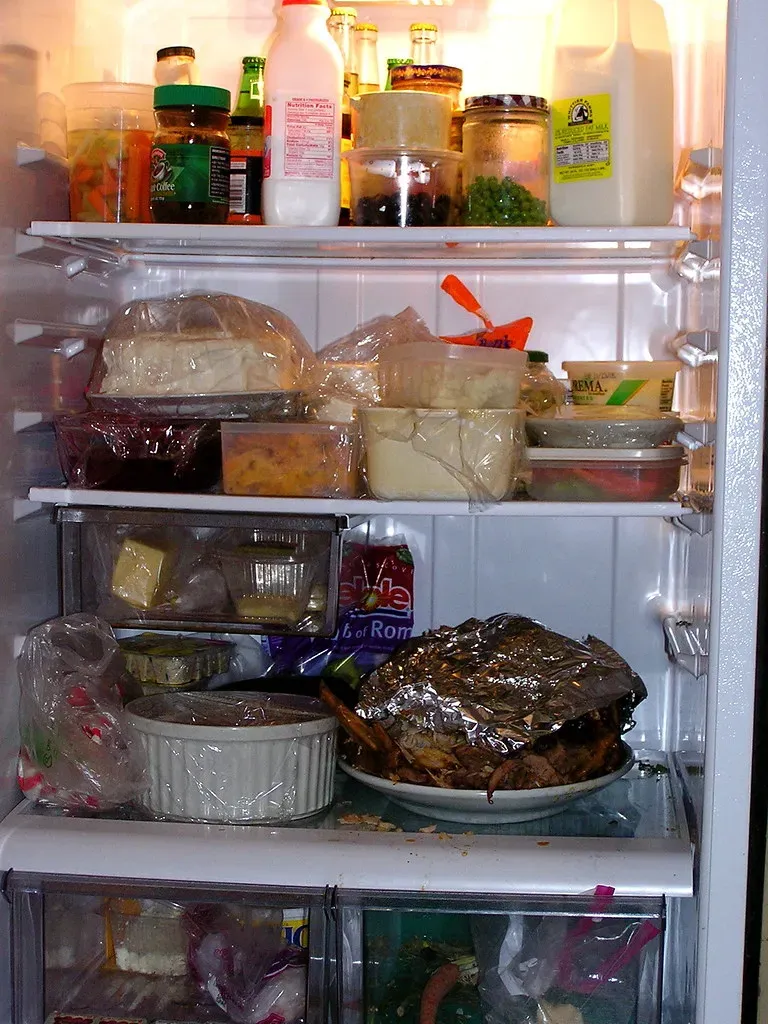
The leftover situation in most kitchens is a slow-motion food safety disaster. One of the most common causes of foodborne illness is improper cooling of cooked foods. Bacteria can be reintroduced to food after it is safely cooked. For this reason leftovers must be put in shallow containers for quick cooling and refrigerated at 40°F or below within two hours.
Placing hot food directly into your refrigerator or freezer is not recommended because it endangers the food around it by raising the ambient temperature. This creates the possibility of other foods in your refrigerator entering the temperature danger zone and developing bacteria without you even knowing. So rushing it into the fridge too hot isn't great either. Divide it into shallow containers first so it cools quickly and safely.
Tasting or smelling food to see if it's still good is a dangerous approach. You can't see, taste, or smell the germs that cause food poisoning. If you are smelling your milk or tasting a small bite of something, remember: "when in doubt, throw it out." Tasting only a tiny amount of bad food can make you very sick. That leftover rice from three days ago might smell completely fine and still take you down hard.
9. Ignoring Recalled Products Already in Your Home
Food recalls flooded the headlines in 2024, with a new, scary announcement surfacing every couple of weeks at times. It created the aura of a sudden change in the safety of our food. The bigger problem? Most people don't check whether products they already bought are among those recalled.
In 2024, roughly 1,392 people became ill from food that was recalled - with nearly all of them falling sick from just 13 outbreaks, which illustrates what can happen when companies produce or sell contaminated food. Hospitalizations and deaths from contaminated food doubled in 2024, with undeclared allergens, pathogens like Listeria, Salmonella, and E. coli, and toxic contaminants driving the most recalls.
The breadth of recalls and outbreaks in 2024 spanned nearly every sector of the food industry, including multi-state outbreaks tied to carrots, walnuts, cantaloupes, cucumbers, onions, and ready-to-eat meals. Throw away recalled foods and clean your refrigerator if you stored a recalled food there. Sign up for FDA or USDA recall alerts. It takes about two minutes and could matter a great deal.



Leave a Reply