
Most of us know the feeling. You lie in bed, staring at the ceiling, mind spinning, body restless. You think about everything you did wrong today, everything you need to do tomorrow, and - at some point - what you ate for dinner. That last one? Turns out it matters way more than most people realize.
The link between food and sleep isn't just folk wisdom passed down from grandmothers. It's now backed by a growing wave of serious science. Researchers from Columbia University, the University of Chicago, and institutions worldwide are digging into exactly how your plate shapes your night. What they're finding is fascinating - and sometimes a little alarming. Let's get into it.
1. Tart Cherries: Nature's Melatonin Bomb

If there's one food that keeps showing up in sleep research, it's tart cherries. Tart cherries are a great source of phytochemicals, and they contain substantial amounts of melatonin, serotonin, and tryptophan, which accentuates their potential sleep-promoting properties. That's a pretty powerful combination.
In one study, the cherry juice condition produced a statistically significant increase of time in bed (25 minutes), total sleep time (34 minutes), and sleep efficiency, with a roughly 17 percent increase in urinary melatonin metabolite levels. Those are real, measurable gains - not just a placebo effect.
Those who drank about one cup of tart cherry juice in the morning and another cup one to two hours before bed for two weeks saw their sleep time increase by 84 minutes. Honestly, for a simple glass of juice, that's remarkable. If you're going to try it, opt for pure concentrate without added sugar - the sugar could undermine the benefits.
2. Kiwifruit: The Little Green Sleeper
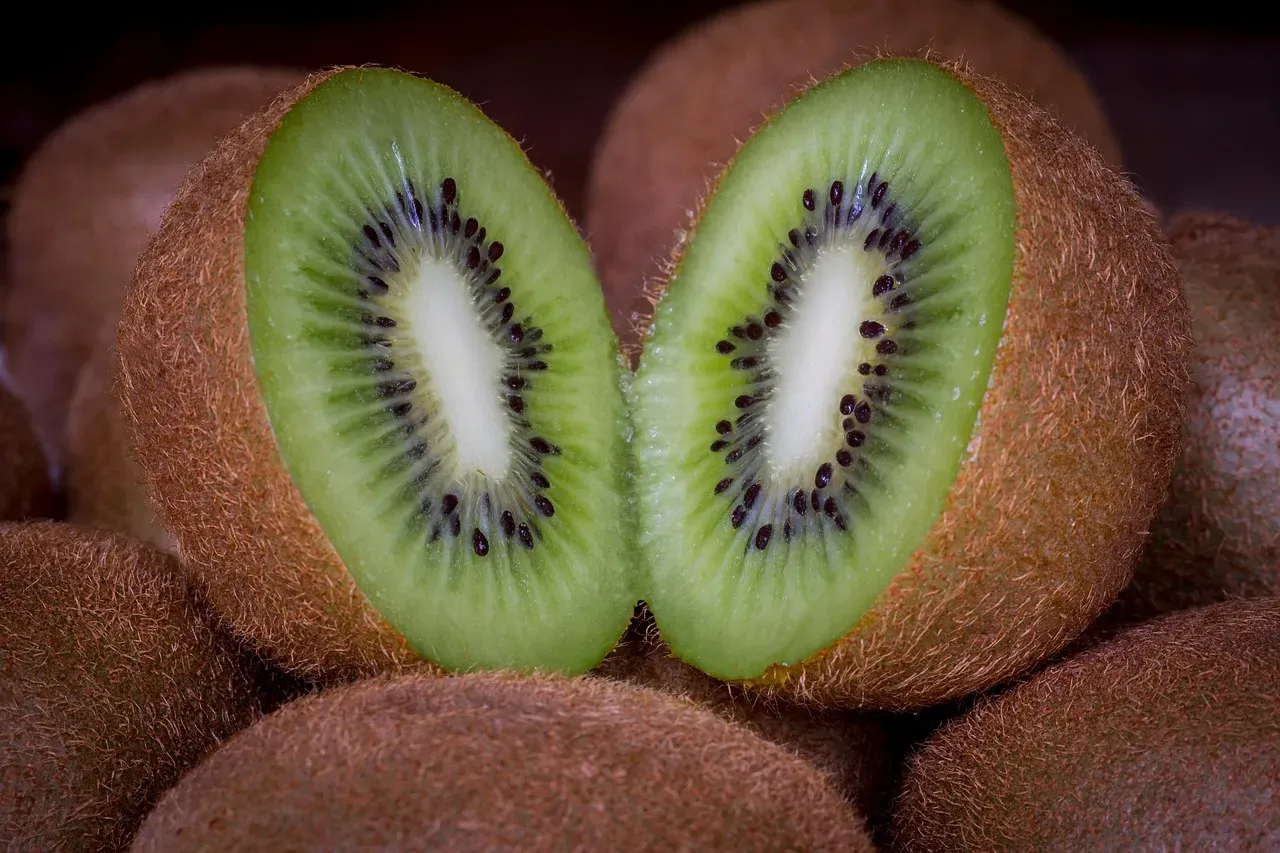
Kiwifruit is quietly one of the most compelling sleep foods out there, and I think it deserves far more attention than it gets. Numerous studies have revealed that kiwifruit contains many medicinally useful compounds, among which antioxidants and serotonin may be beneficial in the treatment of sleep disorders.
After four weeks of kiwifruit consumption, sleep onset latency was significantly decreased by roughly 35 percent, while total sleep time and sleep efficiency were both significantly increased. Kiwifruit consumption may improve sleep onset, duration, and efficiency in adults with self-reported sleep disturbances.
Kiwifruit is rich in phenylalanine, tyrosine, tryptophan, glutamic acid, and serotonin, which are further metabolized to produce dopaminergic, serotoninergic, and GABAergic neurochemicals. These neurotransmitters are vital in the regulation of sleep and wake cycles. Two kiwis about an hour before bed - it really is that simple to try.
3. Fatty Fish: The Omega-3 Connection

Salmon, mackerel, sardines. They're not exactly what most people reach for at dinner with sleep in mind. They should be. The omega-3 fats and vitamin D in fatty fish can boost serotonin, which can help your sleep. Some research suggests that people who eat fish three times a week sleep better and function better throughout the day.
Studies have linked consumption of fatty fish, dairy, kiwifruit, tart cherries, and other berries such as strawberries and blueberries with better sleep. The key nutrients at work here are the fatty acids that help regulate serotonin, the precursor to your body's own melatonin production.
In general, diets rich in fiber, fruits, vegetables, and anti-inflammatory nutrients and lower in saturated fat - such as the Mediterranean diet - were associated with better sleep quality. Fatty fish fits perfectly into that broader pattern, making it a dual-purpose addition to your weekly meal plan.
4. Almonds and Walnuts: Handful of Sleep
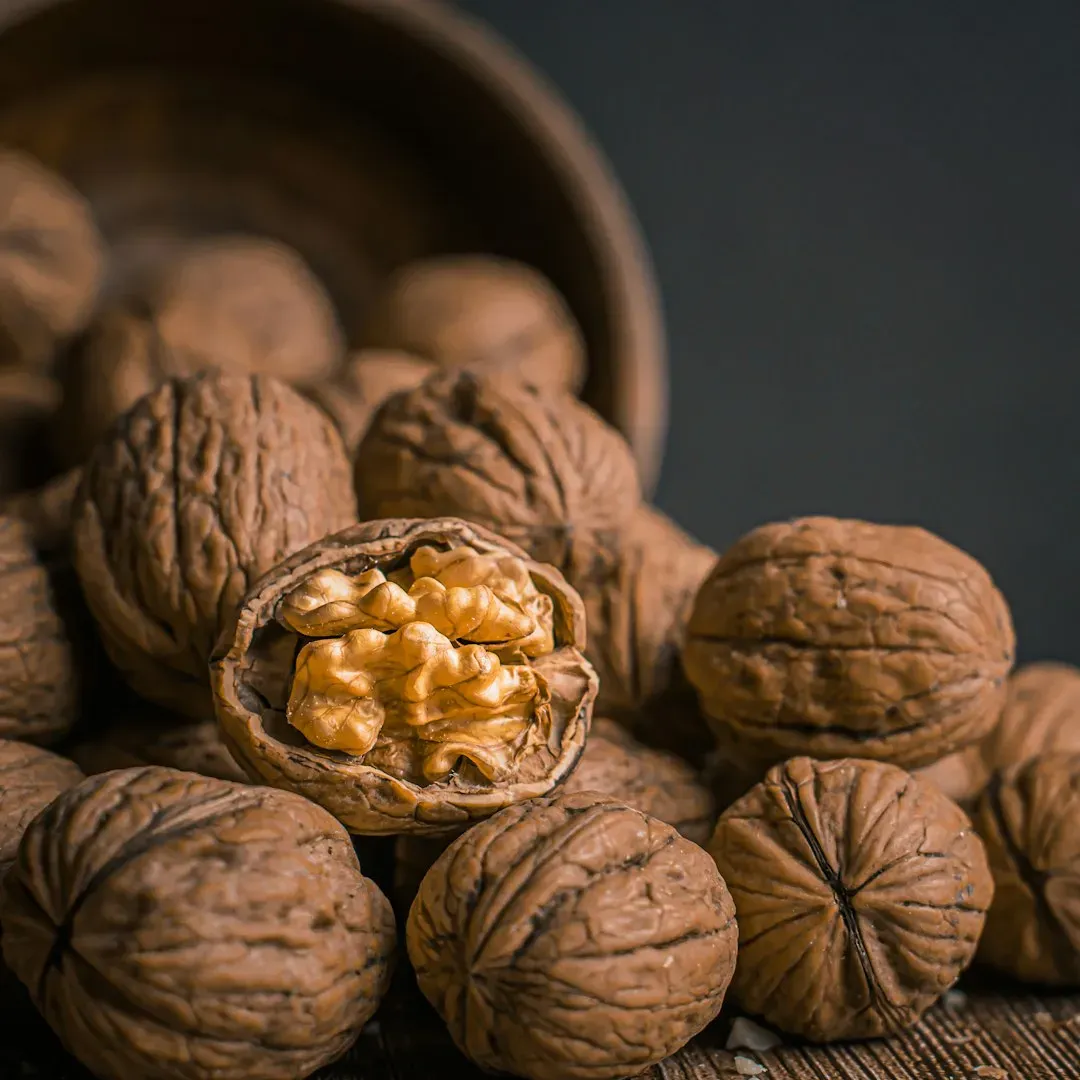
Here's a snack worth swapping your chips for. Almonds are a good source of magnesium, a key mineral essential for a good night's sleep. Magnesium can help your muscles relax and may lower levels of the stress hormone cortisol. Almonds also contain melatonin. You get a calming mineral and a sleep hormone - in the same small handful.
Not only are many nuts high in heart-healthy fat, but some also have the hormone melatonin, which helps regulate your sleep-wake cycle. Walnuts, in particular, are among the nut family's highest sources of naturally occurring serotonin, which the body then converts into melatonin downstream.
You can find tryptophan in almonds, barley, brown rice, chia seeds, lentils, oats, pumpkin seeds, salmon, tofu, turkey, walnuts, white beans, and yogurt. Think of it as building a sleep toolkit across the day, not just at bedtime. Consistency matters more than a single late-night snack.
5. Bananas: More Than Just a Potassium Fix
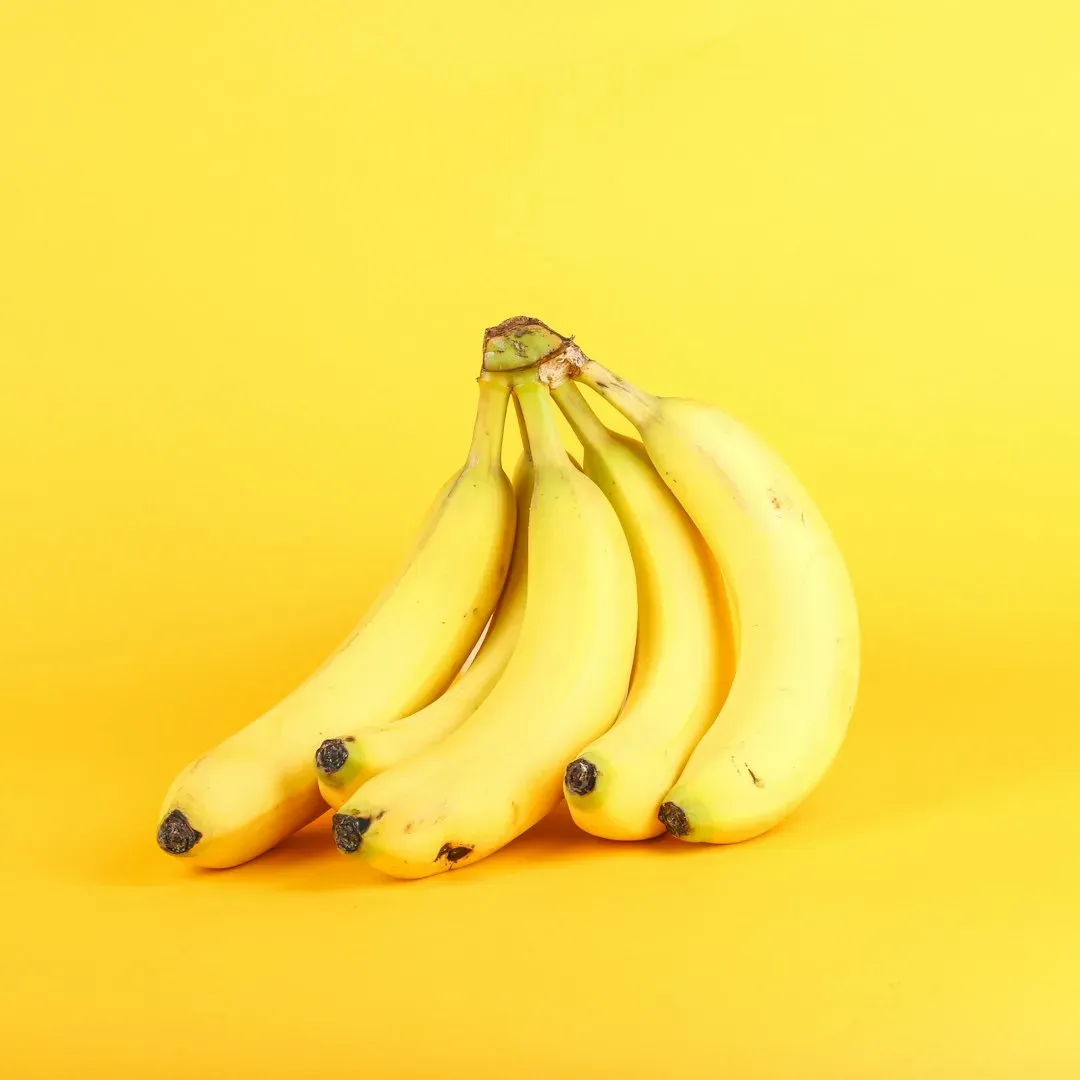
Bananas might be the most underrated sleep food in the grocery store. Most people think of them as a workout snack or a quick breakfast. Few think of them as a bedtime staple. Bananas contain tryptophan, an amino acid that helps your body make serotonin and melatonin. Bananas also contain magnesium and potassium, minerals that may help calm your nervous system and relax your muscles.
Tryptophan is an amino acid we get from food, and it's converted to serotonin and melatonin in the brain - chemicals that play an important role in sleep. The banana essentially gives your body the raw ingredients it needs to manufacture its own sleep hormones. That's pretty elegant, when you think about it.
It's worth noting that tryptophan isn't a sedative. Work these ingredients into your diet to promote healthier sleep over time - not as a magic one-night fix. A banana with a tablespoon of almond butter before bed? That's a solid, evidence-informed evening snack.
6. Oats: The Complex Carb That Calms You Down
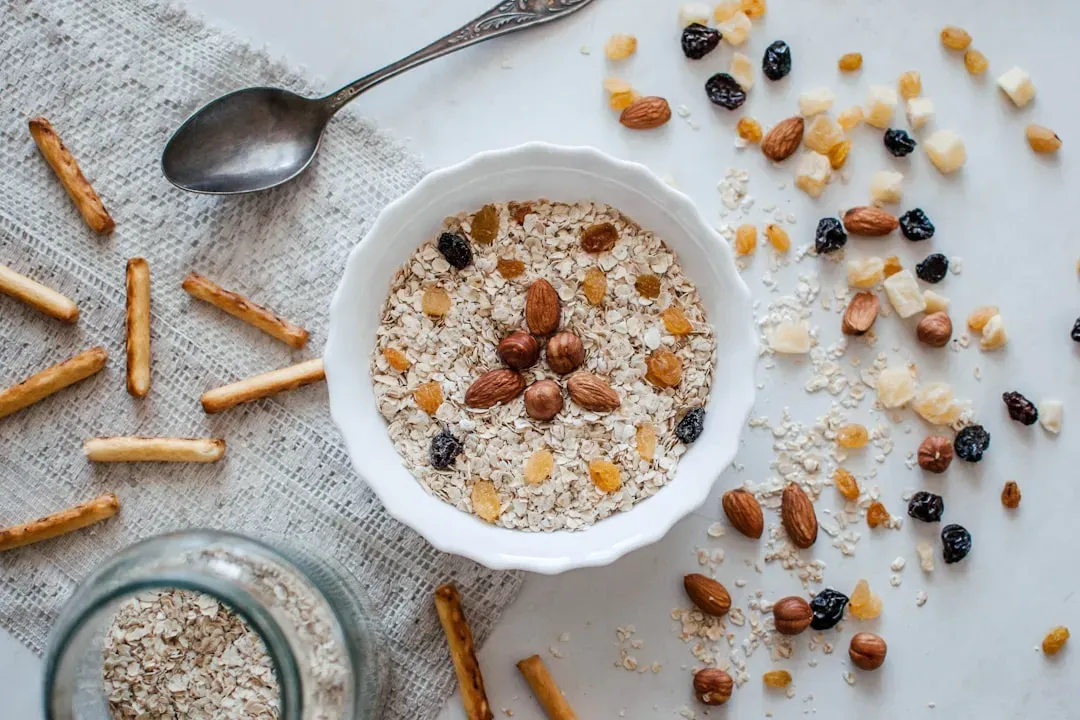
A warm bowl of oatmeal at night sounds almost counterintuitive. Isn't that a breakfast thing? Well, let's rethink that. Oats are another food with natural melatonin. They may boost serotonin levels by helping your body absorb tryptophan. Oats are also complex carbohydrates, which help you avoid a blood sugar spike and dip that you might get with simple carbs. Stable blood sugar levels promote better quality sleep.
Eating complex carbohydrates such as whole-wheat toast or a bowl of oatmeal before bed will trigger the release of the sleepy hormone serotonin, and they don't take long to digest. That's the sweet spot - foods that signal sleep without burdening your digestive system overnight.
Participants who ate more fruits and vegetables during the day tended to have deeper, more uninterrupted sleep that same night, as did those who consumed more healthy carbohydrates like whole grains. Oats fit squarely in that category. Think of them as a slow-burn sleep investment that pays dividends by midnight.
7. Chamomile Tea: An Ancient Remedy With Real Science Behind It

Chamomile tea has been used as a calming bedtime drink for centuries. And for once, traditional wisdom and modern research actually agree. Chamomile contains apigenin, an antioxidant that can help you feel sleepy. Apigenin binds to specific receptors in the brain that promote relaxation and reduce anxiety - which is the last thing you need when you're trying to wind down.
A systematic review and meta-analysis published in Complementary Therapies in Medicine in September 2024 examined the effects of chamomile on sleep across multiple clinical trials. This kind of structured analysis carries a lot more weight than a single study, and it adds legitimate scientific credibility to what people have known intuitively for generations.
It's not a sedative, and it won't knock you out. But for people who struggle with anxious, racing thoughts at bedtime, chamomile tea is a gentle, accessible, and genuinely research-supported addition to an evening wind-down routine. It's one of those small habits that, over time, actually moves the needle.
8. Eggs: A Surprising Melatonin Source
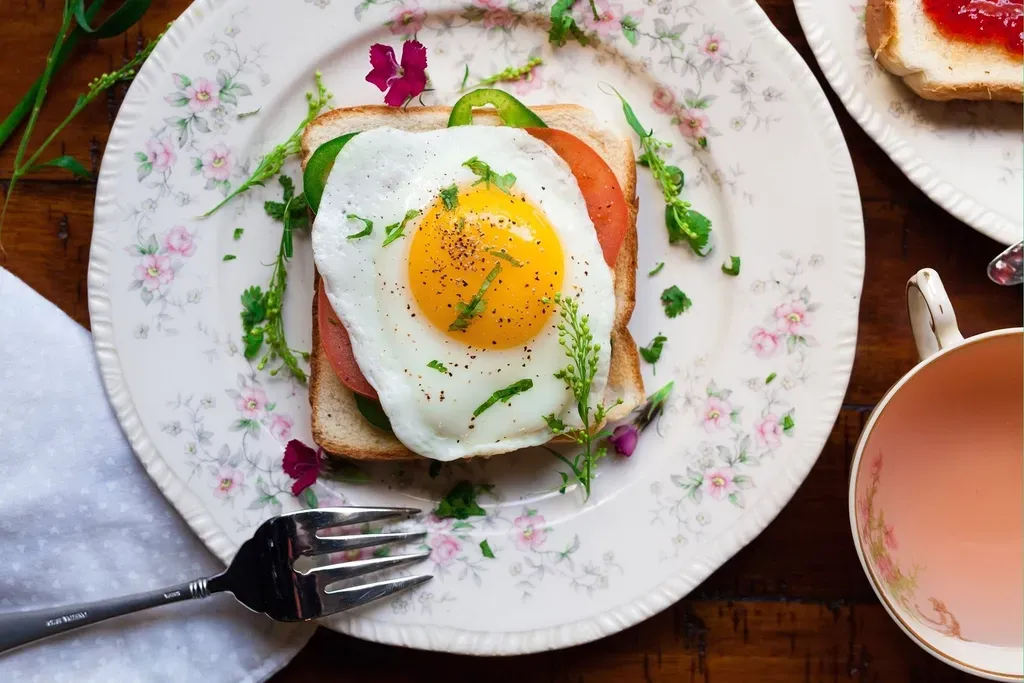
Here's one that surprises most people. Eggs, that humble breakfast staple, actually contain a notable amount of sleep-promoting compounds. In addition to plant-based foods, certain foods derived from animals also contain some melatonin. Eggs are one good example. They contain 1.54 ng/g of melatonin. Some research even suggests they boast more of this sleep-inducing hormone than other animal sources like meat.
The key is to pick foods that contain nutrients and other compounds known to promote relaxation and sleep, such as tryptophan, an amino acid that promotes serotonin production. Serotonin is a hormone that helps regulate your sleep. Your body can't produce tryptophan on its own - it has to be obtained through your diet. Good sources include turkey, chicken, fish, eggs, cheese, edamame, peanuts, tofu, quinoa, and pumpkin seeds.
The takeaway here isn't to eat eggs at midnight - it's to build them into a balanced diet throughout the day. Research suggests that overall, having a balanced, whole-food diet is helpful. Focusing on a diet heavy in plants but also high in whole grains, fiber, and protein sources that are lower in saturated fats supports the kind of steady, deep sleep your body actually needs.
9. Fruits and Vegetables: The Broadest Sleep Prescription

If you're looking for a single dietary habit with the strongest science behind it, this is it. A study led by researchers at the University of Chicago Medicine and Columbia University found that eating more fruits and vegetables during the day was associated with sleeping more soundly later that same night. Same day. The connection is that direct.
Based on their findings and statistical modeling, the researchers estimate that people who eat the CDC-recommended five cups of fruits and vegetables per day could experience a 16 percent improvement in sleep quality compared to people who consume no fruits or vegetables. That's a significant, measurable difference - from food alone, no supplements required.
Many fruits and vegetables are good sources for multiple sleep-supporting nutrients. That includes serotonin, melatonin, and micronutrients like magnesium, vitamin B6, and folate, which also help the body produce melatonin. In other words, when you eat a colorful plate, you're giving your brain a comprehensive toolkit for quality sleep. Think of it less like a diet and more like a nightly investment.
The Wakefulness Culprits - 5 Foods That Steal Your Sleep

Now for the other side of the plate. Knowing what helps you sleep is only half the battle. Aiming for higher intake of sleep-promoting foods isn't necessarily enough to get better sleep. It's also important to avoid certain foods that could be bad for sleep. Saturated fats, such as that found in burgers, fries, and processed foods, could lead to less slow-wave sleep, which is considered the most restorative sleep.
Let's be real: most people know caffeine is a problem. What they don't know is how far its reach extends. A study of popular coffee establishments revealed that some decaf brews contained more than 13 milligrams of caffeine in a 16-ounce serving. Other surprising sources of caffeine can include certain non-cola sodas, chocolate and cocoa products, ice cream, and breakfast cereals. Yes, even the ice cream you reach for as a late-night treat.
Caffeine has an average half-life of six to seven hours. To put this into context: if you have a cup of coffee after your evening meal at 7 pm, by 1 am, 50 percent of the caffeine is still circulating around your brain tissue. That's genuinely alarming when you see it spelled out that way. Cutting off caffeine well before the afternoon is not optional - it's essential.
Alcohol is another major offender, and it's sneaky. Alcohol can have a negative effect on REM sleep. It decreases the amount of REM sleep you get. Not only does alcohol diminish that important REM sleep, but it can change the amount of time you spend in the lightest stage of sleep and lead to frequent awakenings. You might fall asleep faster after a glass of wine, but the quality of that sleep is compromised throughout the night.
Spicy food is another one that catches people off guard. Eating spicy foods can cause heartburn, which can impact your sleep, and when you lie down, that acid reflux often worsens. If you have sleep apnea, your symptoms may worsen too. Research shows that consuming red pepper can increase your core body temperature, which is disruptive since core body temperature naturally drops during sleep. A fragrant curry an hour before bed is essentially fighting your body's own sleep signals.
Finally, sugar deserves its own mention. A sweet surge spikes your blood glucose, giving you that "wired but tired" feeling, and when your levels crash later, it can jolt you awake or fragment your sleep. Studies also show diets high in added sugar are linked to lighter, less restorative sleep. That late-night bowl of cereal or handful of cookies isn't as harmless as it seems.




Leave a Reply