
You sit down at a casual dining spot, scan the menu, and feel genuinely excited. The descriptions sound fantastic. But what's actually happening in the kitchen when your order gets called? Quite often, a line cook is pulling something straight from a freezer bag rather than reaching for a cutting board.
A recent survey found that roughly two in five foodservice operators are now sourcing more frozen foods than they did in 2019, and the trend isn't slowing down. The language on menus has adapted to keep up. Some phrases have become almost like a quiet code. Let's decode it together.
1. "Crispy Golden" – The Deep Fryer's Best Marketing Line
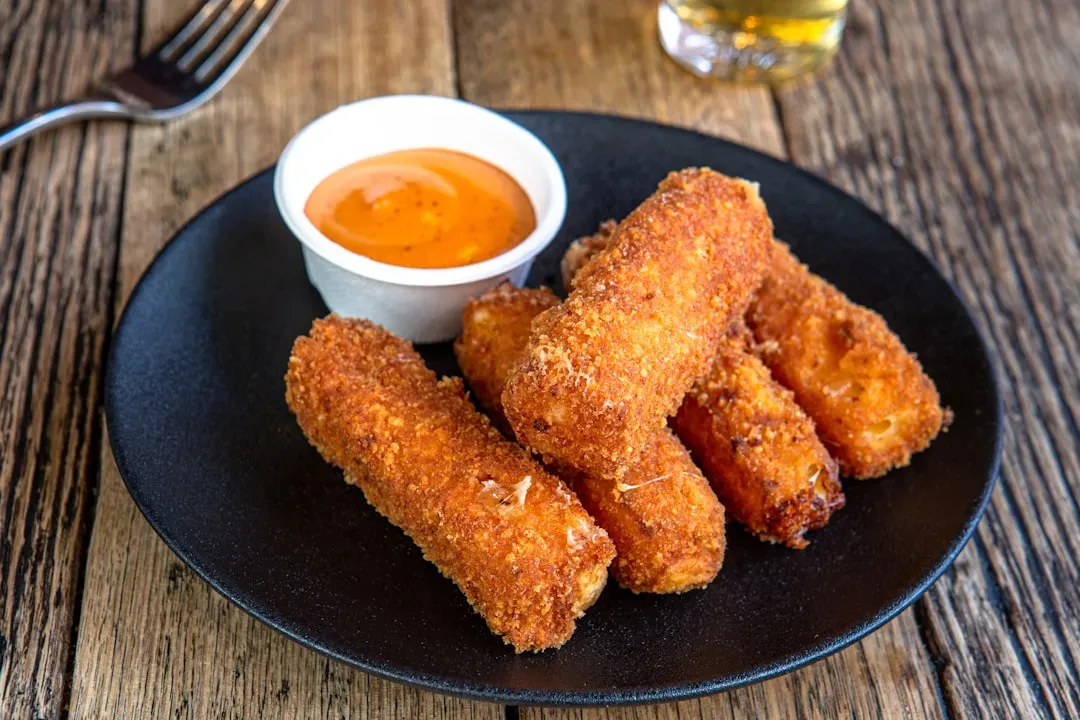
Walk into almost any casual chain restaurant and you'll find something described as "crispy golden" on the appetizer section. It sounds like someone just pulled a masterpiece out of a pan, lovingly tended over heat. Honestly, though, this phrase is one of the most reliable signals that what you're about to eat came out of a freezer bag.
Onion rings are a perfect example. Making them from scratch results in a wide range of sizes that lead to uneven cooking and varying cook times, and the breading tends to slide right off the onion. To minimize the room for error and save considerable amounts of time, many restaurants choose to serve frozen onion rings. That perfectly uniform golden ring? It had a factory making it look that way before it ever touched your plate.
2. "Loaded" Anything – A Word That Masks Pre-Assembled Portions
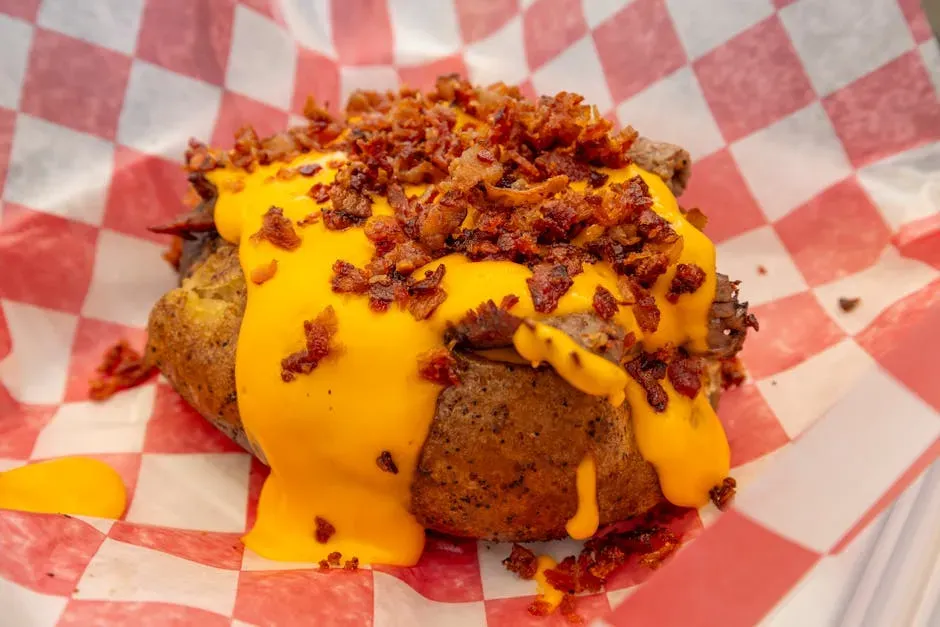
Menus that feature the word "loaded" are promising big, generous flavors stacked together. Think "Loaded Potato Skins" or "Loaded Nachos." It's designed to make your mouth water. Here's the thing, though: "loaded" often means it arrived pre-loaded, in a vacuum-sealed pack, from a distributor.
One food service veteran recalled working at a sports bar where the potato skins were definitely frozen, with just a fresh garnish of green onion added on top. Guests occasionally sent them back because the skins were hard and the toppings were lackluster. After comparing notes with industry friends, they confirmed the same frozen potato skins popping up in multiple kitchens. A particularly telling detail: if you can't modify the dish, like asking for it without bacon, it's a strong sign it's a pre-assembled frozen product.
3. "House Special" – The Phrase That Could Mean Almost Anything
"House Special" feels personal, doesn't it? Like the chef invented something unique for your visit. In reality, this phrase often serves as an umbrella term for a dish that gets ordered through a broadline food distributor and arrives frozen. There's nothing illegal about that. It's just not quite what it sounds like.
The use of frozen food in general is a significant cost saver for restaurants. Utilizing ready-to-cook and ready-to-eat frozen ingredients reduces labor costs greatly, cutting the need for prep work and enabling restaurants to hire less experienced workers at lower wages. When something is labeled "house special," it may well be a vendor's special that gets dressed up with the restaurant's branding.
4. "Signature Calamari" – Fresh Squid Is Rarer Than You Think
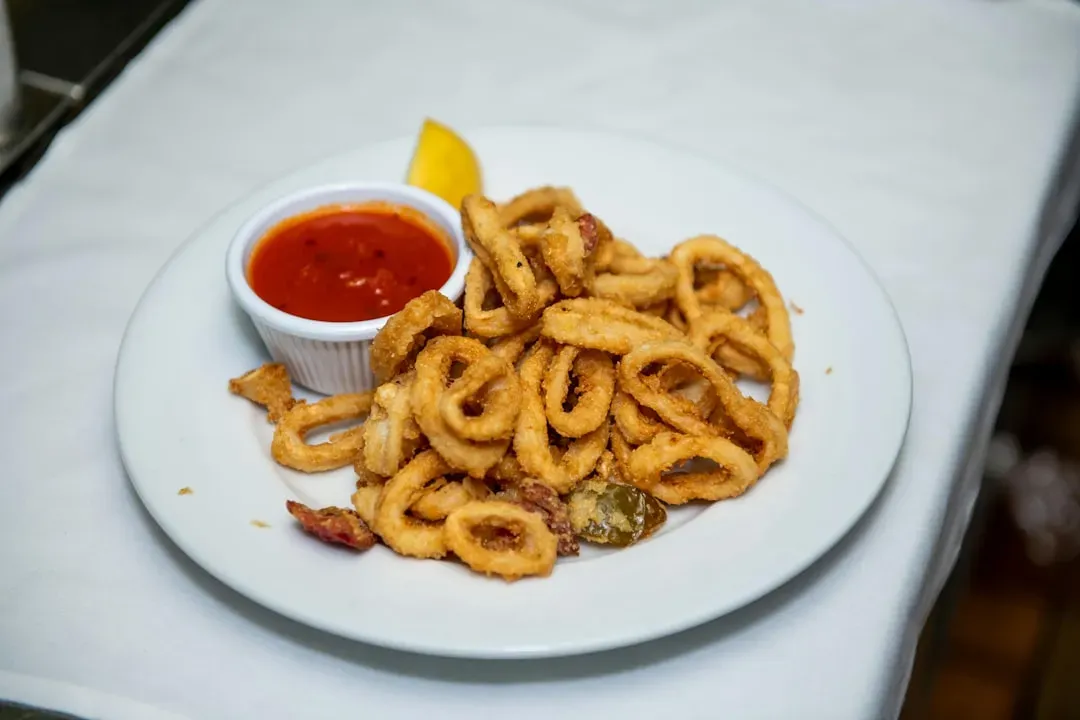
Calamari is one of those dishes that feels elevated, sophisticated even. The word "signature" attached to it makes it sound like a chef spent years perfecting a secret recipe. What former line cooks routinely reveal, however, is that the squid itself almost never starts fresh at the average restaurant.
Calamari is a super popular appetizer, crunchy, chewy, and flavorful. Cooking squid at home can be quite intimidating, so ordering it from a restaurant feels like the better option. Still, unless you're dining at a restaurant that specifically specializes in fresh seafood, calamari almost always starts frozen. The "signature" part usually refers to the dipping sauce, which may indeed be made in-house. The squid? Pulled from a freezer.
5. "Classic Wings" – A Crowd Favorite Built on Frozen Inventory
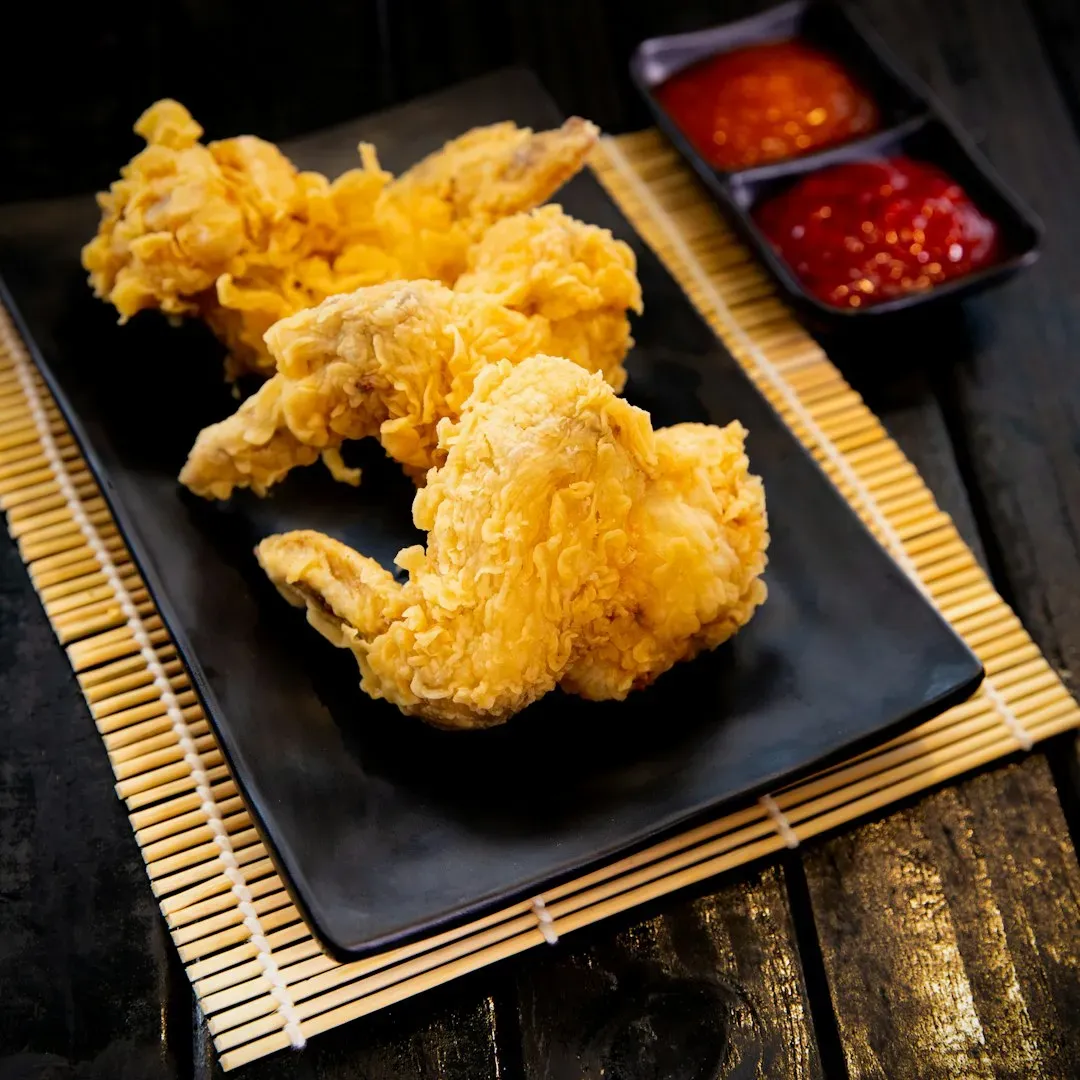
Chicken wings might be the most ordered bar food item in America, and the word "classic" appears on menus everywhere to describe them. "Classic" implies tradition, simplicity, something made the right way. What it really implies, more often than not, is a product that arrived frozen and goes directly into the fryer.
Many restaurant veterans confirm that all but one of the restaurants they've worked at served frozen wings. Restaurants use frozen wings because they keep far longer in a freezer than raw chicken does in the fridge. Frozen chicken wings can even be tossed into the deep fryer without thawing first, which minimizes food safety concerns around raw meat and saves line cooks significant time. For a kitchen that serves hundreds of wings a day, frozen wings paired with house-made sauces is a genuinely practical combination.
6. "Hand-Crafted" Appetizers – Read the Fine Print on That One
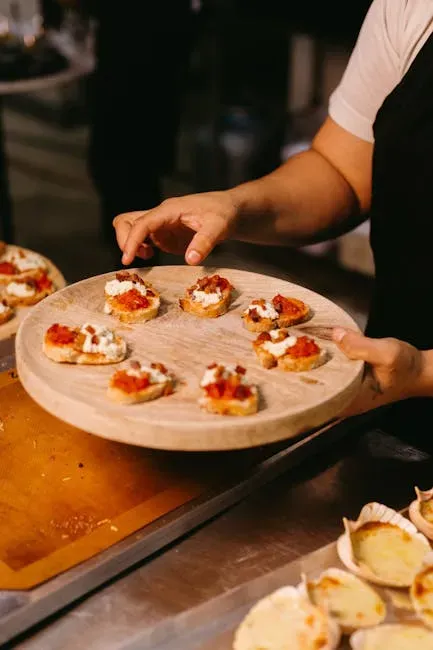
I think "hand-crafted" might be the sneakiest phrase on this entire list. It implies skilled human hands pressing and shaping your food fresh. It sounds artisanal. It sounds premium. It's also been applied, without any visible shame, to products that were shaped by machines in a factory and then blast-frozen before landing in a restaurant walk-in.
Jalapeño poppers are a textbook example. One food service veteran who worked in several bars confirmed they were always frozen. Creating them from scratch is demanding: the tiny jalapeños must be individually stuffed with cream cheese, then breaded with precision so the coating sticks evenly. It's also difficult to source large batches of jalapeños that are uniform enough in size to cook evenly. Considering how popular they are, restaurants keep them on the menu, and a frozen product is the obvious solution.
7. "Grilled to Perfection" – Don't Let the Grill Marks Fool You
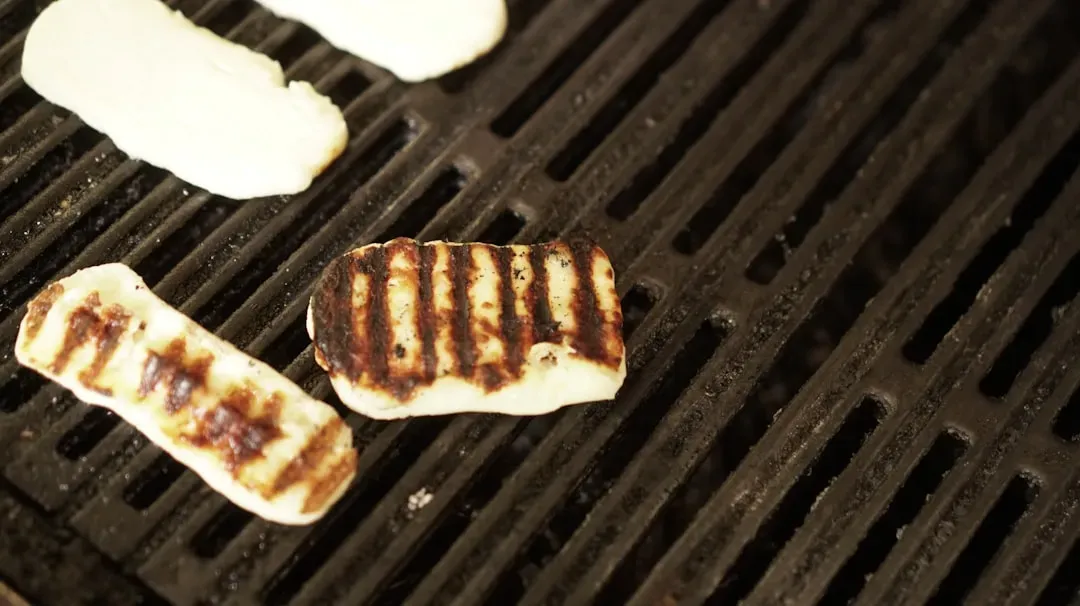
There is a very specific kind of grill mark that shows up on frozen proteins. It's perfectly parallel, geometrically precise, and it looks almost too good. That's because it was stamped onto the meat before it was frozen, using industrial equipment, not a real grill in your restaurant. "Grilled to perfection" can describe finishing a pre-marked, pre-cooked frozen steak on a flat top for a few minutes.
One major chain was widely reported to tout its steaks as hand-cut and grilled to order, but a self-identified former kitchen manager explained on a public forum that while the steaks were indeed cut by hand, they first came in frozen as an entire loin and had to be thawed before staff could cut them. The "grilled to perfection" phrase lands somewhere in the middle of truth and marketing.
8. "Cooked to Order" – A Phrase That's Only Half the Story
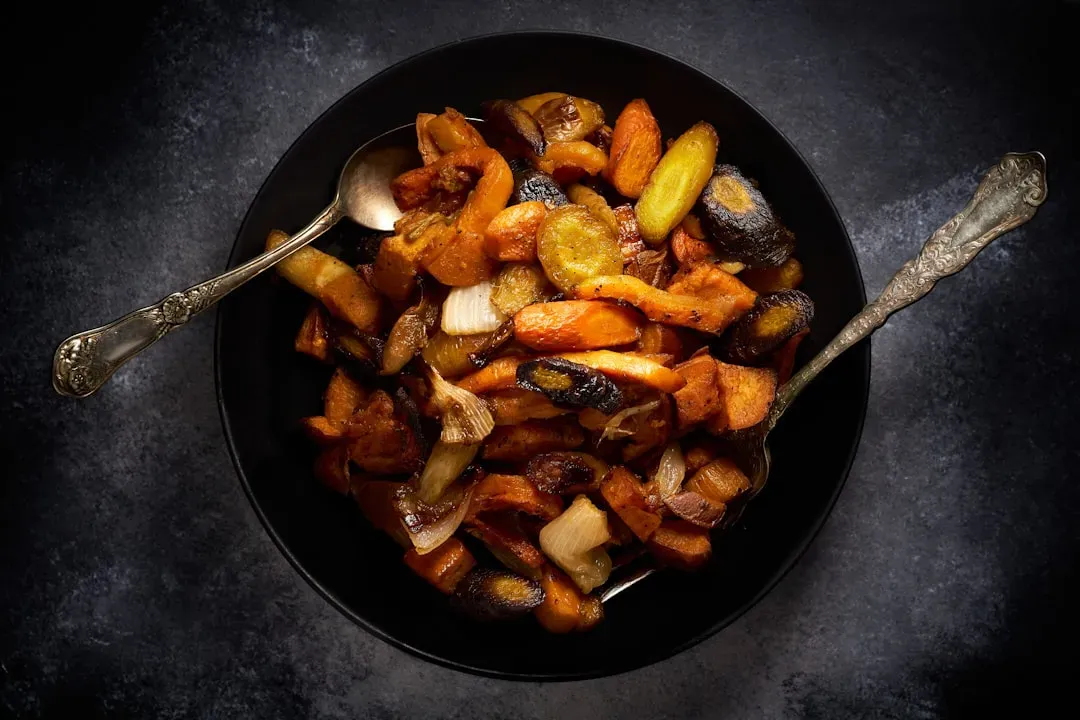
This one is subtle. "Cooked to order" sounds like it means everything is made fresh from raw ingredients the moment you ask for it. In a technical sense, that can be true: the final cooking step genuinely does happen after you order. The catch is that the product being cooked could be a frozen component that's simply finished in a pan or oven.
A spokesperson for a major food distributor noted that product development advancements have enabled the creation of frozen products that are prepped back of house without sacrificing quality and taste. These items can also be customized by operators to put their own spin on them with added convenience. The idea that a frozen item is automatically inferior to a fresh one is considered outdated thinking by many in the industry today. In other words, "cooked to order" may simply mean the frozen portion was heated on demand. Still technically true. Just incomplete.
9. "Stuffed" Dishes – Because Stuffing Things Is Enormously Labor-Intensive
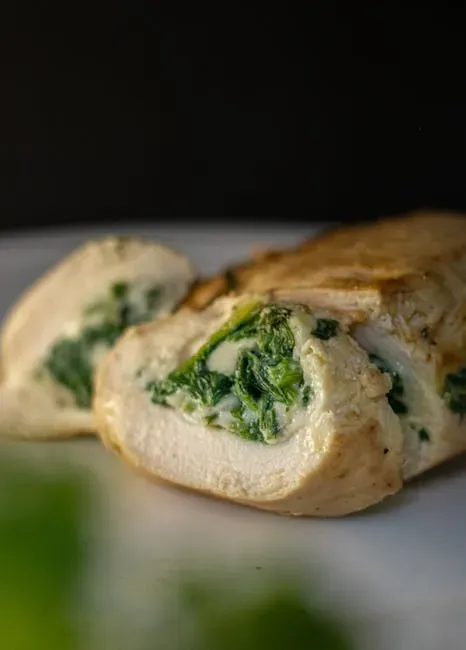
When a menu says "stuffed chicken breast" or "stuffed peppers," it triggers an image of a chef carefully butterflying chicken, spooning in a filling, and folding it back up with care. That is a labor-intensive process that takes serious skill and time. Let's be real: most chain kitchens are simply not running that operation from scratch during a dinner rush.
Using ready-to-cook frozen ingredients dramatically reduces labor needs, enabling restaurants to hire workers with little prior experience. Some chain job postings list no cooking experience as a requirement at all, which fits with a streamlined model of preparing frozen, ready-to-cook components rather than from-scratch food. A "stuffed" dish with a consistent shape, weight, and appearance every single visit is almost certainly arriving pre-stuffed from a supplier's facility. The kitchen's job is simply to cook it through.
Conclusion: The Freezer Is Not Always the Enemy
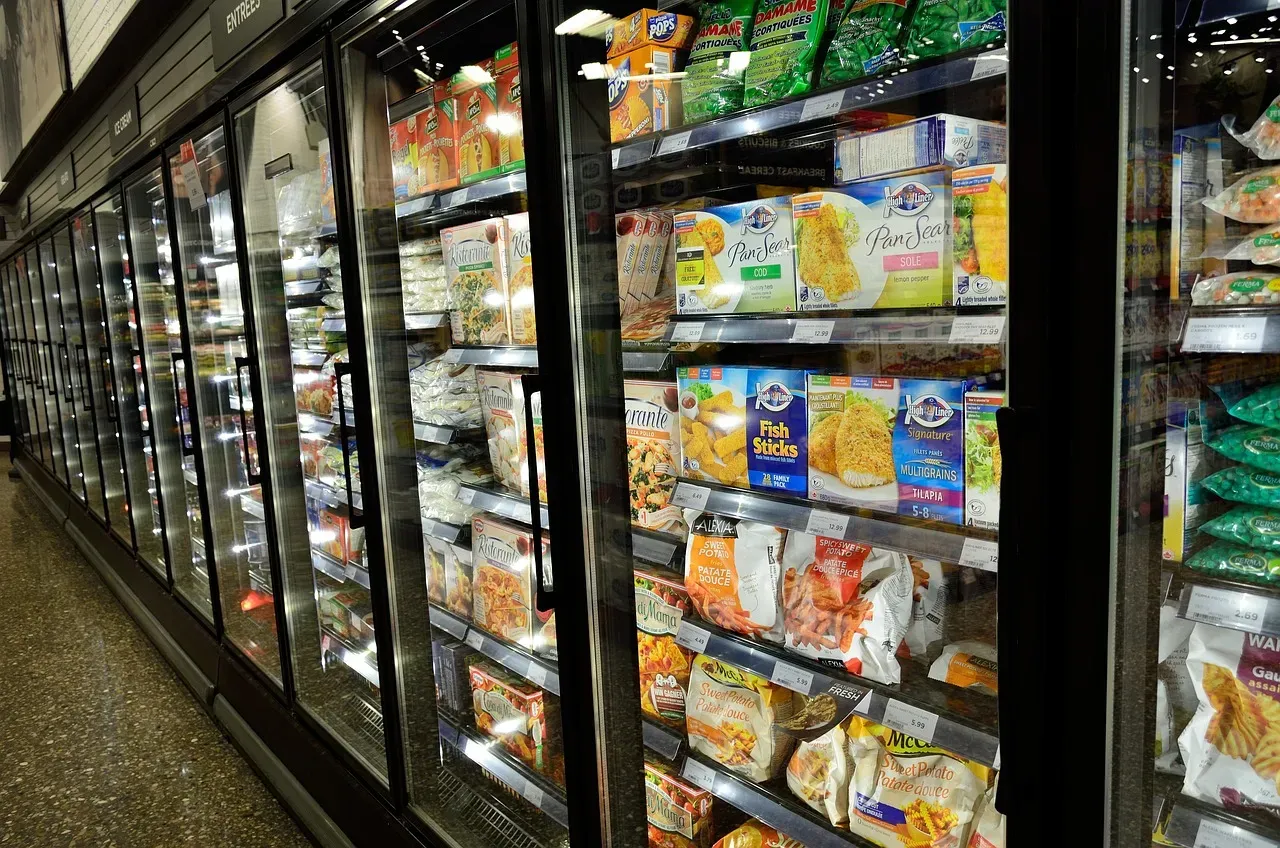
None of this is meant to make you feel betrayed the next time you order jalapeño poppers at a sports bar. Frozen food has genuinely improved. The U.S. frozen food industry alone is now valued at over $91 billion, and quality standards have risen alongside that number. The gap between frozen and fresh is narrower today than it's ever been.
Not every restaurant pumps out mass-produced frozen food, and the ones that don't often broadcast their use of fresh ingredients with pride, usually reflecting that in higher prices too. The clue is always in the language. When a menu is vague or leans heavily on emotional words like "classic," "loaded," or "crafted," that's a cue worth noticing.
Next time you sit down with a menu, read it a little more like a label and a little less like a poem. You might be surprised by what you find between the lines. What phrase on a menu would make you most suspicious? Tell us in the comments.



Leave a Reply