
Eating out should feel like a treat. Instead, more and more diners are walking away from restaurants feeling strangely hollowed out, not from hunger, but from the creeping realization that they just paid a small fortune for something that costs almost nothing to make. It happens to all of us. The menu looked great, the ambiance was cozy, and then the bill arrived.
According to YouGov's U.S. Dining Out Report for 2025, roughly four in five Americans said that restaurant prices have climbed noticeably in the past year. That is not just a feeling. It is a trend backed by real numbers, and it is changing the way people eat out. So before you open that menu next time and fall for the same old traps, let's get into it.
1. The Wedge Salad: Paying Premium Prices for Iceberg Lettuce
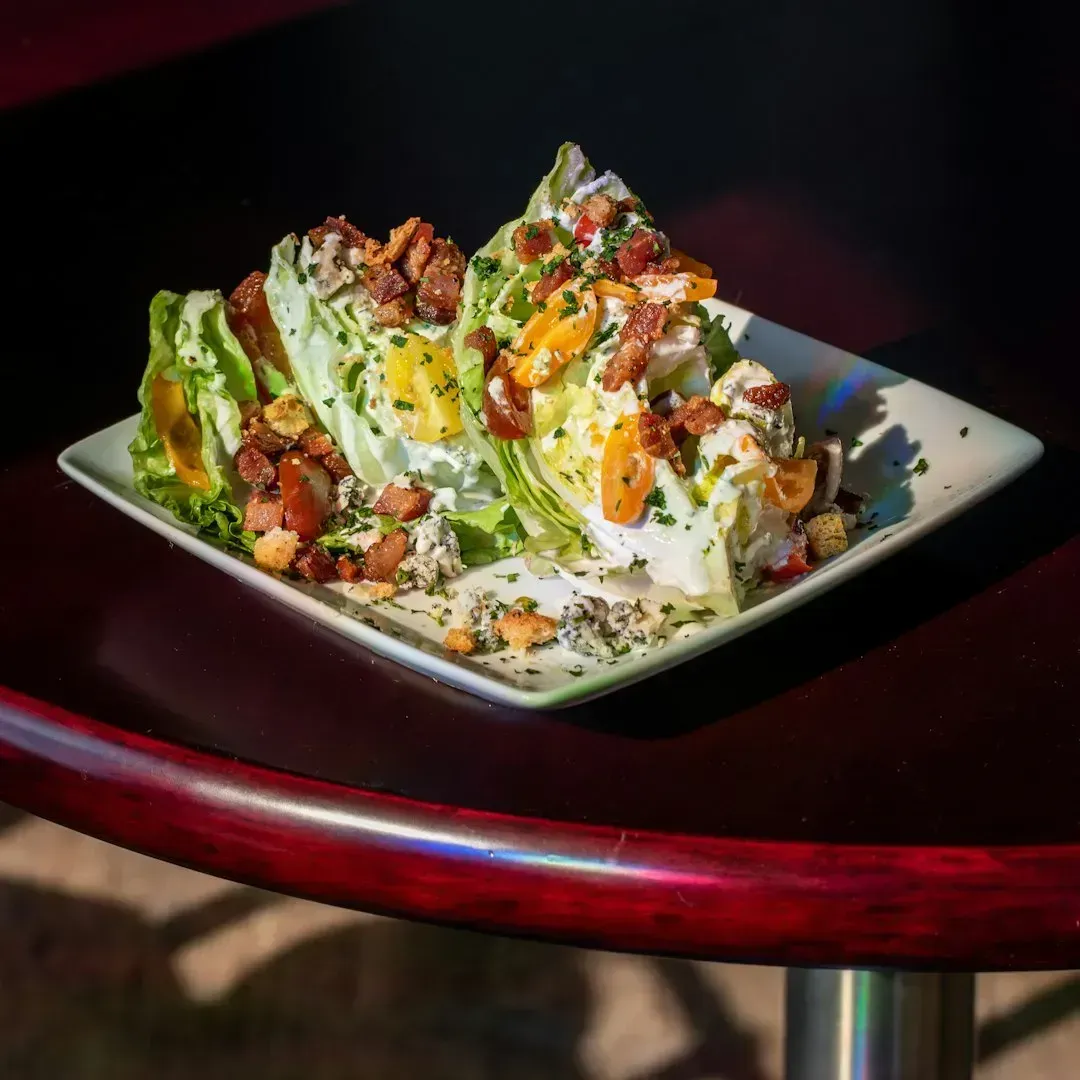
Let's be real. Few things in the restaurant world feel as audacious as charging top dollar for a quarter head of iceberg lettuce with some dressing drizzled over it. The iceberg wedge salad might be the greatest restaurant magic trick ever performed. Some places literally serve you a quarter of a head of lettuce, the cheapest, least nutritious lettuce variety, drizzle some dressing on top, and charge fourteen dollars for it.
The preparation involves cutting a head of lettuce that costs about eighty cents into quarters and adding perhaps fifty cents worth of blue cheese dressing and bacon bits, with total ingredient costs coming in at under two dollars. The markup exceeds seven hundred percent for what amounts to the laziest salad preparation possible.
What to order instead: Go for a Cobb salad. A Cobb salad is a profitable but genuinely filling menu item, with a profit margin of around eighty percent. That profitability is attributed to the relatively low cost of its ingredients, including chicken, bacon, eggs, and vegetables, but at least you're getting a complete meal out of it. You get far more substance for a comparable price.
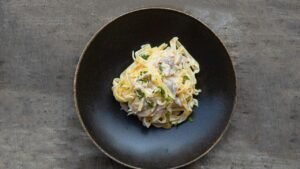
2. Basic Pasta Dishes: You're Essentially Paying for Boiling Water
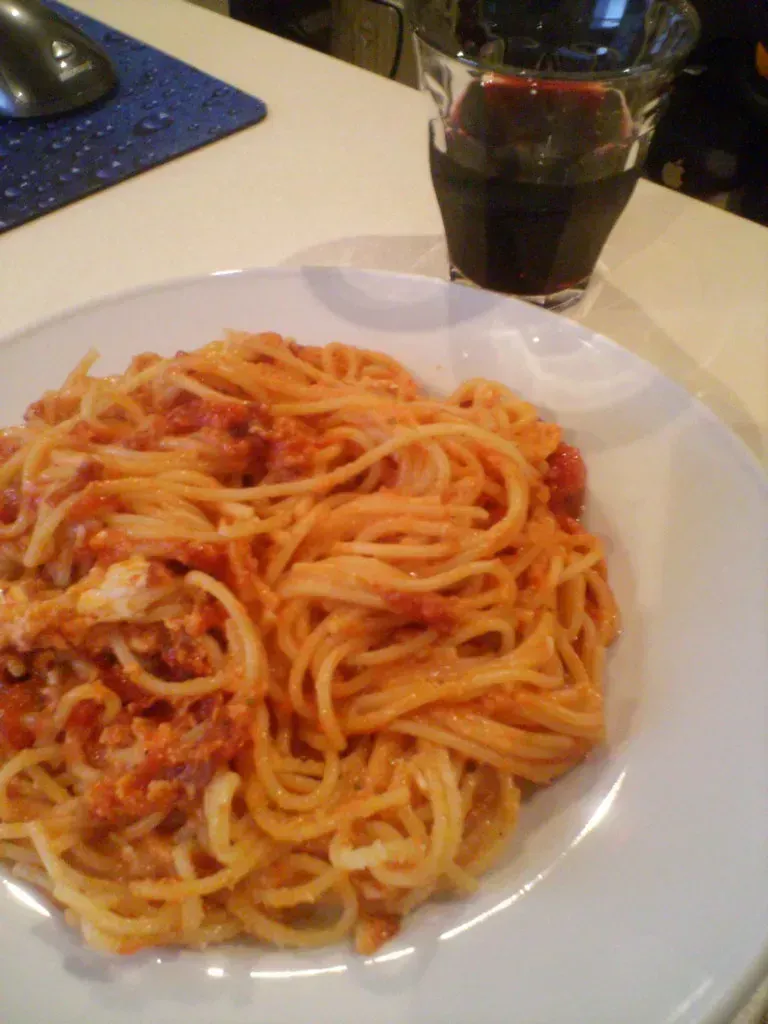
Here is the thing about pasta. It is one of the cheapest staple foods on the planet, yet somehow it keeps appearing on menus with eye-watering price tags. Most pasta dishes, such as spaghetti Bolognese, typically cost between two and three dollars and fifty cents to make, whereas a casual Italian place like Olive Garden might sell it for around nine dollars, which represents roughly a three hundred and fifty percent increase.
A pound of dry pasta yields about three pounds of cooked pasta, so you're essentially paying for water weight in that steamy restaurant portion. The margin on these dishes is staggering. Pasta typically increases profit margins because ingredient costs come in at around fifteen percent compared to their menu prices.
Basic pastas like dried spaghetti with a simple tomato sauce, cacio e pepe, or mac and cheese are a whole other story. Unless you're dining at a renowned Italian restaurant, these types of pasta are hastily whipped up by line cooks, without much fanfare, and with ingredients found at any old market.
What to order instead: Look for stuffed fresh pastas like tortellini or agnolotti, which genuinely require skill and time to make. Stuffed pastas like tortellini and agnolotti, made with that yellow-ish handmade dough and quality fillings, are usually worth restaurant prices.
3. Restaurant Wine: The Markup That Basically Funds the Whole Kitchen
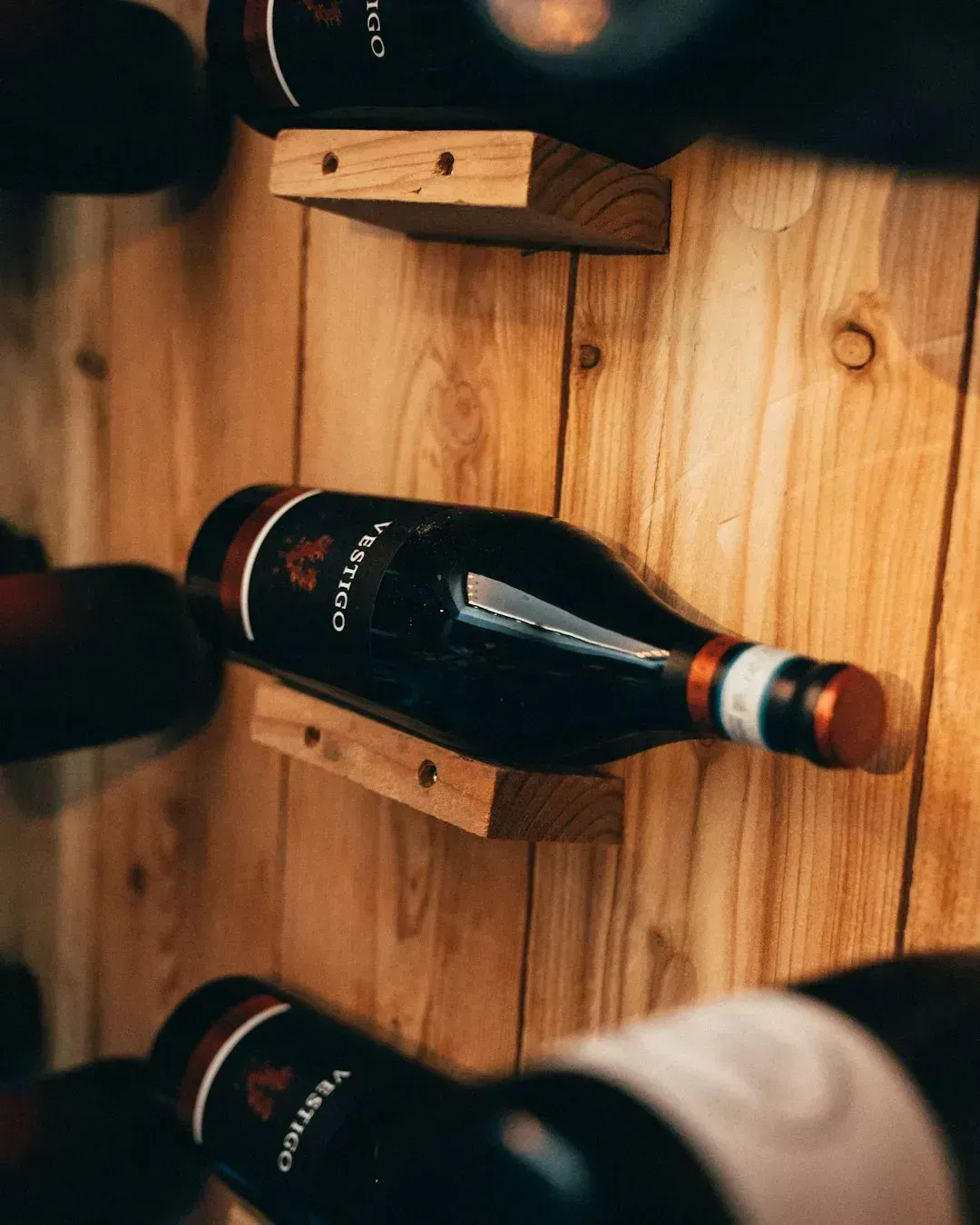
Honestly, wine at restaurants is probably the single biggest financial trap on any menu. The industry standard is to mark up a bottle of wine two hundred to three hundred percent over its retail sales price. This means if a wine retails for twenty dollars at a wine store, it typically sells for sixty to eighty dollars at a restaurant. For rare, expensive, or specialty wines, the markups can reach as high as four hundred percent.
It's not uncommon for restaurants to charge two or even three times retail for a bottle of wine. Order by the glass, and you're sipping on an item marked up as much as four hundred percent. Think about that next time you casually order a second glass without looking at the price.
What to order instead: Bottles priced between forty-five and seventy-five dollars on most menus represent the sweet spot, offering sufficient margin for the restaurant while also being accessible value for guests, and often the most carefully sourced selections. Alternatively, check whether the restaurant allows a BYOB option with a corkage fee. Often it works out significantly cheaper.
4. Avocado Toast: A Trend That Outlived Its Price Justification
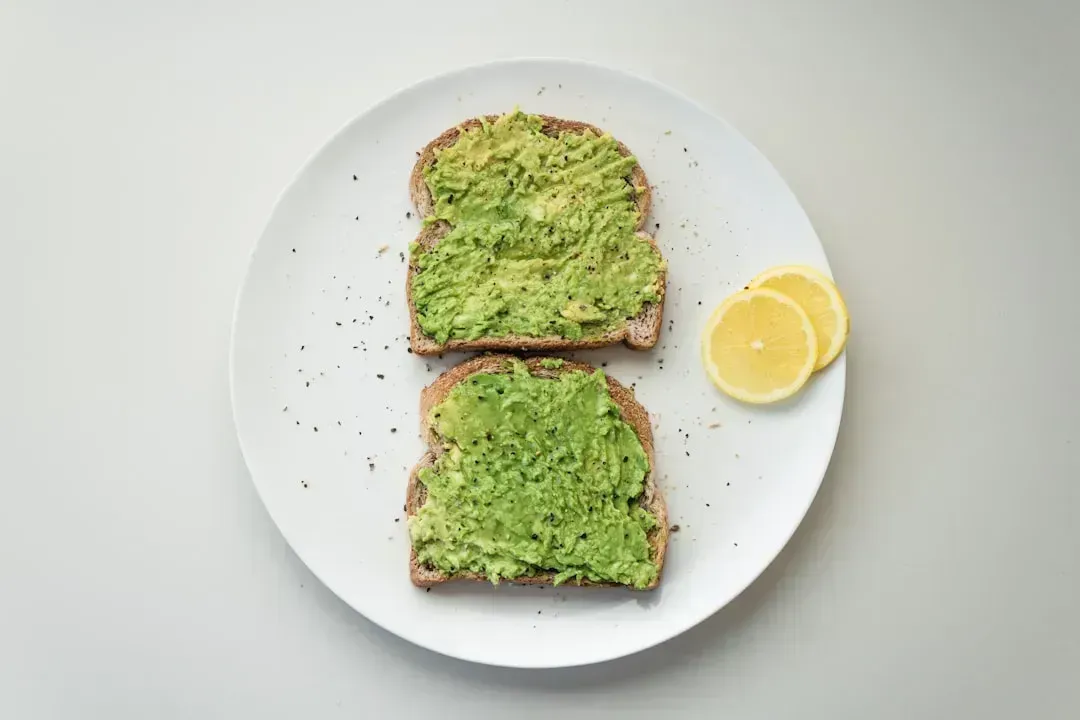
Few dishes capture the spirit of restaurant markups quite like avocado toast. It peaked as a cultural moment, and while the hype has cooled considerably, the prices have absolutely not. The trend factor has died down while the prices remain stubbornly high. A slice of decent sourdough, mashed avocado, a pinch of flaky sea salt, microgreens and pistachios for garnish, and maybe an egg on top, is rarely worth twenty dollars.
The markup on avocado toast is particularly sneaky because it feels healthy and trendy. Restaurants know exactly what they're doing, capitalizing on food trends while hoping you won't notice you're paying a five hundred percent markup for something requiring minimal preparation.
Avocado toast is a classic example of style over substance. At home, you can mash an avocado and spread it on bread for just a couple of dollars. What to order instead: If you want something genuinely special at brunch, go for a proper egg dish with multiple components, like a shakshuka or a well-made frittata, where the cooking skill actually justifies part of the price tag.
5. Bottled Water: You're Paying for the Label, Not the Liquid

This one is so obvious and yet so many people fall for it every single time. Bottled water is a classic menu trap. You can buy a whole case at the store for the price of a single bottle at a restaurant. Many places charge more because they offer a premium brand or imported label. In reality, it's just water in a fancy container.
The ingredient cost is literally just a few cents of syrup, CO2, a cup, and ice in some cases. Typical markups on bottled beverages can range from five hundred to two thousand percent. That is not a typo. That is what you are paying every time you casually say "sparkling water, please" without a second thought.
What to order instead: Ask for tap water. In most parts of the United States, tap water is perfectly safe and clean. For the vast majority of Americans, tap water is virtually identical in quality and safety to bottled water. Save that money for something actually worth paying for.
6. The Caesar Salad: A Fancy Name for a Very Basic Bowl
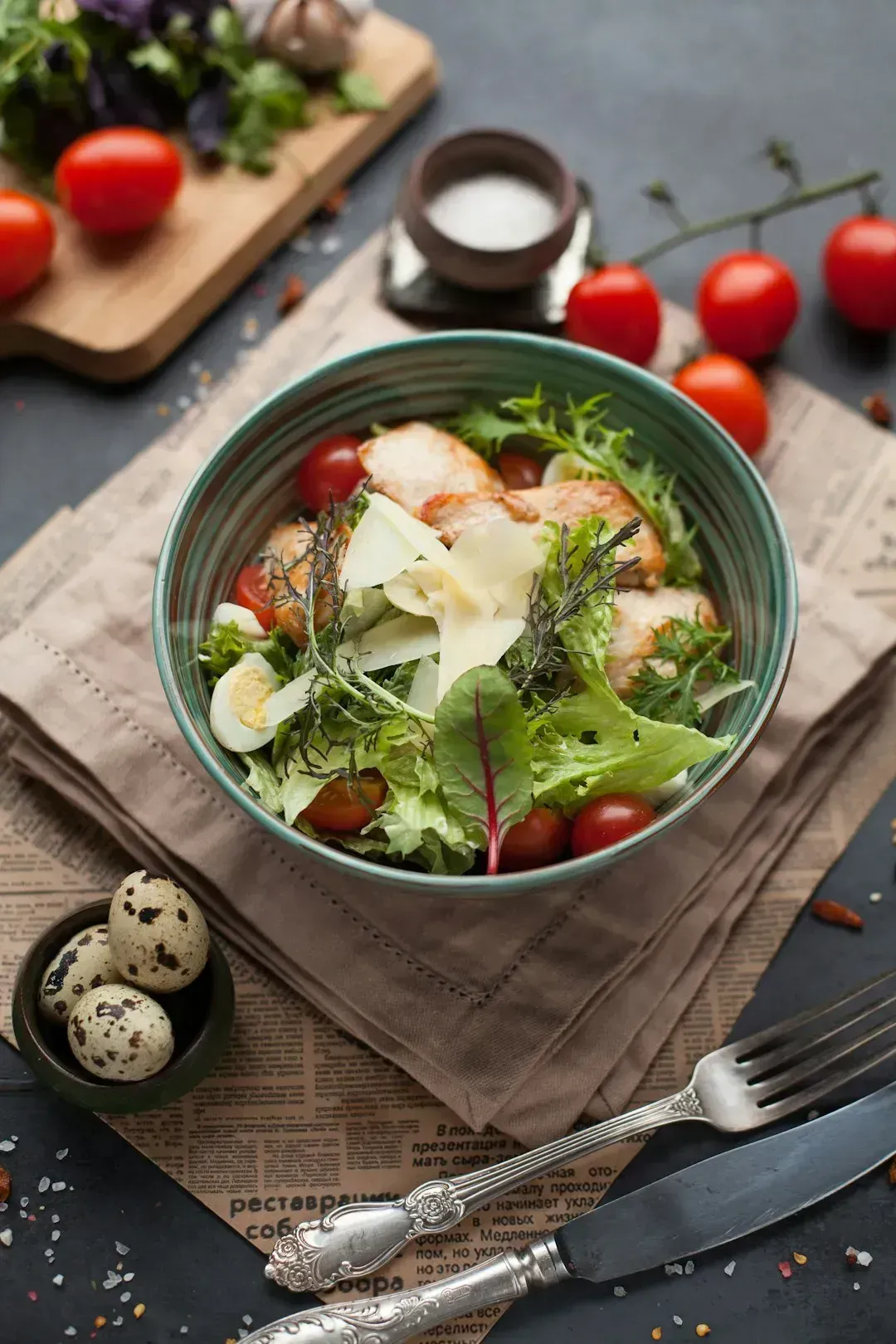
The Caesar salad is the ultimate example of a name doing the heavy lifting. It sounds elegant. It feels like a classic. It costs the restaurant almost nothing. The audacity of charging premium prices for romaine lettuce, a sprinkle of parmesan, and mass-produced dressing genuinely surprises many diners, with some restaurants charging seventeen dollars for this basic combination.
Take a chicken Caesar salad, a staple of the casual theme restaurant menu. Chicken Caesars typically cost around ten to twelve dollars at places like Applebee's, and consist of an eight-ounce chicken breast, two cups of chopped romaine, two ounces of Caesar dressing, a pinch of shredded Parmesan and about a quarter-cup of croutons. You can make the same salad with the same quality ingredients at home in about twenty minutes for a fraction of the cost.
Most establishments know they can get away with this markup because Caesar salads have that fancy-sounding name. That is genuinely all it takes. What to order instead: If you want a salad that earns its price, opt for composed salads that feature proteins with real preparation involved, like seared tuna, grilled salmon, or a warm grain-based salad where actual cooking is happening.
7. Brunch Egg Dishes: The Most Marked-Up Protein on Any Menu
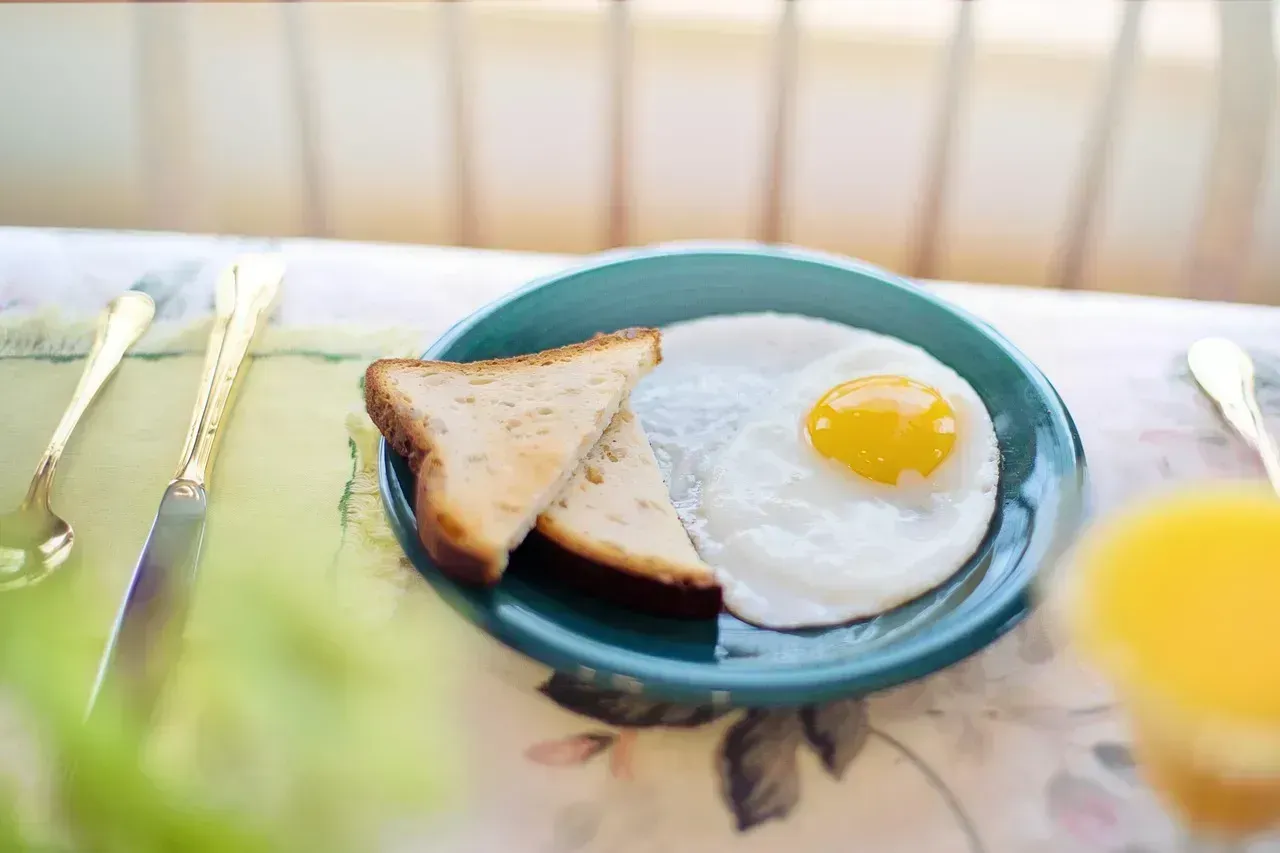
Brunch culture has convinced an entire generation of diners that paying fifteen or sixteen dollars for two eggs and some toast is perfectly normal. It is not. Eggs have earned their title as the most marked-up protein at restaurants. Ever seen the option on a brunch menu to add two eggs for four dollars? At a restaurant, you're typically paying anywhere from five to ten times the cost of a retail egg, per egg, and that doesn't even account for the wholesale discount restaurants receive.
Take San Francisco's Crepevine. They charge seventeen dollars for a basic omelet with potatoes and toast, ingredients that probably cost them less than four dollars. That is a jarring number when you see it laid out so plainly.
Breakfast and brunch items are very profitable since pancakes and waffles are made with simple batters and egg omelets are often sold for double what it would cost to make them at home. What to order instead: At brunch, lean toward dishes where the technique genuinely matters, like eggs Benedict, where proper hollandaise requires real skill, or huevos rancheros with house-made salsa. At least you're paying for craft.
8. Steakhouse Side Dishes: The Sneaky Bill Inflators
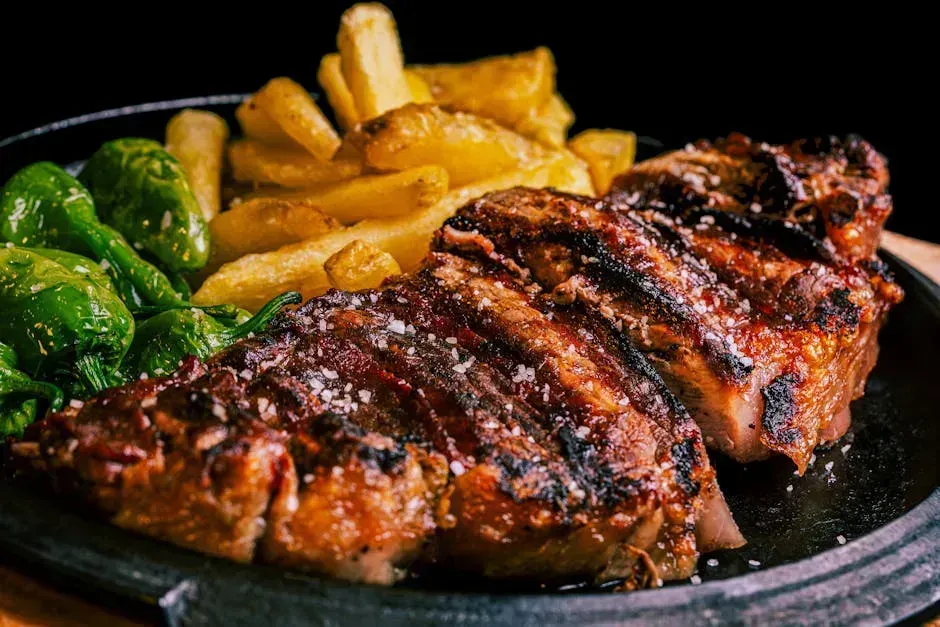
You went to the steakhouse for the steak. That is completely reasonable. What gets people every single time, though, is the parade of side dishes that somehow cost as much as a full meal elsewhere. Sides at steakhouses are notoriously overpriced. Although mashed potatoes, creamed spinach, and vegetables are very cheap to prepare, they can cost ten to fifteen dollars each on the menu. The steak is already pricey, but the sides push the total much higher. Diners feel pressured to order them to complete the meal. It's a clever way to increase the bill without adding much cost for the restaurant.
Within the restaurant industry, it's commonly believed markups should be around three hundred percent. So if the cost of making that mashed potato side is two dollars, it could be priced at six. This isn't a hard rule, and many items are priced far higher than they should be.
What to order instead: Be strategic. Order one or two sides maximum and share them. Basic side dishes like steamed rice, French fries, or chopped salad that are inexpensive to make can be very profitable if sold at the right price, so prioritize the sides that actually feel special to you rather than reflexively ordering one of everything. The steak should be the star.
9. Fountain Drinks and Specialty Sodas: The Invisible Money Drain
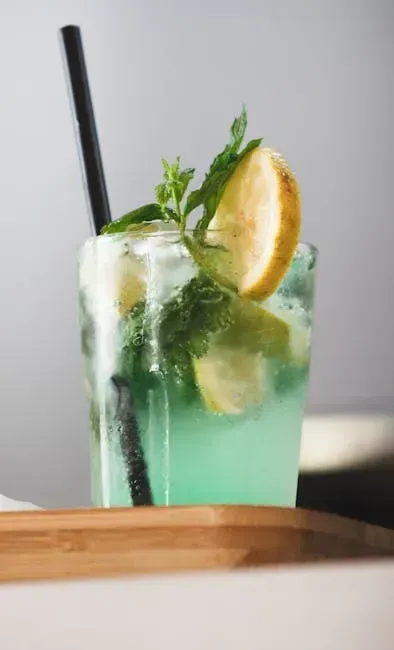
Nobody thinks about the soda. It just gets tacked onto the order while everyone is focused on the food. That is exactly the point. With an average gross profit margin of roughly eighty-five percent, it's no secret that restaurants make a significant amount of money off drinks. This is especially true with fountain drinks since each serving sold for a dollar or more contains only a few cents worth of syrup.
The largest percentage markups consistently sit on low-cost, high-perceived-value items, with soft drinks, coffee, cocktails, appetizers, side extras and desserts leading the pack. Beverage markups, particularly for alcoholic beverages and coffee, can see markups of three hundred percent or more, with coffee being one of the most marked-up items at up to nine hundred percent. That morning coffee at a sit-down restaurant is almost certainly the biggest markup at the table.
Fast food and casual dining are getting expensive, and it's hard not to notice. What was once the go-to for quick, affordable meals has started to feel like a splurge. According to a Finance Buzz analysis, average fast food prices jumped between thirty-nine and one hundred percent between 2014 and 2024, while overall inflation rose only thirty-one percent during that same period.
What to order instead: Stick to tap water for the table, and if you want something with flavor, ask about house-made lemonades or iced teas, which at least feel like something the kitchen has put some thought into. Or order coffee at home before you go. Your wallet will notice.


Leave a Reply