
We all have them stashed somewhere in our kitchens. Those jars, bags, and containers shoved into the back corner of the pantry, some collecting dust for years. Maybe you picked up an extra bag of rice on sale or grabbed honey back when prices were lower. The dates on the packaging might have long since passed, yet you hesitate to toss them. What if they're still good?
Here's the thing about certain pantry staples. While we've been trained to religiously check expiration dates and throw things out when they pass, some foods have the incredible ability to outlast nearly everything else in your kitchen. I'm talking decades of shelf life, not just months or years. Let's dive into the fascinating world of foods that refuse to quit.
Honey: The Eternal Sweetener
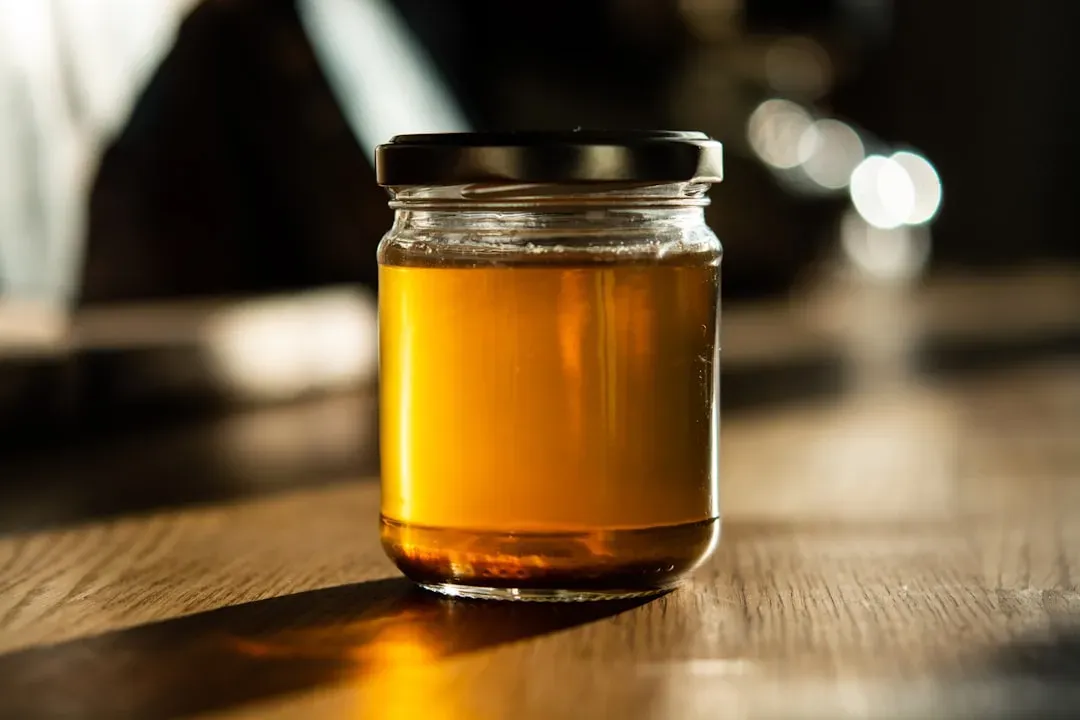
Archaeologists found honey thousands of years old in ancient Egyptian tombs, and it was still perfectly edible. This isn't some urban legend either. As long as the lid stays on it and no water is added to it, honey will not go bad.
The secret lies in honey's remarkable chemistry. Honey in its natural form is very low moisture, and very few bacteria or microorganisms can survive in an environment like that. It has a pH that falls between 3 and 4.5, approximately, and that acid will kill off almost anything that wants to grow there. Let's be real, when bees create something that outlasts civilizations, you know it's special.
It might crystallize over time, turning grainy and solid. That doesn't mean it's spoiled though. Simply place your honey jar in warm water and stir gently until the crystals dissolve. Properly stored in an airtight container at room temperature, it lasts indefinitely due to its low moisture, high acidity, and natural preservatives.
White Rice: The Pantry Powerhouse
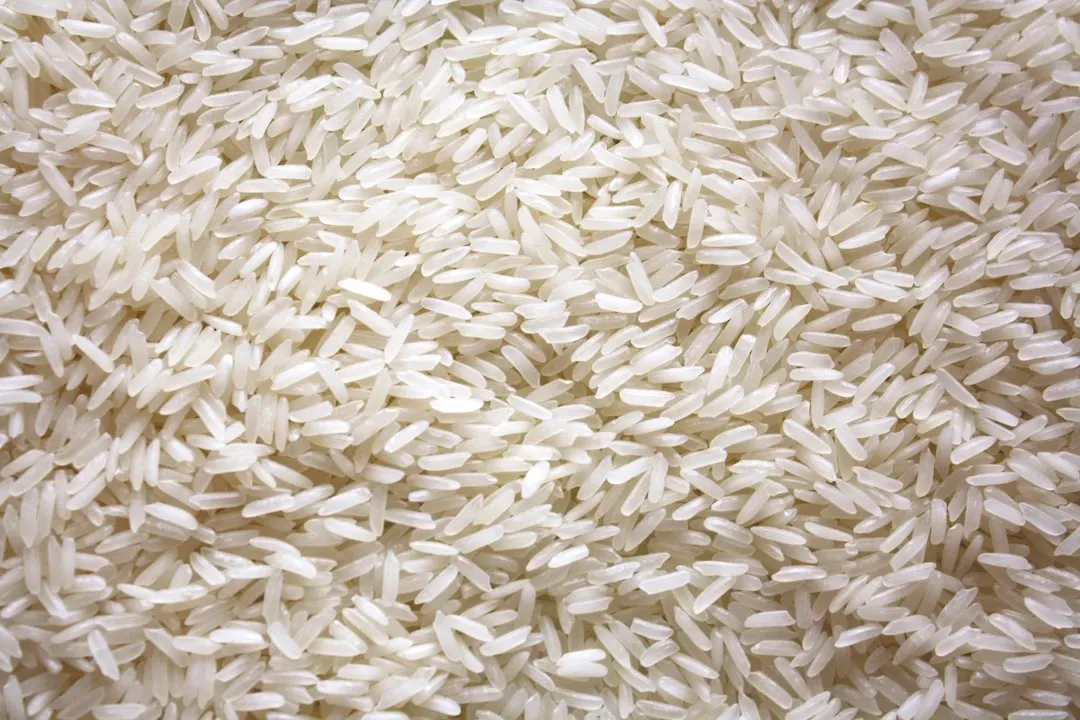
White rice is a staple for over half the world's population, and there's good reason it's been relied upon for millennia. In cooler storage areas rice sealed in oxygen-free containers can be stored for up to 30 years. That's longer than most of us keep our cars.
If stored properly, milled rice will keep almost indefinitely on the pantry shelf. The key difference between white and brown rice matters here. Because brown rice is not milled or polished, it has a higher oil or fat content, therefore it may become rancid more quickly than white rice.
Rice stored at a constant 70 degrees Fahrenheit with oxygen absorbers will store well for up to 10 years, but in cooler storage areas rice sealed in oxygen-free containers can be stored for up to 30 years. Keep it in airtight containers away from moisture and pests. Your great-grandchildren could theoretically eat the rice you buy today. Honestly, it's hard to say for sure how many generations could benefit from a single bulk purchase.
Dried Beans: Protein That Persists
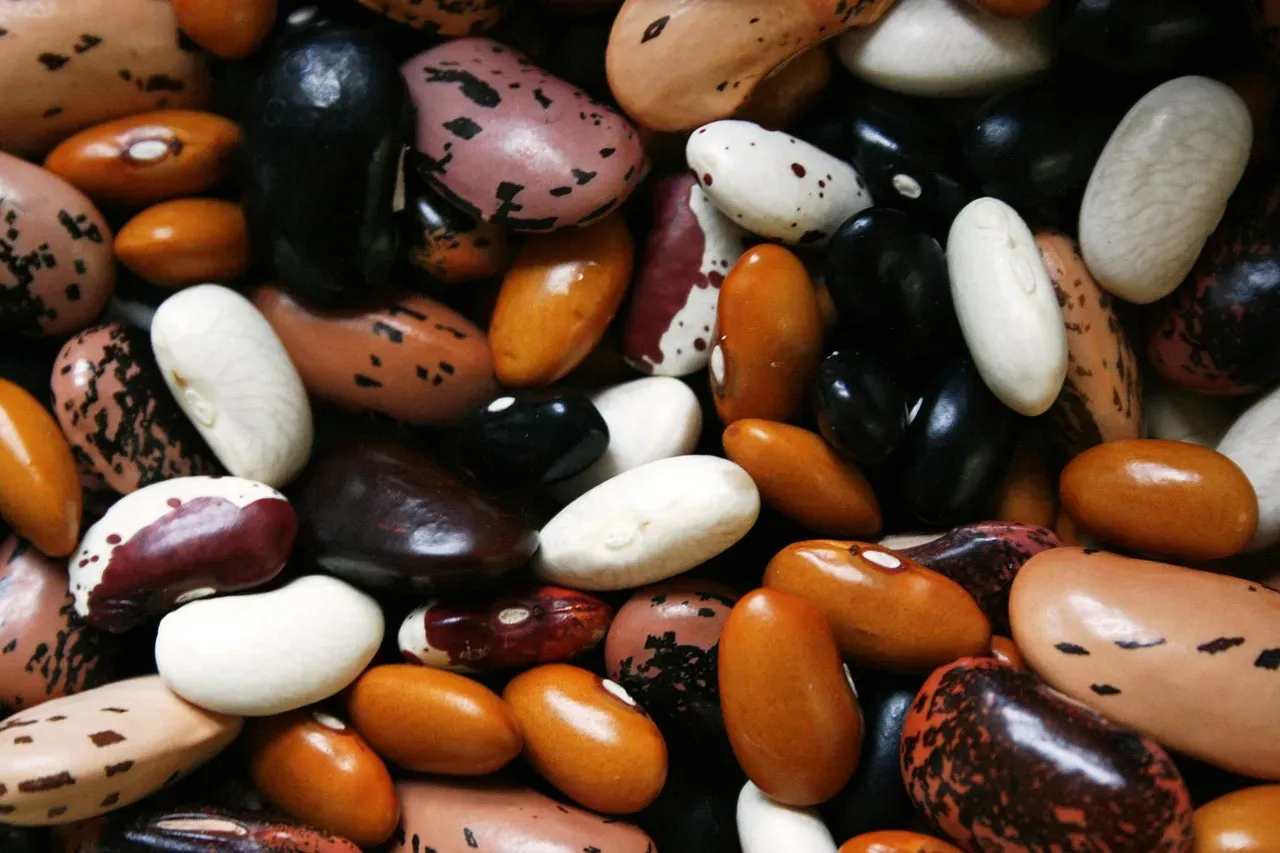
Beans packaged in a number 10 can with an oxygen absorber are perfect for your longer-term survival food storage and will store up to 30 years under ideal conditions. Dried beans represent one of the best protein sources for long-term food storage.
Officially, dried beans have a minimum shelf life of one to two years, per the USDA, but unofficially, they last basically forever. After two to three years, the nutritional value starts diminishing, and all vitamins will be gone after five. Yet they remain safe to eat.
The trade-off is texture. After this time, it is not that the beans are bad to eat, but they lose their oil and become so dry they are not able to rehydrate correctly. Older beans might need longer soaking and cooking times. Consider grinding them up for bean flour, which is still a good source of protein and can replace other flours as an ingredient.
Salt: The Mineral Marvel
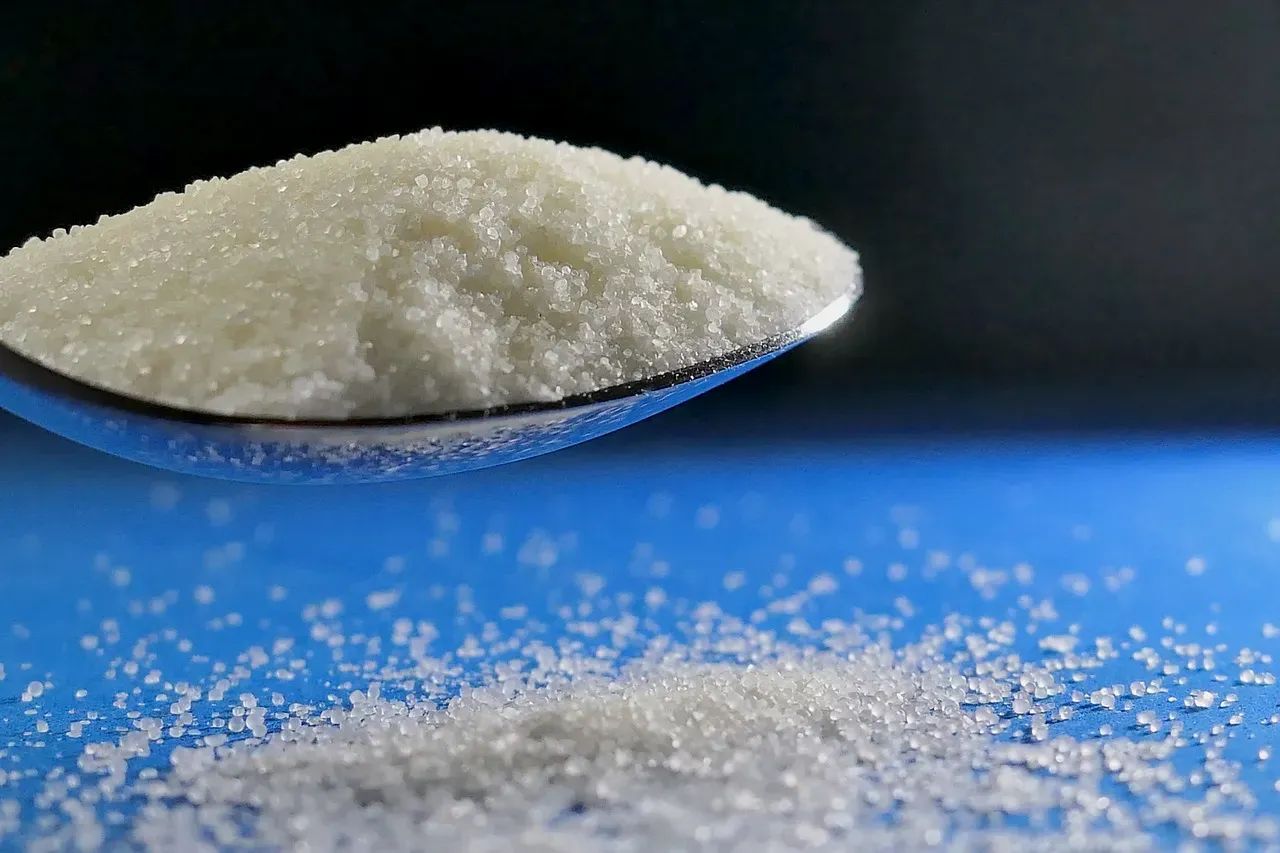
Salt is a mineral, and like other rocks, it has an eternal shelf life. This makes perfect sense when you think about it. According to the U.S. Department of Agriculture, salt lasts indefinitely, as long as you keep it in cool, dry conditions in the pantry.
It has been used for centuries as a preservative for meats, fish, and vegetables precisely because it draws out moisture and makes an environment inhospitable to bacteria. The irony here is beautiful. Salt preserves other foods because it never spoils itself.
There's a catch though. Table salt, Kosher salt and other types contain anti-caking agents that can degrade over time, leading to clumping, and those added compounds don't stay fresh forever. For true indefinite storage, stick with pure, non-iodized salt like sea salt or kosher salt. The salt itself remains perfectly safe, just perhaps a bit lumpy.
Granulated Sugar: Sweet and Stable
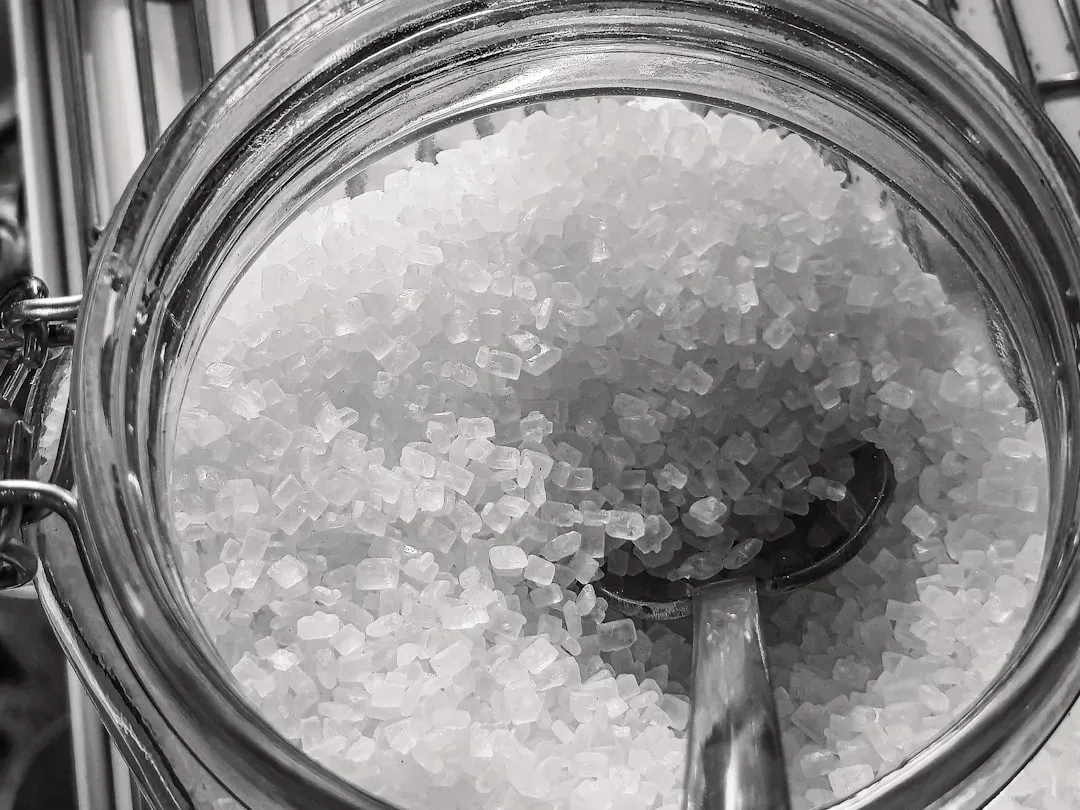
Sugar shares many of salt's remarkable preservation qualities. If you keep sugar in an airtight container away from moisture and pests, it will last forever. Granulated sugar, honey, and molasses can last indefinitely, and you should store granulated sugar in an airtight container.
Much like salt, sugar's power lies in its ability to draw water out of cells, which is why it's used to make jams and preserve fruits. The main enemy is moisture. If sugar gets damp, it clumps into rock-hard masses.
Brown sugar works similarly. Brown sugar acts like a preservative due to its molasses content and naturally can resist both bacteria and fungal growth, which means that it has a long-lasting shelf life with no degradation of flavor or quality. Store it properly and your sweetener stash could outlast your kitchen cabinets.
Dried Pasta: The Italian Insurance Policy
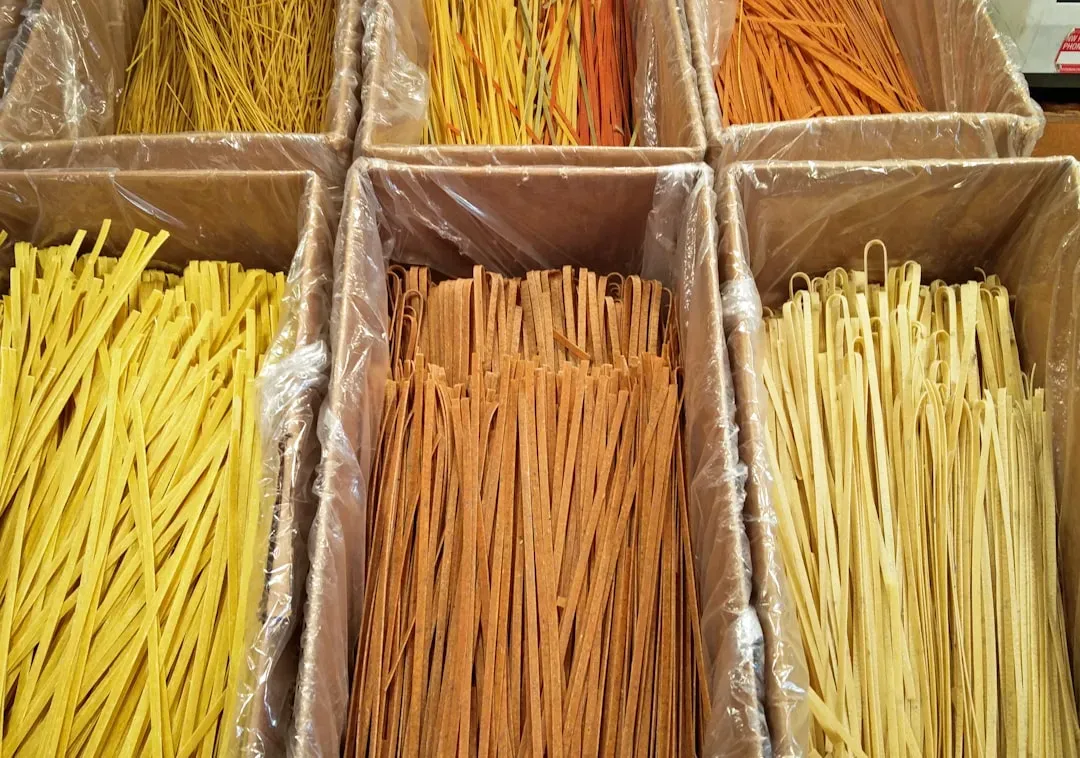
Pasta will last 20 to 30 years in Mylar bags with oxygen absorbers. Even without fancy storage methods, pasta remains remarkably stable. Pasta generally has a best by date of 1 to 2 years, but it will easily last 2 years past this date in your pantry without any special storage.
The simplicity of dried pasta works in its favor. It's essentially just flour and water, thoroughly dried. As long as you keep moisture and pests away, it remains perfectly safe to cook and eat. Dried pasta has an impressive shelf life of up to 30 years if stored correctly, and you can enjoy all sorts of shapes, like spaghetti noodles and elbow macaroni, without having to worry about expiration dates.
Store it in airtight containers in a cool, dry location. Your emergency stash of spaghetti could easily feed your family decades from now. I know it sounds crazy, but the science backs it up.
White Vinegar: The Acidic Ally
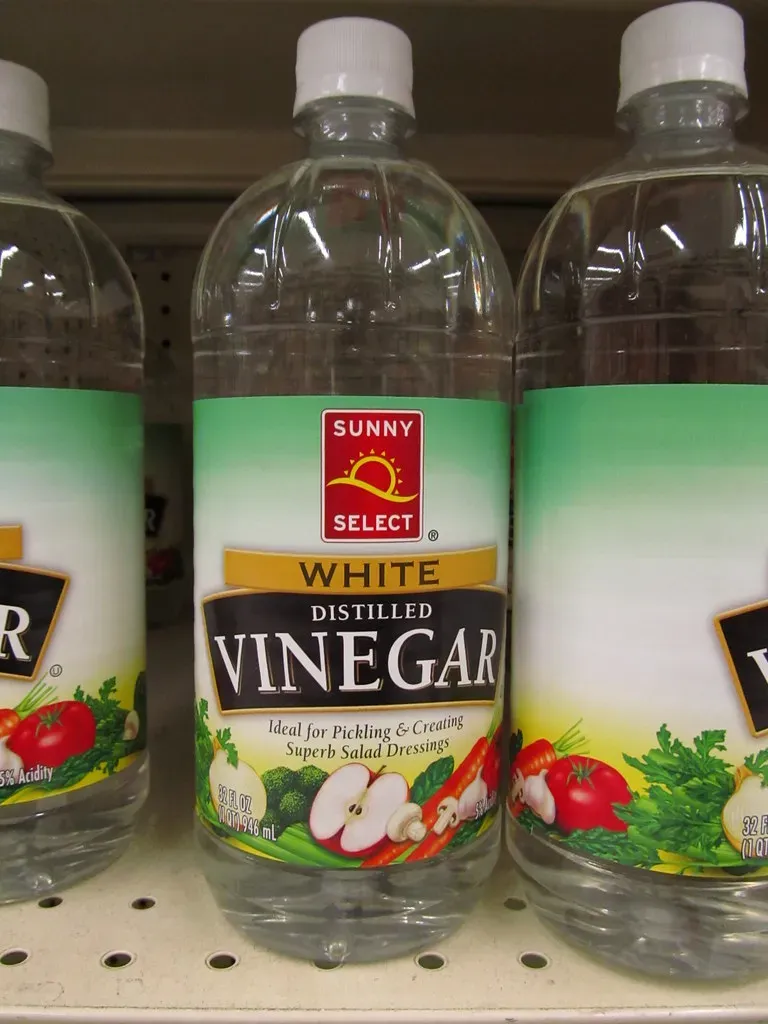
Vinegars have a long-lasting shelf life and may be kept in a cool, dark place almost indefinitely. Distilled white vinegar stands as one of the most stable pantry items you can own. Distilled white vinegar will remain virtually unchanged as the years pass by.
The high acidity creates an environment where bacteria simply cannot survive. This same property makes vinegar useful for cleaning, pickling, and preserving other foods. Keep it tightly capped in a cool, dark area and it essentially lasts forever.
The versatility matters too. Beyond cooking, white vinegar serves as a natural cleaner, deodorizer, and disinfectant. Having a stable supply that never goes bad provides both culinary and practical value. Other vinegar types like apple cider or balsamic might change slightly over time, but they remain safe indefinitely.
Cornstarch: The Thickening Agent That Endures
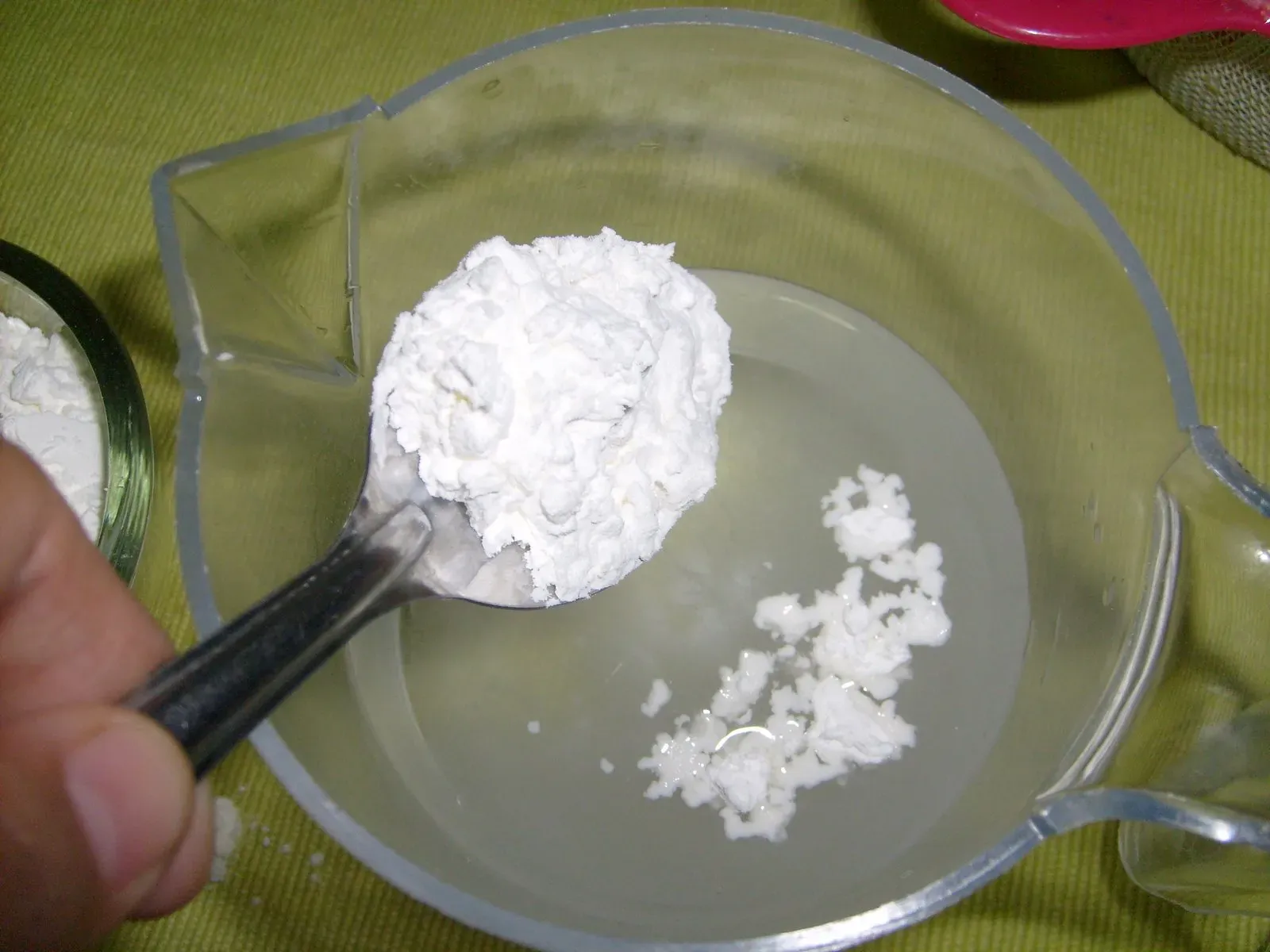
Cornstarch will keep indefinitely if it's kept dry and free from contaminants. This kitchen workhorse thickens sauces, gravies, and puddings while quietly maintaining its potency for decades. Corn starch can last for up to 30 years, and for anyone looking to bulk-stock their pantry and prepare for the unexpected, this shelf-stable product makes it easy.
The only real threat to cornstarch is moisture. Store in cool, dry area and keep package tightly closed between uses. If water gets in, clumping occurs and potentially mold. Keep it sealed tight though, and your box of cornstarch purchased today could thicken gravies for your grandchildren.
Roughly about one tablespoon can thicken a cup of liquid, so even a small container provides tremendous value over its extended lifespan. The cost per use over several decades becomes almost negligible.
Instant Coffee and Cocoa Powder
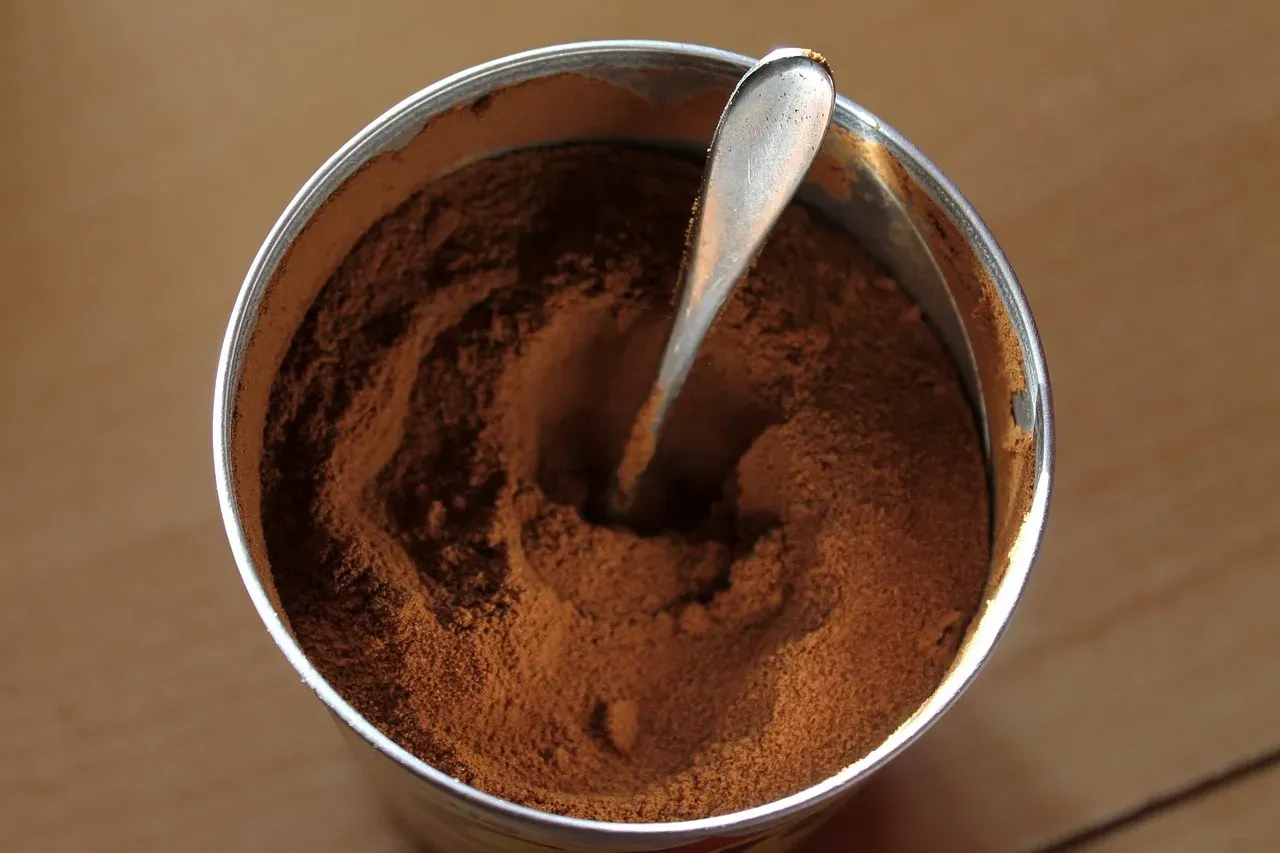
Raw cocoa powder is an amazing pantry food that can quite literally last you a lifetime, with a shelf life estimated up to 30 years. The low moisture content in these powdered products gives them extraordinary staying power.
Instant coffee similarly maintains quality for years when stored properly. It can offer a variety of uses in both sweet and savory meals, from adding flavor and texture to desserts, smoothies, and baked goods, to adding depth to dishes like chili, curry, and more. Keep both in airtight containers away from humidity and light.
The flavor might mellow slightly after many years, becoming less intense. Yet they remain perfectly safe to consume. For emergency preparedness or simply reducing waste, these powdered staples offer reliable longevity. A sealed container tucked away could provide comfort beverages or baking ingredients far into the future.
Soy Sauce: The Fermented Fighter
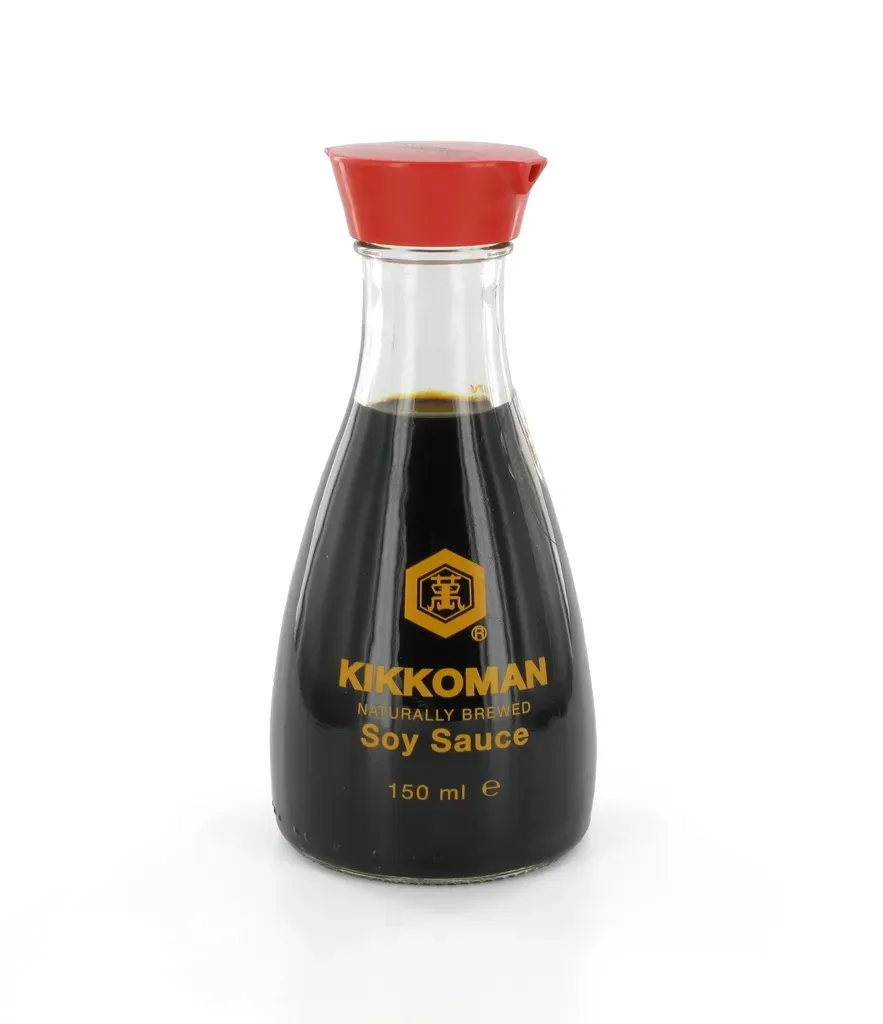
Thanks to its high sodium content and fermentation process, an unopened bottle of soy sauce will remain safe to consume for many years, well past its best by date, though the flavor and color may degrade slightly over a very long period. The combination of salt and fermentation creates a preservation powerhouse.
It has an incredibly extended storage time thanks to its complex fermentation and brewing process, and despite standing in your pantry for years without expiration or going bad, soy sauce remains full of flavor. Once opened, refrigeration helps maintain peak quality, but even then it lasts for years.
The umami-rich flavor makes it invaluable for cooking. Having a stable condiment that essentially never spoils means you can buy in bulk without worry. The bottle might sit on your shelf longer than you expect, adding savory depth to countless meals without any concern about safety.



Leave a Reply