
You sit down at your favorite restaurant, scan the menu, and picture a chef in the back meticulously crafting your meal from fresh, hand-picked ingredients. Honestly, that image is a beautiful one. It's also, in many cases, wildly optimistic.
The truth is that the restaurant industry leans heavily on frozen food - far more than most diners ever realize. The U.S. frozen food market is currently valued at roughly $91.3 billion, reshaped every year by consumer behaviors, generational preferences, and food industry innovations. A big slice of that market doesn't end up in your home freezer. It ends up on your restaurant plate. Let's dive in.
1. Shrimp Dishes
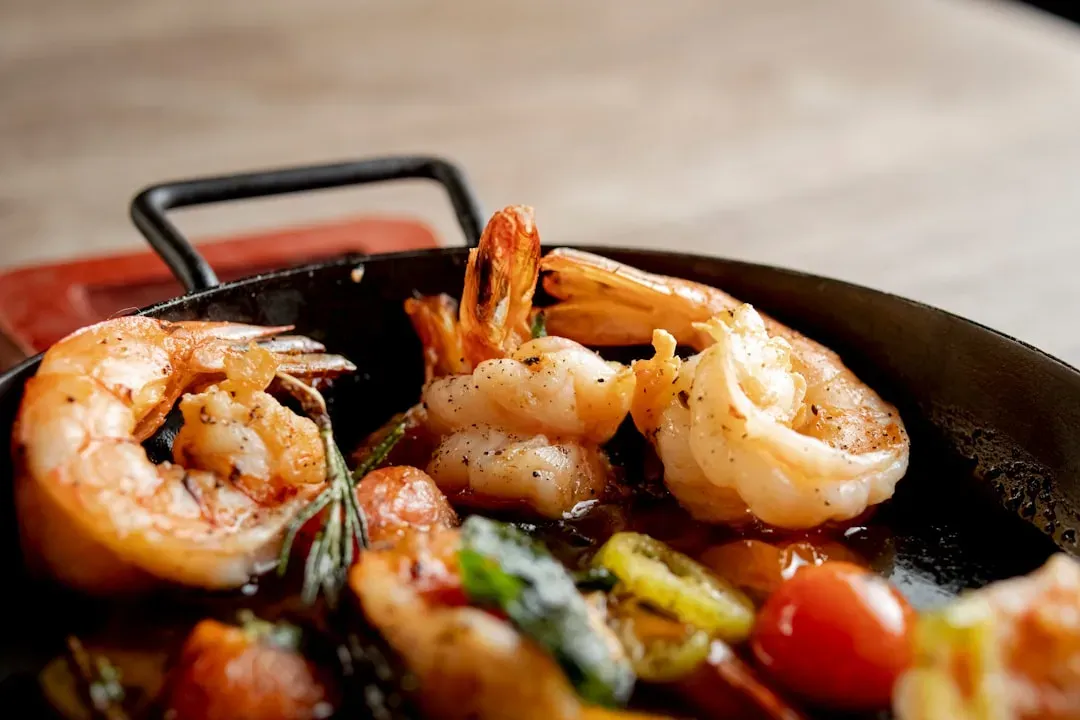
Shrimp is easily one of the most ordered proteins in casual dining restaurants across America. Garlic shrimp, shrimp scampi, shrimp cocktail - it all sounds so fresh, so coastal, so alive. Here's the thing: it almost certainly isn't.
Shrimp is typically frozen in restaurant kitchens. If you are in a landlocked state, it's pretty much guaranteed. Of course, there are reputable seafood establishments everywhere that get fresh shipments daily, but compared to how many spots serve shrimp, they are few and far between.
As for the "fresh" shrimp you see on ice at the fish counter, it is more than likely previously frozen shrimp that has been fully thawed. In some cases, thawed shrimp may be treated with chemicals like sodium tripolyphosphate, which causes it to absorb water so it looks plumper and fresher - and so it will weigh more when put on the pricing scale. Think about that next time the menu says "fresh Gulf shrimp."
2. Mozzarella Sticks
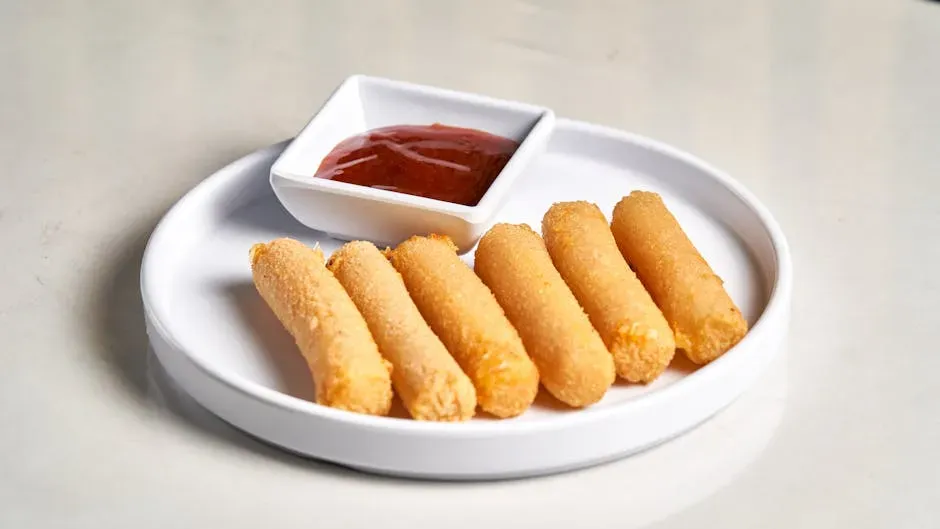
Mozzarella sticks are an absolute staple of the appetizer world. Golden, stretchy, satisfying. They're also one of the most reliably frozen items that ever lands on your table at a bar or casual chain restaurant.
Restaurant mozzarella sticks are very likely frozen. After all, they pretty much look and taste the same as the ones you can buy pre-made in the freezer section of your grocery store. Creating mozzarella sticks from scratch is labor-intensive, so it's usually only done in high-end or homestyle Italian restaurants.
Let's be real - nobody is shocked by this one. The deep fryer does a heroic job of making everything taste acceptable, regardless of its origin story. Frozen foods are consistent, durable, and don't require extensive training of your staff - which is exactly why chain kitchens lean on them so heavily for simple appetizers like these.
3. Stuffed Pasta (Ravioli, Tortellini, Manicotti)
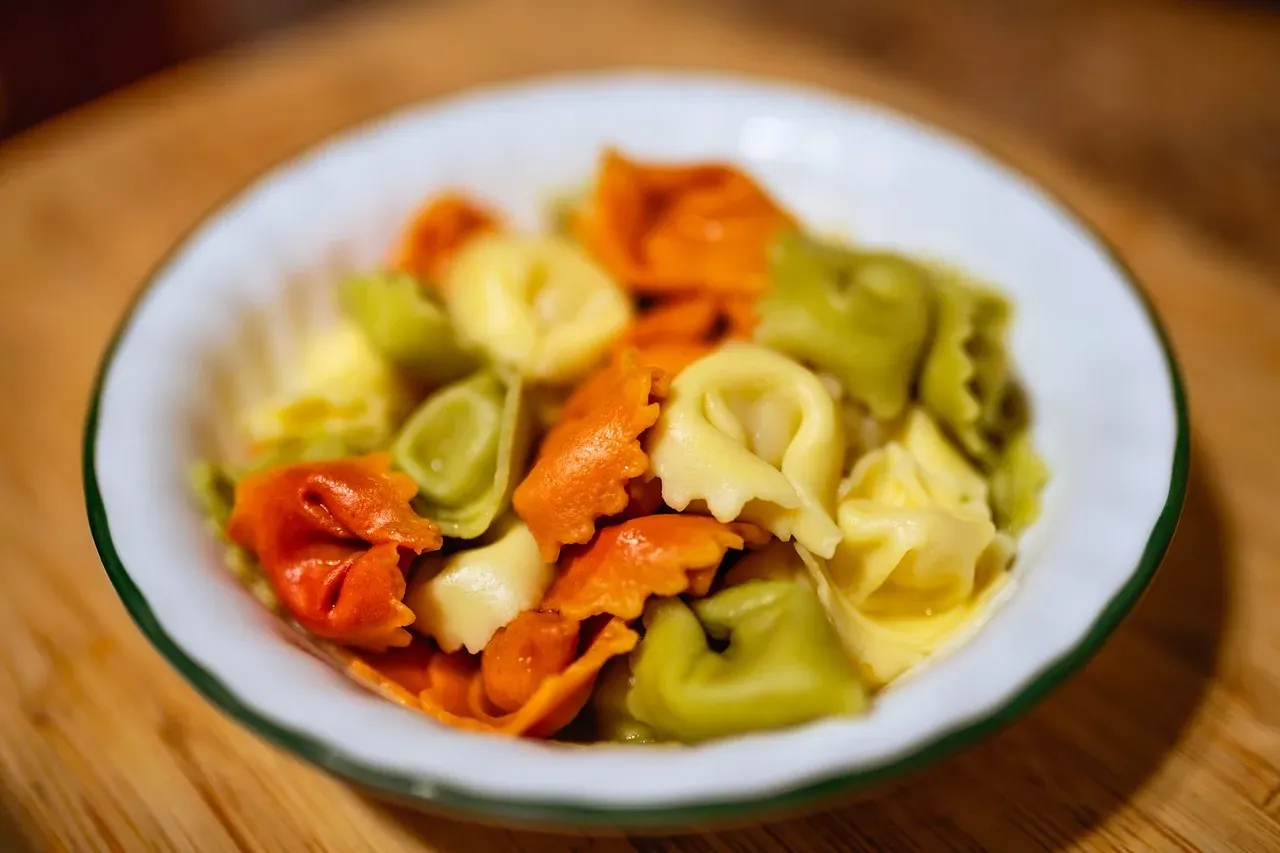
There is something deeply romantic about the idea of a pasta maker in an Italian restaurant rolling fresh dough and stuffing each ravioli by hand. Reality, however, is considerably less cinematic for most establishments.
If you are at a reputable Italian restaurant or a place known for serving scratch-made food, it's safe to assume any stuffed pasta on the menu is fresh and made in-house. If you're in a chain restaurant or pretty much anywhere else, frozen stuffed pasta is the norm. This includes anything from ravioli to tortellini to manicotti and more.
If you've ever wondered why your Alfredo dish at a major chain restaurant looks and tastes the same no matter which location you visit, it's because there's probably not a chef in the back painstakingly preparing each dish from scratch. Chain restaurants usually have a rigorous process of food preparation that happens before it even reaches the restaurant. The food is often mass produced, frozen, and then heated and assembled according to strict guidelines. Consistency, not craft.
4. Chicken Wings
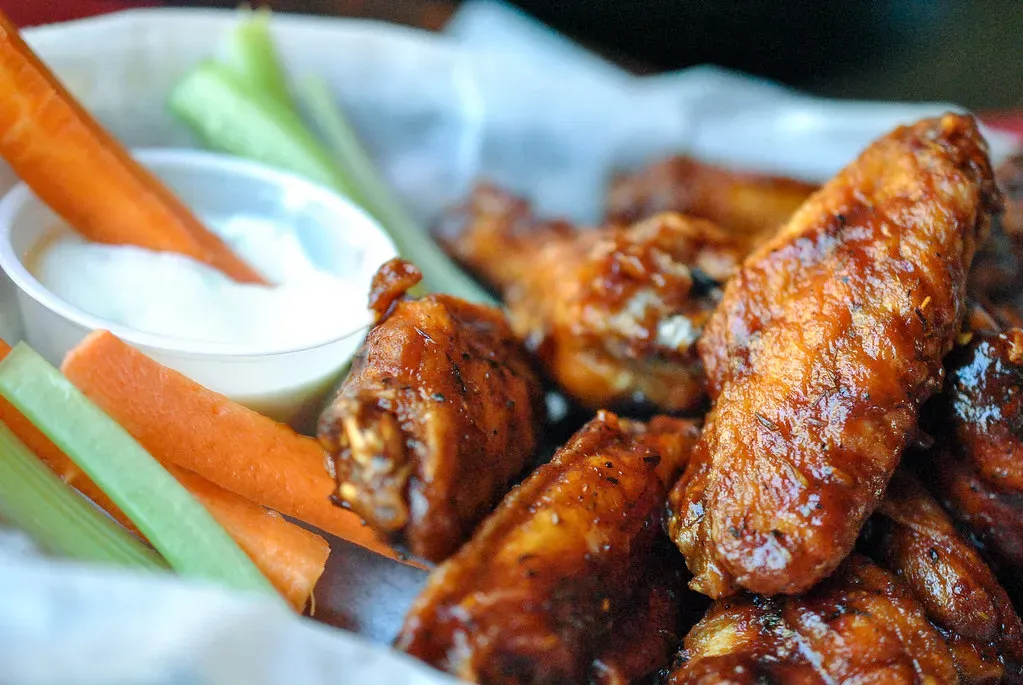
Chicken wings are a cultural institution. Sporting events, Friday nights, bar menus - wings are everywhere. What most people don't know is that those saucy, crispy wings almost certainly started their journey in a commercial freezer.
Many restaurants serve chicken wings, and the vast majority use frozen wings. Lots of people believe you shouldn't bother with frozen pre-made chicken wings, but thankfully, most restaurants make the sauces they dredge them in. Actually, a good sauce goes a long way.
Restaurants often start with frozen wings because they keep for longer in the freezer than raw chicken does in the fridge. So that signature buffalo sauce or honey garlic glaze? That part might genuinely be house-made. The wing itself? Straight from the freezer truck. It's a half-homemade world, and we're all just living in it.
5. Cheesecake and Other Desserts
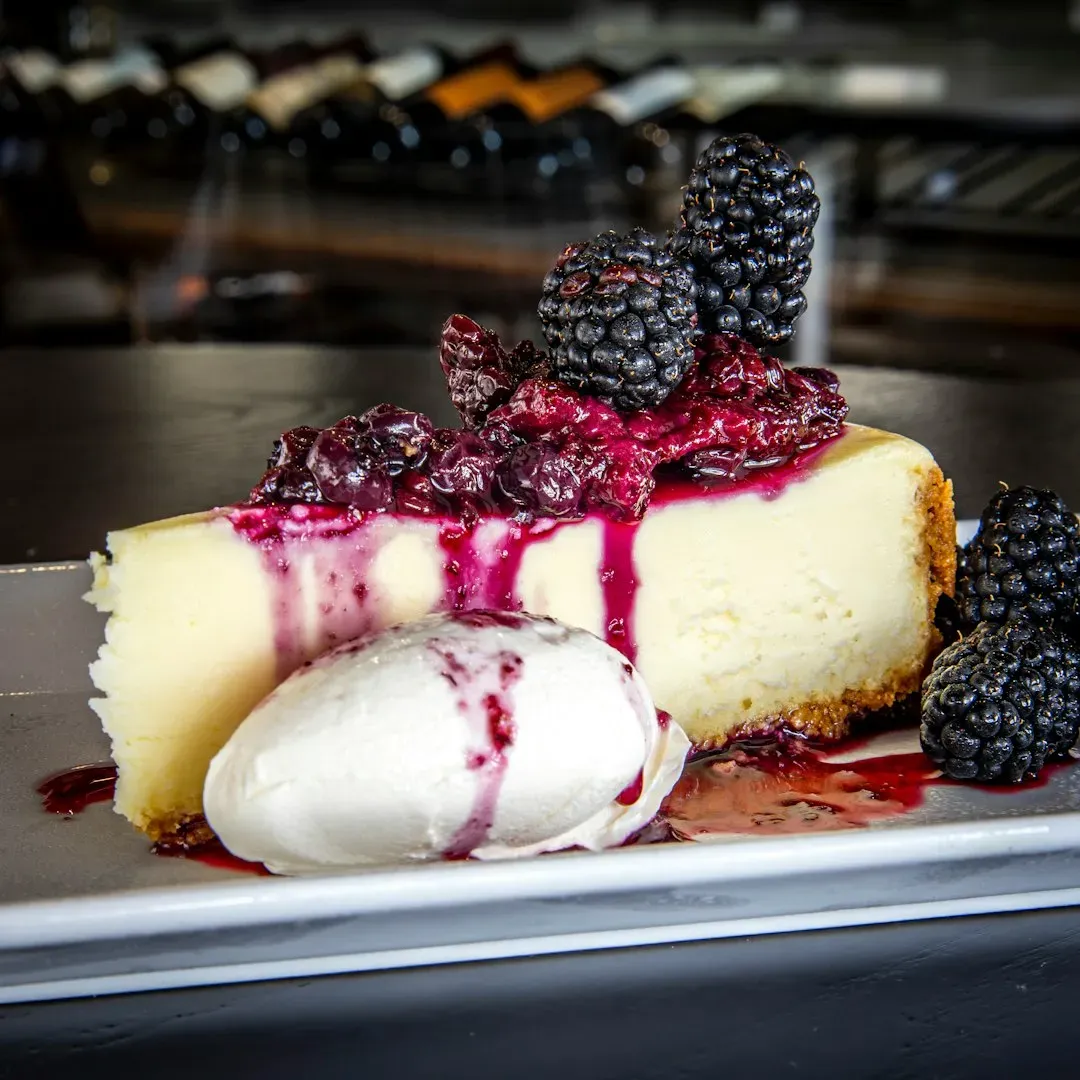
You've just had a great dinner and you're eyeing the dessert menu. The cheesecake looks gorgeous - often topped with fresh strawberries and a drizzle of raspberry coulis. Here is where things get a little deflating.
Many restaurants that offered cheesecake on the dessert menu serve it frozen more often than not. Typically, cooks topped the cheesecake with fresh berries, sauces, and whipped cream, which almost made it seem like it could be fresh. Making baked goods and desserts from scratch simply isn't feasible for many busy restaurant kitchens because it's labor-intensive. In particular, cheesecakes can be quite fickle, further complicating things.
In many restaurants, other desserts are also frozen, like chocolate lava cake, pies, and tarts. They may use fresh garnishes, but that doesn't mean the main component wasn't frozen to begin with. The molten chocolate lava cake - that beloved, warm, oozing dessert - is one of the most common commercially manufactured desserts, easily baked from frozen to order.
6. Breaded or Fried Fish
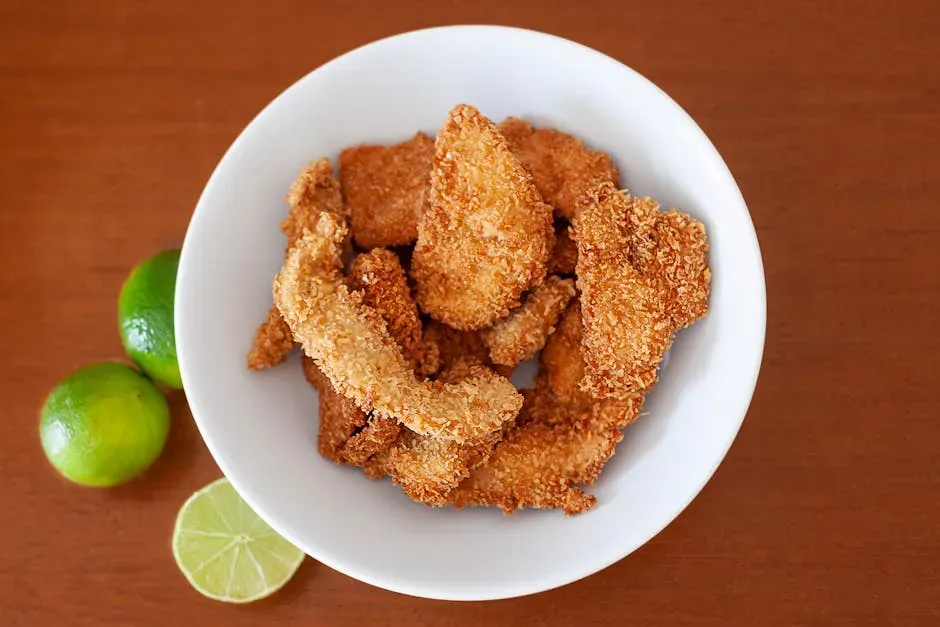
Fish and chips. Fried catfish. Baja fish tacos. These dishes show up on menus across America with descriptions that evoke fresh catches and ocean breezes. Spoiler: the ocean may be very far away from that kitchen.
Restaurants that only offer seafood in fried form is a clear indicator that the restaurant doesn't serve fresh fish. Breading and frying seafood is an easy way for cooks to mask the fact that the fish was previously frozen. It's possible that they didn't even bread the fish themselves. Food distributors offer a variety of pre-made fried fish, so all the restaurant has to do is heat and serve.
Even frozen breaded fish can be quite tasty when deep fried. However, a discerning palate will easily pick up on a lack of freshness. The exceptions to this rule are if you're in a seafood restaurant or somewhere you can be certain is serving fresh, breaded in-house fish, like a specialty establishment or a roadside shop in New England. If the menu only shows fried fish options with zero non-fried alternatives, consider that a clue.
7. Restaurant Bread and Rolls
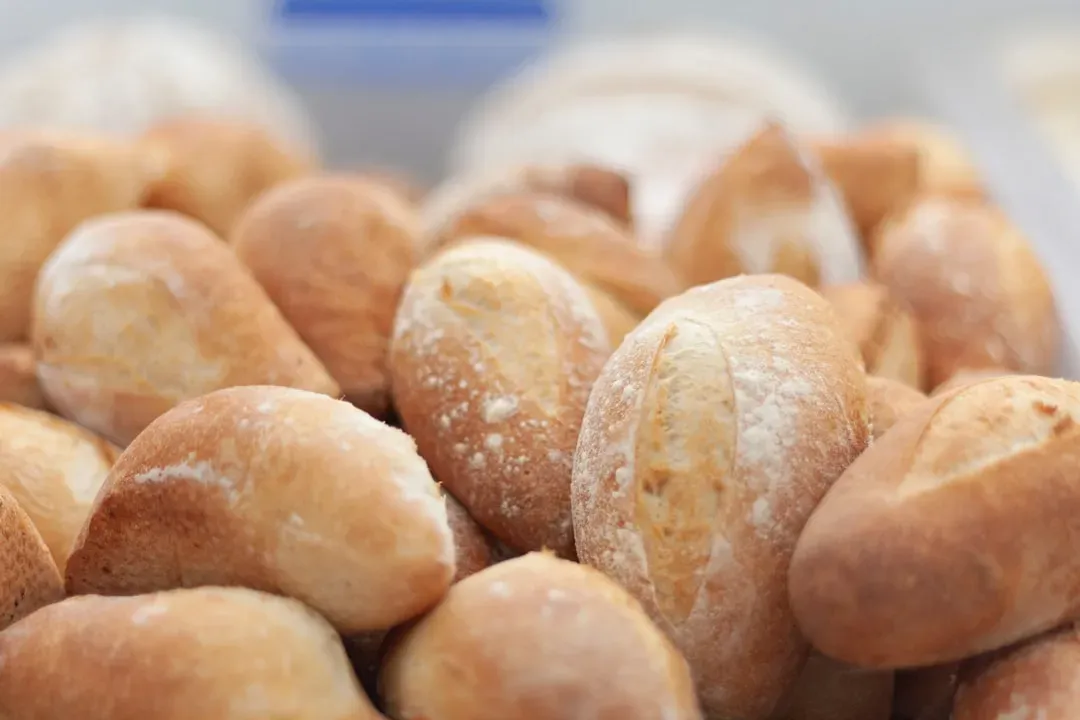
That warm bread basket that arrives at your table almost as soon as you sit down - crusty, fragrant, seemingly just out of the oven. I know it sounds crazy, but that bread has a good chance of never being truly "fresh-baked" in the conventional sense.
Most restaurants - even the ones that claim they bake their bread in-house every day - aren't actually making their bread from scratch. Instead, they get loaves, rolls and breadsticks that have been partially cooked and rapidly frozen for long-term storage. When it's time to make "fresh" bread, they put it into a hot oven to bake the rest of the way.
In addition to breadsticks and rolls, lots of restaurants freeze their sliced bread as well. Even if it arrives at the restaurant fresh, freezing it is a common practice. Freezing bread ensures it doesn't go stale before it is used. While it's never quite the same as when it is freshly baked, it's often tricky to tell if bread has been frozen when it is toasted or grilled and slathered with sauce and topped with other ingredients.
8. Burger Patties
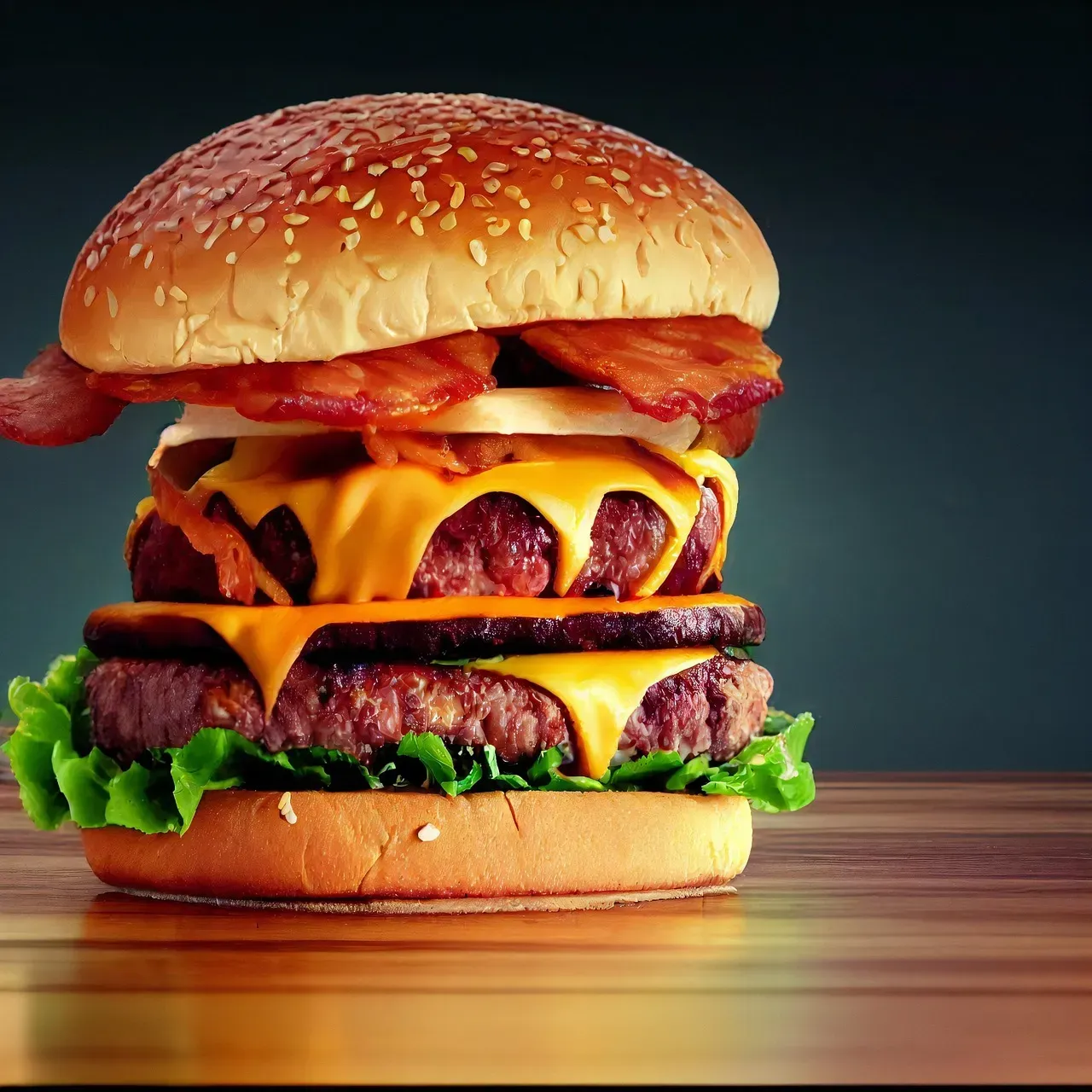
The classic American burger - grilled to order, juicy, steaming on a toasted bun. Many restaurants make a genuine effort to source fresh, quality beef. Others, however, are pulling pre-formed patties straight out of the deep freeze before slapping them on the grill.
It's probably not much of a shock to learn that many fast food restaurants serve burger patties that arrive pre-formed and frozen. However, the number of other restaurants that also follow this practice could be somewhat surprising. Lots of bars, restaurants, and diners make their burger patties in-house and are not frozen. Still, there are plenty of places that simply do not.
An ex-manager at one major fast-food chain revealed that the restaurant's beef burgers are cooked from frozen. The patty goes through a char broiler and comes out perfectly done medium well. It's for this reason that it's not possible to customize the doneness of your burger at such establishments. When a server can't tell you how you'd like your burger cooked, that's a telling sign right there.
9. Chicken Strips and Breaded Chicken Dishes
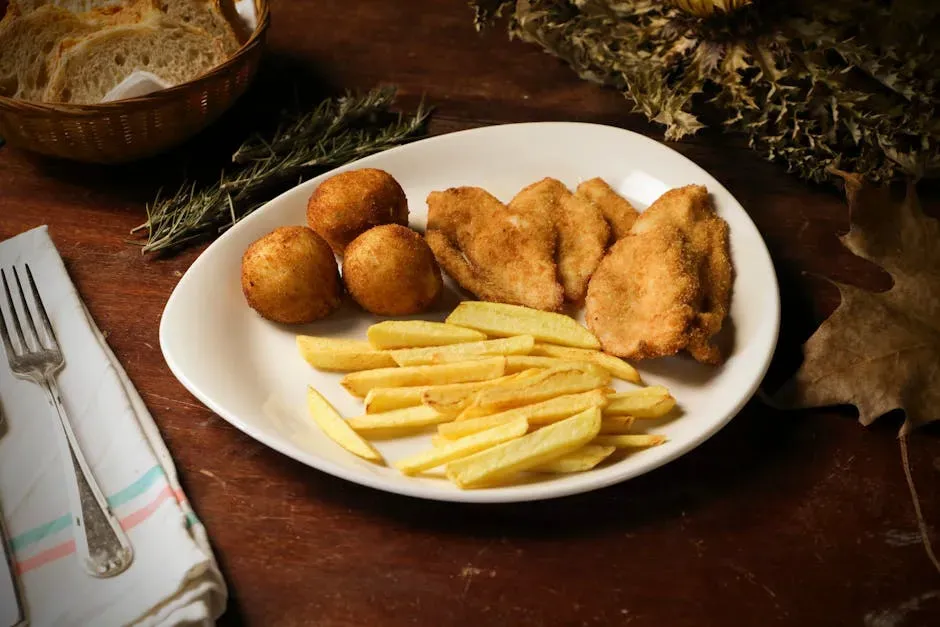
Chicken parmesan, chicken strips, chicken sandwiches - breaded chicken dishes are everywhere in the restaurant world. They're crowd-pleasers, they're versatile, and they're also among the most commonly frozen items in commercial kitchens across the country.
Places known for their fried chicken most likely take the time to present you with the real deal. However, chain restaurants, diners, and bars often opt for frozen products. In addition to the kid's menu, anything from chicken parmesan to chicken sandwiches to an appetizer of chicken strips could likely have arrived frozen and breaded so all the cooks have to do is deep-fry them. This happens in many kitchens, and while it isn't premium quality, there were rarely customer complaints.
Folks ordering the chicken parmesan sub at certain well-known chains might be surprised to learn that the star ingredient is frozen before arrival, according to former employees. The reality is that the on-trade channel, which includes restaurants and institutional foodservice, benefits greatly from frozen foods' ability to reduce waste and labor costs. However, its growth is limited by the perception that fresh ingredients signify higher quality. That perception gap is precisely what keeps the freezer-to-table pipeline humming quietly along.
The Bigger Picture Worth Knowing
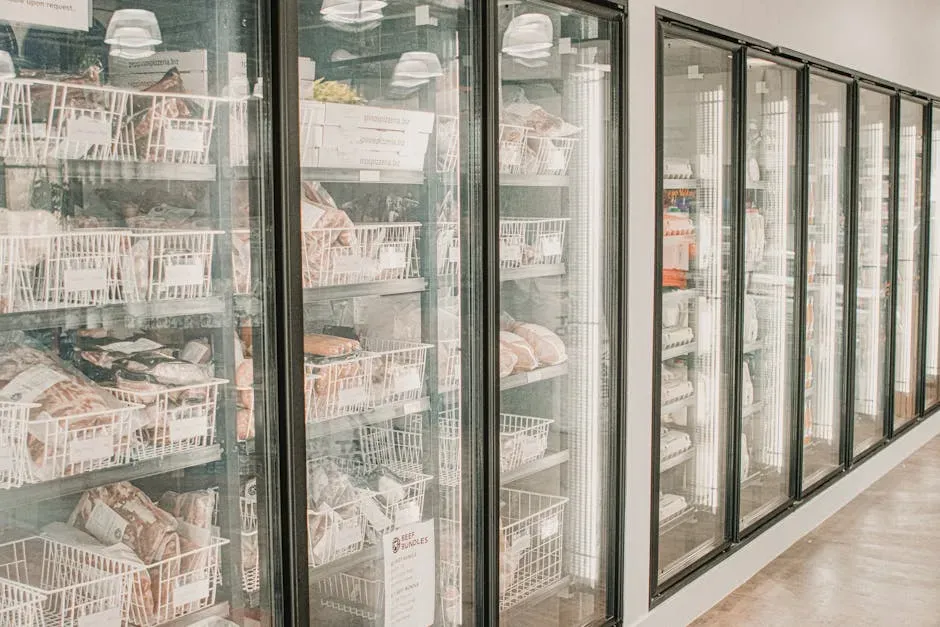
None of this is meant to ruin your next dinner out. Frozen food, when handled correctly, can be entirely safe and even nutritious. Frozen fruits and vegetables can be just as nutritious as fresh ones, if not more so. They are often frozen at peak ripeness, locking in nutrients, whereas fresh produce may lose some nutrients during transportation and storage.
The real issue is transparency. Restaurants should accurately label and disclose when dishes are pre-made or frozen, especially if customers reasonably expect freshly made food. Selling frozen food is not inherently unethical - ethical questions arise only when specific practices around sourcing, labeling, quality, and transparency become problematic.
The frozen food industry itself is booming for good reason. Improvements in flash-freezing technology and a wave of innovative brands have brought restaurant-quality options to a new level. The line between "frozen" and "fresh" is genuinely blurring - but knowing what's on your plate is still a reasonable thing to want. Next time you order that perfect cheesecake or those golden mozzarella sticks, you'll know a little more about the journey they took to reach your table. Does that change how it tastes? That's entirely up to you. What do you think - does it matter to you if your restaurant dish started out frozen?



Leave a Reply