
You sit down at a restaurant, you're genuinely excited, the menu looks fantastic, and the atmosphere checks every box. Then the food arrives and something feels... off. You can't quite put your finger on it at first, but something about the meal doesn't feel right. Was it cooked fresh, just for you? Or was it quietly pulled out of a container and reheated?
Even at fine dining restaurants, serving pre-made food is a commonality most patrons are not aware of, and it happens a lot. Honestly, this is one of the most eye-opening food truths out there. Let's dive into the nine telltale signs your restaurant meal didn't come straight off the heat.
1. Your Food Arrived Suspiciously Fast
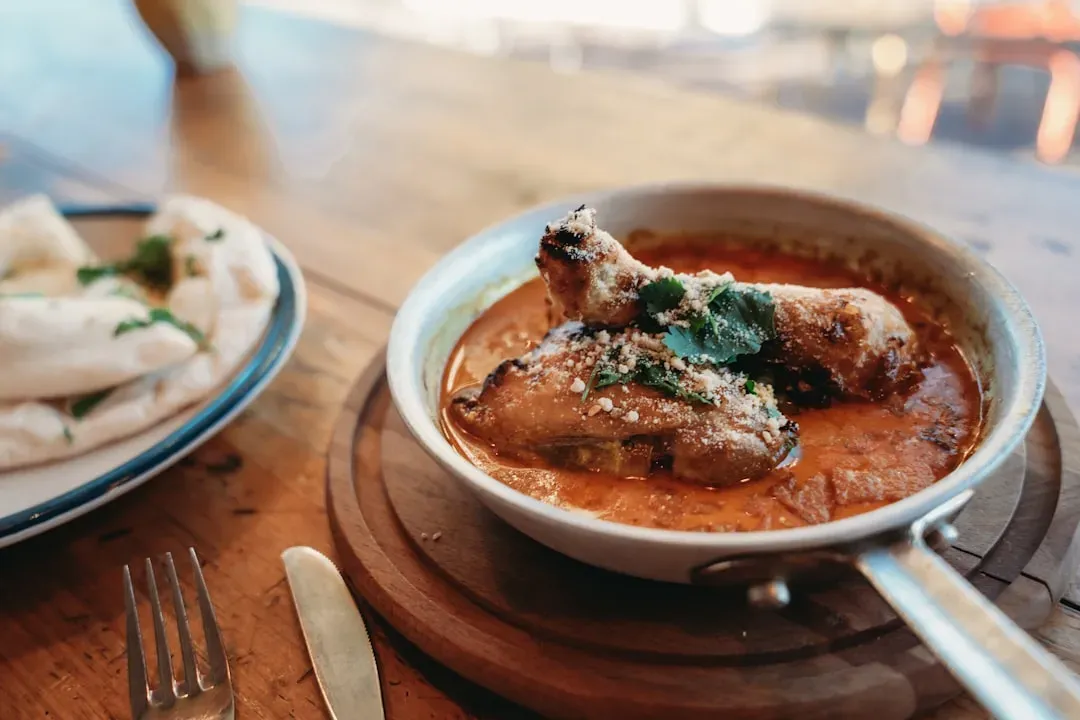
Let's be real. When your food lands on the table less than five minutes after you ordered a grilled fish fillet or a risotto, something is off. Real cooking takes real time, and no amount of kitchen efficiency changes that basic reality.
A freshly prepared meal that's made-to-order takes time. What doesn't take much time is reheating pre-made food. If you're at a non fast-food restaurant and the food comes out lickety-split like drive-thru service, that's a telltale sign that the restaurant is serving pre-made food.
After all, it should take a lot longer to make a fresh grilled chicken breast or risotto than it does to assemble a fast food burger. Think of it this way. A proper sear on a steak alone takes a few minutes per side. If it arrives before you've finished your drink order, someone was already halfway through warming it up the moment you walked in the door.
2. The Texture Is Rubbery or Strangely Dry
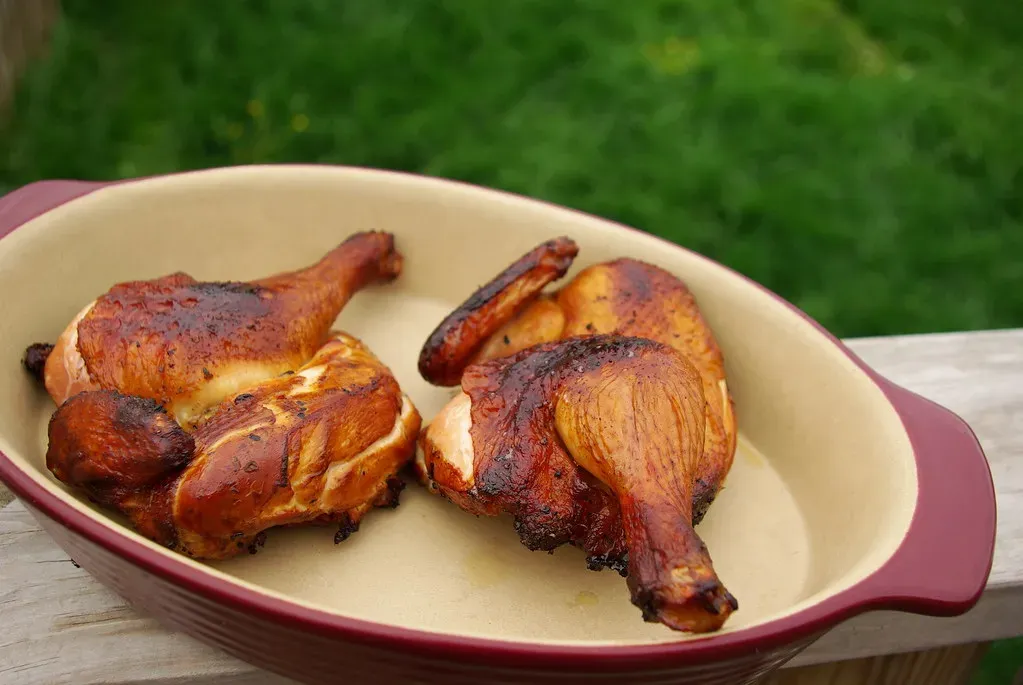
This is perhaps the most physical and undeniable clue on this list. Biting into a chicken breast that feels like a tennis ball or chewing through shrimp that could double as a pencil eraser? That's not just bad cooking. That's the signature of repeated heating.
Prolonged high-temperature cooking or repeated reheating causes further moisture loss and increased rubberiness. There's actual science behind it too. When heated for too high and too long, the proteins shrink even further until nearly all the moisture within them is gone, giving you the dry, rubbery texture.
Rubbery chicken is usually an indicator of overcooked chicken. The longer the chicken cooks, the more moisture it loses, and without moisture, the protein fibers become elastic, aka rubbery. If your protein feels elastic rather than tender, trust that gut feeling. The kitchen probably reheated it one time too many.
3. Uneven Temperatures Throughout the Dish
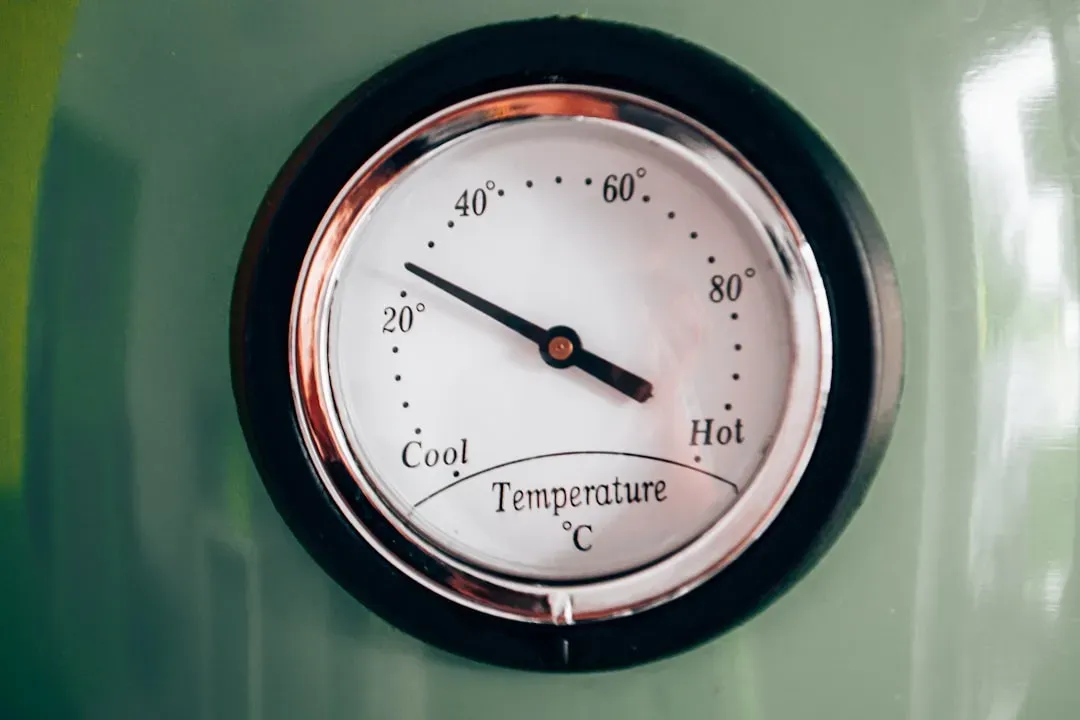
Here's the thing. A dish that was cooked fresh will be consistently hot from the first bite to the last. When something is reheated, especially in a microwave or on a steam table, the heat distributes unevenly in ways that are hard to disguise on the plate.
If your plate has tepid meat or pockets of very cool sauce, they hint at batch prep or slow reheating, not made-to-order cooking. Many restaurants reheat items slowly or hold batches in steam tables.
Reheating in slow cookers and chafing dishes is NOT recommended because foods may remain in the "Danger Zone" (between 40 and 140 °F) too long. The CDC confirms this temperature range is where bacteria can multiply rapidly if left at room temperature or in the "Danger Zone" between 40°F and 140°F. Warm patches surrounded by cold bites are a classic and concerning giveaway.
4. The Sauce Tastes Flat, Gummy, or One-Dimensional
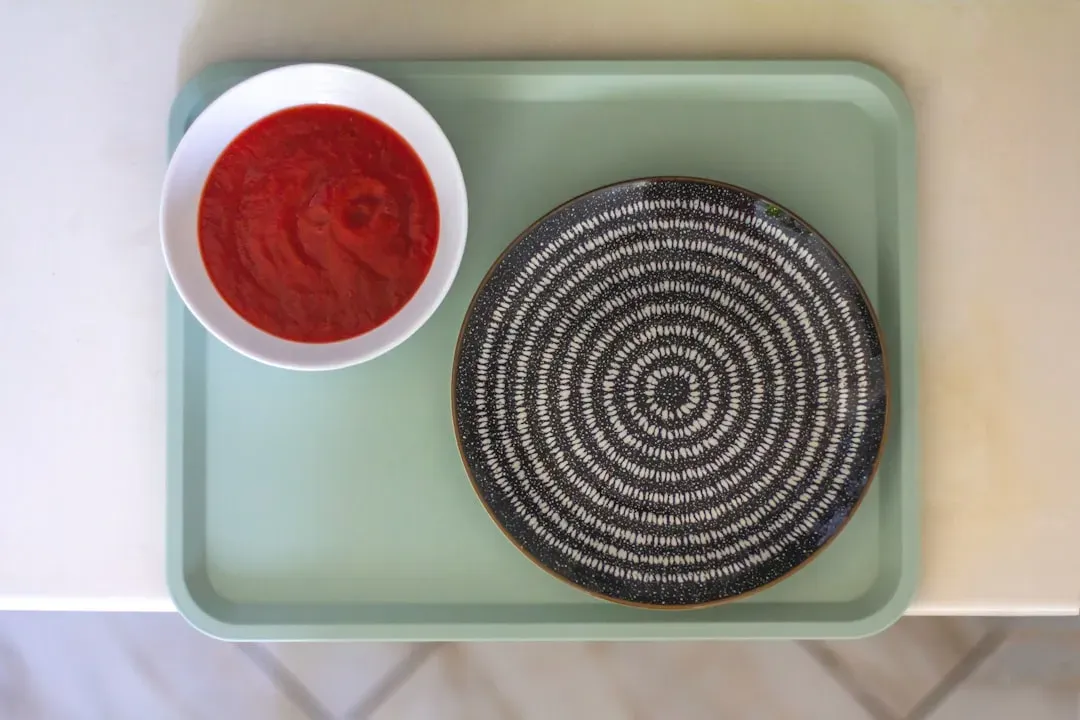
A properly made sauce is a living, layered thing. Fresh aromatics, real butter, a bit of acid, maybe some herbs. The kind of depth that comes from actually cooking it to order. When you taste something that feels more like wallpaper paste than a proper sauce, your instincts are right.
A great sauce is rich, silky, and full of flavor. When sauces taste flat or feel like cornstarch paste, they're usually made from powdered gravy mixes or canned base and then reheated. What customers get is something gluey, watery, or oddly sweet.
Sauces that have been held and reheated multiple times lose their brightness. The volatile aromatic compounds that give a sauce its character simply evaporate over heat and time. Real sauces sparkle with aromatics, fresh herbs, and maybe some butter. If you can't detect any of that, it very likely came out of a bag or batch made hours ago.
5. No Substitutions Allowed
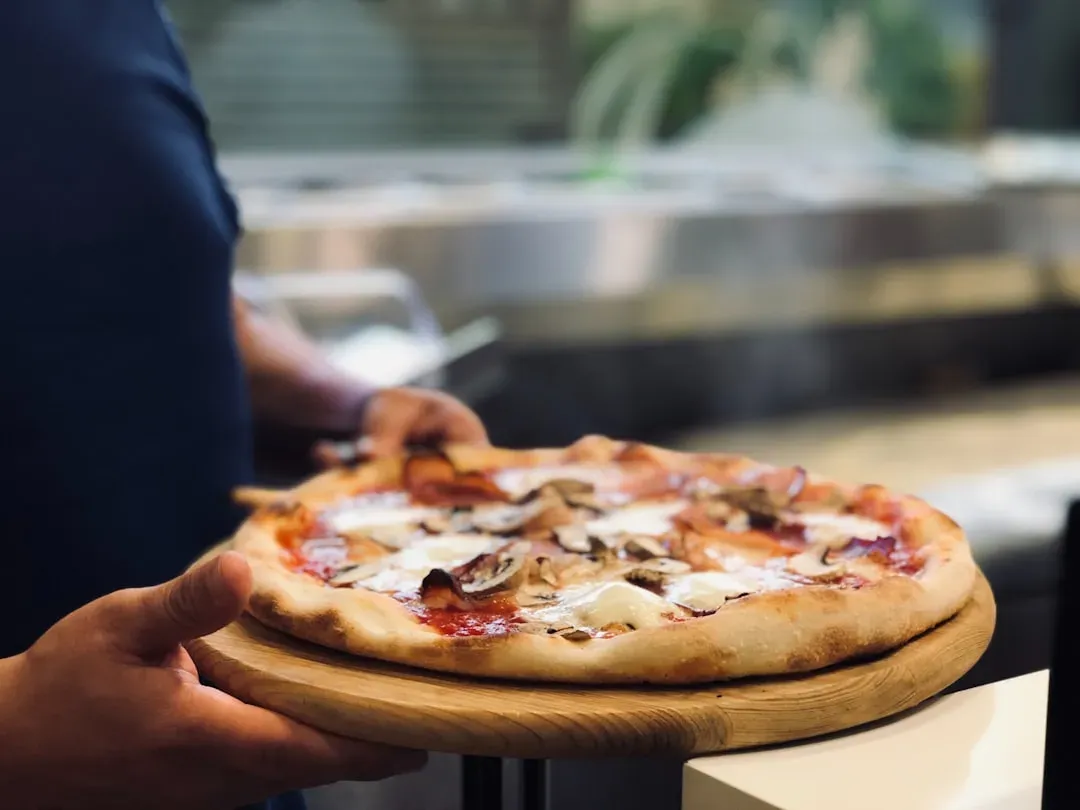
You want to pull the mushrooms out of your pasta. Simple enough request at a restaurant that's actually cooking. But when the server tells you that no, that specific dish cannot be modified, it raises a question. Why not?
If your server says they can't make a substitution, it's probably because that dish has already been made. Think about making a stew or a casserole at home. You don't make a single serving for one person. You make a big batch and portion it out. Restaurants work the same way with many dishes.
Making certain menu items fresh from scratch would take a great deal of time, not to mention slow down service. So if you notice that certain menu items can't be substituted, odds are they're prepared in advance, and reheated when you order. It's not always a red flag, but combined with other signs, it paints a pretty clear picture.
6. The Menu Is Overwhelmingly Large

Ever walked into a restaurant with a menu so enormous it could qualify as a small novel? I think we've all been charmed by that at some point, thinking variety means quality. Spoiler: it usually doesn't.
An extensive menu means the chef has to have all those ingredients on-hand, which makes it difficult to guarantee freshness along with timeliness. No kitchen on earth, staffed by real humans cooking in real time, can genuinely prepare sixty menu items to order on a busy Saturday night.
The only practical way to manage a bloated menu is to pre-cook, batch, and reheat. Smaller, more focused menus are almost always a sign of a kitchen that actually knows what it's doing and cooks it fresh. If the menu feels like a phone book, think twice about what you're actually ordering.
7. Fried Items Are Soggy and Leave an Oily Aftertaste
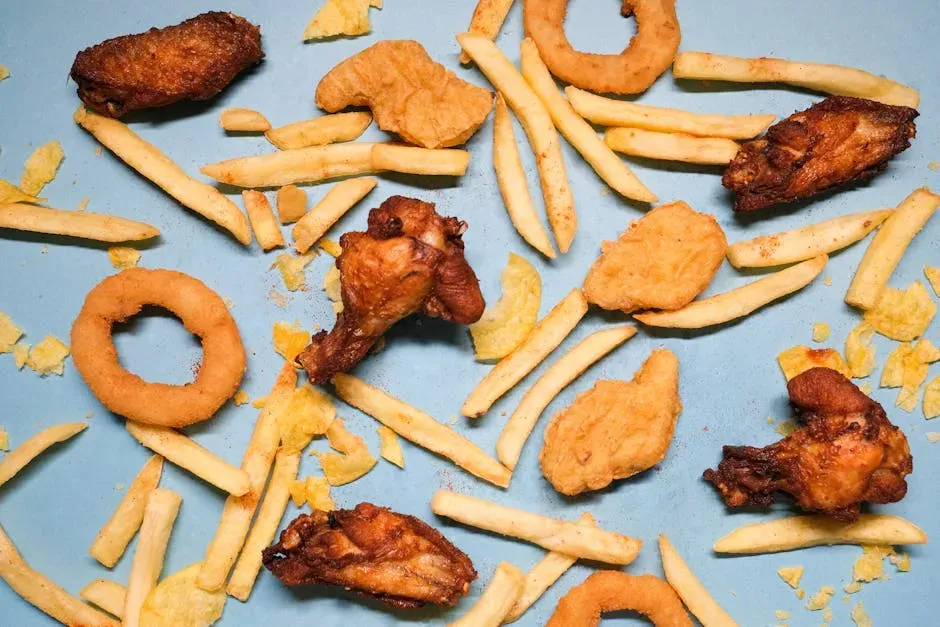
Fresh fried food is a glorious thing. Crisp, light, golden. It should arrive crackling and smell clean and hot. When your fries or fried chicken land on the table looking limp and greasy with a slightly stale smell, that's a food that lost its crunch long before it reached you.
Fried food should be crispy, golden and smell amazing. So if your onion rings or fries taste soggy and leave an oily film in your mouth, chances are the fryer oil hasn't been changed recently. Studies show that cooking oils produce off smells when reused too often.
Fried foods that are cooked, held, and then re-dropped into a fryer to reheat pick up extra oil and lose their structural integrity completely. It's a bit like trying to re-toast wet bread. Food distributors offer a variety of pre-made fried fish, so all the restaurant has to do is heat and serve. Next time you order up a plate of fried Baja fish tacos or fish and chips, don't be surprised if your fish was reheated in a deep fryer.
8. Seafood Has a Fishy or Off-Putting Smell
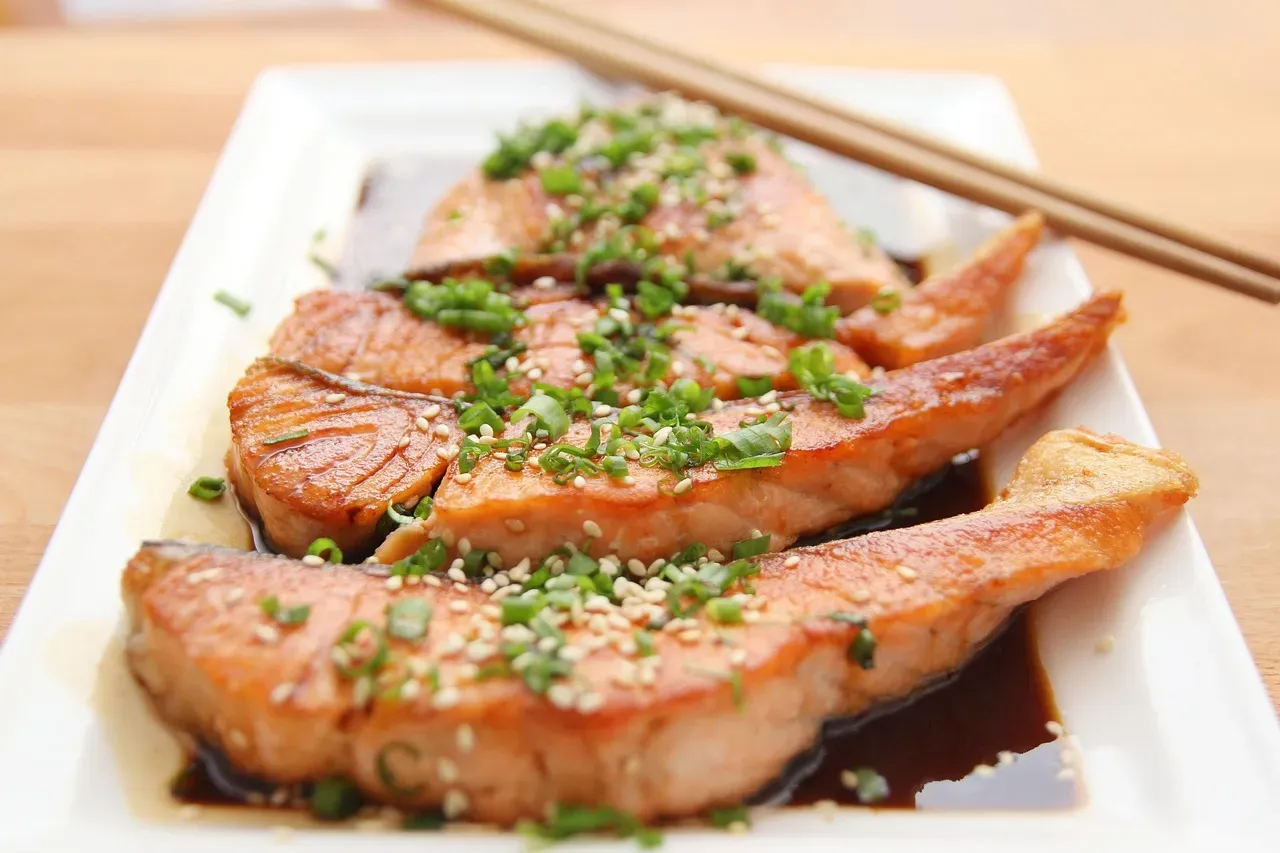
This one is important enough to stand on its own. Truly fresh fish has a clean, ocean-like quality to it. It smells like the sea, not the inside of a dumpster. The moment you catch a strong, pungent "fishy" odor on your plate, you're dealing with something that isn't fresh.
Fresh fish should never smell fishy. Instead, it gives off a clean, briny scent (like the ocean) as per USDA and FDA seafood safety guidelines. Look for dull coloring or dry edges too as they're both signs that the fish is past its prime.
Restaurants that only offer seafood in fried form is a clear indicator that the restaurant doesn't serve fresh fish. Breading and frying seafood is an easy way for cooks to mask the fact that the fish was previously frozen. The combination of an off-smell, dull flesh color, and dry or curled edges tells you everything you need to know about when that fish actually left the water.
9. The Vegetables Are Mushy, Colorless, or Watery
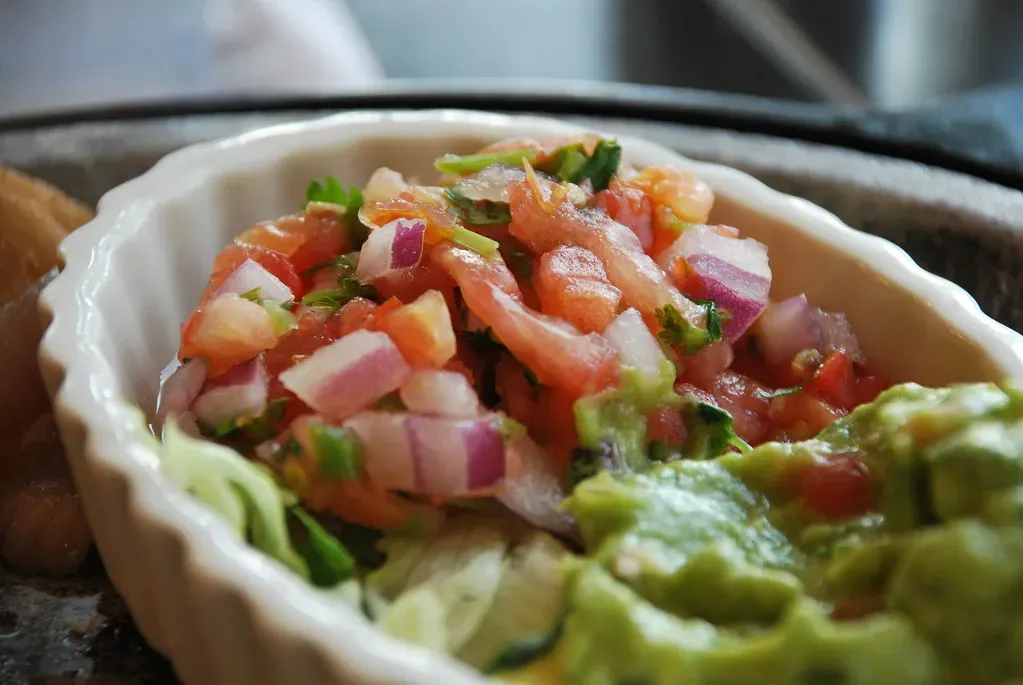
Fresh vegetables cooked to order retain vibrant color, a slight crunch, and their own natural flavor. They taste like something. When vegetables arrive pale, soft, watery, and essentially flavorless, they've been cooked well in advance and reheated until all life was drained out of them.
If your salad looks uniform, with every leaf colorless, droopy, and the same size, it's not kitchen precision. It's more like a shortcut of using bagged greens that lose their texture and flavor when chilled for too long. Fresh greens are slightly varied in hue and shape, plus real prep work means uneven cuts and snappy textures.
Cooked vegetables behave similarly. Think about broccoli that turns grey-green or carrots that collapse at the touch of a fork. Overcooked steamed food loses its desirable texture and moisture, often resulting in a rubbery consistency that is chewy and tough, which is not the ideal state for most vegetables or meats. A side dish of limp, pallid green beans is rarely the result of fresh cooking. It's batch prep that's been sitting far too long.
The Bigger Picture: Why This Actually Matters
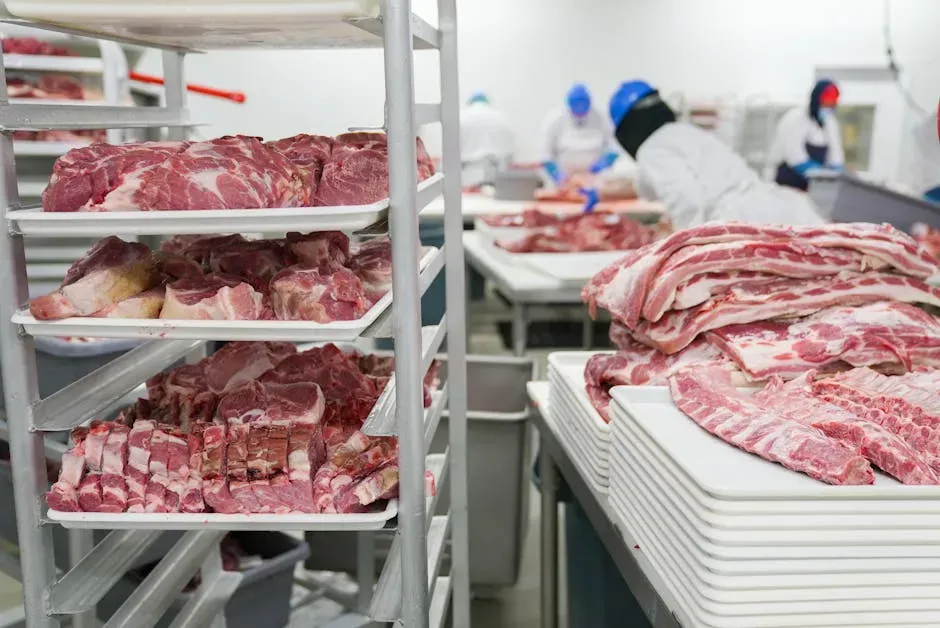
Beyond just taste and texture, there's a genuine safety dimension to how restaurants handle pre-cooked food. Around 800 foodborne outbreaks are reported to the Centers for Disease Control and Prevention every year. The majority of them happen in restaurants, outpacing all other food preparation settings. These outbreaks are often caused by improper food handling, poor hygiene practices, and inadequate cooking or storage temperatures.
The recommended internal temperature for reheating foods is based on the food temperature at which most pathogenic bacteria are weakest. Insufficient or uneven reheating of food may allow the survival of pathogens and potentially cause food spoilage or foodborne illness. In other words, food that isn't reheated properly to the right temperature isn't just unpleasant. It can make you genuinely sick.
Being an informed diner doesn't mean becoming paranoid every time you sit down at a restaurant. It means knowing what to look for, trusting your senses, and feeling confident enough to ask questions. Your meal should be exactly what you paid for. Fresh, properly cooked, and made with care. Anything less, and you have every right to say something.
Next time your food arrives suspiciously fast, smells odd, or feels like something reheated from yesterday, you'll know exactly why. What would you have guessed was the most common sign? Tell us in the comments.




Leave a Reply