
Food history is full of moments that make you stop and do a double take. Dishes we think we know completely, origins we assume are obvious, and culinary traditions we'd stake our reputation on turn out to be something entirely different. The further historians dig, the stranger things get - and some of these coincidences are so improbable, so perfectly timed, or so wildly misattributed, that even serious culinary scholars find themselves scratching their heads. Here are nine of the most puzzling coincidences in food history that continue to fascinate experts today.
1. The Caesar Salad Was Born in Mexico on the Fourth of July
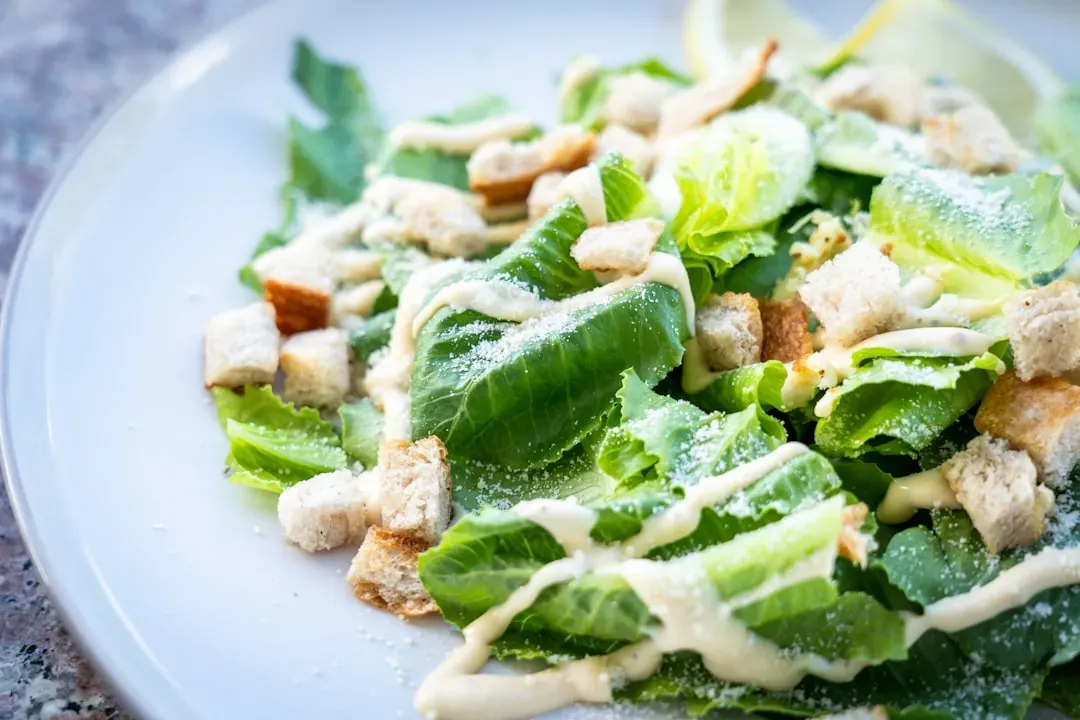
The Caesar salad was created for the very first time on July 4, 1924, in Tijuana, Mexico - and it is not a Mexican salad. The timing is almost too perfect to believe: an Italian immigrant, cooking in a border town full of American tourists seeking to escape Prohibition, accidentally invented one of the most American-feeling salads in history - on America's own national holiday. The salad's creation is generally attributed to restaurateur Caesar Cardini, an Italian immigrant who operated restaurants in Mexico and the United States, and who lived in San Diego but ran one of his restaurants, Caesar's, in Tijuana, to attract American customers seeking to circumvent the restrictions of Prohibition.
His daughter Rosa recounted that her father invented the salad at the Tijuana restaurant when a Fourth of July rush in 1924 depleted the kitchen's supplies, and Cardini made do with what he had, adding the dramatic flair of table-side tossing by the chef. Cardini's daughter said he cobbled together merely seven ingredients: whole leaves of romaine lettuce, a raw egg yolk, Italian olive oil, grated Parmigiano-Reggiano cheese, Worcestershire sauce, and lime juice. A salad born from scarcity in a border city, on a holiday it wasn't meant to celebrate, is now one of the most ordered salads worldwide.
2. Sauerkraut, Germany's Signature Dish, Was Invented in China
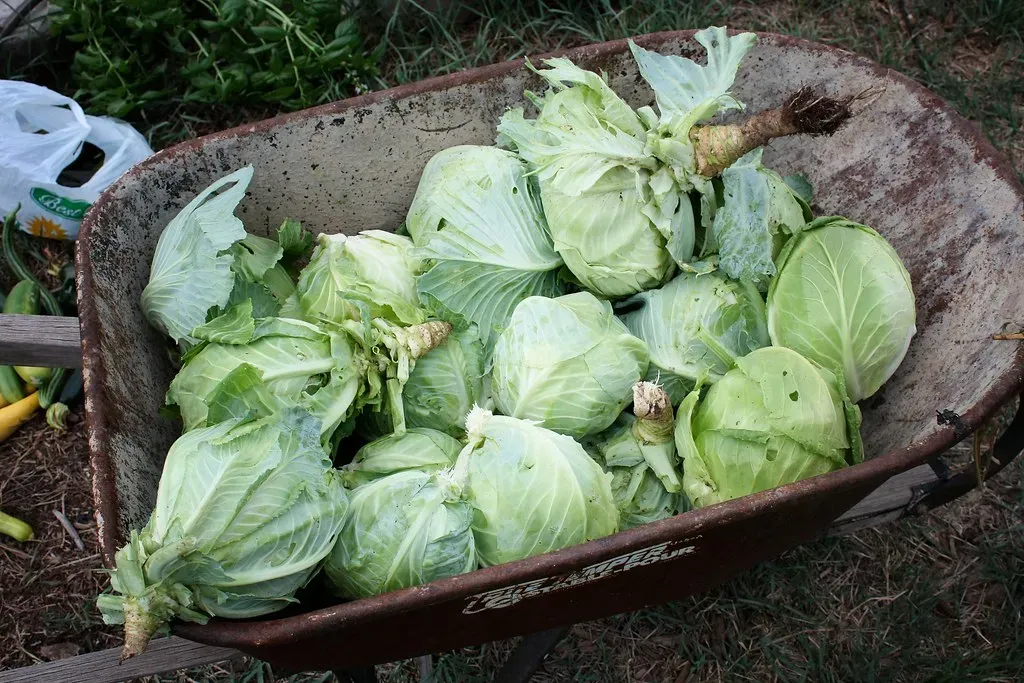
The most German-seeming of foods - the pickled cabbage known as sauerkraut - was actually first fermented by the Chinese, more than 2,000 years ago, and according to The New York Times, the puckery condiment closely associated with European cuisine is actually a legacy of the workers on the Great Wall of China, whose construction began in the third century B.C. Those constructing the vast project lived on meals of rice and cabbage, and in the winter when the cabbage was already past harvest, rice wine was mixed into it to preserve it - the cabbage and rice wine mixture fermented, and an ancient cousin of sauerkraut was born.
The evolution of sauerkraut as a beloved European staple began with the Mongol Empire's nomadic lifestyle and expansive conquests, primarily under the leadership of Genghis Khan, whose need for efficient, nutritious food during long campaigns led them to embrace fermented cabbage - a dish that traveled with the Mongol invasions into Central and Eastern Europe, introducing an early form of sauerkraut to new cultures. The dish did not originate in Germany. Yet today it remains one of Germany's most recognizable cultural exports - a Chinese invention wearing a very German name.
3. Swedish Meatballs Are Actually Turkish
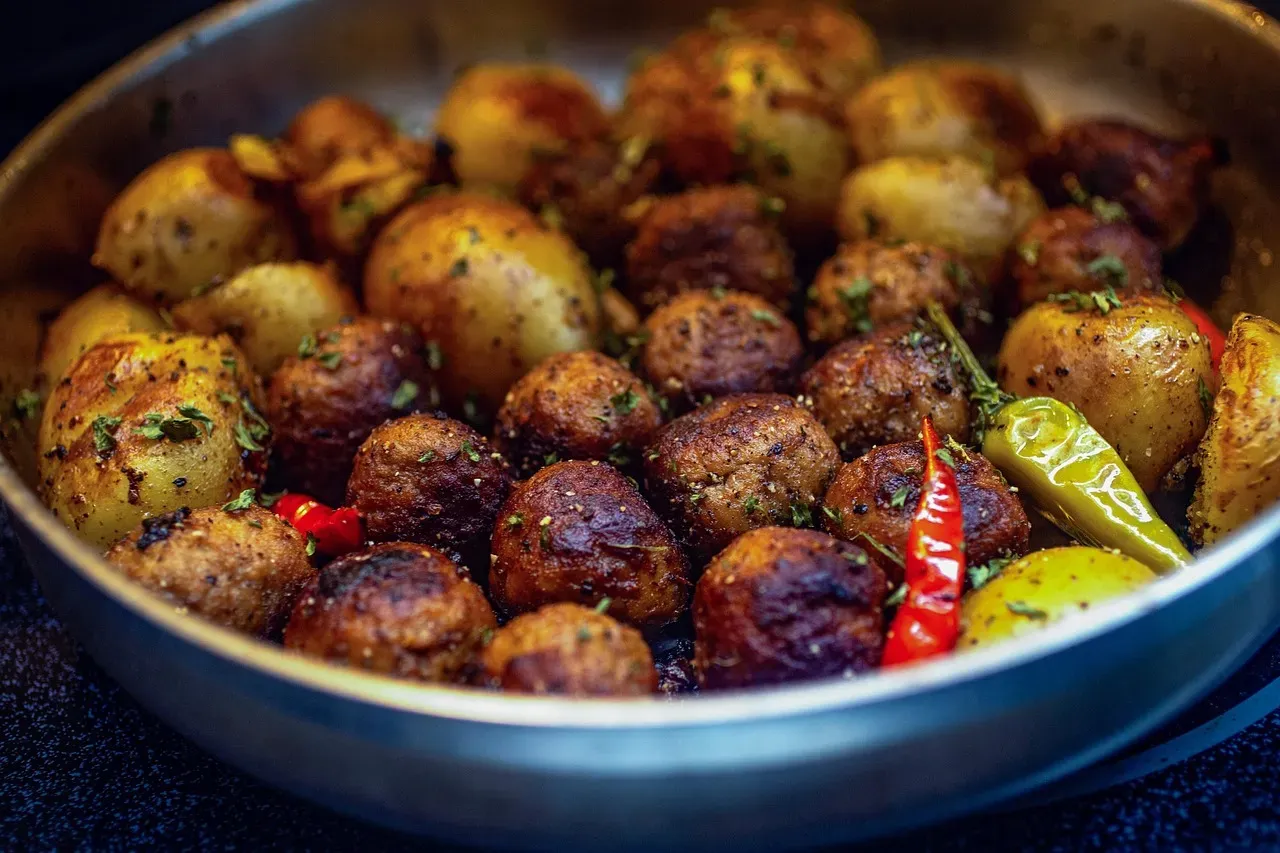
Swedish meatballs slathered in gravy are a well-established corner of Swedish culture - but the dish was invented elsewhere. The widely accepted origin story credits Sweden's King Charles XII, who spent years in exile in the Ottoman Empire after losing a war against the Russians in the early 18th century. According to research shared by Uppsala University researcher Annie Mattsson, when Charles finally returned to Sweden in 1715, he brought with him Turkish coffee beans and the recipes for dolma and köfte - and from there, it's presumed that the two recipes morphed into what we now know as stuffed cabbage rolls and Swedish meatballs, with the first documented recipes appearing in cook Cajsa Warg's 1755 book "Guide to Housekeeping for Young Women."
The truth is, trying to figure out who first invented the meatball is like trying to pin down the origin of soup - the roots are anything but clear, and it's more than likely that versions of meatballs were born near-simultaneously in different parts of the world. Sweden's official Twitter account stirred up a social media uproar when it proclaimed that its namesake meatballs are actually an import from another part of the globe. The claim provoked fierce national debate - and the internet, predictably, had very strong feelings about it.
4. French Fries Are Belgian, Not French
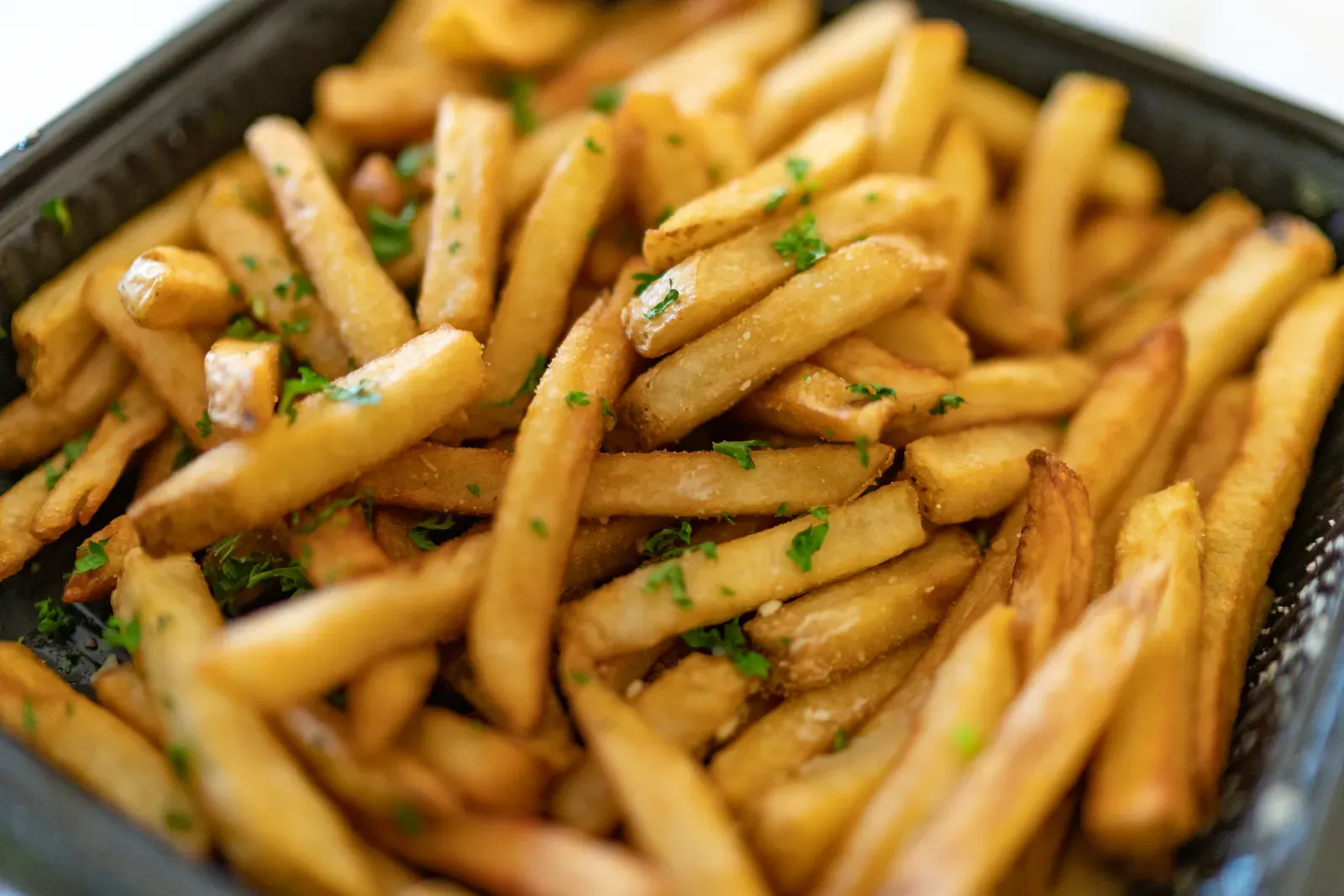
Contrary to popular belief, French fries did not originate in France - they trace their roots back to Belgium, where they were traditionally served with fish, and the term "French" is believed to come from the way the potatoes were thinly sliced before frying. The coincidence here is almost comical: a dish that bears the name of one country was almost certainly invented in a neighboring country, and the name itself seems to describe a preparation method rather than a place of origin. It's claimed Belgian villagers prepared potatoes in the winter the same way they prepared fish when the rivers weren't frozen - by frying - though others say the French were making frites before the Belgians were.
Some historians claim this popular side dish came about in the late 17th century. The dispute between Belgium and France over who truly invented the beloved fried potato has never been fully resolved, and culinary historians on both sides of the border still argue the point with great enthusiasm. What's undeniable is that a name meant to describe a cutting style permanently attached itself to the wrong country, and has been misleading diners ever since.
5. Chicken Tikka Masala, Britain's "National Dish," Was Invented in Scotland
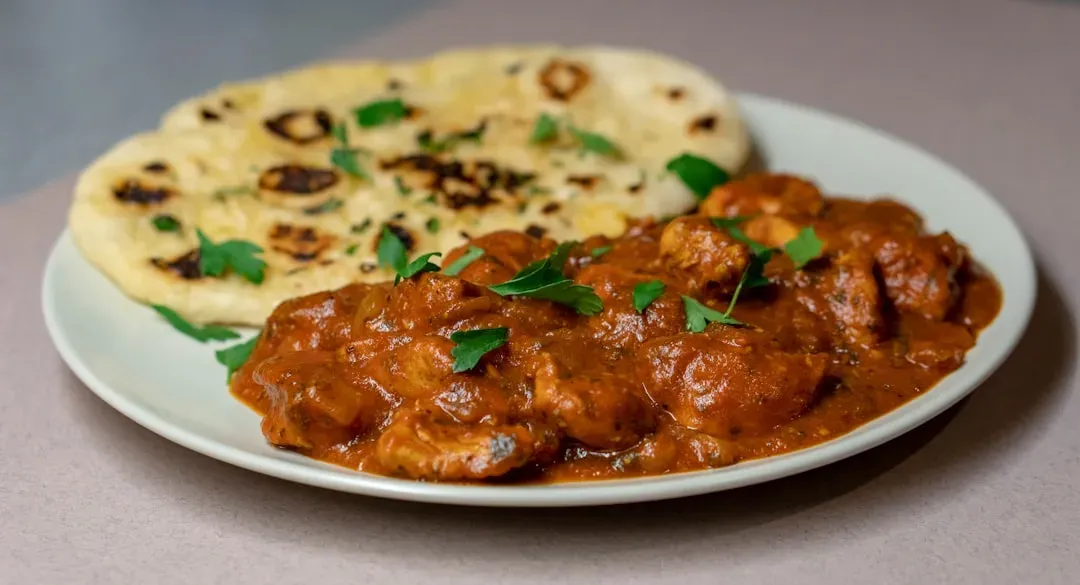
While chicken tikka is undeniably South Asian, the tikka masala sauce was invented in Scotland - the story goes that a Bangladeshi chef in Glasgow, Ali Ahmed Aslam, created the dish in the 1970s when a customer found their chicken tikka too dry, and according to food historian Peter Grove, the chef improvised by adding a creamy, spiced tomato sauce, giving birth to the dish that has since become one of the UK's most beloved curries. That a dish so thoroughly associated with South Asian cuisine was actually completed in a Glasgow kitchen by a Bangladeshi immigrant is the kind of culinary coincidence that food historians find endlessly compelling.
Despite its Scottish roots, chicken tikka masala has become a global favourite, blending South Asian flavours with British culinary preferences. The story goes that a customer complained about dry chicken tikka, so the chef improvised a sauce using tomato soup, spices, and cream - and this last-minute solution became one of the most popular dishes in British cuisine, proving that sometimes the best recipes come from thinking on your feet. The coincidence that an impromptu fix for a diner complaint became a defining dish of an entire nation is remarkable.
6. The California Roll Was Invented in Canada, Not California
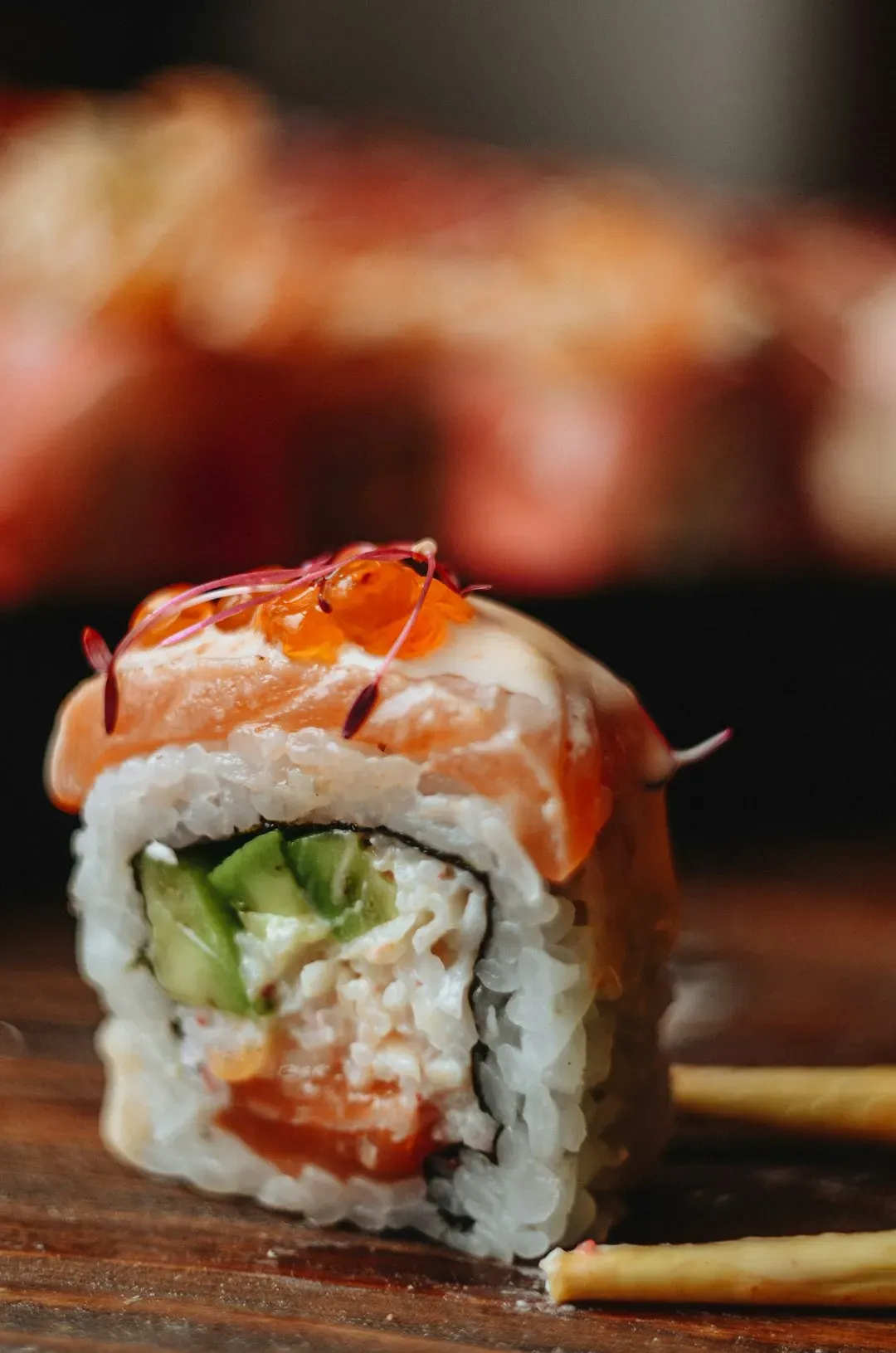
The California roll wasn't created in Japan or California but in Vancouver, Canada - Chef Hidekazu Tojo invented it in the 1970s to cater to Western palates that were squeamish about eating raw fish and seaweed, and by putting the seaweed on the inside and replacing raw fish with cooked crab, he created an entry point for millions into Japanese cuisine, with the name "California" chosen because that's where many of his Western customers came from. A sushi roll that became synonymous with American-Japanese food culture was actually designed in a Canadian city and named after a state its inventor had no particular connection to.
The roll's naming is a perfect example of how geography and food identity collide in mysterious ways. A chef in Vancouver wanted to appeal to Western tastes, chose ingredients unfamiliar in traditional Japanese cooking, and named his creation after a faraway American state for marketing purposes. Today the California roll is one of the most consumed sushi styles globally, its true Canadian birthplace almost entirely forgotten in the popular imagination - a coincidence of branding that permanently altered the history of a cuisine.
7. Ketchup Originally Had No Tomatoes in It
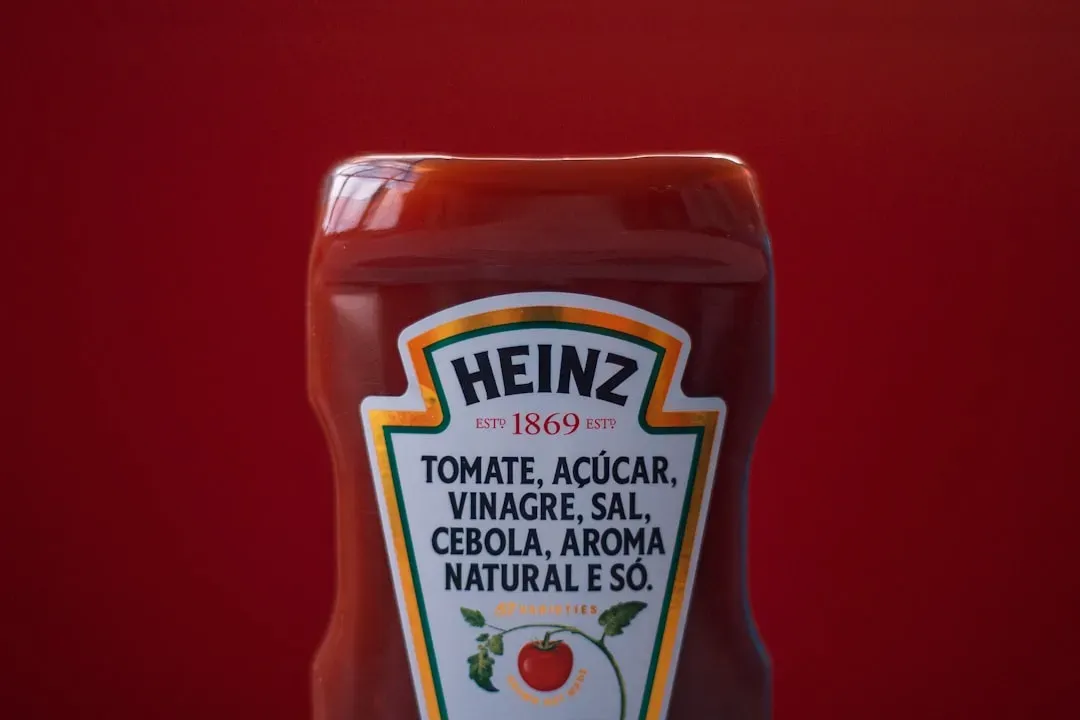
As recently as the 1700s, the recipe for ketchup didn't include any tomatoes - the reason being that for many years, tomatoes were thought to be poisonous, and it was only after colonists in America learned from Indigenous People in the late eighteenth century that they were safe to eat that tomatoes entered the ketchup recipe, making it a kitchen staple. The coincidence is striking: the one ingredient we now consider completely inseparable from ketchup was absent from the condiment for most of its early history. Tomatoes were once considered poisonous and even thought to cause illnesses, and it was not until the 18th century in Europe that tomatoes gained widespread acceptance as a safe and delicious food item.
Preparing tomato ketchup was very time-consuming, as the tomato puree had to be stirred constantly - so households were delighted when the first mass-produced and bottled ketchup, made by German-American chef Henry Heinz, appeared on shelves in 1876. That the condiment most associated with tomatoes spent centuries being made entirely without them is one of food history's most satisfying ironies. The tomato arrived so late to its own party that it had to fight to earn a permanent seat at the table.
8. The Croissant Is Viennese, Not French
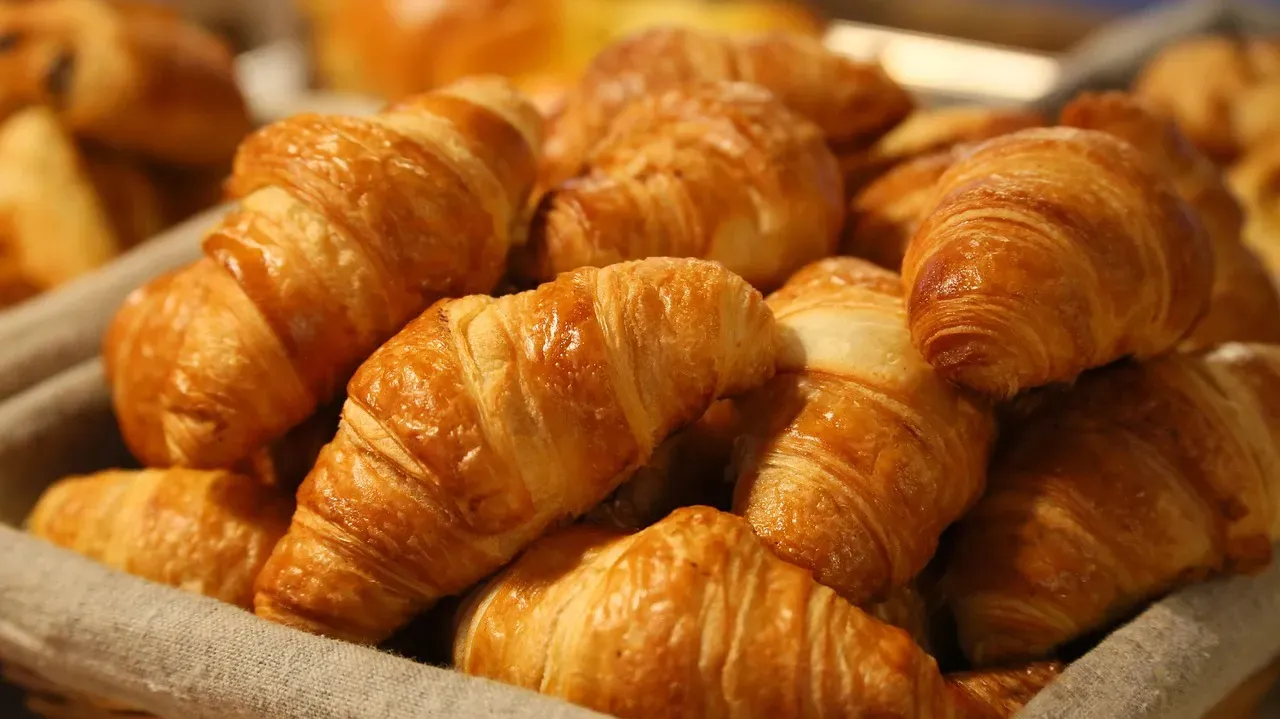
This delicious, flaky, pastry-based breakfast treat so deep-rooted in French culture was actually created in Vienna, Austria - the kipferl is noted as being the spiritual ancestor of the croissant, and many historians believe the crescent-shaped treat goes back to age-old monastery bakeries, baked as part of pagan customs to celebrate Easter, with the pastry first mentioned in the 12th century. The croissant is perhaps the single most recognizable symbol of French café culture, plastered on posters, menus, and tourist souvenirs from Paris to Provence. Yet its actual birthplace is a different country entirely.
The pastry traveled from Austria to France and was eventually perfected by French bakers who transformed the original kipferl into the buttery, laminated version the world now knows. This is one of those culinary coincidences where a nation became so good at refining and marketing a borrowed dish that the original creator faded almost entirely into the background. Many dishes evolve based on local tastes, ingredients, and cooking methods - and the croissant is perhaps the most famous example of a dish that evolved so thoroughly in its adopted home that its origins became genuinely surprising to the people who eat it most.
9. Buffalo Chicken Wings Were an Accident Born from an Unwanted Delivery
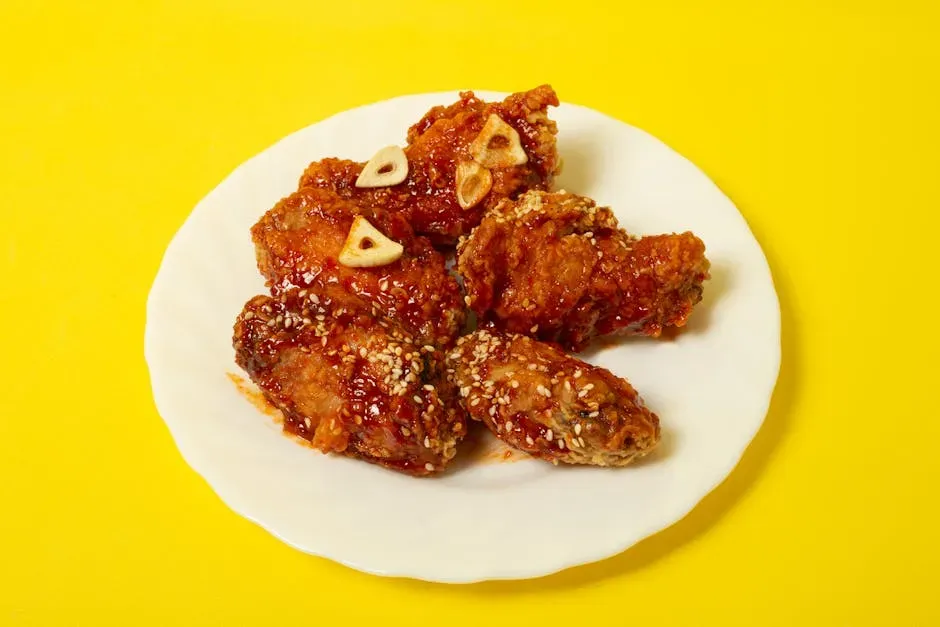
One of America's most popular foods today, chicken wings only rose to fame over the last 60 years - they were traditionally used as stock for soup or simply thrown away, and it wasn't until 1964 at the Anchor Bar in Buffalo that all this changed, when Teresa Bellissimo is credited as the inventor of Buffalo wings after receiving an accidental shipment of wings and covering them in her own special sauce, served with blue cheese and celery. The idea that one of the most consumed bar foods in the United States exists entirely because of a shipping error is almost too perfect a story for food history.
What makes this coincidence especially striking is the timing: a part of the chicken considered so worthless it was routinely discarded was transformed, by accident, into a cultural phenomenon that now commands billions in annual sales. The accidental nature of the invention - wrong delivery, wrong night, improvised sauce - mirrors so many other food origin stories where chance played a far bigger role than deliberate culinary planning. Food history presents a fascinating buffet of popular lore and contradictory facts. The Buffalo wing is perhaps the purest example of that truth - a mistake that became a masterpiece.




Leave a Reply