
There's a version of "adventurous eating" that most travelers think they're ready for. You tell yourself you'll try everything, that you're open-minded, that food is culture. Then something lands in front of you and all those noble intentions dissolve instantly.
The truth is, the world's most unusual food traditions aren't just about weird ingredients. Many of them carry centuries of history, survival logic, and deep cultural meaning that most outsiders never fully grasp on first encounter. From the frozen tundra to bustling Asian street markets, some of these customs genuinely take your breath away, not always in a good way. Let's dive in.
1. Balut: The Filipino Fertilized Duck Egg That Stops Tourists in Their Tracks
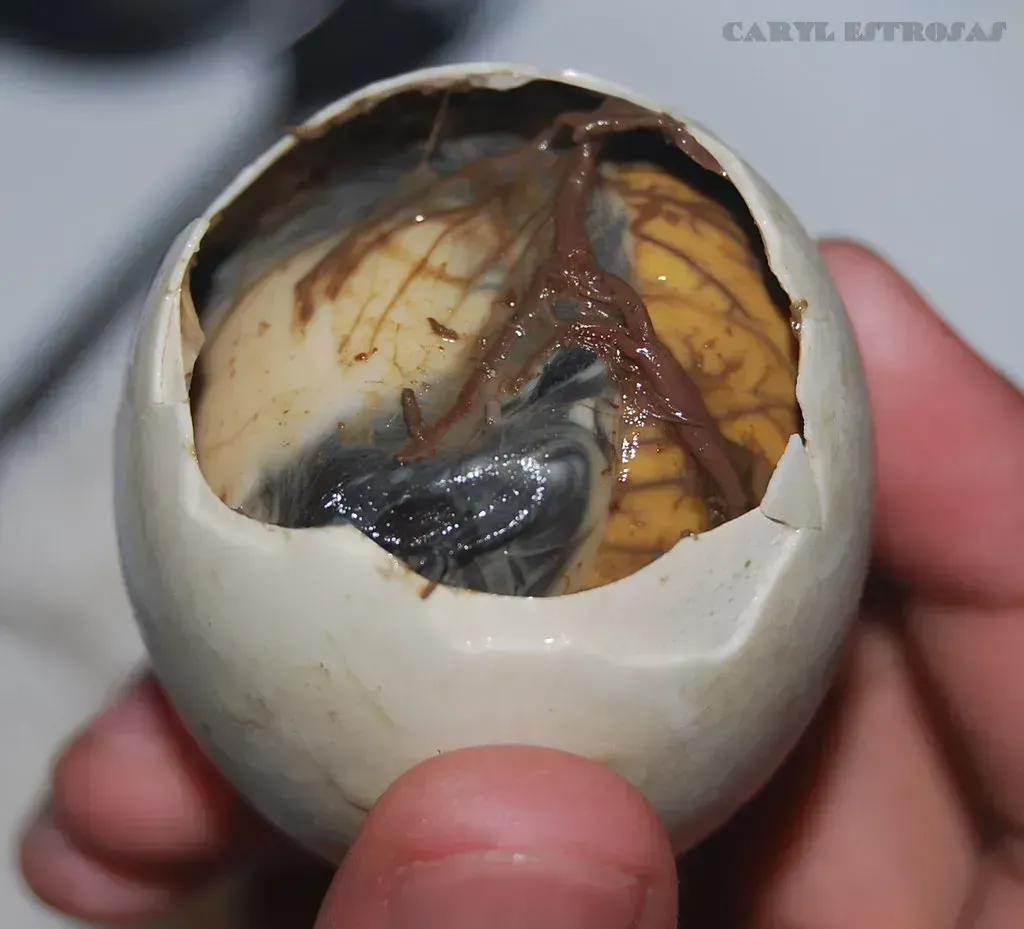
Balut is a popular street food in the Philippines consisting of a fertilized duck egg that has been incubated for about 14 to 18 days. Unlike a regular hard-boiled egg, the inside contains a partially developed embryo, complete with tiny feathers, a beak, and soft bones. Honestly, even reading that sentence is enough to make some people push their plates away.
To eat it, you crack the shell, sip the warm liquid inside, then consume the entire contents with a dash of salt and vinegar. It is considered a powerful energy booster and a beloved late-night snack, though the visual experience is often a hurdle for uninitiated travelers. The flavor is reportedly rich and savory. The experience of looking at it, well, that's the real test.
2. Fugu: Japan's Poisonous Pufferfish That Could Be Your Last Meal
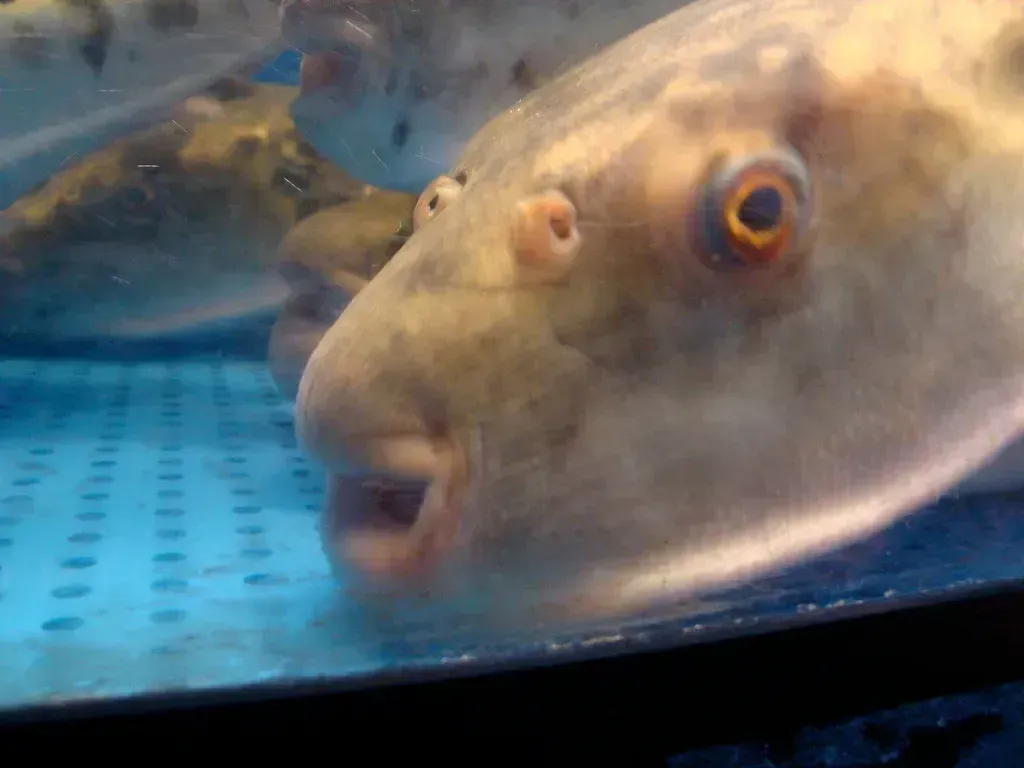
Fugu is perhaps the most dangerous dish in the world, as the pufferfish contains tetrodotoxin, a poison that is 1,200 times more deadly than cyanide. Japanese chefs must undergo years of rigorous training and obtain a special license to legally prepare the fish, carefully removing the toxic liver and ovaries. Think about that for a second. You are, quite literally, paying someone to ensure you survive dinner.
I think what makes fugu so uniquely unsettling isn't just the danger. It's the ritualized trust involved. You're placing your life in the hands of a chef and their knife skills. The dish remains popular in Japan despite the risk, a testament to just how deeply food and identity intertwine in Japanese culture.
3. Surströmming: Sweden's Fermented Herring That's Banned on Airplanes
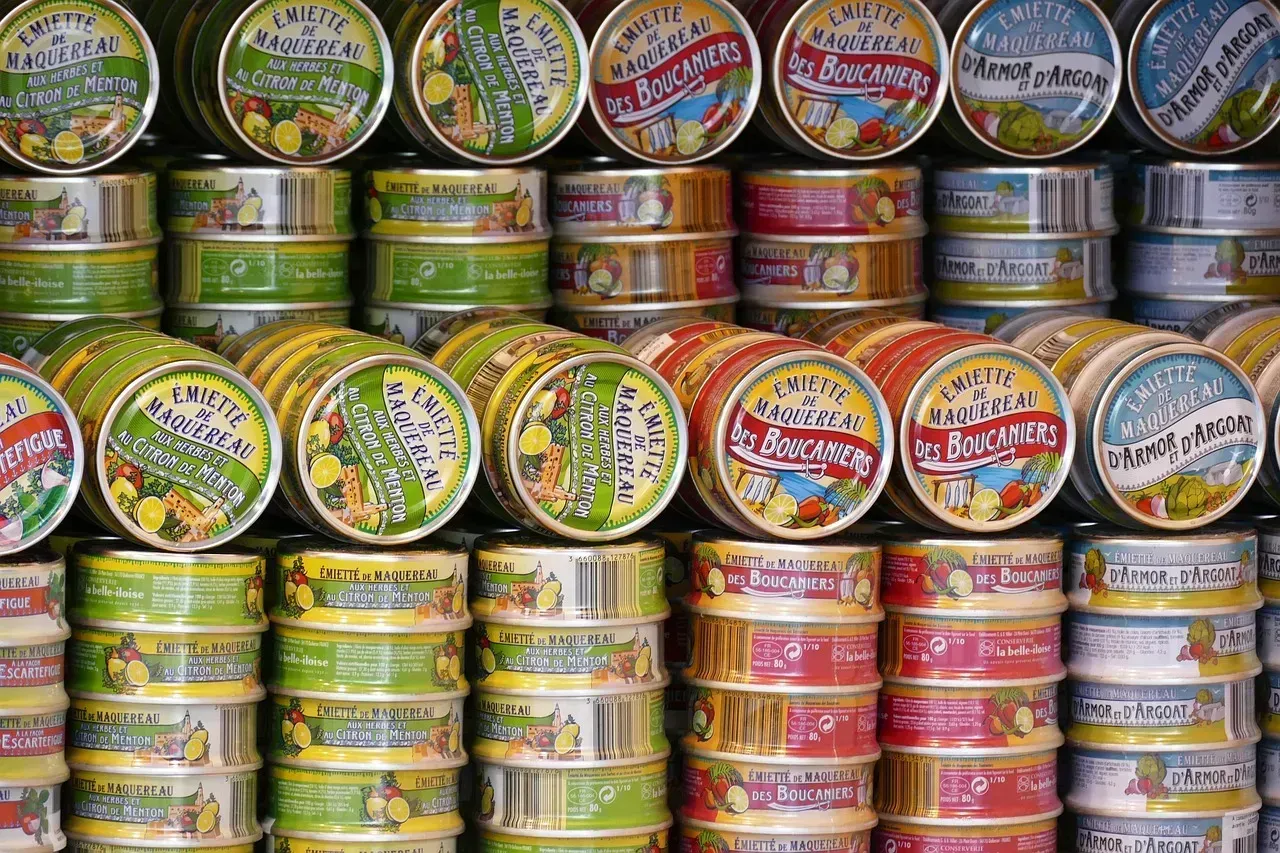
Surströmming is lightly salted, fermented Baltic Sea herring traditional to Swedish cuisine since at least the 16th century. It is a traditional dish from northern Sweden that arose during the 16th century when Sweden had a salt shortage. So it began as a practical solution, not as a dare.
Most airlines have banned surströmming due to its strong odor and because the pressurized cans can potentially burst at high altitudes. It's considered a hazardous material for air transport. A Japanese study found surströmming to have one of the most pungent odours on Earth. Many describe it as a combination of rotten eggs, garbage, and old socks. A food so extreme it gets treated like a biohazard in transit. You can't make this up.
4. Sannakji: South Korea's Still-Moving Live Octopus
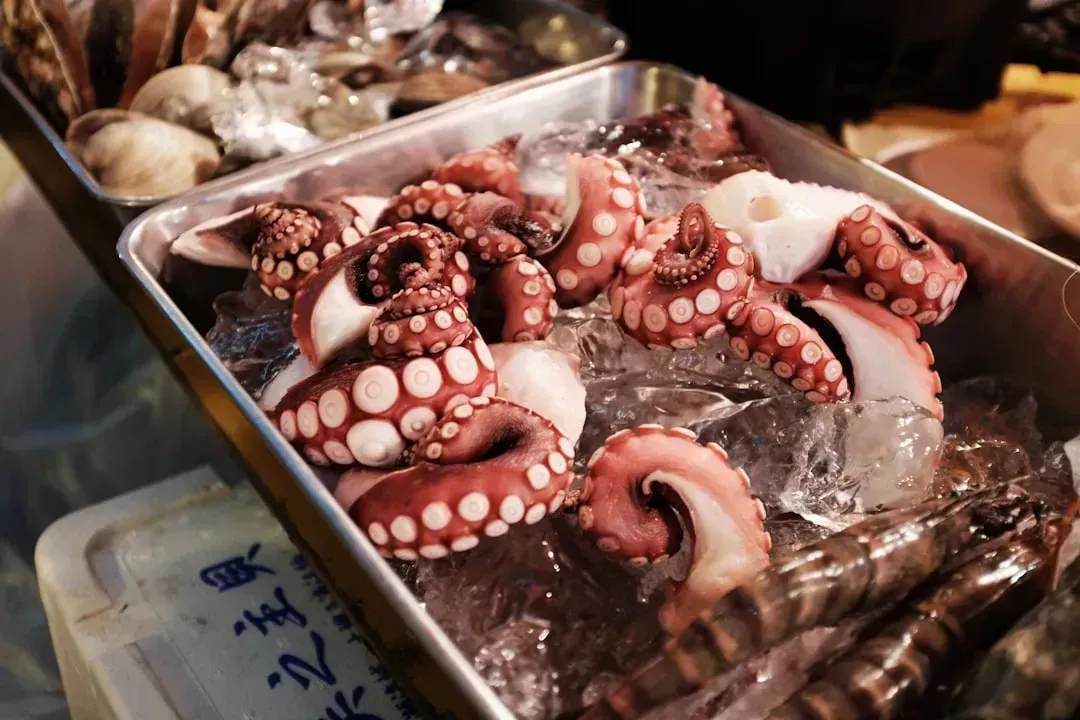
The dish is made from cutting up a living long-arm octopus. The small pieces of the tentacles are served with sesame oil and toasted sesame seeds. As the animal is being cut alive, the small tentacle pieces are still moving on the plate because of the complex nerve system of the octopus, so chewing intensely is a must when eating, as otherwise the still-active suction cups of the animal can stick to the throat or mouth.
Let's be real. The concept of your food literally fighting back as you eat it is on a different level entirely. Live octopus is best served with soju, a traditional Korean liquor. Perhaps the soju helps blur the edges of the experience a little. Still, this dish remains something of a benchmark test for adventurous eaters across Asia.
5. Maasai Blood Drinking: Kenya and Tanzania's Living Cattle Ritual
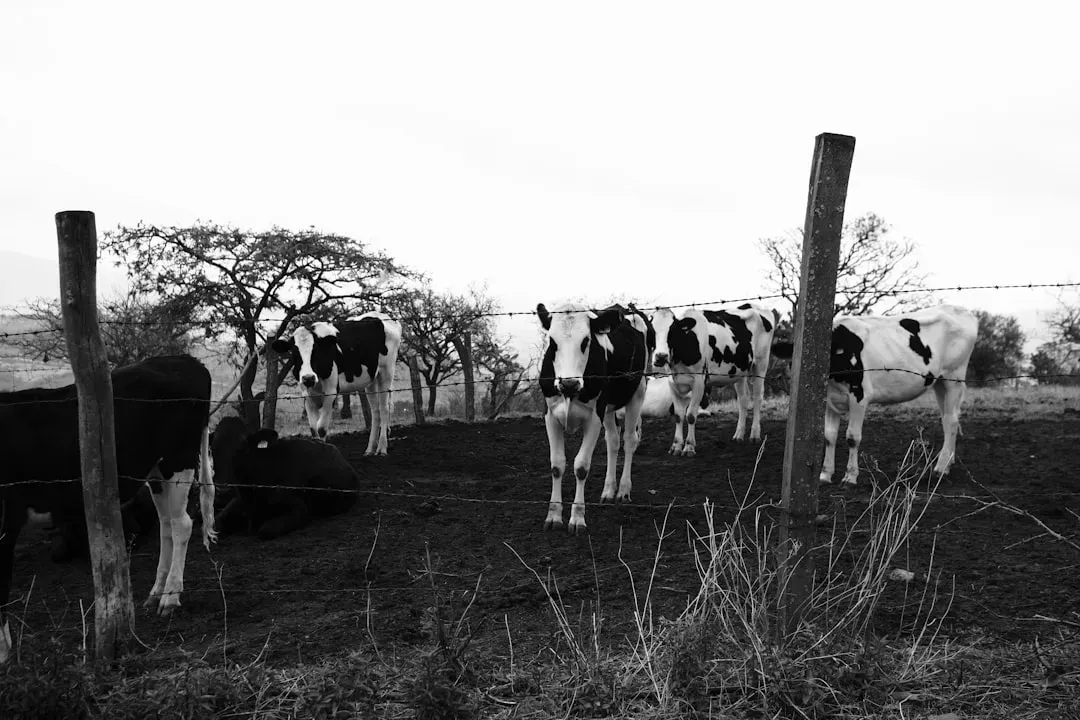
The Maasai people of southern Kenya and northern Tanzania know how to make the most of their cattle. They incorporate milk into meals, enjoy raw and cooked beef, use cowhides for bedding and dung to strengthen walls, and regularly consume cow's blood. Both blood and milk are consumed during rituals and celebrations, such as weddings, but also serve as regular sources of calories and nutrients.
Blood is obtained by nicking the jugular artery of a cow precisely, allowing for blood-letting that doesn't kill the animal. Mixed blood and milk is used as a ritual drink in special celebrations, or given to the sick. Cattle blood is high in protein and, among the Maasai, it's considered beneficial for people with weakened immune systems, particularly those who have just given birth, been circumcised, or fallen ill. Far from being reckless, the tradition is rooted in both nutrition and deep cultural symbolism.
6. Kiviak: Greenland's Fermented Bird-in-a-Seal Tradition
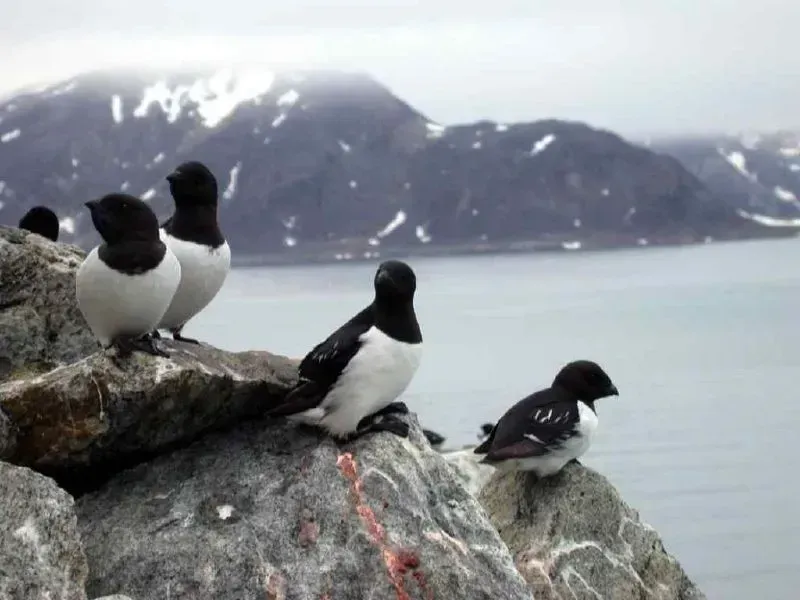
Kiviak is a dish from Greenland consisting of hundreds of dead auk birds stuffed into the body of a dead seal. The seal is then sealed up to be completely airtight, covered in oil to repel flies and maggots, and then fermented for three months. The pungent, toxic-smelling bird meat is said to taste a bit like very mature cheeses or liquorice.
Here's the thing. For the Inuit people of Greenland, this wasn't invented for shock value. In the remote villages of Greenland, the only source of vitamin C is whale blubber or seal. Men put their lives at risk hunting for whales in long kayaks, going out for days to kill one whale that will feed the entire village for a winter. These people can't grow fruit, and they can't just walk to the grocery store to buy an orange. Survival shaped the menu, plain and simple.
7. Japan's KFC Christmas: A Fast-Food Tradition Born From Marketing

It began with the release of a KFC Christmas "party barrel" in 1970 which sought to recreate the traditional American Christmas dinner, just with fried chicken in the place of the turkey. By 1974, the promotion had been extended across the nation and, with no other Christmas traditions really existing in Japan at the time, KFC simply filled the gap.
Today, the KFC Christmas meal includes fried chicken, salad and a more traditional Japanese Christmas cake. It's estimated that 3.6 million Japanese families eat KFC during the season, and food is ordered weeks in advance to beat the rush. It might seem strange to Westerners, but this one isn't gruesome at all. What makes it unsettling to visitors is realizing that an entire national holiday tradition was essentially created by a fast-food advertising campaign. Somehow, that's the most remarkable thing on this list.
8. Smalahove: Norway's Boiled Sheep's Head for Christmas
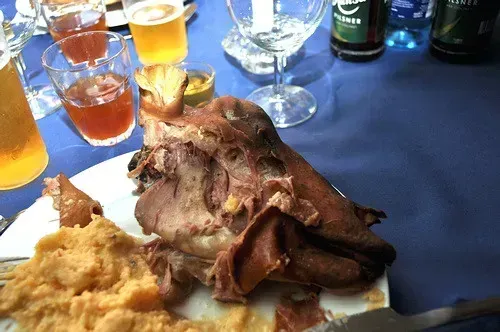
Although not particularly well-known for their weird food, this Norwegian recipe for sheep's head, known as Smalahove, wins the prize for being just outrageously odd. Smalahove is a very traditional recipe that is usually eaten on the Sunday before Christmas. After preparing and boiling the sheep's head, it is often then served with rutabaga and potatoes.
The tastiest part of the sheep's head is apparently the cheek. One serving is usually half a sheep's head per person. Imagine sitting down for a festive Christmas meal and a half-skull stares back at you from the plate. For Norwegians with roots in this tradition, it's comforting and familiar. For the uninitiated tourist, it's a full-on moment of reckoning at the dinner table.
9. The Toraja Funeral Feast: Indonesia's Tradition of Feeding the Dead
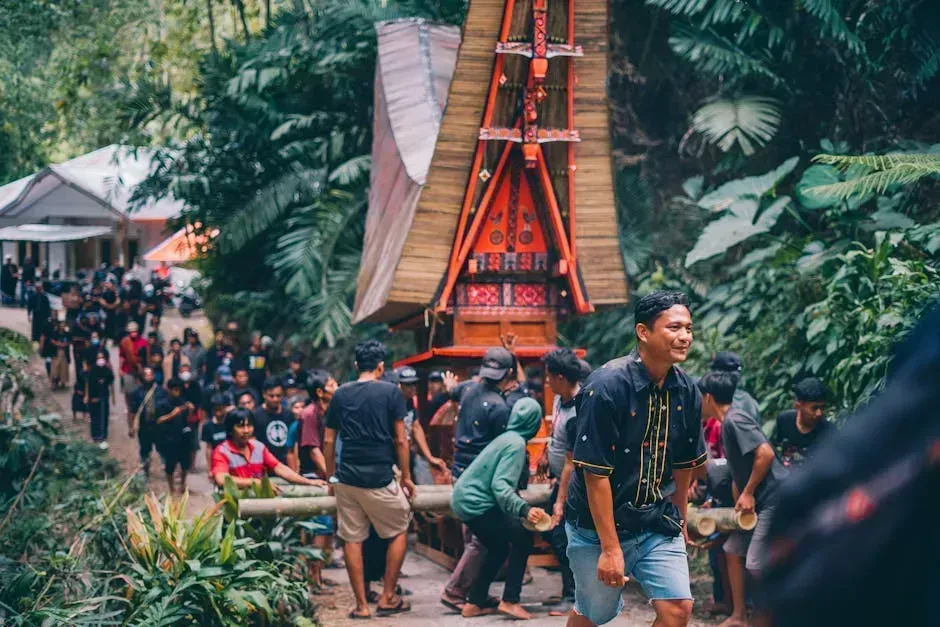
The Toraja are a people indigenous to the Sulawesi region of Indonesia. After a member of the Toraja passes away, they're not buried or burned. Instead, they're kept around by their family to continue taking part in the daily routine. The cadaver remains at home until their funeral, usually some months after their death. The Toraja believe that the soul of the deceased is still with them.
The new life of the dead doesn't simply end with their presence in the home - they're fed, too. The body joins the family at breakfast, lunch and dinner, and will 'enjoy' the meal along with the others. It's deeply spiritual. It's also, by almost any outside perspective, profoundly unsettling. Yet it reflects something deeply human - the refusal to let go of the people we love. Food here becomes a bridge between the living and the dead.
Leave a Reply