
There's something almost magical about a grandparent's kitchen. The smells, the sounds, the way a pot bubbling on the stove felt like the safest place in the world. Grandparents didn't just feed us - they shaped the very way we think about food, hunger, pleasure, and guilt. Long before nutritionists had the vocabulary for it, grandma and grandpa were building the mental architecture of our lifelong eating habits.
What's surprising - and honestly a little unsettling - is how much of what they said still echoes in adult heads, decades later. Science is now catching up to what many of us already sensed. Let's dive in.
1. "Finish Everything on Your Plate"

Of all the food phrases passed down through generations, this one might be the most loaded. It came from a good place, often from grandparents who lived through real scarcity, wars, or economic hardship. Their relationship with food waste was forged in eras when leaving food behind wasn't just rude - it was unthinkable.
Research published in the journal Nutrients in 2024 confirms that childhood experiences with food shape cognitive networks that directly influence adult dietary choices. In other words, being repeatedly told to clean your plate can recalibrate a child's internal hunger signals. You stop eating when the plate is empty, not when your body says stop. That's a deeply embedded pattern that can persist for life.
2. "Food Is Medicine"
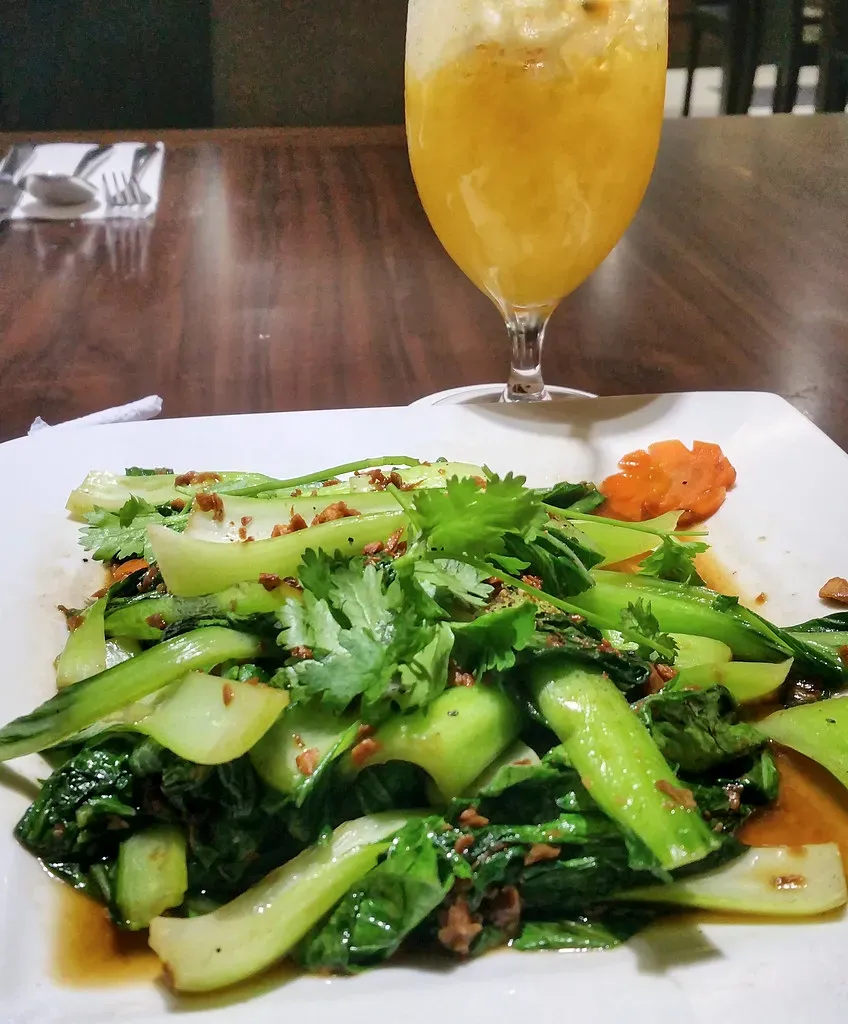
This one sounds like wisdom - and in many ways it still is. Grandparents who grew up in cultures where herbs, broths, and whole foods were the first line of defense against illness were passing down something remarkably close to what modern nutritional science now confirms.
The dietary patterns established within families have lasting health consequences, and nutritional research confirms that diet quality affects brain function, neurotransmitter production, mood, and behavior. Honestly, the old-timer insistence on warm soups when sick or bitter greens for digestion wasn't superstition. It was intuitive, intergenerational health knowledge. The catch is that when children internalize food as a medical tool, their relationship with eating becomes intensely functional - sometimes at the expense of simple enjoyment.
3. "Don't Waste Food, Children Are Starving Elsewhere"
This phrase was delivered with such moral weight that it stuck to children like a second skin. Grandparents who survived scarcity used it as a tool to cultivate gratitude and mindfulness around food. The intention was earnest and, in many households, deeply emotional.
Eating habits can be defined as the result of conscious and collective repeated behaviors that lead individuals to select, prepare, and consume certain foods in response to social, cultural, and religious influences. The guilt-tripping that often came bundled with this saying, however, is a different story. Mood and stress play significant roles in eating - many people turn to comfort foods during emotional distress, a pattern often established within families during childhood. Hearing this phrase repeatedly can wire a child to feel chronic guilt around food choices, which psychologists note is a genuine barrier to developing a healthy, neutral relationship with eating.
4. "Always Eat Breakfast, It's the Most Important Meal"
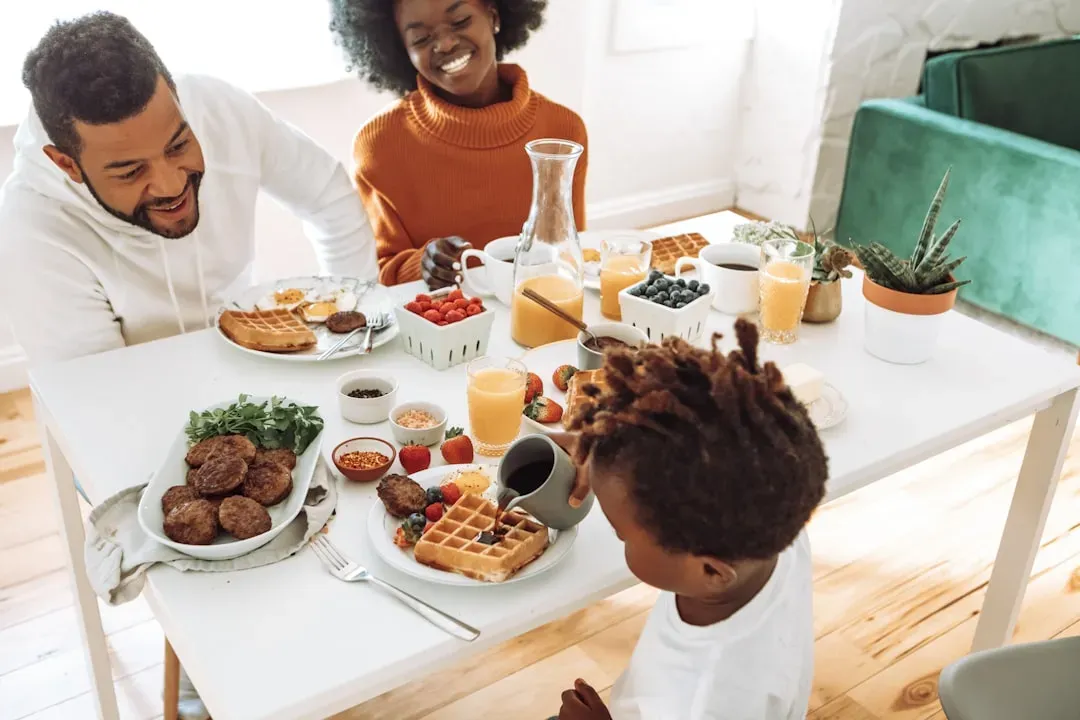
Let's be real - this was grandparent gospel. Whether or not they had the science to back it up, breakfast was treated with near-religious reverence. Skipping it was not an option in most grandparents' households. You ate before you did anything else. Period.
Parents and caregivers should avoid excessive pressure or restriction around food, as it can create a negative social and emotional experience. Instead, encouraging children on healthy snacking as well as not skipping breakfast can be achieved through positive and active social modeling. The message itself wasn't wrong. Early childhood is a critical period for establishing lifelong eating patterns and preferences, as children are highly impressionable and significantly affected by their immediate environment, particularly their family and household context. When a grandparent framed breakfast as non-negotiable, they were unknowingly laying down one of the most durable nutritional habits a person can have.
5. "Eat What I Cook - This Isn't a Restaurant"
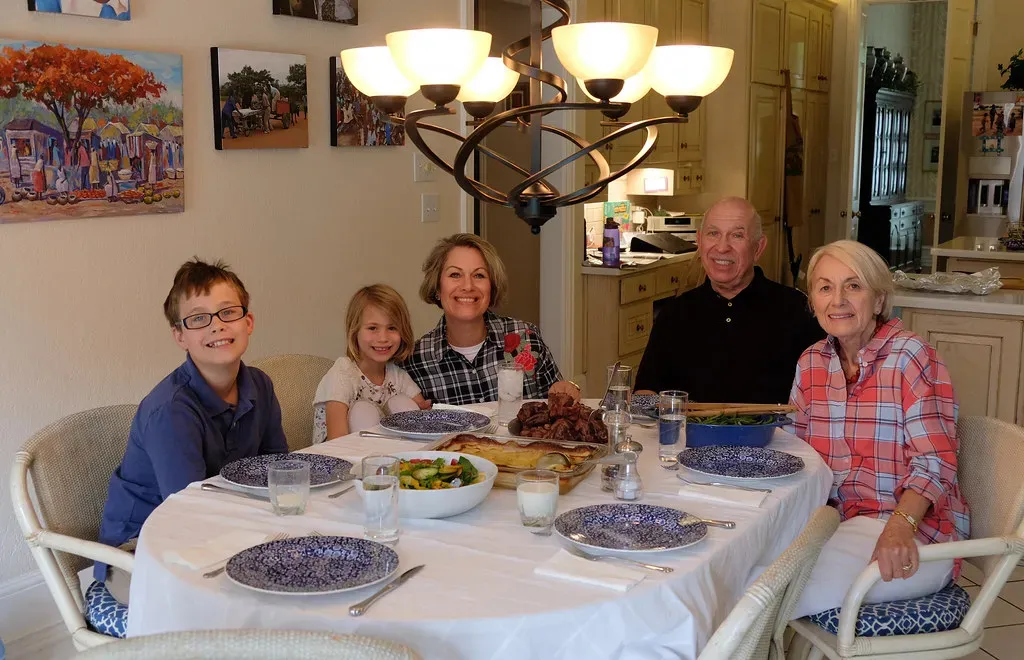
This one was delivered with love, maybe mixed with a little iron stubbornness. Grandparents rarely ran a short-order kitchen. You ate what was on the table. No substitutions. No negotiations. It sounds strict, but the science behind it is surprisingly supportive.
Repeated exposure, in which children are exposed to a specific taste, flavor, texture, or food multiple times, gradually enhances the pleasure derived from their consumption. Children can even learn to develop pleasure from the sensory properties of foods that were initially disliked. Repeated exposure has been shown to be a promising strategy to establish healthy eating behavior in children. Grandparents didn't know they were practicing what nutritionists now call "repeated exposure therapy." They just knew that if you put it on the table enough times, eventually the kids would eat it. Turns out, they were right.
6. "Dessert Is a Treat, Not a Right"
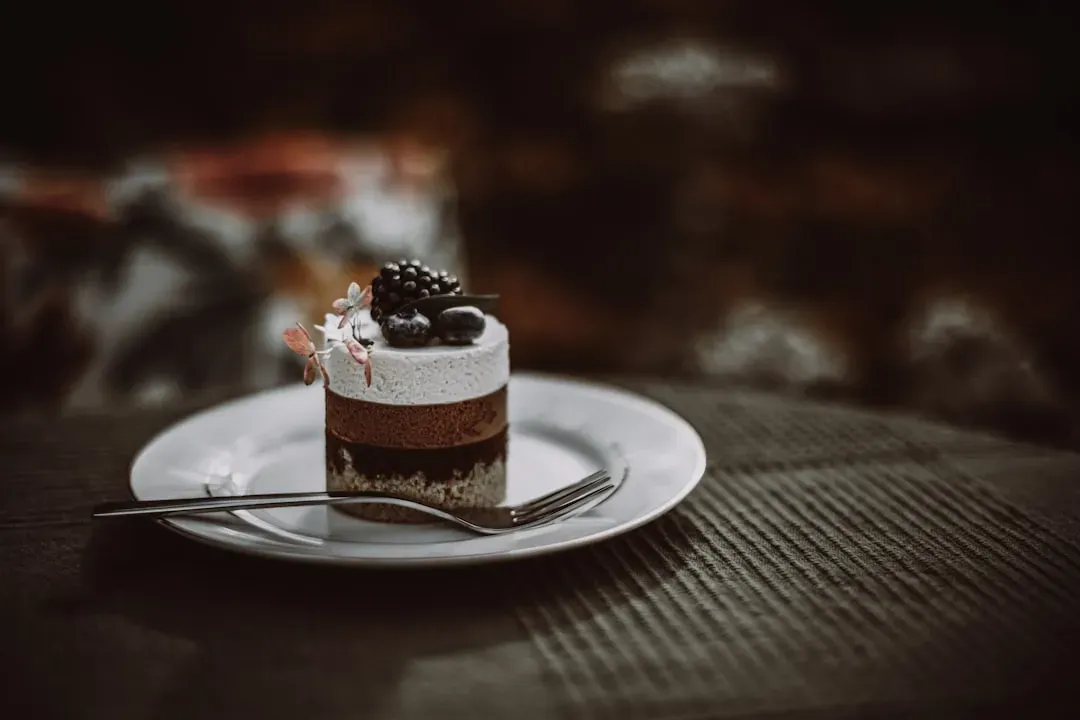
In most grandparents' homes, dessert had to be earned. You finished dinner first. You behaved at the table. Then, and only then, came the cake. This system felt fair at the time. Looking back through the lens of research, however, it gets more complicated.
Research has indicated that parents' use of food as reward at a child's early age predicted emotional overeating and picky eating years later. It is commonly assumed that through instrumental feeding practices, children may learn to associate eating with feelings and behavior unrelated to hunger and satiety. Indeed, one study showed that children whose parents used food as a reward were more likely to eat in response to negative emotions. The classic grandparent "if you're good, you get cookies" approach, as warm-hearted as it was, may have been quietly teaching children to use sugar as emotional regulation. That is a pattern that can follow a person well into adulthood.
7. "Traditional Food Is Good Food"
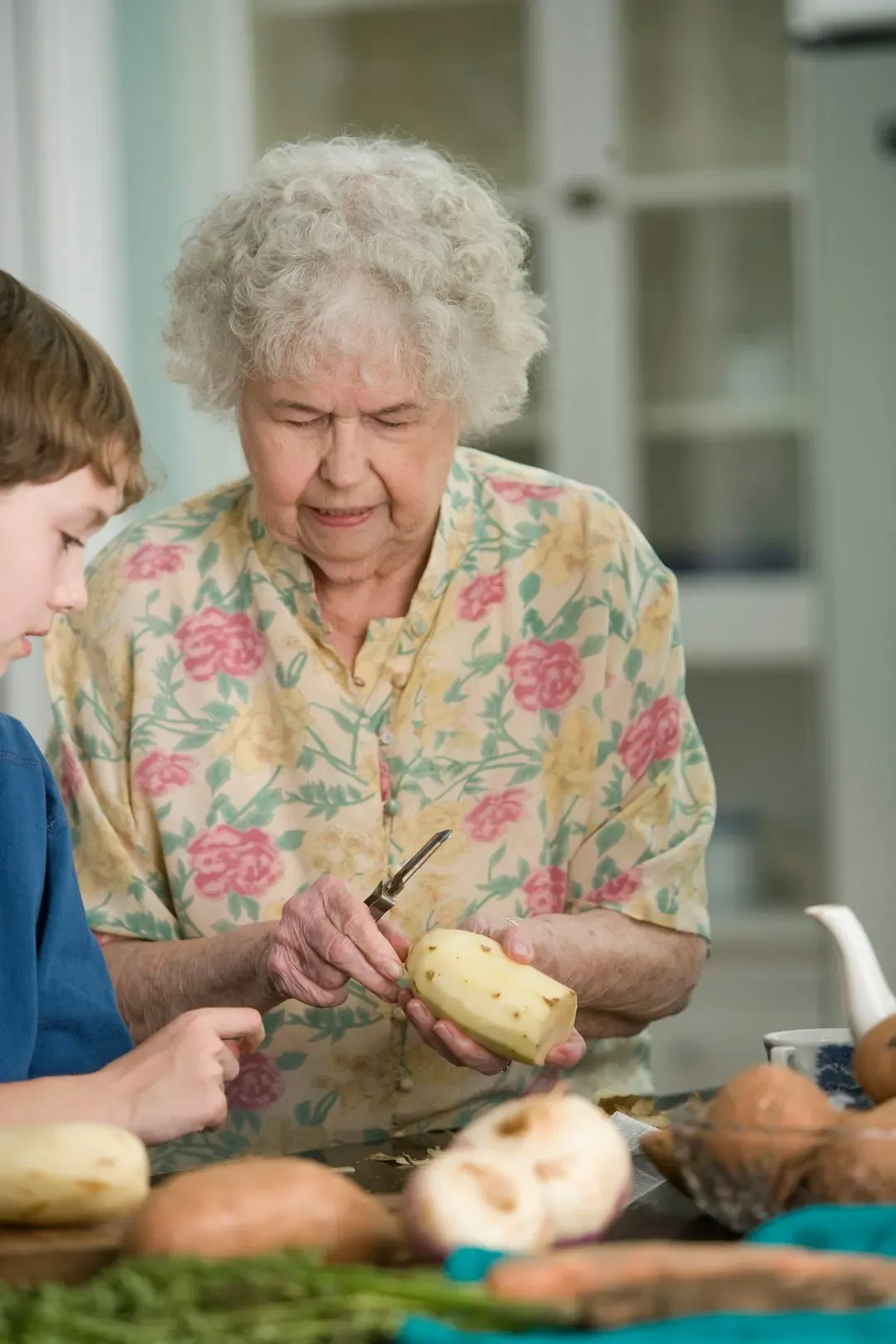
Every grandparent had their signature dish. The one that defined the family table, carried across borders, perfected over decades. The message was never spoken so plainly, but it was understood: the old ways of eating were the right ways. Cultural food identity was passed down as naturally as a family name.
Food culture is a critical component in the life course perspective because it accounts for racial, ethnic, and social dynamics. Some Hispanic, Black, and White older adults report that eating habits and behaviors are rooted in childhood, with preferred foods being those familiar to them. Around the world, children learn eating habits by eating with parents, grandparents, caregivers, siblings, and friends. The home environment, the community, and the school are crucial settings for nutritional education that shape decisions about what, how much, when, and how children eat from the moment they are born. Traditional food knowledge, passed from grandparent to grandchild, is increasingly recognized by researchers as one of the most powerful and durable forms of nutritional education that exists.
8. "Cook From Scratch - Never Trust the Package"
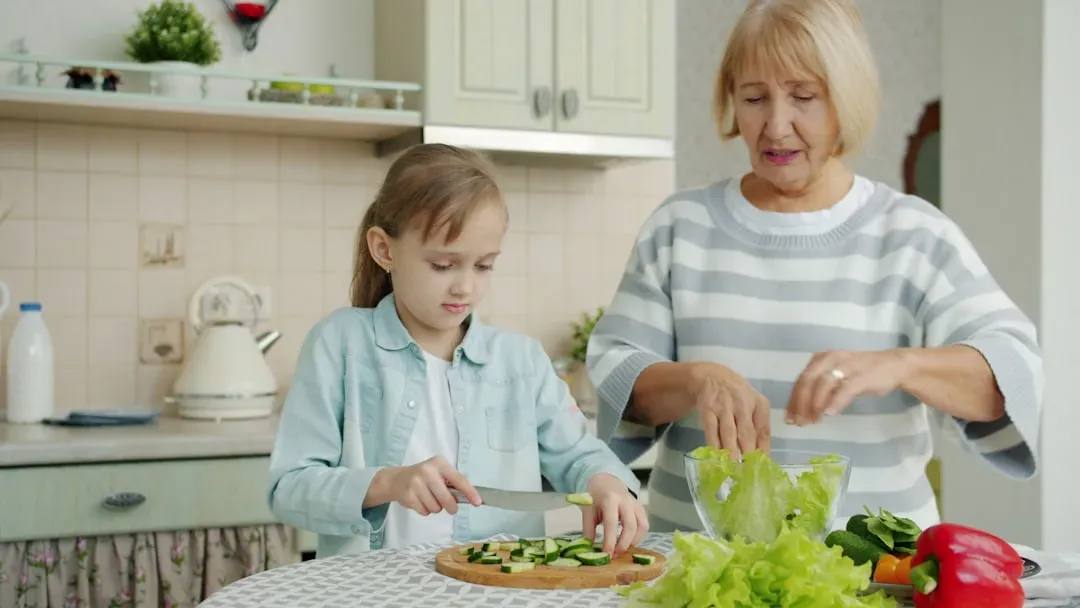
Grandparents who lived before the rise of ultra-processed foods had a deep, instinctive distrust of anything that came in a box. They cooked from raw ingredients, measured by feel, and rarely needed a recipe they hadn't already memorized. This wasn't just nostalgia. It was practical wisdom.
The generational transmission of eating habits is related to the home, community, and school environments, mainly during the first years of life, and can exert modulation of habits during all stages of life. During childhood, the family's role in consolidating eating habits is very broad and ranges from choosing foods to prioritizing family meals, including the lifestyle. Part of current food parenting practices has been influenced by past personal experiences while interacting with parents or grandparents. Many parents reproduce the same experiences to feed their children because they thought they were nutritionally adequate and meaningful positive behaviors. Children who grew up watching grandparents cook from scratch absorbed not just recipes, but an entire philosophy about food quality, effort, and respect for ingredients. That philosophy, studies confirm, tends to carry forward.
9. "Sit Down Together to Eat - No Exceptions"
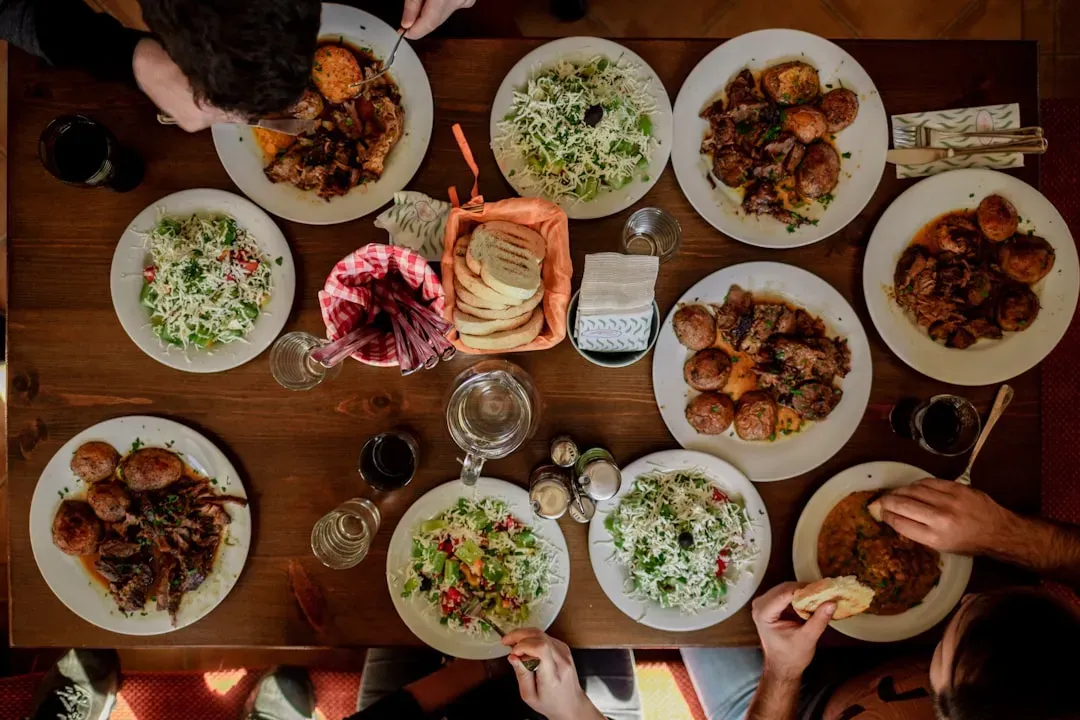
It wasn't just about the food. It was about the ritual. Grandparents insisted on everyone gathering around a shared table. No rushing off. No eating in front of the television. No individual meals at different times. The family table was a social contract, and everyone was expected to honor it.
Studies have suggested that regular family meals play a critical role in mitigating the risk of obesity, particularly among young children. A review showed that more frequent family meals are consistently associated with improved diet quality, mental health, and academic performance in children and adolescents. Shared mealtimes can strengthen family bonds, improve communication, and provide emotional support, all of which contribute to a child's overall well-being. This holistic approach underscores the importance of family dynamics in shaping children's dietary habits and health outcomes. Grandparents weren't running a therapy session when they demanded everyone sit down together. They were, without knowing it, protecting their grandchildren's mental and physical health in one of the most effective ways possible.




Leave a Reply