
The South has always been known for its charm, hospitality, and a set of unspoken rules that govern how people interact with one another. These customs have been passed down through generations, forming the backbone of what we call Southern culture. Yet manners are slowly fading away, with the social fabric that once held communities together through common courtesy seeming to unravel, thread by thread. Etiquette experts and longtime Southerners alike have noticed a shift, particularly among younger generations who may not even realize what's being lost.
Let's explore which traditions are quietly disappearing from the Southern landscape and why their absence might mean more than we initially thought.
Waiting for Everyone Before Eating
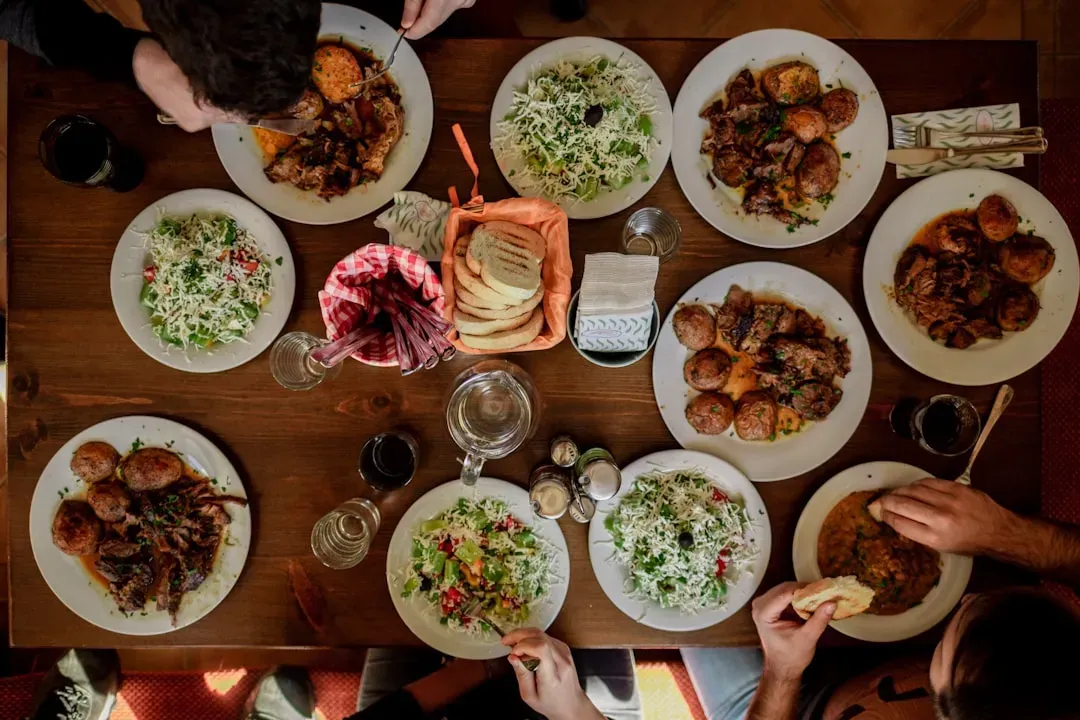
If you are sitting for a meal with a group of people, it has long been a component of good etiquette to wait for everyone to get their food before tucking into yours, showing restraint and respect for the people you are with, a matter of good manners particularly common in the American South. This simple act transformed meals from mere fuel stops into meaningful rituals of connection. Nowadays, people dig in the moment their food arrives, phones often on the table beside their plates, with the ritual of shared meals interrupted by notifications and the urge to document everything for social media. The formality has relaxed so much that many young Southerners don't even know proper table settings anymore. When did the shared experience become less important than the Instagram post documenting it?
The Handwritten Thank You Note
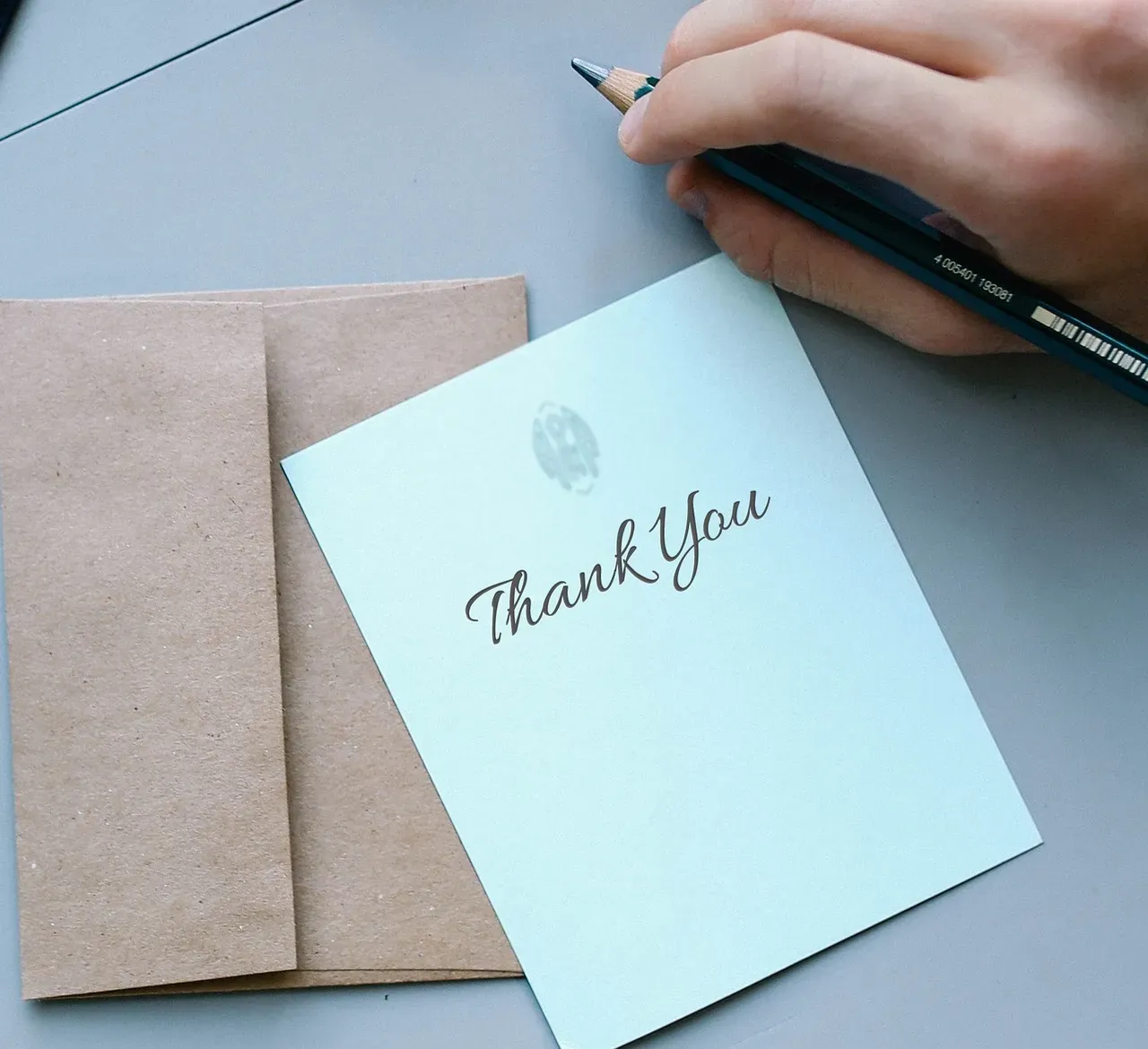
In the South, sending a proper thank you note wasn't just polite, it was expected, a sacred ritual passed down through generations. Less than a decade ago, expressing gratitude with anything other than a handwritten thank you note was considered less than gracious, though today a text, email, phone call, or saying thanks in person might communicate sincere gratitude better than a traditional note. Revenue in the greeting card industry is down roughly one sixth since 2017, with the practice of writing thank you notes largely falling out of style in younger generations who favor direct messaging.
There's something irreplaceable about receiving actual mail. A tangible reminder that someone took the time to sit down with pen and paper just for you shows a personal touch that is vanishing, taking with it a little piece of what made Southern hospitality so memorable. It's hard work to go find a card, write it, and find a stamp. Still, receiving such a note in today's world carries more weight precisely because it's so rare.
Calling Before Dropping By
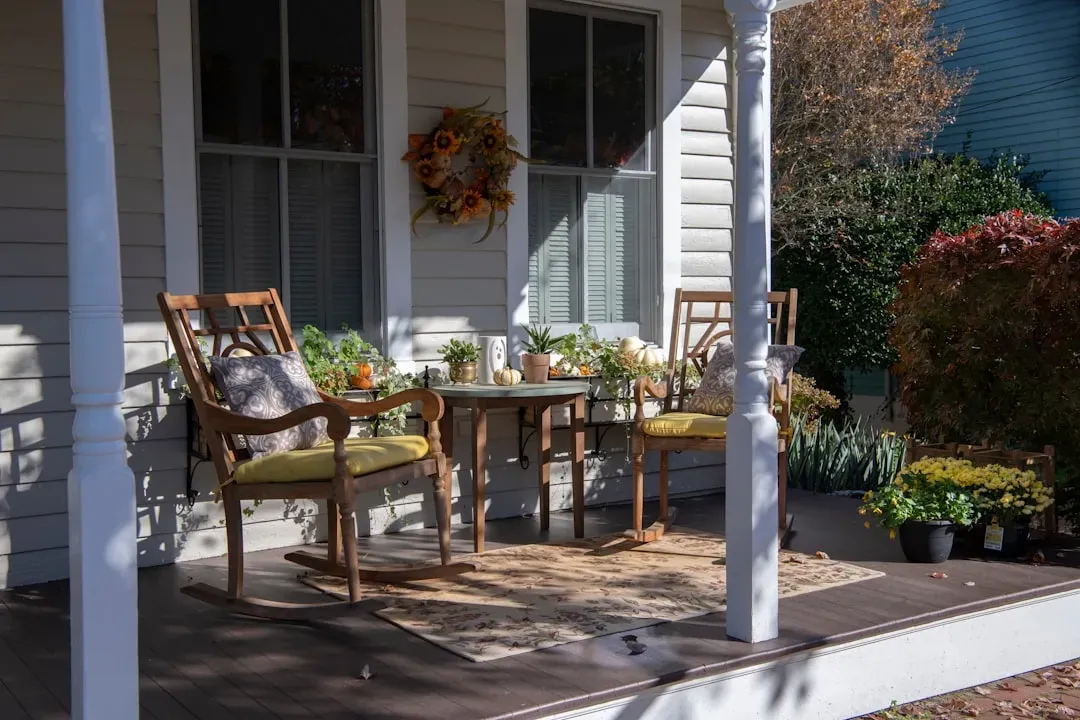
In traditional Southern culture, hospitality meant always being ready for company, with homes kept presentable and something always available to offer a visitor who might appear at your door. Friends would drop by unannounced, and you'd welcome them with open arms and something cold to drink. Today, showing up without texting first is practically a social crime. We've become so protective of our privacy and schedules that spontaneity feels intrusive rather than charming, a shift that makes sense in our busy, overscheduled lives, yet something has been sacrificed.
The casual warmth of Southern hospitality, where neighbors truly knew and cared for one another, has been replaced by scheduled playdates and calendar invites. The idea of keeping your home perpetually company ready has vanished, with houses becoming private sanctuaries rather than semi-public gathering spaces. The doors, both literal and metaphorical, have closed a little tighter than they used to be.
Removing Hats Indoors and Standing for Ladies
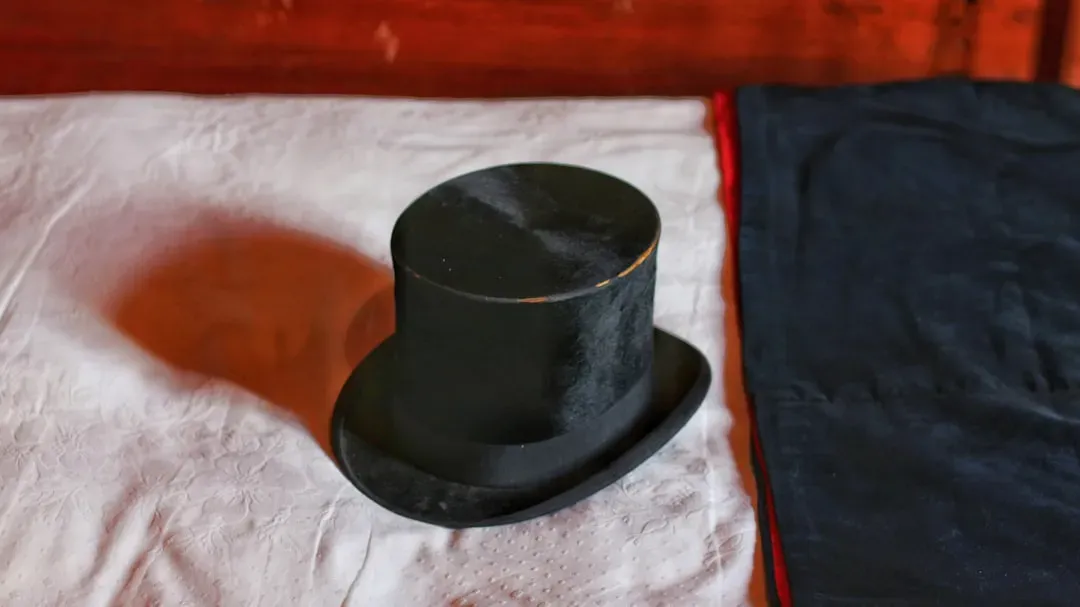
Removing hats when males of any age enter a room goes back to ancient times of removing your hat in church, a wonderful custom that has survived the ages in the South. Similarly, men always stand when a lady enters the room, leaves the room, gets up from the table, and returns to the table. These weren't just gestures of politeness. They were physical demonstrations of respect that reminded everyone of their shared values.
These gestures of chivalry and respect are increasingly rare in modern Southern life, with many young people not even owning proper hats anymore, and the whole concept of standing when someone enters seeming quaint, if not downright bewildering. Expectations are shifting as gender roles evolve and informal behavior becomes the norm. Perhaps we've thrown out too much in our rush toward equality and informality. There was dignity in those small acts of deference, a way of showing we valued one another that transcended politics or personal convenience.
Front Porch Culture

Once upon a time, the front porch was the heart of neighborhood life. Families would gather there in the evenings, waving to passing neighbors, striking up conversations with people walking their dogs. It was where communities were built, one interaction at a time. Today, in a world of air conditioning and mass-market subdivisions, the front porch is not as prominent in southern life as it used to be, with modern homes often featuring garages prominently displayed out front while any porch that exists is small and decorative rather than functional.
Automobiles brought noise and pollution to streets, pushing play and relaxation to backyards, while air conditioning and screens pulled people indoors, with the backyard eclipsing the porch as America's go-to gathering spot over time. The decline of porch culture represents more than architectural trends, symbolizing our retreat from community life into private spaces, trading neighborly conversations for Netflix binges. Honestly, our communities are lonelier for it. The spontaneous interactions that built tight-knit neighborhoods have largely evaporated along with those lazy porch afternoons.
Formal Table Settings and Dining Etiquette

Setting a proper table once mattered deeply in Southern homes, with knowing which fork to use, waiting for everyone to be served before eating, and placing your napkin correctly in your lap being signs of respect and upbringing, not just niceties. Families would teach their children the difference between a salad fork and a dinner fork, how to properly hold a knife, and why you never reach across someone else's plate. These weren't arbitrary rules. They were a language of consideration.
Nowadays, people dig in the moment their food arrives, phones often on the table beside their plates, with the ritual of shared meals interrupted by notifications and the urge to document everything for social media. The formality of dining has relaxed to the point where many young Southerners don't even know proper table settings. When did we stop savoring the moment and start just capturing it instead? The shift feels significant, even if we can't quite articulate why.
Holding Doors and Other Acts of Chivalry

Naturally, holding the door open for someone older is a display of manners, yet it's not just certain people that you should do this for, with some people feeling slighted or underappreciated if you fail to hold the door open for them, regardless of their social status, age, or gender. Southerners take this obligation of politeness to an additional degree, with it not just being something you should do but something Southerners expect from others.
These small courtesies used to grease the wheels of daily interaction. Opening a car door, offering an arm when walking over uneven ground, or stepping aside to let someone pass first were automatic gestures. Chivalry has long been a core value in the world of good etiquette, and it remains alive and well in this part of the country. Yet expectations are shifting. It's hard to say for sure, but perhaps we've thrown out too much in our rush toward equality and informality.




Leave a Reply