
Walking into a restaurant, most people see tables, menus, and maybe the open kitchen if they're lucky. Chefs see something entirely different. They're scanning details most of us overlook, picking up signals that tell them whether this place truly knows what it's doing or if they're just getting by. It's like having X-ray vision for quality control.
These professionals are trained to notice everything from cooking methods and knife skills to food safety and sanitation standards, and they can't help but apply that critical eye when they dine out. Some things make them nod in approval. Others make them think twice about ordering. Let's take a closer look at what chefs notice when they walk through restaurant doors, because once you know what they're looking for, you might never see dining out the same way again.
The Menu Size Speaks Volumes About What's Really Fresh
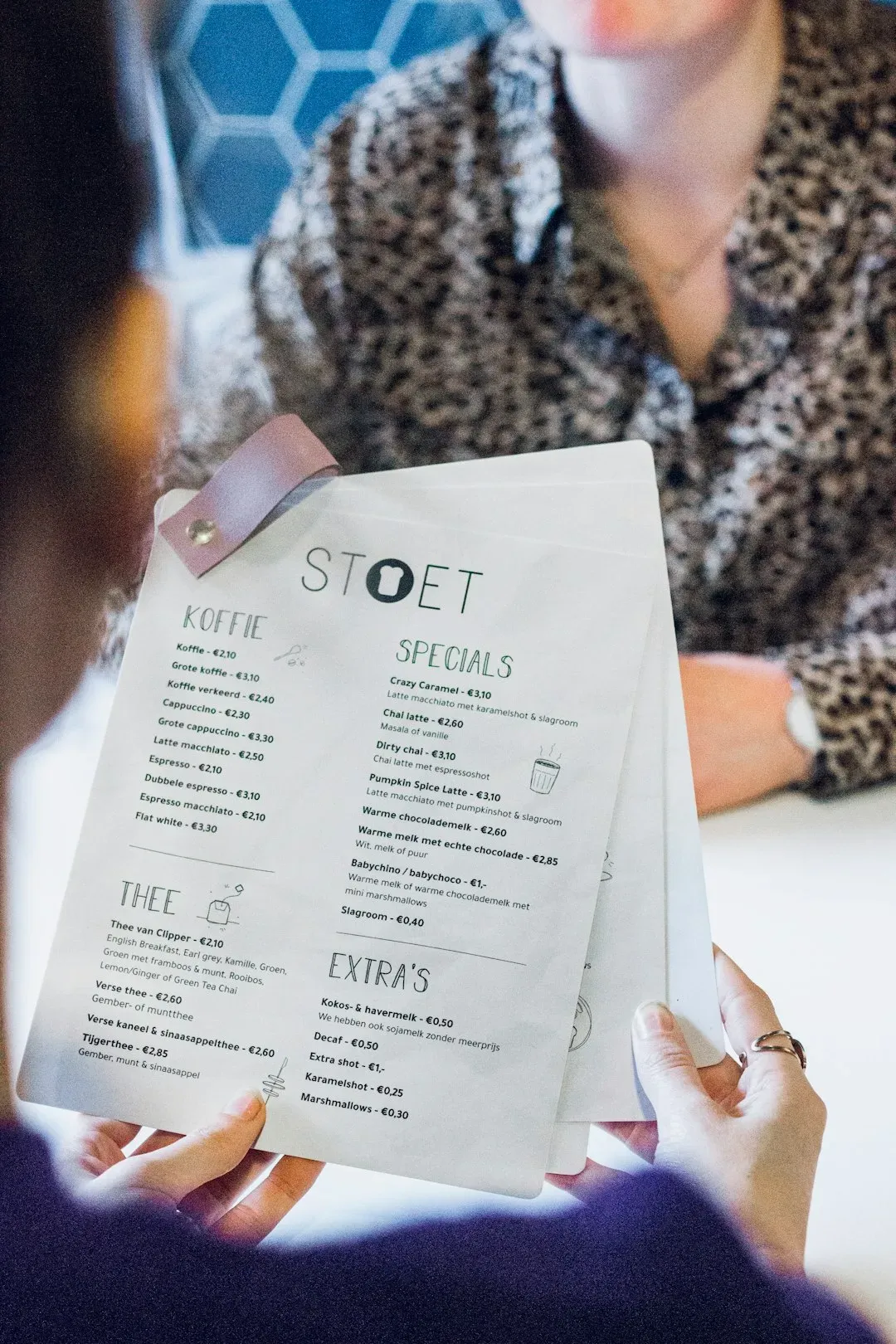
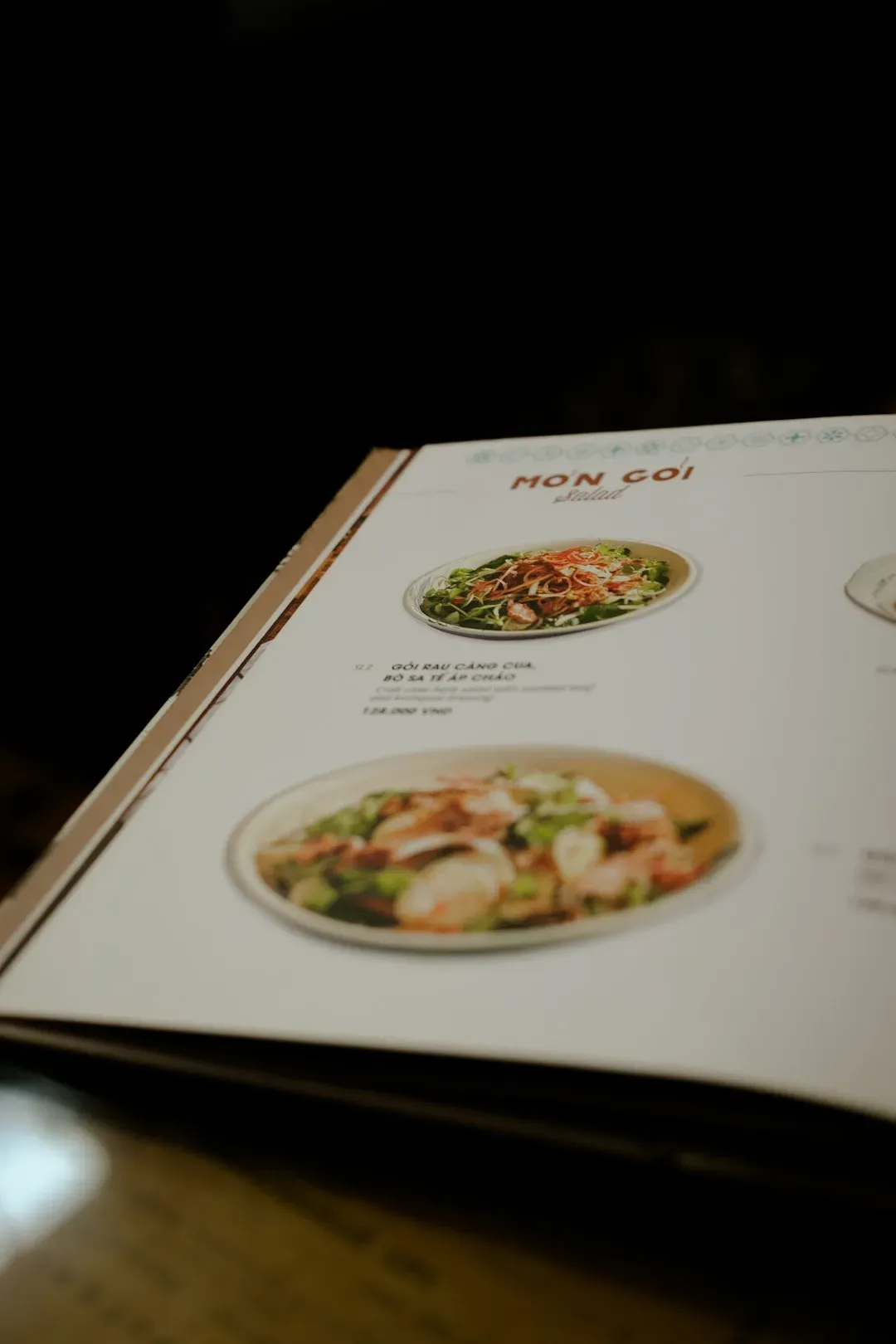
When a restaurant has a huge menu that reads like a book, professional chefs immediately suspect most ingredients are frozen. Think about it logically for a second. How could a small kitchen possibly keep dozens of different fresh ingredients prepped and ready to go without massive waste? The answer is they can't, unless they're relying heavily on pre-packaged, frozen, or processed items.
Chefs know that when a menu is tightly curated with fewer options, it typically means line cooks have become specialists who can nail all the dishes listed, while a giant multi-page menu is a gigantic red flag. Restaurants with focused menus tend to use seasonal ingredients, rotate items regularly, and actually care about what they're serving. Honestly, when I see a menu that offers Italian, Mexican, and Asian fusion all on the same page, I start to wonder if anything is made from scratch. The best kitchens know their strengths and stick to them.
Dirty Menus and Sticky Condiments Are Dead Giveaways
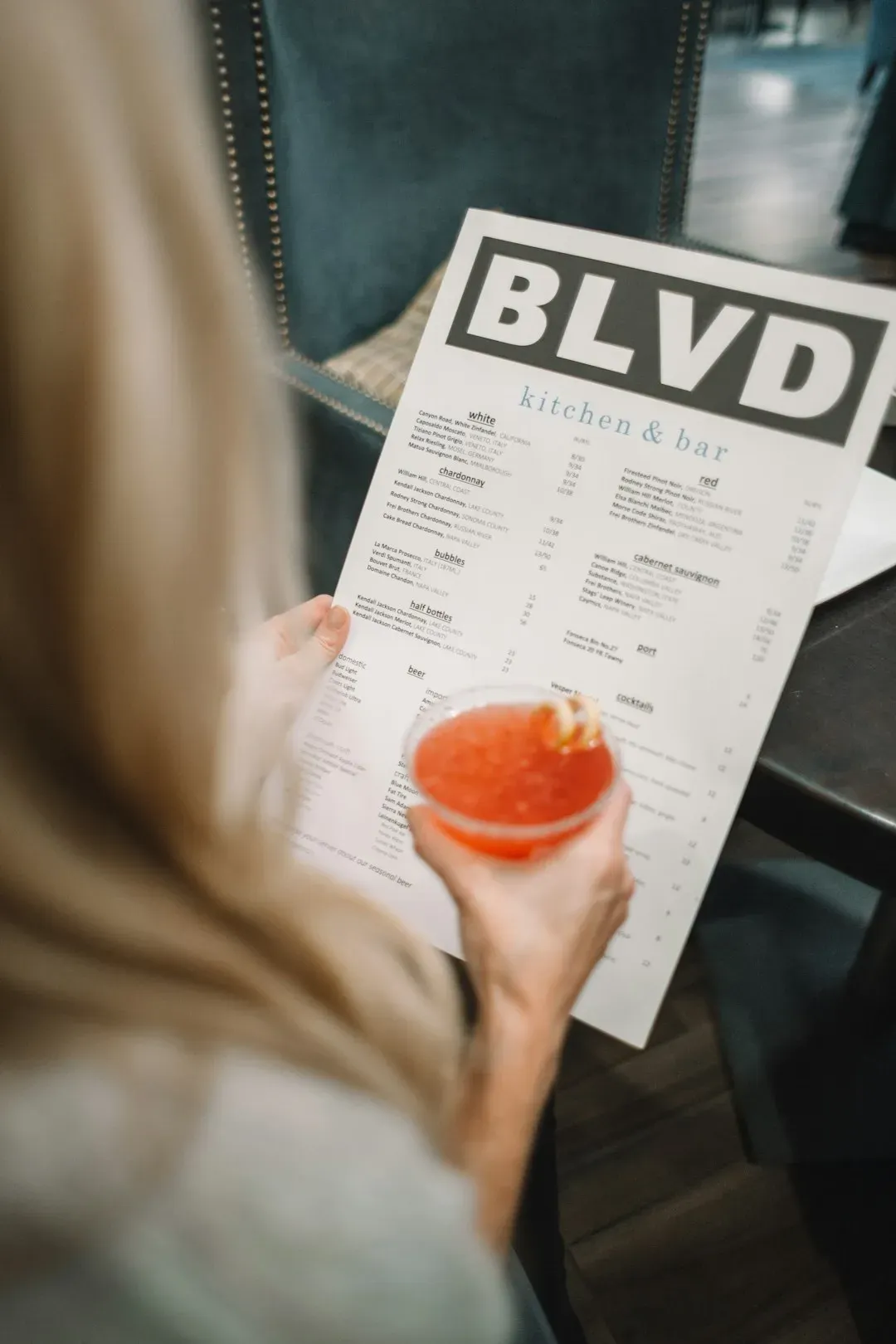
Condiments missing caps, crusty caps, or bottles that aren't refilled properly, along with sticky or splotchy menus, signal that things aren't cleaned routinely. It's such a small thing, yet it tells you everything about the standards behind the scenes. If they can't be bothered to wipe down a menu or clean a ketchup bottle, what does that say about the kitchen you can't see?
Restaurant managers who've worked in the industry for years list these among the most telling red flags, alongside dirty tables, exhausted or anxious-looking staff, and dead plants. These aren't just cosmetic issues. They're symptoms of a deeper problem with cleanliness culture. I've walked into places where the menus were so grimy I didn't even want to touch them, and sure enough, the food was disappointing too. Clean the small stuff, and the big stuff usually follows.
The Bathroom Test Never Lies
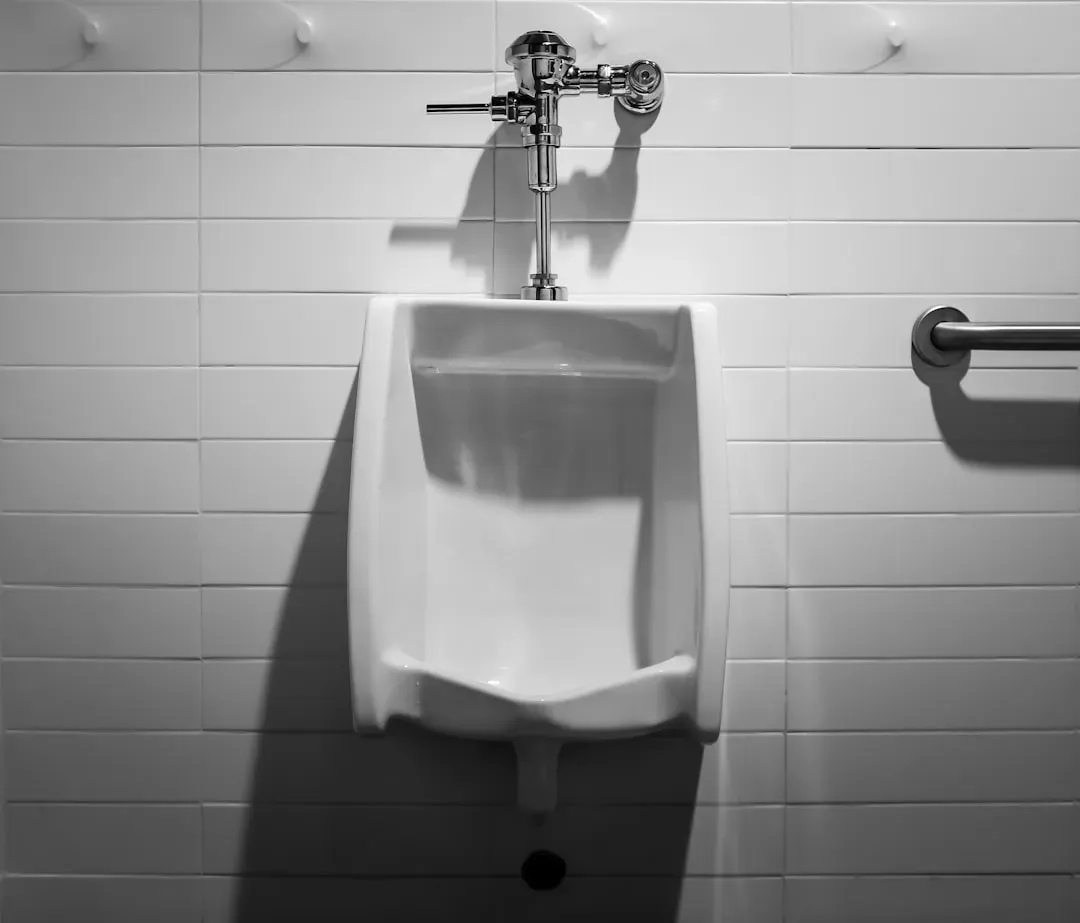
If you want to know how seriously an establishment takes hygiene, check the bathroom, which should smell neutral or like disinfectant, have well-stocked paper goods and soap, a clean floor, and ideally a cleaning logbook indicating when it was last cleaned. There's an old saying in the restaurant world that if the bathroom is filthy, you can bet the kitchen is worse. It makes perfect sense when you think about it.
The bathroom is the one space customers are guaranteed to visit, so if management can't keep that clean, they're definitely cutting corners elsewhere. The tried-and-tested warning still rings true - first check the toilet, and if it's dirty, run away as fast as you can. I've turned around and left restaurants based solely on what I found in the restroom. No joke. It's hard to enjoy a meal when you're wondering what health violations are happening behind closed doors.
The Staff's Body Language Tells a Story

The biggest thing to watch is the staff - if there are visibly angry people, get out fast, and if everyone seems apathetic and not talking to each other much, that's also a bad sign of a passive-aggressive environment that will show in the food. On the flip side, when you see genuine camaraderie, playful banter, and people who seem happy to be there even during a rush, that's where you want to eat.
Experienced restaurant managers note they're extremely aware of red flags like exhausted or anxious-looking waiting staff, over-friendly or overbearing staff, and sad or ill-looking chefs in open kitchens. A tense kitchen creates tense food. I can't explain it any better than that, yet it's true. When the team is stressed, distracted, or miserable, it affects everything from timing to plating to flavor. You can actually taste dysfunction.
How Well the Server Knows the Menu Matters More Than You Think

When servers are briefed in absolute detail and can tell you where the meat and fish come from, who the farmer is, and the particular breed, it shows the kitchen takes pride in their work and communicates it at every level. That kind of knowledge doesn't happen by accident. It's a sign that the restaurant values transparency and quality, and they've invested time in training their team properly.
If your server stumbles through basic questions or seems unsure about ingredients, it might mean the back of house isn't communicating effectively - or worse, they're not confident in what they're serving. Diners are more likely to order expensive items when a server provides detailed information about how a dish is made, making it a win-win for quality and business. So next time you dine out, ask a few questions. The answers will tell you a lot about what to expect.
The Soda Fountain Spouts Reveal Hidden Neglect
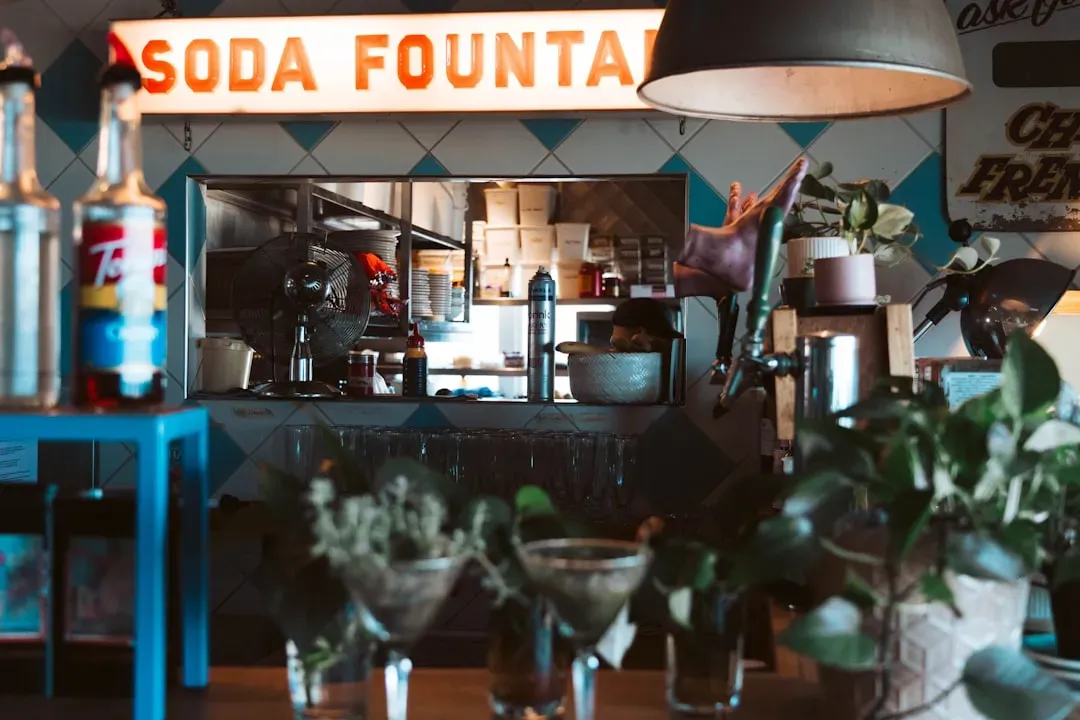
Those soda fountain spouts are one of the easiest things to clean in the entire restaurant, so if they're mildewy, it kills interest in eating there, because it takes multiple days of no washing to reach a noticeably disgusting state. Gross, right? Yet so many places overlook this basic maintenance task. It's almost too easy to check as a diner - just glance at the drink station before you order.
If the nozzles are crusty or discolored, it's a clear sign that cleaning schedules aren't being followed. Chefs notice this immediately. Draft beer can also taste off when keg lines haven't been cleaned, especially if they switched beers, signaling poor maintenance and lack of attention to detail. These little lapses add up. It's not paranoia to care about these things - it's just being smart about where you spend your money and trust your health.
How They Handle Ice Should Make You Pay Attention

Whether they get ice with a scoop that goes back into its own container or directly with the glass is something chefs observe. Using the glass to scoop ice might seem harmless, yet it's actually a health code violation in many places. The rim of the glass can chip, leaving tiny shards in the ice bin, or it can introduce contaminants from the outside of the glass into the ice everyone else uses.
Proper protocol is to use a dedicated ice scoop that's stored in a clean, dry place between uses. It's such a simple thing, yet it separates places that follow food safety protocols from those that wing it. Next time you're at a bar or restaurant, watch how they handle the ice. You might be surprised by what you notice. It's one of those details that seems minor until you realize how many hands and glasses touch that ice every single day.
Cross-Contamination Clues Are Everywhere If You Look
Cross-contamination in food handling is like glitter - once it's loose, it shows up everywhere, even places you swear it never touched, so kitchens need guardrails to keep raw proteins, ready-to-eat foods, allergens, and dirty equipment from crossing paths. Chefs are trained to spot the warning signs, like a single cutting board being used for everything or raw chicken sitting too close to salad greens in the prep area.
The five essential practices are maintaining proper personal hygiene, preventing cross-contamination between raw and cooked foods, cooking to correct temperatures, refrigerating foods promptly at proper temperatures, and cleaning and sanitizing all food-contact surfaces regularly. When these basics aren't in place, the risk of foodborne illness skyrockets. You don't have to work in a kitchen to appreciate why this matters. One mistake, one lapse in judgment, and people get sick. The best restaurants take this seriously at every level, from management down to the newest line cook.
They Notice What's NOT on the Menu Too
Chefs often never order the specials because some restaurants base their specials on what's about to expire or what they're trying to get rid of faster. That's not always the case, mind you. Pastry chefs note that in desserts and breakfast pastries, if you see something new, it's often worth trying because it's likely something the chef has been working on for weeks with a lot of love and effort. So context matters here.
Celebrity chef Gordon Ramsay also avoids soup of the day for similar reasons, and he recommends asking what the soup was yesterday - if recent specials were roast chicken and vegetables and now the soup is chicken vegetable, that's a big red flag that they're using older leftover ingredients. Smart question to ask, honestly. It cuts through the sales pitch and gets to the truth. Not every special is a scam, yet being aware of the possibility helps you make better choices.
Cleanliness You Can Actually See From Your Table
The dining room creates customers' first impression of restaurant cleanliness and directly influences their perception of food safety standards, which is why tables and chairs should be cleaned and sanitized between each customer. It's such basic hospitality, yet some places rush through it or skip steps when they're busy. Watch how quickly your table is turned after the previous guests leave. Is someone actually wiping it down with cleaner, or are they just brushing crumbs onto the floor?
Slips, trips, and falls are the most common forms of workplace injury in restaurants, so implementing daily cleaning procedures, using non-slip mats in spill-prone areas, and encouraging employees to wear slip-resistant shoes are important. Clean floors aren't just about aesthetics or safety for staff - they also signal that the restaurant maintains standards even when things get hectic. A sticky floor or visible grime tells you they're overwhelmed or understaffed, neither of which bodes well for food quality.
How They React to Complaints or Criticism Is Everything

If employees try to argue with you about food quality to dissuade you from sending something undercooked back, just leave, because it means they have a cook who can't take criticism and your chances of getting something worse in return are greatly increased. I know people worry about being "that customer," yet when something is genuinely wrong with your food, speaking up is completely reasonable. How the staff responds tells you whether they care about making it right or just want you to shut up and pay.
Professional chefs understand that mistakes happen in every kitchen. What matters is how those mistakes are handled. Good chefs can't afford to let ego get in the way - they listen to their staff, pay attention to what people say about their food, watch what competitors are doing, and this listening usually leads to insights that inspire improvements in their cooking. Defensive, argumentative staff usually reflect a defensive, stubborn kitchen culture. That's not where you want to eat.



Leave a Reply