
Let's be real. You've probably tossed a few things into your compost bin without thinking twice. Maybe an old chunk of cheese or that leftover chicken bone from dinner last week. After all, if something was once alive, it should decompose, right? Here's the thing, though. Composting isn't quite as simple as throwing all your organic waste into a pile and hoping for the best. Some food scraps can attract pests, create unbearable odors, or even contaminate your entire compost pile with harmful bacteria.
Plenty of folks still add these problematic items to their bins without realizing the havoc they're creating. Whether it's because of outdated advice or just wishful thinking, these mistakes happen more often than you'd expect. So let's dive in and discover which common food scraps you should actually keep out of your compost pile, even if they seem harmless at first glance.
1. Meat and Fish Scraps
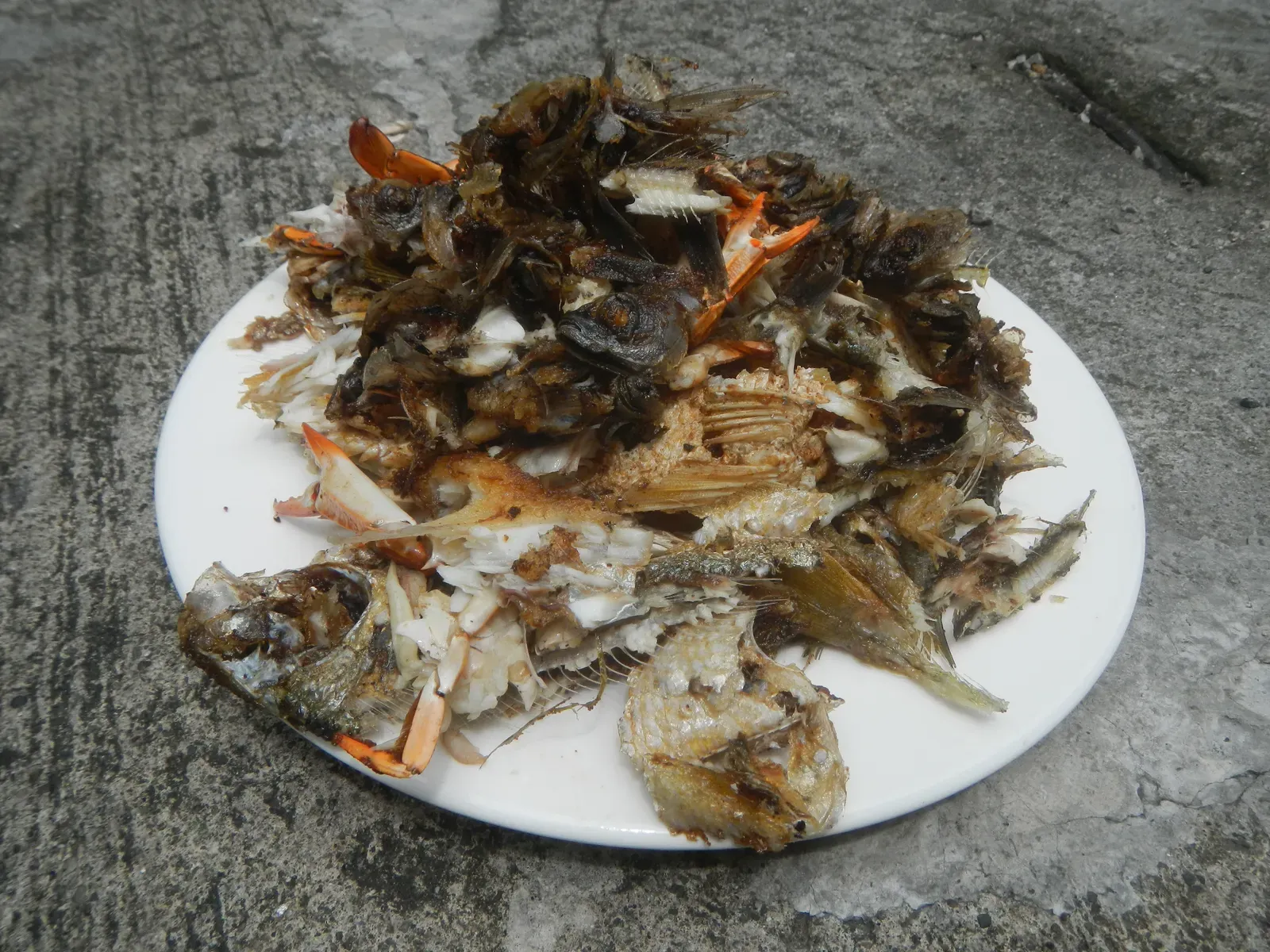
According to David Trinklein, a horticulture extension specialist at the University of Missouri, meat scraps and fish bones should not be used in home compost because these materials may attract dogs, rats, or other animals. Think about the smell of rotting meat sitting in your backyard on a warm summer day. It's not pleasant for you, and it's basically a dinner invitation for every raccoon, rat, and stray dog in the neighborhood.
Meat contains pathogens like E. coli and salmonella that can survive in typical home compost piles and potentially contaminate your garden soil. Your backyard compost pile rarely gets hot enough to kill off these dangerous bacteria. To safely compost meat, you'd need to maintain high temperatures of 130-160°F consistently for specific periods. Most home composters simply don't have the equipment or expertise to manage those conditions safely. Of the 261 curbside composting programs BioCycle surveyed in 2023, 231 will process meat and dairy. So if your city offers municipal composting, that's your best bet for disposing of meat scraps responsibly.
2. Dairy Products
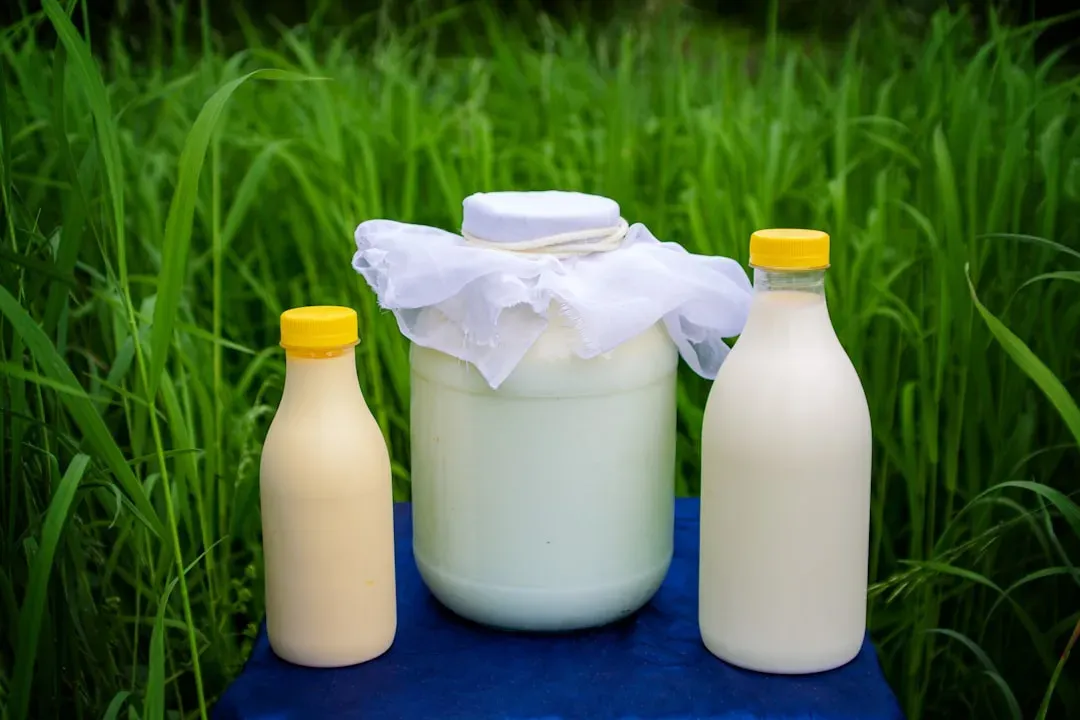
Cheese, milk, yogurt, sour cream. All delicious, all terrible for your compost bin. Your standard compost bin isn't designed to handle dairy waste effectively because cheese and other dairy products can clump together with other organic materials, preventing proper airflow throughout your pile and disrupting the aerobic decomposition process. Without adequate air circulation, your compost pile basically suffocates.
The fat content in cheese also coats other materials in your compost heap, slowing down the overall decomposition process. Picture trying to break down a greasy pizza box versus a clean cardboard box. That fat creates a barrier that makes it harder for microorganisms to do their job. As dairy products break down and ferment, they'll also start to smell like rotten eggs and sour milk, which pests and scavengers love. If you're composting through a municipal program that accepts dairy, go ahead and toss it in your green bin. Otherwise, keep it out.
3. Cooking Oils and Grease
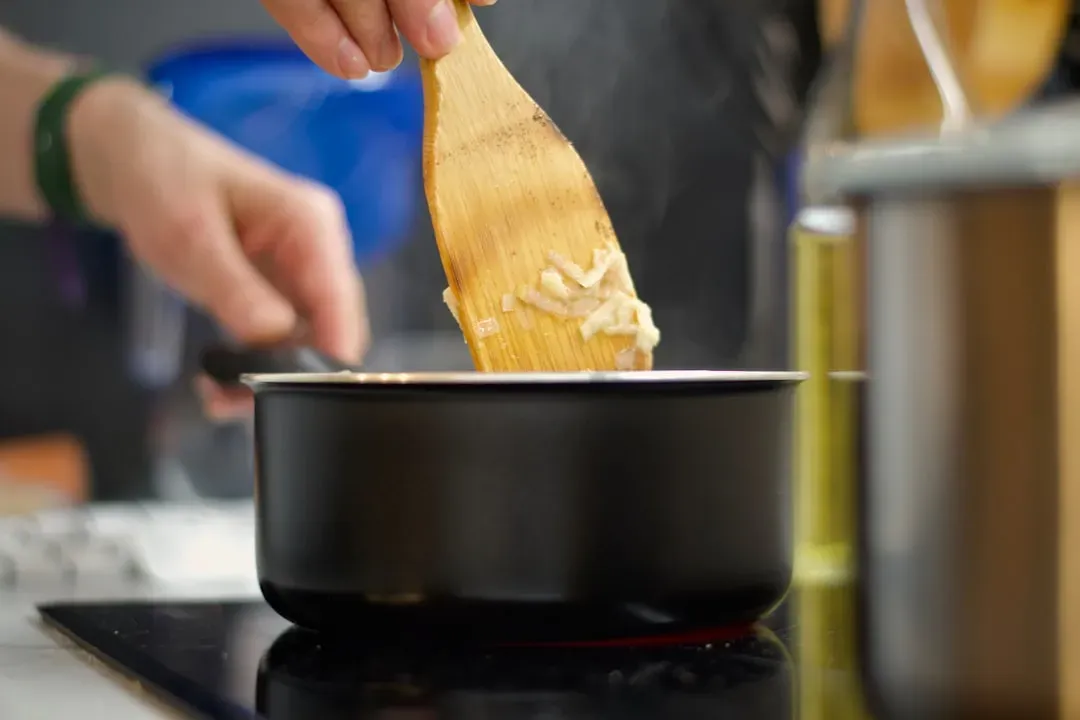
Oil and water just don't mix, and since moisture is a key component of the composting process, these non-compostable food waste items won't break down. It's like trying to wash your hands with oil instead of water. Nothing good happens. Cooking oil and other fats can slow the decomposition process.
When you dump greasy substances into your compost, they create a waterproof coating on other materials. This prevents moisture from reaching the organic matter that needs it, essentially creating pockets of waste that refuse to decompose. Instead, they'll shift the moisture balance of your pile and attract pests. Even small amounts of oil can cause problems over time. Save your bacon grease for cooking or dispose of it in the trash once it's solidified. Your compost pile will thank you.
4. Bones
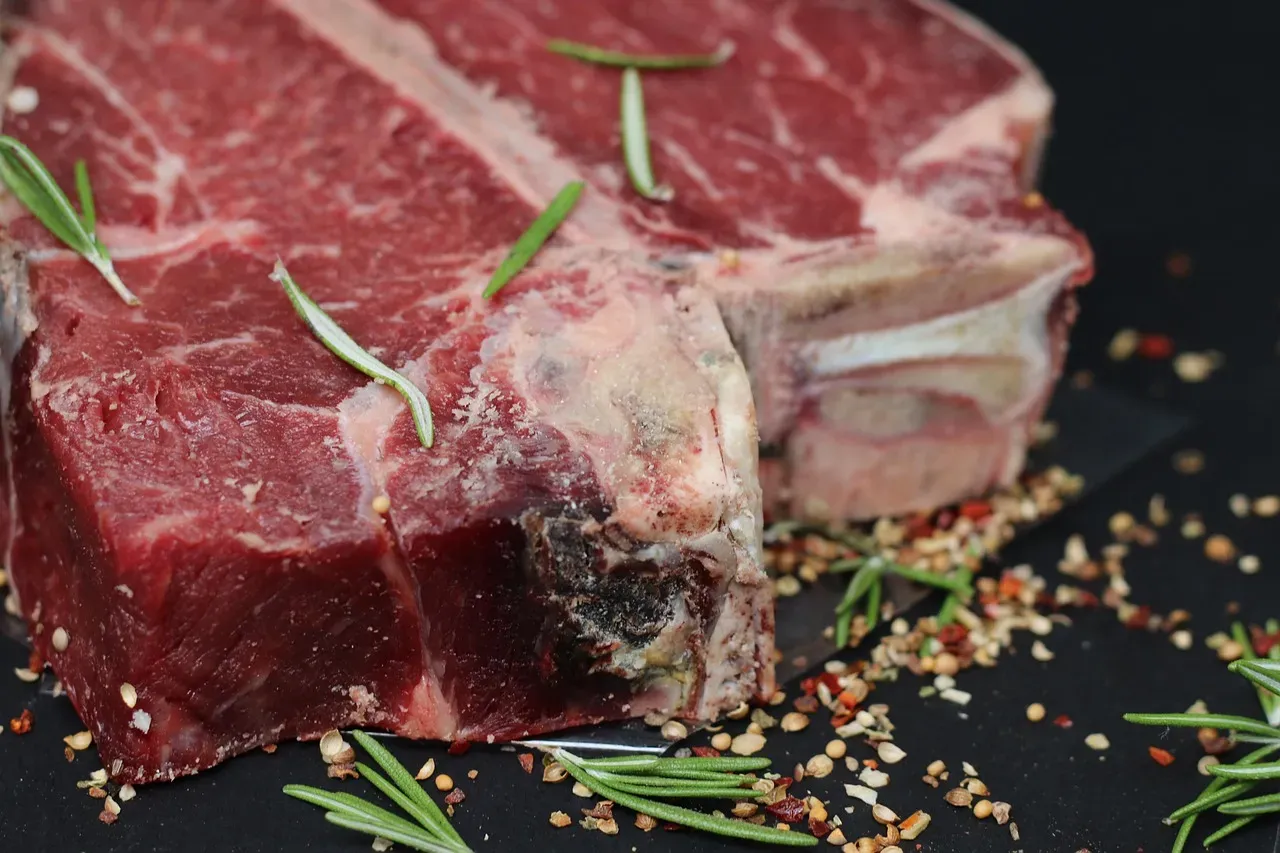
Bones are simply too dense, especially beef and pork bones, and these can take hundreds of years to decompose if left buried. Yeah, you read that right. Hundreds of years. For large bones, there's just not enough microbial penetration in the traditional composting process for decomposition to occur. Think of bones as nature's version of plastic, at least in terms of how long they stick around.
Municipal composting programs can typically handle cooked meats, including picked-over carcasses and bones, but home composters may want to avoid composting meat and bones, as they can draw unwanted pests to the compost pile. Bones are also even more appealing to wildlife than meat due to their high nutrient content, as animals are driven to chew bones for the minerals within. Unless you want a parade of animals digging through your yard, keep those bones out of your home compost bin.
5. Citrus Peels in Excess
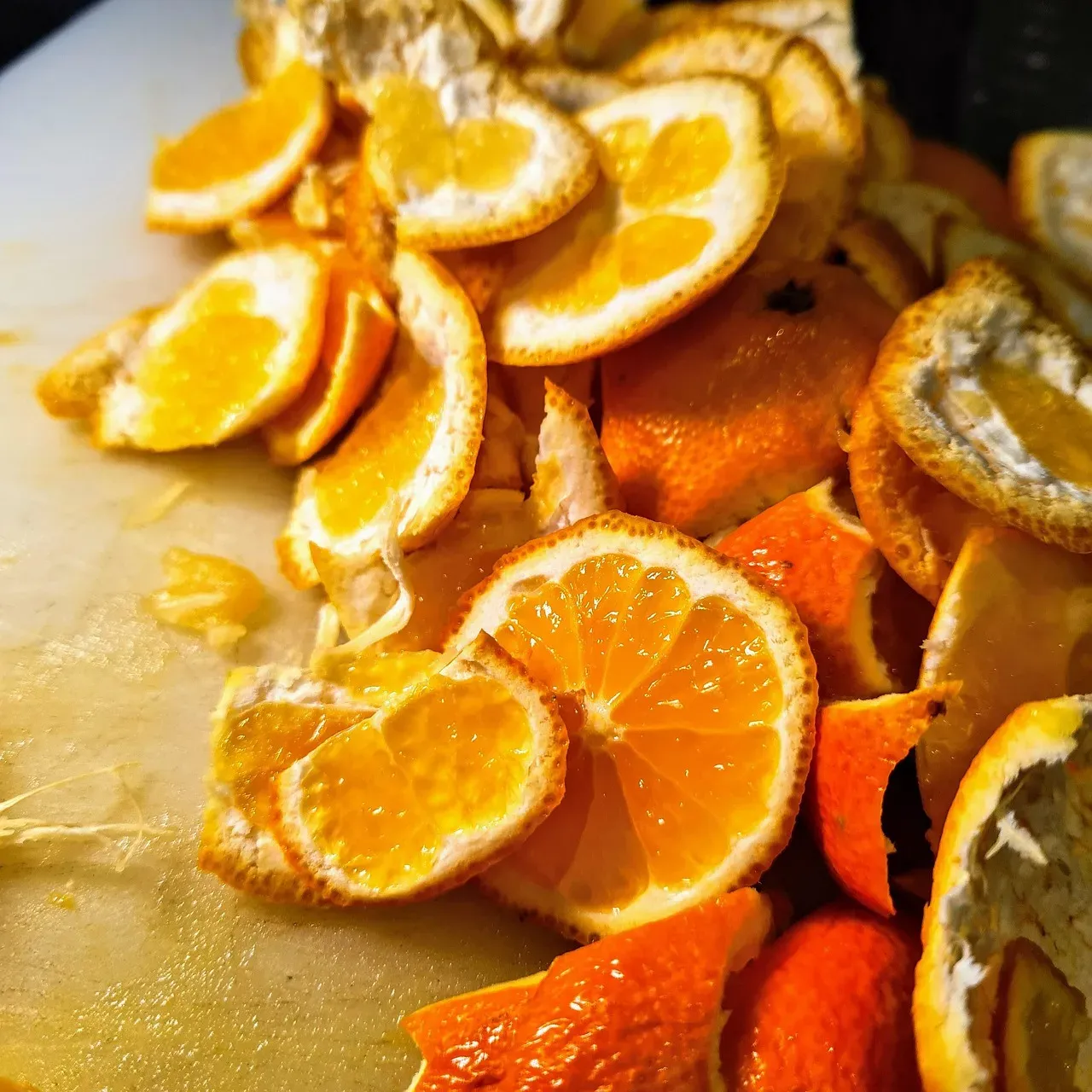
Here's where things get controversial. An old gardening legend holds that adding too many highly-acidic citrus peels to your compost will prevent it from breaking down properly, or that the acid will kill off worms and beneficial microorganisms. Honestly, this is partly myth and partly truth. While the pH neutralizes over time, adding too much citrus can temporarily lower the pH of compost mix, potentially affecting its balance and slowing down decomposition if not managed properly.
Unlike wormeries you can add citrus fruits into regular hot compost bins, but these waste types are high in acidity and shouldn't be added into a wormery due to worms having a high sensitivity to acidic materials. The key word here is moderation. A few orange peels mixed with plenty of other materials? Totally fine. An entire bin full of nothing but citrus? You're asking for trouble. Citrus peels decompose more slowly than other organic materials like vegetable scraps or grass clippings, which can extend the overall decomposition process. Chop them into small pieces and don't overdo it.
6. Walnut Shells and Leaves
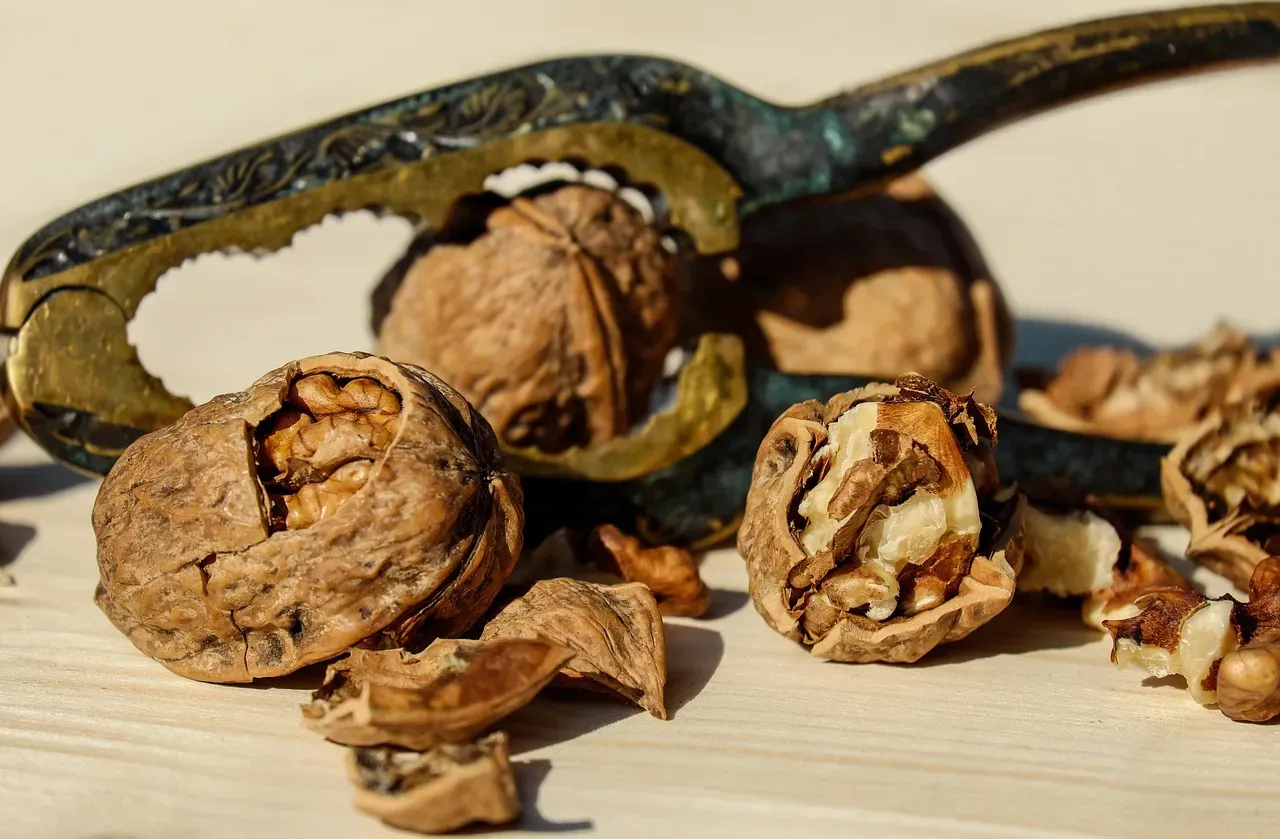
Walnut shells contain juglone, a natural compound that can inhibit plant growth. This is particularly true for black walnut trees. Juglone is an allelopathic chemical produced by black walnut trees that acts as a natural herbicide, inhibiting the growth of certain plants. Basically, walnuts are nature's way of saying "stay away from my territory."
Walnut leaves can be composted because the juglone toxin breaks down when exposed to air, water and bacteria, and the toxic effect can be degraded in two to four weeks. However, many gardeners still avoid them completely out of caution. This process typically takes 2-4 weeks in a well-managed compost pile. If you're going to compost walnut materials, you need a hot, well-maintained pile and plenty of patience. Juglone readily breaks down when composted and black walnut plant material composted for 6 or more months should be safe to use around any plant. For most home composters, it's easier to just avoid the hassle altogether.
7. Pet Waste
Waste from dogs and cats should not be composted, even if they eat homemade pet food, and this includes kitty litter, even if you've scooped out the waste because it's probably contaminated. I know what you're thinking. It's all organic matter, right? Wrong. Pet waste contains parasites and pathogens that are specifically dangerous to humans. We're talking about organisms like Toxoplasma gondii from cat feces, which can cause serious health issues.
Pet feces or spent cat litter should not be added to the compost pile. Even if your compost pile gets hot, there's still a risk that harmful organisms will survive and contaminate your finished compost. If you use that compost on your vegetable garden, you could be exposing yourself and your family to serious health risks. Some specialized composters exist specifically for pet waste, but regular backyard compost bins are not the place for Fido's business.
8. Diseased or Pesticide-Treated Plants
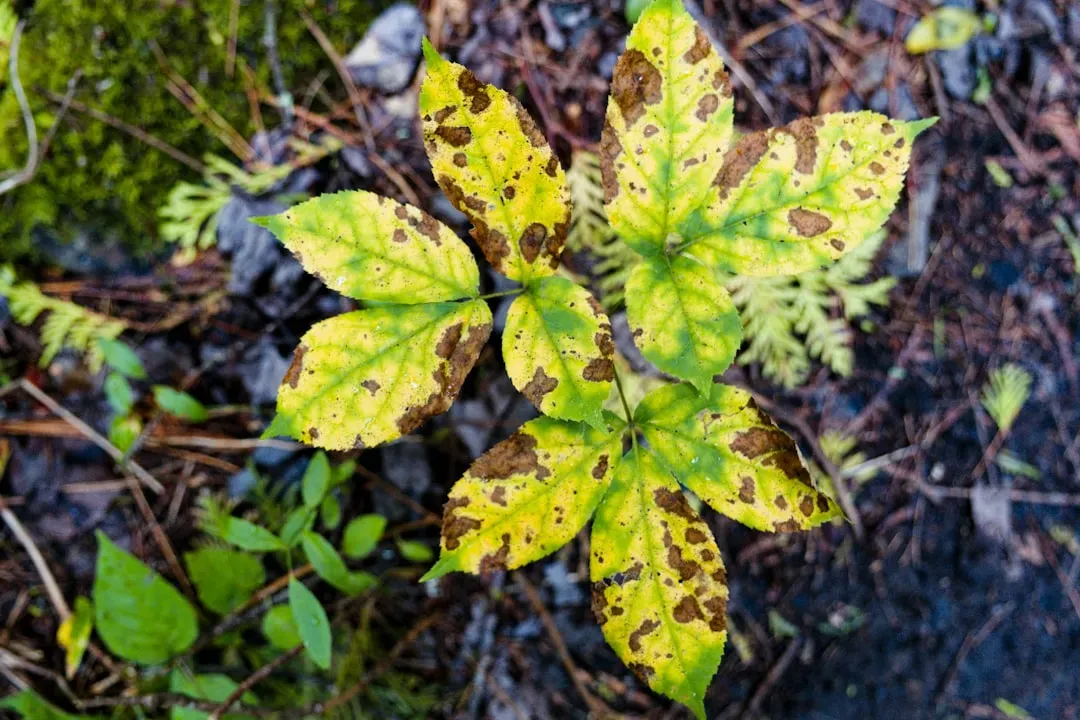
It takes high temperatures to destroy the pathogens from diseased garden waste, and most garden composting setups won't be able to achieve it, so the disease could infect your compost and then be spread around to other plants as you use it around the garden. Think about it like this. If you had a contagious illness, you wouldn't want to share a room with healthy people, right? Same logic applies here.
While it takes hot temperatures of 141°F to 145°F for at least several days to kill such fungi or bacteria, most home compost bins never reach those high levels. Your compost pile becomes a breeding ground for plant diseases, and when you spread that compost around your garden, you're basically inoculating every plant with whatever nasty pathogen was on that one diseased tomato plant you tossed in. Diseased plant material or weeds that have gone to seed should not be added because disease organisms and weed seeds will not be destroyed if the temperature in the pile does not reach 150° to 160°F. Better safe than sorry.
9. Glossy or Coated Paper
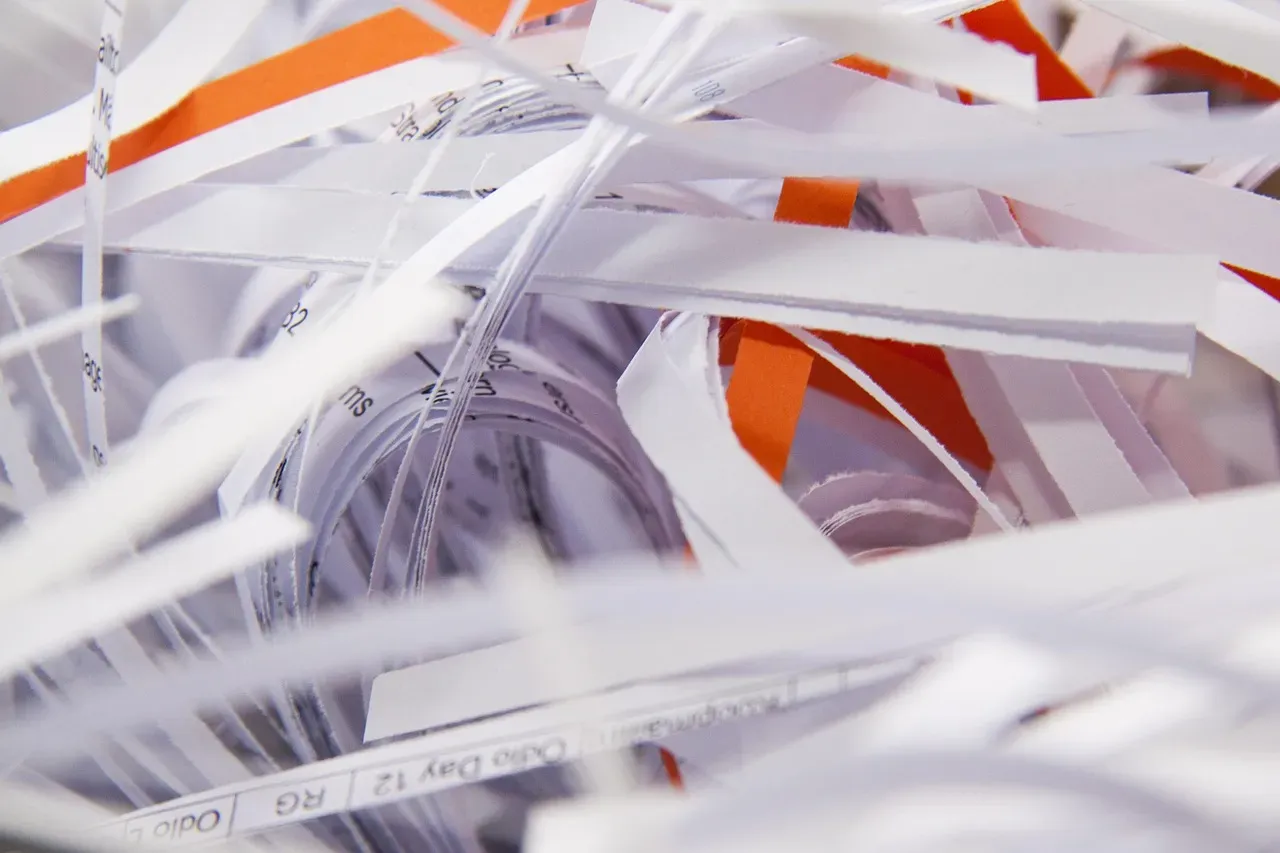
You can compost most sorts of paper, just make sure that it's not glossy, meaning no magazines or envelopes with plastic windows. That shiny coating on magazines and junk mail? It's usually plastic or contains chemicals that won't break down in your compost pile. Paper that has been treated with plastic-like coatings to make it bright, colorful and glossy, like magazines, won't decompose properly, contains toxins, and is not appropriate for your compost pile.
Regular newspaper, cardboard, and paper towels are perfectly fine for composting. The glossy stuff, though, is a different story. Those chemicals and plastic coatings will contaminate your finished compost and potentially harm the plants you're trying to nurture. It's hard to say for sure what specific toxins are in that coating, but it's just not worth the risk. Stick to plain, uncoated paper products and you'll be golden.
10. Produce Stickers
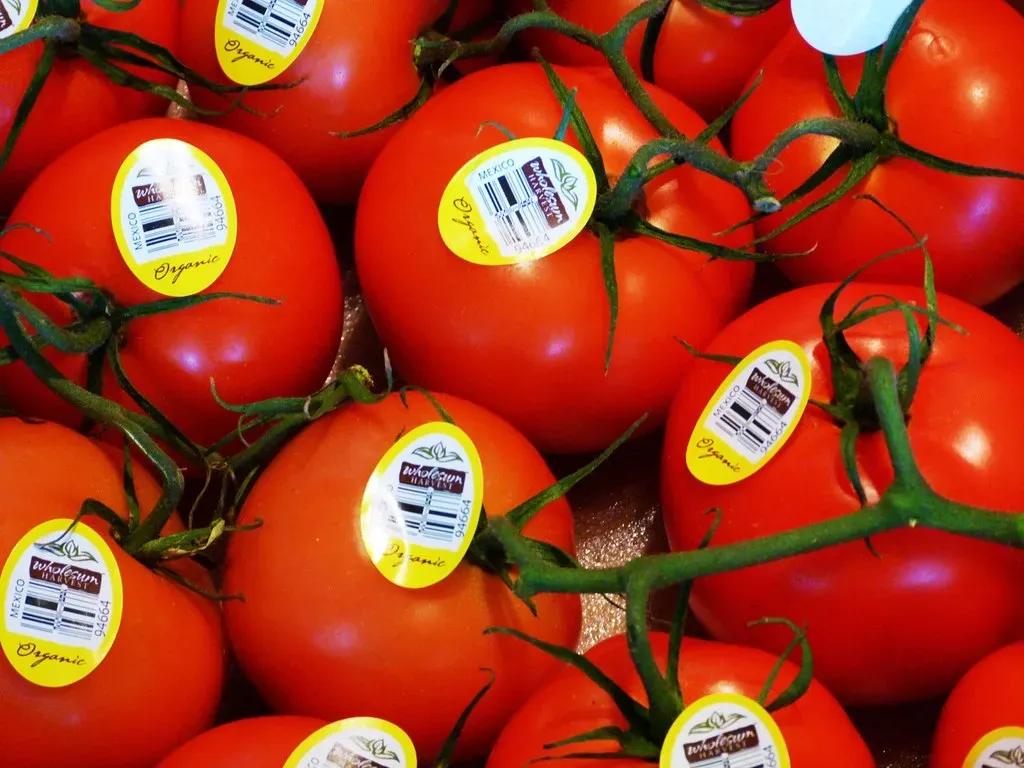
These labels are typically made from plastic or plastic-coated materials designed to withstand moisture, meaning they won't break down in a home compost bin. They're tiny, easy to miss, and surprisingly problematic. Once mixed in, they remain intact long after the organic matter has decomposed, contaminating finished compost with bits of plastic that are difficult to remove, and over time, this can reduce the quality of your compost and introduce microplastics into your garden soil.
These bits of plastic are easy to miss, but make sure you peel them off before tossing that banana peel in your pile because they don't even break down in industrial composting facilities, let alone your home one, and they're a huge source of composting contamination all over the world. I'll admit, I've been guilty of this one myself. You're peeling an orange, you toss it in the compost, and you completely forget about that little sticker until it's too late. Get in the habit of checking for stickers before you compost any produce. Your future self will appreciate it when you're not picking tiny pieces of plastic out of your garden soil.


Leave a Reply