
Think your kitchen is a safe zone? Think again. Most of us wander into our kitchens daily with confidence, throwing ingredients together and trusting our instincts. Yet, the statistics paint a different picture entirely. Roughly one in six Americans, roughly 48 million people, gets sick from foodborne diseases each year, with around 128,000 hospitalizations and 3,000 deaths annually. It's hard to wrap your head around that number.
The tricky part is that many of the worst offenders in our homes are habits we barely think about. Those seemingly innocent routines we've been practicing for years might actually be setting us up for a nasty bout of food poisoning. So let's dive in and uncover the mistakes hiding in plain sight.
Washing Raw Chicken Before Cooking
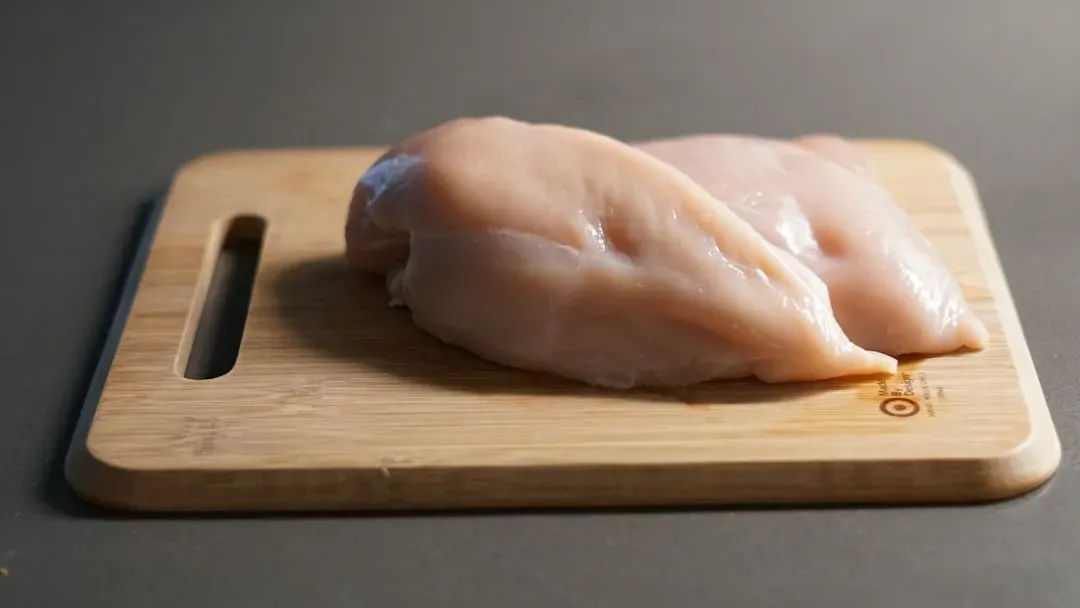
Here's the thing. For years, people believed rinsing raw chicken under the tap would somehow make it cleaner. Honestly, it sounds logical, right? Except bacteria in raw meat and poultry can spread to sink and countertops causing cross-contamination, and that's where the real problem lies. When you rinse chicken, tiny water droplets carrying bacteria like Salmonella or Campylobacter can splatter up to several feet away.
Washing raw meat, chicken, turkey, or eggs can spread germs to your sink, countertops, and other kitchen surfaces, and these germs can be transferred to other foods like salads or fruits and make you sick. The water doesn't kill anything. Cooking does. Raw chicken is ready to cook and doesn't need to be washed first, as washing these foods can spread germs to other foods, the sink, and the counter and make you sick.
Let me be real here. It feels wrong to skip this step if you've been doing it forever. However, just slap that bird straight into the pan or oven. The heat will obliterate any harmful bacteria during cooking, making rinsing completely unnecessary.
Not Using a Food Thermometer to Check Doneness
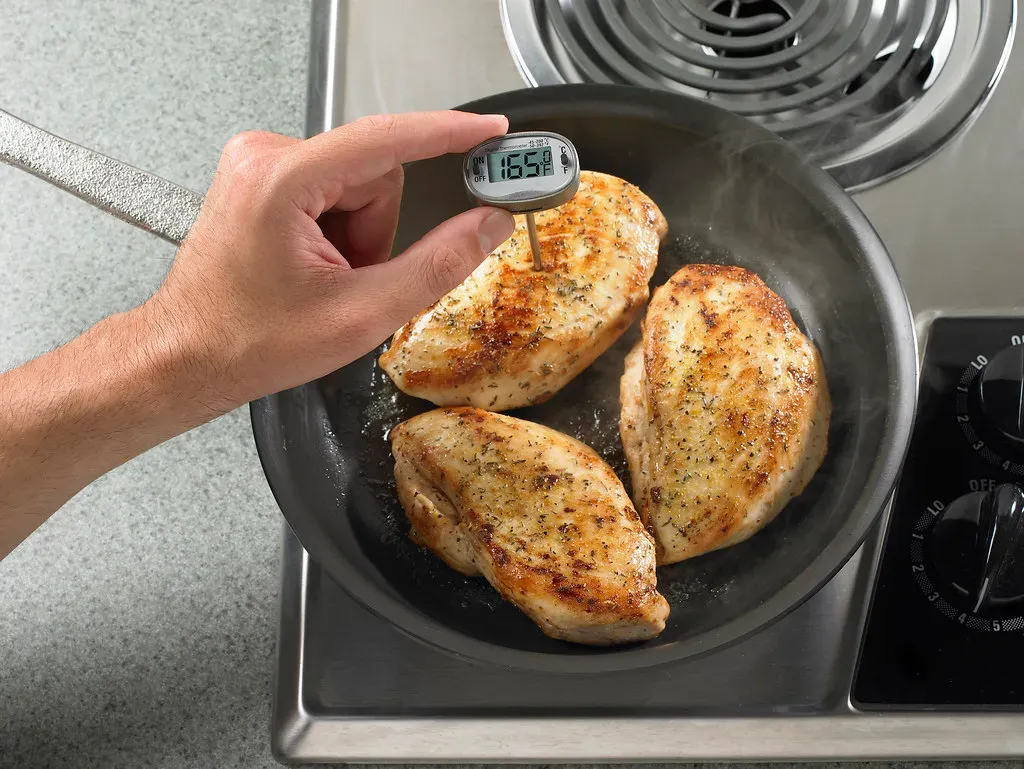
You know what's crazy? Many people felt confident about their food safety skills, yet were making critical mistakes while preparing their meals that could lead to foodborne illness. Looking at the color of meat or checking if the juices run clear might seem like adequate tests, yet they're far from reliable. When foods are not cooked to recommended minimum internal cooking temperatures, harmful bacteria can multiply and make you sick, and while you may think a food is done by giving it a good look, it is always recommended to use a food thermometer to measure doneness.
It's not enough just to look and see if the chicken is white inside and there are no pink juices, a thermometer needs to be used to make sure the chicken is cooked to at least 165 degrees Fahrenheit. Each type of food has its own safe internal temperature, and skipping this crucial step is like playing Russian roulette with your health. Seriously, those inexpensive food thermometers are a game changer.
I've been guilty of this myself. Grabbing a thermometer takes about five seconds longer than just guessing, yet it could save you days of misery. Trust the numbers, not your eyes.
Letting Your Refrigerator Run Too Warm
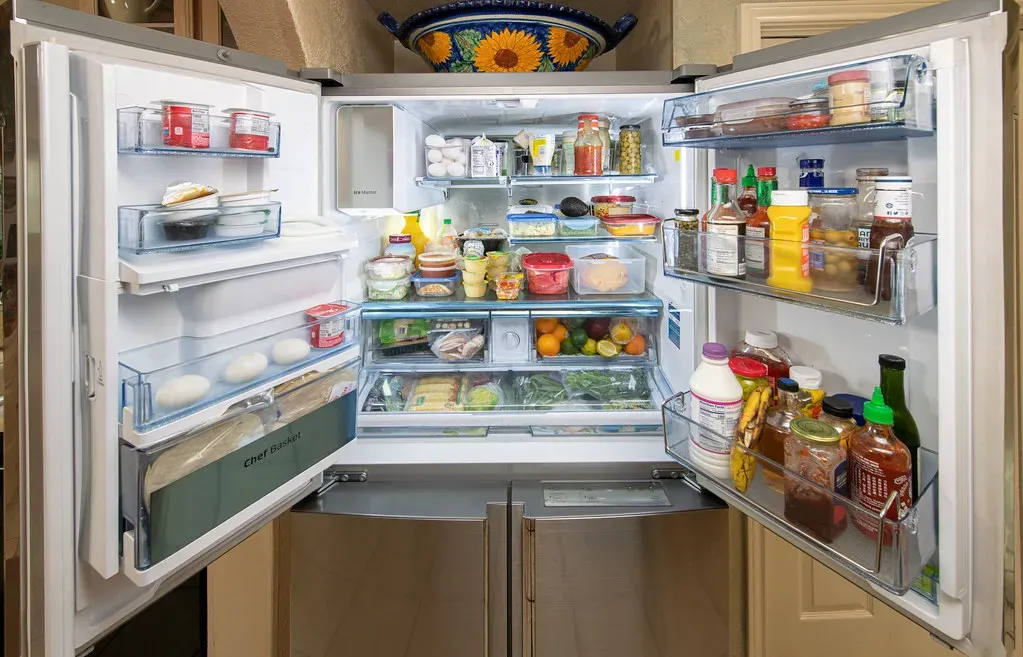
This one sneaks up on people. When researchers took the temperature of participants' refrigerators, one was as high as 60 degrees Fahrenheit, and almost 15 percent were about 45 degrees Fahrenheit, which is too warm, since the refrigerator should register at 40 degrees Fahrenheit and the freezer at 0 degrees Fahrenheit. That's genuinely alarming when you consider how much we depend on refrigeration to keep food safe.
At room temperature, the numbers of bacteria that cause foodborne sickness can double every 20 minutes, and chilling foods to proper temperatures is one of the best ways to slow the growth of these bacteria. Temperature matters more than most people realize. A fridge that's a few degrees warmer than it should be becomes a breeding ground for pathogens.
About 23 percent of consumers' refrigerators are not cold enough, which tells us this isn't just a rare oversight. Grab a cheap appliance thermometer and stick it in your fridge. Check it weekly. You'll be surprised how much temperatures can fluctuate.
Using the Same Cutting Board for Everything
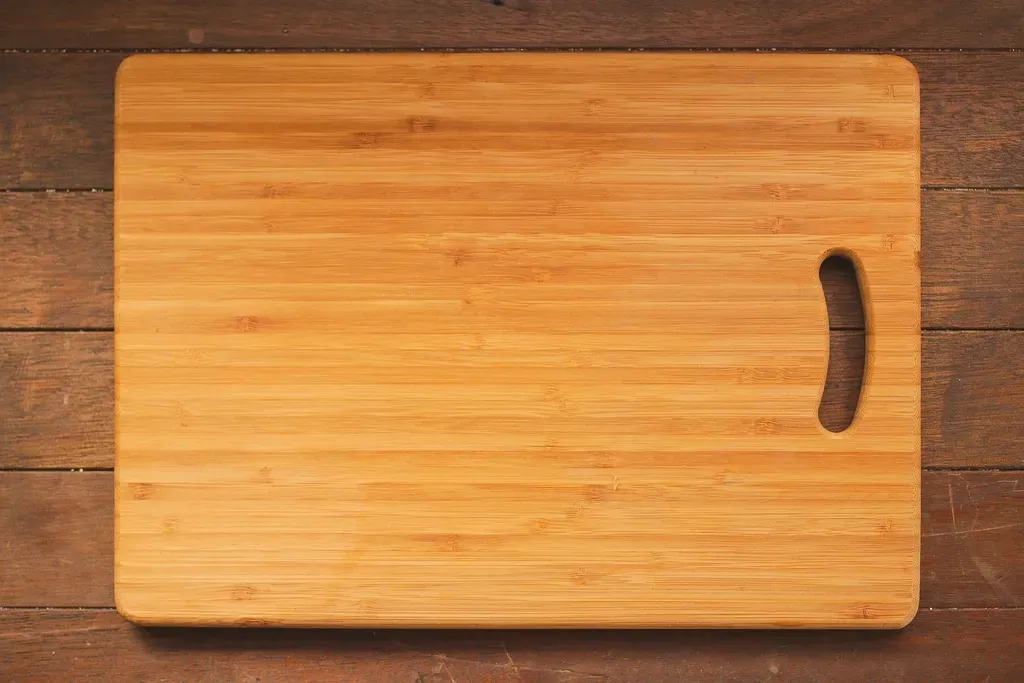
Cross-contamination might sound like a fancy term, yet it accounts for approximately 70 percent of foodborne illnesses in home settings. Picture this: you slice raw chicken on your cutting board, then rinse it quickly and chop vegetables for a salad. Seems fine, except this is a great example of cross-contamination, or the transfer of harmful bacteria to food from other foods, cutting boards, and utensils.
Contaminated chicken was chopped on cutting boards, with a maximum distance of 60 cm for low contamination, and 120 cm for medium and high contamination levels, suggesting a contamination risk exposure area ranging from 60 cm to 120 cm. That's basically your entire workspace. Recent research from 2025 found that Salmonella bacteria persisted on polyethylene and glass cutting boards for up to 4 hours, whereas on wooden surfaces, they were detected only up to 2 hours, with transfer rates varying depending on the type of board material and bacterial strain.
The fix is straightforward. It is recommended to use separate, clean boards for different foods such as meat, poultry, seafood, and one for fresh produce. Color-coded boards make this ridiculously easy. One for raw animal products, another for vegetables and ready-to-eat stuff. Simple as that.
Ignoring Proper Hand Washing
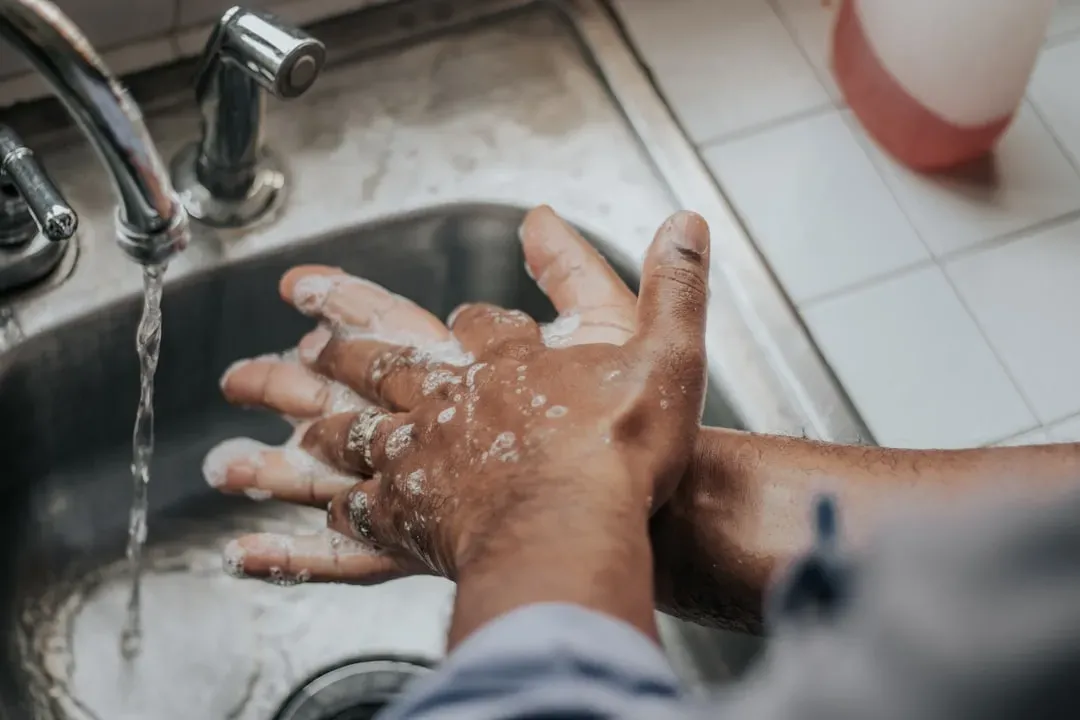
One of the first mistakes researchers noted was that participants forgot to wash their hands before starting to prepare their meal. Seems basic, right? Yet it's one of the most overlooked steps in home kitchens. Your hands carry bacteria from everything you touch throughout the day, from your phone to doorknobs to pets.
Hands should be washed with soap and water for at least 20 seconds and dried with a paper towel, not a cloth towel, because the cloth towel can become contaminated and then spread bacteria when used to dry dishes, wipe counter, etc.. That 20-second rule isn't arbitrary. It takes that long for soap to actually break down and remove bacteria effectively.
Wash before you start cooking, after handling raw meat, after touching your face or phone, and honestly, err on the side of washing too much. The sink is right there. There's really no excuse. Paper towels are better for drying because cloth towels become bacterial playgrounds after a few uses, even if they look clean.
Skipping the Sanitizing Step After Cleaning
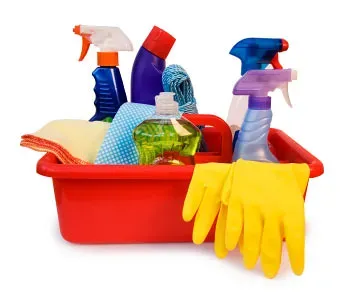
Washing and sanitizing are two different things, yet most people stop after the first step. There are four steps to proper cleaning: pre-rinse, clean with detergent, rinse, and apply a sanitizer, and if you skip steps, like using a sanitizer on dirty surfaces, this wastes product and doesn't keep you safe. Soap removes visible grime and some bacteria, yet sanitizing actually kills what remains.
For cutting boards, you should rinse the debris off, scrub with soap and water, sanitize, and for plastic cutting boards, use a chlorine-based sanitizer such as a solution of bleach and water (one tablespoon of bleach per gallon of water with a shelf life of a week or two), but for wood cutting boards, use a quaternary ammonium sanitizer such as a solution of Mr. Clean and water, because chlorine binds very easily to organic materials like wood, which neutralizes its antibacterial properties.
Kitchen surfaces need the same treatment, especially after contact with raw meat. A quick wipe doesn't cut it. Sanitize countertops, cutting boards, sink areas, and anything else that touched potentially contaminated food. It takes an extra minute, yet it creates an actual barrier against pathogens rather than just moving them around.




Leave a Reply