
Ever walked past a flourishing community garden and wondered who actually controls those tomato plants, who can harvest that basil, and what happens if someone decides to claim the whole patch as their own private farm? The world of community gardening is filled with misunderstandings that can turn neighborly cooperation into full-blown feuds. Let's be real, confusion over ownership, rules, and rights has sparked everything from heated debates to actual lawsuits in shared garden spaces.
These misconceptions aren't just annoying; they can derail entire gardening projects and leave well-meaning gardeners frustrated or even out of pocket. With over 29,000 community gardens in the 100 largest U.S. cities and growing interest that surged during and after the pandemic, clearing up these myths matters more than ever.
Myth One: The City or Landowner Owns Everything You Grow
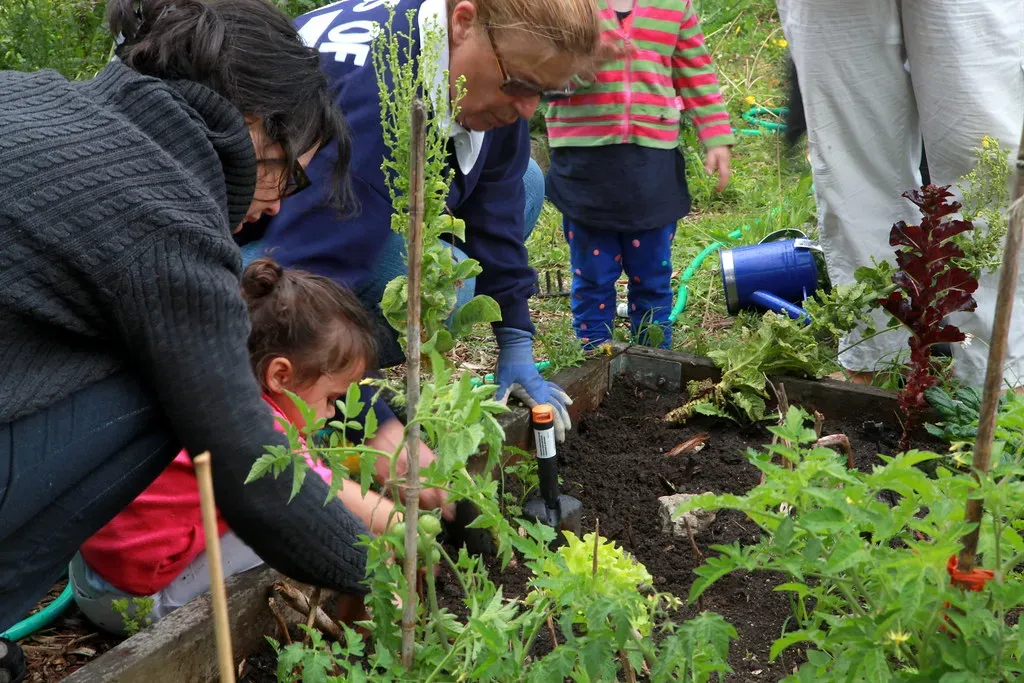
Here's the thing. Many new gardeners assume that because the plot sits on public or leased land, every carrot and cucumber technically belongs to the municipality or property owner. That's not how it works in most cases.
In community gardens, the land is typically divided into individual plots, and each individual gardener is responsible for their own plot, with the yield or production belonging to them. Think of it like renting an apartment; you don't own the building, but you certainly own the furniture and groceries inside your unit. Community gardens are typically owned in trust by local governments or not-for-profit associations, yet the actual produce remains with the person who planted and tended it. Property owners must give written permission to those sharing the use of the garden, which users must keep on file, clarifying the relationship from the start. So no, the city isn't going to show up and claim your heirloom tomatoes.
Myth Two: Community Gardens Are Free-For-All Spaces Where Anyone Can Harvest Anything
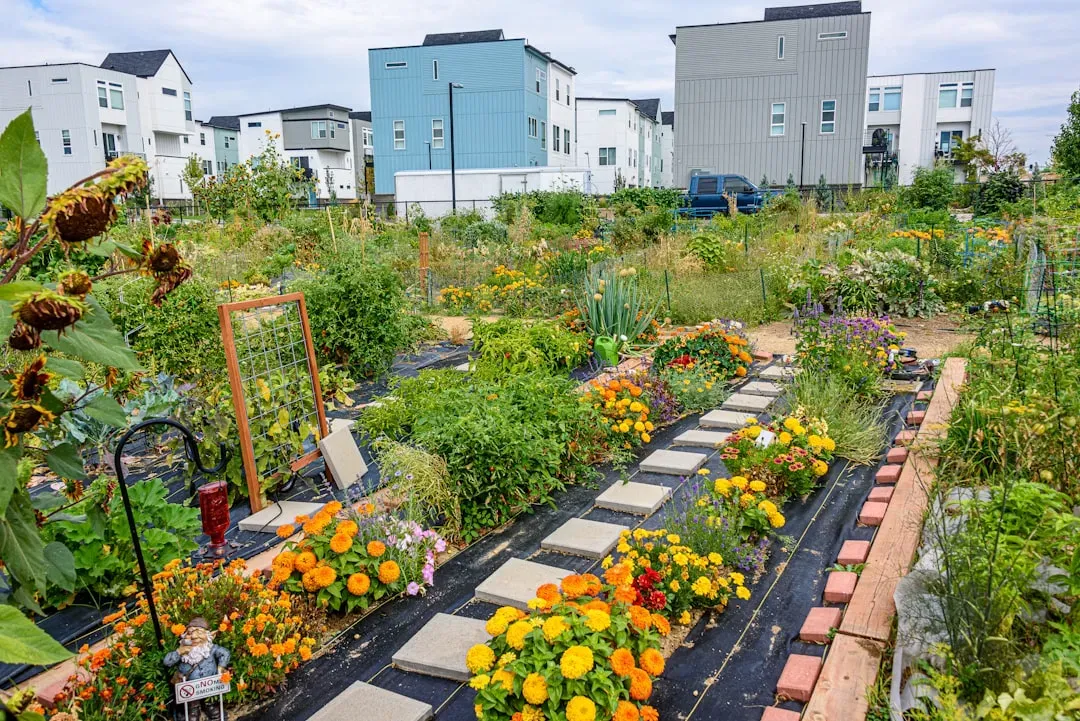
This misconception causes more drama than you'd expect. Some folks walk into a community garden and think it's like a public park; they see ripe strawberries and assume they're communal property. Wrong.
Gardeners are explicitly prohibited from planting, removing, or performing maintenance on another gardener's plot without explicit permission from the plot holder. The rules are clear in nearly every organized community garden across the country. Gardeners who accept a plot may only garden in and harvest from their assigned plot. Honestly, it's hard to say for sure why this myth persists, but it probably stems from the word "community" itself, which sounds open and shared. Theft is an unfortunate reality for many community gardens, with some gardeners losing produce to both hungry outsiders and greedy fellow members. That reality highlights why respecting plot boundaries is so important.
Myth Three: You Can Plant Whatever You Want in Your Plot
It sounds crazy, but community gardens actually have pretty strict rules about what you're allowed to grow. You can't just throw any seed into the ground and call it a day.
No invasive or woody plants may be planted, including trees, shrubs, vines such as wisteria, and invasive tubers. Growing cannabis or illegal substances is prohibited, and planting invasive species, such as mint, is also banned. Even innocent-seeming herbs like mint can tunnel underground and spread so aggressively that they invade neighboring plots, which is why community gardens have restrictions on plants that can spread quickly and become a menace to the entire community of plots. Some gardens go further, requiring the prohibition of synthetic fertilizers or pesticides, allowing only organic fertilizers. These aren't arbitrary rules; they're designed to protect everyone's investment of time and money.
Myth Four: Community Gardens Don't Have Legal Obligations or Liability Issues
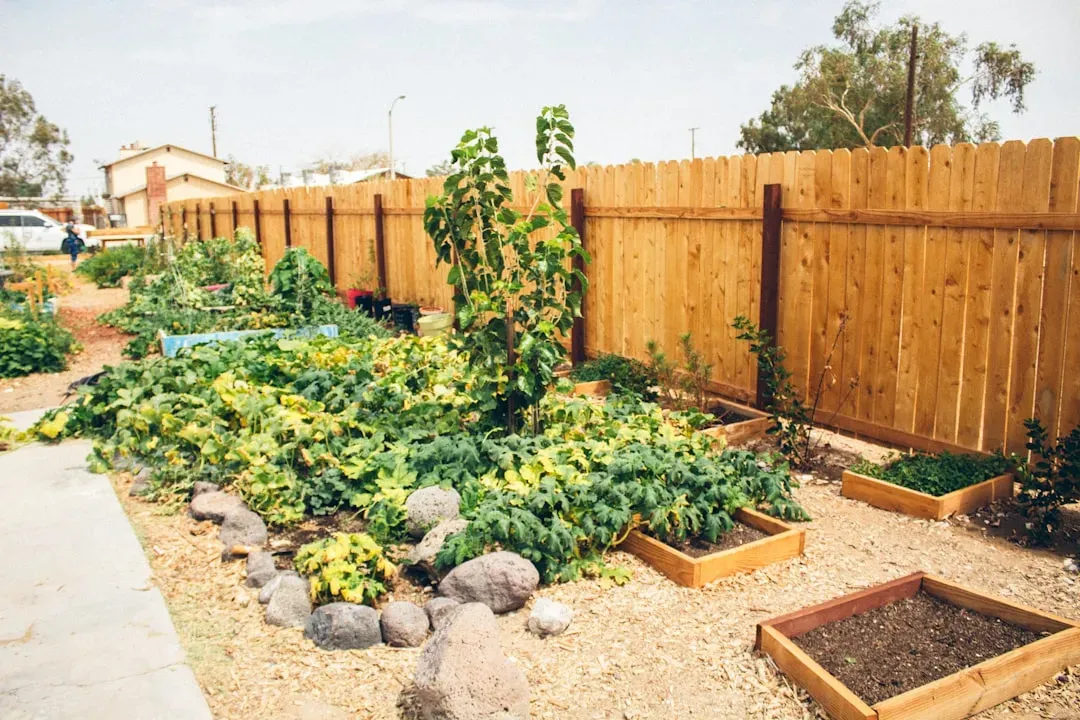
A lot of people think community gardening is just casual fun without any formal structure. They'd be surprised to learn how much legal framework actually underpins these spaces.
By paying or receiving scholarship assistance for a plot, participants agree to indemnify, defend, and hold harmless the Bureau of Parks and Recreation, the Community Gardens Program, the City, the Property Owner, and their officers and employees from damages, claims, or suits resulting from plot occupancy or use. That's serious legal language. Ordinance codes permitting community gardens often contain mechanisms to establish and enforce rules, regulate chemicals like insecticides and fertilizers, provide indemnification for owners and governing entities, and set regulations for the sale or distribution of garden produce. And when landowners open their property to gardeners, consistent cultivation, small fees, and token sales can shift land into the agricultural use category, which doesn't automatically mean higher taxes but can change how property is valued and which exemptions apply. Ignoring these realities can lead to costly surprises and disputes.
Myth Five: Plot Fees and Membership Dues Are Just Optional Donations
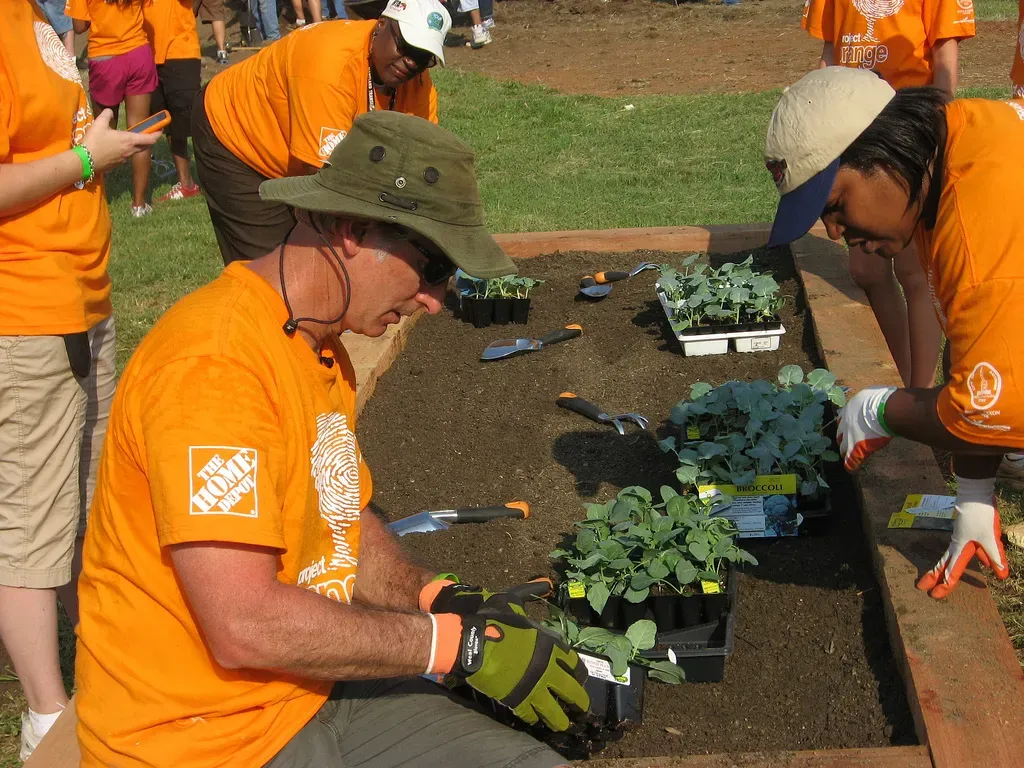
Some gardeners treat the annual plot fee like a suggested tip at a coffee shop. It's not.
Locals pay a yearly membership fee, which is used to pay for gardening tools and water, in order to gain access to a raised bed. That fee isn't a nice-to-have; it covers real operational costs. Gardeners must volunteer five hours annually, recorded with Parks by October 15, and gardeners must contribute and log a minimum of six hours per year in service, with the first three hours completed by June 30 and a total of six hours by October 31, or face policy reminders and potential consequences. If you don't pay or participate, gardeners notified of not meeting expectations have seven days to resolve issues or contact Parks to make a maintenance plan, or face cancellation of program participation and plot reassignment. Gardens aren't charities; they're cooperatives where everyone chips in to keep things running smoothly.
Myth Six: All Community Gardens Operate the Same Way
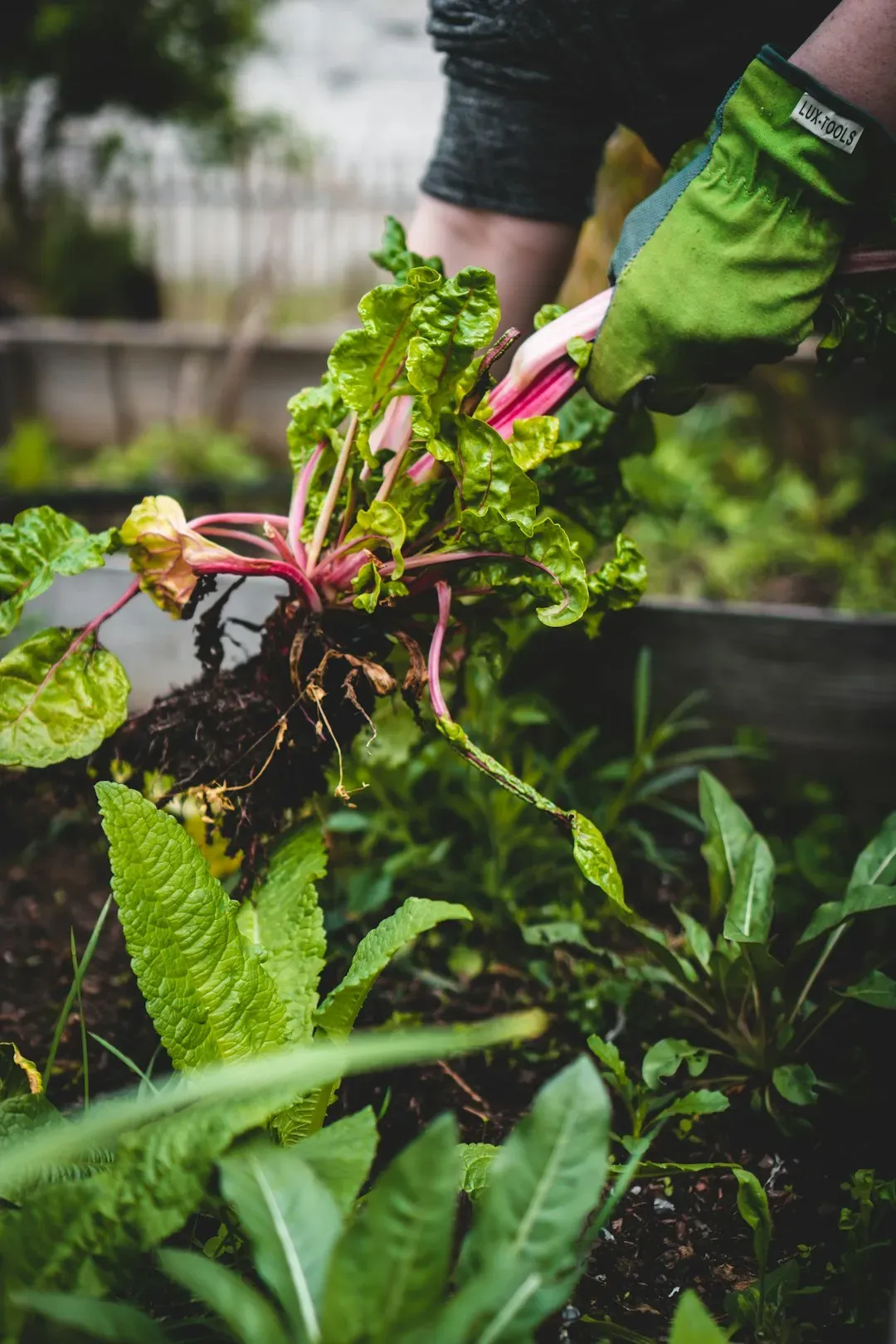
People often assume that if you've seen one community garden, you've seen them all. That couldn't be further from the truth.
Community gardens on private property may be sponsored by local governments, funded by a private investor, or community started and supported in a grassroots fashion. Urban farms typically aim to turn a profit with fewer people doing more labor and getting paid, while community gardens run by residents and nonprofits orient toward education and facilitating relationships, with individuals having their own plots and paying a membership fee. Some gardens split produce communally, while others assign individual plots. Community gardens must be headed by either a nonprofit organization or a community-based group willing to oversee the operation in many jurisdictions. The governance structures vary wildly from city to city, so it's worth checking local rules before making assumptions.




Leave a Reply