
You've been scrolling through design feeds, imagining your dream kitchen with all those Instagram-worthy details. The sleek surfaces, the bold backsplash, the statement lighting. It all looks so perfect on screen. Yet here's the thing that might surprise you: not every trendy kitchen upgrade translates into dollars when you're ready to sell your home.
Kitchen renovations can be a smart investment, no doubt. Zillow research finds kitchen renovations deliver some of the worst returns on investment - about $0.50 on the dollar, which should make any homeowner pause before reaching for the sledgehammer. While roughly about three quarters of homebuyers say the kitchen matters tremendously in their purchasing decision, the specific choices you make during a remodel can either add value or drain your wallet when it comes time to sell. Let's dig into the renovations that might seem appealing now but could leave future buyers walking away.
Overly Personalized Bold Colors and Finishes
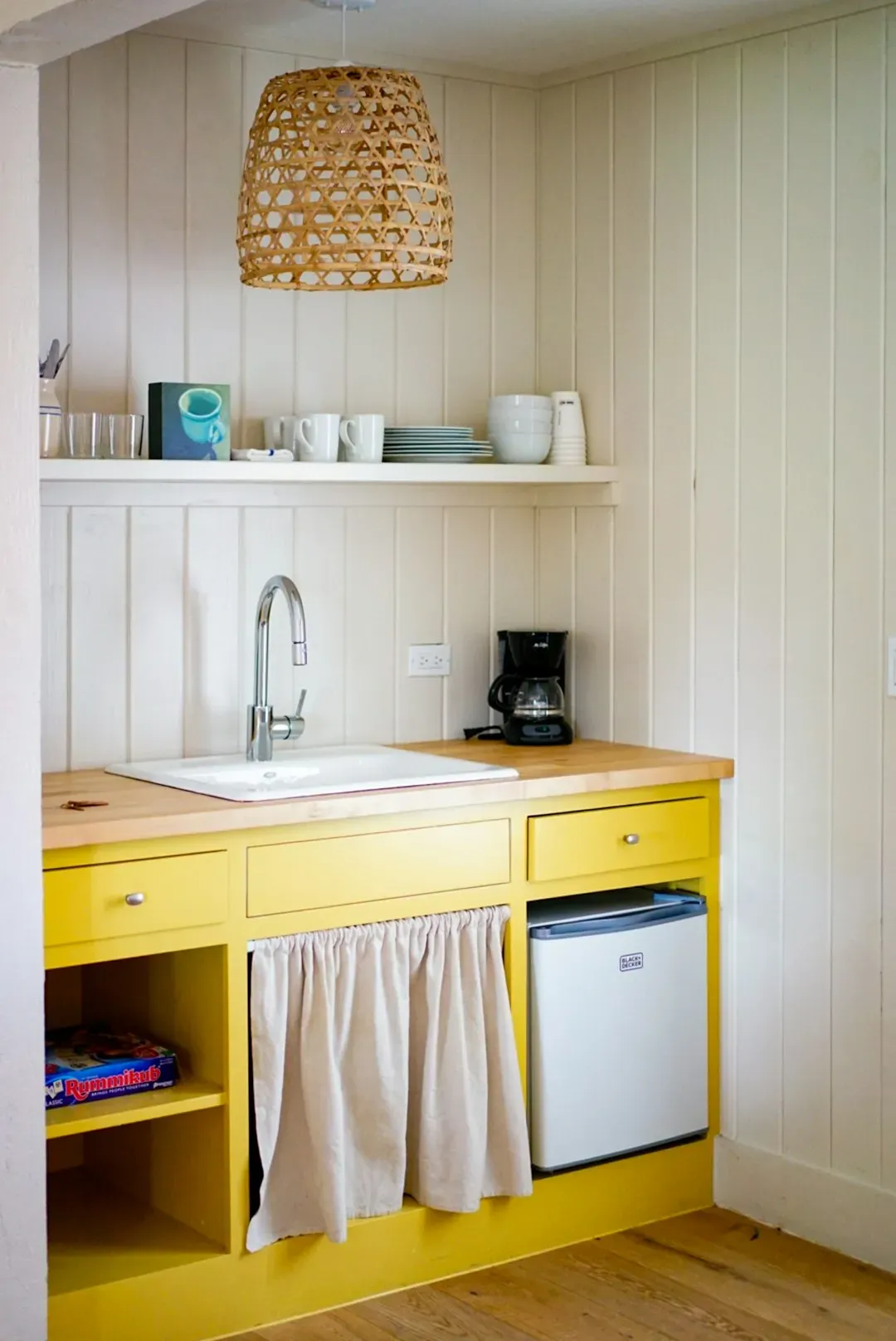
Bright sunshine yellow cabinets might make your heart sing every morning, I get it. You want personality in your space. Zillow's research finds homes with a bright yellow kitchen command offers that are $2,125 less than expected on a typical U.S. home. Think about that for a moment. Your personal style statement could literally cost you thousands.
Bold color choices force potential buyers to mentally calculate repainting costs before they even consider an offer. Overly personal designs - such as bold tile or niche appliances - can hurt resale potential, according to recent market analysis. Neutral doesn't mean boring, honestly. It means giving buyers a blank canvas to envision their own lives in your space. Navy, white, warm beige, and soft grays allow the architecture and natural light to shine without screaming for attention.
Orange-Toned Oak or Dark Wood Cabinets
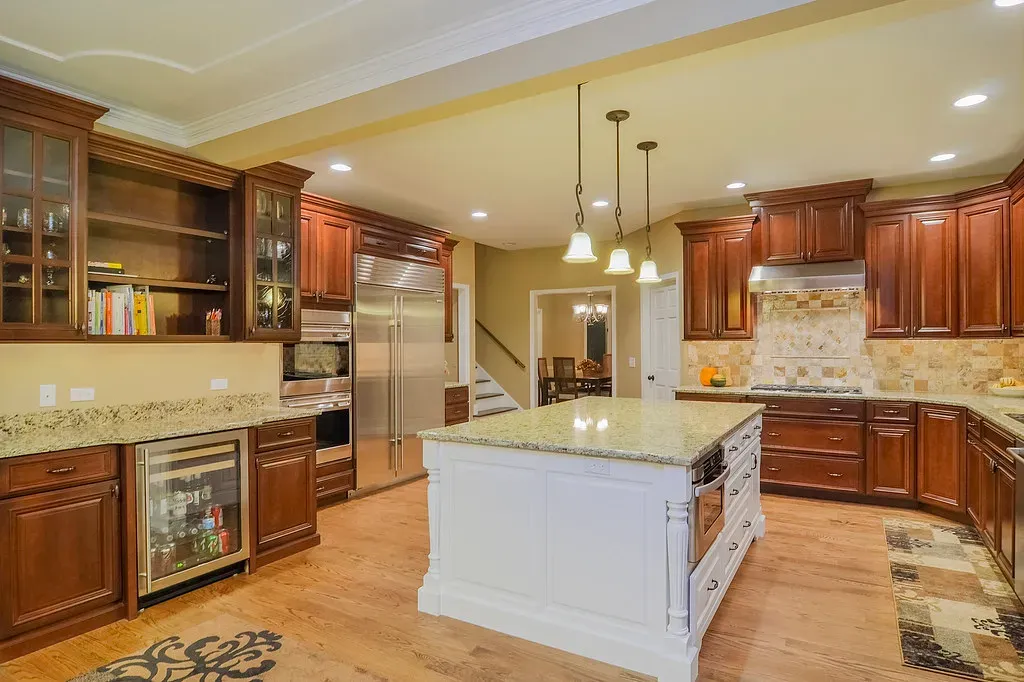
Wood cabinets aren't all created equal in the eyes of buyers. While pale oak and ash tones remain popular in contemporary design, the orange-hued oak that dominated the 1990s tells a different story. Homes with oak cabinets get 9 percent fewer saves per day and 10 percent fewer shares per day on Zillow - and sell for 0.8 percent less than similar homes. That's measurable buyer hesitation right there.
Here's where it gets worse. Listings with wood cabinets get 7 percent fewer saves per day and 9 percent fewer shares per day compared to homes with painted or modern cabinet finishes. The takeaway? If you're installing new cabinets with resale in mind, painted finishes or lighter modern wood tones will serve you better than traditional stained wood, especially those with warm orange undertones that instantly date a space.
Laminate or Tile Countertops
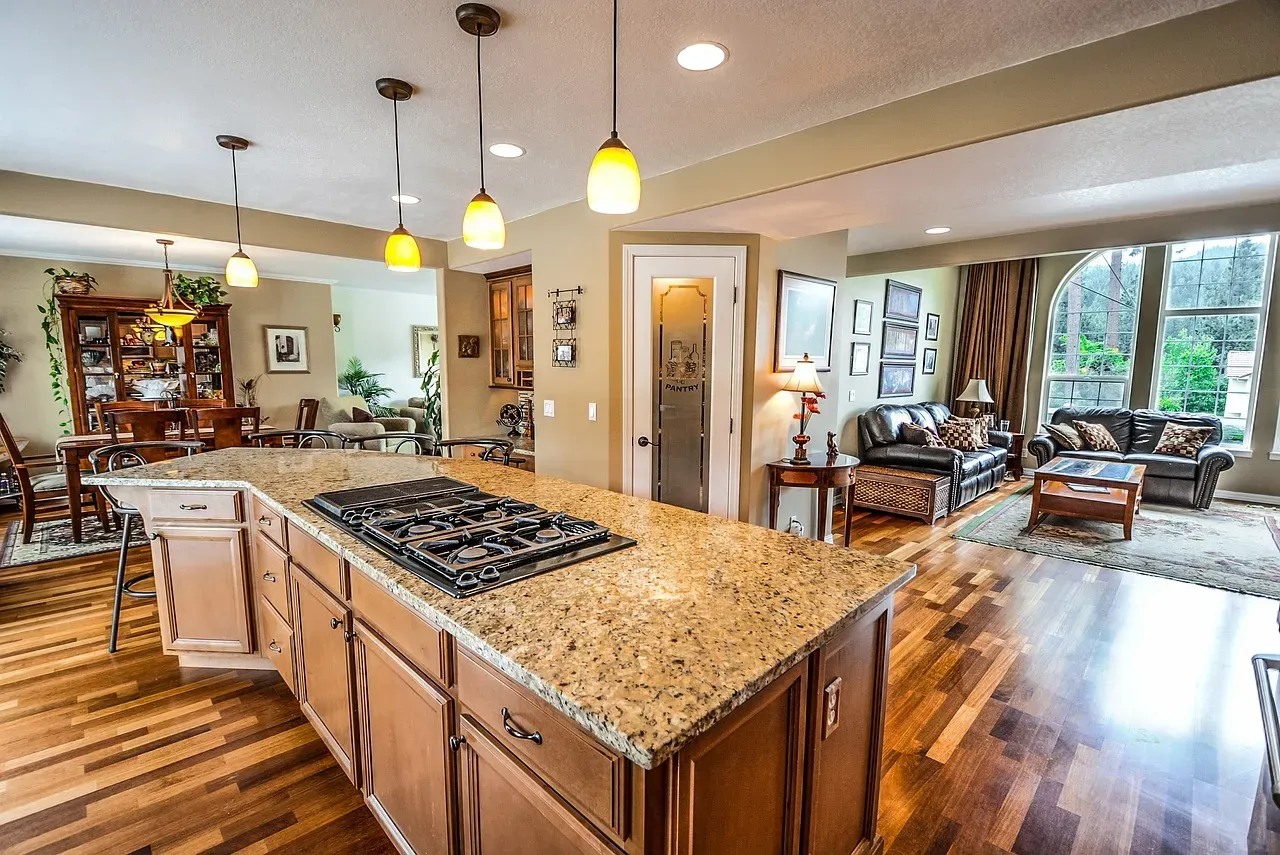
Budget considerations are real, I know. Yet cutting corners on countertops often backfires when selling. Laminate countertops are a common, budget-friendly renovation option, but potential buyers will take the choice as the homeowners cutting corners. Tile counters are great, and we're partial to the aesthetic, but they are notoriously difficult to clean and maintain over time. Home shoppers aren't willing to pay a premium for either of these materials.
The numbers tell the story clearly. Homes with laminate countertops can sell for 1.1 percent less than expected, and buyers pay 1 percent less for homes with tile countertops, according to Zillow research. Buyers see these materials and immediately think about replacement costs. Quartz, granite, or even quality engineered stone sends a different message entirely - one of durability and thoughtful investment rather than shortcuts.
Exotic or Trendy Countertop Materials Like Onyx
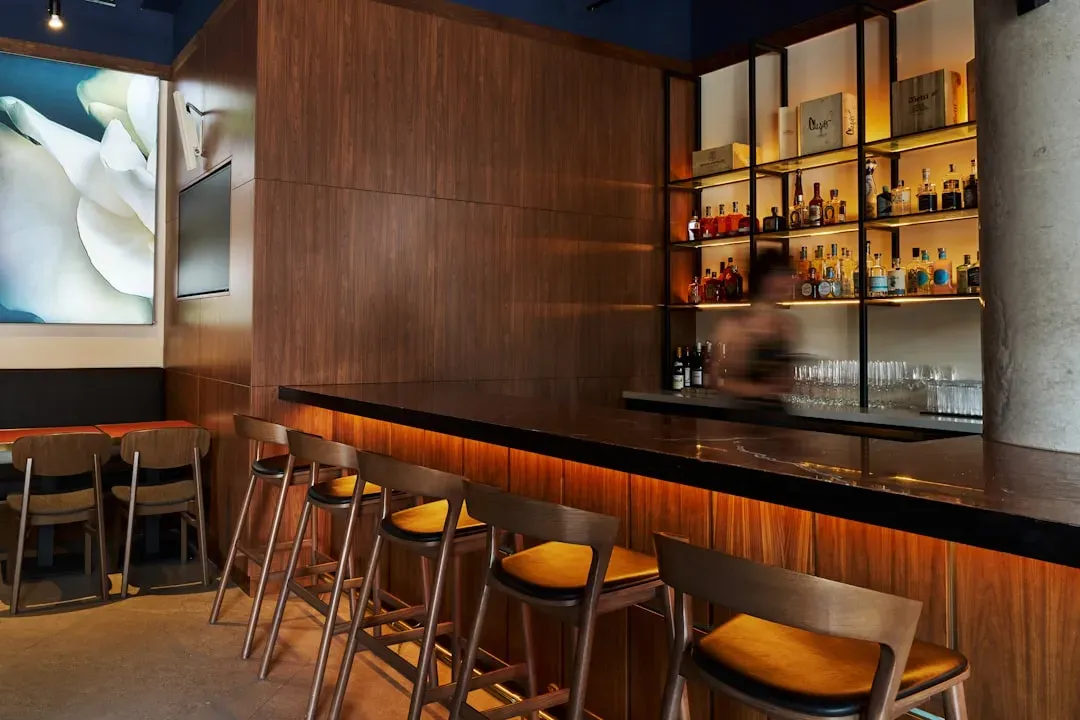
On the flip side, going too bold with countertop choices creates its own problems. Onyx might photograph beautifully with its dramatic veining and warm tones, making it seem like the perfect luxury choice. Reality check: it's controversial for good reason. A yellowish, orange stone, often with brown and white veining, onyx is a controversial countertop and backsplash choice. It's bold, but it's not as durable or functional as quartzite or granite, which makes potential buyers wary. For-sale listings with onyx get 22 percent fewer saves per day and 25 percent fewer shares per day than similar homes.
Ultra-exotic materials, such as rare stones or metals, may satisfy personal taste but typically return less than 50% of the investment due to limited buyer appeal and maintenance concerns. Stick with classic stone options that offer both beauty and proven durability if you want to protect your investment.
All-White Everything Kitchens
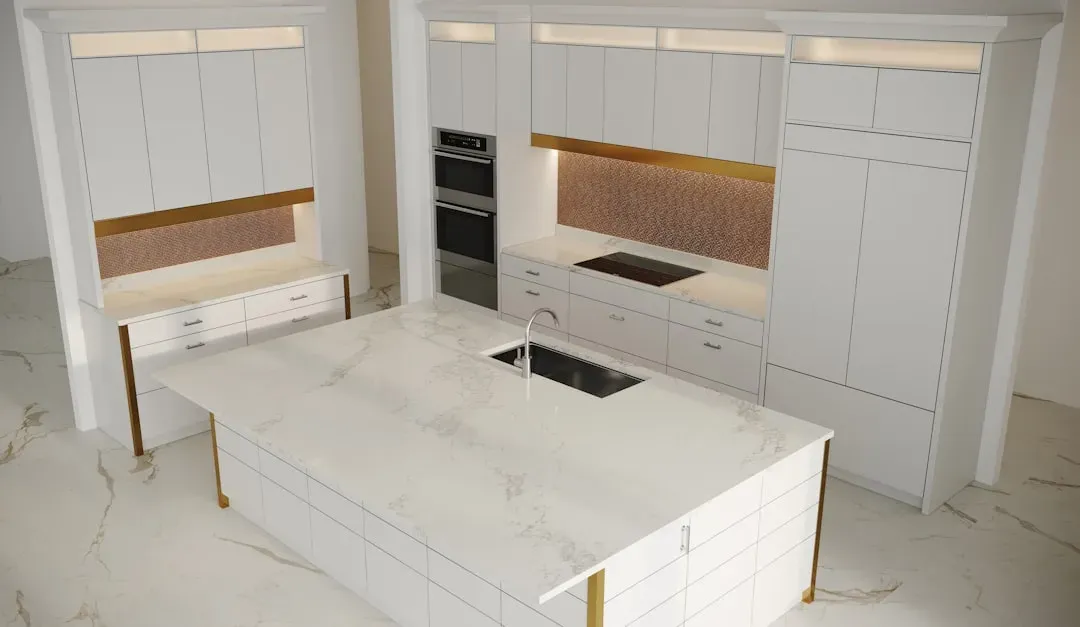
Wait, aren't white kitchens supposed to be safe? Not necessarily anymore. White cabinets, countertops, and backsplashes can look sleek, but they're also harder to maintain. Every fingerprint, smudge, and spill becomes visible, which can feel overwhelming to many prospective homeowners. Not to mention that all-white kitchens can feel sterile or cold, lacking the warmth that makes a house feel like home.
The monochromatic trend that dominated Pinterest for years is losing steam with buyers who want livability over photoshoots. Buyers often gravitate toward kitchens with more contrast, subtle color, or texture that create a welcoming atmosphere. A kitchen that feels too stark can unintentionally push buyers away, particularly those seeking character or a more inviting aesthetic. Adding warmth through natural wood tones, two-tone cabinets, or textured backsplashes creates visual interest without maintenance nightmares.
Satin Nickel or Chrome Hardware and Fixtures
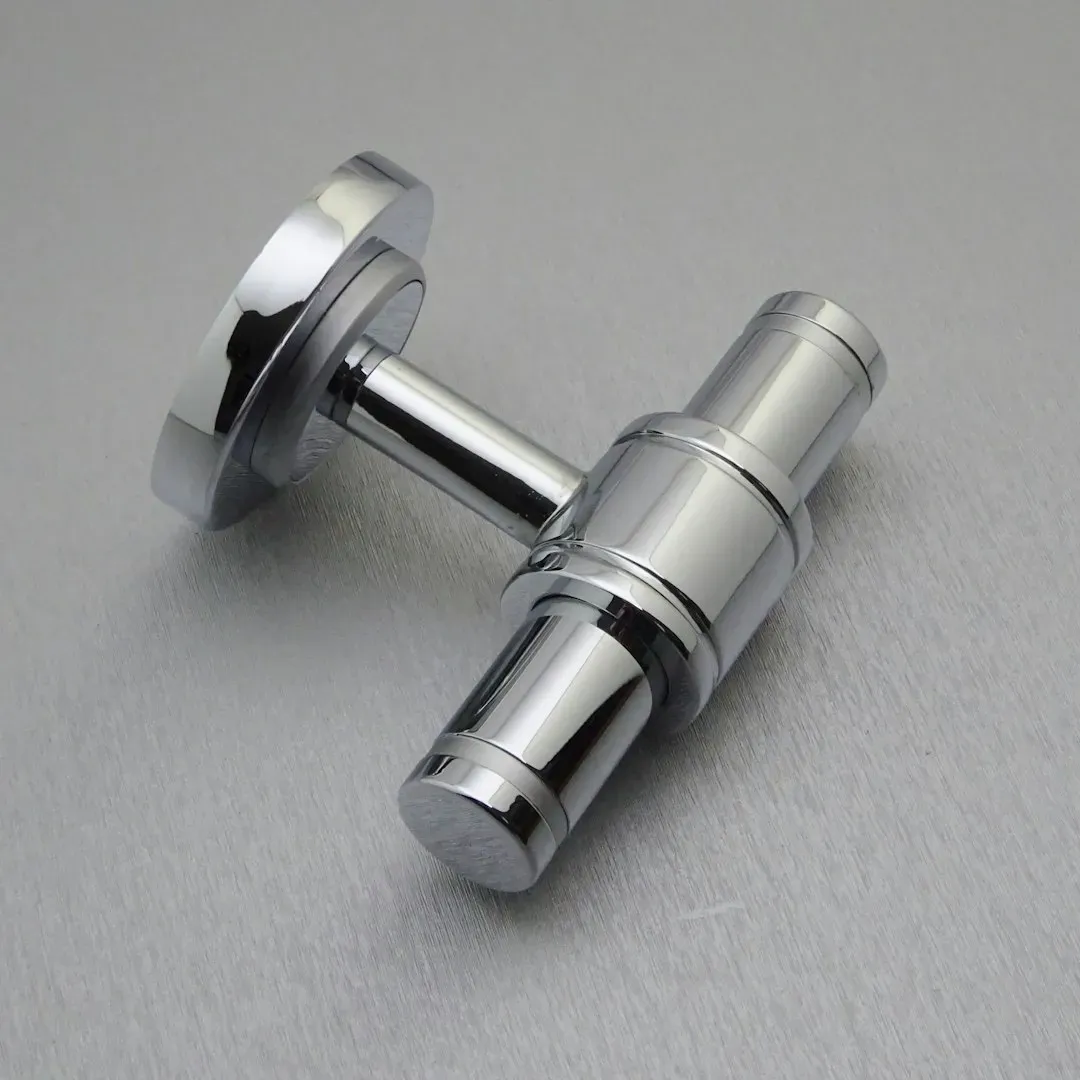
Hardware seems like such a small detail, right? Yet finishes matter more than you'd think. Zillow research finds that listings with satin nickel hardware or fixtures get 34 percent fewer saves per day and 36 percent fewer shares per day on Zillow. That's a shocking drop in buyer interest over something as simple as cabinet pulls and faucet finish.
Chrome fares slightly better in the current market, though it still underperforms compared to warmer finishes. Homes with chrome hardware or fixtures only get 19 percent fewer saves per day and 18 percent fewer shares per day. The safer play? Matte black, brushed gold, or oil-rubbed bronze have broader appeal and age better than shiny silver-toned finishes that can read as outdated or institutional.
Open Shelving Replacing Upper Cabinets
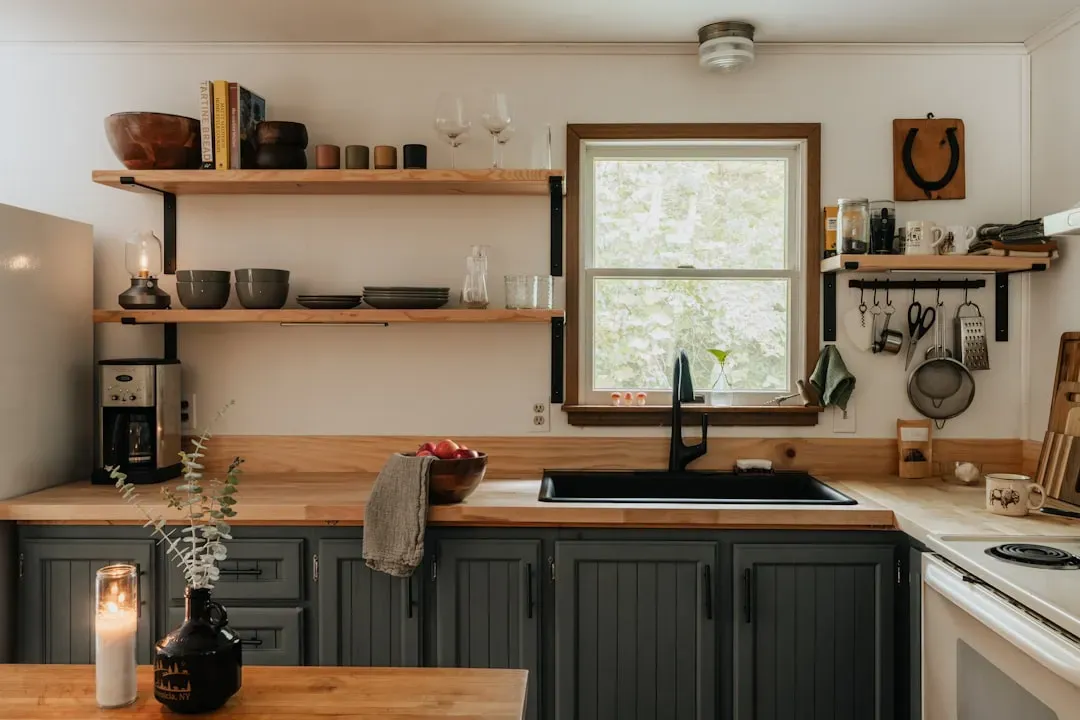
Instagram made open shelving look effortless and airy. Real life tells a different story. Open shelving has dominated kitchen design magazines and social media feeds, promising a clean, minimalist look. However, many homebuyers don't see it that way. Open shelves require constant upkeep and are only suitable for homeowners who are willing to keep their dishes and pantry items neatly arranged at all times.
Most families need storage, not display space. Features like open shelving kitchens may photograph beautifully, but in reality, they reduce storage and usability turning them into kitchen remodels that hurt resale value. Buyers walk into kitchens and mentally inventory cabinet space. When you sacrifice functional storage for aesthetic trends, you're limiting your buyer pool to only those who prioritize looks over livability. That's not a winning formula when multiple offers are on the table.
Removing Walls Without Replacing Lost Storage
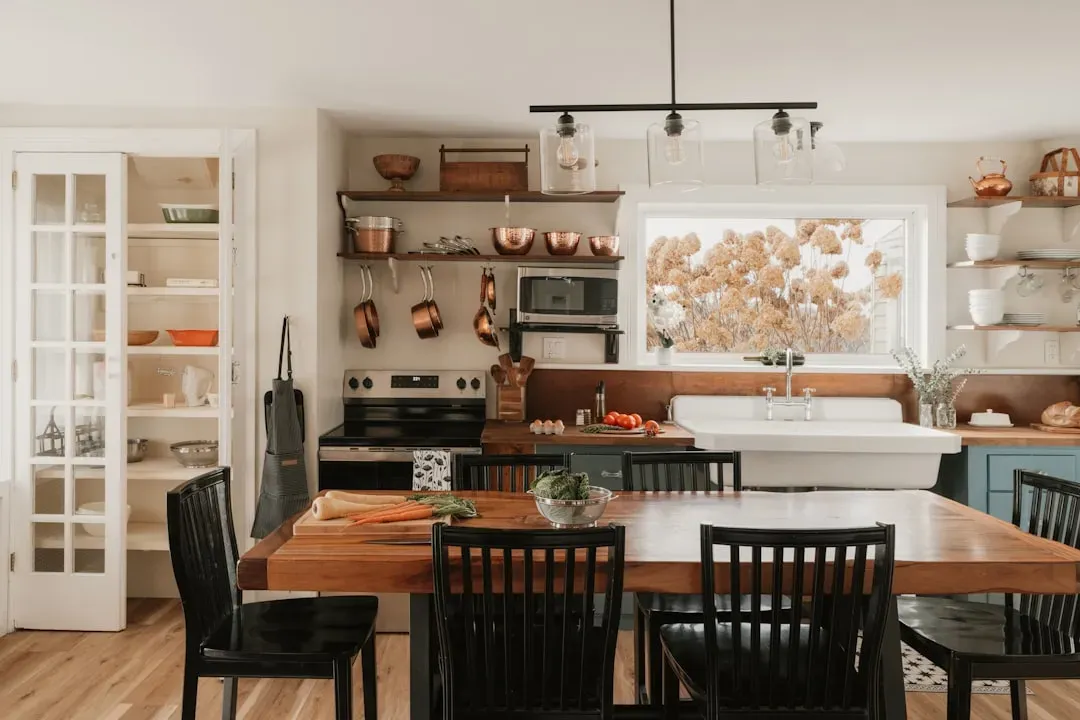
Open concept layouts can absolutely add value when done thoughtfully. The problem comes when homeowners get wall-removal fever without considering functionality. Sellers who remove two kitchen walls to have a more open concept feel. However, what they fail to realize is that those walls they removed served as functional storage space with cabinets. Savvy buyers–or those who like to cook–will walk away from a house like this.
Let's be real - opening up space works brilliantly when you compensate with islands, pantry storage, or thoughtfully designed built-ins. Simply knocking down walls and calling it a day leaves you with a pretty but impractical kitchen. Serious home cooks notice immediately when cabinet space disappears. They're mentally calculating where to put their dishes, and when they can't find an answer, they move on to the next listing.
Oversized Islands That Disrupt Flow
Islands are desirable features, no question. There's a limit, though. Many homeowners try to maximize counter space with oversized islands, but they often end up making the kitchen feel cramped and hard to navigate. If the island disrupts the natural traffic flow, it becomes a liability instead of an asset.
You need proper clearance around all sides of an island for it to function well. Potential buyers may worry about maneuverability, especially in homes where entertaining or large family gatherings are common. A right-sized island that complements the kitchen's layout is far more appealing than a bulky, oversized centerpiece that restricts movement. Measure twice, build once. The classic kitchen work triangle still matters, and blocking pathways between sink, stove, and refrigerator frustrates daily use.
Luxury Built-In Appliances and Commercial Equipment
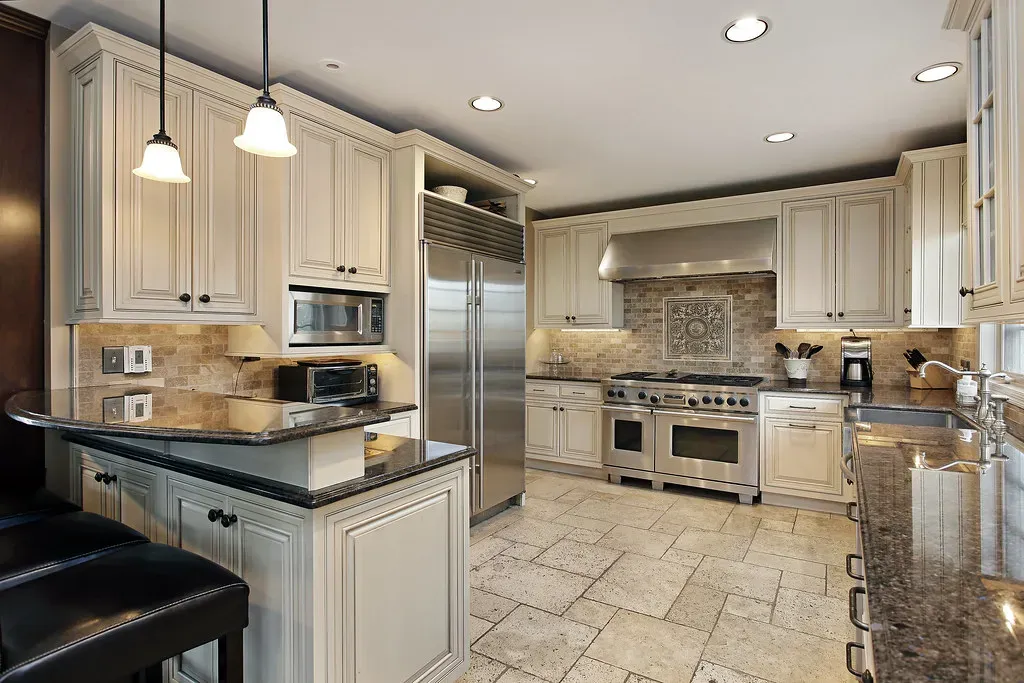
Professional-grade ranges and built-in espresso machines feel like the ultimate upgrade, especially if you love cooking. Here's the reality check: Installing appliances and electronics that are expensive and borderline luxurious may seem like a good idea but can actually hurt your home's value, according to Kim Abrams, CEO of Abrams Roofing. These appliances are much more expensive to maintain and repair, which will deter buyers from your home.
Smart appliances are great. But keep in mind that the tech you put in today will be outdated if you sell three to five years from now. High tech kitchens are for your convenience, but will only add value if you plan to sell soon. Most buyers don't want to pay extra for specialized equipment they won't use or can't afford to maintain. They'd rather have quality mid-range appliances that work reliably without requiring expensive service calls. Unless your home is in a luxury market where buyers expect restaurant-quality kitchens, stick with high-quality standard appliances.




Leave a Reply