
Walk into your pantry on any given day and it probably seems like the safest place in your home. Jars of pasta sauce, bags of flour, cooking oils neatly lined up on shelves. Nothing screams danger here, right? Here's the thing, though. Fire safety experts see things differently. They know that behind those closed pantry doors lurk a surprising number of fire hazards that most homeowners never think twice about. Plenty of everyday items we stock without a second thought can become serious fire risks under the wrong circumstances. Some materials can ignite unexpectedly, others create explosive atmospheres, and certain storage practices turn harmless ingredients into potential fuel for disaster. Let's take a closer look at what's really hiding in your pantry that might put your home at risk.
1. Cooking Oils and Their Spontaneous Combustion Risk
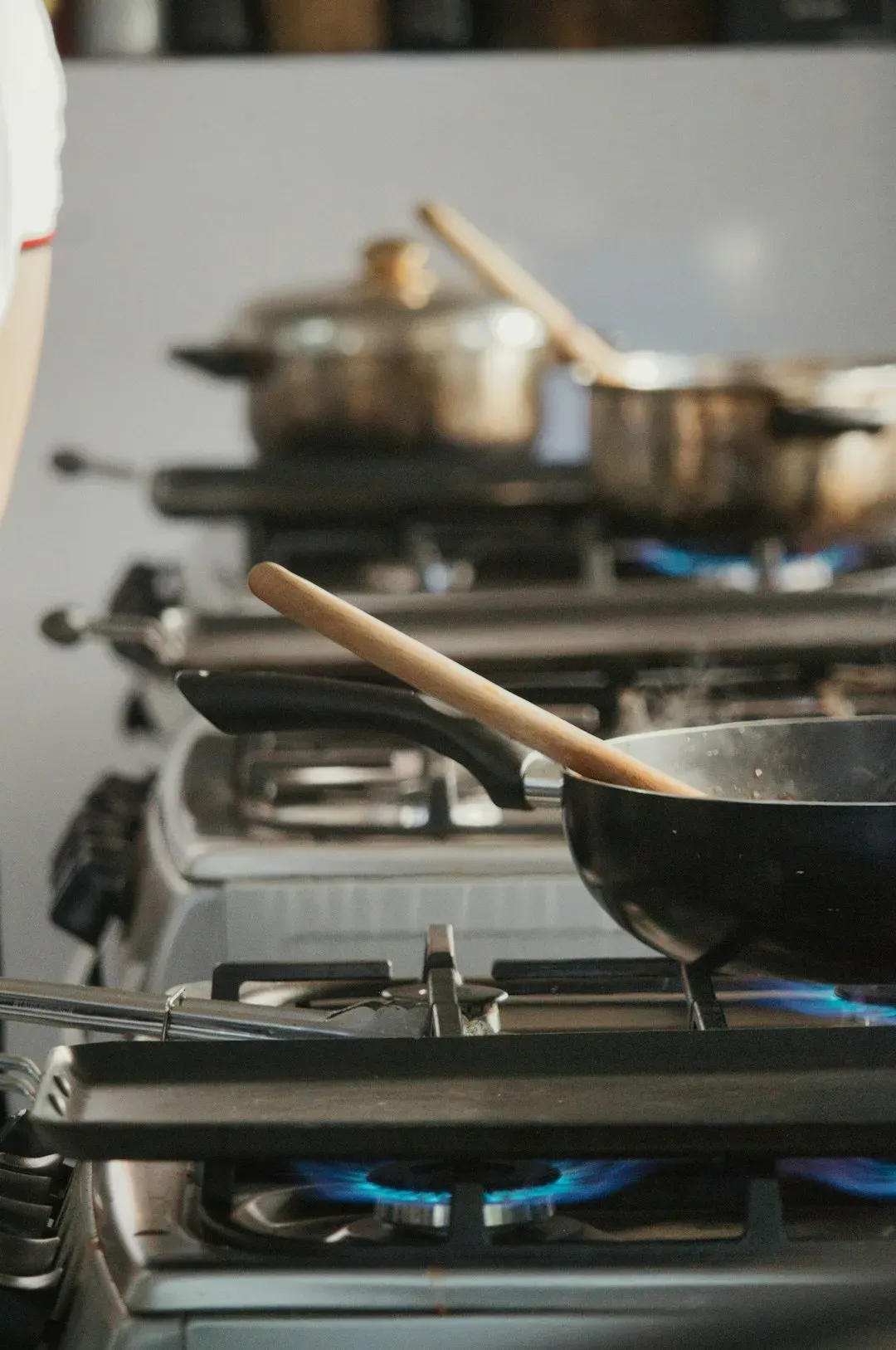
You might not realize it, but those bottles of vegetable oil sitting on your pantry shelf aren't as harmless as they look. The U.S. Consumer Product Safety Commission urges consumers to be aware that cloth kitchen towels used to wipe or drain large quantities of vegetable cooking or salad oil can catch fire if heated. What makes this especially dangerous is that normal laundering procedures may not remove all of the oil from the cloth, and if these oil-containing towels are dried in the clothes dryer, left in a pile while still warm, or stored in a warm area, they may begin to smoke and catch fire.
The risk extends beyond just towels. In more than half of cooking equipment fires, the first item ignited was related to cooking oil or other Class IIIB combustible liquids, fats, and grease. Even when you're not actively cooking, improper storage of oils near heat sources can spell trouble. It's not just about flash points and high temperatures when you're frying something on the stove. The residual oil on rags or paper towels creates a genuine spontaneous combustion hazard, especially in confined pantry spaces where heat can build up. The solution? Never store oil-soaked cloths in closed spaces, and always dispose of them properly in well-ventilated areas away from heat sources.
2. Aerosol Cooking Sprays as Pressurized Fire Bombs
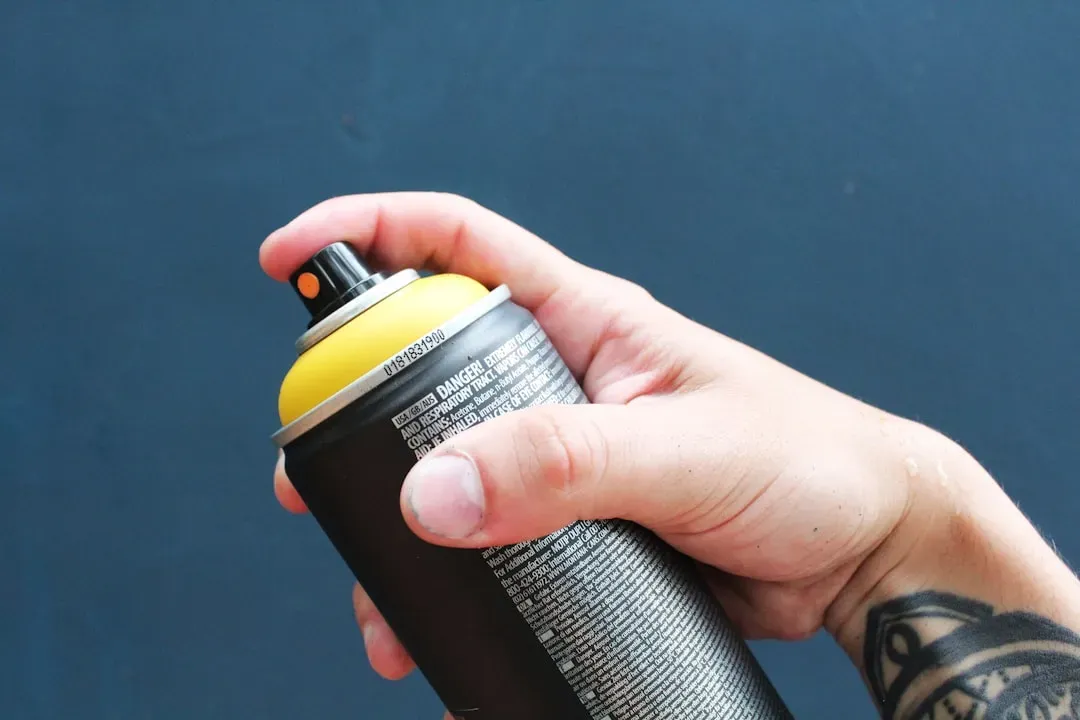
That innocent-looking can of cooking spray tucked between your spices? It's essentially a small pressurized bomb waiting for the wrong conditions. Aerosol cooking oil products are hazardous because they are pressurized and contain flammable propellants like butane or propane. The propellants that make these sprays so convenient are the same chemicals that make them incredibly dangerous if exposed to heat or flame.
Let's be real, most people store these cans wherever there's space, often near the stove or in warm pantry corners. That's a mistake. The pressurized nature of aerosols means they can rupture or explode if the temperature gets too high, turning your pantry into a hazard zone. Even without direct flame contact, excessive heat can cause these cans to fail catastrophically. Store aerosol products in cool areas, away from any heat sources, and never leave them near your oven or stove. Check expiration dates too, because aging cans become more unstable over time.
3. Flour Dust: The Explosive Powder Nobody Suspects
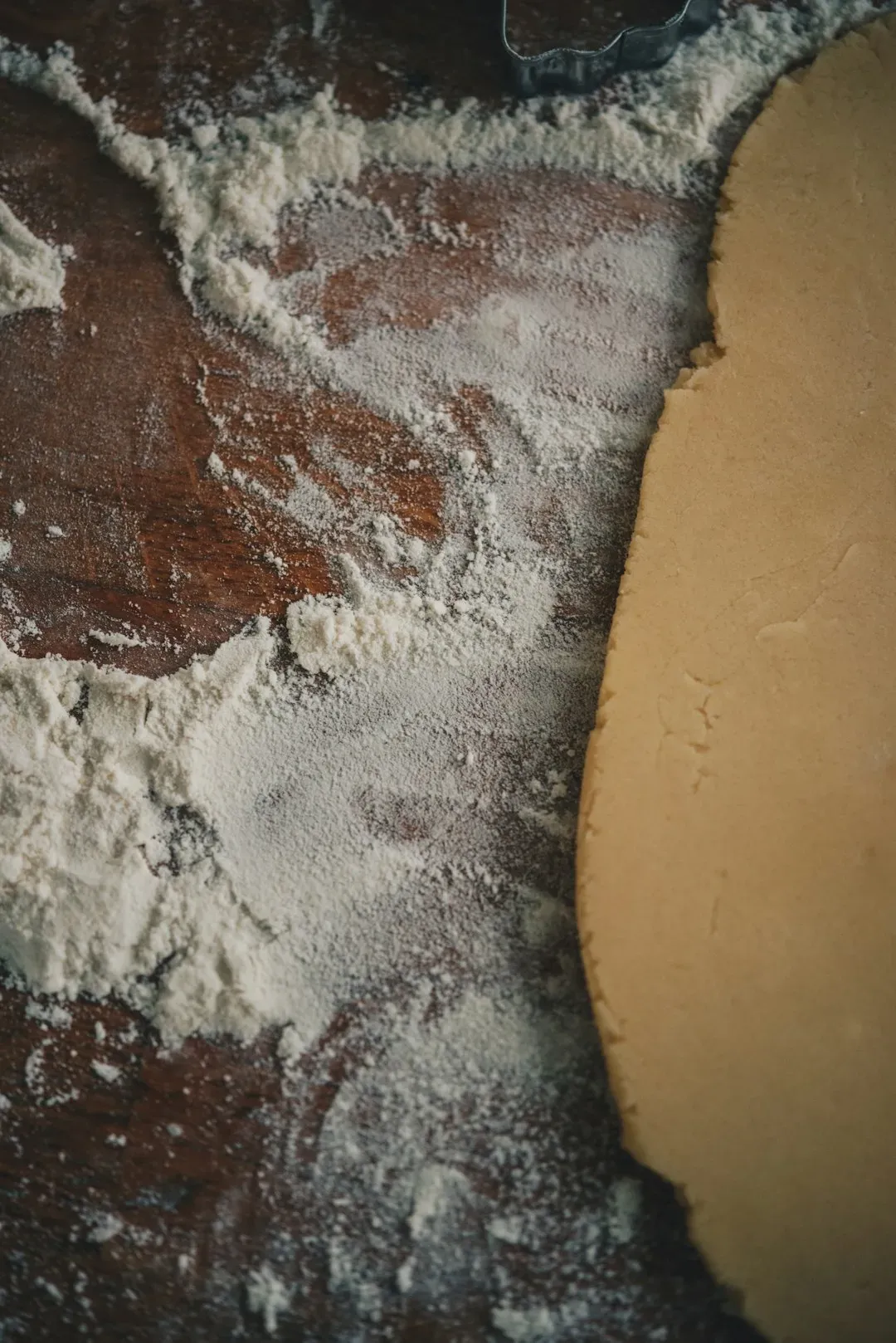
This one genuinely surprises most people. Flour seems about as dangerous as cotton balls, yet it's actually one of the most explosive materials in your kitchen when conditions are right. Flour, when in dust form, can be a highly combustible material, and a risk of flour explosions occurs when a cloud of flour dust particles in the air is ignited by a spark, flame, or another ignition source, with the Occupational Safety and Health Administration identifying Flour as Combustible Dust.
A gigantic explosion of flour dust destroyed a mill in Minnesota on May 2, 1878, killing 14 workers at the Washburn A Mill and another four in adjacent buildings. The science behind this is actually fascinating in a terrifying way. When flour particles become airborne and reach certain concentrations, they have an enormous surface area relative to their mass, making them incredibly reactive with oxygen. If the concentration of airborne flour dust is just right, and the dust is in a confined area, a simple spark could cause a large explosion.
In your home pantry, the risk comes from disturbing bags of flour that release fine particles into the air, especially in poorly ventilated spaces. While residential flour explosions are rare, the risk isn't zero. Keep flour containers sealed tightly, clean up spills immediately, and avoid creating dust clouds when you're scooping or pouring. Never store flour near any ignition sources or in areas with poor ventilation.
4. Appliance Cords Creating Hidden Electrical Hazards
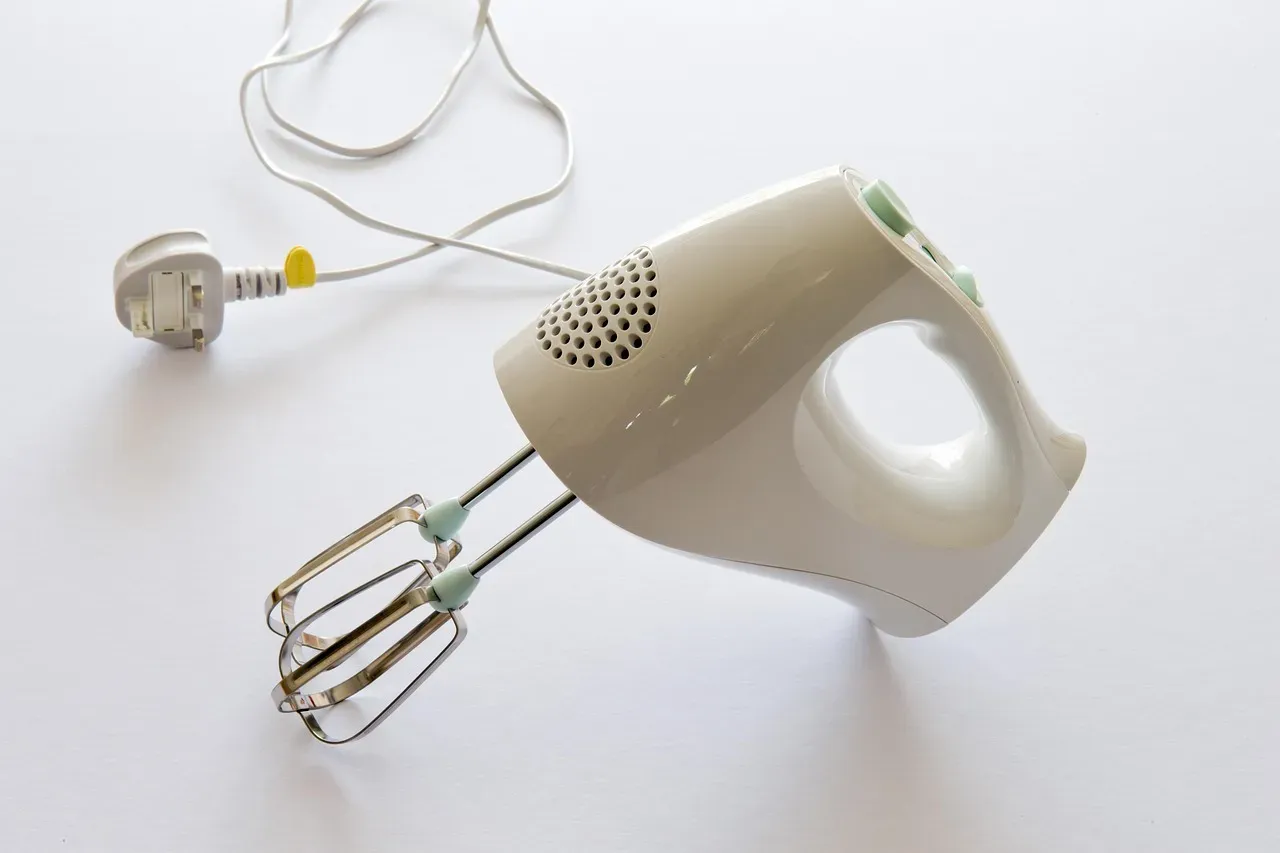
Small kitchen appliances often end up stored in pantries, complete with their cords dangling or shoved haphazardly on shelves. That toaster oven you moved to make counter space? The old coffee maker gathering dust? Extension cords used with major appliances can overheat and start a fire. According to Electrical Safety Foundation International, improper use of extension cords contributes to around 3,300 fires in households annually, causing hundreds of injuries and taking dozens of lives.
Here's the problem most people don't consider: frayed or damaged cords stored in tight pantry spaces can create short circuits, especially in humid environments or when pressed against metal shelving. Most electrical fires are caused by faulty electrical outlets and old, outdated appliances, with other fires started by faults in appliance cords, receptacles and switches, and using an appliance with a worn or frayed cord can send heat onto combustible surfaces like floors, curtains, and rugs that can start a fire. Before storing any appliance in your pantry, inspect cords carefully for any damage. If you see fraying, cracks, or exposed wires, replace the appliance immediately. Better yet, unplug everything before storage and keep cords organized to prevent damage.
5. Paper Products as Overlooked Fuel Sources
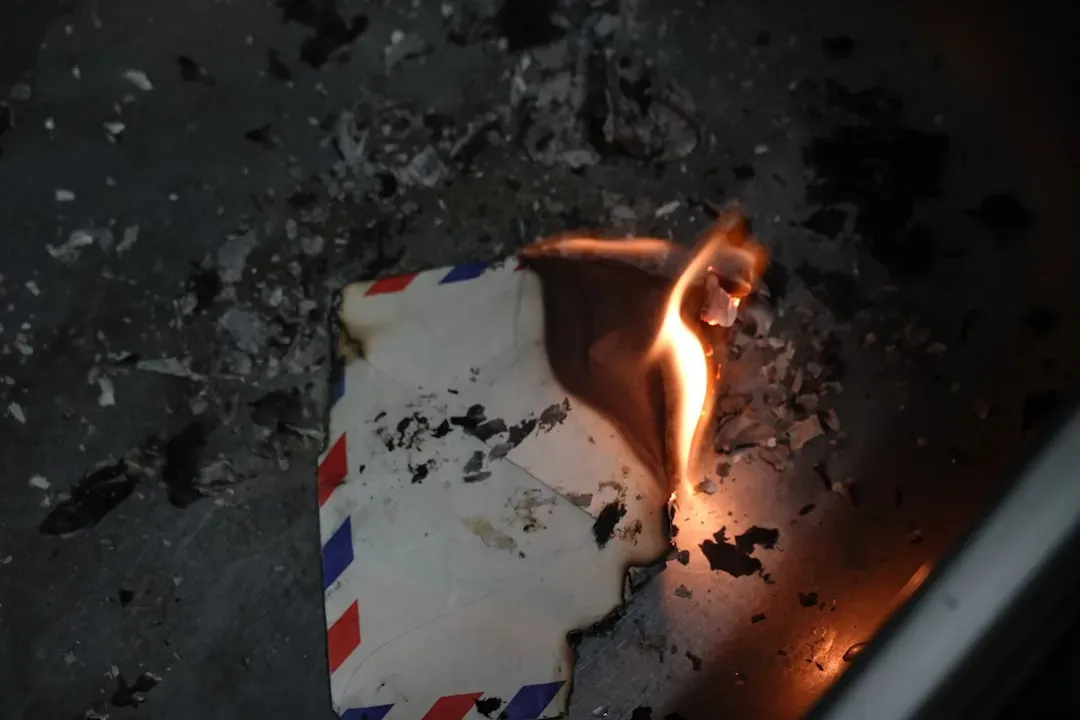
Stacks of paper towels, napkins, paper plates, and cardboard packaging are pantry staples for good reason. They're convenient. They're also incredibly flammable fuel just waiting for an ignition source. Kitchen materials that are flammable and can easily start fires such as oven mitts, wooden utensils, towels, curtains or even excess food packaging should be kept away from the stovetop.
The danger multiplies when these materials accumulate near heat-producing items or in poorly organized pantries where they might contact hot surfaces. Think about it: how many times have you shoved grocery bags, cardboard boxes, or rolls of paper towels onto shelves without considering what's nearby? Paper products don't need direct flame contact to ignite. Radiant heat from nearby appliances, light fixtures, or even sunlight concentrated through a window can be enough to start smoldering. Store paper goods away from any heat sources, keep them organized to prevent compression that can generate heat, and regularly clear out excess packaging that just adds fuel to a potential fire.
6. Older Pantry Lighting Fixtures and Bulb Hazards
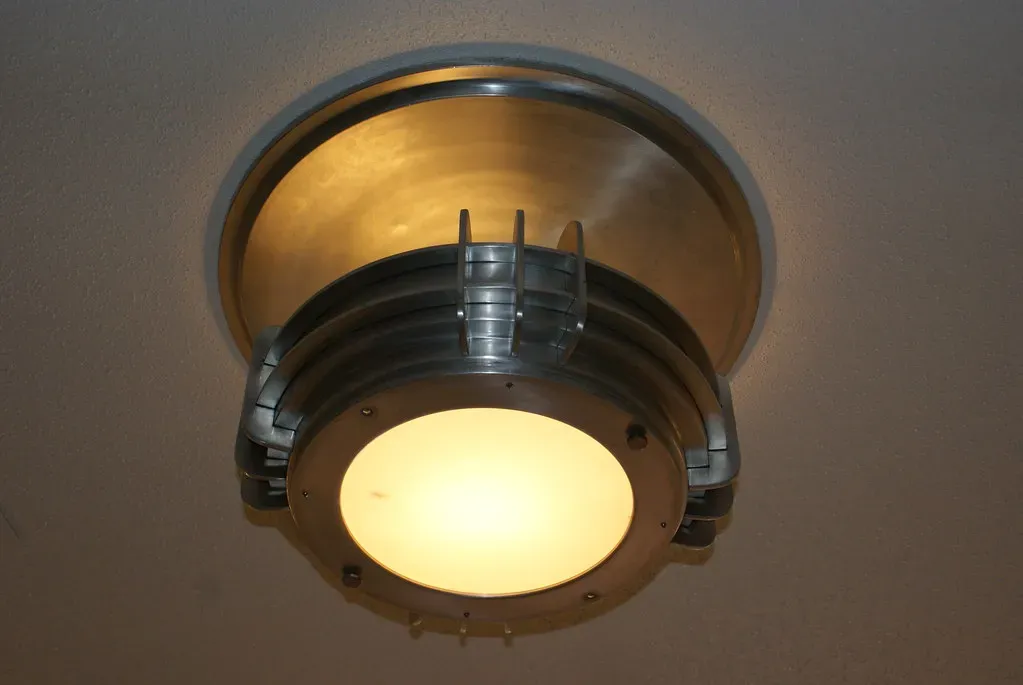
That ancient light fixture in your pantry might be older than you realize, and it could be a ticking time bomb. Light fixtures, lamps and light bulbs are a common reason for electrical fires, with installing a bulb with a wattage that is too high for the lamps and light fixtures being a leading cause of electrical fires. Pantries often get overlooked during home updates, leaving outdated electrical components in place for decades.
Overheated bulbs, improper wattage, or accumulated dust on fixtures create serious fire risks in enclosed pantry spaces. The combination of poor ventilation, nearby combustible materials, and aging electrical components is genuinely concerning. Many older fixtures weren't designed for modern LED or CFL bulbs either, creating compatibility issues that can cause overheating. Inspect your pantry lighting regularly. Make sure bulbs match the recommended wattage for your fixtures, clean dust off regularly, and consider upgrading to modern, cooler-running LED lights. If your fixture is decades old, replacement isn't just about aesthetics - it's about safety.
7. Bulk Spice and Sugar Storage Creating Dust Explosion Risks
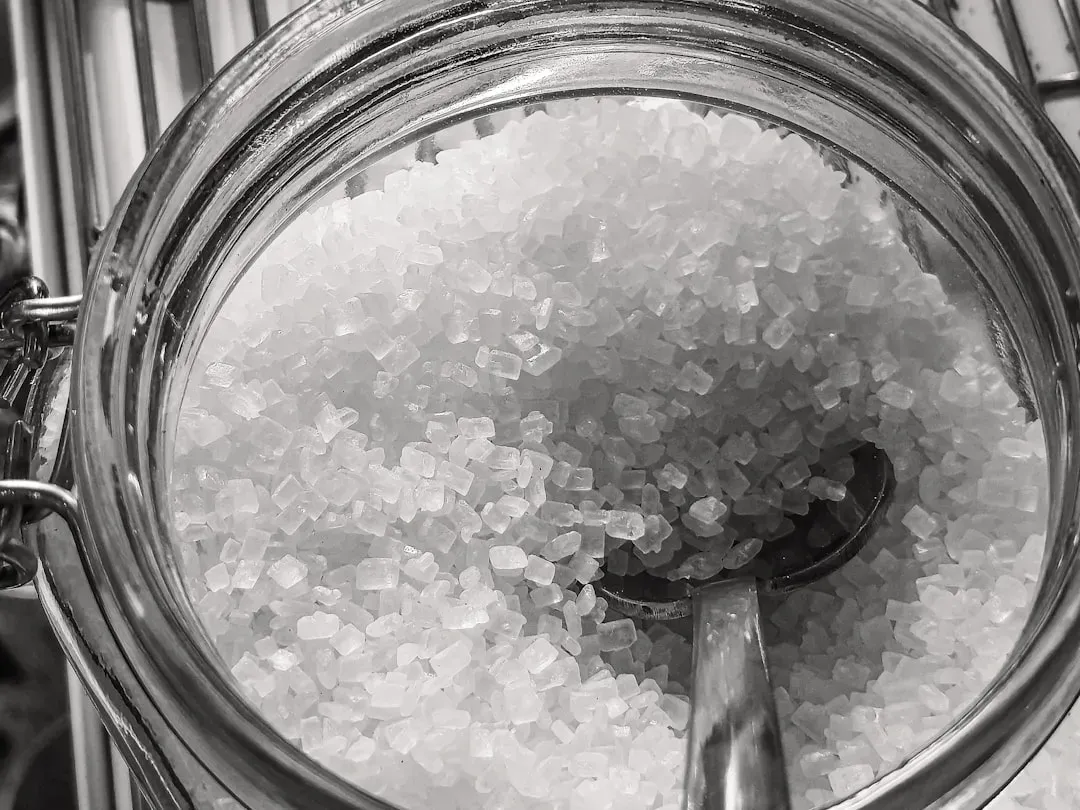
Similar to flour, many people don't realize that sugar and various powdered spices can also create explosive dust hazards when airborne. Fires caused by flour and sugar dust cause more fatalities than fireworks because they spread quickly, and when dust particles catch fire in a small space, they start a chain reaction that causes more explosions, with these secondary blasts often more destructive due to excess dust stirred by the first wave.
The risk increases with how you store these items. Large open containers or bags that get frequently disturbed release fine particles into the air. In confined pantry spaces with limited airflow, these particles can accumulate to dangerous concentrations. Honestly, most home cooks never think about this until it's too late. Powdered materials like cocoa, confectioner's sugar, spices, and even instant coffee all share this combustible dust characteristic. Store these items in sealed containers rather than open bins, minimize handling that creates dust clouds, and maintain good ventilation in your pantry. Regular cleaning to remove accumulated fine dust on shelves is essential too.
8. Improperly Stored Cleaning Products Near Food Items
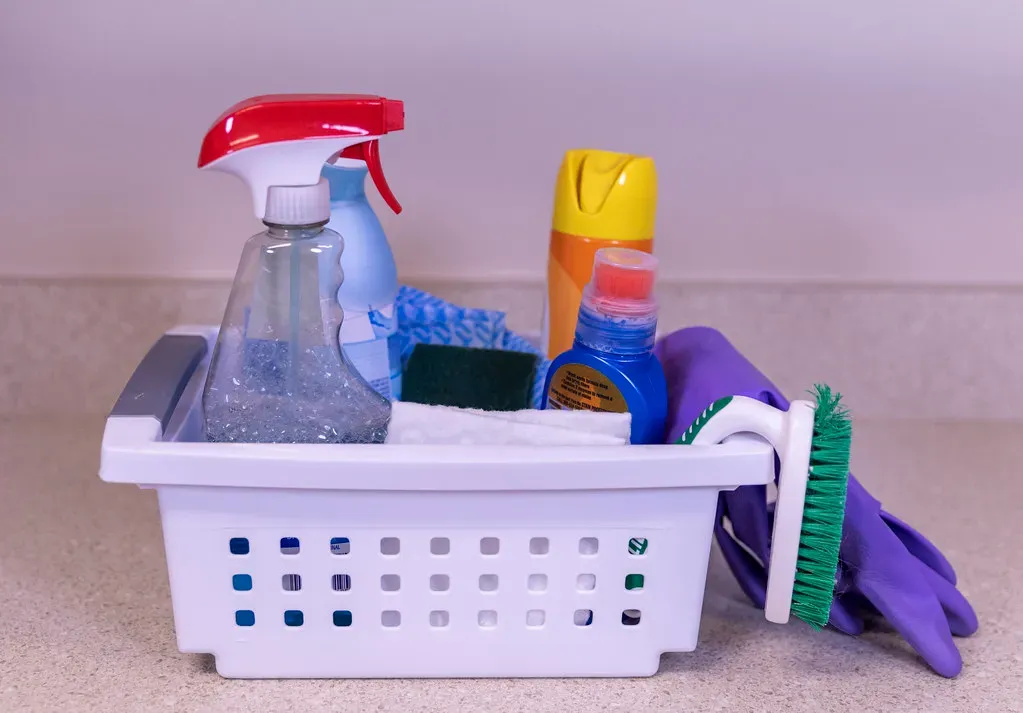
Many households store cleaning supplies in or near pantries for convenience, creating a dangerous mix of flammable chemicals alongside food products. Some common household cleaners contain flammable solvents or alcohol that can ignite when exposed to heat or spark sources. The bigger problem comes from the combination effect - when multiple chemical products are stored together, leaks or spills can create unexpected reactions or increase flammability.
Residential fires claimed 2,890 lives in 2023, and the reality is that a single unattended candle or a grease fire can completely change your life in seconds. The confined space of a pantry amplifies these risks because vapors from cleaning products have nowhere to go, building up concentrations that become hazardous. Check labels carefully on any cleaning products you store. Many contain warnings about flammability or proper storage conditions that people routinely ignore. Keep chemicals in a separate, well-ventilated area away from food, heat sources, and anything that could create a spark. Never store damaged or leaking containers, and make sure caps are tightly sealed to prevent vapor release.




Leave a Reply