
Let's be honest. Your kitchen is probably the most expensive room you'll ever remodel. The average major kitchen renovation now costs homeowners somewhere in the ballpark of seventy thousand dollars, according to recent housing studies. Yet despite all that investment, certain styles that seemed fresh just a few years ago are already beginning to feel stale.
Here's the thing most people don't realize until it's too late. Kitchen design moves in cycles, and what feels current today can quickly become tomorrow's decorating regret. We're in the middle of one of those big shifts right now, moving away from the cold minimalism and theme-heavy aesthetics that dominated the past decade. So let's dive into which kitchen styles are on their way out, backed by real designer insights and industry data from early 2026.
All-White Everything
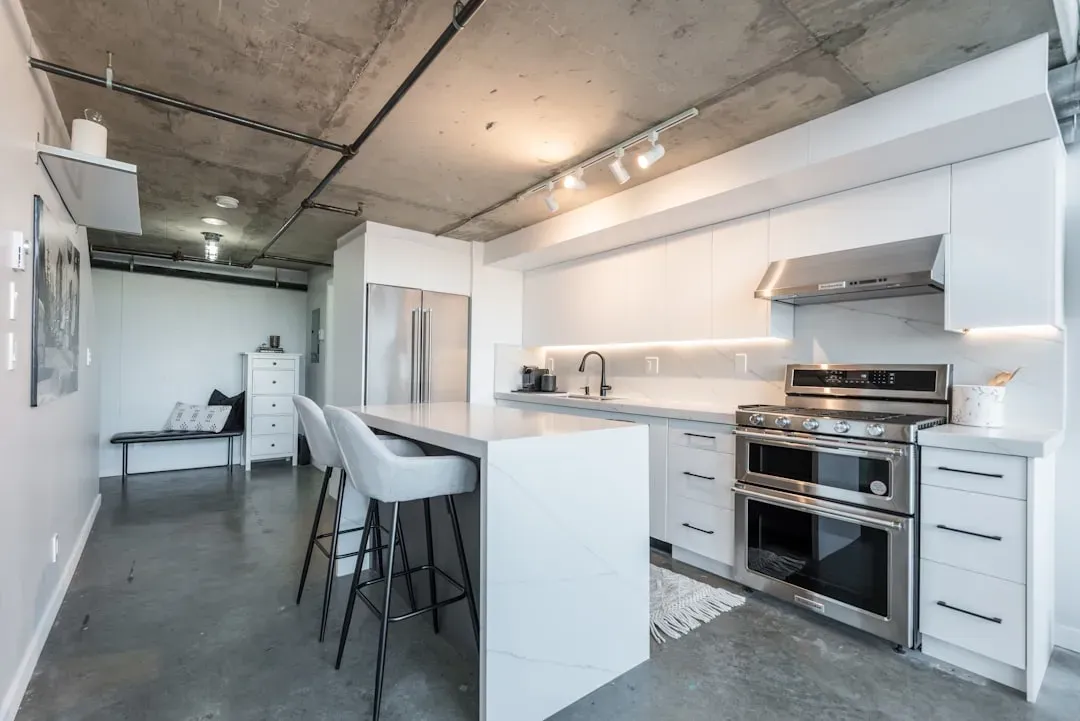
Design experts have declared that all-white kitchens are officially aging the fastest, with simple white shaker cabinets and white subway tile backsplashes looking dated today. What was once considered a safe, timeless choice has become a timestamp marking your renovation as distinctly early 2020s.
While all-white kitchens aren't disappearing entirely, the fully white version has reached saturation, with white cabinets, white counters, white backsplashes, and white walls blending into a single surface that now reads as a clear time stamp rather than a neutral base. The sterile, clinical feeling that comes from this monochromatic approach no longer matches what people want from the heart of their home. As designers note, everyone went crazy over cold white shaker cabinets after COVID, but they've swiftly fallen out of favor.
Instead, warm whites with undertones of cream, beige, or oatmeal are taking over. These softer neutrals create depth and prevent that hospital-like atmosphere. Think less cloud dancer, more dimity.
Cool Gray Cabinets and Finishes
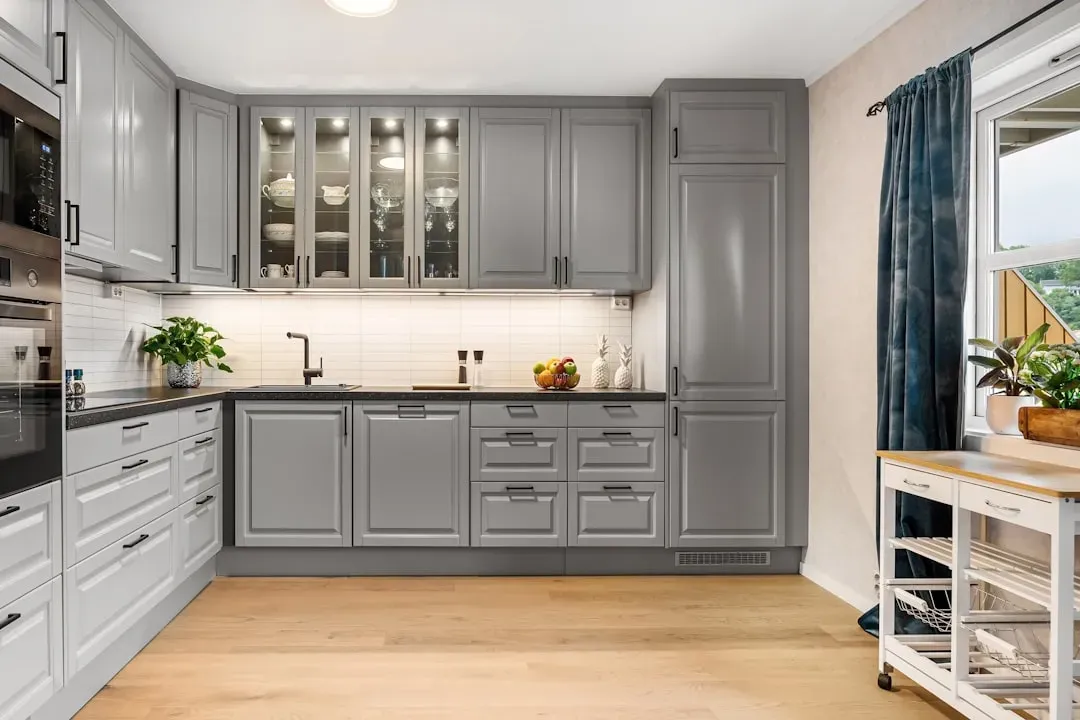
Cool grays that were a default choice for walls and kitchen cabinets for the last decade are now starting to make kitchens feel outdated. It's hard to believe, considering how ubiquitous gray was just five years ago. Snarky internet comments have declared "millennial gray" a dated trend, with gray cabinets invoking images of early-aughts house flips and default apartment interiors.
Gray wood-look flooring, particularly vinyl plank floors meant to mimic wood, came up repeatedly as a regret, with many saying gray floors clash with traditional homes and lose appeal faster than expected. The fatigue extends beyond just flooring, affecting gray as a default finish across the entire kitchen.
If you still love gray, you're not completely out of luck. Warmer grays with subtle undertones or deeper charcoal tones can work when balanced with contrasting elements. The key is avoiding that flat, builder-grade gray that screams 2018.
Modern Farmhouse Overload
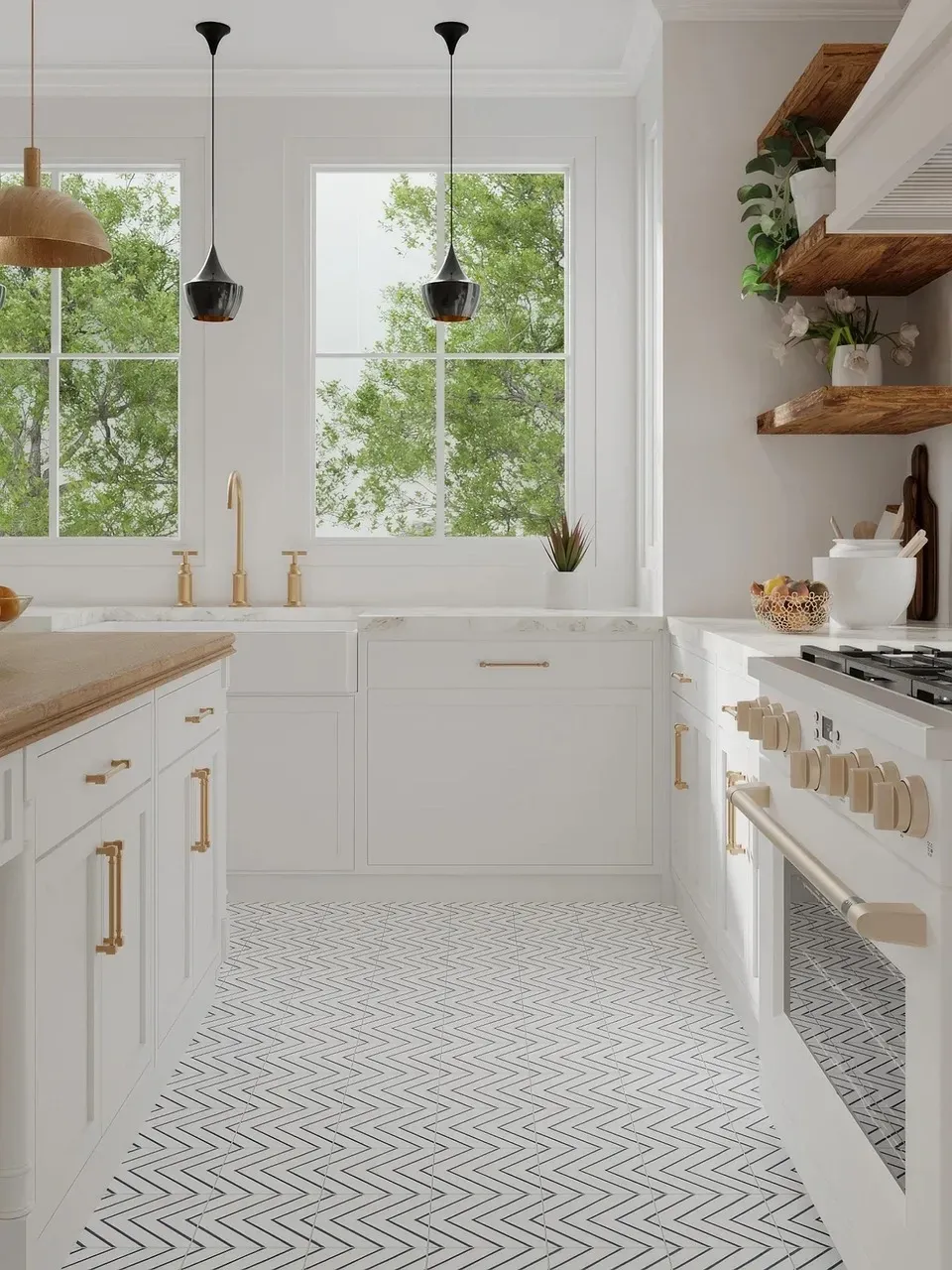
While cozy and charming, the farmhouse look has become oversaturated, with shiplap walls and distressed finishes being replaced by cleaner lines and more versatile design. Thanks to a certain television couple from Waco, this style absolutely dominated for years. Now? It's everywhere, and that's exactly the problem.
The biggest issue designers are hearing is that the style has become so popular that it feels generic, with buyers walking into house after house with the same white Shaker cabinets, subway tile backsplash, and farmhouse sink. The issue isn't farmhouse style itself, but farmhouse details added to homes where they don't belong, with barn doors, rustic finishes, and themed decor in mid-century or modern houses described as mismatched and difficult to reverse.
Farmhouse elements can absolutely still work when they're thoughtfully integrated rather than thrown together in a Pinterest-inspired frenzy. Less shiplap, fewer roosters, more intention.
Open Shelving Everywhere
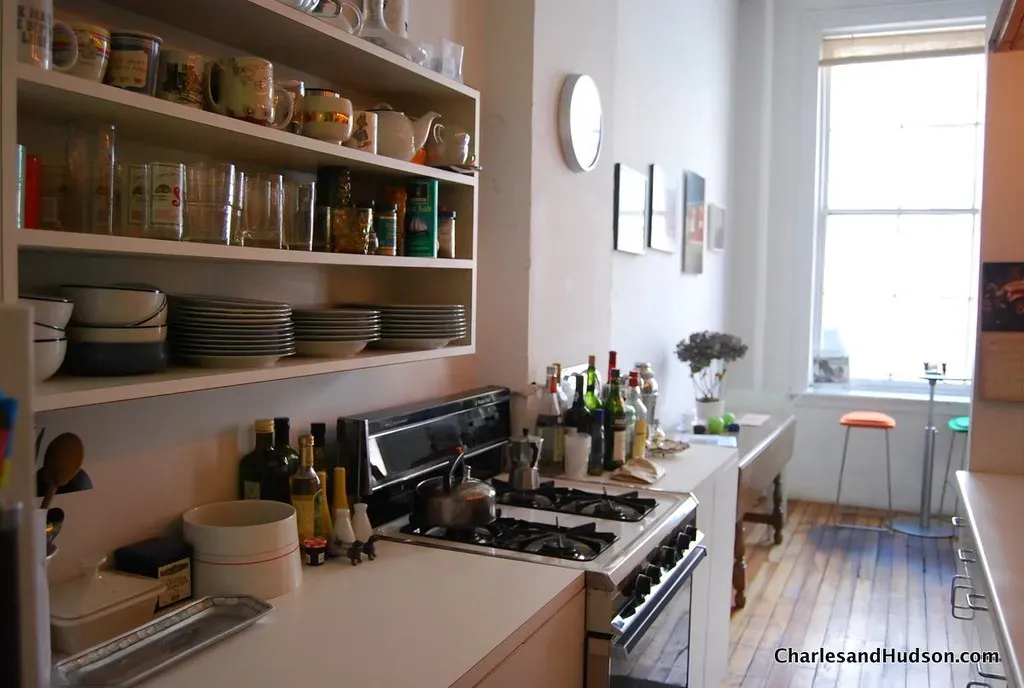
Once hailed for its "airy charm," open shelving is now criticized for its impracticality. What looked gorgeous in staged photos turns into a dust-collecting, grease-accumulating nightmare in real life. This was one of the most criticized trends, with many liking the look in photos but disliking living with it, citing dust, grease, limited storage, and visual clutter as common complaints, with several homeowners saying they would not remove functional cabinets for open shelves again.
The reality of kitchen living doesn't match the Instagram aesthetic. Your cereal boxes aren't pretty. Your mismatched mugs don't all coordinate. Dishes need constant washing to avoid looking cluttered. Unless you're a professional stylist with minimal cooking habits, open shelving becomes more chore than charm.
Smart designers now recommend using open shelves sparingly to showcase a few beautiful pieces, while relying on closed cabinetry to keep things organized and dust-free. Glass-front cabinets offer a nice middle ground.
Industrial Everything
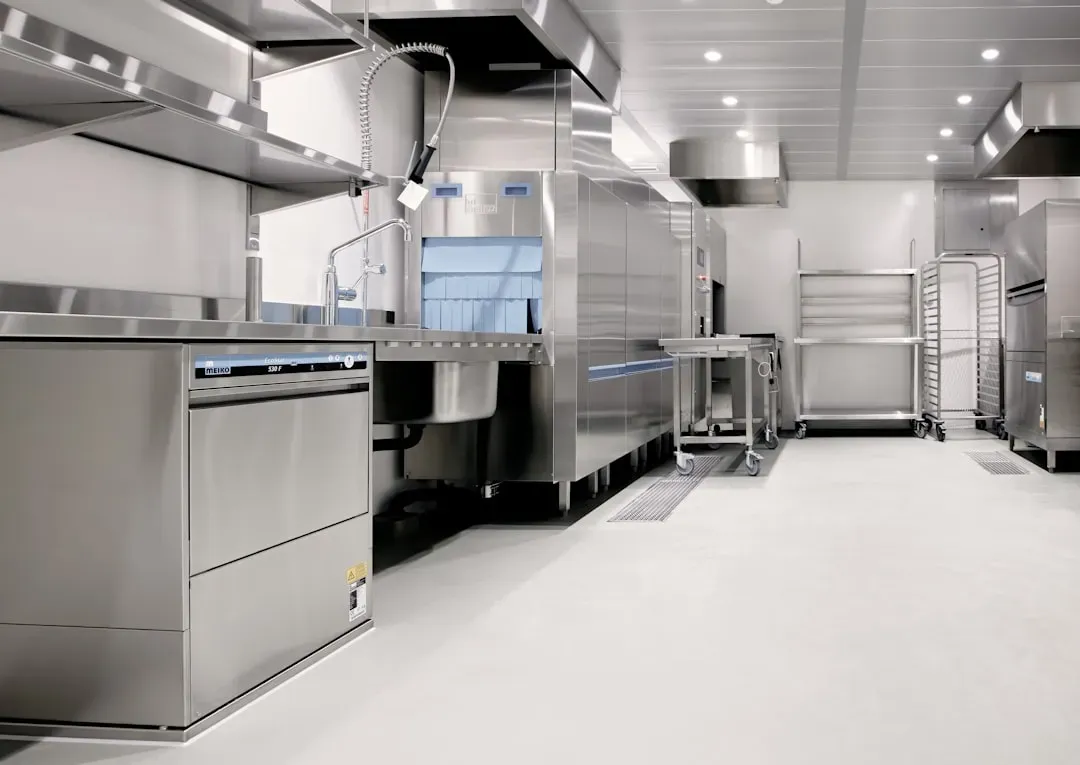
Industrial style has its place, but not the kitchen in 2026, with overly industrial looks taking over the aesthetic and overpowering other elements of the design. Those exposed metal pipes, Edison bulbs, and raw concrete surfaces that felt so cutting-edge? They're creating spaces that feel more like commercial kitchens than warm family gathering spots.
Most of the trends fading in 2026 revolve around themes that either lacked lasting charm or weren't practical over the long run, including industrial coldness, monotone minimalism, and overly themed farmhouse motifs. The problem with going full industrial is that it sacrifices warmth and comfort for aesthetic.
People are craving spaces with soul again. If you love industrial elements, incorporate them as accents rather than making them the entire personality of your kitchen.
Stark Minimalism Without Warmth
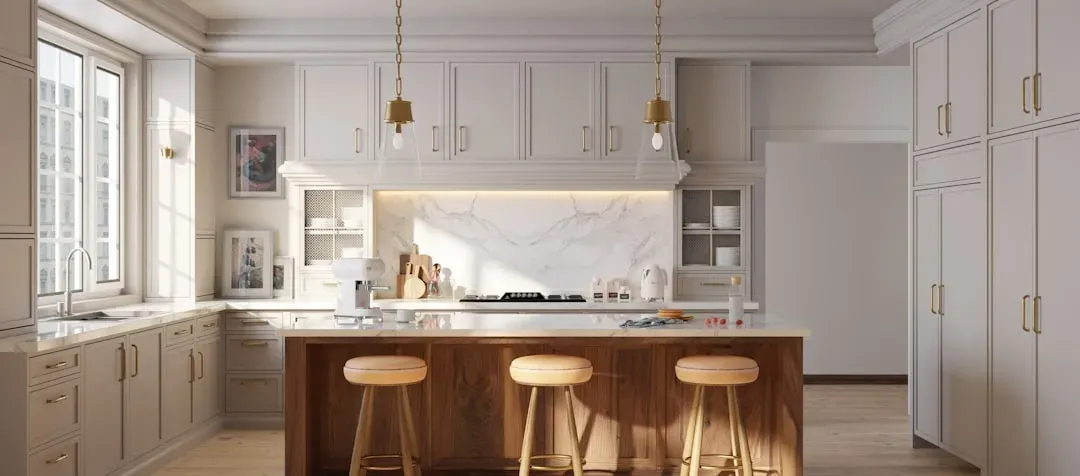
The hyper minimalist kitchen with its clean, stark lines and absence of visual interest is being phased out, with designers reintroducing texture, layers, and touches of warmth into kitchen spaces. That ultra-pared-down aesthetic with nothing on the counters and no personality anywhere? It's losing its appeal fast.
While maximalism has had a spotlight, 60% of respondents in the National Kitchen and Bath Association survey identify minimalism as a popular style in the next three years. This might seem contradictory, but there's an important distinction. The minimalism that's staying has warmth, texture, and intentional design choices. It's not about cold emptiness.
Many trends leaned heavily into minimalism or theme-based aesthetics that now feel flat or overly styled, with open shelving and all-matte hardware looking clean but not always practical for everyday living. The shift is toward what some designers call "warm minimalism," which is calm and curated but never cold.
Waterfall Islands
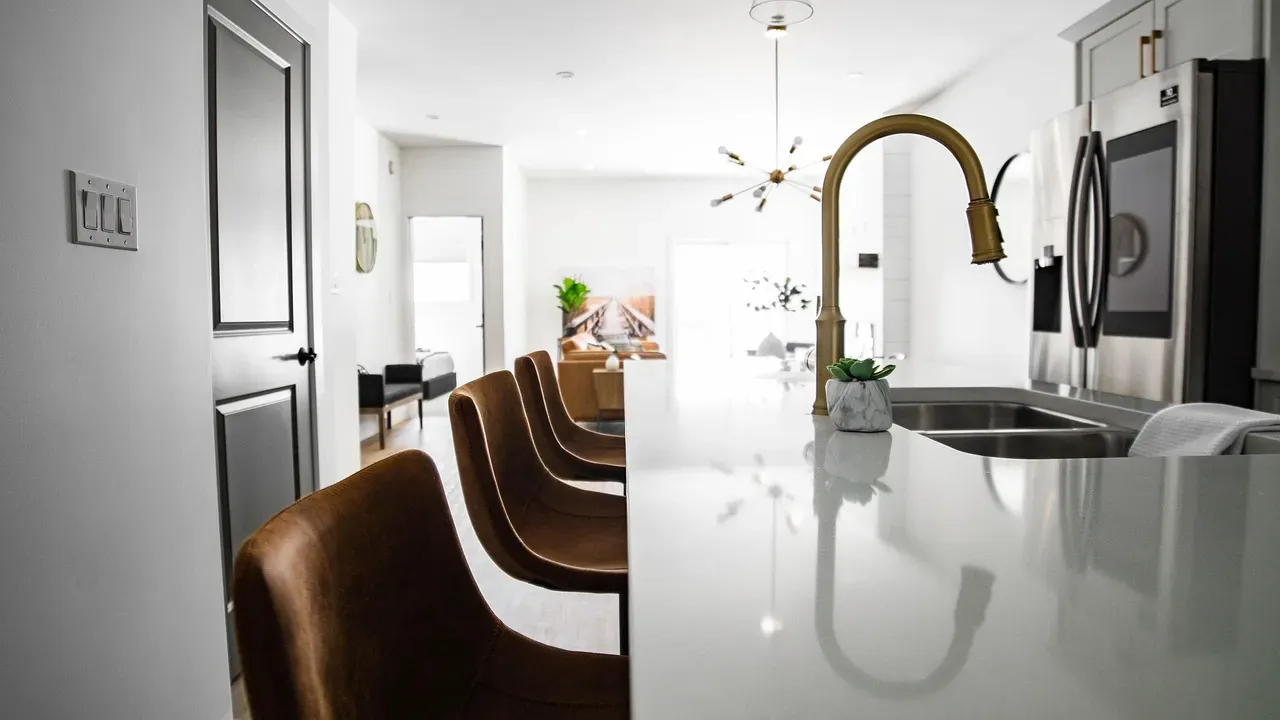
Waterfall islands sparked strong reactions, with some still liking them but many seeing them as a trend that peaked quickly, with the most common criticism focused on wasted material and the sense that the choice was driven by fashion rather than need or layout. These islands, where the countertop material cascades down the sides to the floor, had their moment as a statement piece.
The problem? They're expensive, use massive amounts of material, and don't actually add function. They're purely aesthetic, and that aesthetic is already starting to feel dated. Plus, they can be impractical for seating and create awkward visual weight in smaller spaces.
If you want your island to make a statement, designers now suggest furniture-like pieces with interesting millwork, curved forms, or mixed materials. Let it be sculptural through shape and design, not just through excessive countertop material.
Matching Everything Syndrome
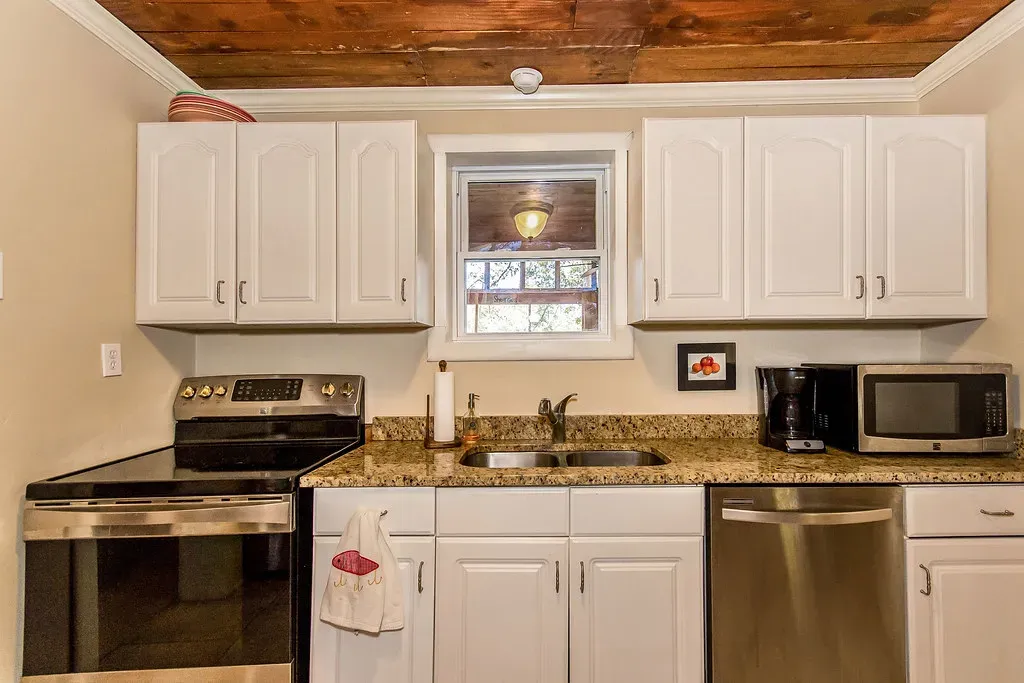
Gone are the days when every knob, pull, and fixture had to match precisely, with the new philosophy treating hardware as jewelry and mixing finishes and styles to add personality and interest. That matchy-matchy approach where everything coordinates perfectly creates a showroom feeling that lacks soul.
Honestly, kitchens designed to look like they came straight from a catalog tend to feel generic and forgettable. The most interesting spaces have a collected-over-time quality, even if they were actually designed all at once. Different hardware finishes, varied textures, and intentional contrasts create visual interest.
This doesn't mean going chaotic. It means thoughtfully combining elements. Maybe brass cabinet pulls with a matte black faucet. Wood shelving against painted cabinets. Stone paired with tile. The goal is layered sophistication, not uniformity.
Quartz with Oversized Veining
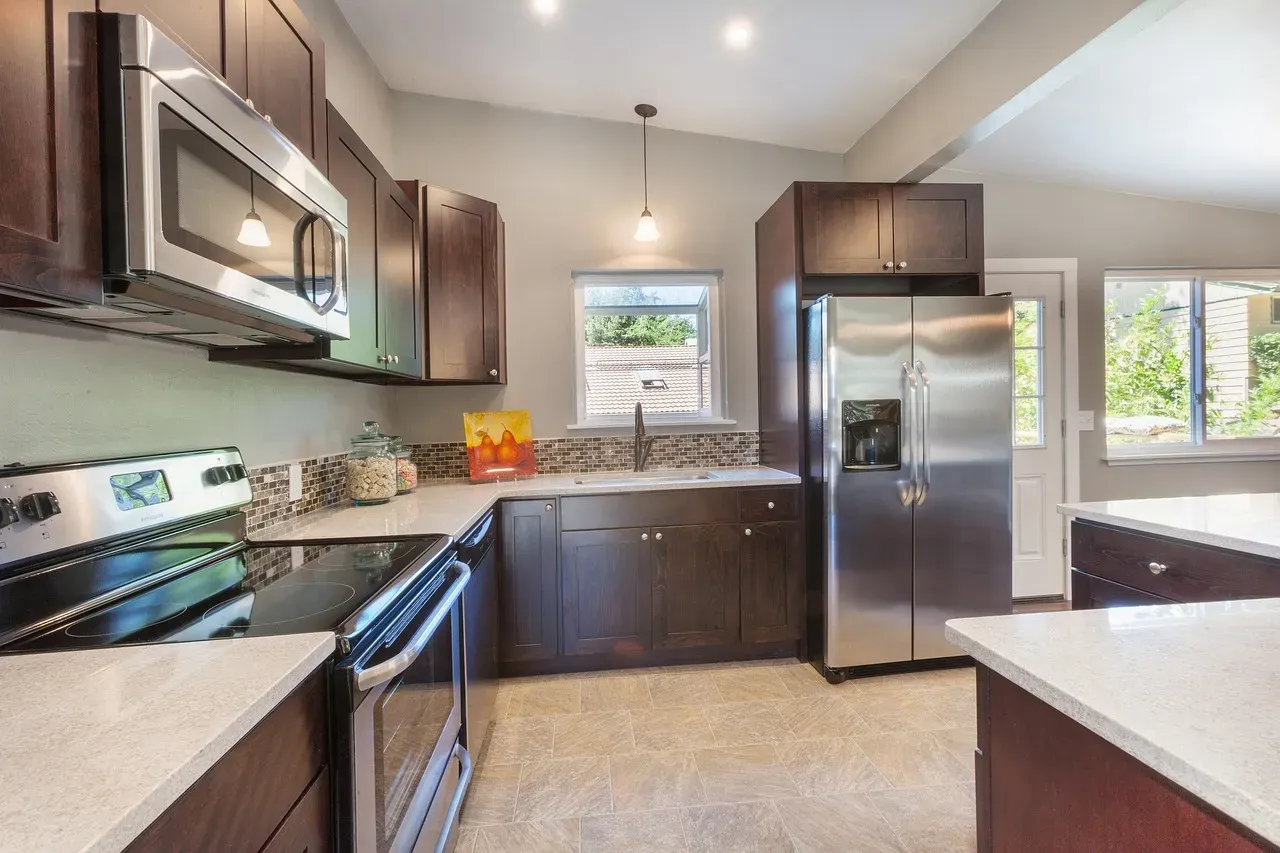
Designer Peggy Haddad identifies quartz with thick, oversized veining as an outdated design element. These heavily veined quartz surfaces that tried to mimic exotic marble became incredibly popular, but they're already showing their age. The problem is they tried too hard to be something they're not, and the result often looks artificial.
Brown granite, popular in the 1990s and early 2000s, instantly makes a kitchen feel old, with professional stagers advising to avoid any speckled granite in the brown family that will date the kitchen quickly. Busy countertop patterns in general are falling out of favor.
Natural stone with subtle movement, honed travertine, or leathered limestone are replacing those bold, fake-looking patterns. The trend is toward materials that look authentic and have character without screaming for attention.
Matte Black Hardware Everywhere
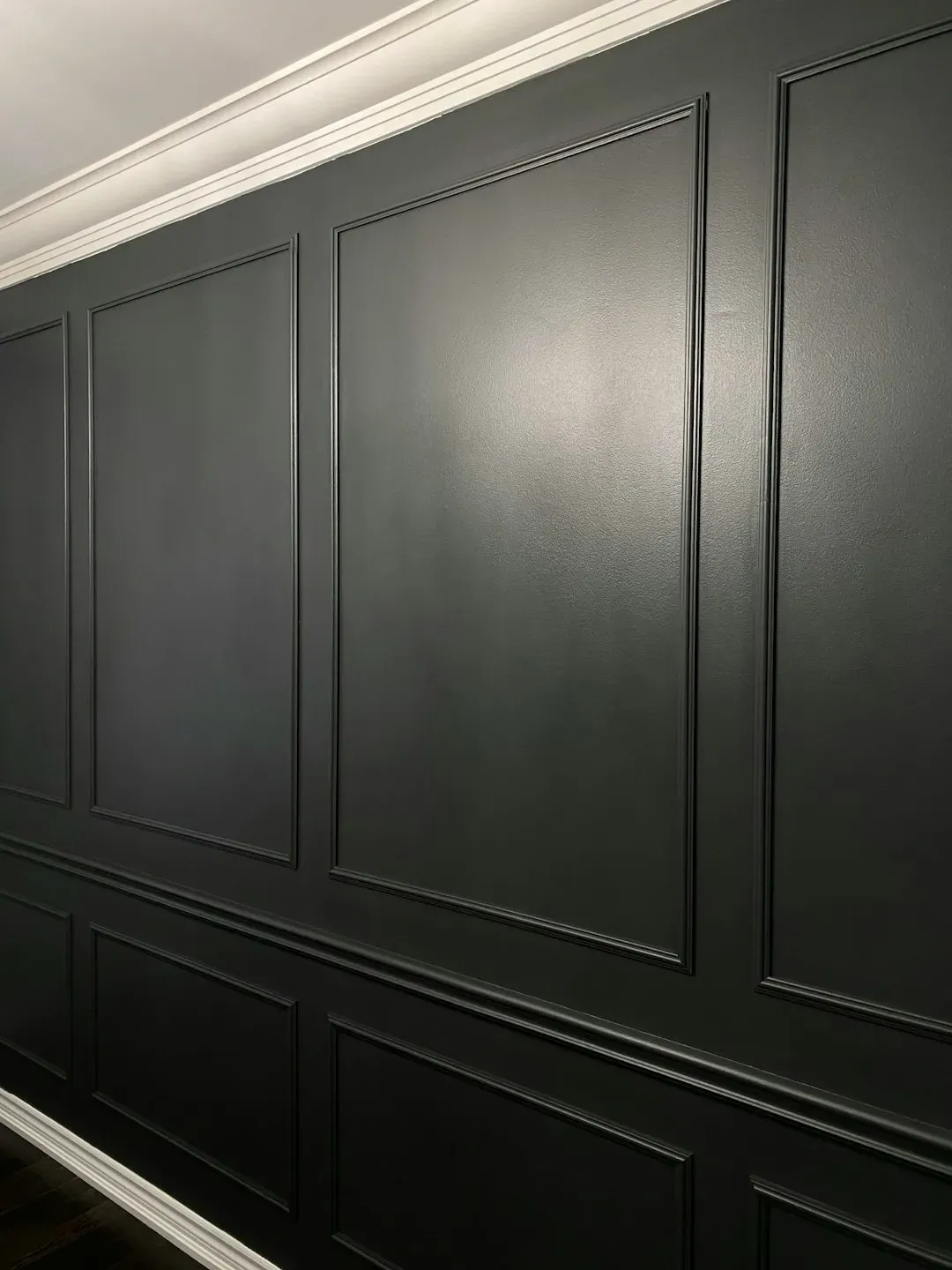
Matte black has had its day, with designers shifting focus to metallics for kitchen hardware. For several years, matte black was the go-to finish for everything from cabinet pulls to faucets to light fixtures. It was modern, it was bold, it worked with everything.
After years of widespread use, many designers feel that bright polished brass has been overused in kitchens, with one designer explaining that brass was used everywhere, including cabinetry pulls, lighting, faucets, even door hardware, and it's starting to feel oversaturated. The same fate is befalling matte black.
When everyone has the same finish, it stops feeling special. Warmer metallics like brushed brass, unlacquered brass that develops patina, polished nickel, and even silver are coming back. The key is choosing finishes with depth and character.
Overly Open Floor Plans
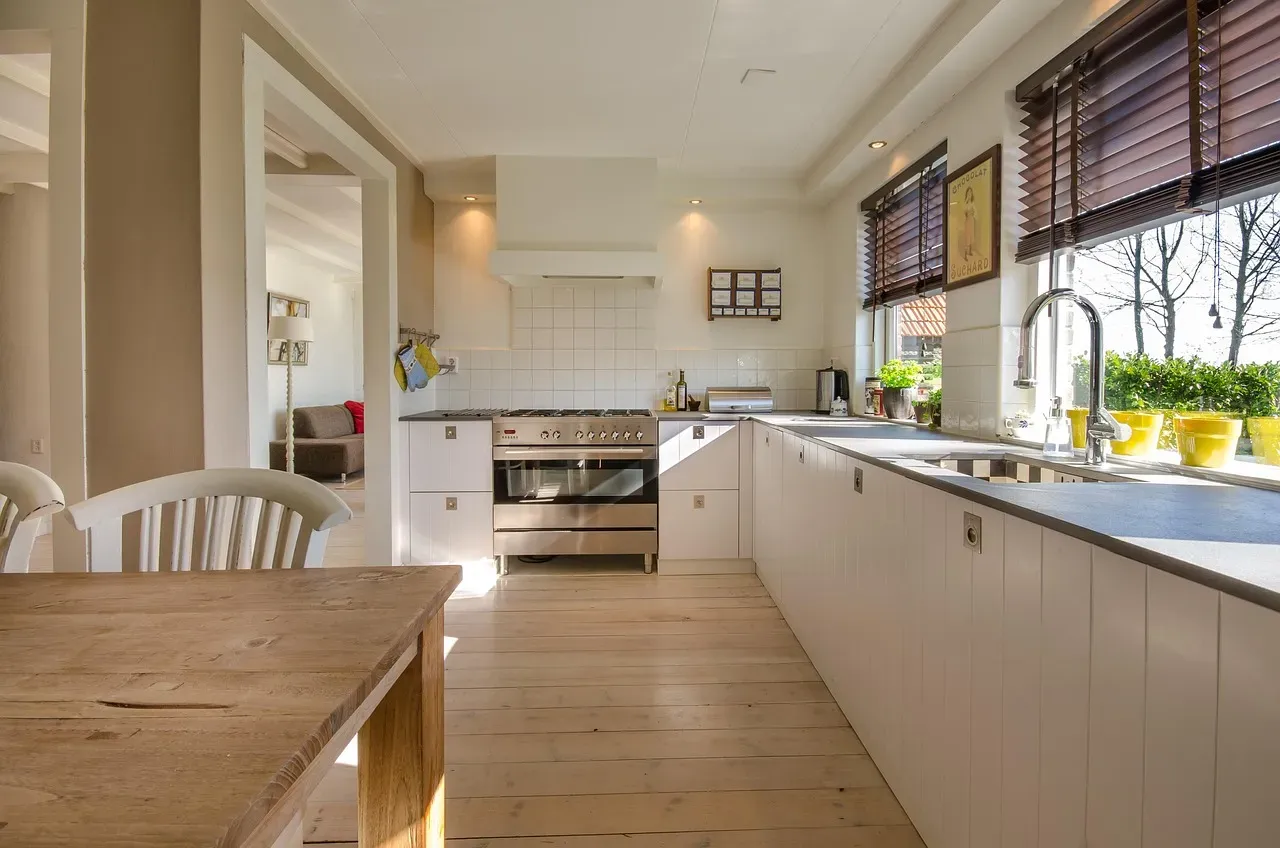
Designers predict we'll be gravitating away from layouts that are overly open with no boundaries, noting that people want connection but also want the ability to close off or visually separate spaces. All of these outdated layout approaches feel a bit cold, a bit disjointed, and generally hinder the more social, soft kitchen we all desire as of late.
For years, the mantra was "open it up!" Walls came down. Kitchens flowed into living rooms. Everything was visible from everywhere. Now people are realizing they actually want some separation. Cooking smells wafting into the living room during dinner prep isn't as charming as it sounded.
In a sprawling kitchen, the double island layout has been adopted, but for designers, it feels a bit dated and unnecessary. The trend is toward more defined zones within open spaces, using different flooring, partial walls, or furniture placement to create boundaries without completely closing things off.
Trendy Cabinet Colors That Shout
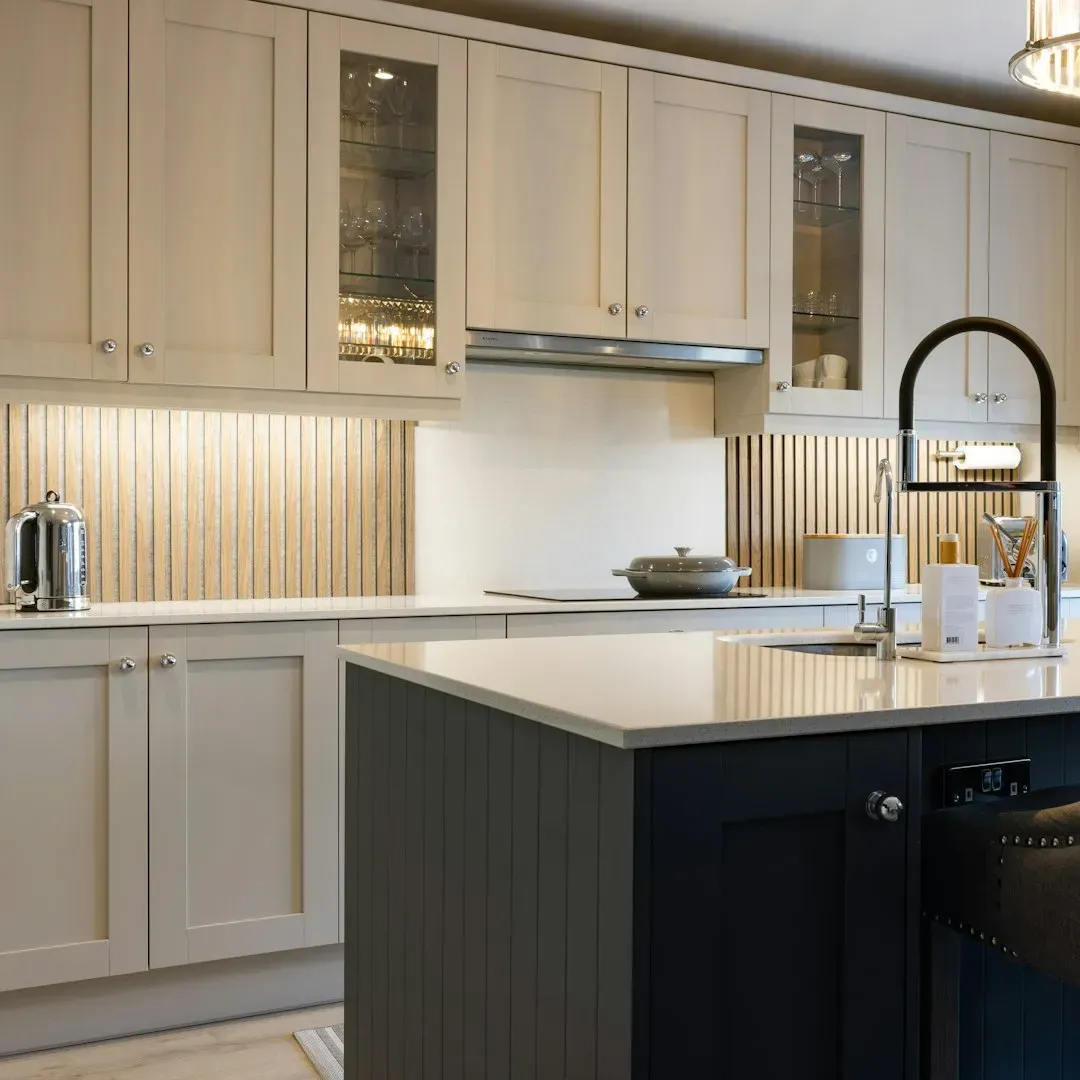
Navy and sage cabinets were mentioned as choices that may age fast, with homeowners pointing out wear showing sooner on painted finishes and expressing concern that these colors feel too trendy. While colored cabinets absolutely have their place, certain shades that felt fresh a few years ago are already starting to look dated.
Bright, dandelion yellow cabinets are an overpowering, theatrical design choice, with bold colors like bright yellow becoming the focal point of your kitchen and potentially taking away from your overall design to make your home feel more overstimulating than joyful or serene. The same goes for millennial pink, certain shades of teal, or any color that feels like it belongs to a specific moment in time.
If you want color that lasts, look to nature. Deep forest greens, warm terracottas, rich burgundies, and soft sage tones inspired by European design feel more timeless than trend-driven brights. These colors have been around for centuries in different forms, which means they're more likely to age gracefully.
What do all these outdated styles have in common? They're either overused to the point of feeling generic, impractical for daily living, or so trend-specific that they'll always remind you of a particular design moment. The kitchens that age well strike a balance between current aesthetics and timeless functionality. They have warmth, personality, and practicality without sacrificing style. What trends are you most tired of seeing?



Leave a Reply