
When it comes to choosing healthy cooking oils, avocado oil and olive oil consistently rise to the top of most nutritionists' recommendations. Both are pressed from fruits rather than seeds, making them fundamentally different from highly processed seed oils. Yet these two premium oils have distinct nutritional profiles, cooking applications, and health benefits that are worth understanding before you reach for that bottle in your pantry.
The Healthy Fat Showdown: Monounsaturated Powerhouses
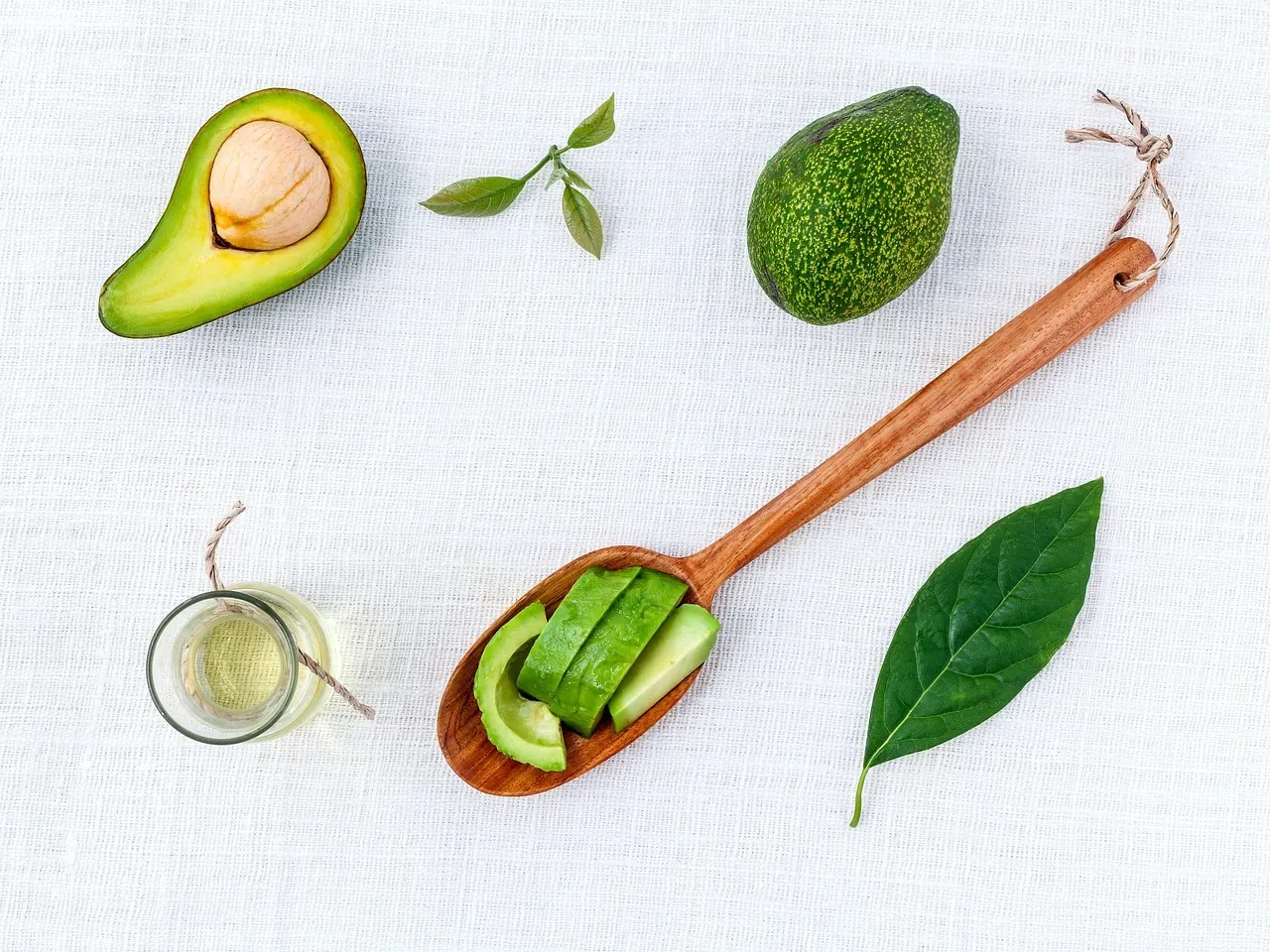
In one tablespoon of avocado oil, you'll get about 124 calories and 14 grams of fat, including around 2 grams of saturated fat, 2 grams of polyunsaturated fat and 10 grams of monounsaturated fat. In 1 tablespoon of olive oil, you'll get 119 calories and 13.5 grams of fat, including about 2 grams of saturated fat, 1.5 grams of polyunsaturated fat and 10 grams of monounsaturated fat. The two oils are remarkably similar in their overall fat composition, with both primarily made up of oleic acid, a beneficial monounsaturated omega-9 fatty acid.
When you dig deeper into the oleic acid content specifically, research from 2025 indicates olive oil contains 55–83% oleic acid, while avocado oil has 60–70%, supporting fat metabolism and hunger control. Both oils meet the American Heart Association's guideline of keeping saturated fat under 4 grams per serving, making them equally excellent choices for heart health. The monounsaturated fats in these oils have been shown to reduce bad cholesterol levels and lower the risk of cardiovascular disease.
Antioxidant Advantage: Olive Oil Takes the Lead
Both oils have very powerful antioxidants, but olive oil does contain slightly higher values. Extra virgin olive oil stands out particularly for its polyphenol content - a class of antioxidant compounds that provide substantial anti-inflammatory benefits. EVOO contains over 20 different polyphenols, including hydroxytyrosol, oleocanthal and oleuropein, which have been extensively studied for their health-promoting properties.
Extra virgin olive oil contains the highest percentage of polyphenols and antioxidants because it goes through a single processing procedure whereas other types are processed more. Meanwhile, avocado oil has a lower proportion of vitamin E, compared to olive oil. Research from 2024 confirms that olive oil comes with slightly more vitamin E than avocado oil, though both oils provide meaningful amounts of this fat-soluble antioxidant.
Vitamin Content: Olive Oil Edges Ahead
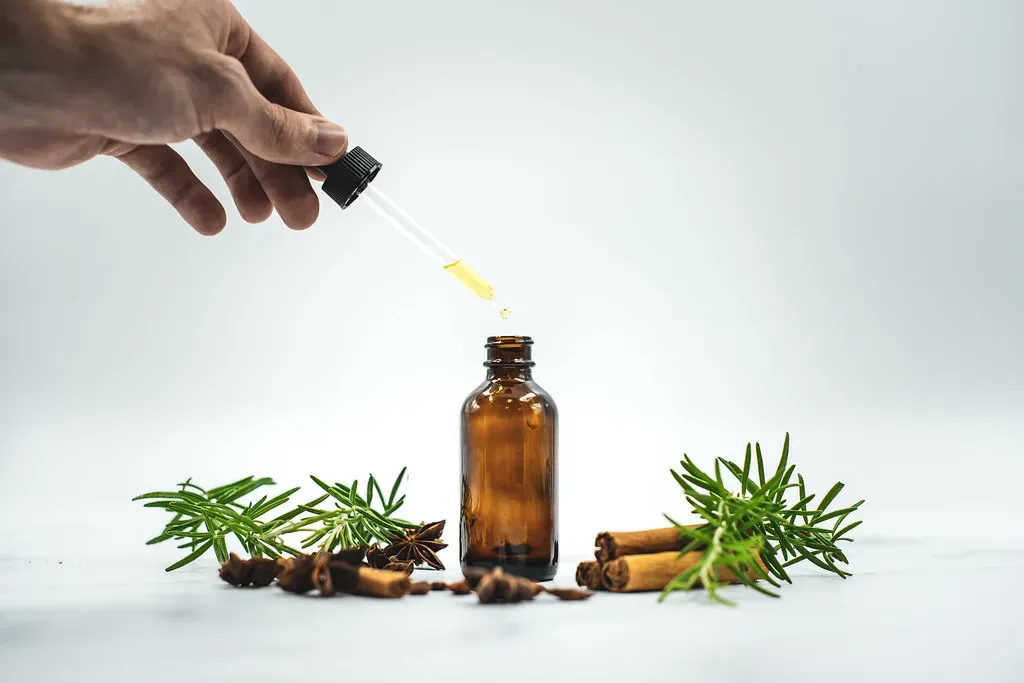
While both oils provide important nutrients, olive oil is slightly more nutritious on the whole because it contains more potassium, calcium, iron and vitamins. Still, avocado oil offers its own unique nutritional advantages. Avocado oil provides the antioxidant lutein, which is helpful for eye health, and avocado and its oil are relatively good sources of lutein, a carotenoid and antioxidant that's naturally found in your eyes, and a diet rich in lutein may reduce the risk of cataracts and macular degeneration.
Recent research published in February 2025 found that the antioxidant potential of avocado oil is further enhanced by its tocopherol content, particularly α-tocopherol (vitamin E), detected at concentrations up to 24.5 mg/100 g. Meanwhile, comprehensive studies from 2024 have reaffirmed that most of the health-promoting effects of olive oil are due to its polyphenols, for example, hydroxytyrosol and oleocanthal, and mainly affect the cardiovascular system.
Cooking Performance: The Smoke Point Debate

One of the most discussed differences between these oils involves their smoke points - the temperature at which oils begin to break down and produce harmful compounds. The smoke point of avocado oil is higher than 482°F (250°C), and avocado oil boasts one of the highest smoke points among cooking oils, at approximately 520°F (271°C). This makes avocado oil exceptionally versatile for high-heat cooking methods like searing, grilling, and roasting.
Extra virgin olive oil traditionally has been cited with a lower smoke point, typically between 350°F for extra-virgin olive oil and higher for refined versions. Still, recent research from early 2025 challenges conventional wisdom about cooking with olive oil. Laboratory measurements showed that EVOO maintained more consistent smoke point levels throughout the heating process, and according to controlled laboratory testing, EVOO produced lower levels of polar compounds during heating compared to other cooking oils.
Health Benefits: Both Deliver, But Differently
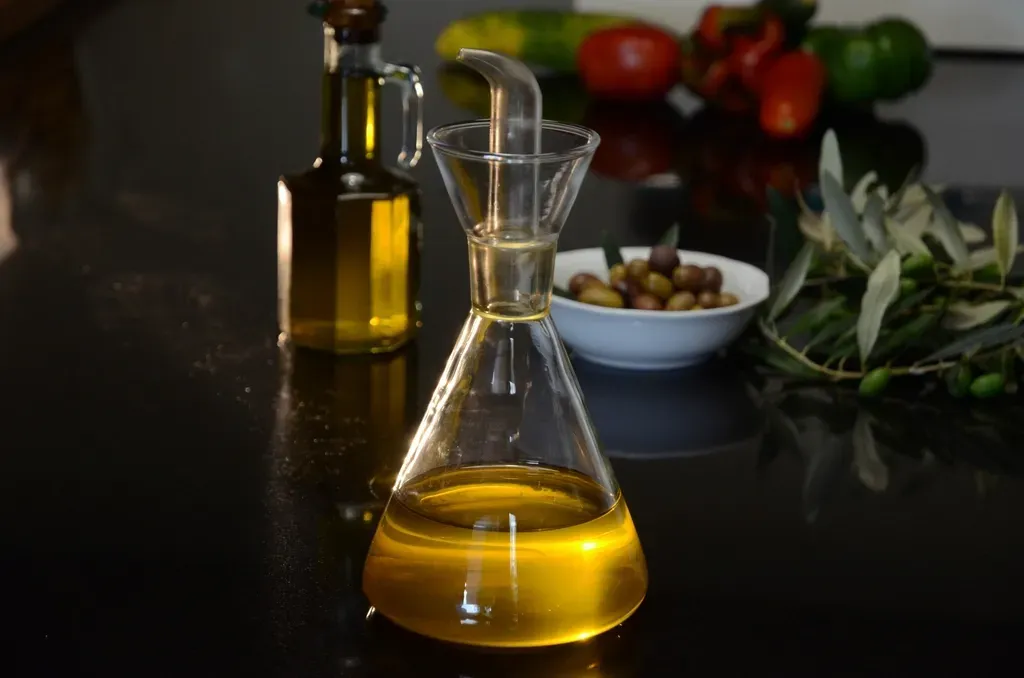
Evidence from humans and animal models has shown that the consumption of high phenolic extra virgin olive oil improves lipidemic profile and glycemic control and reduces systematic inflammation and oxidative stress. Therefore, HP-EVOO consumption may offer enhanced protection against metabolic syndrome, hypertension, type 2 diabetes and NAFLD. The Mediterranean diet, which features olive oil as a cornerstone, has been backed by decades of research including the landmark PREDIMED trial.
Avocado oil shows promise as well, though the research base is smaller. Newer research suggests that avocado oil may offer comparable advantages, and studies on sucrose-fed rats showed that avocado oil positively influenced glucose, cholesterol, triglycerides, and α-amylase levels in ways similar to olive oil's effects. Both oils have demonstrated benefits for skin health, wound healing, and nutrient absorption from other foods.
Making Your Choice: Quality and Purpose Matter Most
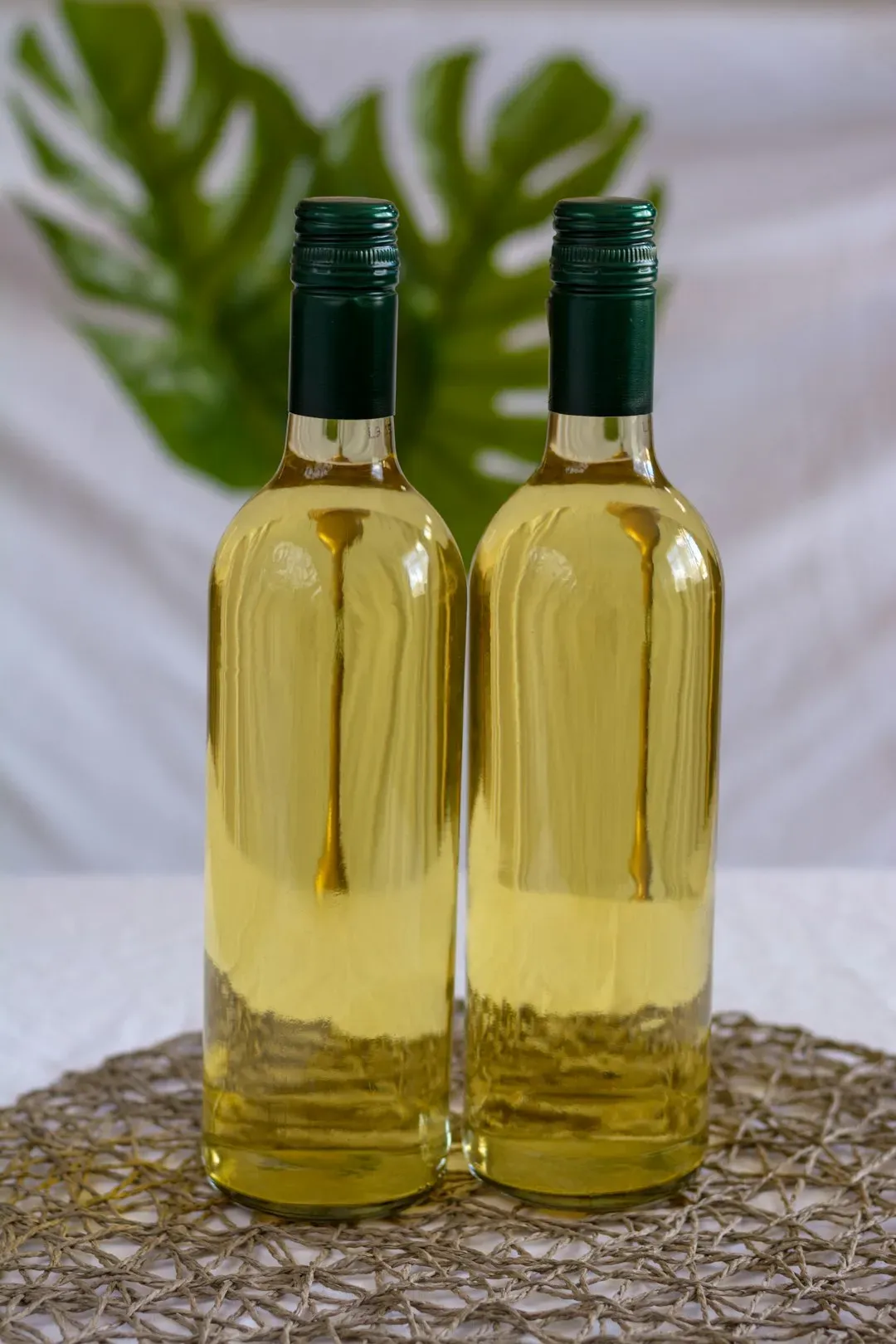
One isn't really healthier than the other, the experts say, as they have slightly different compositions that are for slightly different purposes, but are equally as healthful. The decision often comes down to cooking application and flavor preference. Use avocado oil when you need neutral flavor and high heat tolerance for roasting vegetables or pan-frying proteins. Choose extra virgin olive oil for dressings, finishing dishes, and medium-heat cooking where its robust flavor enhances the meal.
Quality matters significantly with both oils. A recent study by the University of California Davis revealed that 82% of avocado oils on grocery shelves were rancid or mixed with other oils. Look for cold-pressed, unrefined versions when possible, check harvest dates, and purchase from reputable producers. The nutritional benefits you're seeking exist only in pure, properly stored oils that haven't oxidized or been adulterated with cheaper alternatives.



Leave a Reply