
These two leafy greens have dominated health food conversations for years, each claiming superfood status in its own right. Both spinach and kale pack serious nutritional value into every bite, yet they differ in surprising ways when you examine their mineral content, antioxidant profiles, and how efficiently your body can actually use what they offer. Understanding these distinctions can help you make smarter choices for your specific health goals.
The Iron Showdown: Spinach Takes the Lead
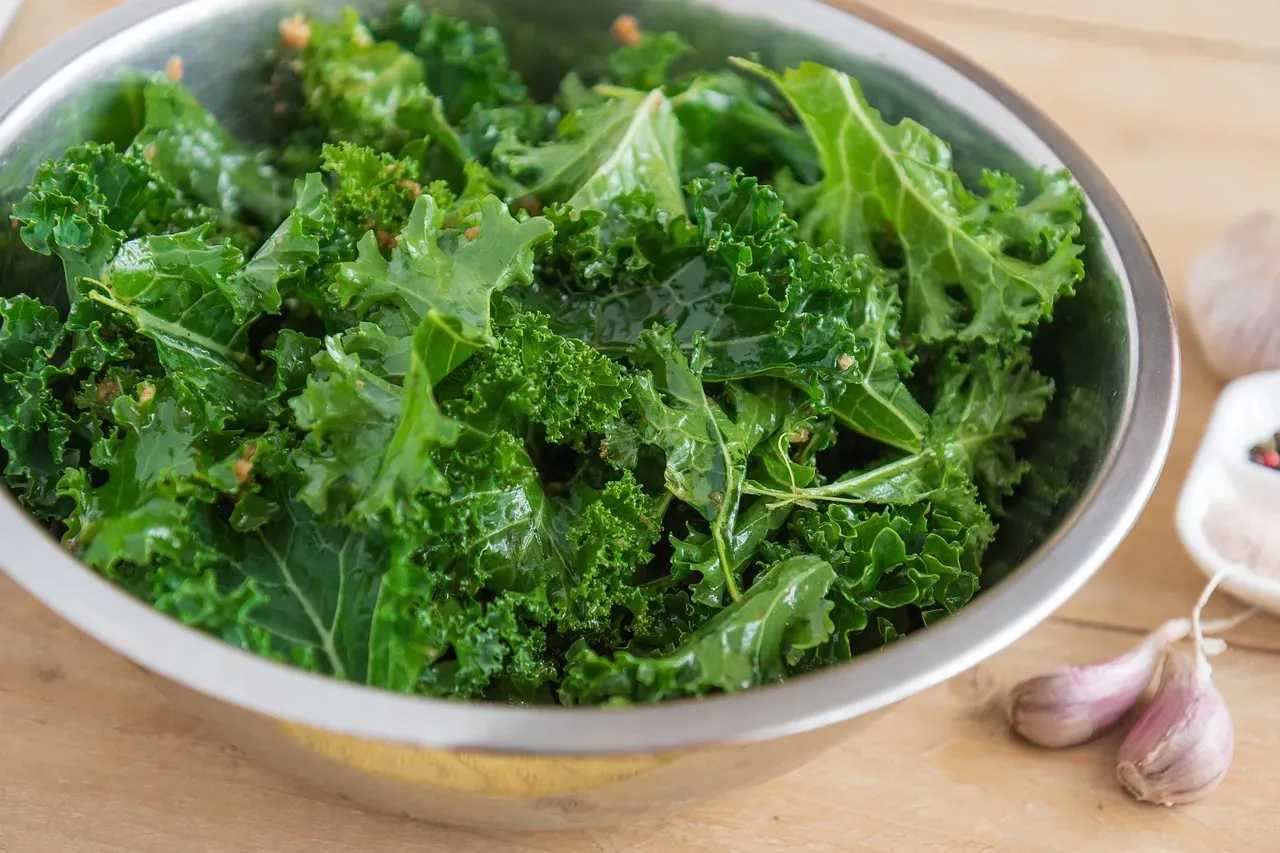
When it comes to iron content, spinach always wins, supplying 2.7mg per cup of cooked spinach. Compared to kale, which contains roughly 1mg of iron per cooked cup, spinach delivers considerably more of this essential mineral. A 100-gram serving of cooked spinach has approximately 3.6 milligrams of iron, whereas the same amount of cooked kale contains around 1 milligram of iron. This makes spinach particularly valuable for vegetarians and vegans seeking plant-based iron sources.
However, there's a critical catch that many people overlook. Spinach has low iron bioavailability (the amount the body can use) because it has compounds that inhibit iron absorption. Studies have shown that as little as 2% of iron from spinach is actually absorbed, which dramatically reduces its practical value compared to what nutrition labels suggest. Spinach has very high levels of oxalic acid, which naturally present in vegetables, binds with iron, blocking its absorption in the gut. Despite having more iron on paper, spinach may not deliver as much usable iron as you'd expect.
Calcium Content: Kale Wins With Better Absorption
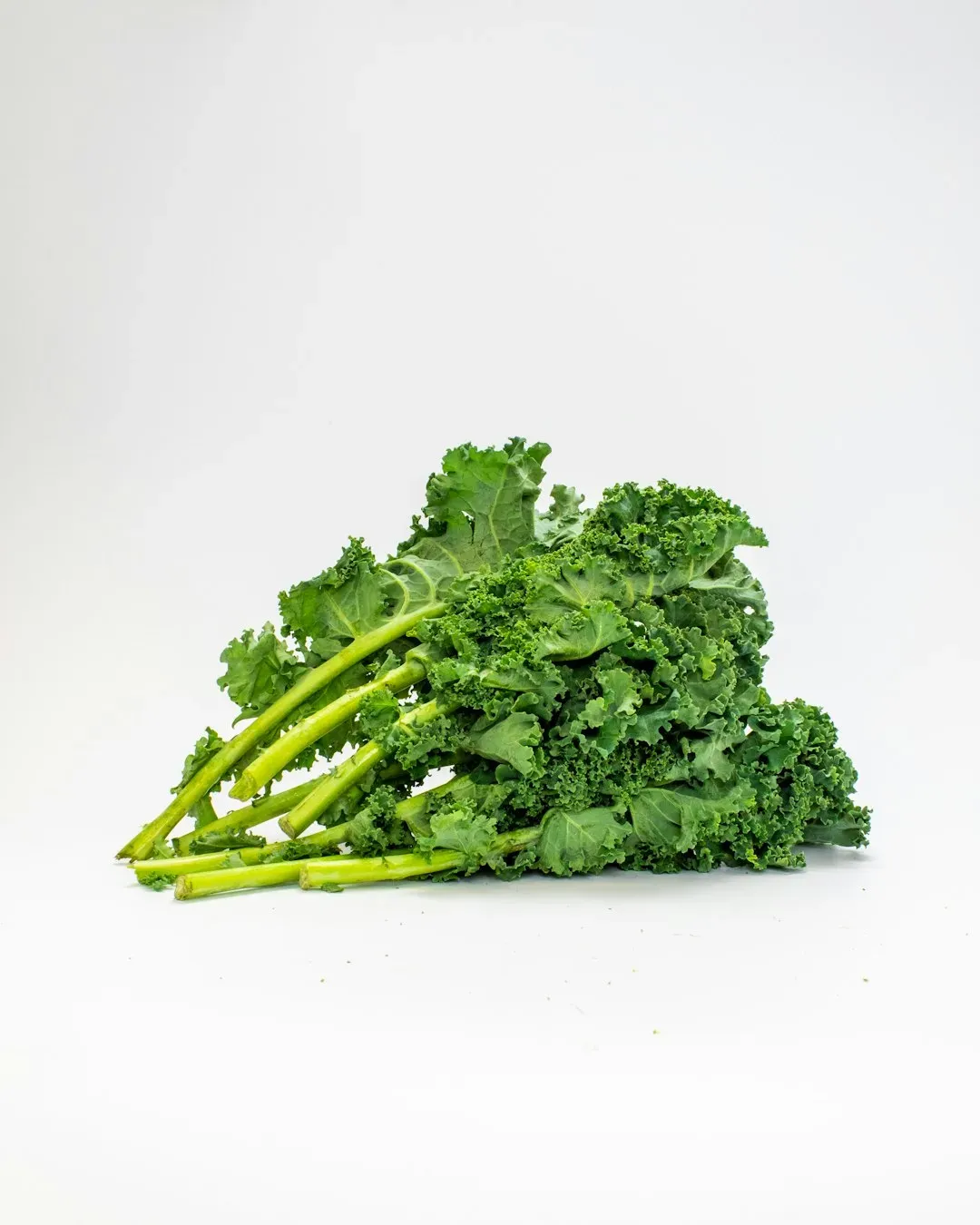
One cup of cooked kale contains 349mg of calcium (much higher than spinach), and your body can also absorb kale's calcium more readily. One serving of raw kale provides about 10% of your daily value of calcium, three times the amount in spinach. This substantial difference makes kale a standout choice for bone health, particularly for those who avoid dairy products or need extra calcium support.
The absorption story matters just as much as the raw numbers. While spinach contains calcium, it also contains high levels of oxalic acid, which can hinder calcium absorption. Kale, with its lower oxalic acid content, is a more efficient source of absorbable calcium. Spinach, an oxalate rich vegetable, indeed showed lower magnesium bioavailability as compared to kale, a vegetable low in oxalate. This principle applies to calcium as well, meaning kale's calcium is significantly more useful to your body than spinach's calcium.
Vitamin C and K: Each Green Has Its Champion Vitamin
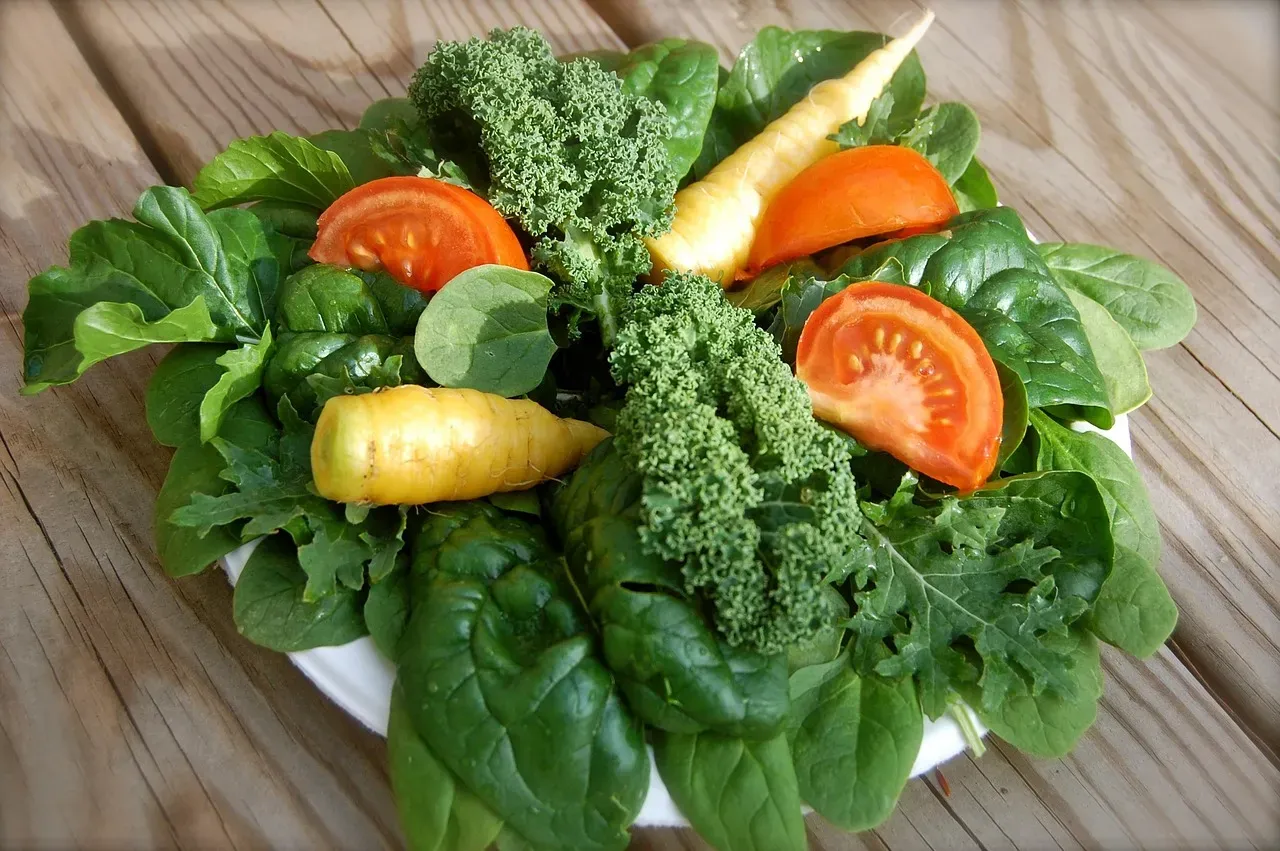
Kale provides much more vitamin C, with two cups of raw kale providing 42% of your daily value, whereas spinach has about half as much vitamin C. Vitamin C serves multiple functions beyond immune support - it stimulates collagen production, promotes iron absorption, and acts as a powerful antioxidant. Kale contains more than twice the amount of vitamin C, while spinach provides more vitamin K, vitamin A, and folate.
Spinach dominates when it comes to vitamin K, though both greens are excellent sources. Spinach is a very rich source of vitamin K, with one 2-cup serving providing more than twice the daily value. Kale is also very high in vitamin K, providing more than 100% (in one serving), but it's half of what you get in spinach. This matters especially for bone health and blood clotting. Both greens also deliver substantial vitamin A, supporting vision and immune function, though spinach edges ahead slightly in this category.
Antioxidant Profiles: Different Compounds, Similar Benefits
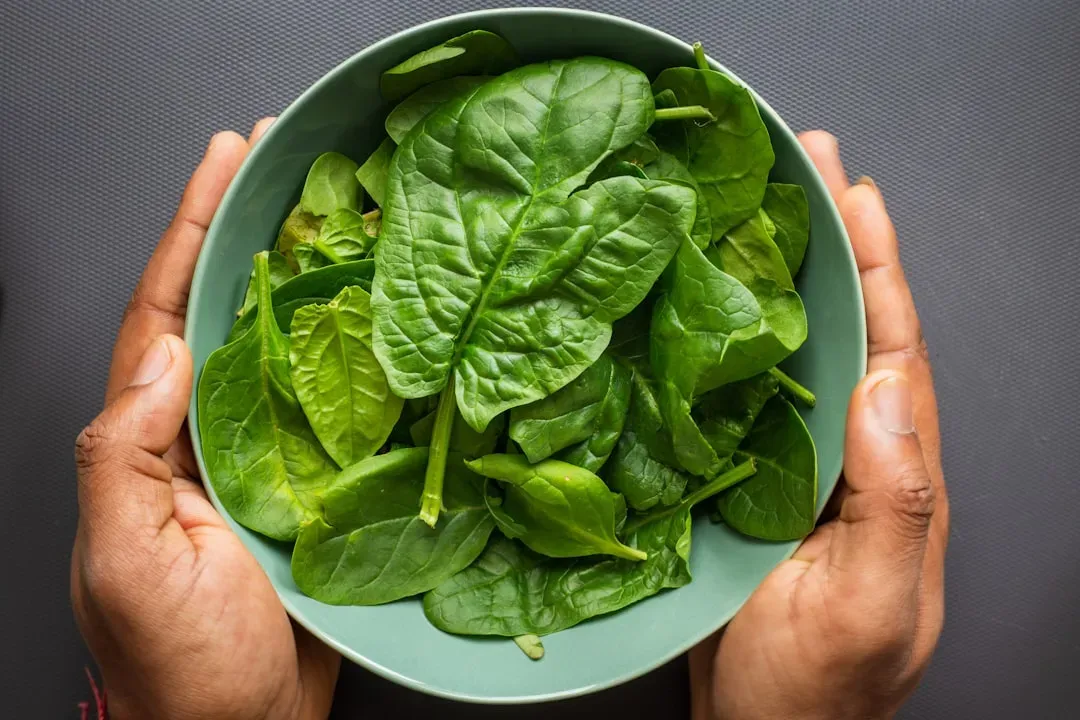
Both vegetables are rich sources of antioxidant phytonutrients such as lutein and beta-carotene. Spinach is higher in lutein and zeaxanthin, while kale is higher in beta-carotene. These compounds protect your cells from oxidative damage and may reduce risks of chronic diseases. Spinach is packed with antioxidants, such as quercetin, which have anti-inflammatory properties and may help protect against heart disease, diabetes and cancer.
Kale brings its own impressive antioxidant arsenal to the table. Research comparing leafy greens found that purslane contained the highest amount of antioxidants, Vitamin C and E, compared to spinach and kale, though both spinach and kale still rank highly among vegetables. LC-MS/MS screening identified 69 and 103 compounds in spinach and kale, respectively, including flavonoids, glucosinolates, and phenolic and organic acids. Out of a total of 26 flavonoids identified in the current study, only three were found in spinach. This suggests kale has a more diverse phytochemical profile overall.
The Oxalate Problem: Why Bioavailability Matters
Spinach has a higher level of oxalic acid compared to most vegetables, with an approximate concentration of 1000mg/100g compared to that in other vegetables, such as kale (20mg/100g). This dramatic difference has real consequences for nutrient absorption. Raw spinach is high in oxalates, which bind to minerals like calcium and prevent the body from absorbing them. Oxalates can increase the risk of kidney stones in some people.
Boiling markedly reduced soluble oxalate content by 30−87% and was more effective than steaming (5−53%) and baking. This means cooking methods matter tremendously when preparing spinach. Absorption was higher from milk in every case, with the mean absorption from milk averaging 27.6% and from spinach, 5.1%. The mean within-subject difference between Ca absorption from milk and from spinach was 22.5%. These findings underscore that spinach's impressive nutrient profile on paper doesn't translate fully to nutrients your body can use.
Making the Choice: Which Green Fits Your Needs
Dietitians note they are both very healthy, as kale and spinach provide similar amounts of macronutrients and varying amounts of different vitamins and minerals. The healthiest choice for you will depend on your needs and goals. If bone health is your priority, kale's superior calcium content and better bioavailability make it the clear winner. Kale shines when your goals center around bone health and digestive wellness, providing that calcium-fiber combo that supports both strong bones and smooth digestion.
For those focused on iron intake, spinach offers more of this mineral, though absorption remains limited. Eating non heme iron rich foods along with heme iron rich foods such as meat can help increase absorption, and pairing spinach with vitamin C sources also enhances iron uptake. Ideally, try incorporating a few servings of each into your weekly meals, along with an assortment of other leafy greens. Not only do each of these ingredients bring a different set of nutrients to the table, but they can also add a bit of variety and new flavors to your diet. Neither green should claim complete victory - rotating between both ensures you benefit from their complementary nutritional strengths while enjoying diverse flavors and textures in your meals.



Leave a Reply