
Kitchen renovations have become one of the most common home improvement projects across America, yet a surprising number of homeowners are unknowingly breaking the law. According to the Houston Builders Association, reported in 2024, 42% of renovations experienced delays due to permit issues. The reality is that while most homeowners focus on choosing countertops and cabinet colors, the legal requirements lurking behind the walls often get ignored. These permit violations can lead to serious consequences, from insurance claim denials to being forced to tear out completed work during home sales. Let's explore the six installations that consistently fly under the radar yet require official approval.
Moving or Installing Gas Lines

Any time you're installing or moving gas lines - for ovens, ranges, or cooktops - you'll need a gas permit. This installation commonly gets skipped because homeowners view it as a simple appliance swap. Converting from electric to gas or relocating your stove seems straightforward, yet gas work poses one of the highest safety risks in any kitchen. A Brooklyn homeowner skipped permits for a gas line relocation during a kitchen remodel. When a leak caused a minor fire, insurance denied the $50k claim. The DOB fined them $12,500 and ordered the entire kitchen dismantled. Total loss: $75,000+.
Gas work is pretty much required to be permitted and done by a licensed plumber or person with a gas fitter certification in most areas. The dangers extend beyond fire hazards. Your homeowner's insurance may not cover damage related to unpermitted work, and when insurance companies discover code violations, they may deny claims. Despite these risks, countless homeowners or unlicensed contractors run new gas lines without filing the necessary paperwork, gambling with both safety and financial protection.
Electrical Work Beyond Simple Replacements
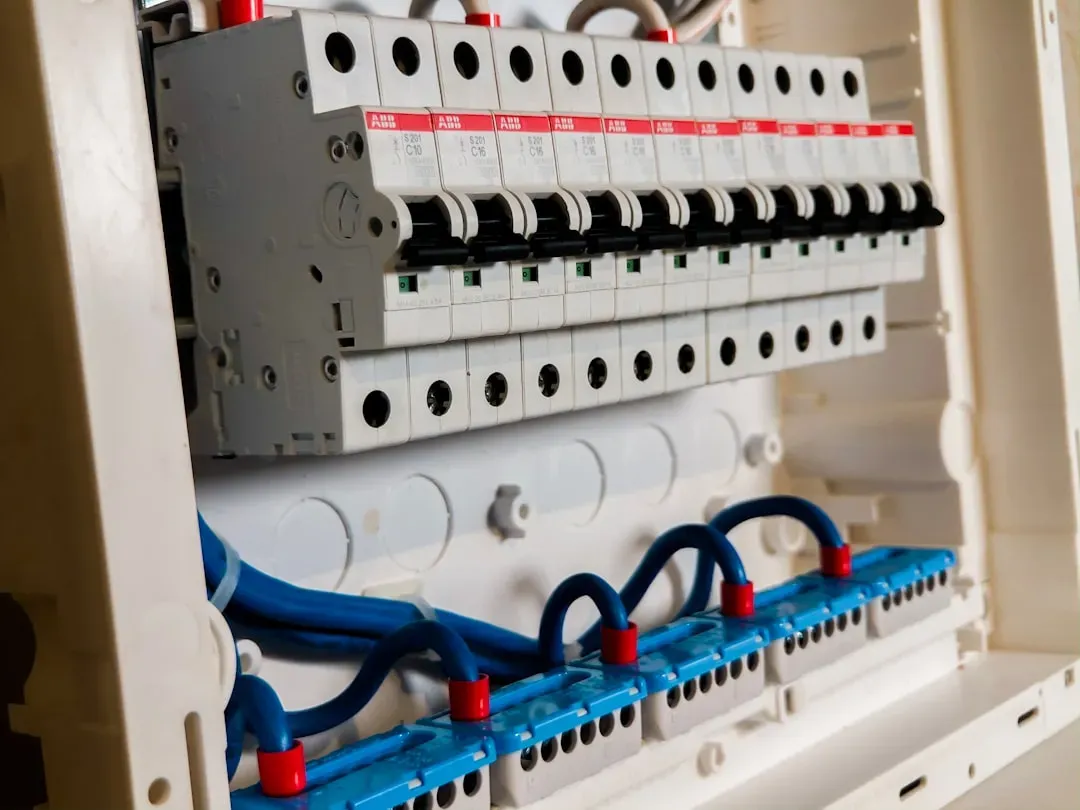
Upgrading your electrical panel, adding new outlets in different locations, or running new wiring for appliances will almost certainly necessitate a permit. Yet electrical work remains one of the most commonly unpermitted installations in kitchen remodels. New electrical circuits must include GFCI protection in kitchen areas. This isn't just red tape it's a safety feature that could save someone's life. The problem is that electrical upgrades often start small and grow into major projects without homeowners realizing they've crossed into permit territory.
Beyond the financial costs, unpermitted work puts your family at risk. Building codes exist for good reasons: they prevent fires, electrocutions, and structural failures. Unpermitted electrical work can cause kitchen fires. Modern kitchens demand significant electrical capacity with multiple high-powered appliances running simultaneously. Over 68% of DIY permits fail inspection. This statistic reveals why professional oversight matters. Still, homeowners regularly add outlets, upgrade panels, or install new lighting circuits without permits, assuming inspectors will never know.
Plumbing Relocations and New Fixtures
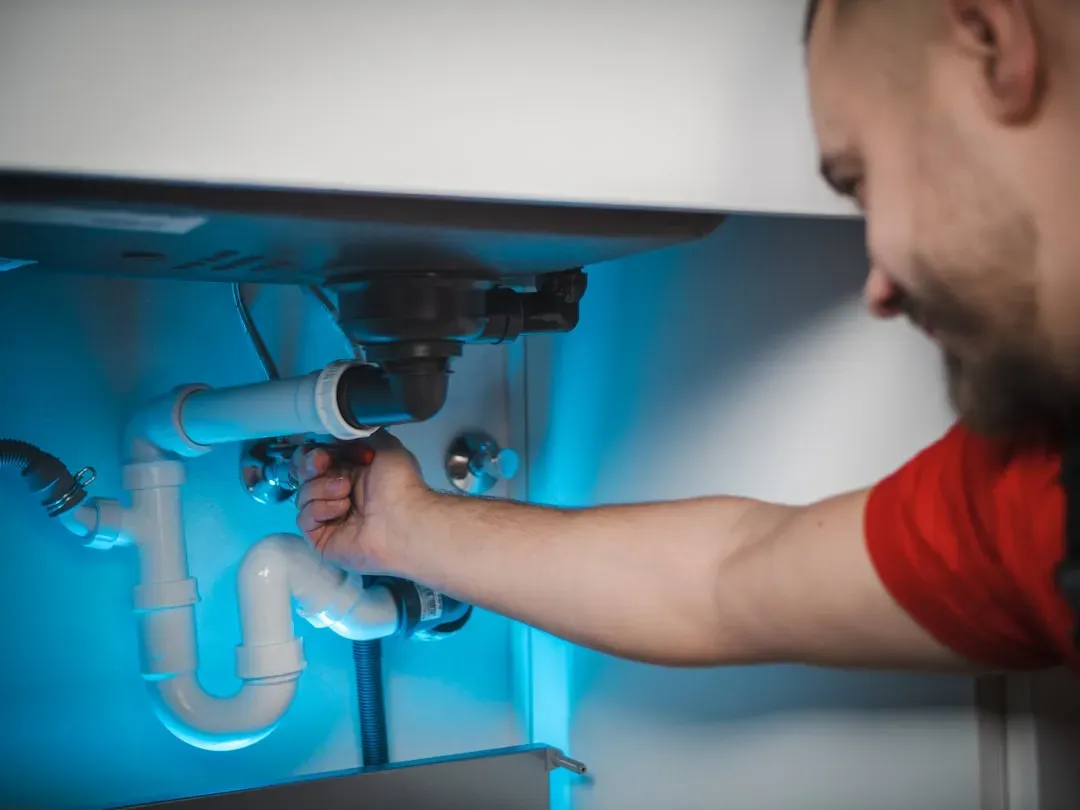
Anything beyond simply replacing a faucet in the same location usually requires a permit. This includes moving sinks, dishwashers, or adding new water lines. For instance, in both NYC and Los Angeles, relocating a sink almost always triggers permit requirements. The distinction between replacement and relocation trips up many homeowners. Swapping an old sink for a new one in the exact location typically doesn't need approval, but moving it even a few feet requires documentation.
Improper plumbing can lead to leaks, water damage, and even contamination of your water supply. Adding a second sink, installing an instant hot water dispenser, or relocating your dishwasher all fall under this category. Home sales can fall through because of unpermitted kitchen work. New buyers may need to spend thousands to bring everything up to code before they can complete their purchase. Despite these consequences, plumbing changes frequently proceed without permits because they happen behind walls where they're less visible to casual observers.
Structural Modifications to Walls
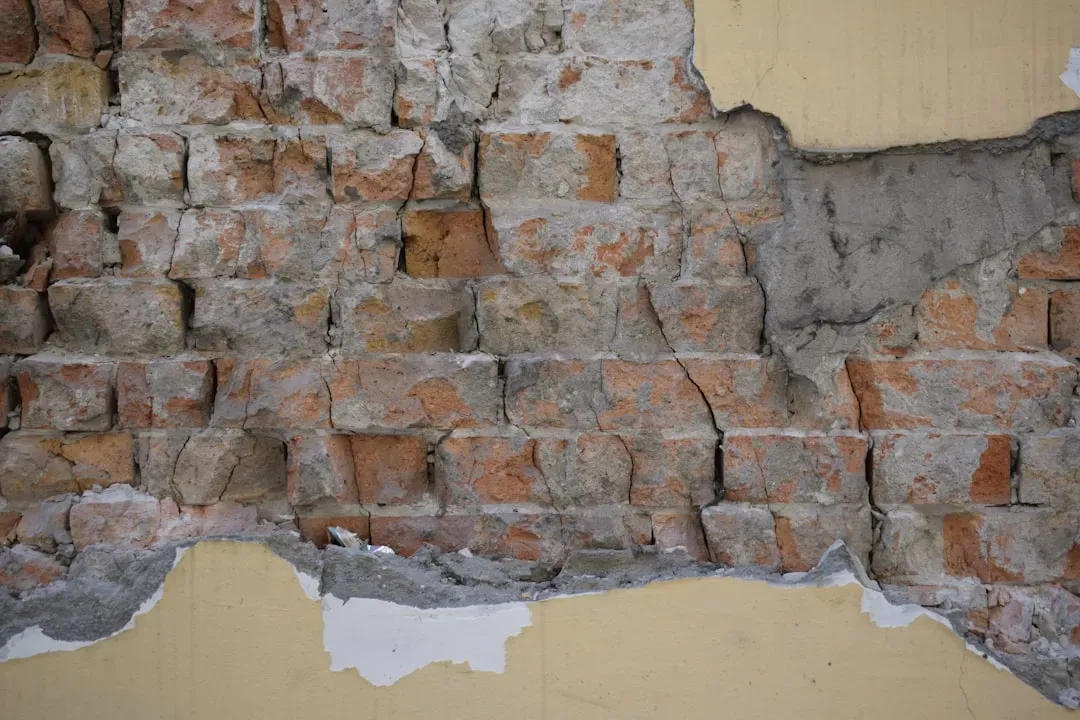
If you're planning to knock down a wall to create an open-concept kitchen or build a new one to reconfigure the space, you're almost certainly looking at needing a permit. These changes affect the structural integrity of your home, and local authorities want to ensure the modifications are done safely and according to code. Open-concept kitchens have dominated design trends for years, driving homeowners to remove walls without understanding the legal implications. The popularity of DIY television shows has created false confidence that wall removal is a weekend project rather than a permitted construction activity.
You absolutely need a permit to remodel a kitchen if structural work is involved. Homeowners who remove walls themselves sometimes discover they were load-bearing. Even non-load-bearing walls typically require permits in most jurisdictions. Permits require inspections, which verify that things like wiring, plumbing, and structural changes are done to code. This helps prevent fire hazards, leaks, or dangerous load-bearing mistakes. The temptation to skip this step is strong since structural permits often involve the longest approval times and most detailed documentation requirements.
Ventilation and Range Hood Systems
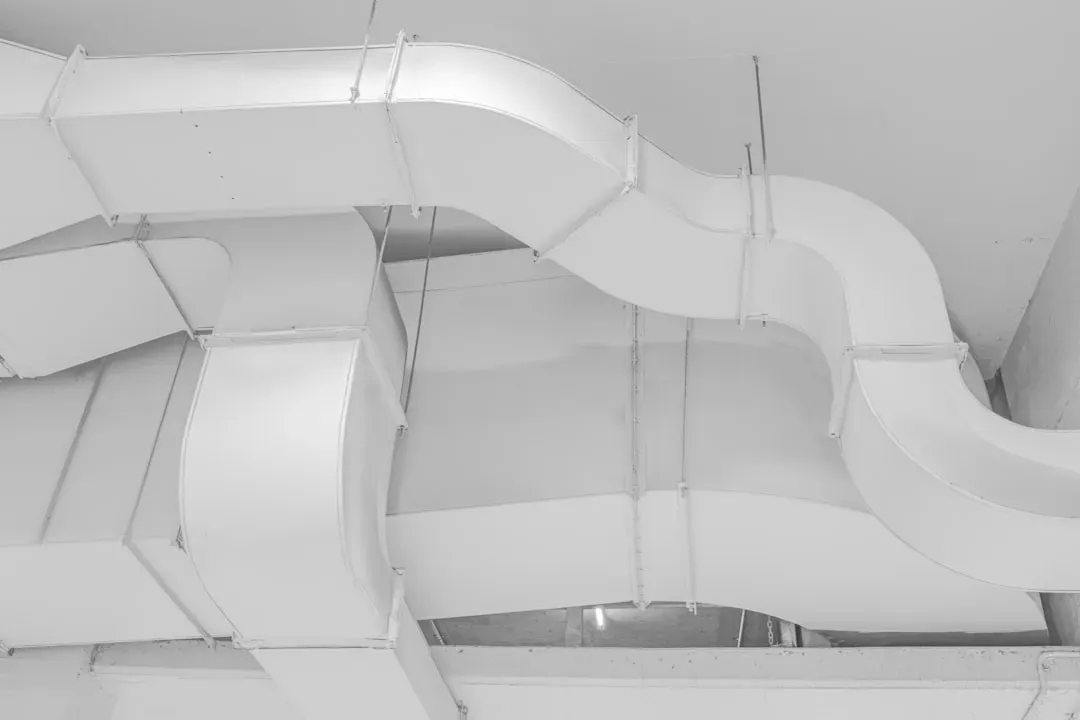
Mechanical permits are less common for kitchen and bathroom remodels but are necessary if you're modifying HVAC or ventilation systems. For example, adding a new range hood with custom ductwork or installing radiant floor heating would require this type of permit. Range hood installations represent one of the most overlooked permit requirements. In California, the California Building Code requires kitchen ventilation systems that produce 100 CFM or more intermittently or produce 5 air exchanges in one hour. This requirement applies to all residential areas, remodeled homes, or kitchen renovation projects.
The complexity increases when ductwork must be added or modified. Most codes require kitchen exhaust ducts to be constructed of smooth-walled, noncombustible materials (galvanized steel, stainless steel, or copper). Generally, building codes specify that the range hood should be mounted between 24 to 36 inches above the cooking surface. This ensures optimal capture of smoke, grease, and odors while maintaining safe and efficient operation. The location of the range hood is important for proper ventilation and compliance with building codes. It should be centrally located above the cooking area to effectively capture and remove contaminants. Additionally, the range hood must vent to the outside to prevent the recirculation of pollutants within the kitchen, which is mandated by most building codes. Many homeowners install powerful range hoods without permits, unaware that ventilation systems have specific code requirements for installation height, duct materials, and exterior termination points.
Window Additions or Enlargements
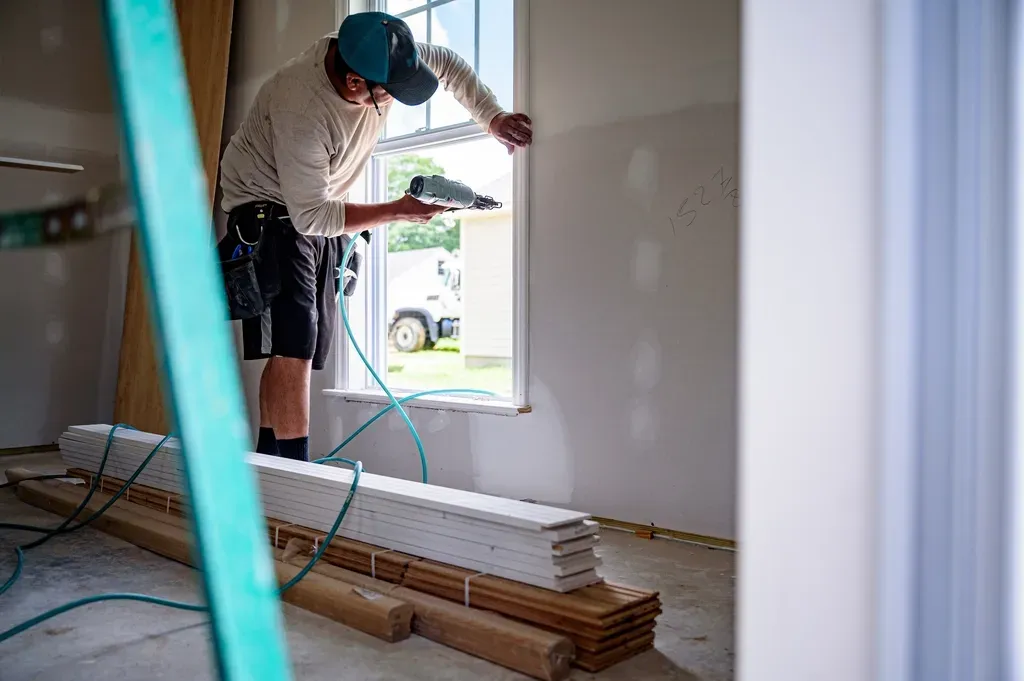
Significant modifications that affect the amount of light, ventilation, fire resistance, or exterior exits will need one. So will remodels that involve making structural changes such as adding windows or removing walls. Adding a window to brighten your kitchen or enlarging an existing one seems like a purely aesthetic decision, yet both modifications require permits. These changes affect your home's structural envelope, energy efficiency, and emergency egress requirements. Windows also impact building codes related to fire safety and natural ventilation standards.
If you plan to sell your home in the future, unpermitted work can derail the sale. Lenders and inspectors often flag improvements that weren't documented with proper permits. Some insurance companies may refuse to cover damage linked to unpermitted renovations. Worse, if a contractor skips permits and something fails, you might be left holding the bag. Window installations involve electrical work for surrounding outlets, potential framing modifications, and exterior finishes that all fall under building codes. Sometimes, all it takes is for building inspectors to be in the right place at the right time, like in your neighborhood the day you're framing the expansion to your kitchen. If a building inspector sees the work as they are driving by, they can put a big red stop work order on the front door and escort everyone off the property. Yet homeowners regularly add or expand windows during kitchen remodels without pulling permits, viewing them as exterior cosmetic improvements rather than structural modifications requiring approval.




Leave a Reply