
There's something deeply unsettling about losing a recipe. Not just misplacing a card or forgetting an ingredient, but watching entire culinary traditions fade into obscurity. Across the globe, dishes that once anchored communities and defined regions are disappearing at an alarming rate. In the last 100 years, more than 1,000 varieties of uniquely American seeds and breeds, fruits and fish, greens and game have declined, according to food historian Gary Paul Nabhan. Let's be real, this is happening faster than most of us realize.
Recipes passed down for generations risk disappearing altogether in just a few short years as local food culture is being stressed on all sides and changing on such a rapid scale. Globalization has led to the homogenization of food cultures, where traditional cuisines are often overshadowed by mass-produced, standardized alternatives, threatening cultural diversity and the sustainability of food systems. The culinary heritage we take for granted today might not exist tomorrow. So let's dive into these vanishing treasures while we still can.
Scrapple: Pennsylvania Dutch Breakfast Staple
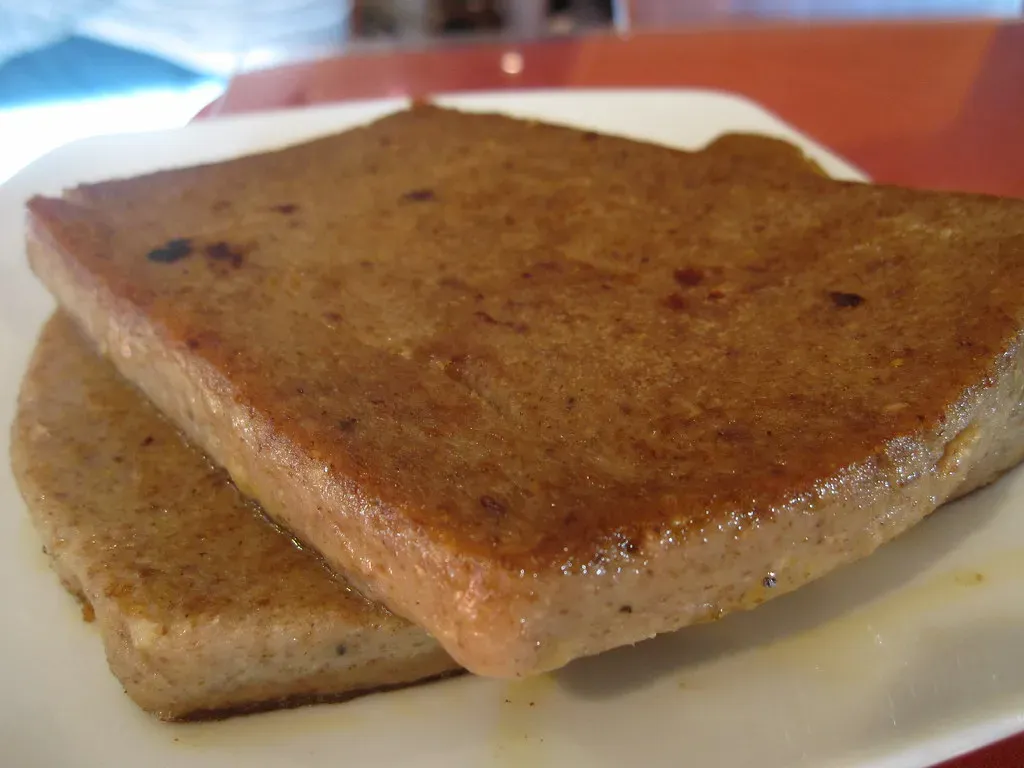
Scrapple embodies the soul of waste-nothing cooking. Made from pork scraps combined with cornmeal and spices, it was a breakfast staple. Pennsylvania Dutch communities perfected this dish, using literally every part of the pig after butchering, they'd mix pork scraps with cornmeal, form it into loaves, then slice and fry it until crispy. The result is something magnificent: crisp on the outside, tender within, delivering a peppery, savory punch.
Here's the thing though. Though it's less common now, especially outside Eastern regions, scrapple remains a nostalgic favorite for those who appreciate traditional comfort foods, yet outside the Mid-Atlantic region, most Americans have never heard of it, much less tasted its peppery, porky goodness. This dish is slowly slipping away from our collective memory, replaced by convenient breakfast sandwiches and frozen options that lack any connection to heritage or place.
Mock Turtle Soup: America's Ingenious Imitation
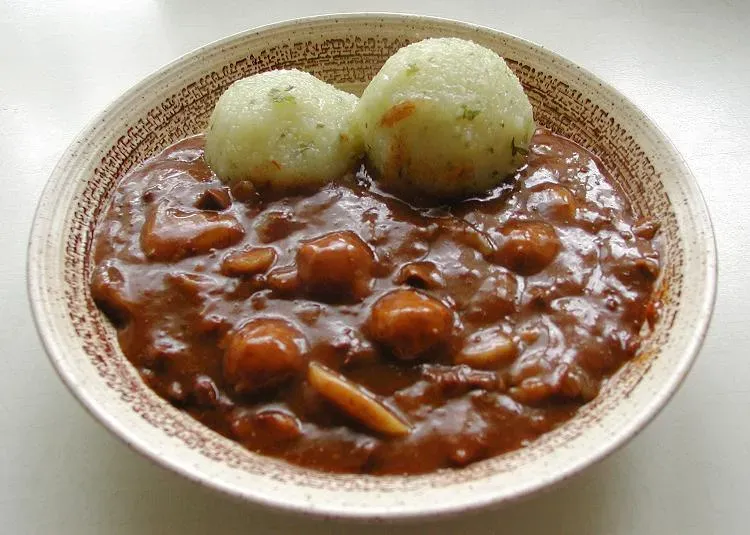
This soup tells a fascinating story about culinary democracy. Mock turtle soup was invented as an imitation of real turtle soup, using beef or veal instead of turtle meat, and in the 19th and early 20th centuries, it enjoyed popularity, especially when actual turtle soup became less accessible. The genius of this dish was its accessibility, bringing aristocratic dining to everyday tables.
This soup represented culinary ingenuity, taking expensive aristocratic dining and making it accessible to everyday Americans, created with ground meat, hard-boiled eggs, and rich spices, it mimicked the texture and flavor of actual turtle soup without the exotic ingredient. By the mid-20th century, though, both the original and the imitation had vanished from most kitchens. Today's diners would struggle to even imagine what this once-beloved dish tasted like, a testament to how quickly food traditions can evaporate.
Turtle Soup: Endangered by Environmental Protection
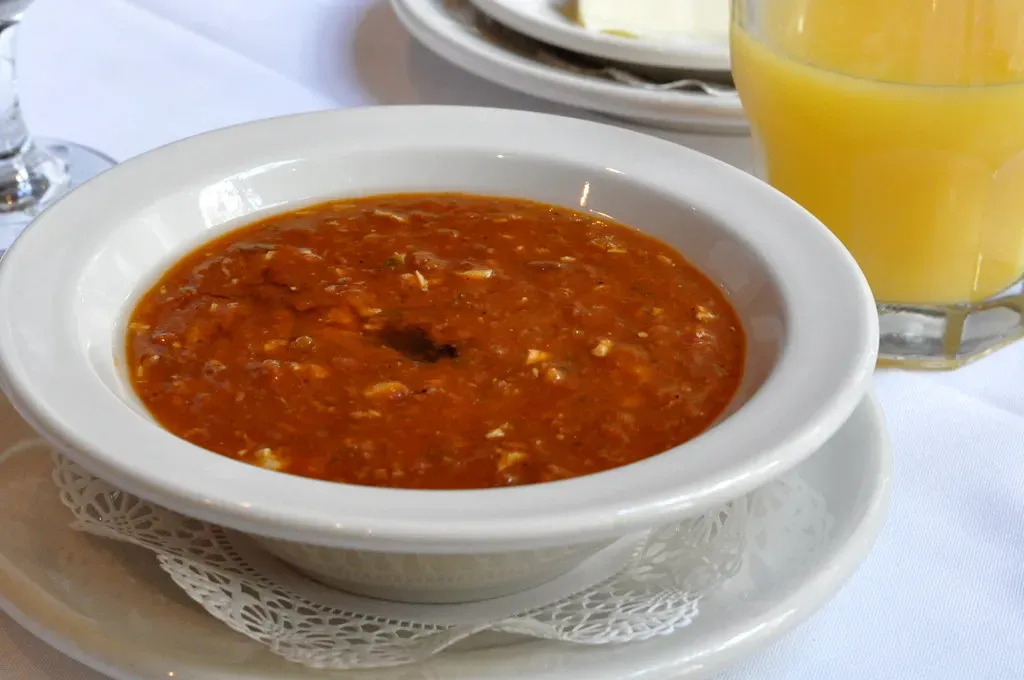
Speaking of actual turtle soup, this dish faces extinction for different reasons entirely. The commercial collection of several species of snapping turtle, the most popular kind of turtle for soups and stews, is outlawed pretty much everywhere, and the alligator snapping turtle in particular was almost wiped out by the 1970s due to the massive amounts of turtle meat people used to eat.
The soup that once graced the tables of Maryland's finest establishments is now barely a memory. While not illegal, turtle soup is pretty uncommon in the US today. Environmental protections saved the species but effectively ended the culinary tradition. It's a bittersweet outcome, honestly, when conservation and cuisine collide, and sometimes the dish must be sacrificed.
Hainanese-Style Breakfast: Singapore's Charcoal Tradition

The locale has been serving a Hainanese-style local breakfast since the 1950s, which typically includes kaya toast, two soft boiled eggs, and Nanyang coffee, and after 60 years, owner Wong Ah Loke still insists on making breakfast the traditional way as he and his wife go to the stall at 4 a.m. every day to set up a charcoal fire, using the embers to warm up toast and heat the coffee percolators.
This isn't just about food. It's about ritual. While they no longer roast their coffee beans, they still make kaya from scratch, mixing coconut milk, eggs, sugar, and pandan leaf to make the distinctive green jam, along with other touches, such as the charcoal embers, and the coffee style of mixing robusta beans with margarine, sugar, and maize, this is why customers keep coming to their stall. Despite this celebration of hawker food by both locals and visitors, beloved dishes are in danger of disappearing, threatening a crucial part of local culture and identity as experienced hawkers are in their twilight years, and are retiring without passing their knowledge and skills to a successor.
Traditional Artisan Butter: Italian Mountain Heritage
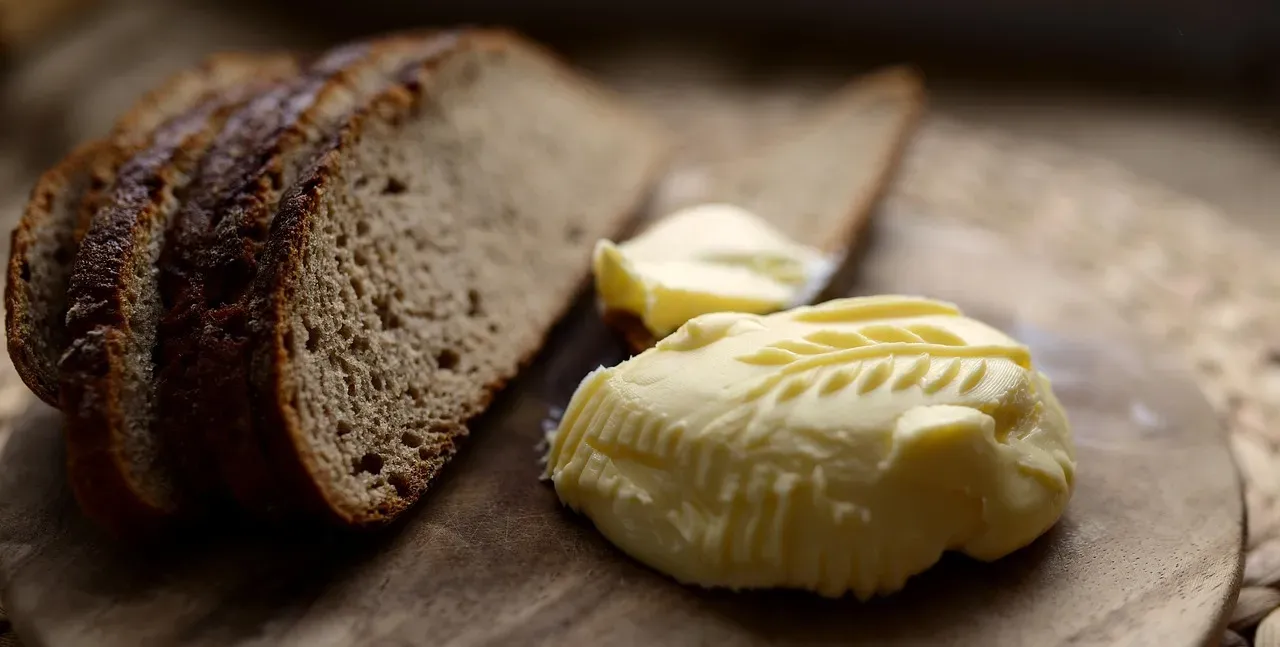
Traditional butter-making in the Italian Alps represents a living link to the past. The butter is made from the small yield of raw cream from his handful of cows, for home consumption or neighbourly barter, and what is more fascinating, is that I have identified different butter makers from that same valley who make it in this way, and the difference in taste is astonishing.
To top up his income, my friend works in a 'legitimate' creamery in the town below, where he dons a blue hairnet and whites, adding a lab-made starter culture to cream for butter and cheese making, and when I came to try and buy some of his real, home-made butter, he wouldn't sell me any out of shame for the 'unclean' way he makes butter in the face of the 'proper' way they do it in the creamery below, along with a genuine fear of being hounded by the ASL (Italian Food Safety Board). Modern safety regulations, while well-intentioned, sometimes criminalize traditional methods that have sustained communities for centuries. The irony is painful.
Salers de Buron: Ancient French Cheese Under Pressure
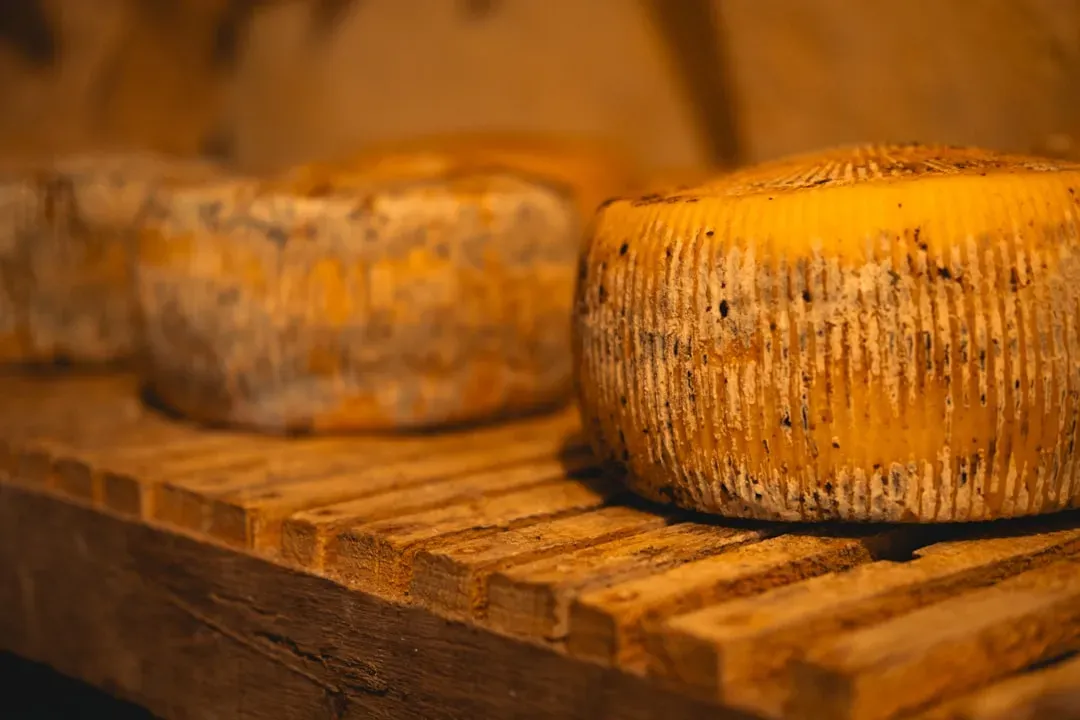
I joined the producers of Salers de Buron, a huge cheese from the Auvergne whose size reflects its cultural clout, the recipe must be a few thousand years old, and it is made in the same wooden barrel that is taken into the field, and into which the milk is poured, as Marcel and his two other herders have no need – or even concept of – having to add starter cultures; the wood of the barrel itself is home to a unique family of cultures, sustained over its long heritage which exists in no small part because the barrel is never washed.
Think about that for a moment. A barrel that's never washed, harboring cultures passed down through millennia. Salers is one of the most extraordinary cheeses I have eaten, utterly unique in its complexity and inimitable 'wild' character, and it far predates any notions of health and safety as we think of it now. Yet this ancient practice faces mounting pressure from modern regulations designed for industrial production, not artisanal heritage.
Carolina Gold Rice: Rescued from Near-Extinction
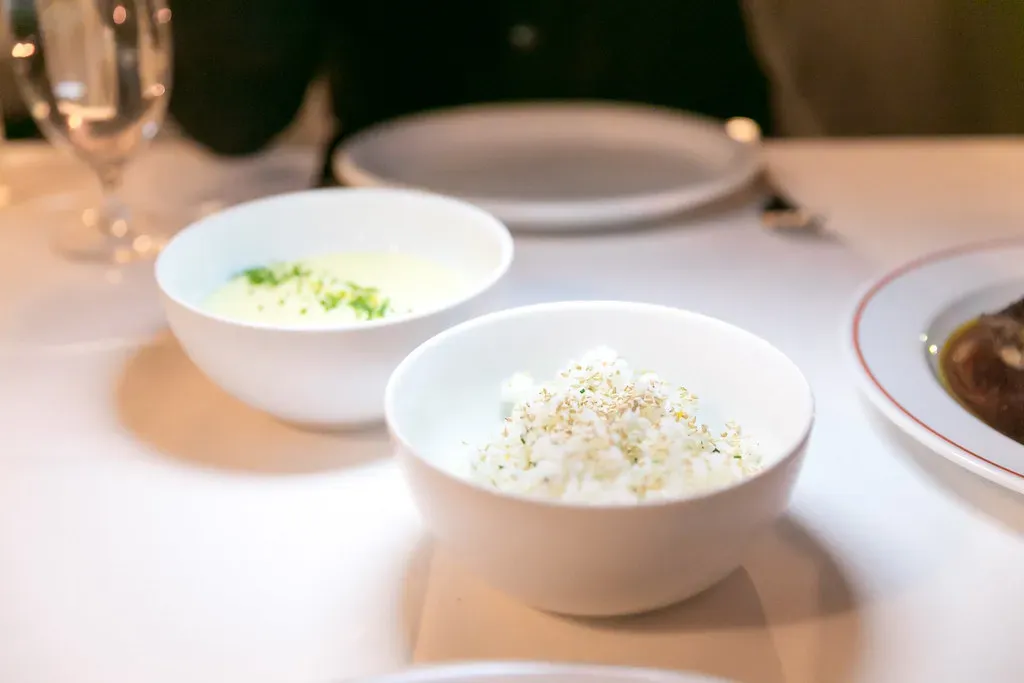
A longtime professor at the University of South Carolina and chairman of the Carolina Gold Rice Foundation, he has tracked down 45 ingredients over the course of 20 years, helping bring back into recognition and cultivation crops such as the Abada date, in California, and Carolina Gold rice - famously saved from the brink of extinction by a network of researchers, farmers and chefs, as regional figures such as Anson Mills founder Glenn Roberts and Gullah Geechee chef and foodways expert BJ Dennis have assisted in his decades-long search for underrepresented or forgotten ingredients, and, importantly, their origins.
This rice variety nearly disappeared entirely. Research in South Carolina helped identify what had been mislabeled "flint corn" as the Catawba flour corn, which had been previously lost in the Catawba Nation, and unearthed a sugar cane variety called Purple Ribbon on South's Carolina's Sapelo Island, inhabited exclusively by African American descendants of those enslaved at a 19th-century sugar plantation. Each rediscovery reveals layers of forgotten agricultural history, often tied to indigenous and African American communities whose contributions were systematically erased.
Traditional Ramps Harvesting: Cherokee Foraging Heritage
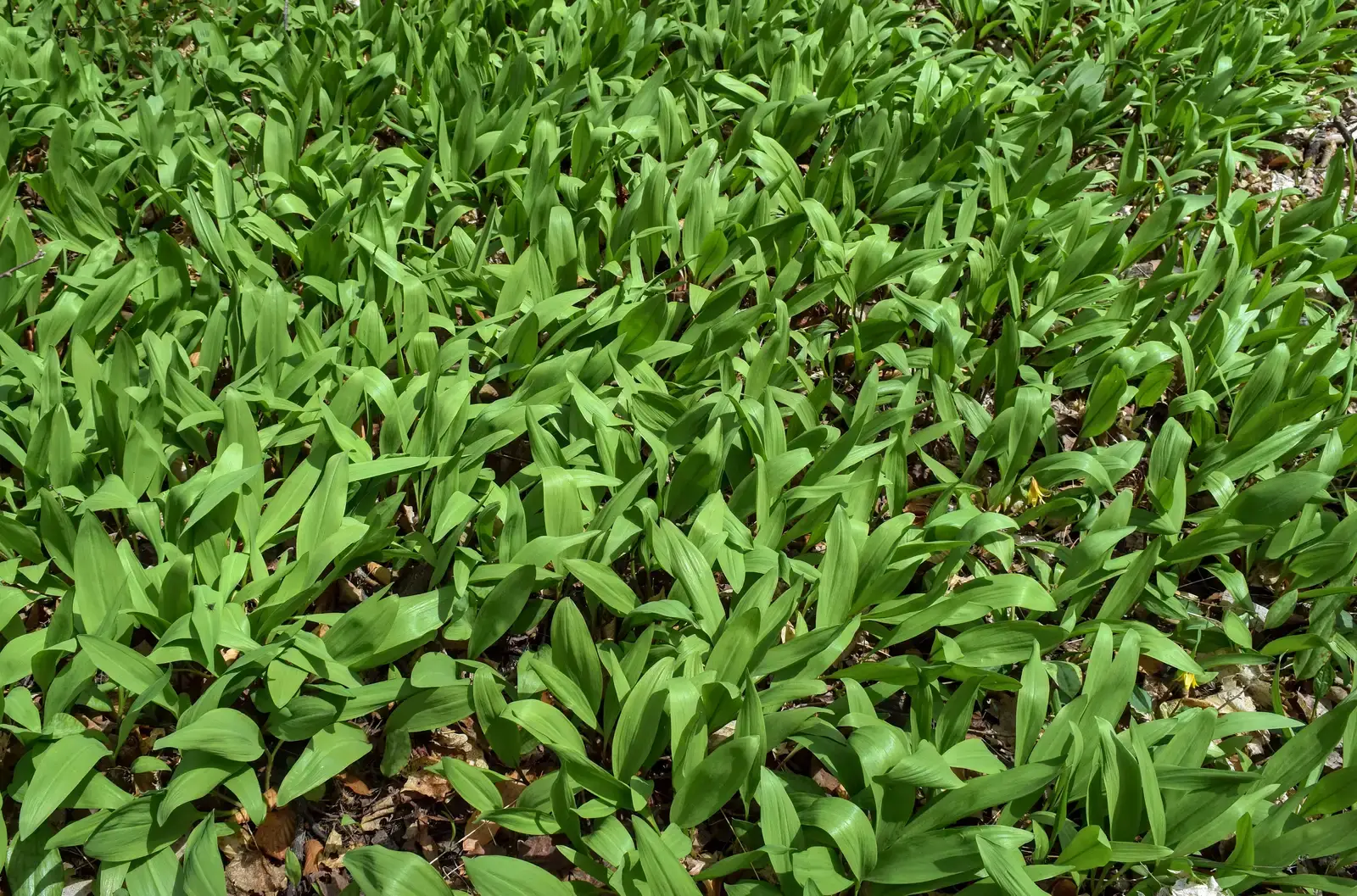
Ramps, long valued as one of the first edible green plants to ripen in the spring, are prized by many people for their flavor and reported medicinal value for treating common colds, earaches, and circulatory disease. Cherokee citizen and anthropologist Courtney Lewis has studied the recent legal and ethical issues surrounding the collection of ramps in the Qualla Boundary, U.S.-designated Cherokee land in North Carolina, because the Great Smoky Mountains National Park (GSMNP) borders the western part of the Qualla Boundary, there had been a long-standing informal agreement allowing Cherokee citizens to collect traditional foods within the park as long as their collection did not endanger any species.
Used as a supplementary food by the Cherokee for generations and eventually adopted by European settlers in the Appalachians, ramps today continue to serve as a link to cultural identity. The conflict between conservation policies and traditional indigenous food practices highlights a troubling reality: bureaucratic regulations often disregard centuries of sustainable harvesting knowledge. It's hard to say for sure, but indigenous peoples managed these ecosystems for millennia before modern conservation agencies existed.
Su Filindeu: The Nearly Lost Pasta of Italy
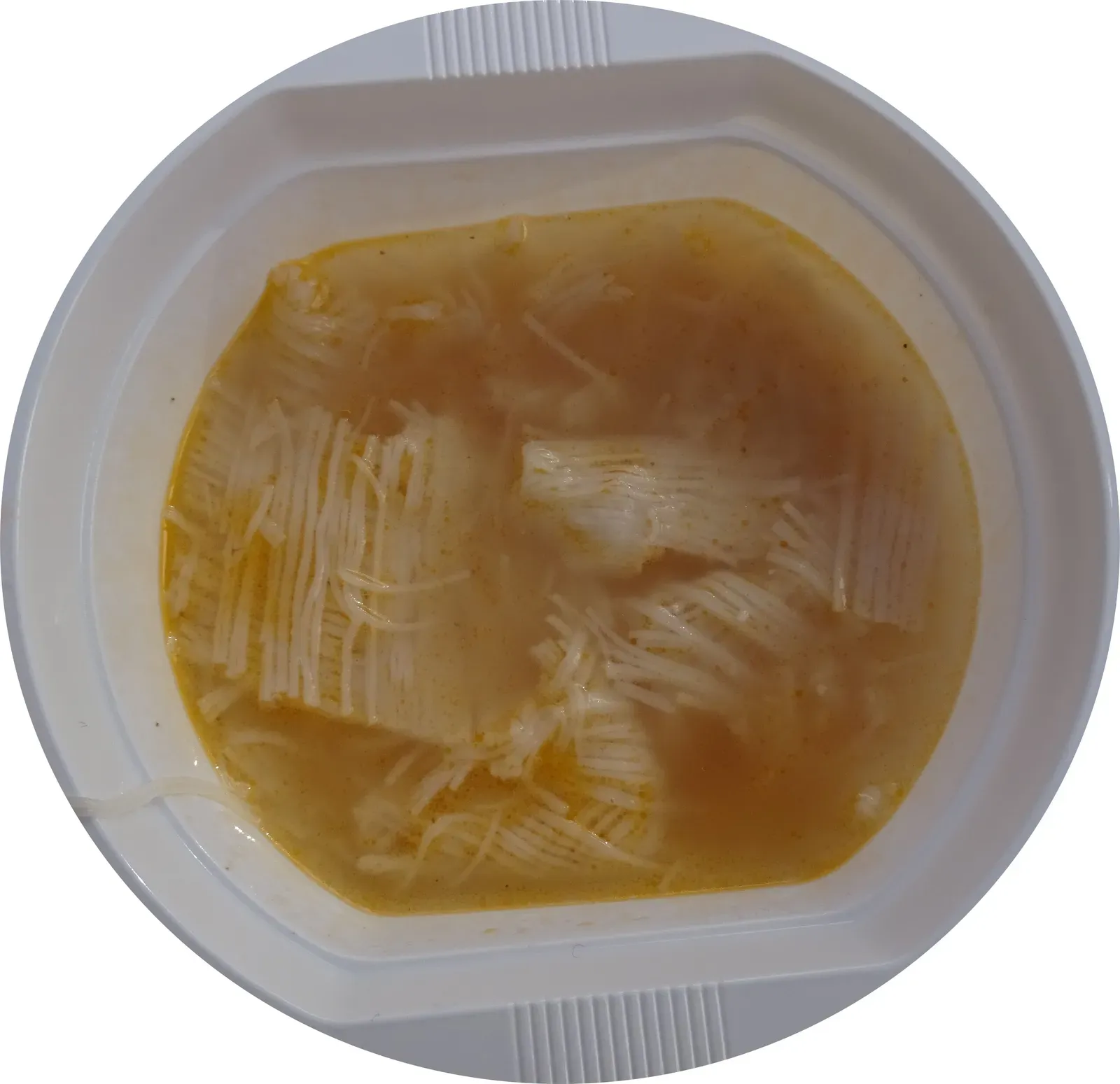
From the nearly lost art of making su filindeu, or threads of god, pasta in Italy. This extraordinary pasta from Sardinia represents one of the rarest food traditions still surviving. Fewer than a handful of women on Earth know how to make it, stretching dough into impossibly thin strands through a technique that has defied mechanical reproduction and defeated celebrity chefs who've attempted to learn it.
The pasta is made exclusively for the Feast of San Francesco and requires such specialized skill that when the remaining practitioners pass away, the technique may vanish entirely. No written recipe can capture the muscle memory and intuition required. This is culinary knowledge that exists only in human hands and minds, impossibly fragile.
Traditional Wild Rice: Indigenous Great Lakes Foodway
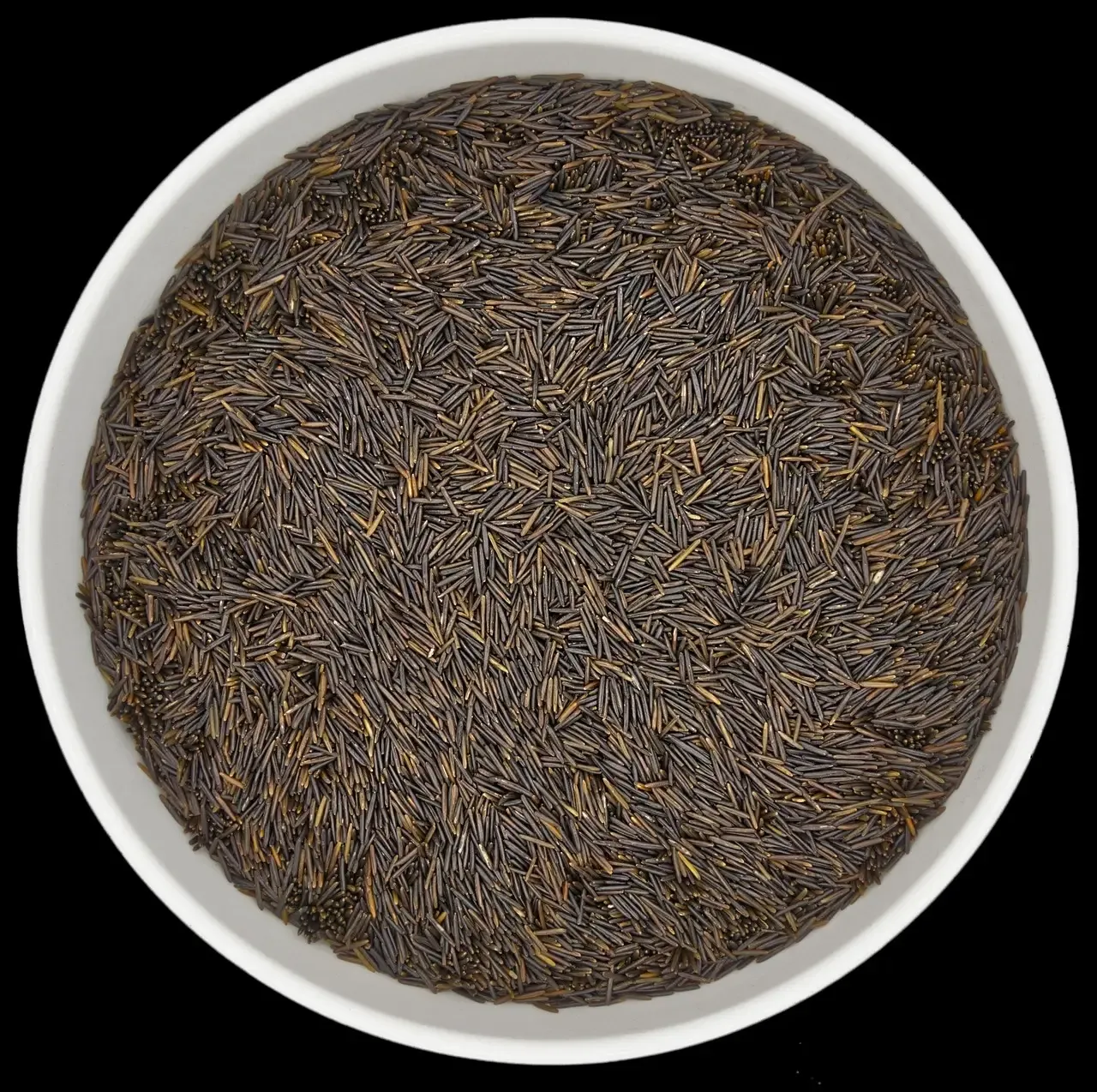
Another great example is wild rice collected around the Great Lakes region as many of the tribal governments like the White Earth Nation, will sell real wild rice, hand harvested and processed on their websites. This isn't the cultivated "wild rice" found in supermarkets. True wild rice requires hand-harvesting from canoes using traditional methods, a labor-intensive practice that connects indigenous communities to ancestral traditions.
When you're talking about endangered foods, as I stepped into this process, I realize that unfortunately you're often talking about indigenous foodways. The vast majority of North American endangered foods trace directly to indigenous communities whose food systems have been systematically disrupted by colonization, forced relocation, and cultural suppression. Supporting these traditions means recognizing the ongoing impacts of that history.



Leave a Reply