
Walk into any American kitchen today and you might spot something surprising simmering on the stove. It's not the latest trendy fusion dish or an Instagram-worthy creation. Instead, it's a simple pot of soup, a humble casserole, or even a dessert made primarily from water. These are the meals of the Great Depression, and they're making an unexpected comeback nearly a century later.
Food prices in December 2025 were 3.1 percent higher than in December 2024, pushing families to seek creative solutions at mealtime. With rising food costs and a growing interest in reducing waste, Depression-era cooking is officially a thing. Let's be real, when grocery bills start feeling like mortgage payments, people get resourceful. So let's dive in to discover which vintage recipes are quietly returning to dinner tables across America.
Hearty Soup Taking Over Kitchens Again
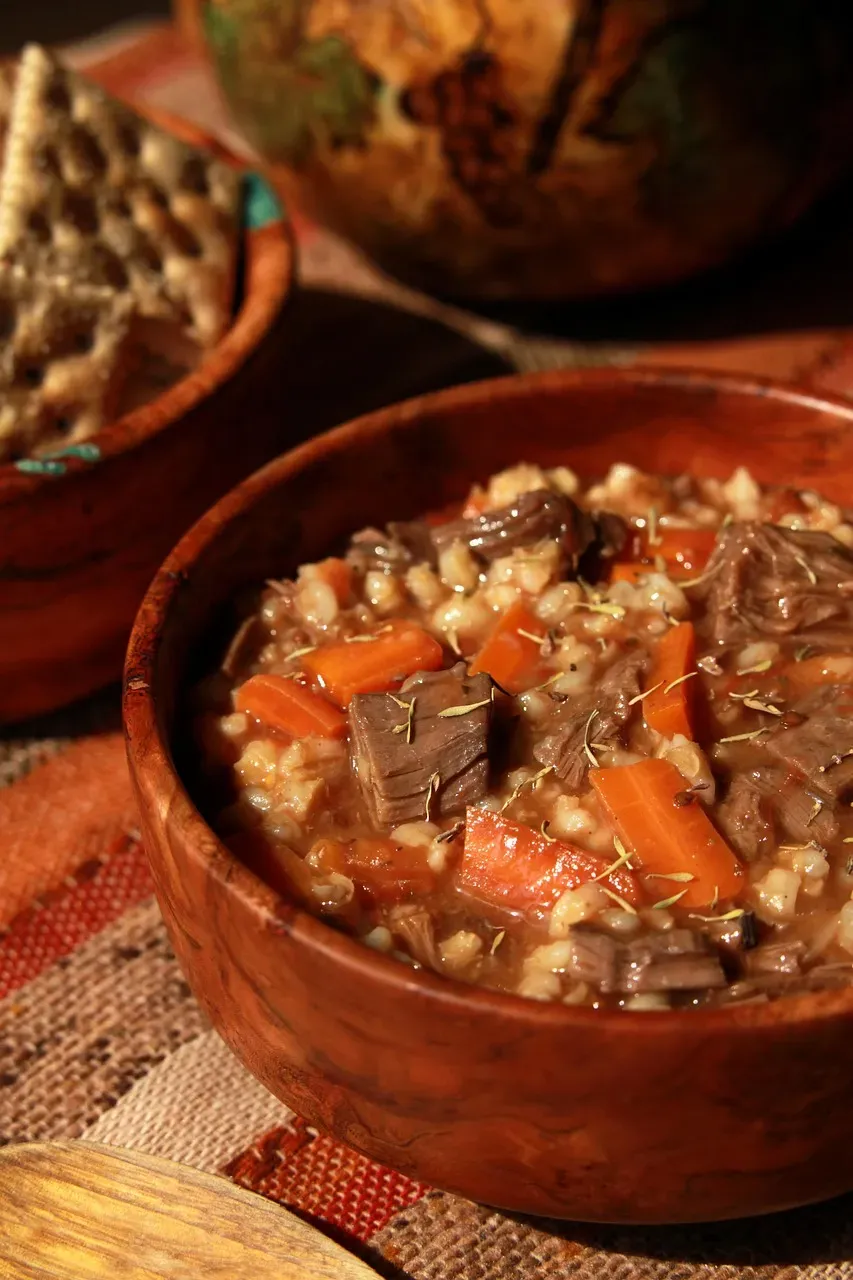
Soup has transformed from a sick-day comfort food into a legitimate dinner solution. Campbell's has seen a notable rise in sales of both broth and condensed soups in 2025, with continued growth in the soup market expected over the next few years. The reason behind this resurgence mirrors exactly why it dominated Depression-era tables.
People across the U.S. are cooking more meals at home to save on food costs, and just like during the Depression, soup is a healthy and filling option. Honestly, it's hard to beat the practicality. You can throw nearly anything into a pot, add water or broth, and create something that feeds the entire family. What once kept families alive during the 1930s now helps modern households stretch increasingly tight budgets.
Navy Bean Soup Becoming a Pantry Staple
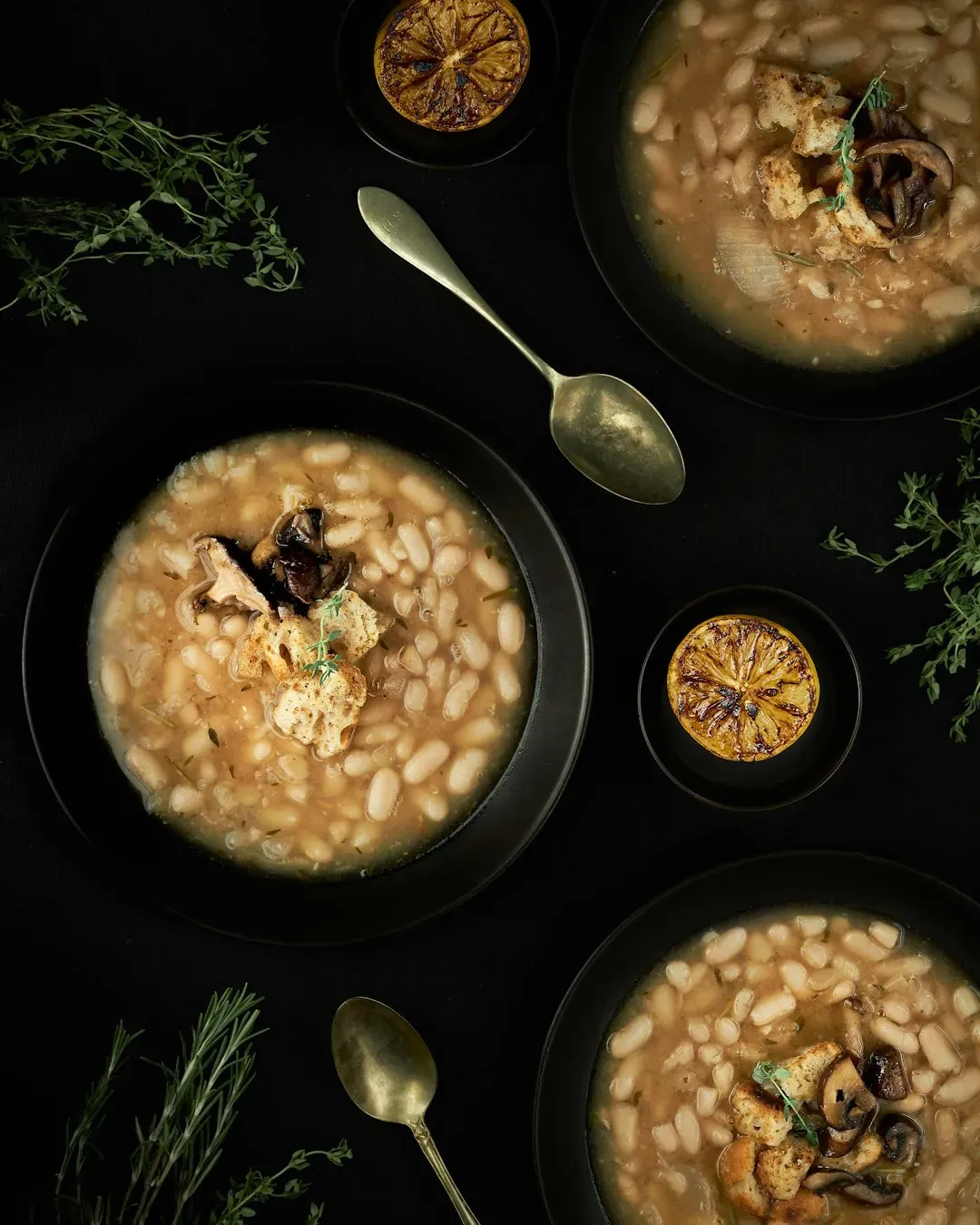
Navy bean soup represents the perfect intersection of affordability and nutrition. Navy beans are an excellent source of fiber and (at the time of writing) an entire bag of dried beans is less than $1.50. That kind of value is nearly impossible to find elsewhere in the grocery store, especially when meat prices keep climbing.
Navy bean soup is experiencing a revival thanks to its affordability, nutritional value, and comfort factor. Some cooks have also brought renewed attention to the dish by adding contemporary twists, like using liquid smoke for a greater depth of flavor, or blending a portion of the soup for extra creaminess. The beauty lies in its adaptability. Modern cooks are respecting the spirit of the original while making it work for today's palates.
Hoover Stew Making a Humble Comeback
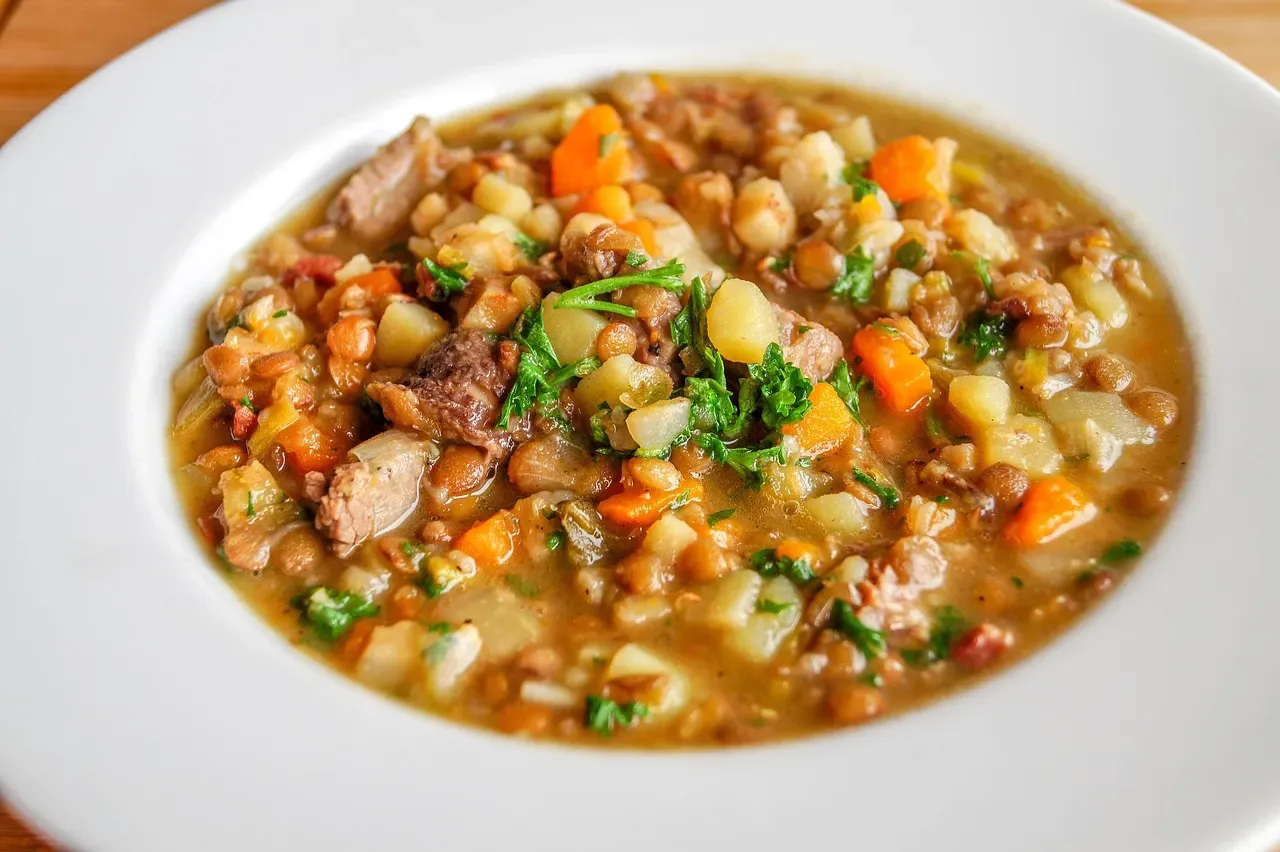
Hoover stew, served at soup kitchens, became known as such because shanty towns were named Hoovervilles after the president in office when the Depression began. This Depression food staple is basically a "throw it all in" kind of soup starring canned or boxed pantry goods. "Traditional" ingredients included macaroni, hot dogs, tomatoes, and corn - but during the Depression, none of that was guaranteed to be available, so you just had to make it work somehow.
Here's the thing about Hoover stew: it teaches us flexibility. There's no rigid recipe, just a framework. You work with what you've got, which is precisely the mentality that helped families survive the 1930s. Today's versions might use turkey sausage instead of hot dogs or fresh tomatoes when available, proving that necessity-driven recipes can evolve without losing their essence.
Peanut Butter Bread Returning to Ovens
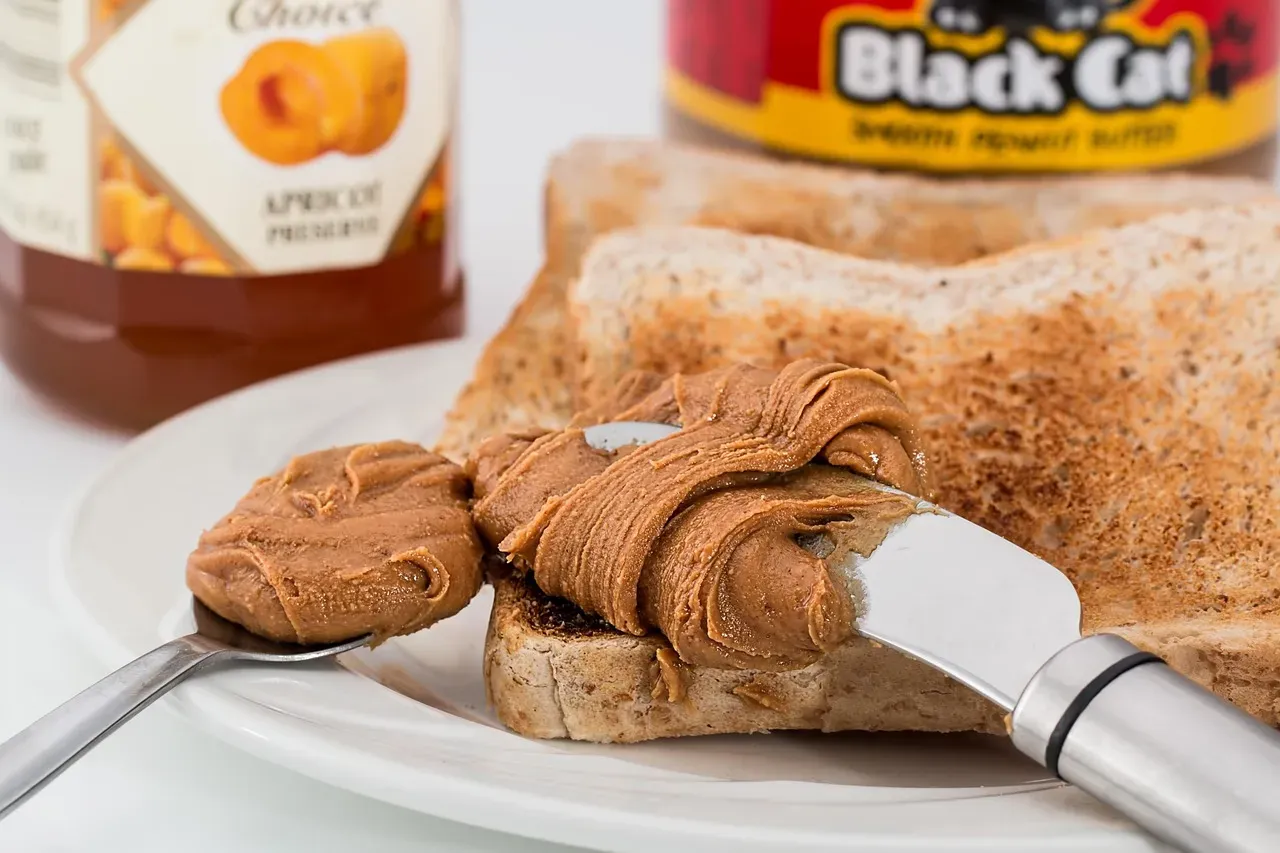
The Depression-era "quick bread" recipe appeared originally in the Five Roses Cook Book from a Canadian flour company in 1932. During the Depression, eggs, milk, and butter were expensive. This peanut butter bread required none of them, making it an easy, protein-rich solution.
Peanut butter bread resurfaced during the pandemic on Reddit as some people found they had more time to play at home in the kitchen, and restaurants being closed spurred others to get imaginative. The bread delivers protein and stays moist without dairy or eggs, making it surprisingly good. It's not just nostalgia driving this trend. It's practical economics meeting genuine flavor.
Water Pie Going Viral on Social Media
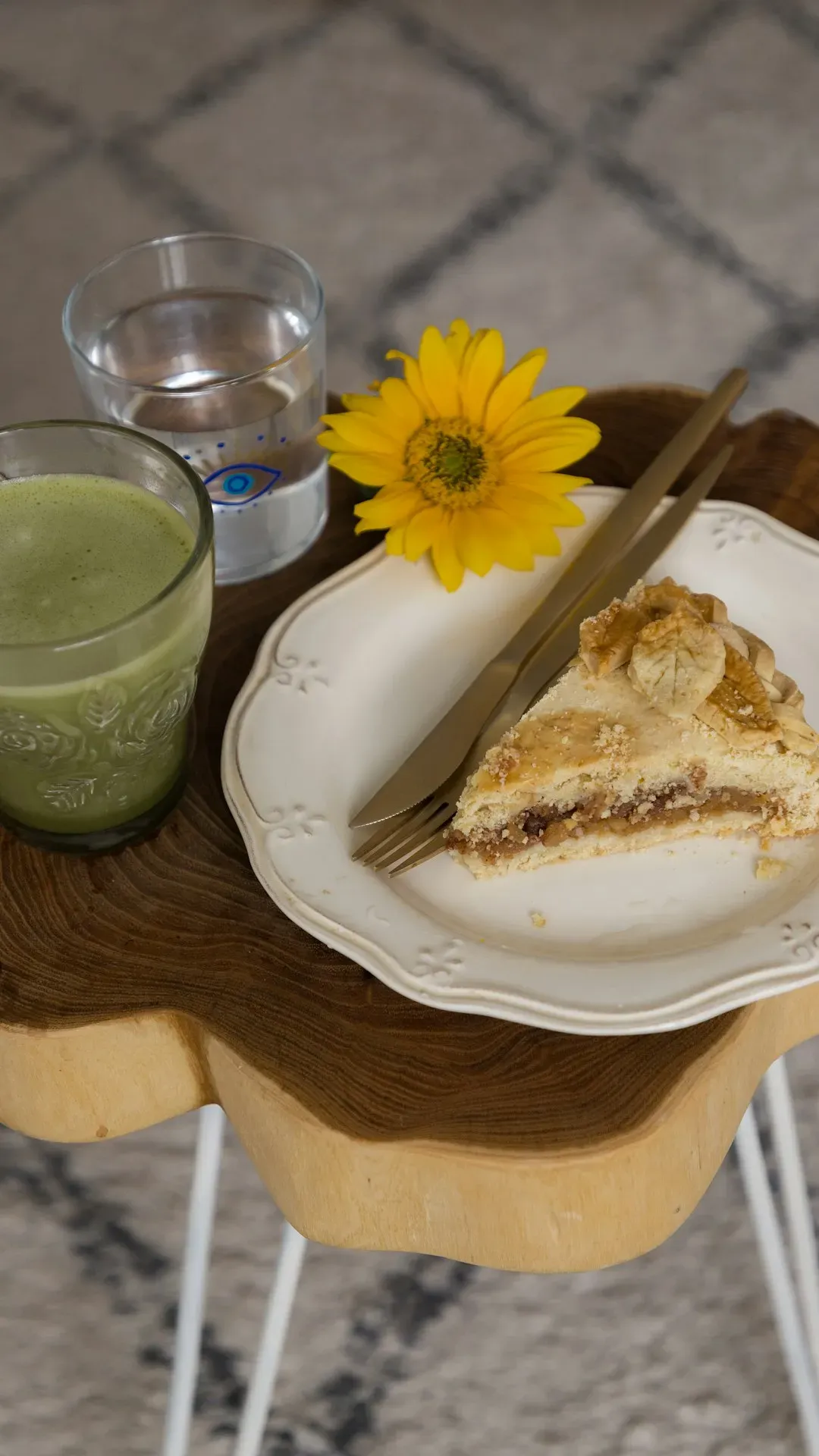
Water pie might be the most astonishing recipe comeback of all. This depression-era water pie has gotten a lot of attention on social media recently. Through versions of the recipe in cookbooks from the Great Depression in the United States, it resurfaced thanks to TikTok users and food blogs in the 2020s, during the COVID-19 pandemic, many of which highlighted its low cost and simplicity.
Despite containing mostly water, flour, sugar, and butter, it has a creamy buttery taste, similar to a custard pie or warm vanilla cookie once it's chilled and sliced. I know it sounds crazy, but chemistry does remarkable things in a hot oven. The ingredients transform into something that shouldn't work yet somehow does, offering dessert when budgets won't stretch to accommodate eggs or cream.
Dandelion Salad Finding New Appreciation
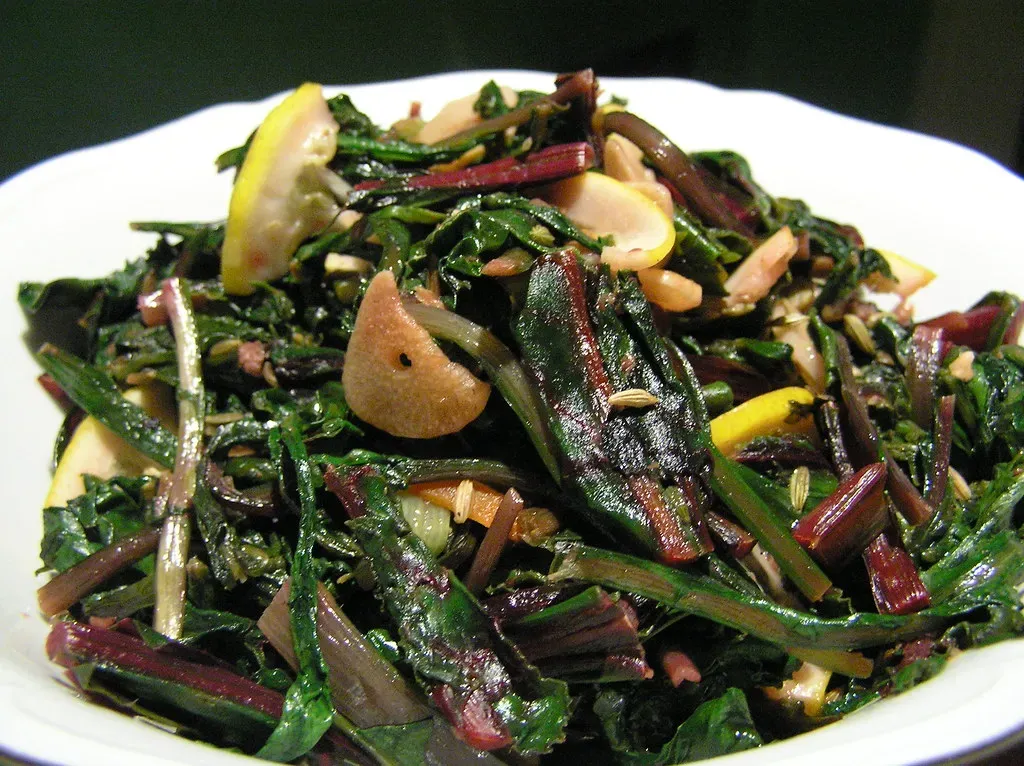
In some areas, foraging became a part of eating during the Great Depression, and hand-picked dandelion salad was something that could be found on the dinner table. Dandelions made for a pretty ingenious addition to the diet: Not only do the weeds grow in abundance, but they also have a slightly tangy edge to them similar to spinach.
So, next time you find yourself paying for a farmer's salad with dandelion greens, think of how during the Great Depression, dandelion greens were a cheap (or free) way to get some much-needed vitamins and minerals - not just a trendy dish. What was once survival food now commands premium prices at farmers markets. Times change, perspectives shift, yet the greens remain the same.
Potato-Based Meals Dominating Menus
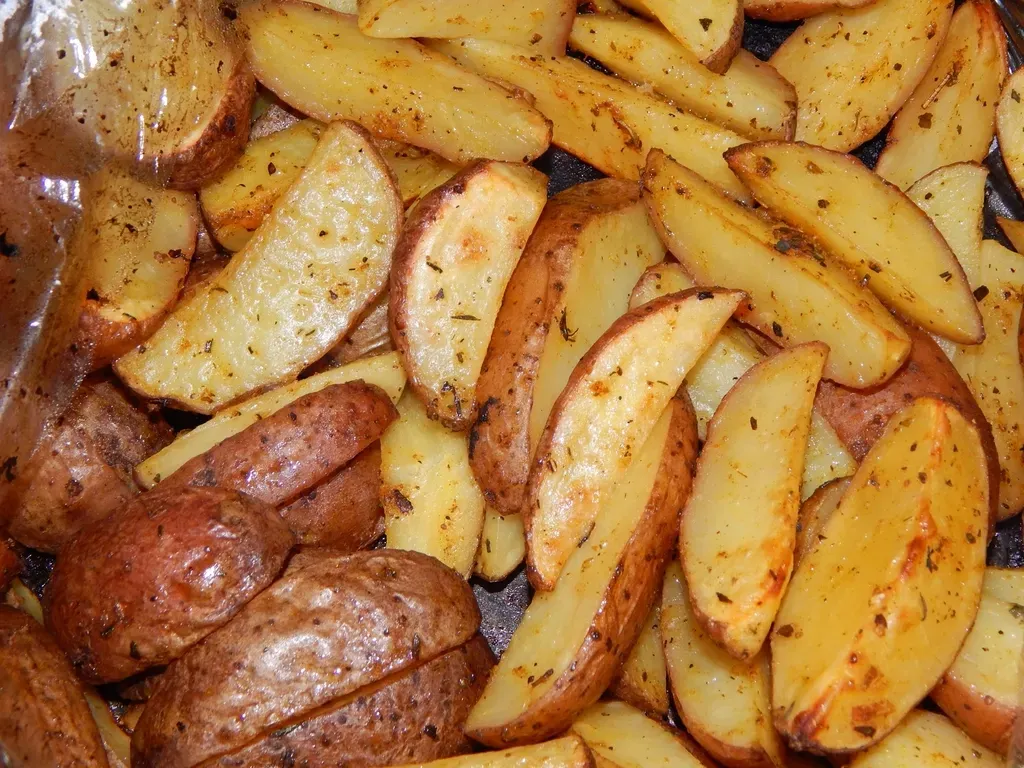
Potatoes were a staple of many meals at this time, but adding them to soup was one of the most popular methods of preparation. Potatoes are hearty and filling, but they're not precious. They're cheap to grow and don't require as much attention as other crops. That versatility made them indispensable during the Depression.
Today, potato dishes are experiencing renewed popularity for identical reasons. Whether mashed, roasted, or turned into pancakes from leftovers, potatoes stretch budgets remarkably well. Depression-era potato pancakes are way ahead of the trend for their ability to transform any leftovers into a new meal. The humble spud continues proving its worth across generations.
Mulligan Stew Returning to Tables
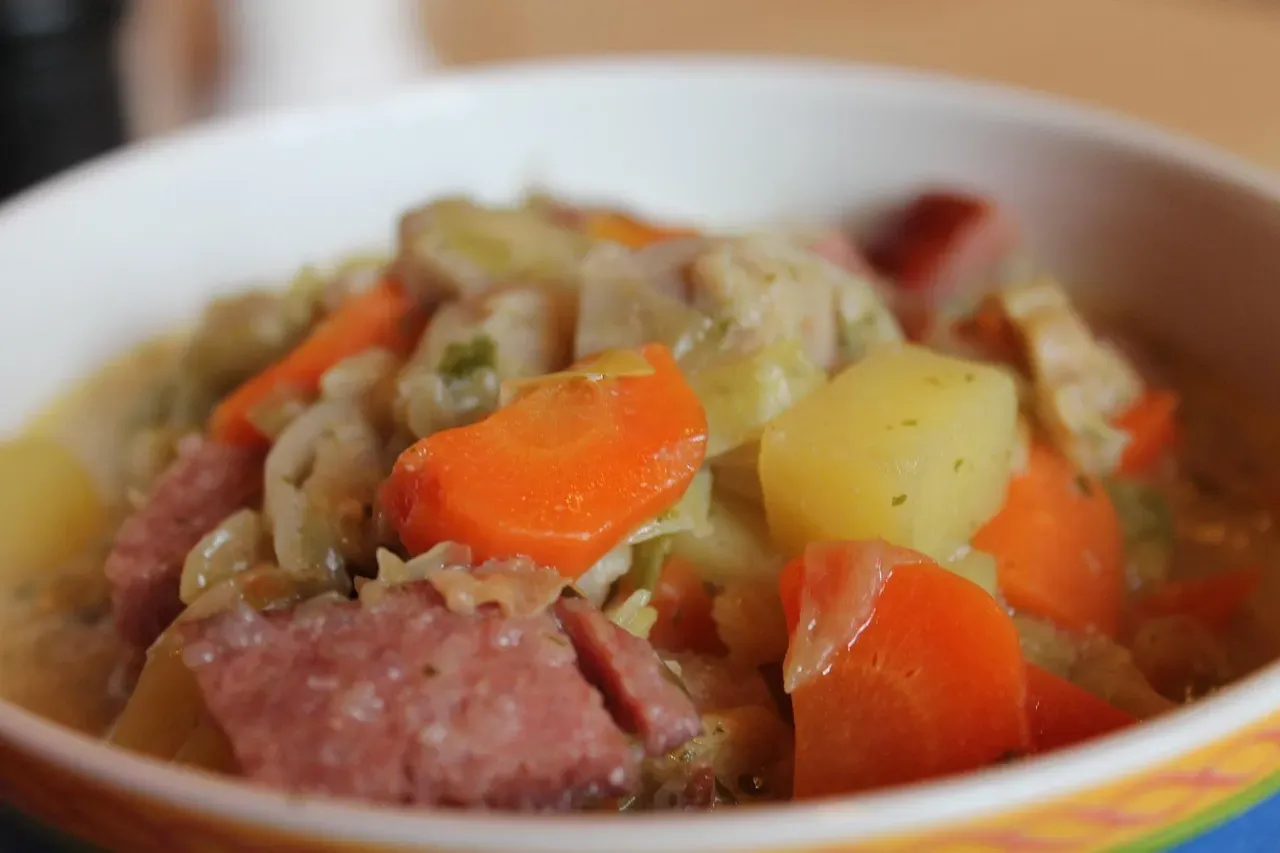
Throughout the Great Depression, increased homeless populations lead to more and more people chipping in to make large pots of Mulligan stew with each day's meal slightly different than the day before. According to Chef Billy Parisi, relatively any cut of beef was commonly used along with carrots, onions, potatoes, navy beans, water, and salt.
The genius of Mulligan stew lies in its communal spirit and infinite adaptability. Every cook adds what they have, creating something greater than the sum of its parts. No matter how it's made, however, Mulligan stew is a filling, cheap, and delicious meal. In a time when community feels increasingly fragmented, perhaps this humble dish reminds us that sharing resources creates abundance.
Cornbread with Milk Gaining Fans
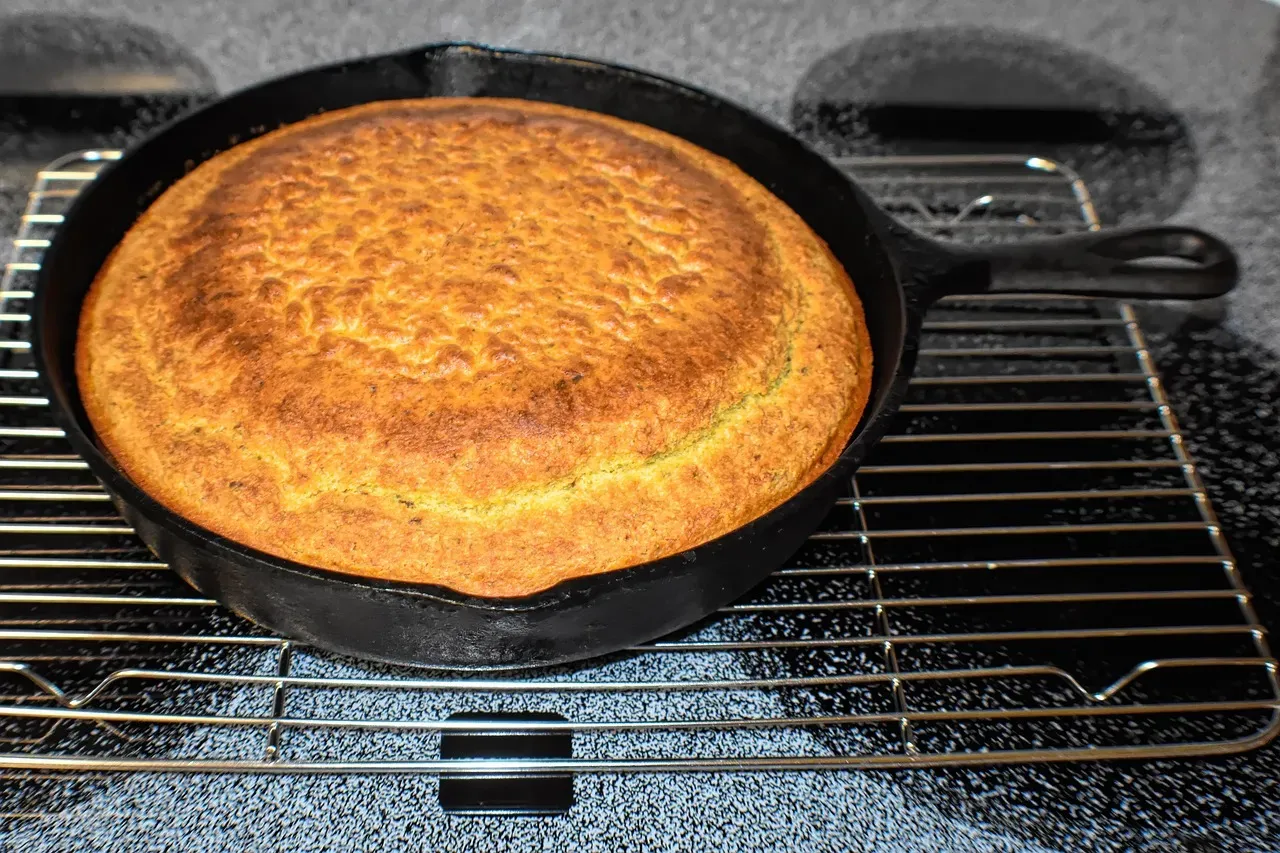
Cornbread in milk was a favorite Great Depression meal. This simple combination required only cornmeal, milk, and perhaps a touch of sweetness. Cornbread was affordable to make, and pouring milk over it turned a side dish into a complete meal that provided both calories and comfort.
Modern families rediscovering this combination often express surprise at how satisfying it feels. It's not fancy, and nobody's winning cooking competitions with it. Yet when resources are tight and comfort is needed, cornbread crumbled into a bowl of milk delivers exactly what's required: sustenance, warmth, and a connection to simpler times.



Leave a Reply