
Ever stared at yesterday's leftovers and thought about giving them one more quick reheat? We all do it. Life gets busy, food gets stored, and that microwave becomes your best friend for transforming cold meals into hot ones again. Here's the thing most people don't realize though: some foods hide dangerous secrets when you hit that reheat button a second time.
According to FoodSafety.gov, 1 in 6 Americans get sick from foodborne illness each year. Microwaves are notorious for cooking food unevenly, allowing harmful bacteria to survive and thrive. While grabbing those leftovers might seem harmless, certain foods undergo chemical transformations or harbor bacteria that no amount of reheating can fix. Let's dive into the foods that deserve a one-time reheat policy, if any at all.
Rice: The Sneaky Bacteria Trap
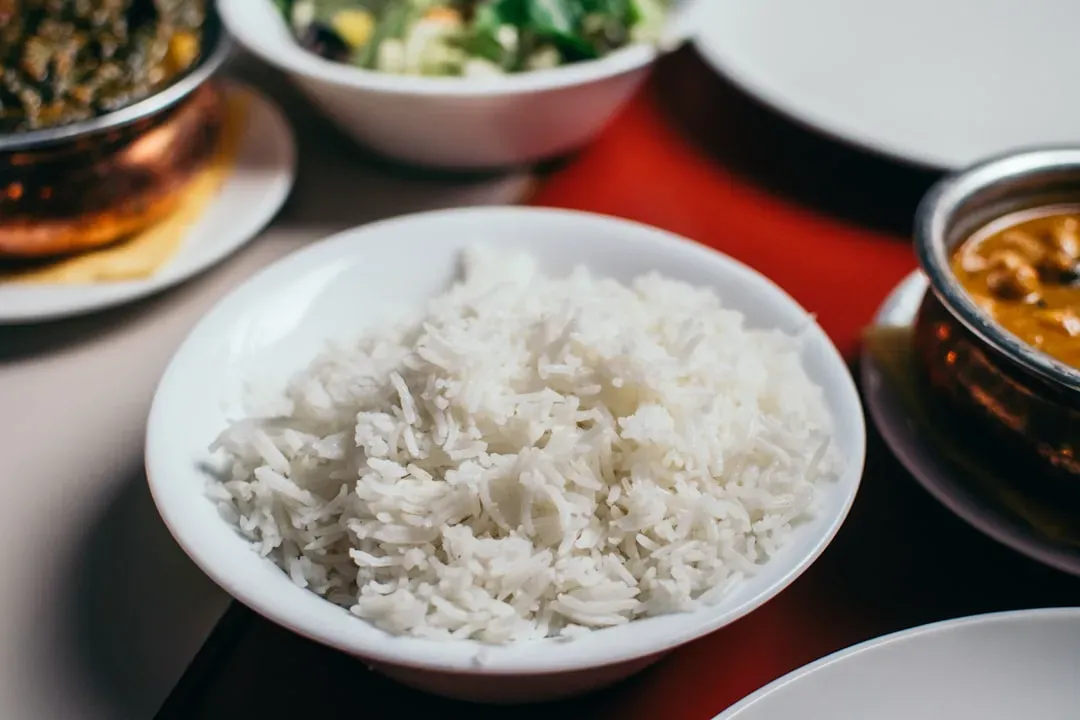
The Centers for Disease Control and Prevention estimates Bacillus cereus causes 63,000 annual cases of foodborne illness in the United States. This bacteria loves rice more than most people do. Uncooked rice can contain spores of Bacillus cereus, a bacterium that survives cooking, and if rice is left out too long before refrigeration, those spores can multiply and produce toxins.
What makes rice particularly dangerous is what happens after cooking. These spores can survive higher temperatures and use spores to make you sick, which can survive your microwave or a quick fry on the stovetop. Even reheating won't destroy the heat-stable toxins that the bacteria produces. The United Kingdom's Food Standards Agency suggests eating rice leftovers within 24 hours if they cool down quickly and are refrigerated within one hour. That second or third reheat? You're basically rolling the dice with food poisoning.
Chicken: When Protein Turns Problematic

Chicken is probably sitting in half the refrigerators across America right now, waiting for round two. When reheated improperly, the protein structure in chicken changes, making it harder to digest and potentially harmful, and if it wasn't stored correctly or heated evenly, bacteria like Salmonella can thrive.
Microwaves often heat unevenly, leaving cold spots where bacteria survive, so always reheat chicken to an internal temperature of 165°F and avoid reheating it more than once. Salmonella and Campylobacter bacteria thrive in the protein-rich environment of cooked chicken left in the temperature danger zone (40°F-140°F). The scary reality is that your chicken can look perfectly fine and still harbor these invisible threats. I know it sounds crazy, but that seemingly innocent leftover chicken breast could send you to bed with serious stomach trouble if you've reheated it multiple times.
Mushrooms: The Protein Breakdown Nightmare

Mushrooms are delicate little things, far more fragile than their earthy appearance suggests. Mushrooms are protein-rich, making them particularly sensitive to temperature changes, and reheating them can alter their composition and lead to digestive issues or even food poisoning.
Expert Home Tips notes that if mushrooms are not refrigerated quickly after being cooked, their complex enzymes and proteins will begin to break down, making them susceptible to dangerous bacteria, and on reheating, some of the proteins break down, producing certain toxins that can lead to upset stomach and digestive problems. According to the European Food Information Council, if cooked mushrooms are kept in the fridge for no longer than 24 hours, they can safely be reheated to a temperature of 158 degrees Fahrenheit or 70 degrees Celsius. The key word there? Once. After that first reheat, those mushrooms need to become part of a cold salad or just get tossed.
Spinach: The Nitrate Converter
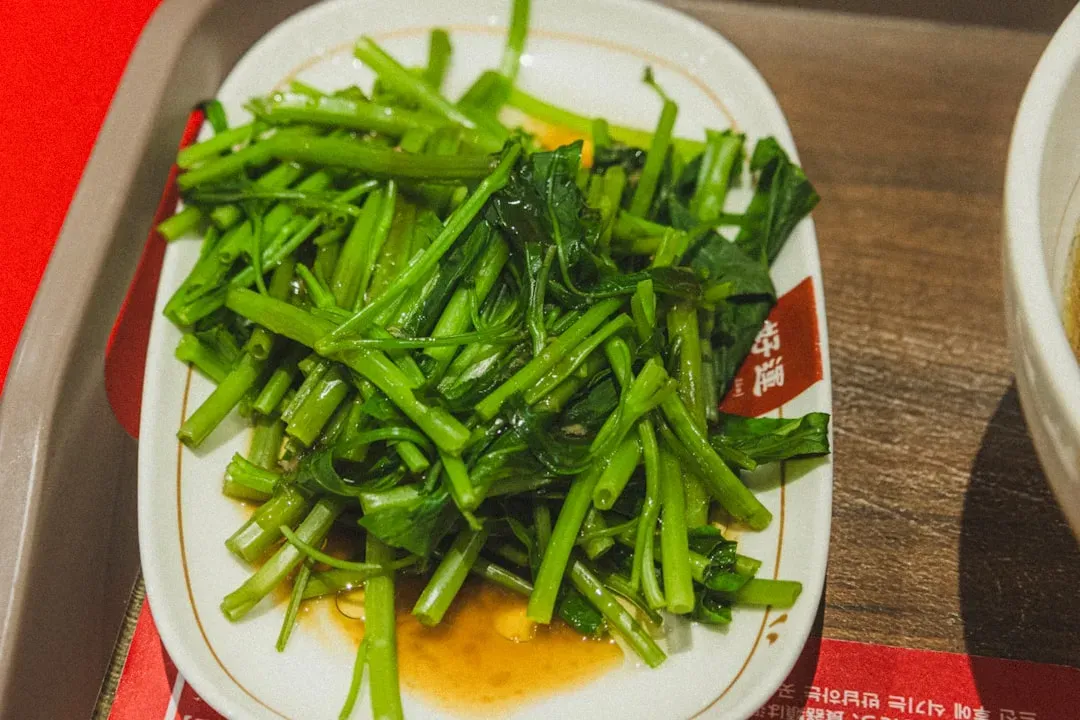
Spinach is packed with nutrients, but it also contains nitrates that can become dangerous when reheated, and when exposed to heat a second time, these nitrates can convert into nitrites and then into nitrosamines, compounds that have been linked to cancer. This transformation happens specifically during repeated heating cycles.
A study published in the scholarly journal Foods recommends not storing boiled spinach for more than 12 hours at room temperature to avoid direct nitrate safety risk. Let's be real here, most of us aren't rushing to eat reheated spinach anyway because it rarely tastes good the second time around. This is especially concerning for infants and young children. Your best bet is eating spinach fresh or adding it cold to sandwiches and wraps if there's any leftover.
Potatoes: The Botulism Breeder
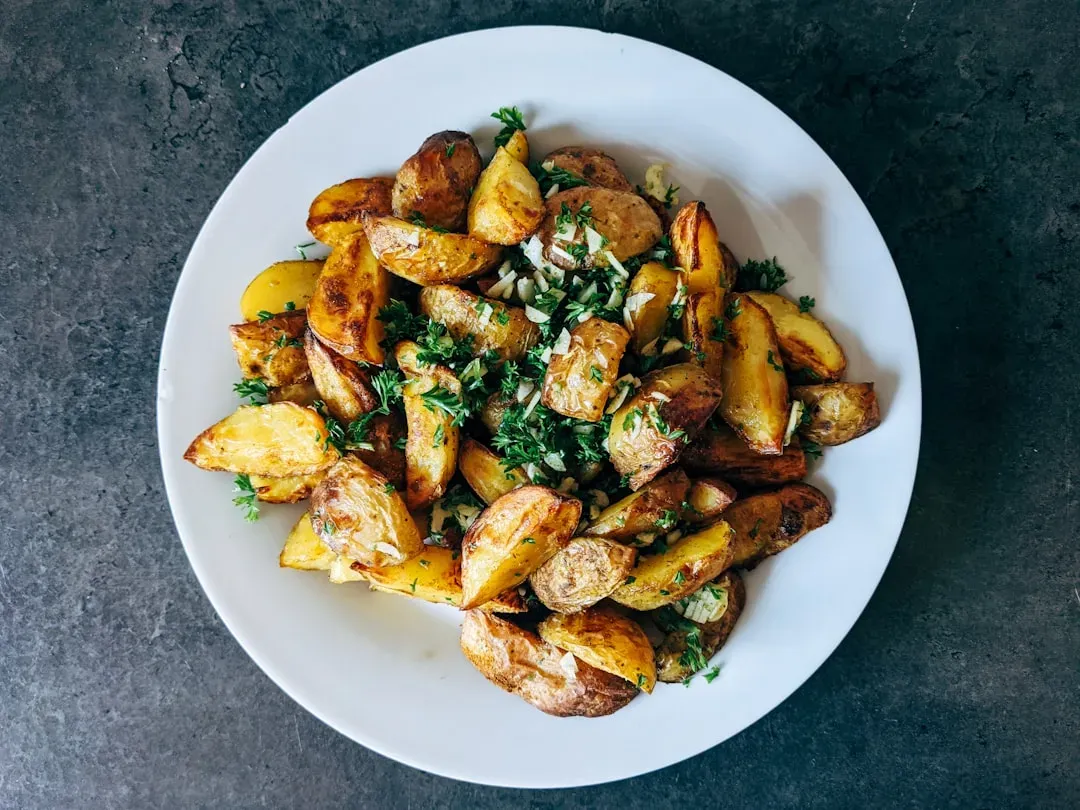
Potatoes have been linked to cases of botulism, which the Centers for Disease Control and Prevention describes as "a rare but serious illness caused by a toxin that attacks the body's nerves." That's not something to take lightly. A botulism outbreak that occurred in 1997, affecting 17 people, was traced back to potatoes stored at room temperature for two weeks.
When potatoes are cooked and then left at room temperature, they create the perfect breeding ground for Clostridium botulinum. The greatest risk for potato-based-botulism comes from baked potatoes stored in the fridge in aluminum foil, as the foil wrapping creates that perfect oxygen-free environment where this deadly bacteria loves to multiply. Store those potatoes properly in the fridge without foil, and seriously consider making them a one-reheat-only food.
Eggs: The Explosion Risk

Eggs are tricky when it comes to reheating, especially if they're hard-boiled. When heated in the microwave, hardboiled eggs can explode due to the rapid buildup of steam inside the yolk, creating not only a mess but also a risk of burns. Honestly, cleaning exploded egg out of a microwave is nobody's idea of a good time.
Eggs can be toxic when exposed to high temperature once they have been cooked, and reheating eggs causes protein to be destroyed and change its composition to become toxic. As long as egg dishes are stored properly and then reheated to a recommended temperature, it's generally considered safe to eat leftover eggs, and reheated eggs are safe to eat as long as they have been initially cooked to 160°F and properly stored. However, texture becomes the real enemy here. Reheated eggs turn rubbery and dry, and after a second reheating, they're barely edible anyway.
Seafood: The Moisture Massacre

Fish and shellfish don't play well with repeat performances in the microwave. The high heat from a microwave can cause the moisture in fish to quickly evaporate, which can cause a very dry, rubbery texture. When reheated, the proteins in fish and shellfish degrade, leading to a loss of flavour and texture, and histamines can form during reheating, which can cause food poisoning symptoms such as nausea and vomiting.
Seafood leftovers should be consumed within 1-2 days to maintain freshness and safety, and if you have seafood leftovers that have been stored for longer, it's best to discard them to avoid foodborne illnesses. Here's my take: seafood is meant to be enjoyed fresh, and while you might get away with one careful reheat, that second round is pushing your luck with both taste and safety. Save yourself the disappointment and potential stomach upset.
Celery: The Hidden Nitrate Danger
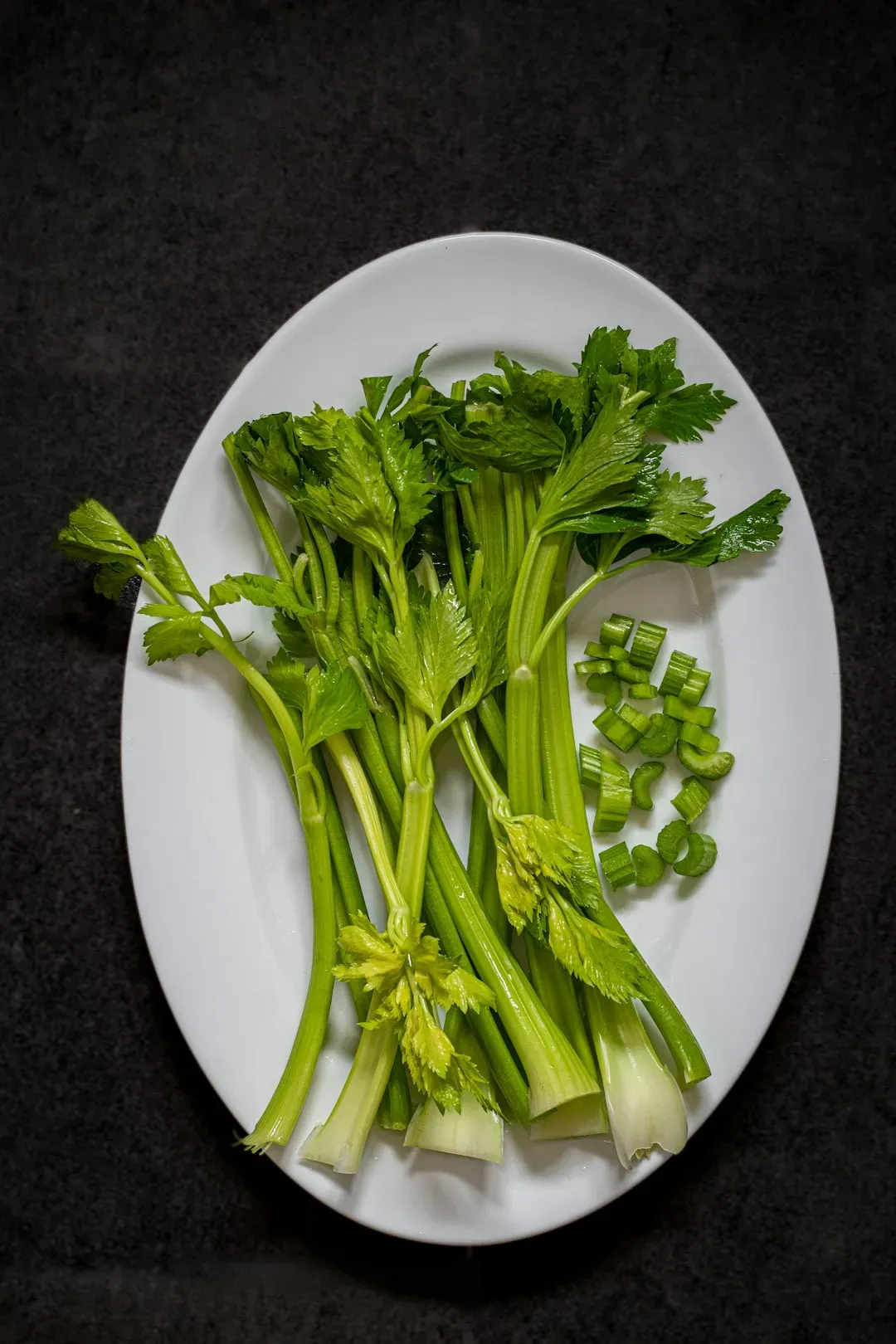
Celery contains nitrates as spinach does, which means that when it is warmed the nitrates transform into nitrites, so it is better to take the celery out of the soup if you want to warm it. These nitrates exist naturally in the vegetable, but heat creates the problem.
An additional danger from nitrites and nitrates occurs when they are heated to high temperatures, producing the carcinogenic compound, N-nitrosamines. This same issue applies whether celery sits in soup, stew, or any other dish you're planning to reheat multiple times. The first heating is usually fine, but subsequent reheats increase the concentration of these potentially harmful compounds. Think about removing celery chunks from soups before that second or third reheat session.
Beets: The Carcinogen Creator
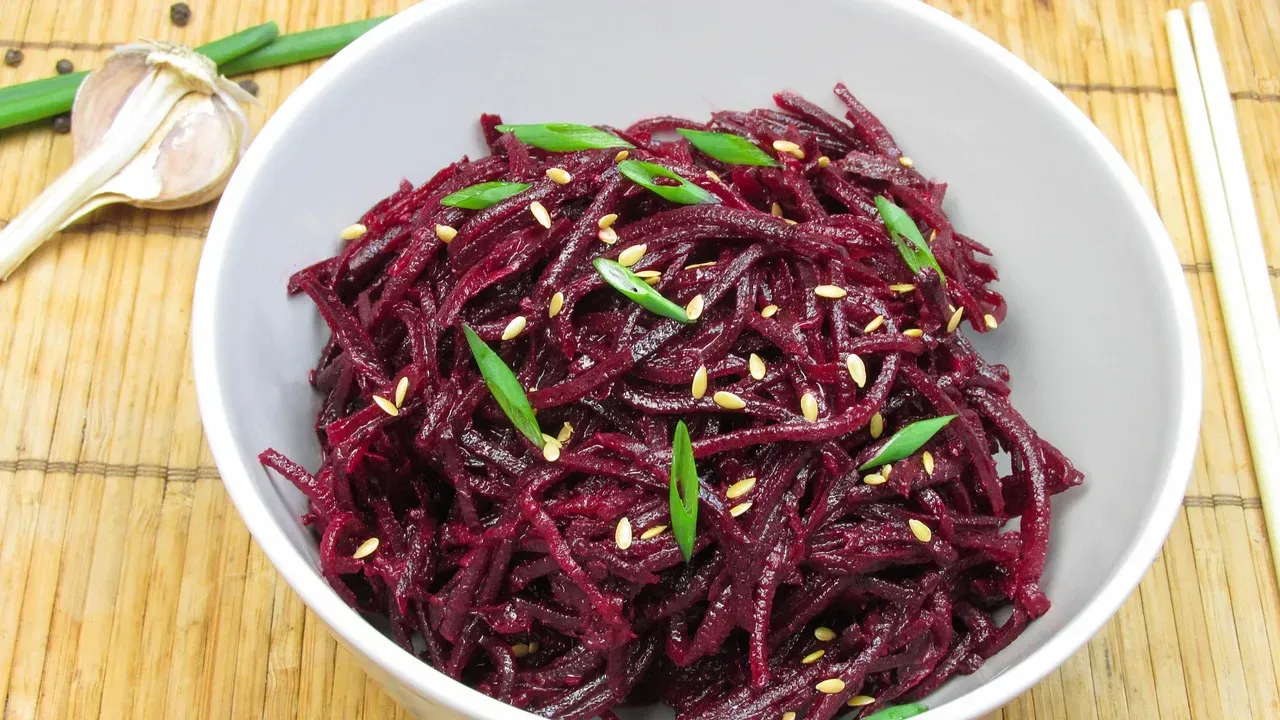
Like spinach, beets are high in nitrates, which can become harmful when reheated. Beets naturally contain high levels of nitrates that convert to potentially harmful nitrites when reheated, and their chemistry changes dramatically with repeated heating.
The vibrant color of beets might make them look harmless, but those same compounds that give them their nutritional punch can turn against you with repeated heating. Leftover beet dishes are best enjoyed cold, which actually preserves more of their antioxidant properties anyway, and for beet lovers who must reheat, do so quickly at high temperatures, and never reheat the same portion multiple times. Cold beet salads exist for good reason beyond taste.
Processed Meats: The Double Danger
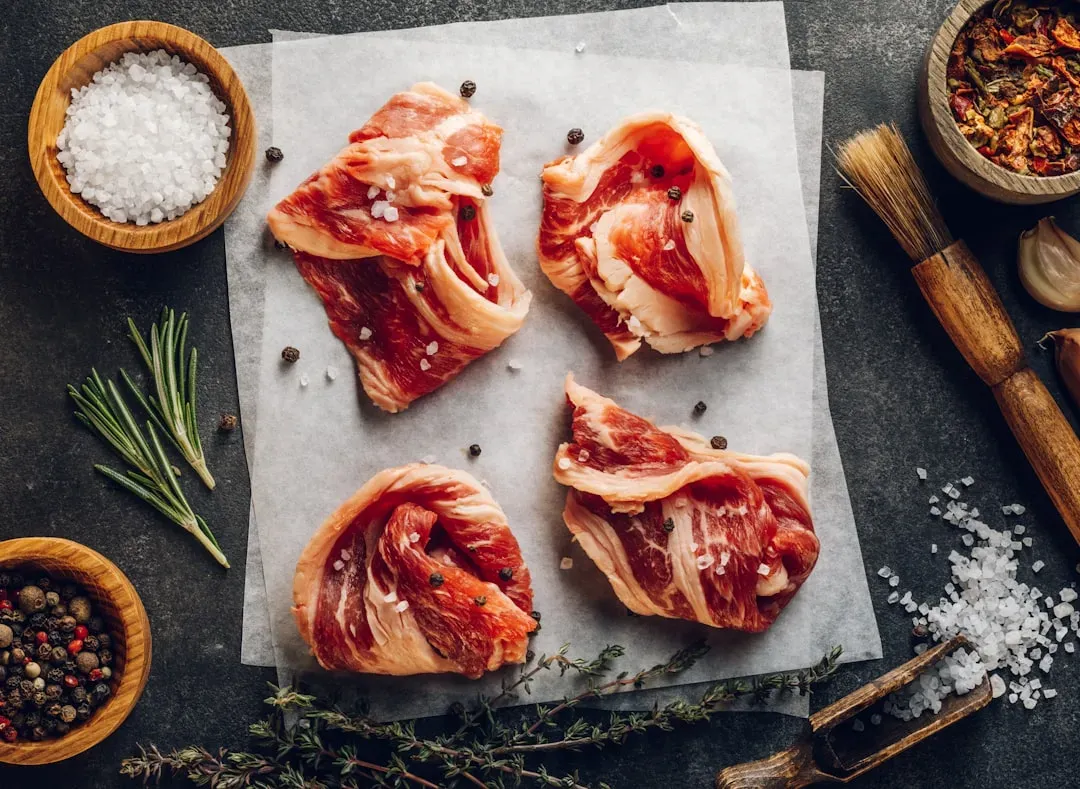
Processed meats are treated with chemicals like sodium nitrite, and while it is good for preserving color, flavor, and freshness, when they get zapped in the microwave or exposed to super high heat they become harmful N-nitroso compounds. According to Healthline, when ingested, these harmful compounds have been attributed to increasing your risk for bowel and stomach cancers.
Anything from bacon to hot dogs to sausages contains high levels of saturated fats, and when heated, saturated fats turn into cholesterol oxidation products, which aren't good for you, and compared to other cooking methods, microwaving and oven grilling leads to the highest amount of COP production. That morning bacon you're thinking about reheating for the third time? Maybe just cook fresh strips instead. Your heart will thank you later.



Leave a Reply