
If you've ever pulled a wobbly, fluorescent Jell-O salad out of the fridge or heard the familiar clatter of a TV dinner tray sliding into the oven, you know exactly what decade we're talking about. The 1970s was a culinary era like no other, defined by convenience, creativity, and a whole lot of things suspended in gelatin.
During the 1970s, the average household spent nearly one-quarter of their income on food, and families needed meals that stretched dollars without sacrificing time. Fast-forward to now, and these dishes have become nostalgic symbols of an era when dinner was served promptly at six and nobody had heard of DoorDash. Let's take a delicious trip back to the dinner table of your childhood.
The Iconic TV Dinner
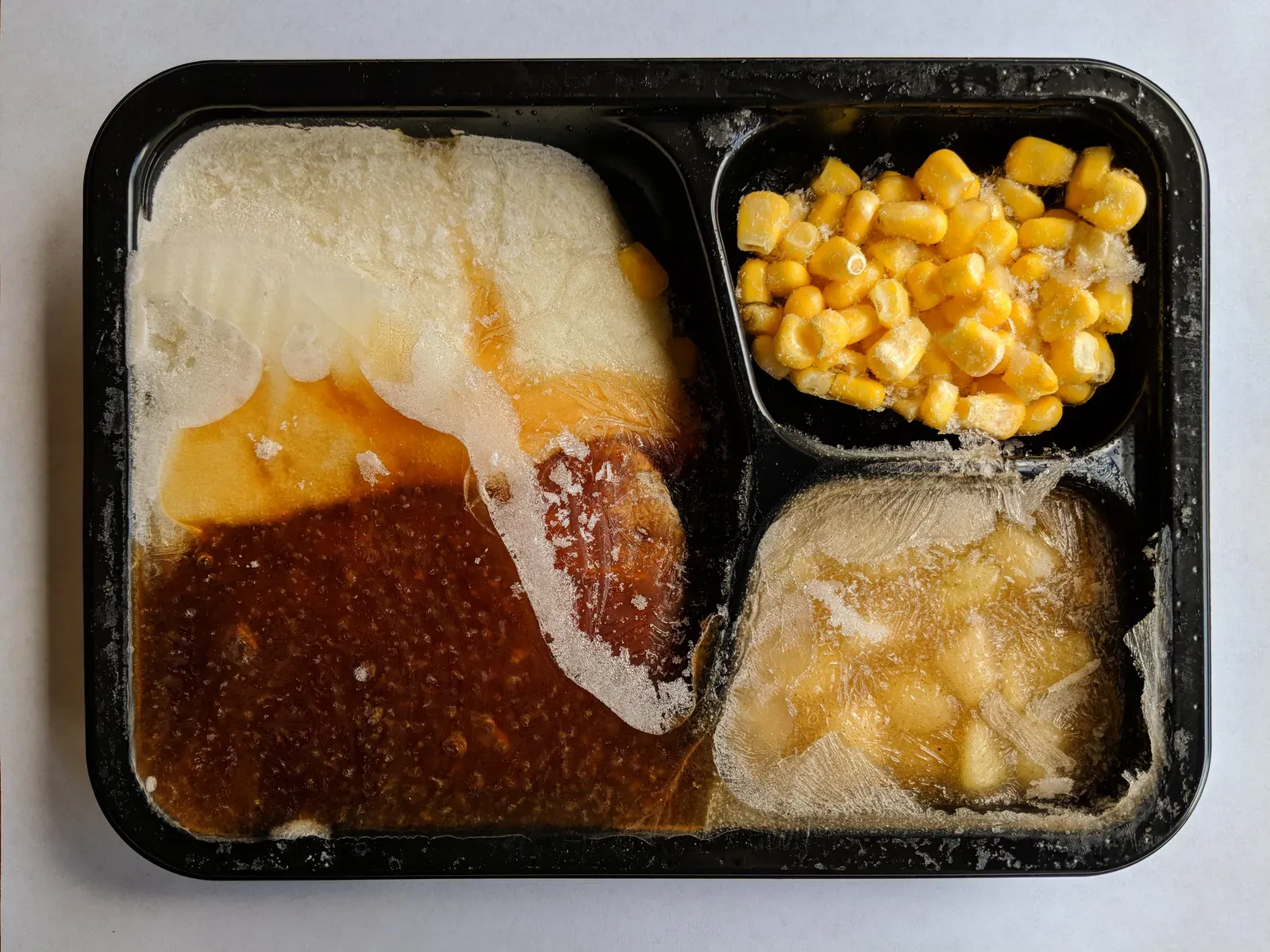
Let's be real, nothing screams the 1970s quite like sliding one of those aluminum trays into the oven. As more women entered the workforce and societal norms shifted in the 70s and 80s, TV dinners became even more ingrained in daily life, offering an entire meal with zero mess and minimal effort. You could dig into Salisbury steak with gravy, tiny compartments of mashed potatoes, and green peas that somehow always tasted exactly the same, regardless of the brand.
Libbyland Dinners were the first TV dinners designed with children in mind, landing in U.S. markets in the early 1970s. Brands like Swanson and Banquet dominated freezer aisles across the country, promising quick weeknight solutions for busy families. The appeal wasn't just convenience. It was the novelty of having your own perfectly portioned plate that felt special, even if the food itself was far from gourmet. Who needed homemade when you could have something that looked like it came from the future?
Hamburger Helper to the Rescue
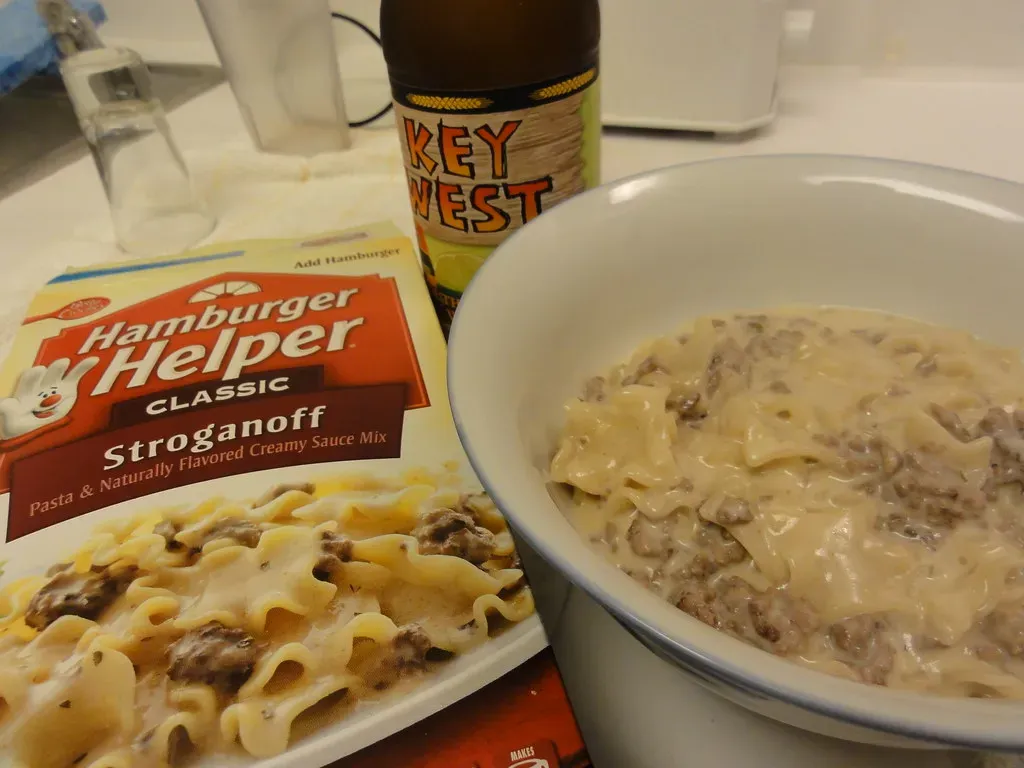
Here's the thing about Hamburger Helper: it was everywhere, and for good reason. Introduced by Betty Crocker in 1971, Hamburger Helper quickly became a staple in many households, arriving at the perfect moment when beef prices were skyrocketing. More than one in four U.S. households purchased Hamburger Helper in its first year, turning a single pound of ground beef into a meal for the whole family.
The brilliance was in its simplicity. You browned the meat, dumped in the noodles and seasoning packet, added some water, and boom - dinner was ready in roughly twenty minutes. Flavors like Cheeseburger Macaroni and Beef Stroganoff became weeknight heroes. Some people might have turned their noses up at boxed meals, but Hamburger Helper didn't care. It was cheap, filling, and tasted good enough to keep coming back week after week.
Tuna Noodle Casserole
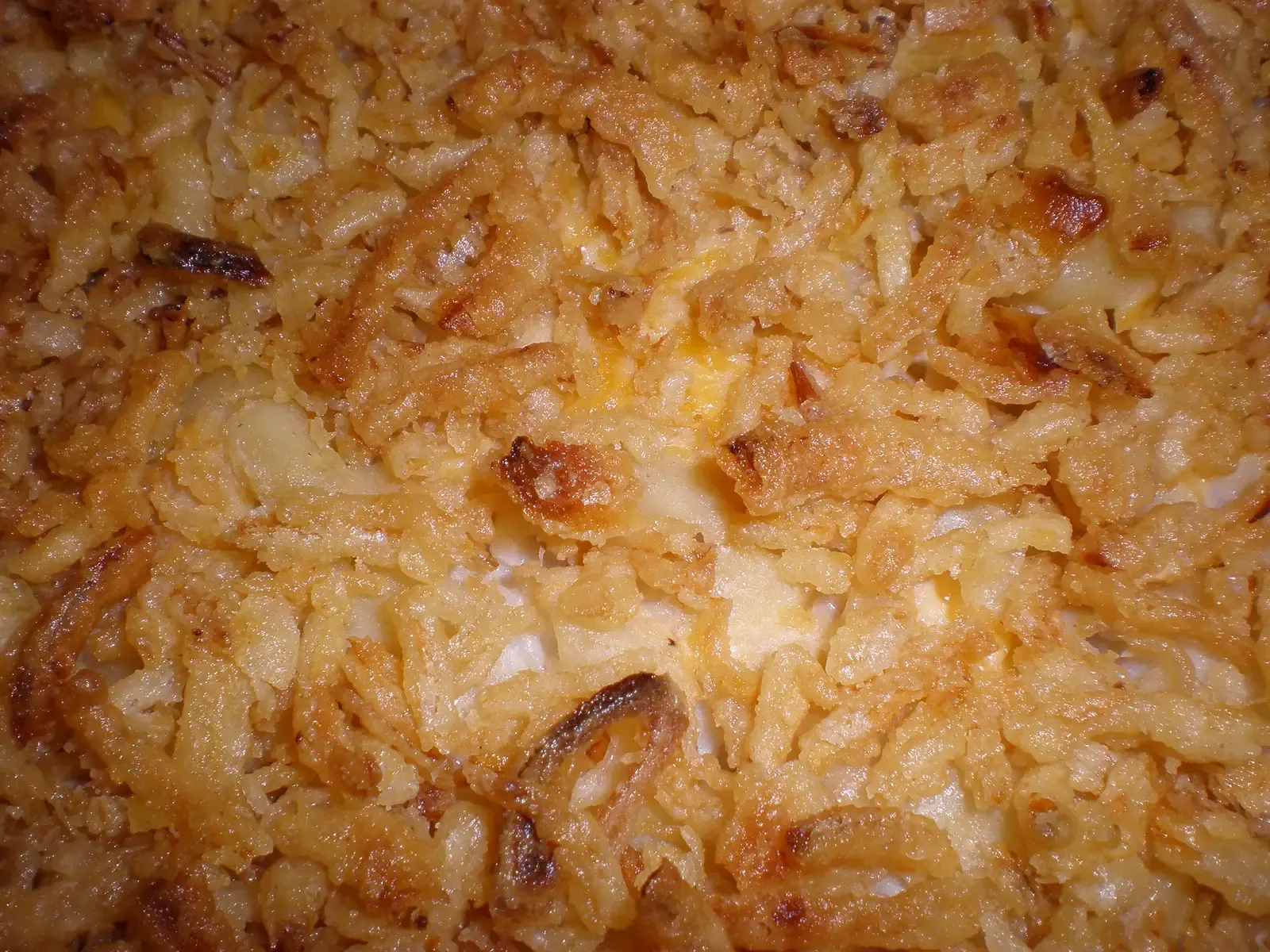
Love it or hate it, tuna noodle casserole was inescapable in the '70s. Something about the combination of tuna, noodles, and peas, coated in a creamy sauce and topped with a crunchy final layer of breadcrumbs or potato chips, enchanted '70s-era families across the nation. The dish itself wasn't new - tuna casserole as we know it was created by the Campbell's Soup Company in the 1940s - but it truly hit its stride in the following decades.
It checked every box: cheap, easy, used pantry staples, and could be prepped ahead. By the time we hit the 60s and 70s with the evolution of canned and frozen foods, it was more about convenience than economics. Tuna was first commercially canned in 1903, but it wasn't readily accepted until much later. Still, by the time your mom was pulling one out of the oven with those crispy, golden breadcrumbs on top, it had become a certified classic.
Beef Stroganoff
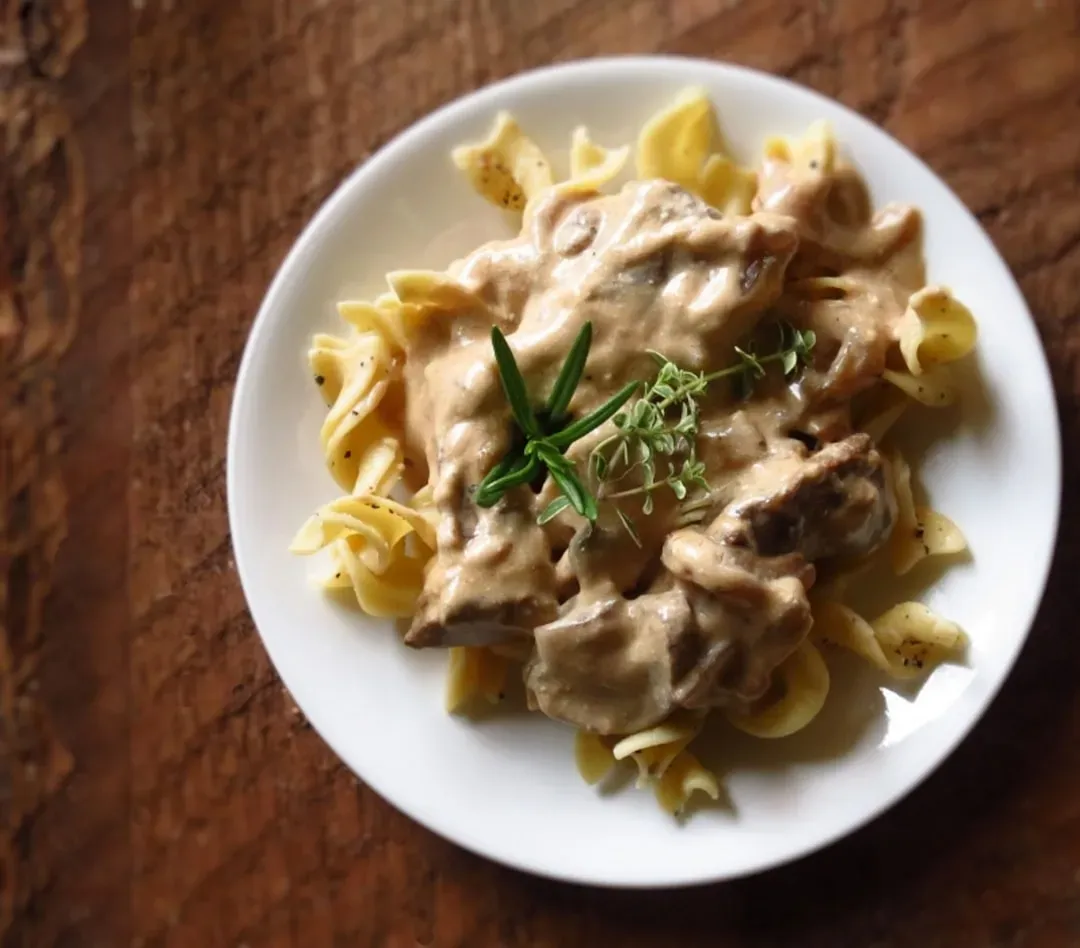
Beef stroganoff brought a touch of elegance to the dinner table without requiring a culinary degree. This Russian-inspired dish became a staple in many American households, appreciated for its creamy mushroom sauce and tender beef strips. It gave families a way to feel fancy on a weeknight, even if the recipe came straight from a Betty Crocker cookbook.
The beauty of stroganoff was its adaptability. You could use budget-friendly ground beef or splurge on steak strips if payday was kind. Serve it over egg noodles or rice, and you had a meal that looked impressive and tasted rich. It wasn't just food. It was a small escape, a way to bring a bit of European flair into suburban kitchens. Honestly, it still holds up today if you make it right.
The Jell-O Salad Phenomenon
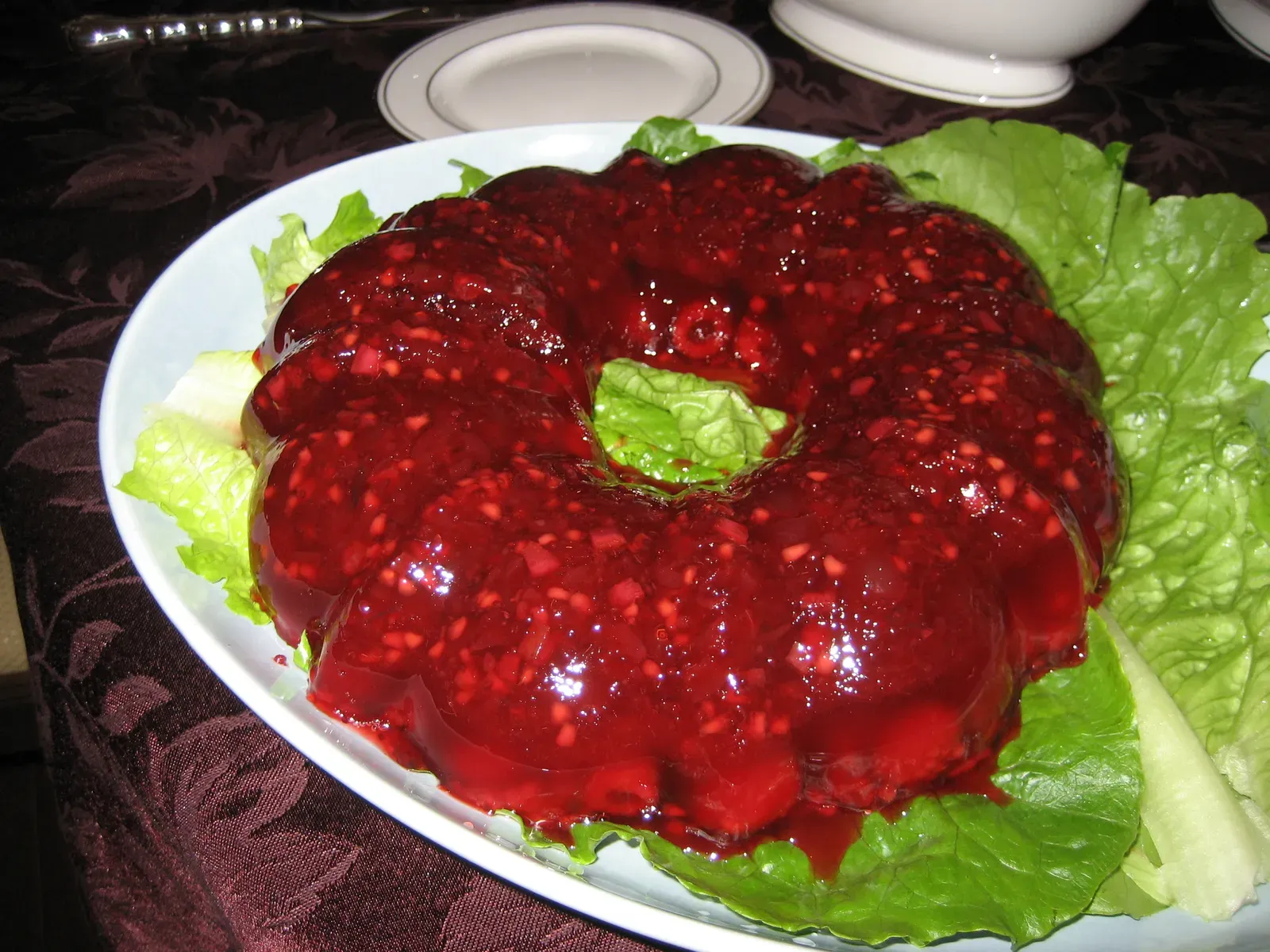
If you didn't encounter a Jell-O salad at least once a month in the '70s, did you even live through the decade? By the late 1960s and early 1970s, Jell-O was manufacturing vegetable-flavored products designed to be combined with mayonnaise, bringing Jell-O salad mania to the apex of its popularity. These colorful, jiggly creations weren't really salads in any traditional sense, but they sure looked impressive wobbling on the dinner table.
Jell-O salads were not just about taste but also about presentation. From savory versions with ham and vegetables to sweeter versions with fruit, Jell-O salads were a way to add a splash of color and a touch of whimsy to the table. Some featured lime gelatin with cottage cheese, others had mandarin oranges suspended in orange Jell-O with mini marshmallows. The combinations were wild, sometimes bordering on questionable, but they were everywhere - from holiday dinners to church potlucks.
Meatloaf with a Side of Nostalgia
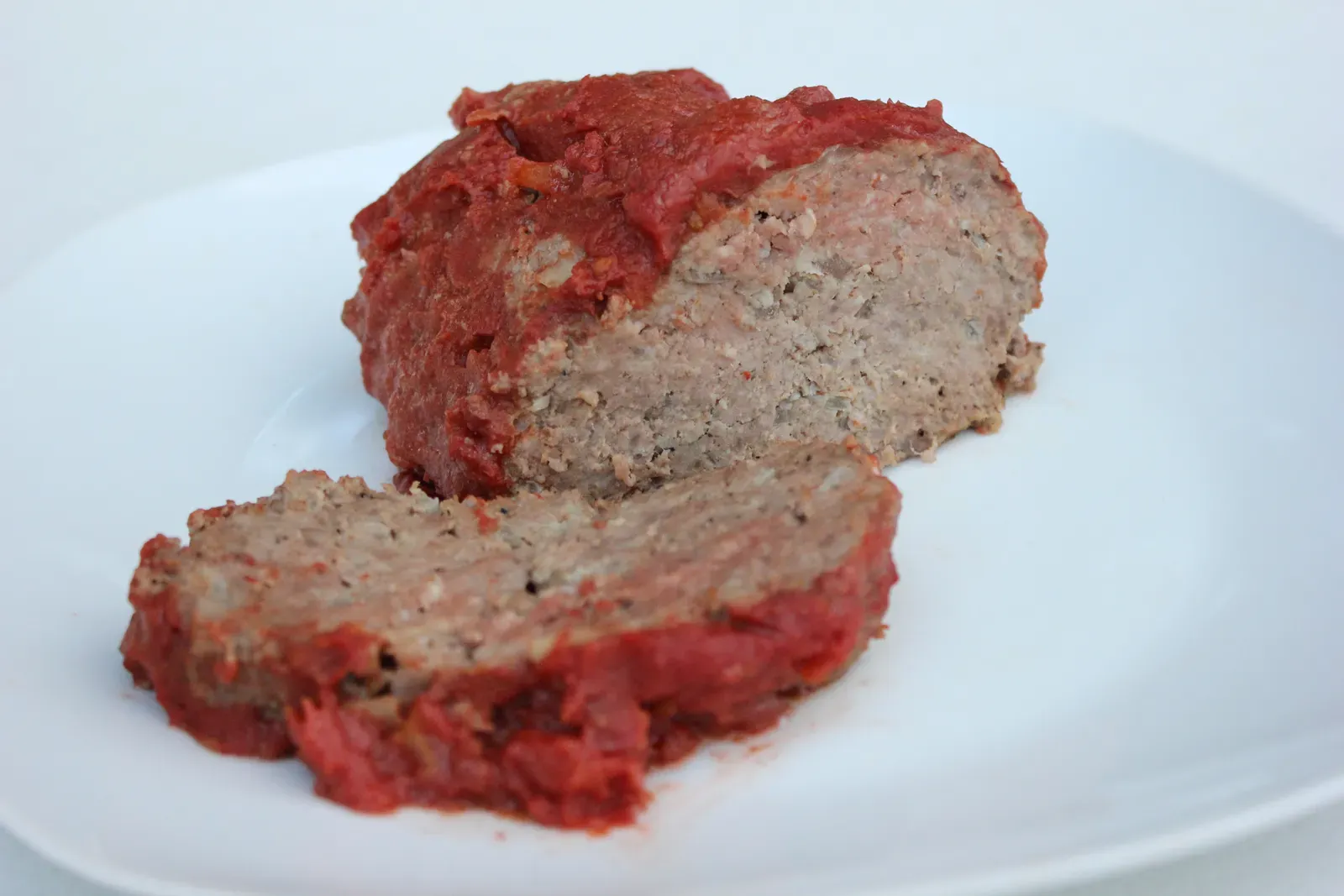
Meatloaf was the ultimate comfort food, the kind of dinner that made you feel grounded no matter how chaotic the week had been. Mixing ground beef with breadcrumbs, eggs, ketchup, and a few seasonings, then baking it into a loaf shape sounds almost too simple. Yet it worked, time and time again.
The magic was in the glaze - that sweet and tangy layer of ketchup or barbecue sauce brushed on top that caramelized in the oven. Paired with mashed potatoes and canned green beans, meatloaf was a meal that required little fuss but delivered maximum satisfaction. Some families made it every single week, and kids either loved it or spent dinnertime pushing it around their plates. Either way, it defined an era.
Shake 'n Bake Pork Chops
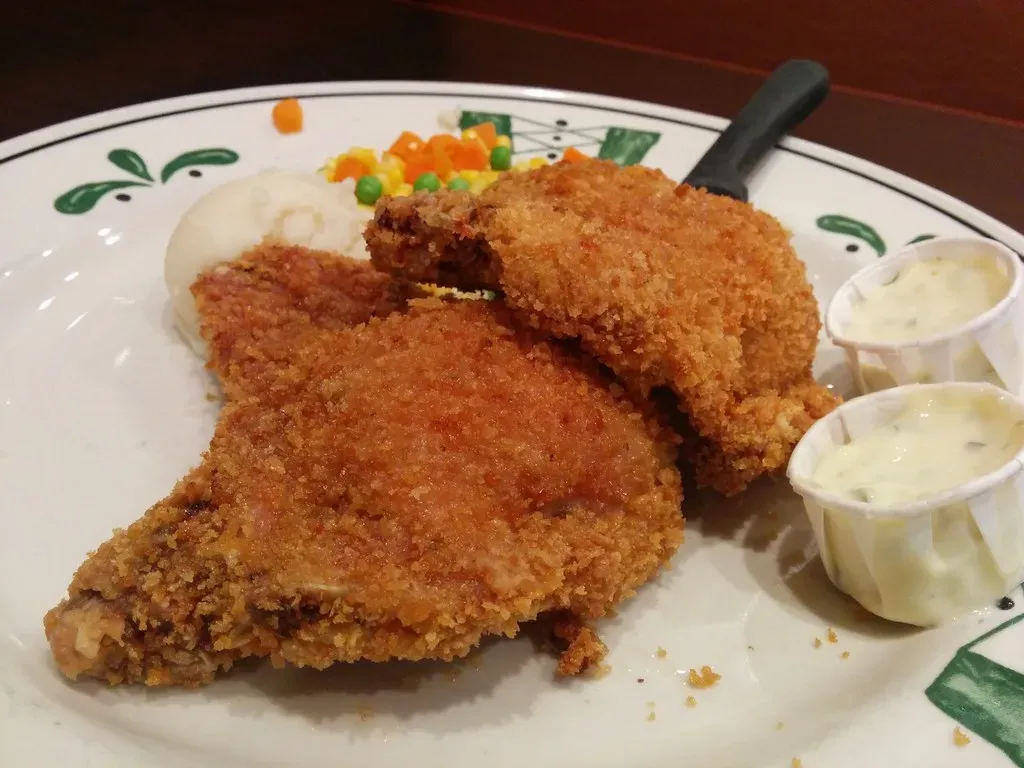
Nothing felt quite as futuristic as tearing open a bag, tossing in some pork chops, shaking them around, and throwing them in the oven. Convenient assistance from Shake n' Bake, Hamburger Helper and TV dinners defined the decade's approach to dinner. Shake 'n Bake promised crispy, flavorful chicken or pork without the mess of traditional breading.
The commercials made it look like magic, and honestly, it kind of was. You'd pull those golden chops out of the oven, and they actually had a crunch to them. Paired with boxed scalloped potatoes and a canned vegetable, this was peak '70s efficiency. Sure, it wasn't gourmet, but it tasted good enough to keep boxes flying off the shelves for decades.
Quiche Lorraine
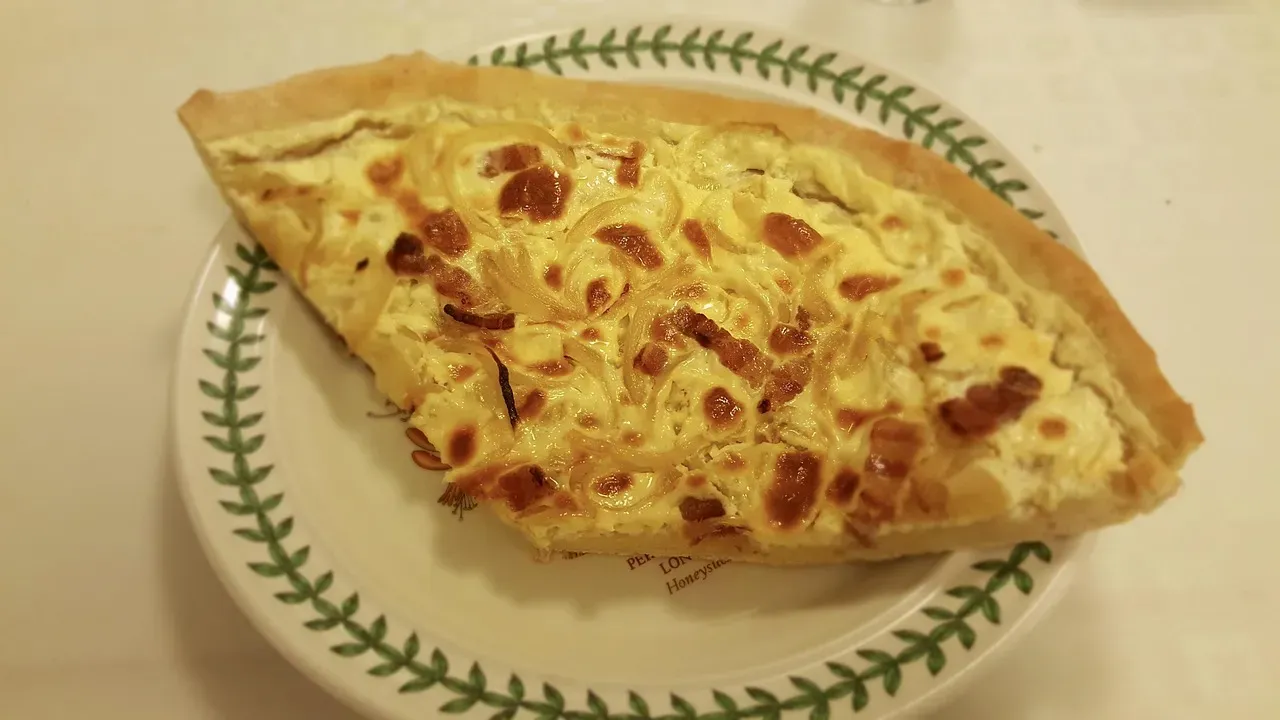
At the dawn of the 1970s, a wide swath of Americans decided that eggs weren't just for breakfast anymore and that a pie didn't have to be the basis for only dessert. Quiche Lorraine became the sophisticated brunch and dinner option that made hosts feel worldly and chic. With its buttery crust, creamy egg filling, bacon, and cheese, it was rich, indulgent, and surprisingly easy to pull off.
In the 1970s, quiches and fondues became staples of dinner parties, showcasing the decade's focus on casual entertaining and communal dining. Serving quiche meant you were keeping up with culinary trends, even if the recipe came from a magazine clipping taped inside a kitchen cabinet. It worked for any occasion - brunch, lunch, dinner, or late-night snack - and it always impressed.
Pot Roast with All the Fixings
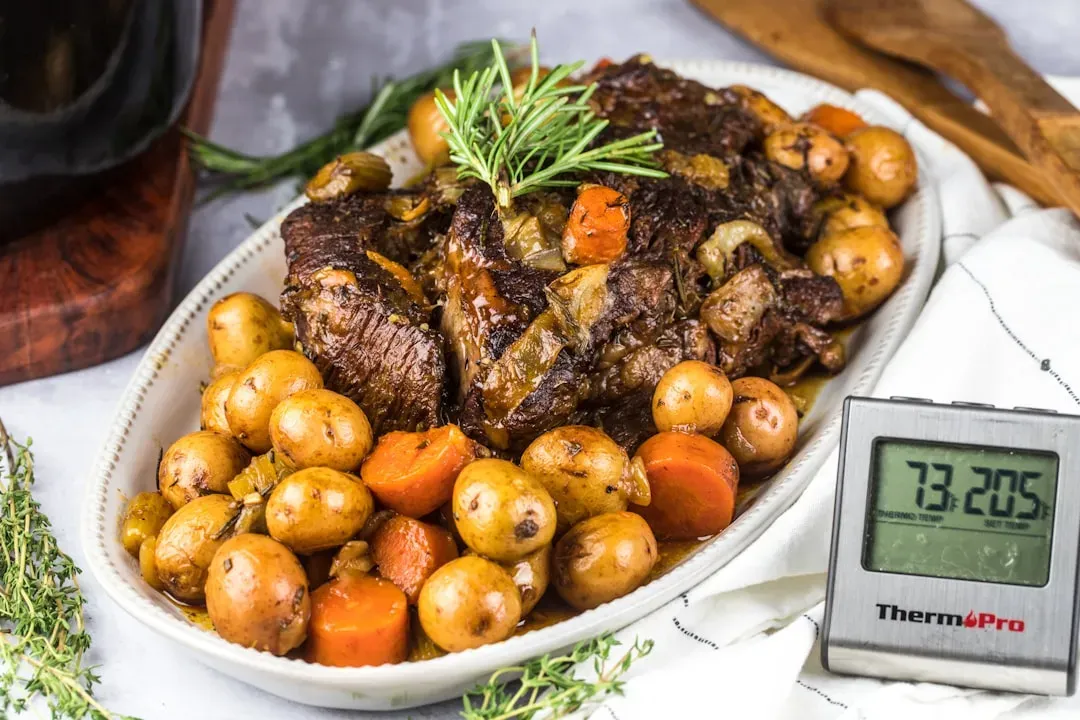
Pot roast was the Sunday dinner that anchored the week. You'd throw a big hunk of beef into a pot with carrots, potatoes, onions, and maybe a packet of Lipton onion soup mix, then let it cook low and slow until everything melted together into tender, savory perfection. The house smelled incredible, and the leftovers were even better the next day.
This was a meal that required patience but not much skill. The long cooking time did all the heavy lifting, transforming a cheap cut of meat into something that tasted like you'd spent hours fussing over it. Served with rolls for soaking up the gravy, pot roast was the kind of dinner that made you feel like everything was right in the world, at least for that evening.
Pork Chops with Pineapple
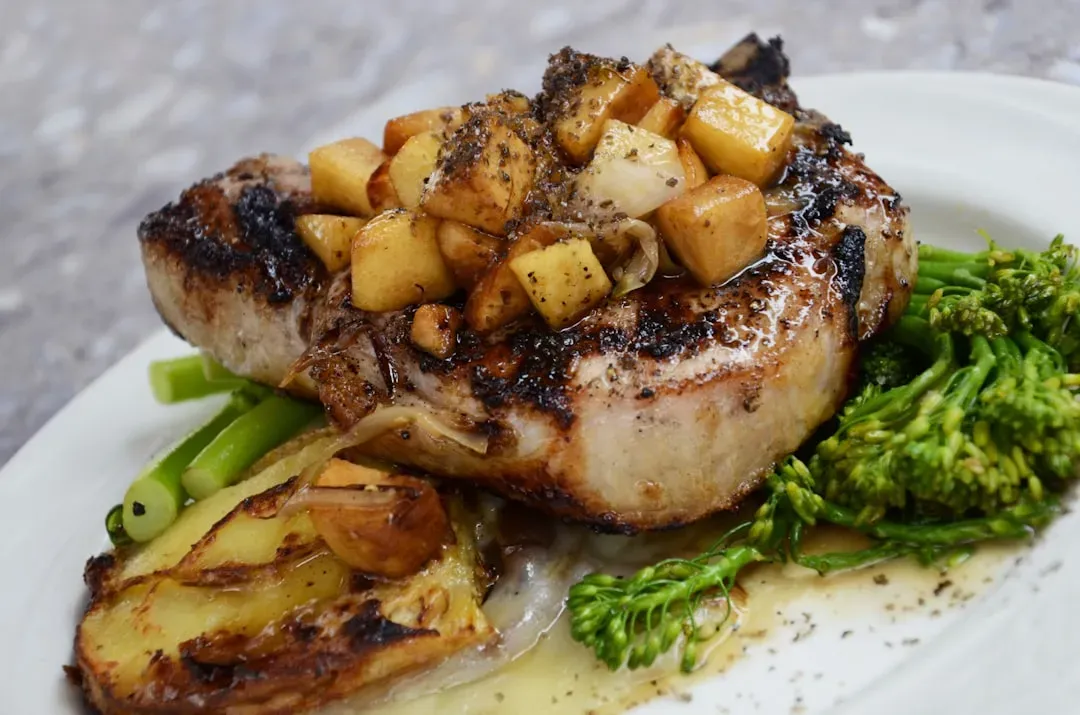
America's obsession with Hawaiian everything skyrocketed in the 1970s thanks to increased travel to the islands. Pineapple found its way onto everything from pizza to meat dishes. Pork chops topped with pineapple rings and a glossy sweet glaze became a go-to weeknight meal, bringing a tropical vibe to suburban dining rooms across the country.
The combination of savory pork and sweet, caramelized pineapple might sound odd now, but back then, it was pure magic. Recipes often called for canned pineapple rings, making it even easier to pull together. Throw in some rice on the side, and you had a meal that felt special without requiring much effort. Hawaiian-inspired dishes were all the rage, and this one stuck around longer than most.
Swiss Steak
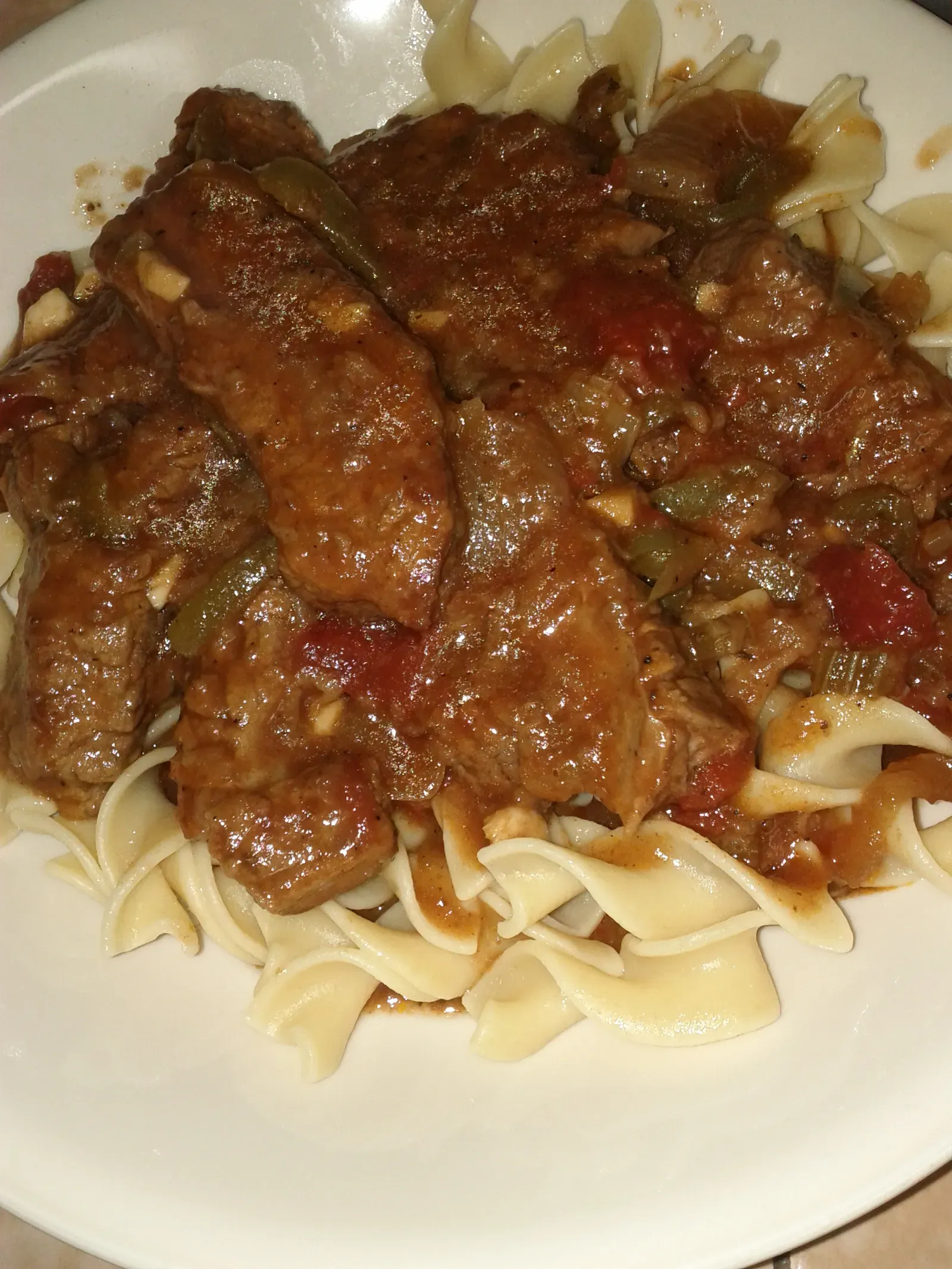
Swiss steak was another low-and-slow favorite that stretched the grocery budget without sacrificing flavor. Despite the name, it has nothing to do with Switzerland - it refers to the tenderizing process of pounding the meat. You'd take a tougher cut of beef, coat it in flour, brown it, then simmer it in tomatoes, onions, and peppers until it practically fell apart.
Served over rice or with mashed potatoes, Swiss steak was hearty, filling, and packed with flavor. It was the kind of meal that required a little elbow grease upfront but rewarded you with a dinner that tasted like you'd spent all day in the kitchen. Families loved it because it was dependable, delicious, and made the house smell amazing.
Chicken Cacciatore
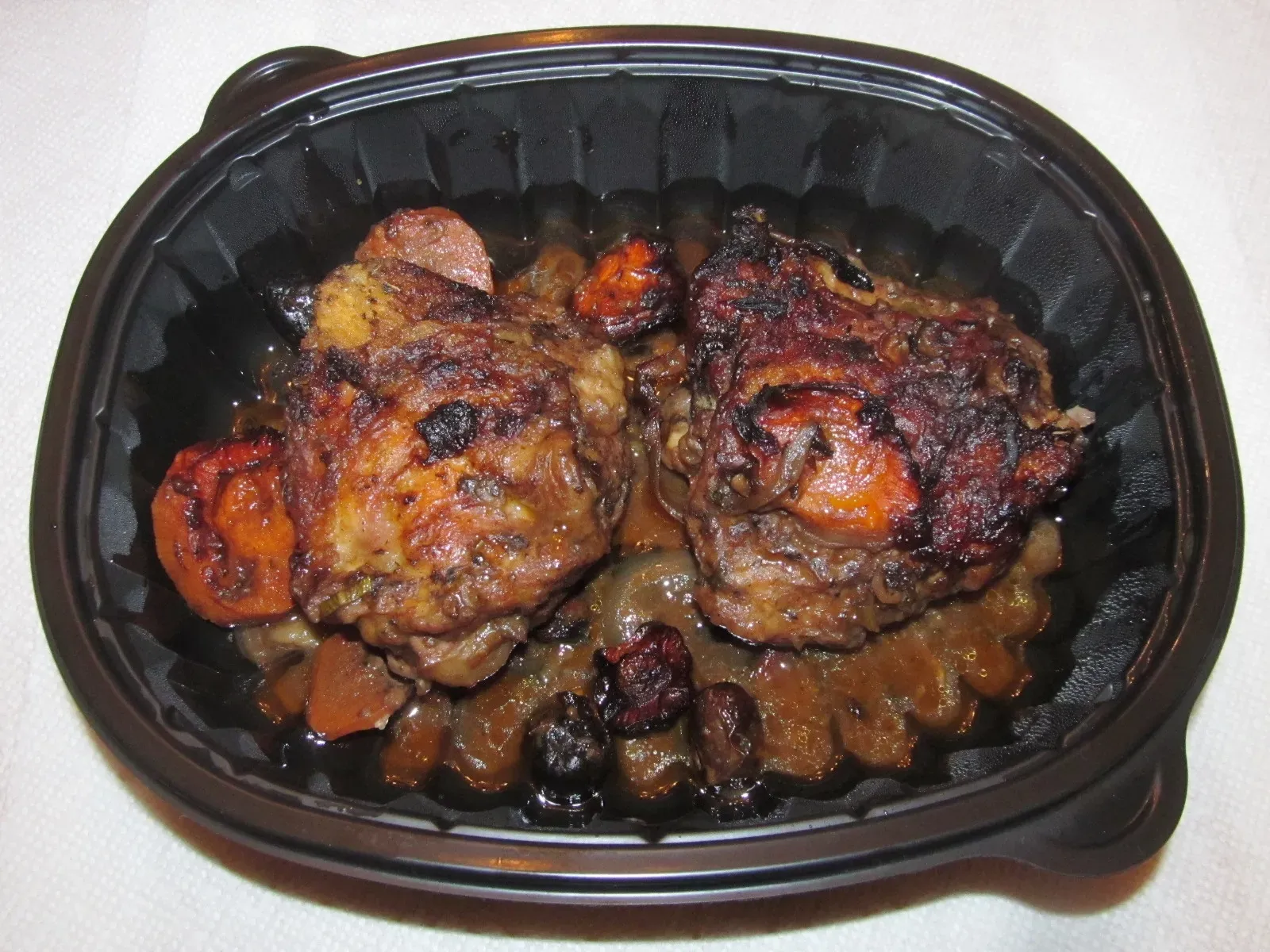
Chicken cacciatore brought Italian flair to the American dinner table, and it did so with style. This rustic dish featured chicken simmered in a tomato-based sauce with onions, peppers, mushrooms, and herbs. It was hearty, flavorful, and gave families a taste of something beyond the usual rotation.
You could make it in a skillet on the stovetop or let it bubble away in the oven while you tackled other things. Serve it over pasta or with crusty bread for soaking up the sauce, and you had a meal that felt special. Chicken cacciatore was proof that you didn't need fancy ingredients or complicated techniques to deliver serious flavor. It was just good food, plain and simple.



Leave a Reply