
There's something quietly disappearing from America's culinary landscape, slipping away one generation at a time. Walk into a small-town diner today and you'll see mostly burgers, fries, and maybe a quesadilla. Gone are the strange-sounding dishes your grandparents grew up with, the ones that somehow felt like home.
The perception of food and beverage products considered traditional varies across age cohorts, suggesting a shift of younger generations towards convenience foods, and honestly, we might not even realize what we've lost. Despite their regional popularity, younger generations are increasingly less likely to have even heard of adventurous dishes that once packed church socials and family reunions. Let's explore the regional specialties that time forgot.
Scrapple: Pennsylvania's Porky Mystery Loaf
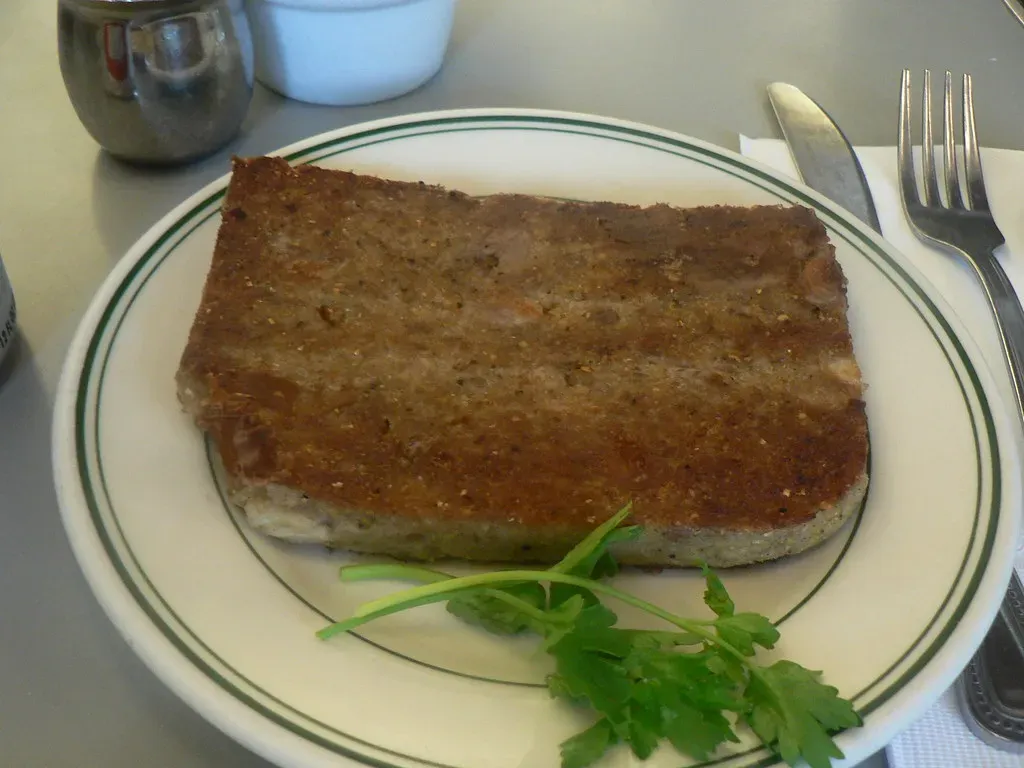
Picture a breakfast where nothing from the pig goes to waste. Scrapple originated from frugality and resourcefulness, made from pork scraps combined with cornmeal and spices as a breakfast staple. The Pennsylvania Dutch communities perfected this dish, creating something both crisp and tender that defined morning meals for generations.
Pennsylvania Dutch communities perfected this dish, using literally every part of the pig by mixing pork scraps with cornmeal, forming loaves, then slicing and frying until crispy. Outside the Mid-Atlantic region, most Americans have never heard of it, much less tasted its peppery, porky goodness. The younger crowd today probably wouldn't believe such a thing existed on breakfast tables.
Cannibal Sandwich: Wisconsin's Raw Deal
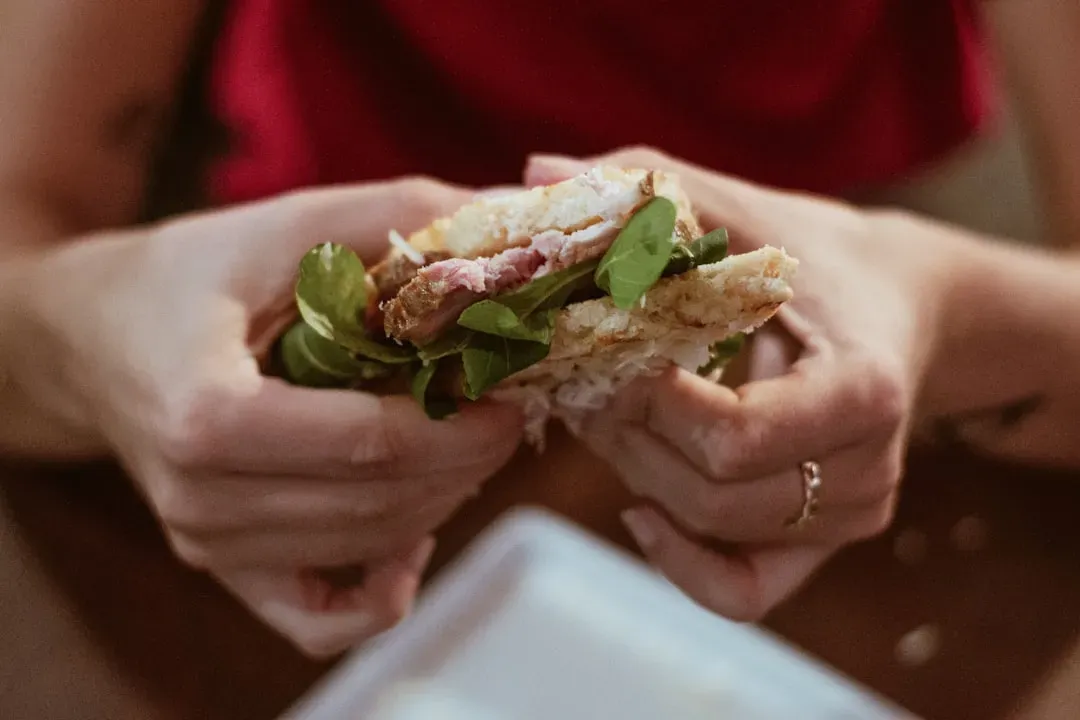
Here's one that makes health officials cringe. Also known as tiger meat or steak tartare, this appetizer of raw lean ground beef served on rye cocktail bread with sliced onions, salt and pepper, and sometimes a raw egg was long popular at parties in the Midwest, especially in Wisconsin. Yes, you read that correctly - completely raw beef.
As new food science emerged along with the risk of E. Coli and other dangerous bacteria associated with it, the CDC and USDA encouraged partygoers to pass on raw meat, and foodborne illness outbreaks have been reported in Wisconsin since the mid-1980s. It's hard to say for sure, but this tradition is probably best left in the past, no matter how nostalgic some folks get about it.
Mock Turtle Soup: The Aristocrat's Imitation
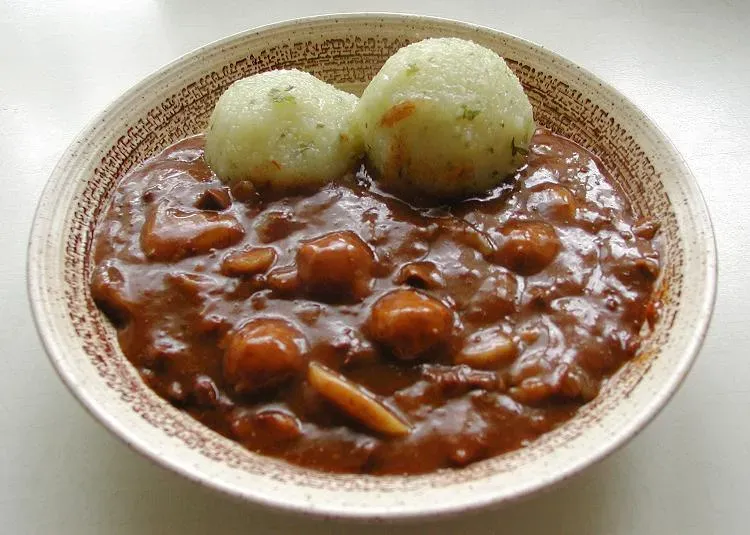
Mock turtle soup was invented as an imitation of real turtle soup, using beef or veal instead of turtle meat, and in the 19th and early 20th centuries it enjoyed popularity. Think about that for a moment - people were so determined to eat like the wealthy that they created an entire fake version of an already unusual dish.
This soup represented culinary ingenuity, taking expensive aristocratic dining and making it accessible to everyday Americans, created with ground meat, hard-boiled eggs, and rich spices. By the mid-20th century, though, both the original and the imitation had vanished from most kitchens. The name alone sounds like something from a fantasy novel.
Chicken and Pastry: North Carolina's Flat Comfort

This isn't your typical chicken and dumplings situation. Unlike its cousin chicken and dumplings, North Carolina's version features flat, rectangular strips of pastry rather than puffy dumplings, creating a texture that's uniquely comforting. The difference might seem small, yet it meant everything to families who grew up with one or the other.
Grandmothers across small North Carolina towns swore by this dish, ladling it out when someone was sick or just needed comfort. The flat pastry strips absorbed the rich chicken broth differently, creating this silky, substantial meal that stuck to your ribs. Most millennials and Gen Z folks wouldn't know to order this specifically, having grown up with the more common dumpling version instead.
Salisbury Steak: From Health Food to TV Dinner Shame
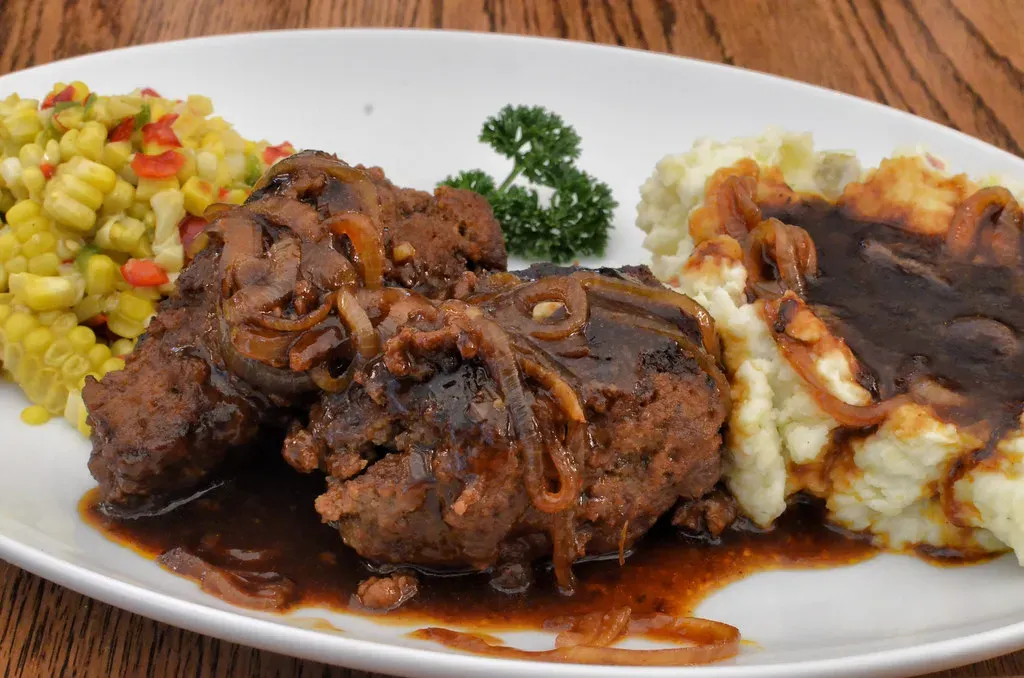
Believe it or not, this dish started as a health food recommendation. Dr. James Salisbury promoted ground beef patties as beneficial for digestion back in the late 1800s. How times change.
Fast forward to 2024, and Salisbury steak has become a relic of TV dinners and school cafeterias, with people associating it with bland frozen meals rather than the hearty home-cooked version grandparents once made. The name itself has become almost a punchline, synonymous with mystery meat covered in brown gravy. Younger generations wouldn't dream of ordering it at a restaurant, if they could even find it on a menu.
Brunswick Stew: The South's Contested Pot
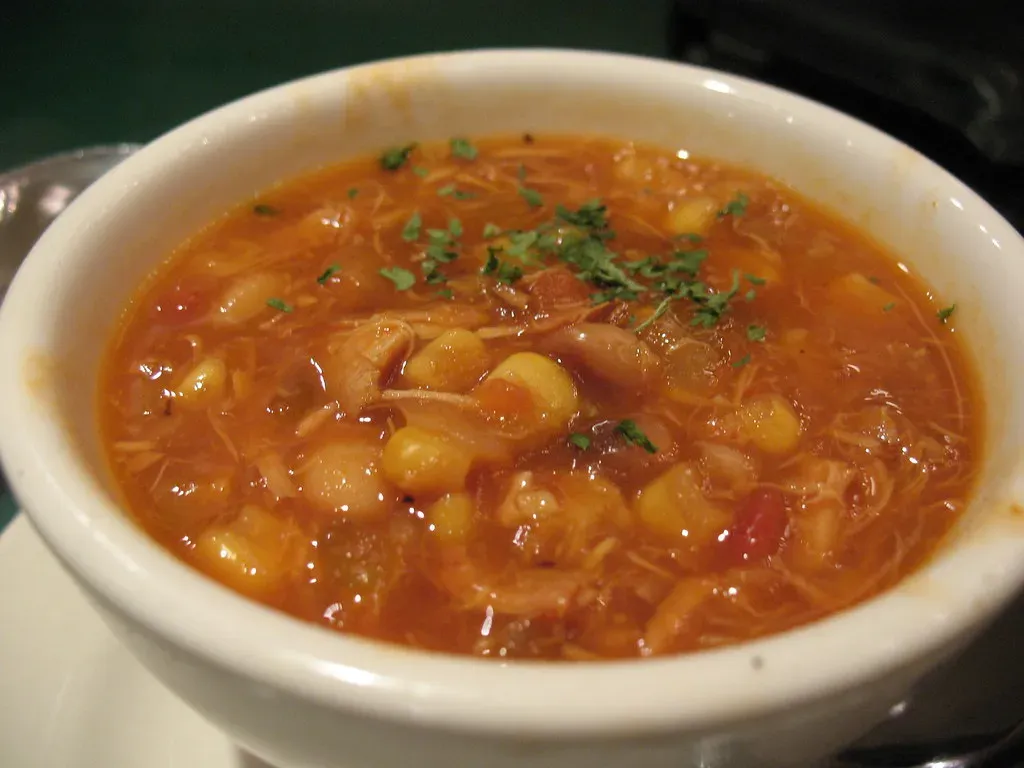
It's unclear if this tomato-based stew originated in Brunswick County, Virginia, or Brunswick, Georgia, but no matter where it traces its origins, Brunswick stew is worth trying anytime you see it on the menu. Regional fights over food origins can get surprisingly heated in small Southern towns.
Today, it's made throughout the South with different regions putting their own spin on the original recipes, with modern recipes using chicken, pork, or beef, while corn, potatoes, and lima beans are all essentials. The stew has a hint of sweetness thanks to the corn, and it's all simmered in a tasty tomato-based broth. Let's be real, most young people today wouldn't recognize this bubbling pot at a church fundraiser.
Boston Brown Bread: Steamed in a Can
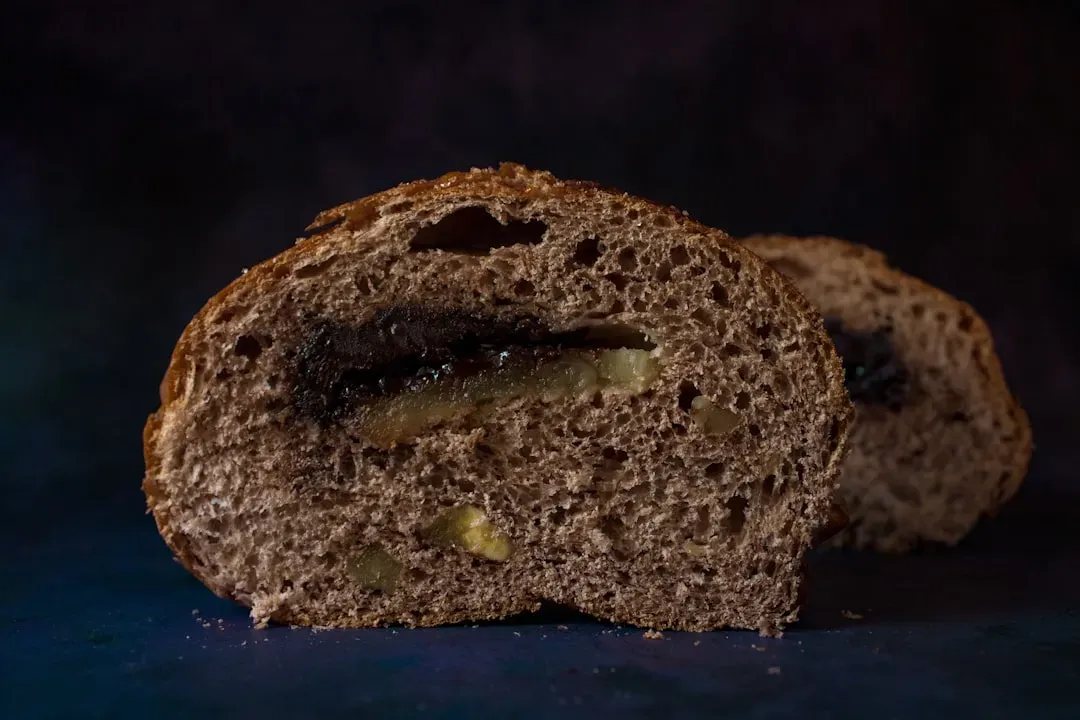
Boston canned brown bread has a long history in the Boston area, where the bread was made in the 1800s, getting flavor and a rich brown hue from its key ingredient: molasses. The weird part? It wasn't baked - it was steamed.
Rather than being baked, the bread is steamed in a can, which along with the addition of buttermilk, helps it stay extra moist. Imagine trying to explain that preparation method to someone who's grown up with artisan sourdough from trendy bakeries. Some recipes, including some commercially prepared versions, include raisins for an even sweeter flavor and added texture. This dense, sweet bread feels like a relic from another era entirely.
Toasted Ravioli: St. Louis's Accidental Innovation
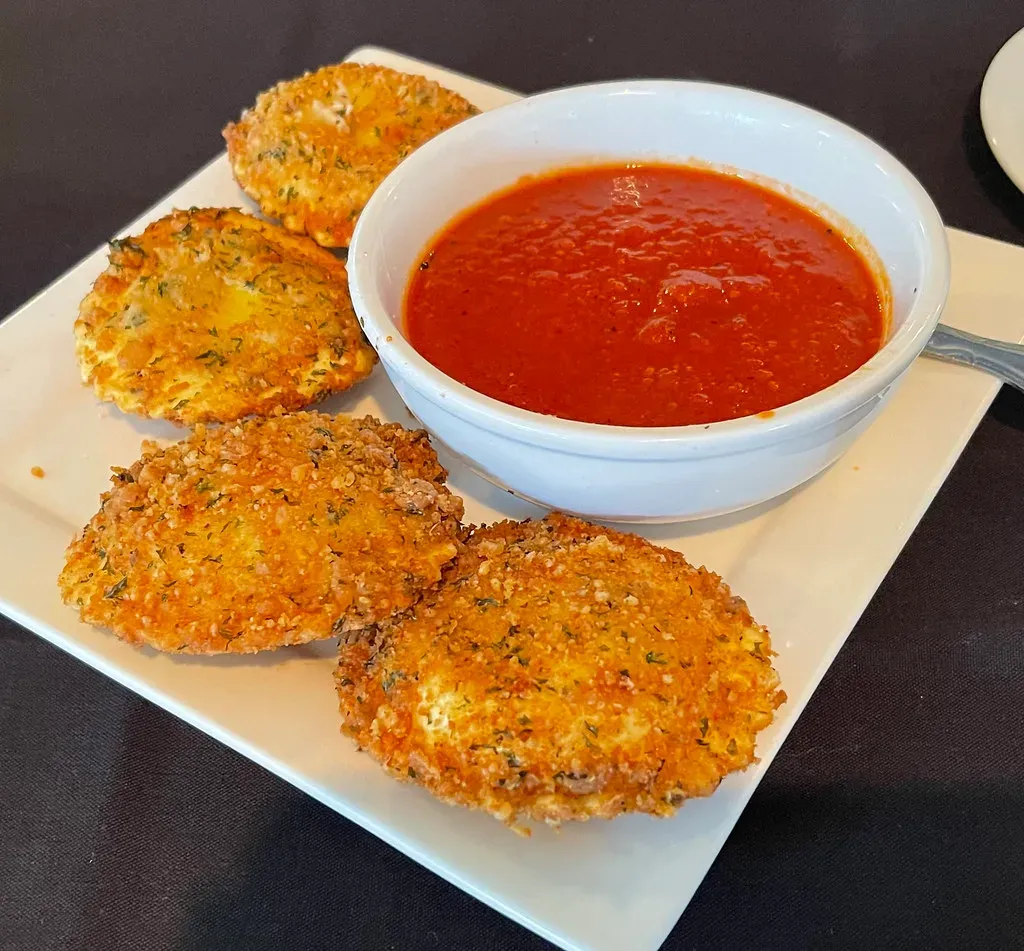
They first appeared in the historically Italian-American neighborhood, The Hill, and local restaurants still debate over who can lay claim to the dish's creation, stuffed with cheese, meat, vegetables, and other unique combinations, then tossed into hot frying oil. T-ravs, as locals affectionately call them, represent the kind of regional pride that outsiders just don't understand.
Today, you can find them all around the city, not just in The Hill, although some of the longest-standing and most closely guarded secret recipes are still served in the same eateries that perfected the dish. Travel outside Missouri, though, and you'll get blank stares when you ask for toasted ravioli. Younger generations in other states have absolutely no frame of reference for this crispy, cheesy delight.
Fried Green Tomatoes: Southern Resourcefulness on a Plate
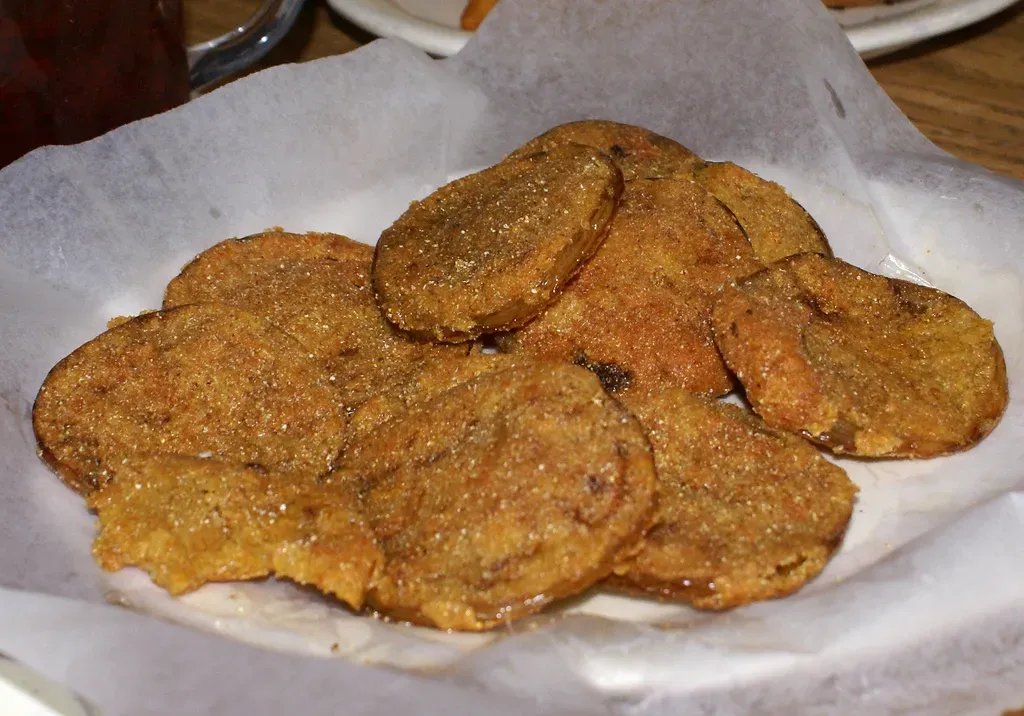
These unripe tomatoes transform into something magical when sliced thick, dredged in seasoned cornmeal, and fried until golden, with the exterior developing a satisfying crunch while the inside softens just enough. What began as making the most of what the garden provided has become increasingly rare.
What began as a practical solution for using unripe tomatoes has become a beloved staple, and in small towns like Shelby and Lincolnton, you'll find local variations where some folks add a sprinkle of bacon bits or a dash of hot sauce. Sure, the movie made them famous for a while, yet most young people today wouldn't know how to make them or where to find them outside of maybe one retro Southern restaurant.
Pimento Cheese: The Forgotten Spread
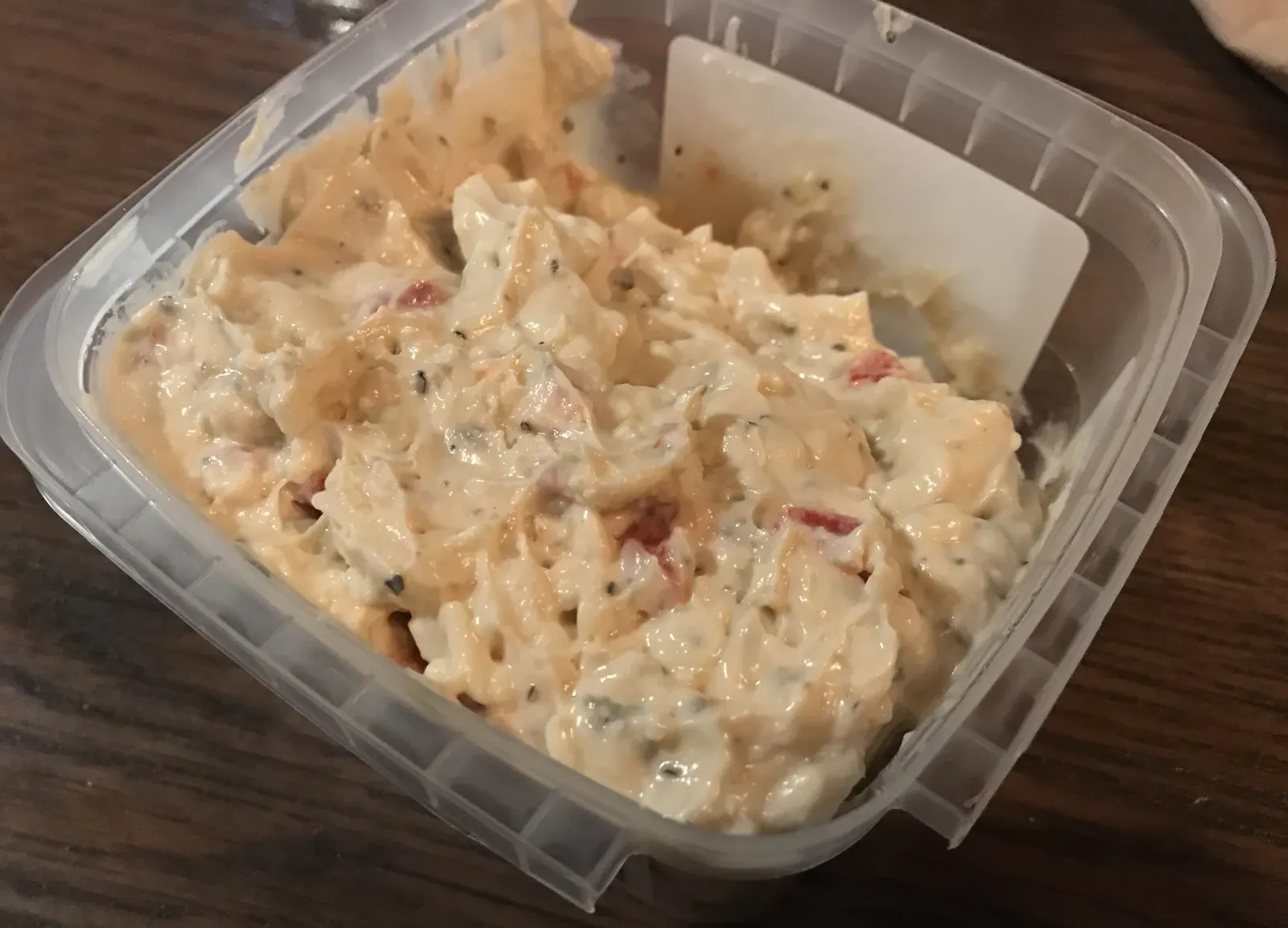
Pimiento cheese, a simple but beloved spread of shredded cheese, mayonnaise, and pimiento peppers, is a staple of Southern comfort. Up North, this stuff is virtually unknown, which honestly baffles Southerners.
The cheese must be hand-grated, never pre-shredded, to achieve that perfect texture that spreads beautifully across soft white bread, and at family gatherings and church socials across small North Carolina towns, you'll find these sandwiches cut into triangles on serving platters. Younger generations outside the South have zero idea what you're talking about when you mention pimento cheese. They're missing out on one of the simplest, most satisfying spreads ever created.



Leave a Reply