
There's something comforting about a family meal that brings everyone together around the dinner table. Yet if you glance at menus today, you might notice something strange. Certain dishes that used to be absolute staples have quietly vanished from regular rotation.
These weren't just random dinners. They defined an era, anchored weekend gatherings, and made millions of kitchens smell like home. So what happened to them? Let's take a closer look at nine meals that once ruled American dinner tables and explore the surprising reasons they fell out of favor.
TV Dinners: The Frozen Convenience That Lost Its Appeal
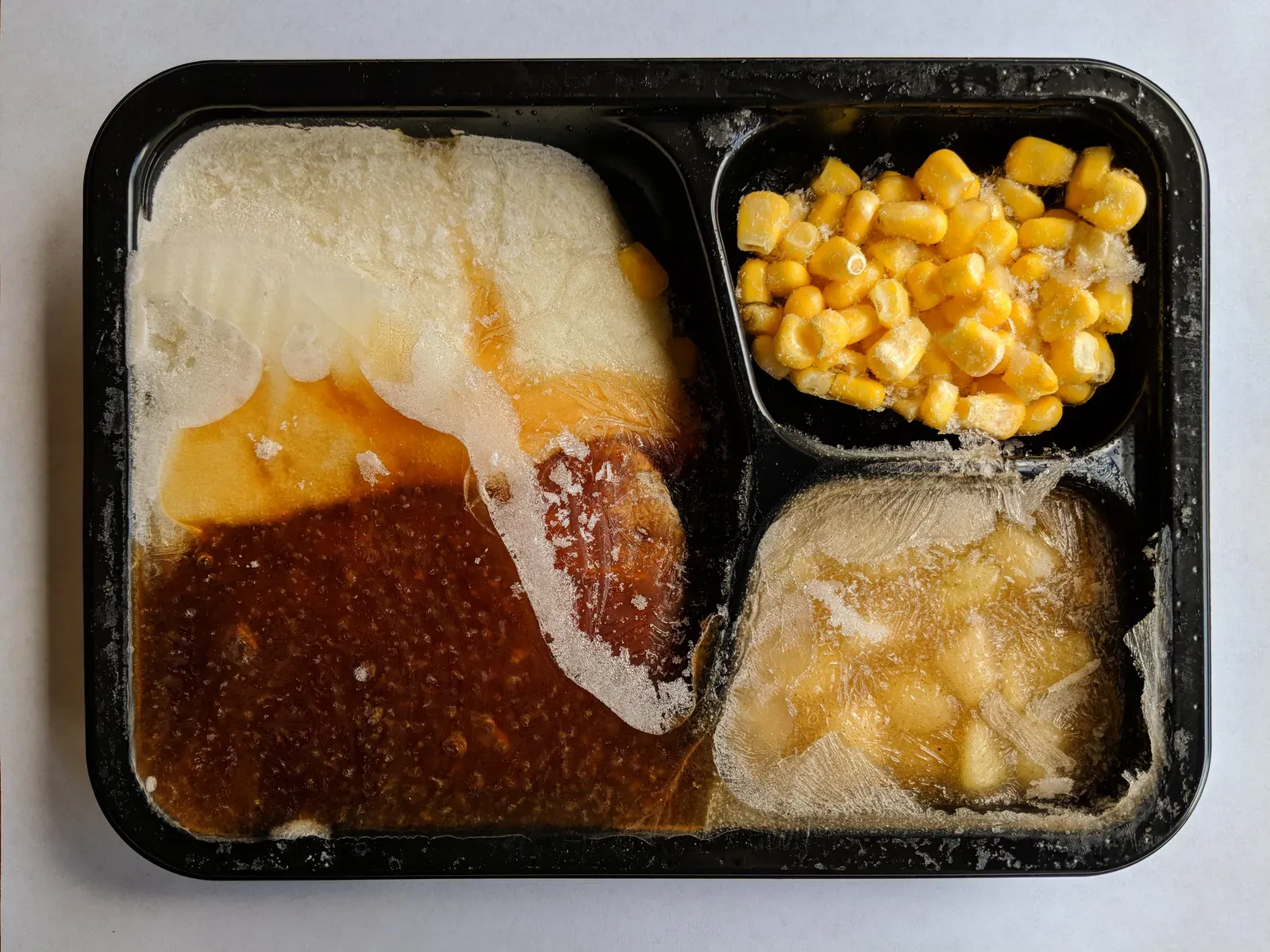
According to data from the U.S. Census Bureau, between 1950 and 1955, the percentage of American households owning TVs jumped from 9% to over 64%. That explosion of television ownership made TV dinners a cultural phenomenon. Families suddenly wanted easy meals they could eat in front of the screen without missing a moment of their favorite shows.
The Swanson company invented the commercial TV dinner in 1953, and it became an instant sensation. People loved the aluminum trays that could go straight from freezer to oven. Everything seemed modern and efficient.
The downfall started when health consciousness took hold. Many diners gradually became concerned about the nutritional value of these ultra-easy meals, and the public developed a perception that microwaved TV dinners were lacking in essential nutrients and were highly processed, full of saturated fats and sodium. By 2008, frozen dinner sales were in decline and the frozen food aisle started to shrink. Fresh food and farm-to-table movements made those compartmentalized trays look increasingly artificial.
Casseroles: The One-Dish Wonder That Became Outdated
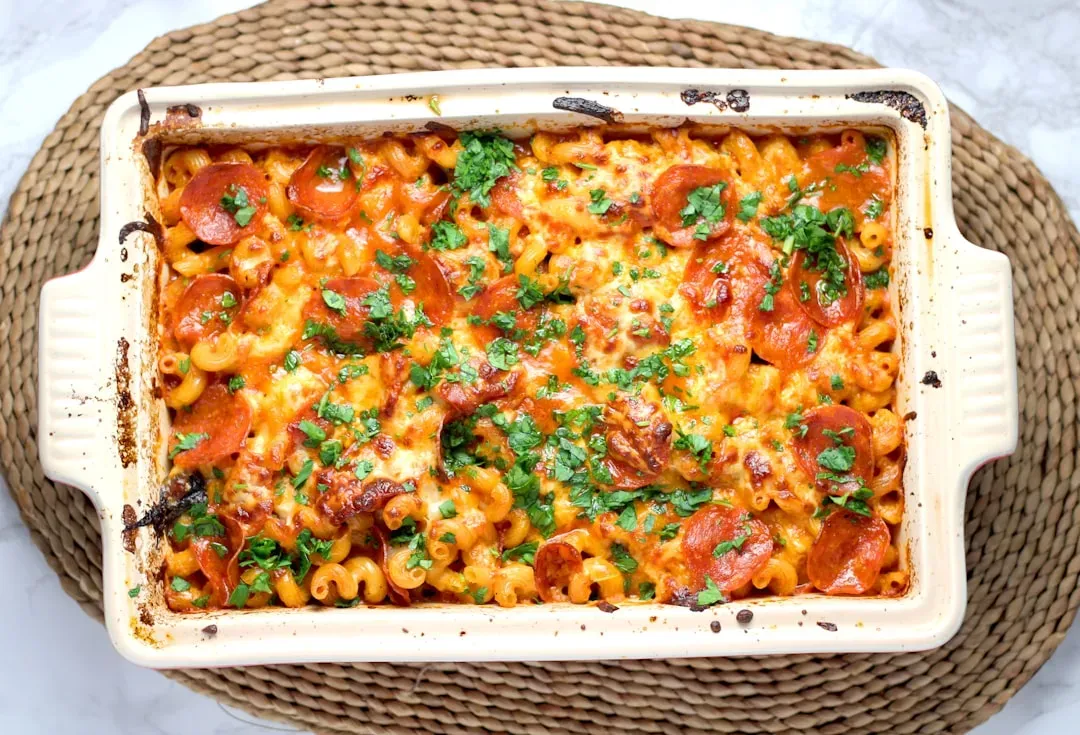
Casseroles were everywhere during the fifties and sixties. They symbolized efficiency and comfort all at once. You could throw together leftovers, canned soup, some noodles or rice, top it with cheese, and bake. Done.
The casserole became an American staple in the Depression, when cheap but filling meals were essential, and rose in popularity during World War II as women began to enter the workplace in large numbers, reaching its heyday in the fifties. Honestly, it made sense back then. In the 1950's, the availability of lightweight oven-proof cookware and the greater availability of canned foods made the casserole a simple, easy and cheap way to use leftover foods to feed the whole family.
As Americans became more health-conscious, the venerable casserole faded in popularity, as people wanted fresh, healthy food, and that didn't usually include convenience foods high in fat and sodium. During the late 1980s casseroles fell out of vogue, became passé, as Americans began to rely on fresh foods lower in sodium and processed additives. The very convenience that once made them beloved started to feel like a shortcut too far.
Pot Roast: Sunday Dinners That Took Too Long
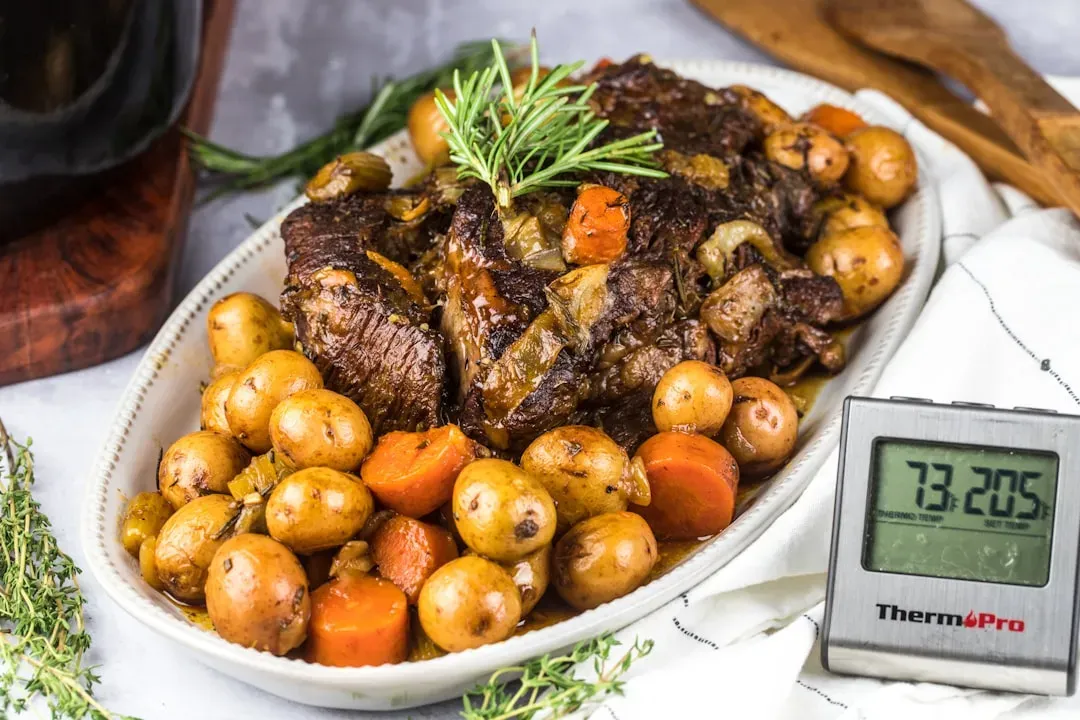
A true American dinner, the Pot Roast has been a part of Sunday evenings for millions of families over the last few decades, though the popularity of a roast dinner has declined somewhat in recent years. That slow transformation from tough chuck into fork-tender perfection used to define weekend cooking. The aroma alone could fill a house for hours.
The problem? Modern life accelerated. Pot roast once meant Sunday patience, the house slowly filling with savory perfume, but fast lives do not always allow low and slow, so it faded behind pressure cookers and quick sautés. People wanted dinner in thirty minutes, not three hours.
Unfortunately, most restaurants don't have pot roast on the menu anymore. Even diners and family chains that once featured it prominently are trimming their offerings. When something takes that much time and effort, it's hard to compete with takeout apps and meal kits promising speed and variety.
Meatloaf: The Budget Stretcher That Fell From Grace
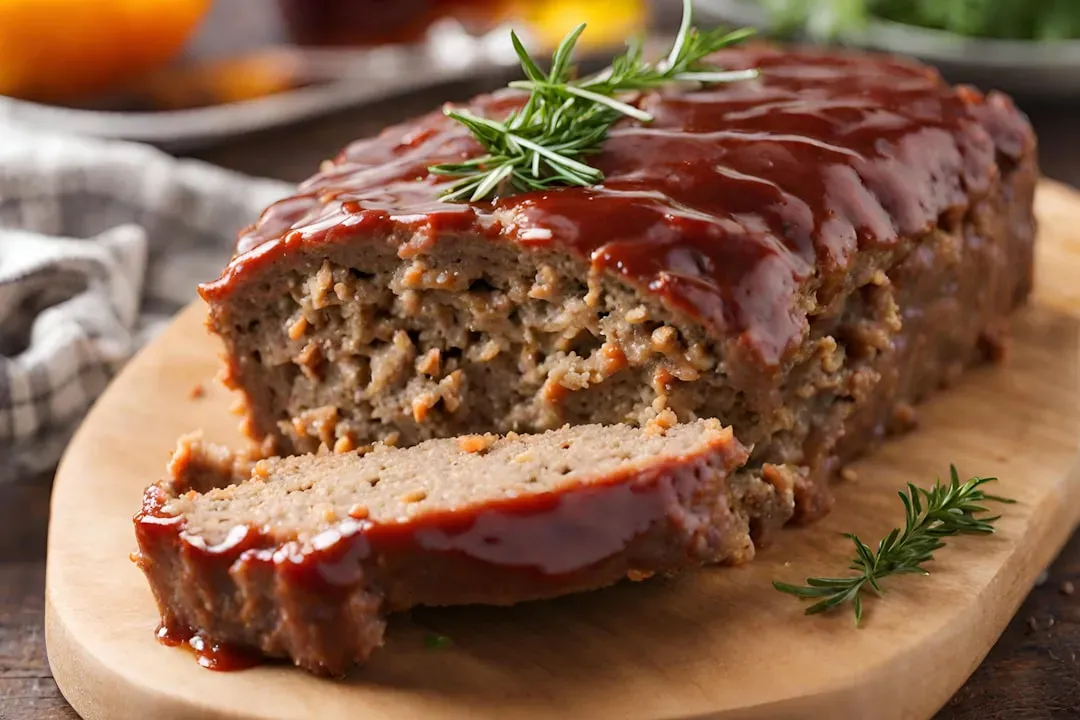
Meatloaf once ruled weeknight dinners across America. Ground beef mixed with breadcrumbs, eggs, maybe some onions, topped with that iconic ketchup glaze. Simple, filling, cheap.
The Great Depression (1929-1941) made cheap meals, cheap meat cuts, and leftovers a real necessity, and from this catastrophic event straight into World War II, when Americans once again were forced to stretch rationed meats as far as possible, meatloaf came to the rescue. It was the hero dish of hard times. Every family had a version.
Meatloaf is seeing a decline in popularity as dining trends shift towards plant-based and global cuisines, and as modern palates evolve, meatloaf has begun to be seen as somewhat old-fashioned. Younger generations don't seem to crave it the way their grandparents did. The rise of international flavors and fresh-focused cooking left meatloaf feeling bland and dated.
Tuna Casserole: Canned Convenience Meets Fresh Food Backlash
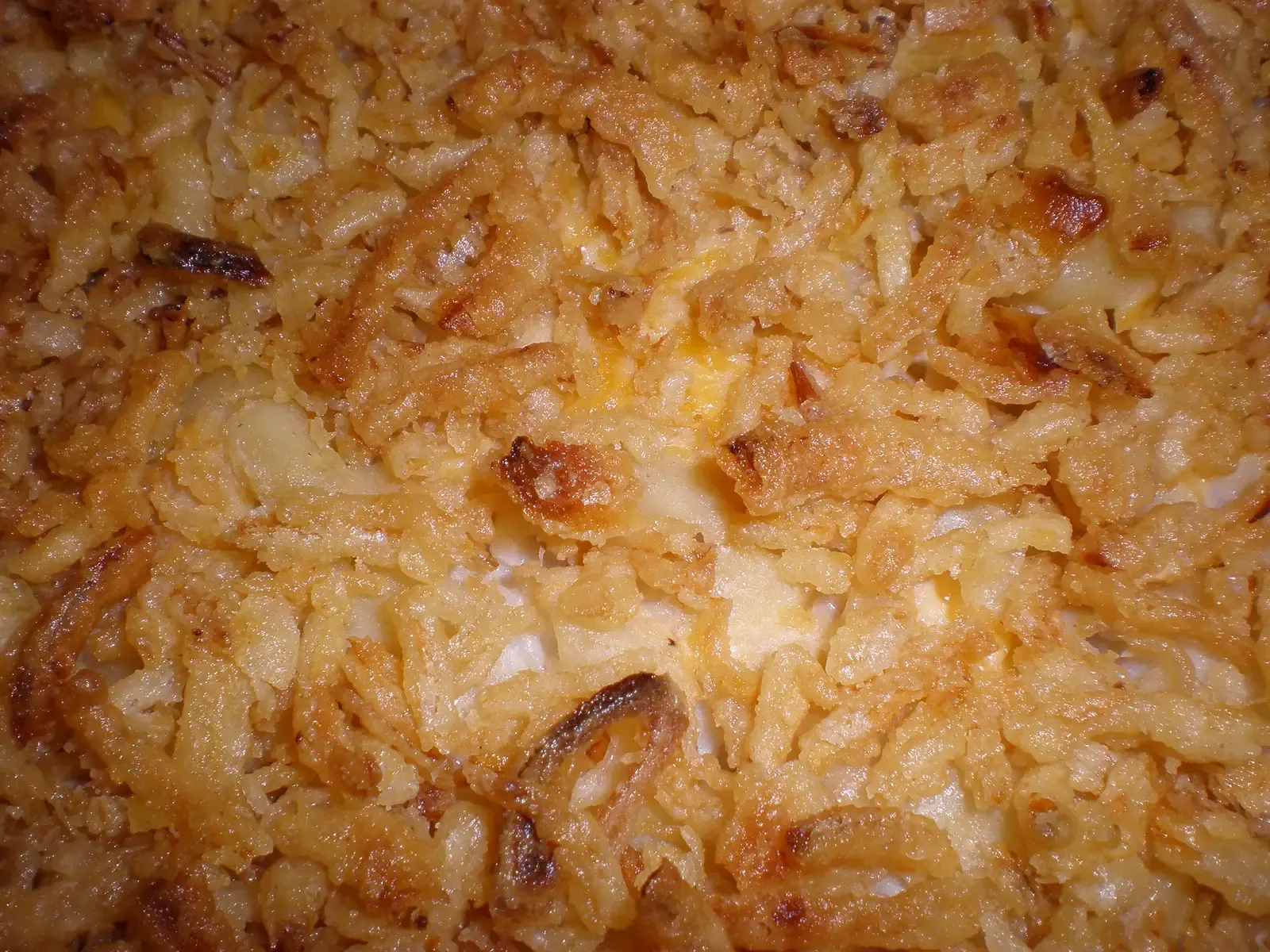
This was the ultimate midweek shortcut. Canned tuna, egg noodles, cream of mushroom soup, frozen peas, maybe some breadcrumbs on top. Pop it in the oven and you had dinner in under an hour.
Tuna casserole, known for its simple ingredients like canned tuna, peas, and noodles in a creamy sauce, was a go-to midweek dinner for busy post-war American families, but concerns over processed foods and a move towards fresher, lighter meals have lessened its appeal, and the dish now often evokes a sense of nostalgia rather than a culinary delight. Let's be real, canned soup and canned fish started to feel like too many shortcuts at once.
The farm-to-table movement didn't help. People wanted to know where their food came from, and a can labeled "cream of something" didn't exactly inspire confidence. Modern versions skip the canned soup in favor of homemade sauces, but by then the damage was done. The classic version had already been left behind.
Salisbury Steak: The TV Dinner Star That Couldn't Shake Its Reputation
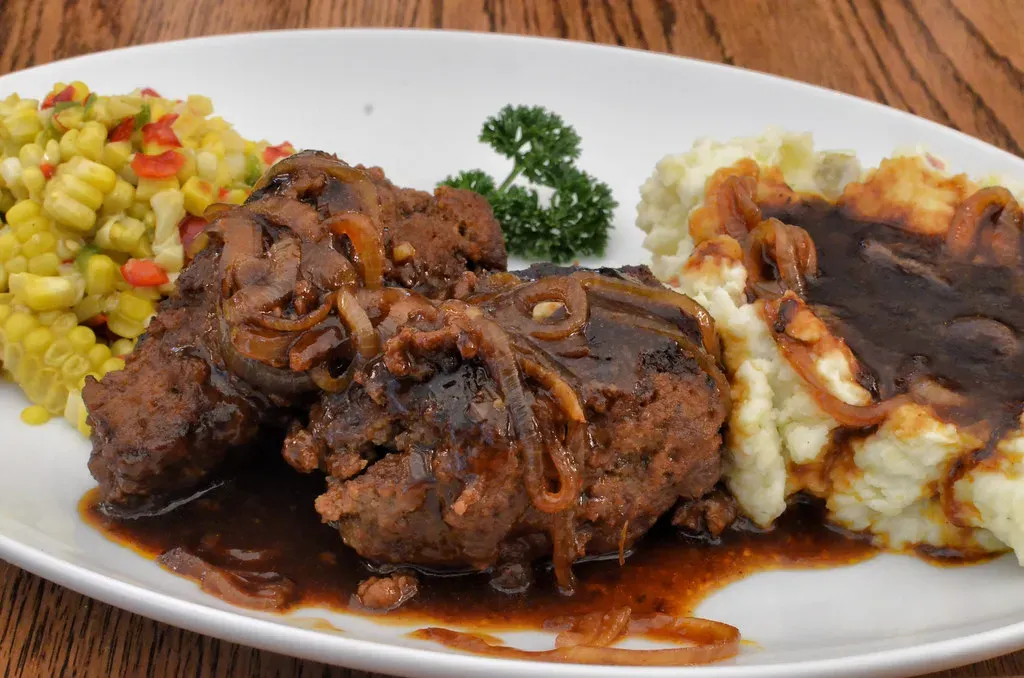
Salisbury steak was basically a glorified hamburger patty smothered in gravy. It became a frozen dinner staple, right next to those compartments of mashed potatoes and mystery vegetables.
It gained widespread popularity as a frozen TV dinner but has seen a decline as diners opt for fresher, less processed meat dishes, and the dish now mostly lives on nostalgia and comfort food menus. Once people started questioning frozen dinners in general, Salisbury steak got caught in the crossfire.
There's also the texture problem. Reheated from frozen, it could turn rubbery or mushy depending on how long you microwaved it. Honestly, when fresh burgers and quick-cook steaks became just as accessible, why settle for something that reminded you of a school cafeteria lunch? The nostalgia factor only goes so far when taste and quality matter more.
Green Bean Casserole: Holiday Holdout With a Processed Past
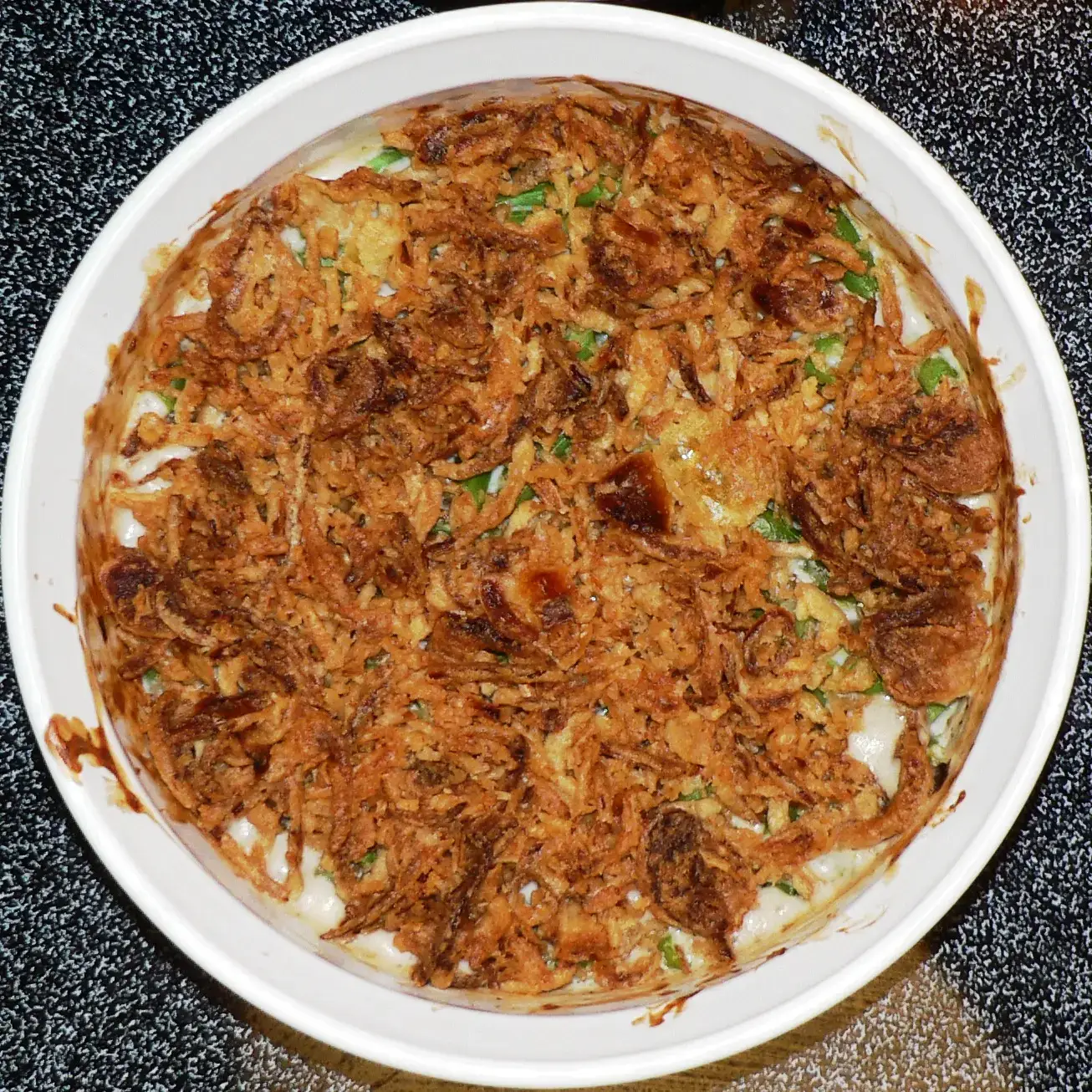
Green Bean Casserole was invented in a Campbell's test kitchen in 1955, and by the seventies, it had broken free from its Thanksgiving-only reputation as the combination of green beans, cream-of-mushroom soup, and crispy fried onions became a year-round fixture at potlucks and buffet lines. For decades, it was everywhere.
Casseroles were criticized for their emphasis on cheese, heavy cream and other fattening ingredients. Green bean casserole specifically took heat for relying so heavily on canned soup and fried onion toppings from a can. It felt emblematic of the overly processed era.
Interestingly, green bean casserole still shows up at Thanksgiving tables, but it's increasingly the only time anyone makes it. The rest of the year? People opt for roasted vegetables or fresh salads instead. It survives on tradition more than taste at this point.
Boiled Dinners: One-Pot Simplicity That Lost Its Shine
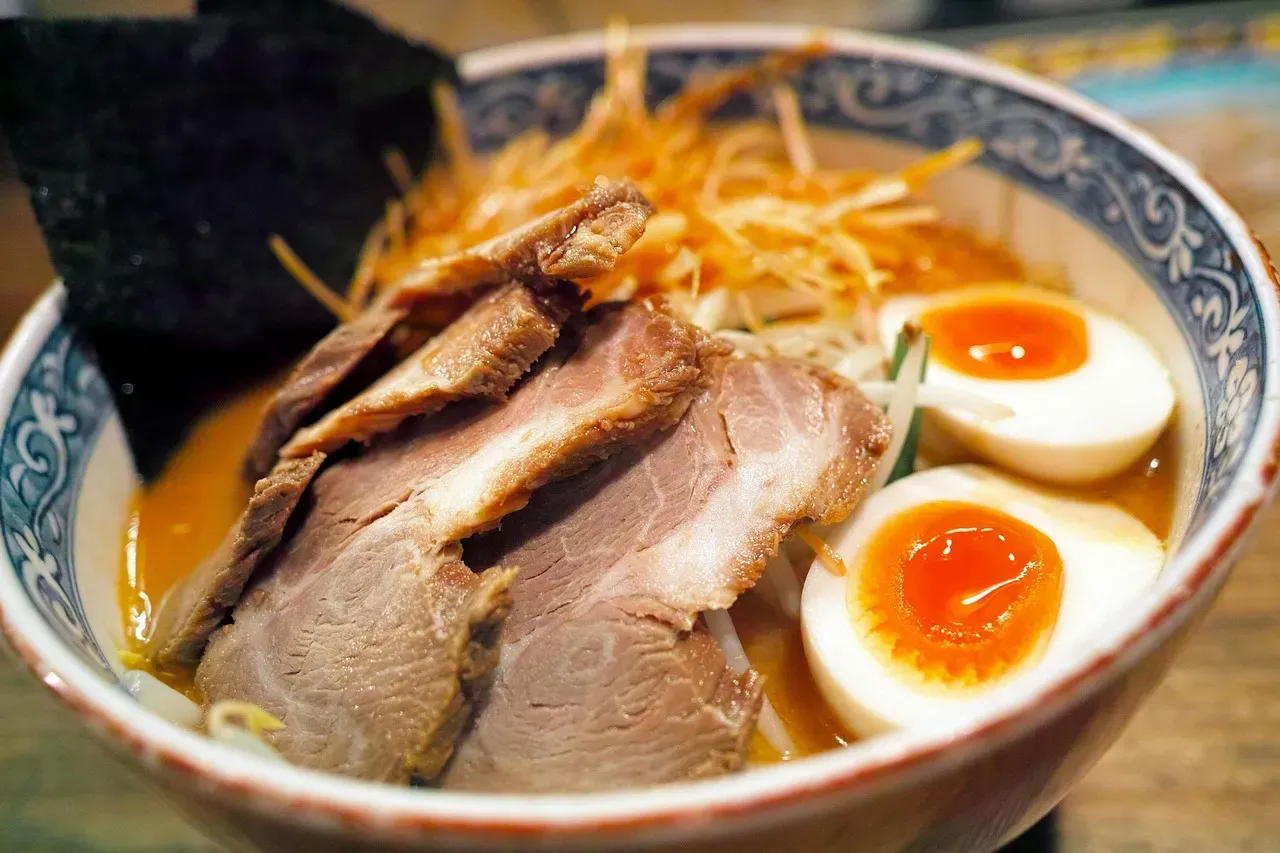
Boiled dinner, or New England Boiled Dinner, a meal consisting of corned beef boiled alongside potatoes, carrots, and cabbage, has seen decreased popularity outside its regional roots, as this one-pot meal, valued for its simplicity and heartiness, has been overshadowed by more complex and aesthetically pleasing dishes in the modern culinary scene. Boiling everything together sounds practical, but it doesn't exactly create visual drama.
The shift toward Instagram-worthy plates didn't help. Food became performance art, and a plate of beige boiled vegetables and meat didn't photograph well. Roasting, grilling, and searing offered better flavor and better presentation.
Regional traditions kept boiled dinners alive in pockets of New England and the Midwest, but beyond those areas, they quietly disappeared. Younger cooks wanted recipes that felt exciting and fresh, not something their great-grandparents made during wartime rationing.
Jell-O Salads: The Gelatin Craze That Became a Punchline
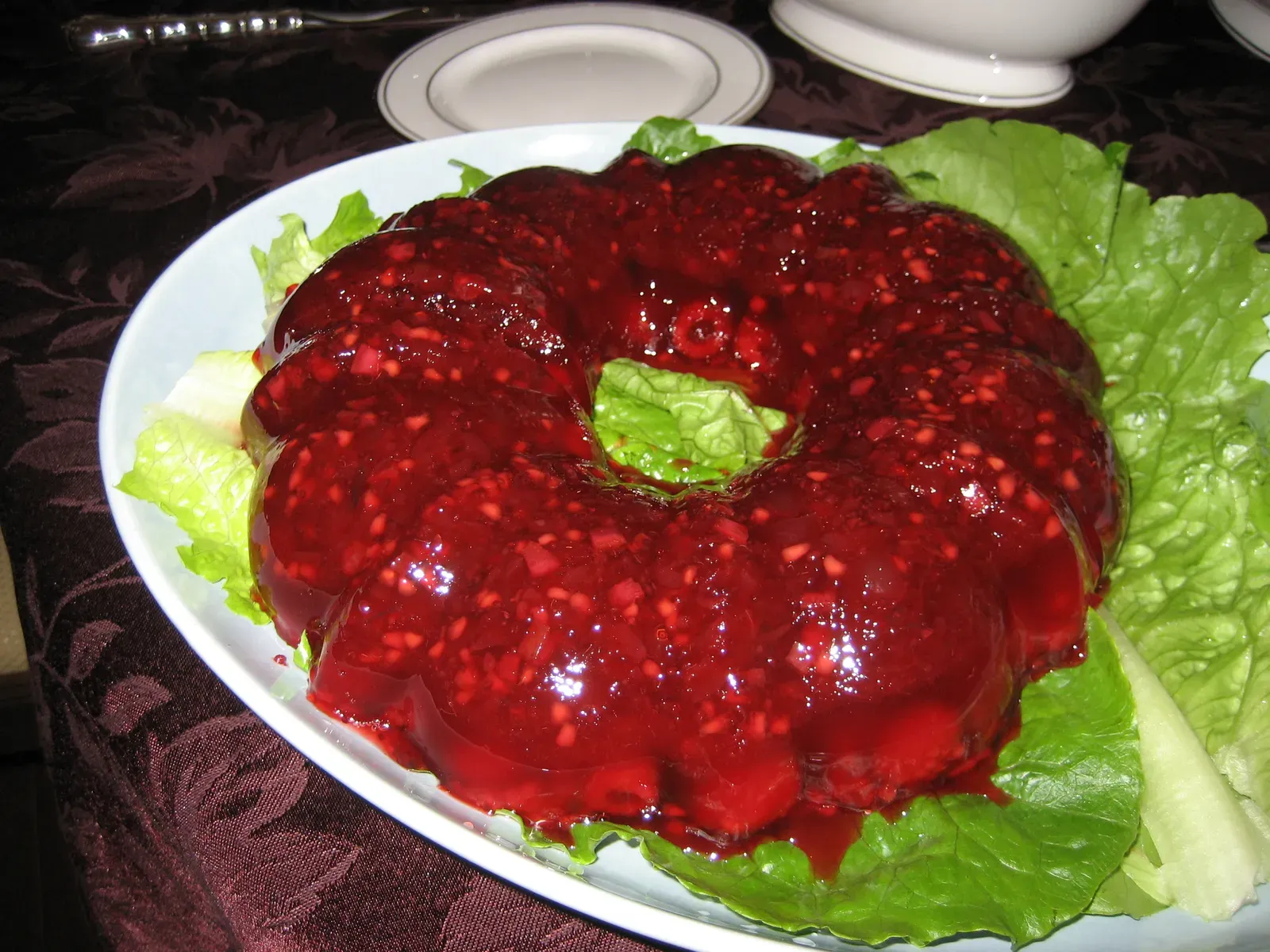
Jell-O salads, often mixed with fruits or vegetables, were a fixture at many mid-20th-century American gatherings, but these gelatin-based dishes are no longer the party centerpiece they once were. Lime Jell-O with shredded carrots? Orange gelatin with cottage cheese and pineapple? It sounds wild now, but it was considered creative and modern back then.
The decline came fast once people started questioning why fruit needed to be suspended in wobbly gelatin in the first place. Jell-O salad, which mixes gelatin with ingredients like fruit, nuts, and sometimes vegetables or even seafood, has significantly dropped in favor, and is now often cited as a puzzling culinary artifact of the past, with the decline linked to changing tastes and a move away from heavily processed foods.
These days, Jell-O salads are more meme material than actual menu items. They show up in retro-themed parties or ironic potlucks, but nobody seriously serves them expecting compliments. The aesthetic alone became a cautionary tale about food trends gone too far.
Deviled Ham Spread: The Canned Mystery Meat Nobody Misses
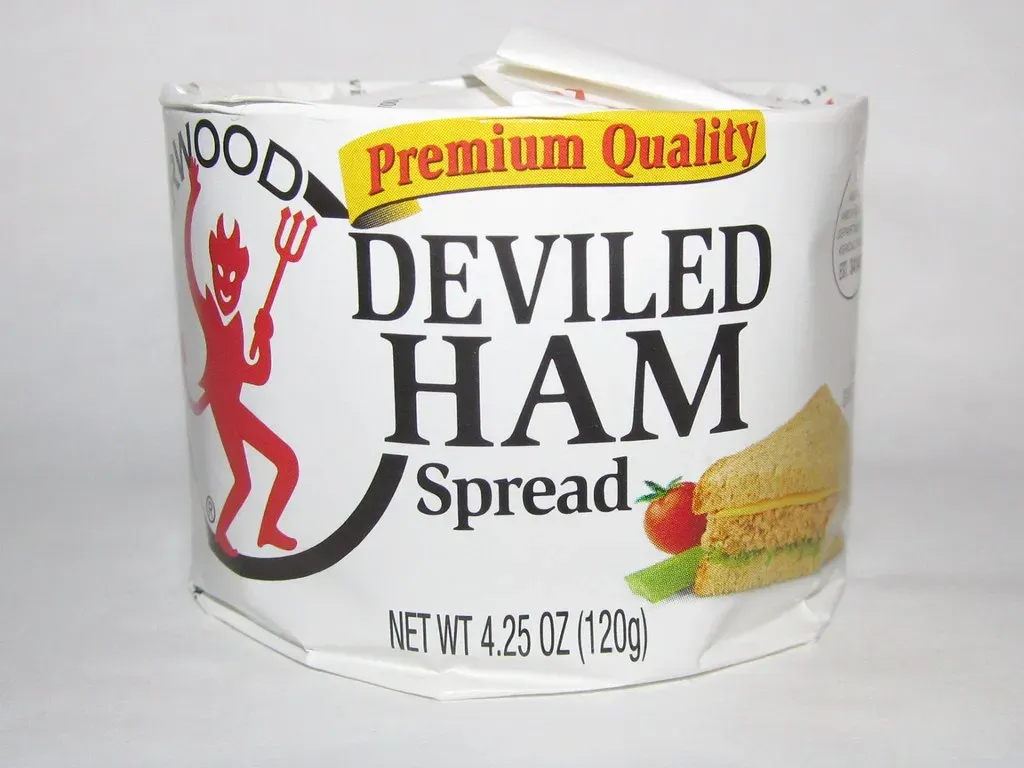
Deviled ham came in those distinctive little cans with the devil logo. You'd spread it on crackers or white bread for a quick snack or light lunch. It was salty, processed, and vaguely meat-flavored.
As fresh deli meats and artisan spreads became widely available, deviled ham lost its footing. Why eat something that tasted faintly chemical when you could get freshly sliced turkey or a gourmet pâté? The rise of food transparency movements also made people wary of mystery ingredients in tiny cans.
The family dinner was once a ubiquitous feature of American life, but it has disappeared in many households, and far fewer Americans report having regular meals with their family during their formative years, as Baby Boomers were far more likely to have grown up having meals with their families than Millennials and Gen Zers. Deviled ham was a casualty of that broader shift. As family dinners became less common and tastes became more sophisticated, products like deviled ham simply couldn't keep up.
These nine meals tell a bigger story about how American eating habits transformed over the last few decades. Economic pressures, health awareness, and changing family structures all played roles. What once felt modern and convenient eventually became outdated and unhealthy.
Maybe some of these dishes deserve a comeback with better ingredients and updated techniques. Others might be better left to memory. Either way, they shaped generations of dinners and defined what comfort food meant for millions of families. What do you think? Do any of these meals bring back memories, or are you glad they faded away? Let us know your thoughts.



Leave a Reply