
You know that moment when you open your fridge late at night looking for something quick to eat? There sits last night's takeout, that container of homemade soup, maybe some leftover rice from the weekend. Most of us don't think twice before tossing it in the microwave. Reheating leftovers seems harmless enough, right?
Here's the thing though. Some foods can actually become dangerous when they're not reheated properly. It's not about being paranoid or wasteful, it's about understanding that certain leftovers require a bit more attention than others. Let's be real, nobody wants to end up with food poisoning from something that was perfectly safe the first time around. So let's dive in and explore which leftovers need special care.
Rice: The Sneaky Bacteria Magnet
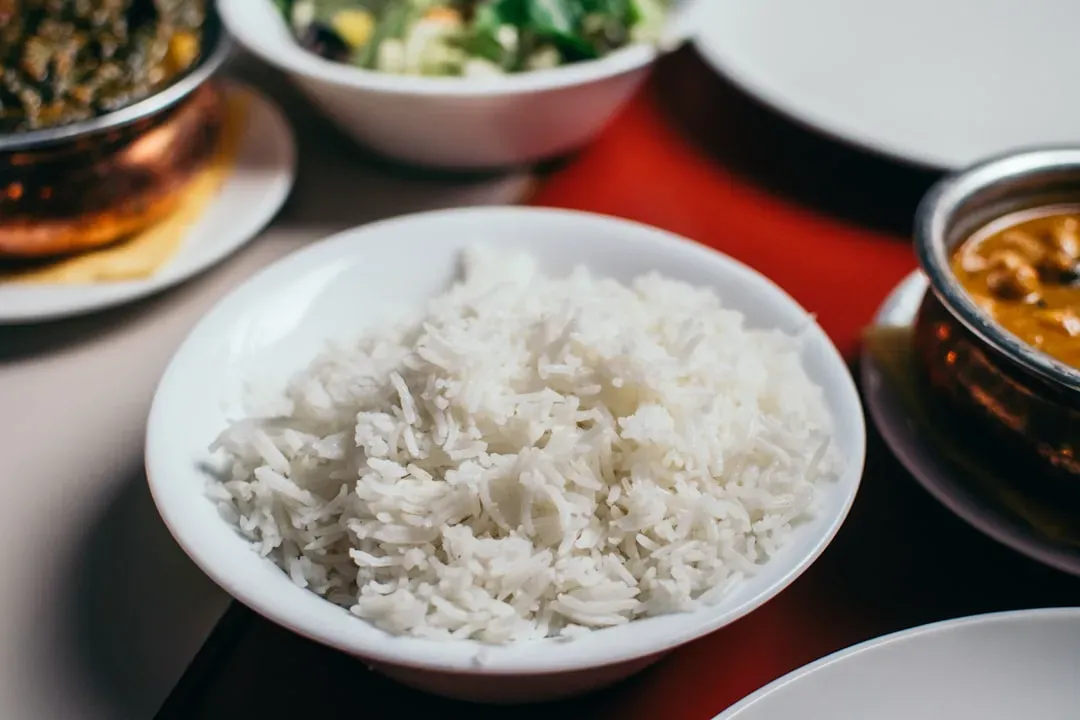
Rice might be the most surprising food on this list. The culprit behind reheated rice syndrome is a spore-forming bacteria called Bacillus cereus, and unlike common foodborne bacteria like Salmonella and E. coli, cooking or reheating your food won't protect you from infection because the toxins are heat-resistant and the spores can survive cooking.
The Centers for Disease Control and Prevention estimates Bacillus cereus causes 63,000 annual cases of foodborne illness in the United States and only 20 hospitalizations. The real danger comes from improper storage rather than reheating itself. When cooked rice sits at room temperature too long, those resilient spores multiply and create toxins that won't disappear no matter how hot you reheat it.
Cooked rice should be cooled rapidly and stored in the refrigerator within two hours of cooking. Think about the Friday night takeout that sat on your counter while you watched a movie. That's when the trouble begins. Once refrigerated properly, consume your rice within 24 hours and ensure it's steaming hot throughout when you reheat it.
Chicken: The Protein Breakdown Problem

Every year in the United States about 1 million people get sick from eating contaminated poultry. This makes chicken one of the riskier leftovers sitting in your fridge right now. The issue isn't just bacteria though, it's also about how the protein structure changes during reheating.
Chicken is notorious for harboring harmful bacteria like Salmonella and Campylobacter, and when reheating, the chicken must reach an internal temperature of at least 165°F (75°C) to kill any bacteria. Microwaves are particularly tricky because they heat unevenly, leaving cold spots where bacteria can survive. You think the chicken feels hot on the outside, so it must be safe, but the center might still be dangerously cool.
Reheating multiple times increases risk, and not checking the internal temperature can leave bacteria alive. Honestly, the best investment you can make is a food thermometer. It takes the guesswork out of the equation entirely. Store your chicken in airtight containers within two hours of cooking and only reheat once.
Spinach and Leafy Greens: The Nitrate Transformation
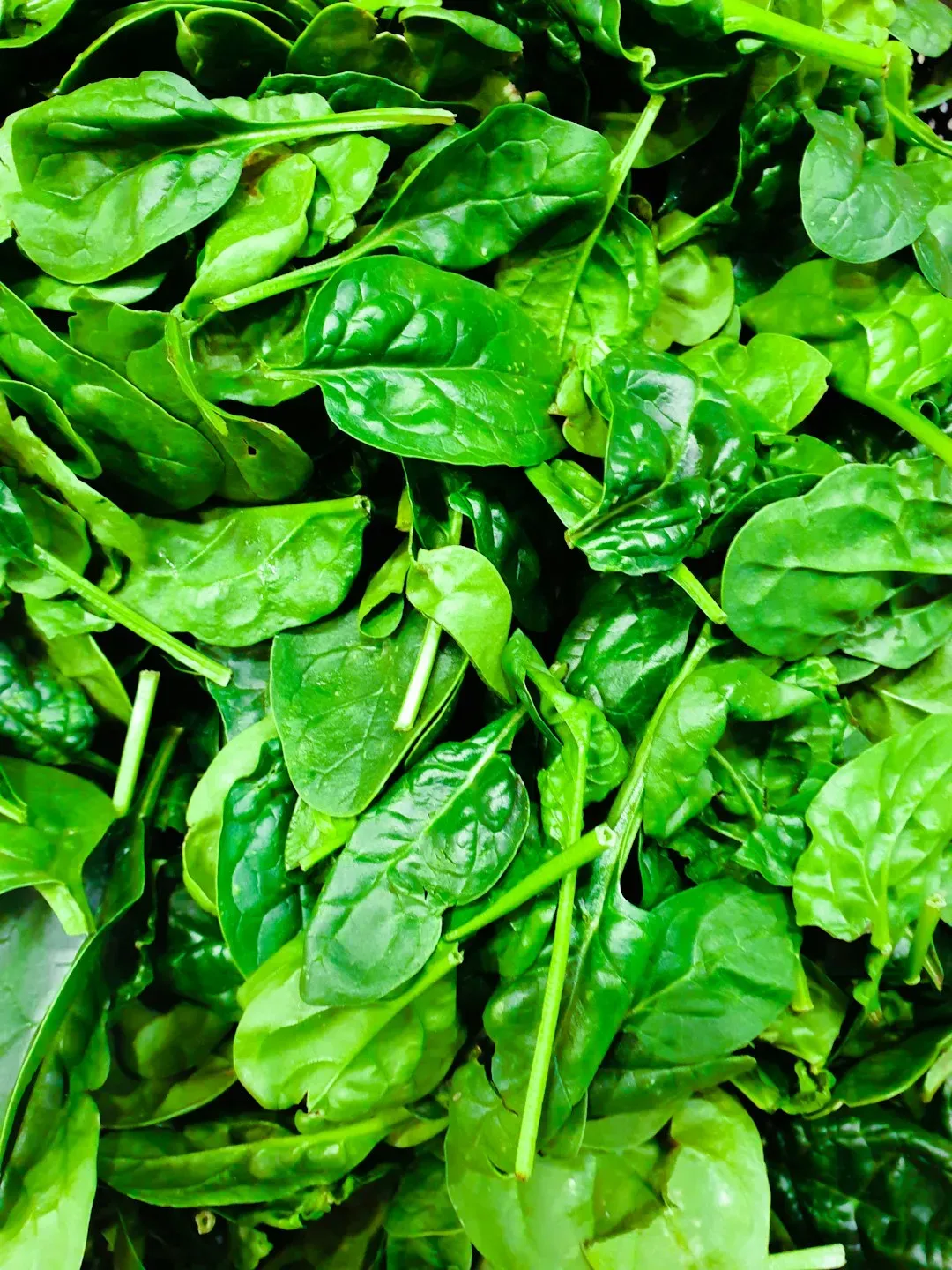
Leafy greens are supposed to be healthy, right? Well, they are when fresh. Fresh spinach contains high levels of nitrates which, when reheated, convert to nitrites and potentially harmful nitrosamines - compounds linked to cancer risks.
The chemistry here is fascinating yet concerning. Greens such as spinach, kale, and chard are naturally high in nitrates, and these compounds can turn into nitrites when heated a second time and under certain conditions form nitrosamines, which have been linked to cancer in long term studies. The longer your spinach sits before reheating, the more this conversion happens.
While adults would need to consume large amounts to see an effect, infants under six months are more vulnerable and should not be given reheated nitrate rich foods. I've switched to eating leftover spinach cold in salads instead. It actually preserves more nutrients that way anyway. If you absolutely must reheat spinach dishes, do it only once and ensure proper refrigeration below 40°F.
Potatoes: The Botulism Breeding Ground

This one sounds crazy until you understand the science. In April 1994, the largest outbreak of botulism in the United States since 1978 occurred in El Paso, Texas, where thirty persons were affected and four required mechanical ventilation. The source? Baked potatoes.
Toxin formation resulted from holding aluminum foil-wrapped baked potatoes at room temperature, apparently for several days, before they were used in dips. The foil creates an oxygen-free environment where Clostridium botulinum thrives. One teaspoon of botulism toxin could kill 100,000 people. That's terrifying when you think about it.
The invisible danger is what makes this so frightening. Your innocent leftover baked potato could harbor one of the deadliest toxins known, and you'd never see it or smell it. Remove the foil directly after baking to prevent botulinum bacteria from growing, and remove the aluminum foil from your potato before storing it in the fridge. Refrigerate potatoes within one hour and reheat thoroughly to 165°F.
Mushrooms: The Protein Degradation Dilemma
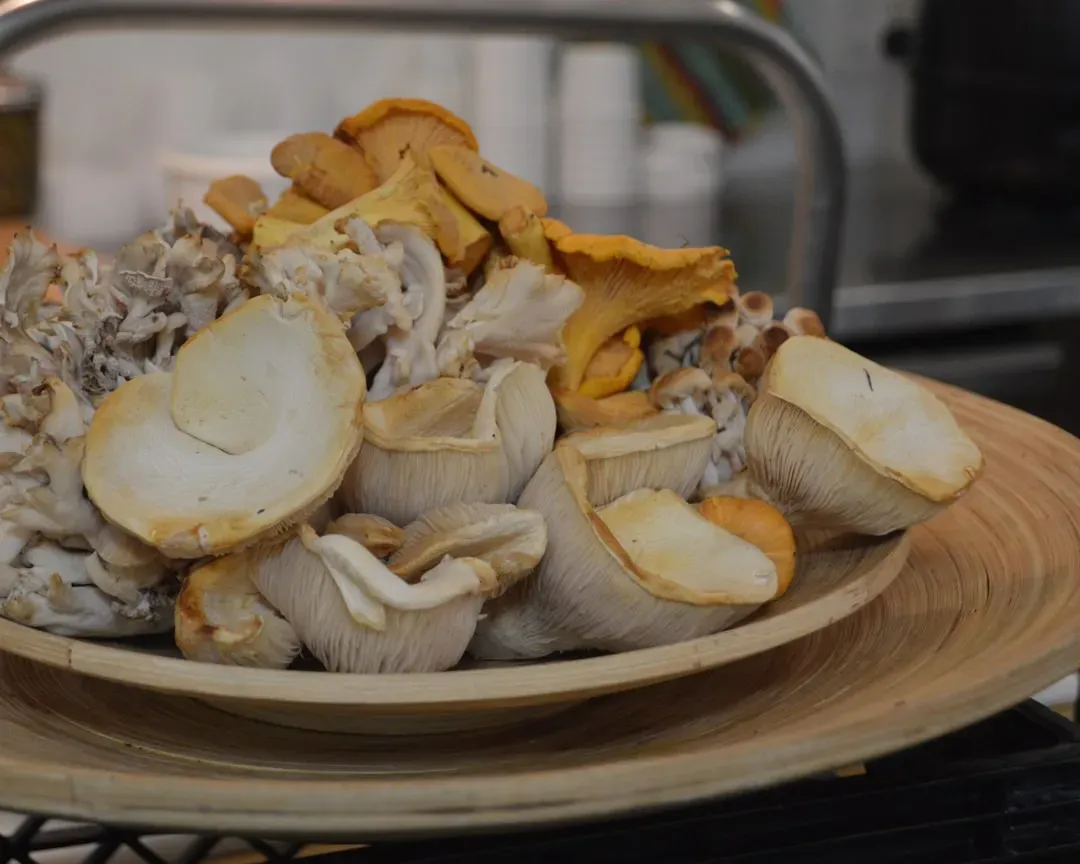
Mushrooms contain proteins that begin breaking down immediately after harvest, and when stored improperly and then reheated, these fungi can cause serious digestive distress as their cellular structure changes dramatically during storage, allowing bacteria to multiply rapidly.
Fresh mushrooms are packed with nutrients and taste amazing. The problem starts once they're cooked and stored. On reheating, some of the proteins break down, which not only changes the flavor of the food but also produces certain toxins that can lead to upset stomach and digestive problems.
Many of these concerns only apply to fresh mushrooms, and if you have leftover mushrooms that originally came from a can or jar, or that were dehydrated, you should be safe to enjoy your leftovers. The best approach? Consume cooked mushrooms immediately or eat them cold in salads and sandwiches. Your stomach will thank you.
Celery: The Hidden Nitrate Converter
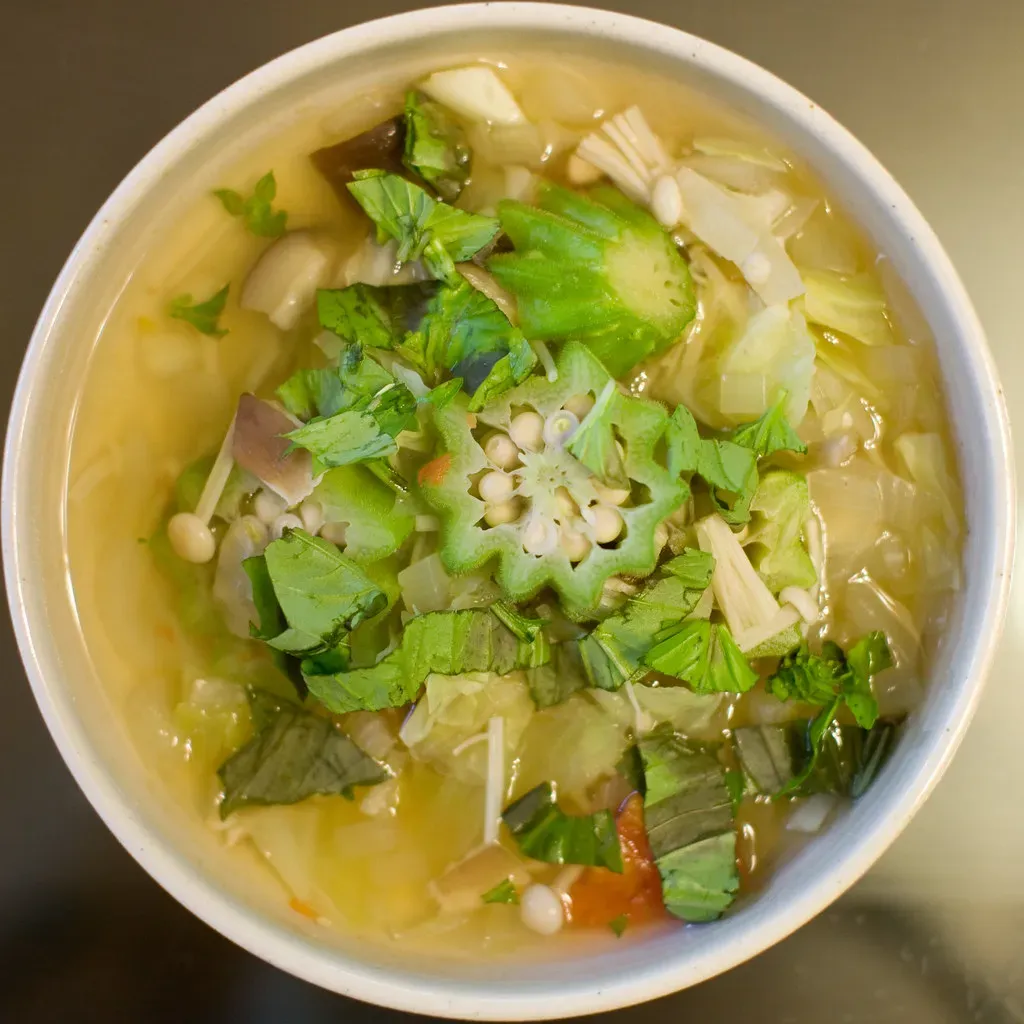
Celery makes a perfect crunchy snack when fresh. Like spinach, celery contains natural nitrates that convert to potentially harmful nitrites when reheated, and these compounds can form nitrosamines when exposed to high heat a second time. It's the veggie you chop up for soup without thinking twice about tomorrow's leftovers.
In 2015, the World Health Organization's International Agency for Research on Cancer confirmed that nitrosamines in processed meat cause colorectal cancer, and the same compounds form when you repeatedly reheat celery containing dishes. The irony here is thick. We add vegetables to our meals for health benefits, and through simple reheating they can transform into something potentially harmful.
If your recipe calls for celery in a soup or stew you plan to save, consider adding fresh celery at the end when reheating instead. Alternatively, enjoy those celery-rich dishes within one serving and avoid the reheating issue altogether.
Eggs: The Digestive Disruptor

Eggs provide a great source of protein, but reheating them degrades the proteins, leading to digestive discomfort such as bloating and indigestion. Whether scrambled, fried, or in a frittata, eggs don't handle the cooling and reheating process well.
Scrambled or fried eggs can dry out quickly and if stored too long may allow bacteria like salmonella to develop. Think about that breakfast burrito you wrapped up for later. The eggs inside are already going through protein changes, and improper storage compounds the problem.
The solution is straightforward. Prepare eggs in smaller quantities to avoid leftovers, or consume them immediately after cooking. When you do store egg dishes, refrigerate within two hours and eat within a day. Skip reheating if possible and enjoy them cold, or better yet, cook fresh eggs when you're ready to eat.



Leave a Reply