
Have you ever stared at that dusty bottle of vinegar in your pantry and wondered if it's still good? Or felt guilty tossing honey that's crystallized into a chunky mess? Here's the thing: we've been trained to look at expiration dates like they're written in stone, but the truth is far more interesting. Some foods in your kitchen are basically immortal.
Let's be real, food waste is a massive problem. In 2026, we're more conscious than ever about what we throw away, especially with food insecurity affecting more than one in ten American households. The good news is that understanding which staples genuinely last forever can save you money, reduce waste, and keep your pantry stocked for the long haul. So let's dive in and uncover the foods that laugh in the face of expiration dates.
White Rice: Your Pantry's Time Capsule
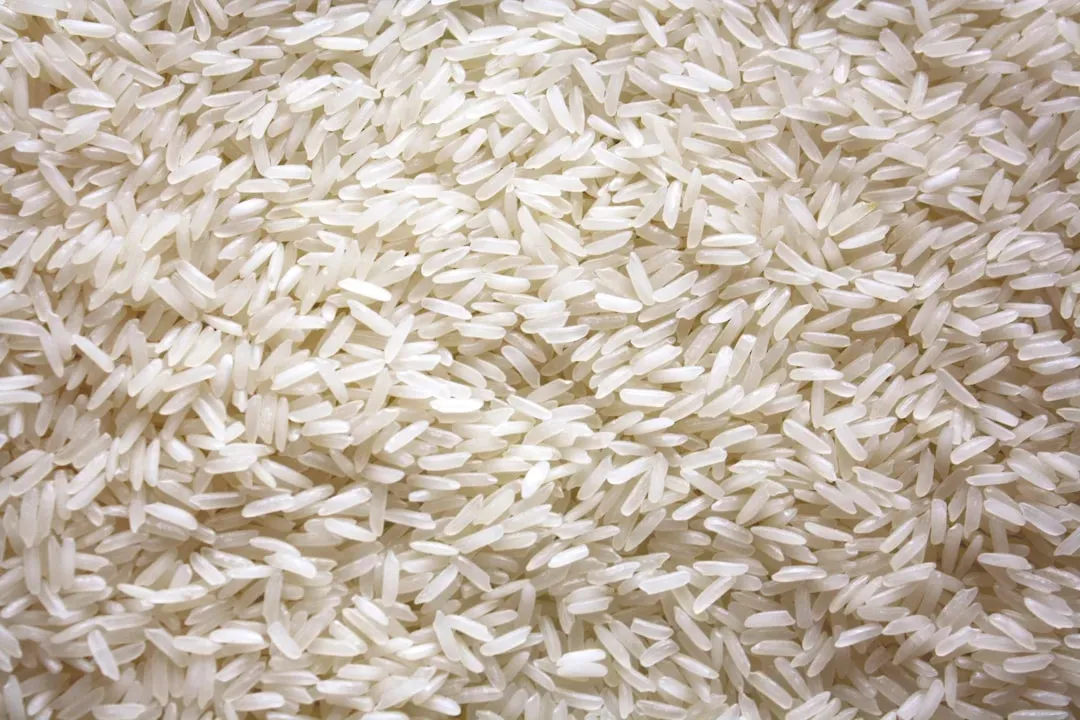
White rice can last indefinitely when unopened, and according to Utah State University Extension experts, it remains good for one to two years even after opening. The secret lies in its low oil content, which prevents it from going rancid like brown rice does. With proper storage at temperatures around 40 degrees Fahrenheit or lower in sealed, oxygen-free containers, white rice maintains quality for 25 to 30 years.
Think about that for a second. A bag of rice you buy today could theoretically feed your grandchildren. Store it in airtight containers away from moisture and pests, and you've got yourself a reliable food source for decades. Food-safe oxygen absorbers can extend rice's shelf life even longer, up to 10 years at room temperature.
The key here is keeping it dry. Moisture is rice's enemy. If you're serious about long-term storage, consider transferring your rice to glass jars or food-grade buckets with tight seals. That's not just good practice; it's a guarantee your rice will be ready whenever you need it.
Honey: Nature's Eternal Sweetener
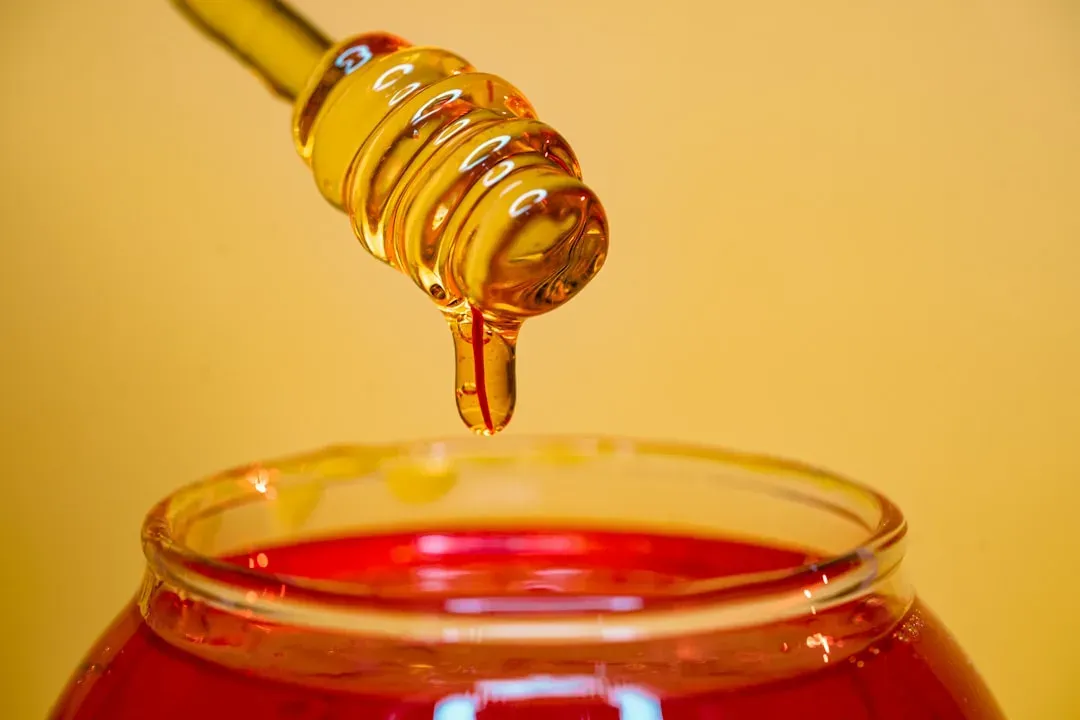
Archaeologists have found 3,000-year-old honey in Egyptian tombs that's still perfectly edible. I know it sounds crazy, but honey literally never spoils. Its pH level between 3.2 and 4.5, combined with low moisture content and high sugar levels, prevents bacteria from growing and creates an inhospitable environment for spoilage.
You might notice your honey crystallizing over time, becoming grainy or solid. That's completely normal and doesn't mean it's gone bad. Just warm it gently in hot water, and it returns to its smooth, golden glory.
When honey is pure and kept in a tightly sealed container so that no moisture gets into the jar, it can last forever. Literally. Store it at room temperature away from direct sunlight, and you've got a sweetener that will outlive us all. The only real danger is moisture contamination, so always use a clean, dry spoon when dipping into your honey jar.
Salt: The Mineral That Time Forgot
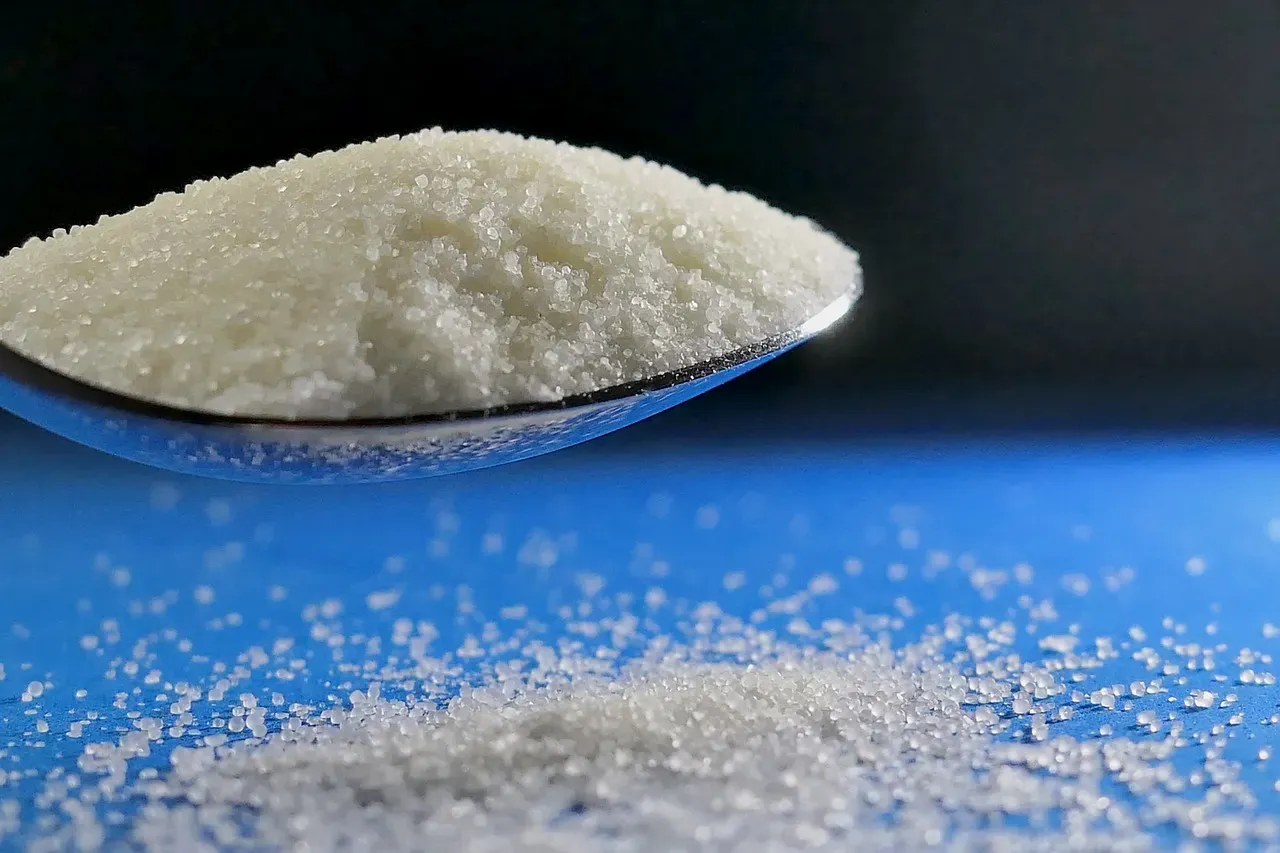
Salt is a mineral rather than a perishable food, which means it does not spoil, and its structure prevents microbial growth entirely. Whether you're using table salt, sea salt, or Himalayan pink salt, the principle remains the same. These are ancient minerals extracted from the earth, and they're not about to start rotting in your cabinet.
Sure, salt might clump if exposed to moisture, but that doesn't affect its safety or usability. While salt may clump if exposed to moisture, it remains safe and effective, and is essential for seasoning and food preservation. Break up the clumps, and you're good to go.
Salt has preserved food for millennia, so it's fitting that it preserves itself indefinitely. Keep it in a sealed container to prevent clumping, but honestly, even if you forget about it for years, salt will still be salt.
Dried Beans: The Protein Powerhouse That Lasts Decades
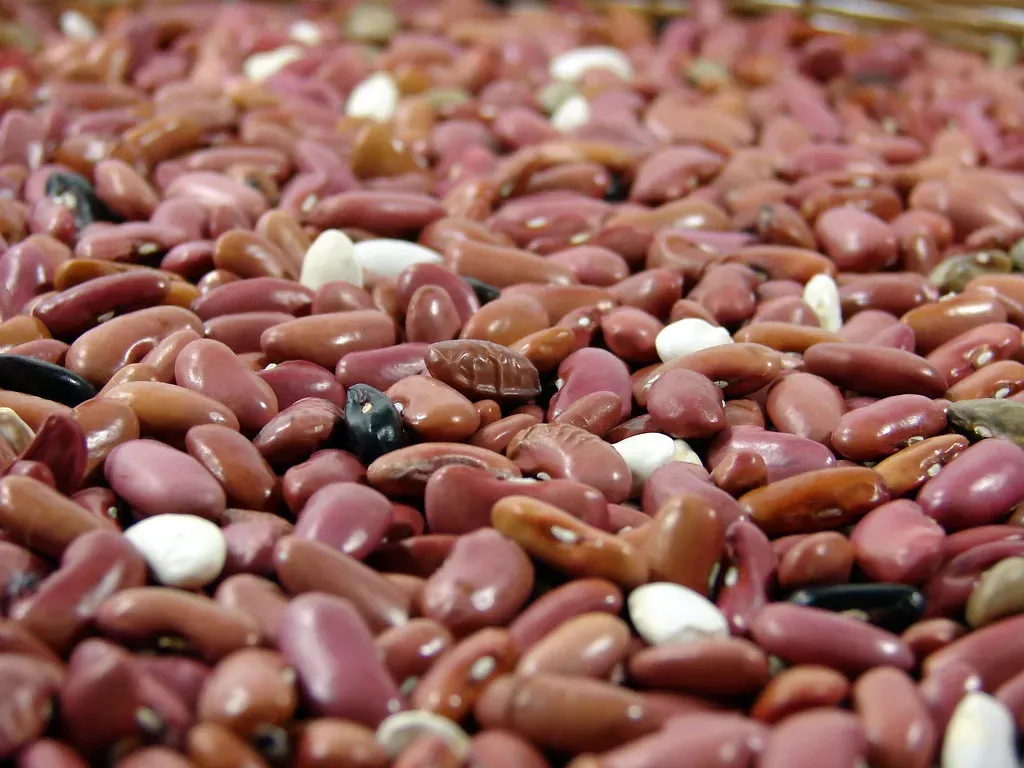
Most dried beans and lentils can last indefinitely and won't spoil if stored correctly in airtight containers under optimal conditions, and they won't lose their protein and mineral value over time. That makes them one of the best investments for long-term food security. A study by the USDA found that beans stored for over 30 years retained their nutritional value, though they may take longer to cook.
The catch? As beans age, they lose moisture and become harder. After 2 years, beans will lose their moisture and need to cook longer, but adding a quarter teaspoon of baking soda to every 500 grams of beans while cooking can help make them softer. Problem solved.
Whether you're stocking pinto beans, black beans, or lentils, proper storage in sealed containers keeps them fresh for extraordinary periods. If beans are stored in food grade packaging, sealed buckets, or Mylar bags with oxygen absorbers at 70 degrees Fahrenheit or less, they can last for ten plus years. That's serious longevity.
White Vinegar: The Acid That Never Quits
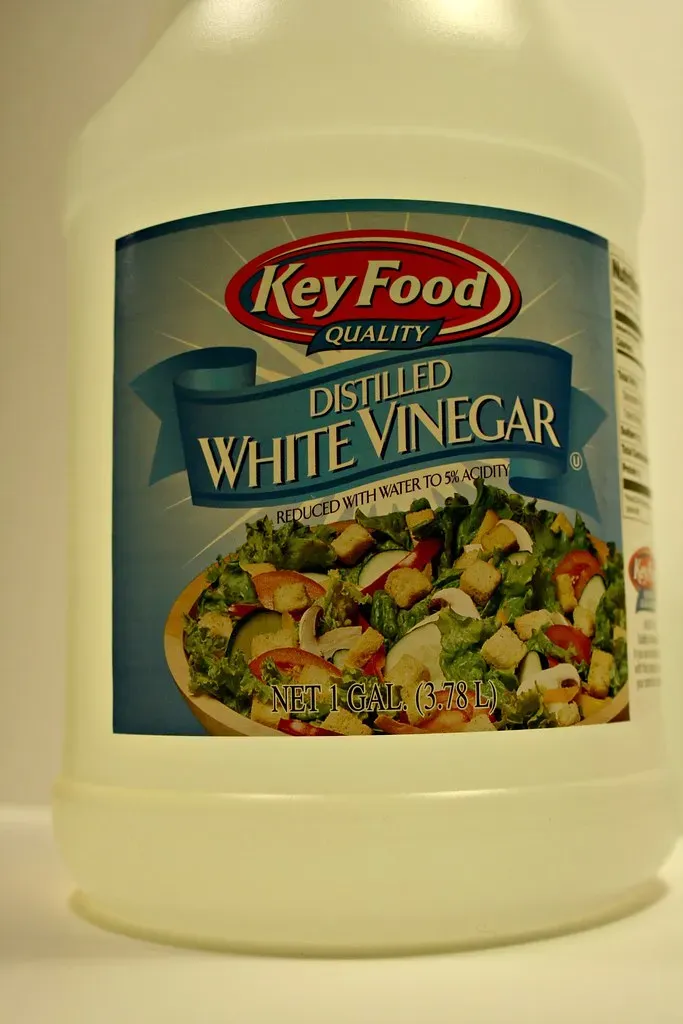
Vinegar is a fermented product with an almost indefinite shelf life according to the Vinegar Institute, and because of its acid nature, vinegar is self-preserving and does not need refrigeration. White distilled vinegar is especially stable, maintaining its quality virtually unchanged for years. White distilled vinegar will remain basically unchanged over an extended period of time and can still safely be used for all purposes beyond any date.
Other vinegars like apple cider or balsamic may develop sediment or change color slightly, but they remain perfectly safe. Aesthetic changes such as color, haze, or sediment may be observed in other types of vinegars, but despite the observed changes, the product can still be used and enjoyed with confidence.
Vinegar's uses extend far beyond salad dressings. It's a cleaning agent, a preservative, and a health tonic all rolled into one bottle. Store it in a cool, dark place in its original container, and you'll have a pantry staple that truly stands the test of time.
Granulated Sugar: Sweet and Everlasting
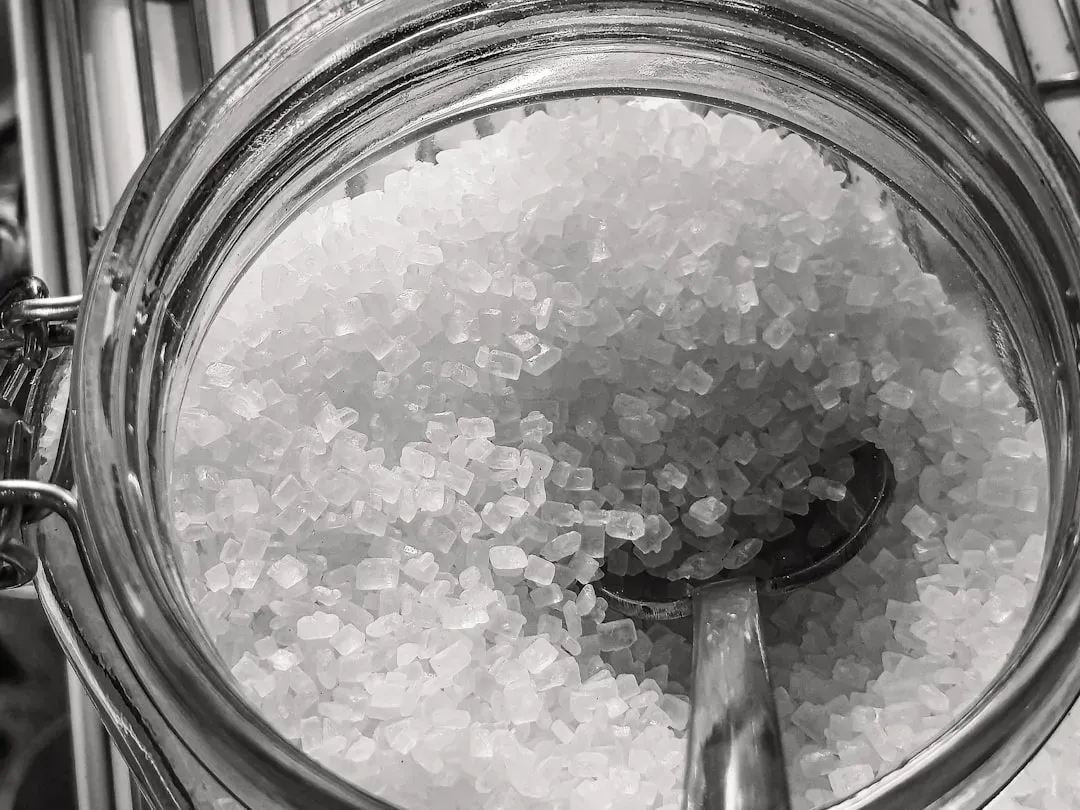
Granulated white sugar does not expire because it does not support bacterial growth, and it may harden if exposed to moisture, but this does not affect safety. Sugar's high concentration and low moisture content make it an inhospitable environment for microbes. That's why it's been used as a preservative for centuries.
If your sugar hardens into a brick, don't panic. Breaking up hardened sugar restores usability. You can also place a slice of bread or a damp paper towel in the container to soften it back up within a day or two.
Both white and brown sugar follow the same rules. Store them in airtight containers to prevent clumping and moisture absorption, and they'll be ready to sweeten your coffee or baked goods indefinitely. Sugar is one of those pantry staples where the label date is more of a suggestion than a rule.
Pure Vanilla Extract: Alcohol's Preservation Magic
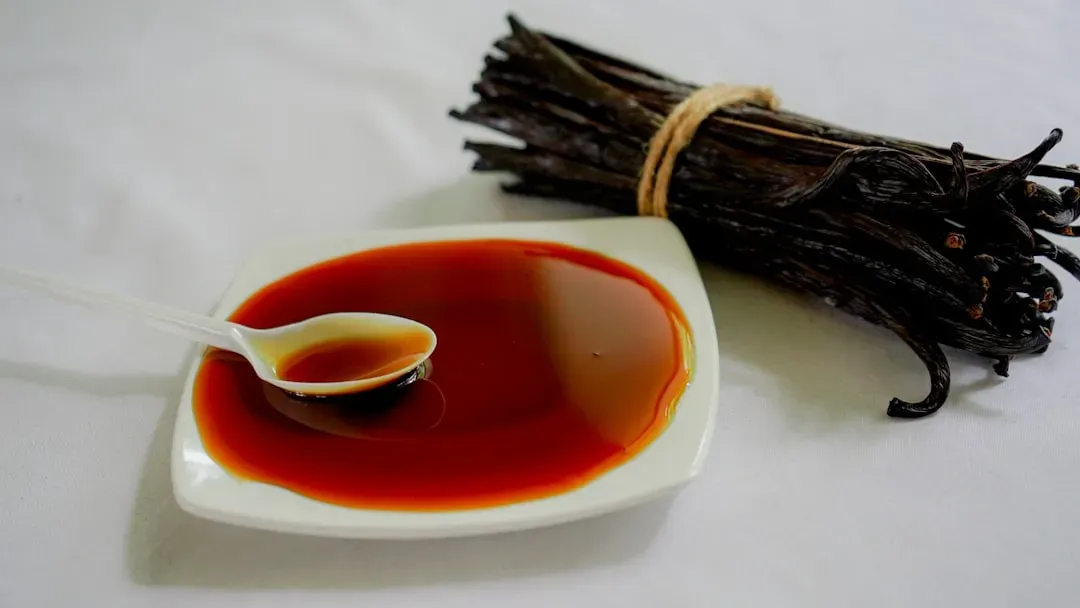
With its high alcohol content, pure vanilla extract is infinitely shelf stable, provided it's alcohol-based. The alcohol acts as a natural preservative, keeping those vanilla beans fresh and flavorful for decades. Pure vanilla extract is made from dried, cured vanilla beans soaked in alcohol, and that alcohol acts as a preserver for the beans, ensuring it will stay fresh and flavorful forever.
Here's where things get tricky: imitation vanilla is a different story. Imitation vanilla will expire after just two to four years. If you're investing in vanilla extract for the long haul, go pure. It costs more upfront, but when you consider it literally never goes bad, it's actually the economical choice.
Store your vanilla in a dark container away from heat and sunlight. Over time, it might even develop deeper, more complex flavors. Think of it like fine wine, except it's improving in your pantry instead of a cellar.
Cornstarch: The Thickener That Lasts Forever
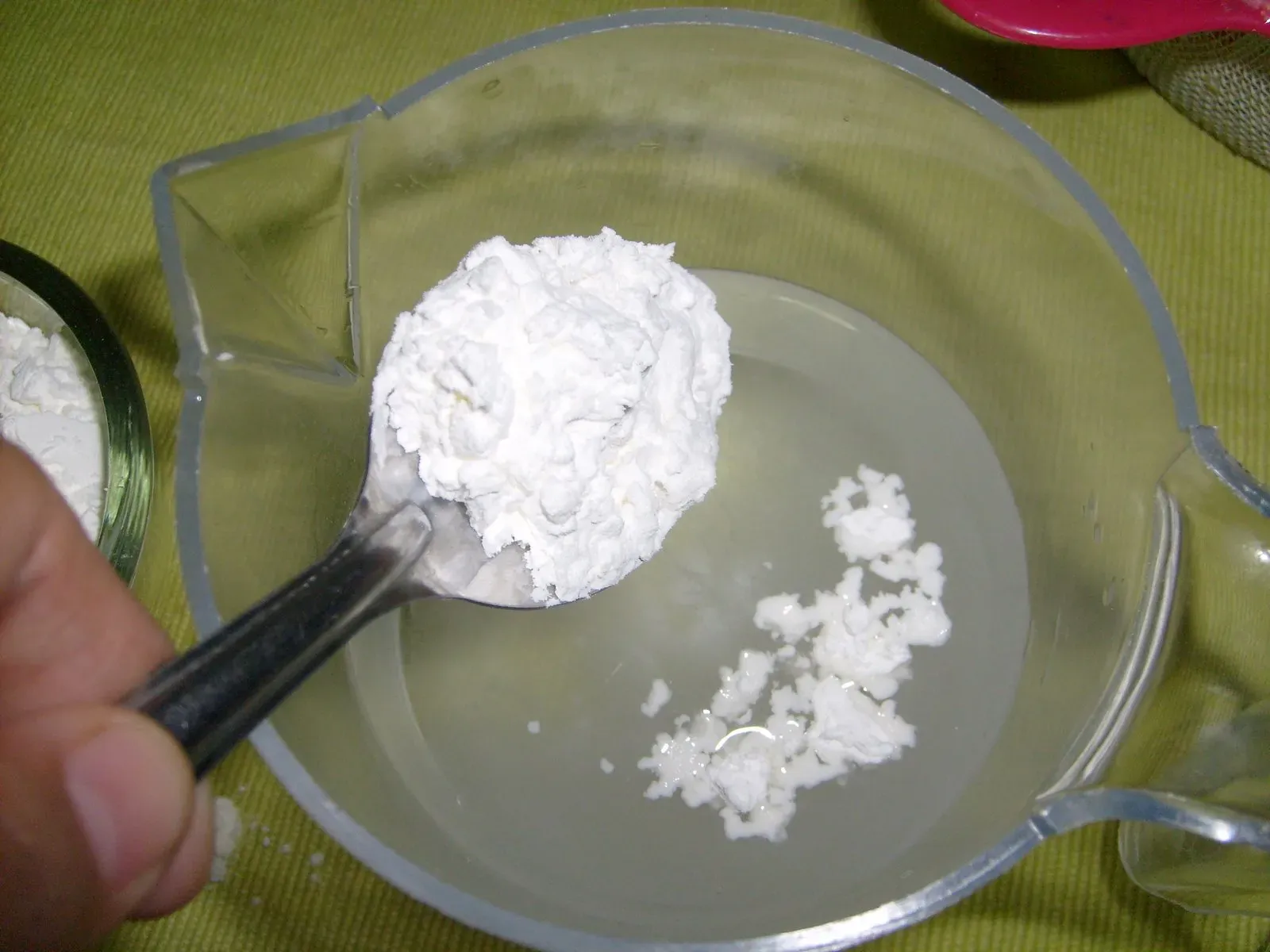
Cornstarch lasts forever when kept in its original container, stored in a cool, dark place away from moisture, and will begin dissolving as soon as it comes in contact with water. Cornstarch remains stable indefinitely when stored in a dry environment and does not spoil because it contains no fats or moisture.
This humble white powder is a kitchen workhorse. Use it to thicken soups, make crispy coatings for fried foods, or even as a natural solution for household problems. As long as you keep it dry, cornstarch maintains its thickening power indefinitely.
The only real threat to cornstarch is moisture. Once it gets wet, it starts to dissolve. Keep your container sealed tight, and maybe toss in a silica packet if you live in a humid climate. Your cornstarch will be ready to thicken gravies for generations to come.
Soy Sauce: Salt and Fermentation's Perfect Union
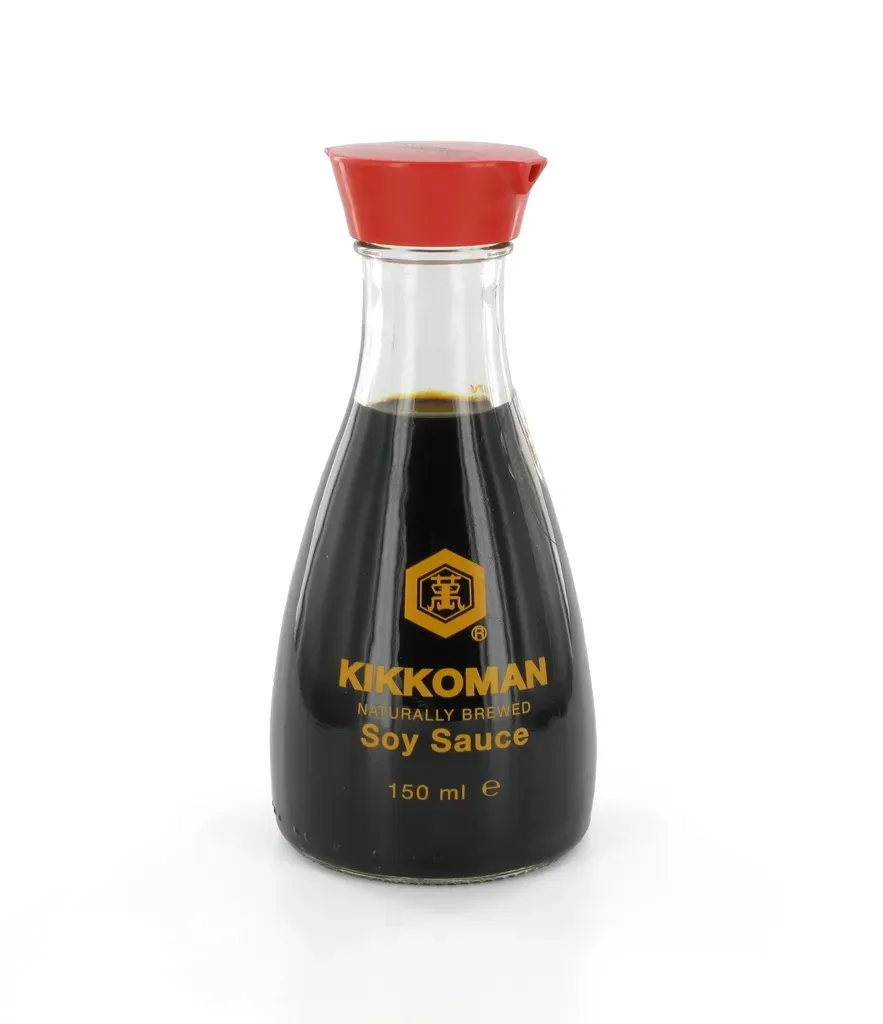
Because of its high concentration of salt, soy sauce will last forever as long as it stays sealed, and once opened, soy sauce is safe to eat for two to three years when kept in the refrigerator. Fermented condiments like soy sauce last a shockingly long time, with unopened bottles lasting 3+ years and even longer in the fridge once opened due to their high salt and acid content protecting them from spoilage.
Honestly, the biggest risk with soy sauce is using it all before it goes bad, which is basically never. The fermentation process combined with sky-high sodium levels creates an environment where nothing harmful can grow.
Even after opening, soy sauce maintains quality far beyond what most people expect. If you think it will take you more than a year to use the bottle, refrigeration helps preserve the distinctive flavor for a longer period. But let's be real: soy sauce is so versatile, you'll probably finish it long before quality becomes an issue.
Dried Pasta: The Carb That Conquers Time
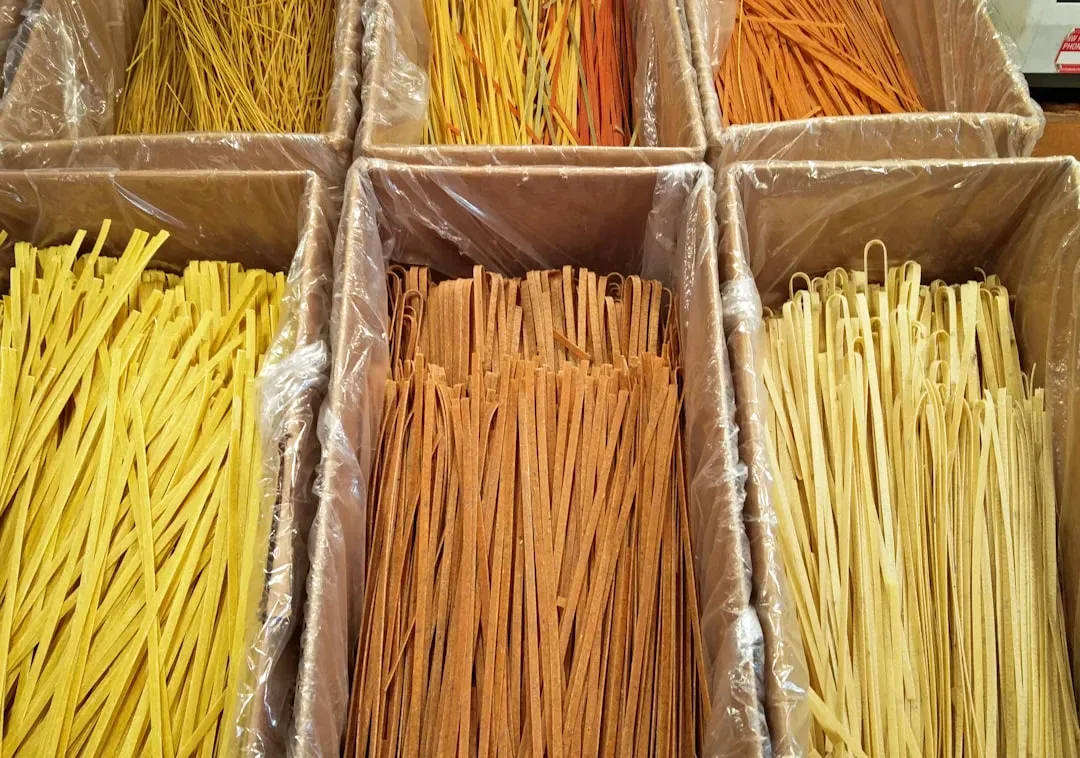
Dried pasta can last for years without losing quality according to food scientist Kantha Shelke, who tasted pasta found in an Egyptian pyramid with no loss in quality. The low moisture content inhibits bacterial and mold growth, making dried pasta incredibly stable. Dried pasta can last indefinitely when stored in an airtight container, and although it may be safe to eat for a very long time, the quality will decline over several years, so it's generally recommended to consume it within a couple of years for the best taste and texture.
Store your pasta in sealed containers in a cool, dry location, and it'll be ready whenever you need a quick dinner. The beauty of pasta is its versatility and reliability. Whether it's been sitting in your pantry for six months or six years, you can boil it up and have a meal on the table in minutes.
The only caveat is that flavored pastas or those containing eggs may not last as long. Dry pasta can last for over 10 years if stored properly, but egg pasta, gluten-free pasta, and flavored pastas may not last as long. Stick with plain dried pasta for maximum longevity.



Leave a Reply