
Most of us think the freezer is our best friend when it comes to preserving food. Just pop that leftover meal in the freezer, and you're good to go for weeks, right? Well, not exactly. While freezing can extend the shelf life of many foods, there's a whole category of items that simply don't play nice with ice crystals and subzero temperatures. Here's the thing: freezing doesn't ruin food from a safety standpoint, but it can absolutely devastate texture, taste, and overall quality.
Think about it this way. When water inside food freezes, it forms sharp little ice daggers that puncture cell walls. Once you thaw that food, you're left with a sad, mushy mess that barely resembles what you started with. Let's be real, nobody wants to bite into a watery cucumber or spread grainy cream cheese on their morning bagel. So let's dive in and discover which foods should stay far away from your freezer.
1. Lettuce and Leafy Greens
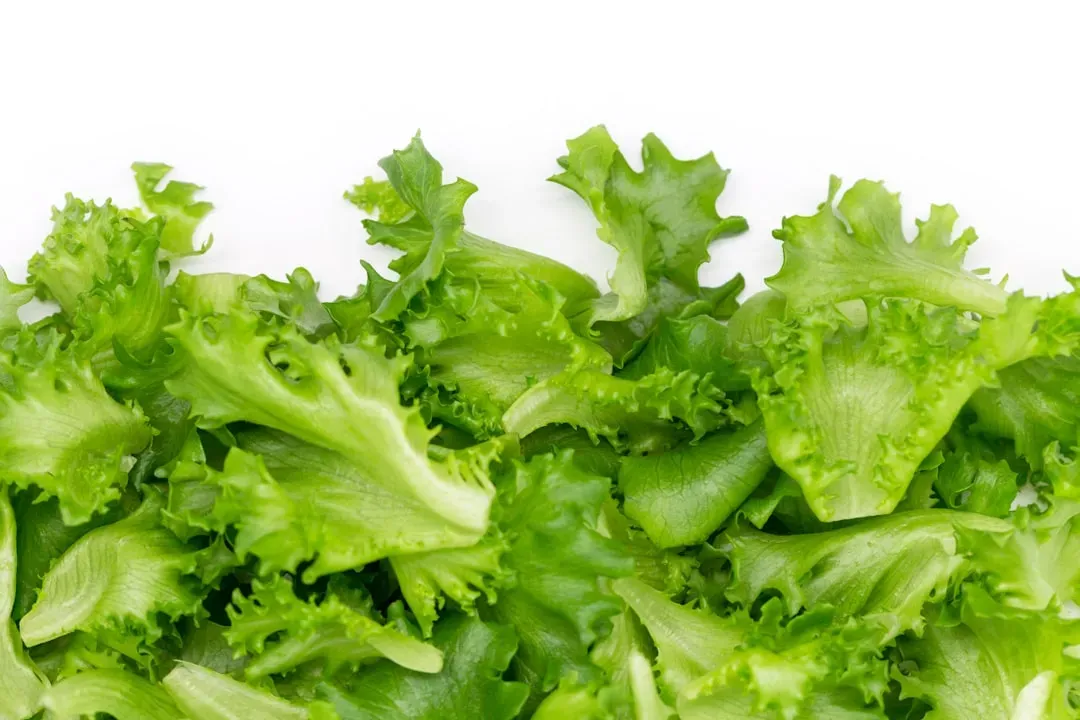
Freezing lettuce damages the cell walls as ice forms, turning your crisp salad greens into a wilted, soggy disaster. When you freeze fruits and vegetables, the water expands and ice crystals cause the cell walls to rupture, causing the texture of thawed produce to be much softer than when it was raw, particularly in food that is usually eaten raw.
Lettuce varieties like romaine, iceberg, and butter lettuce contain an incredibly high water content. Once thawed, these greens weep moisture and lose all their crunchy charm. Some lose their crunchy texture such as lettuce, cucumber, and strawberry when refrigerated or frozen improperly. Honestly, I can't think of a sadder kitchen sight than defrosted lettuce.
Instead of freezing, store your lettuce in the fridge with a damp paper towel. It'll stay fresh for days, and you won't waste perfectly good greens trying to salvage something that's basically turned into green slime.
2. Soft Cheeses
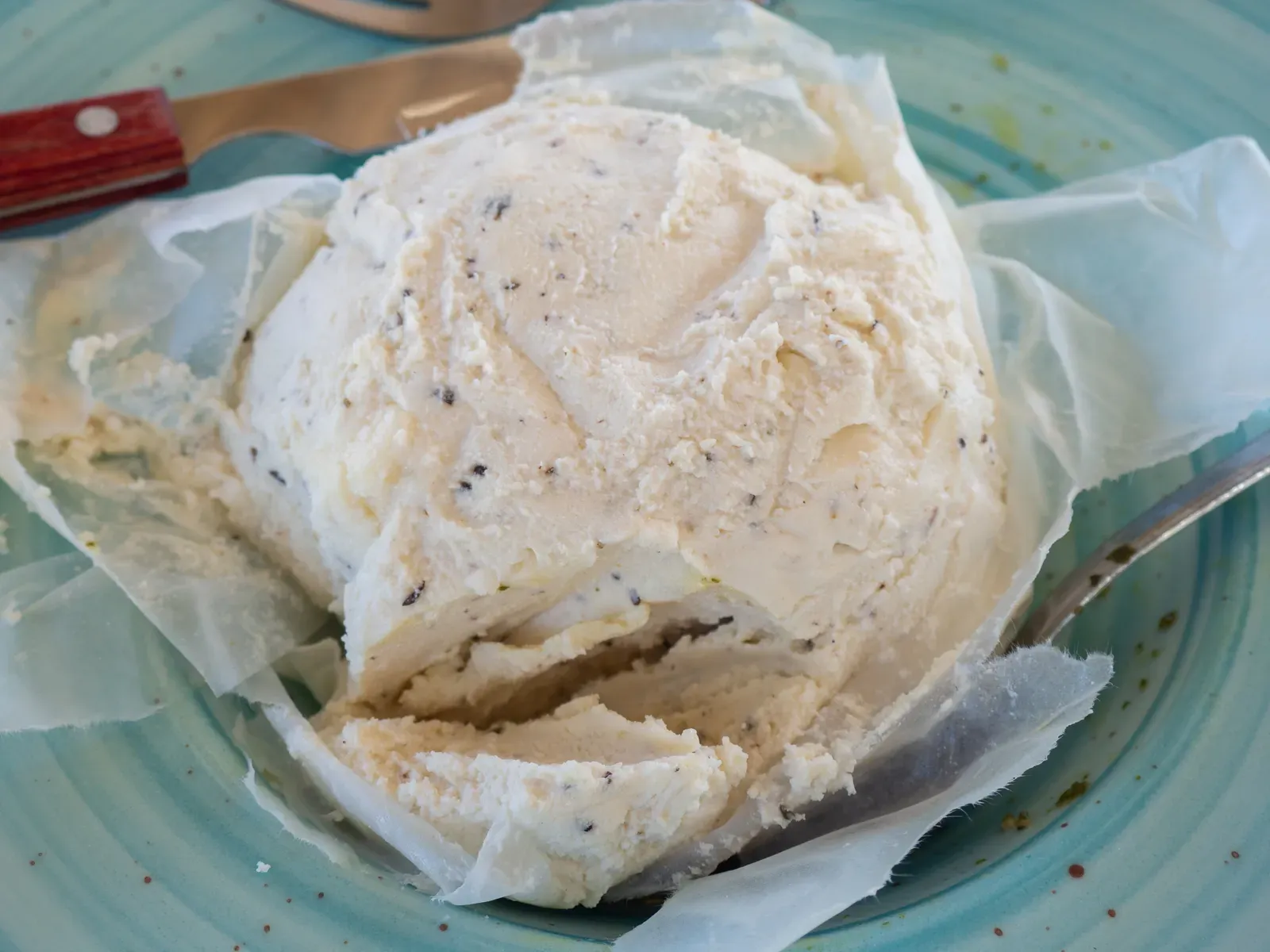
The issue with freezing cream cheese and other soft cheeses such as creamy brie, mozzarella and camembert is their high moisture content; the large quantity of water in the cheese will form ice crystals, and when thawed, the cheese will lose its creamy texture. Brie, ricotta, cottage cheese, and cream cheese all suffer the same fate in the freezer.
Soft cheeses like brie, ricotta, and goat cheese can become crumbly and dry when frozen, losing their creamy texture. The texture becomes grainy and unpleasant, nothing like the smooth spread you started with. Freezing cream cheese will change its texture, making it very grainy and more crumbly once it's thawed, which can make it more difficult to spread.
If you absolutely must freeze soft cheese, plan to use it only in cooked dishes like casseroles or sauces. The heat and other ingredients can mask the textural damage somewhat. Still, fresh is always better when it comes to soft cheeses.
3. Mayonnaise and Cream-Based Sauces
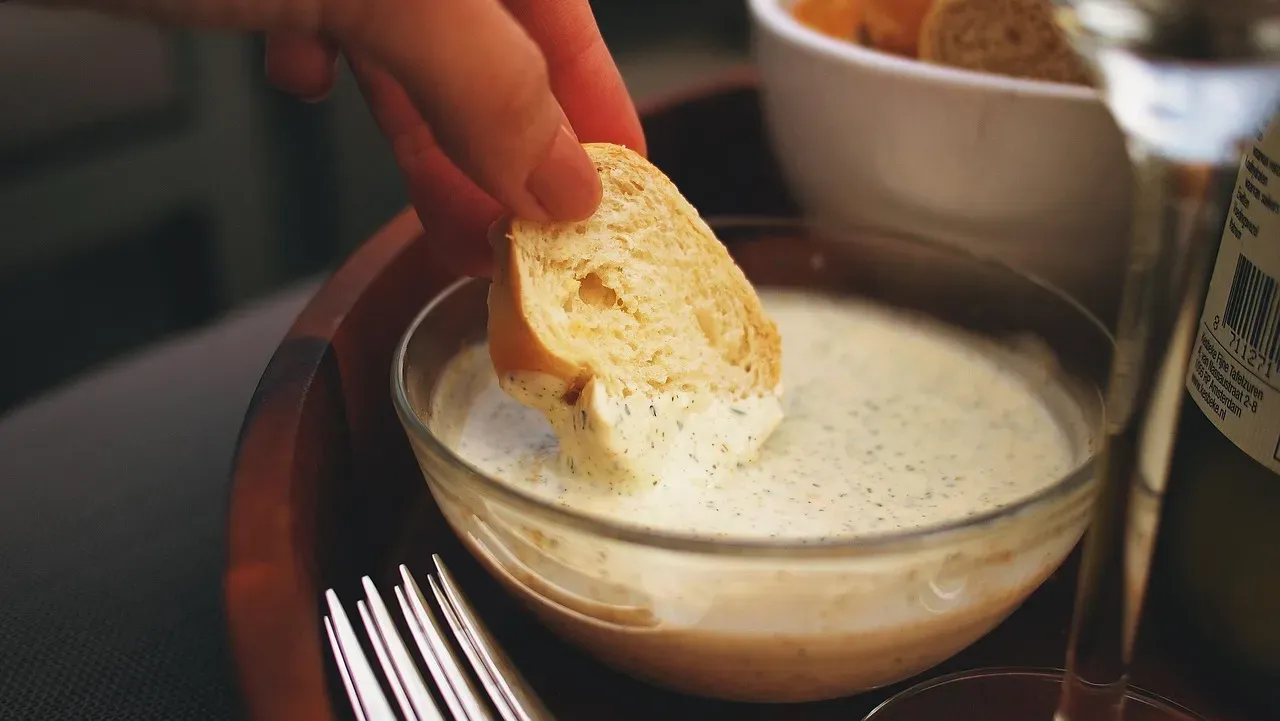
Emulsions such as mayonnaise or cream will separate and appear curdled after freezing and thawing. This happens because the delicate balance of oil, eggs, and water in mayo gets completely disrupted by ice crystal formation. What you're left with is a separated, watery mess that looks absolutely unappetizing.
Examples of foods that simply don't freeze well are mayonnaise, cream sauce and lettuce, according to the USDA Food Safety and Inspection Service. Cream-based sauces face similar problems. Many dairy products such as cream, mayonnaise, and sour cream separate and become watery when frozen, affecting both texture and taste.
The science is pretty straightforward here. These products are emulsions where fat and water are held together in a delicate suspension. Freezing breaks that bond, and there's really no coming back from it.
4. Eggs in Their Shells
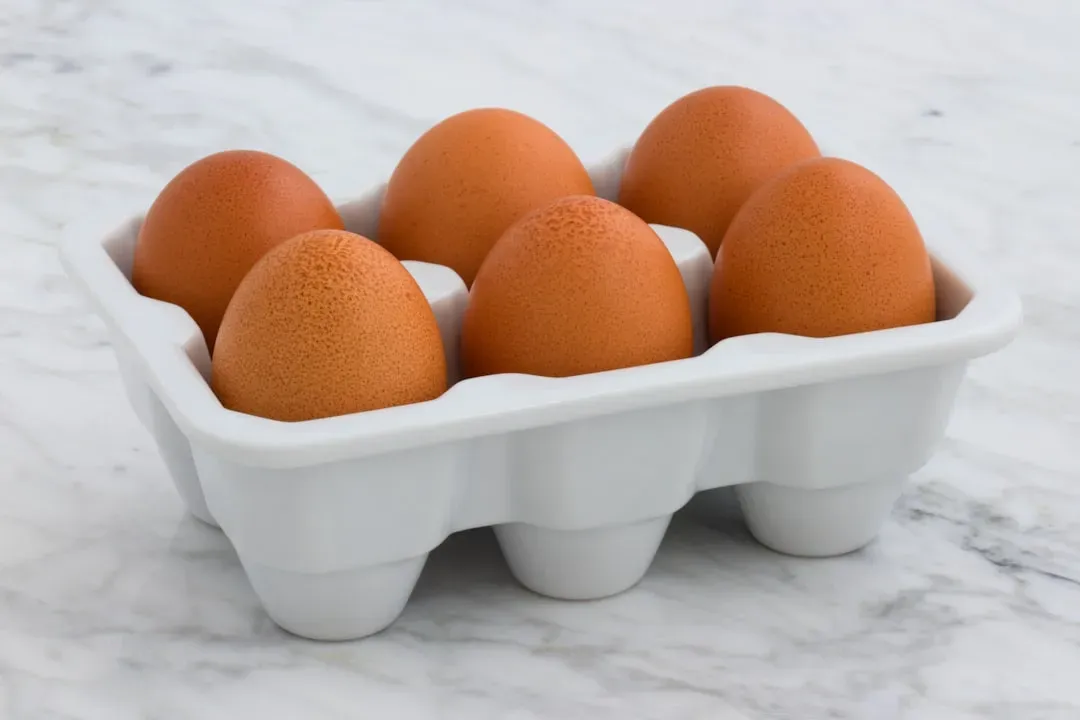
Eggs in shell should never be frozen as the liquid inside expands and can cause the shell to crack, risking bacterial contamination. This isn't just about texture, it's actually a safety issue. Some exceptions to freezing are canned food or eggs in shells, notes the USDA.
When water freezes, it expands. The liquid inside an egg does the same thing, putting pressure on the shell until it cracks. Once that shell breaks, you've got potential contamination issues and a huge mess in your freezer. Not exactly what you signed up for.
If you need to freeze eggs, crack them first, beat them lightly, and store them in airtight containers. They'll work fine for scrambling or baking later. Just never, ever freeze them whole in the shell.
5. Fried Foods
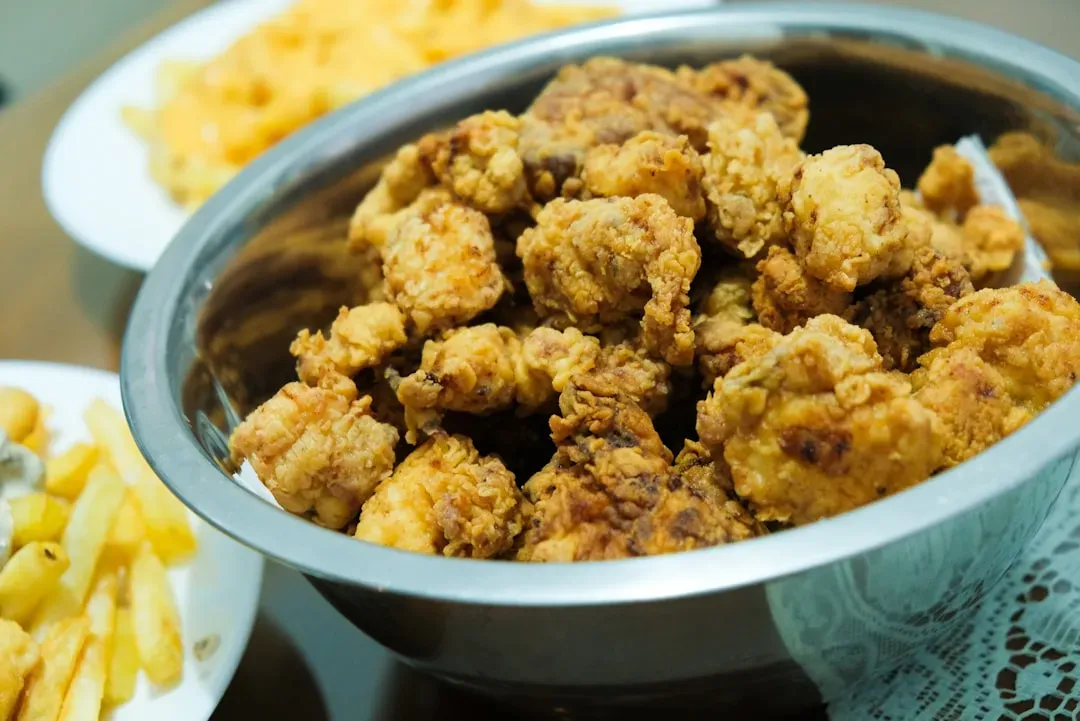
While freezing fried food might seem like a perfectly logical thing to do, the truth is that doing so will cost you, especially if you expect to hold on to its crispy texture. That perfectly crunchy coating you worked so hard to achieve? Gone. Fried foods become soggy when thawed, as freezing breaks down the crispy coating.
The moisture from ice crystals seeps into the breading during the thaw, turning your crispy chicken tenders or french fries into limp, sad versions of their former selves. Like with most foods mentioned on this list, ice crystals will change the way your fried food looks and feels once it's thawed.
Sure, you can try to reheat them in the oven or air fryer, but they'll never quite recapture that fresh-from-the-fryer magic. Better to just make fried foods fresh when you want them.
6. Cucumbers and High-Water Vegetables
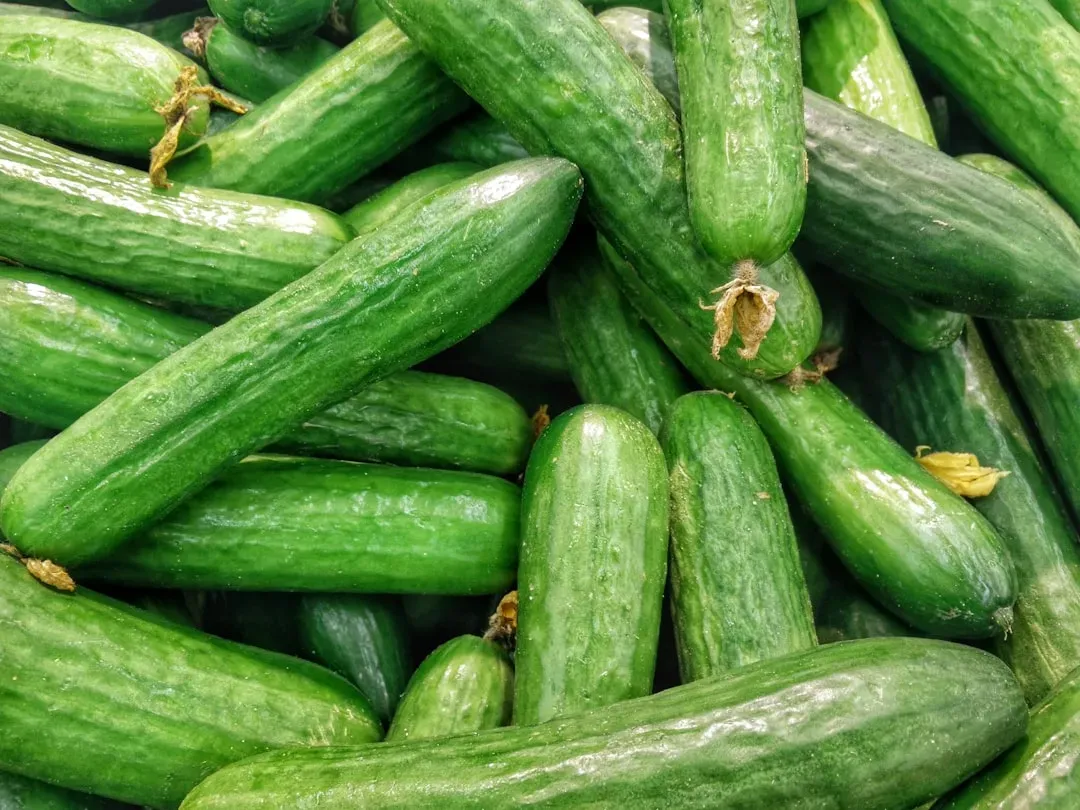
When frozen raw, cucumbers become mushy, celery turns watery, radishes start to resemble sponges in texture, and raw potatoes become grainy once thawed. These vegetables are water-dense nightmares for the freezer. The cucumber is about 95% water; if frozen and then thawed, it's left as a pulpy mush.
Celery loses its signature crunch entirely. Radishes turn bitter and spongy. The cell structure in these vegetables is simply too delicate to survive the freeze-thaw cycle. The cells are delicate, so they become damaged when ice crystals form inside; home freezers aren't as powerful as industrial ones, and slower freezing times create larger ice crystals within the cells.
Keep these veggies in the crisper drawer of your refrigerator instead. They'll stay fresh and crunchy for a decent amount of time without any freezer damage.
7. Cooked Pasta and Rice
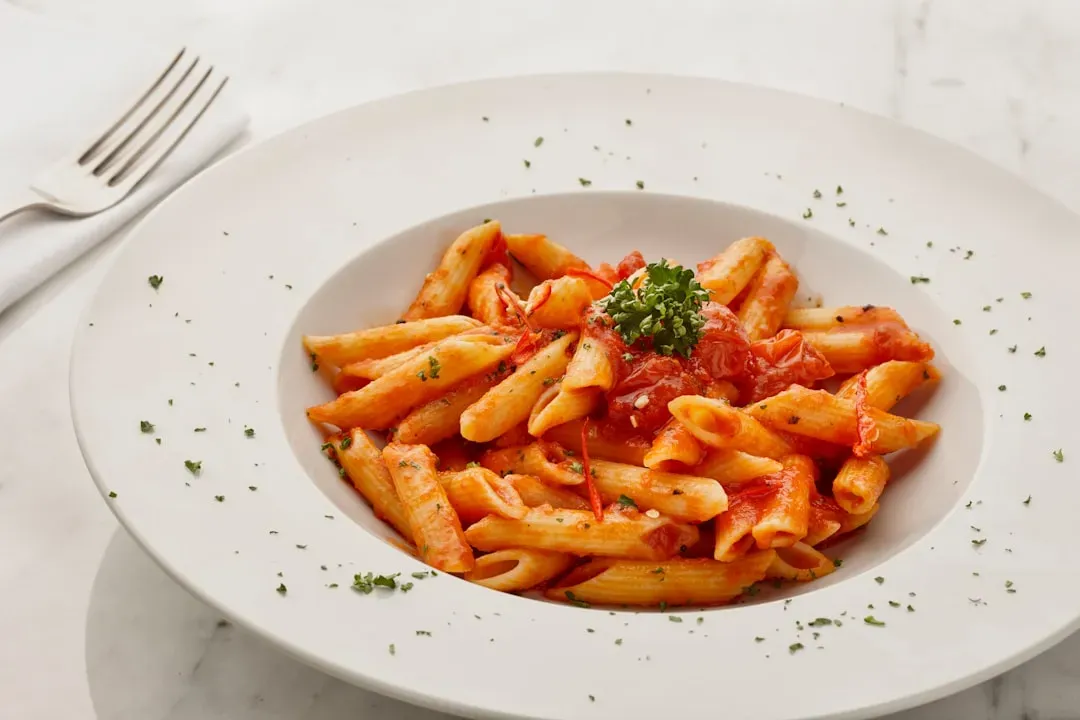
Lettuce and cabbage lose texture, egg whites get tough and cooked macaroni becomes mushy when frozen. Pasta and rice both absorb moisture when cooked, and freezing them creates additional textural problems. The starches in these foods break down further during freezing, leading to a gummy, overcooked texture once reheated.
Changes in the microstructure of frozen cooked noodles may be due to the formation of ice crystals and the mechanical action of ice crystals, which results in dehydration; noodles processed with higher freezing rates were observed to have higher texture properties. Still, even with optimal freezing, the quality just isn't the same.
If you're meal prepping, consider freezing sauces separately and cooking fresh pasta or rice when you're ready to eat. It takes a few extra minutes but makes a world of difference in quality.
8. Sour Cream and Yogurt
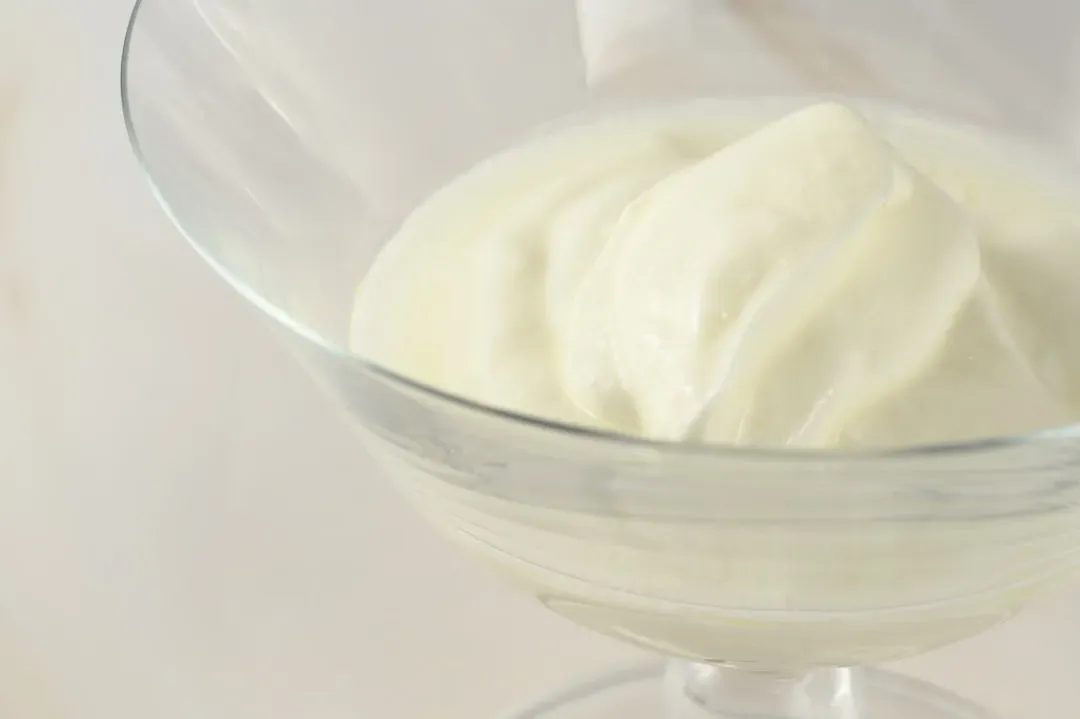
Sour cream, yogurt and buttermilk, all of the cultured, soured dairy products, lose their smooth texture when frozen and become grainy and sometimes separate out their water. The bacterial cultures and proteins in these products don't handle freezing well at all. What emerges from the freezer is a separated, watery product with a grainy texture that's pretty unpleasant to eat plain.
You can technically still use frozen-and-thawed sour cream or yogurt in cooking. They can still be used for cooking; flavored yogurts may be more stable because of the fruit and sugar, though it may taste more acidic when thawed. The heat helps mask the textural issues somewhat.
Honestly though, these products keep well enough in the fridge that freezing rarely makes sense. Just buy smaller containers and use them up while they're still fresh and creamy.
9. Whole Citrus Fruits
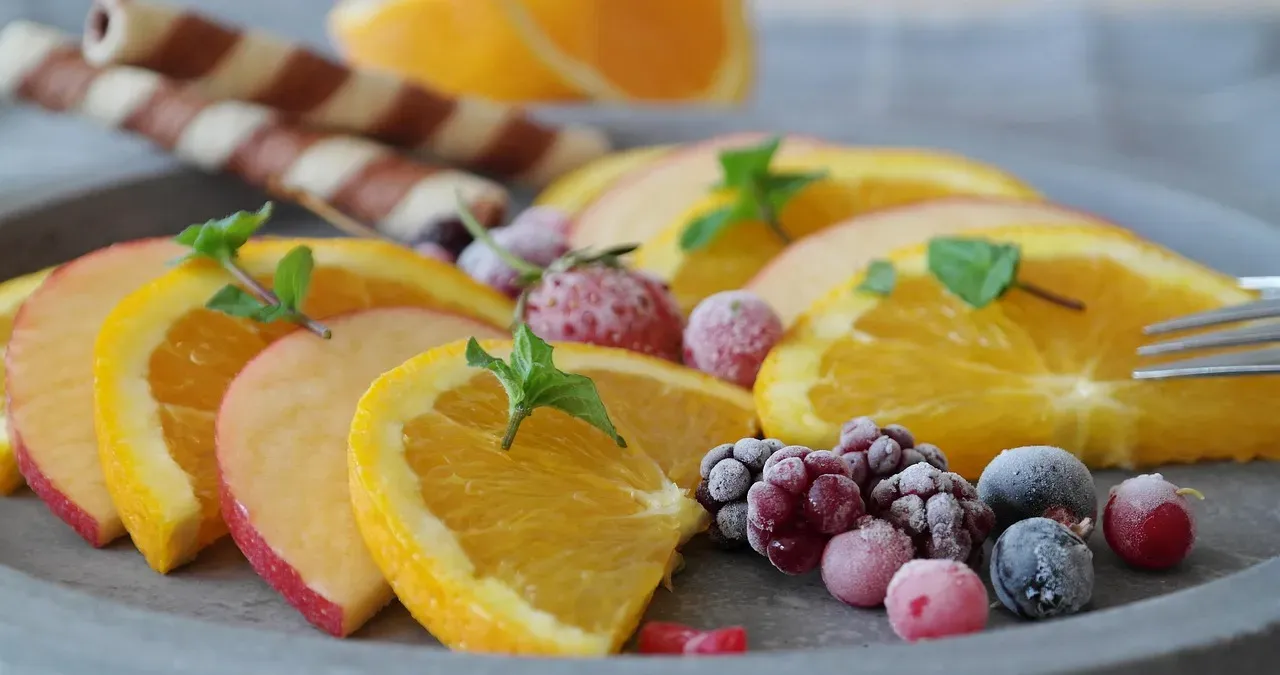
Ice ruins the precious cells of citrus, a physical change that leaves it mushy and soft; oranges and grapefruit, once thawed, lose firmness and flavor as moisture shifts and texture changes. That bright, juicy bite you expect from a fresh orange? It completely disappears after freezing. Lemons and limes suffer the same fate, leaving you with a mushy lemon or lime that's softer than desired.
The delicate membranes inside citrus fruits can't withstand ice crystal formation. Once thawed, you're left with a sad, waterlogged piece of fruit that barely resembles what you started with.
There's good news though. Citrus can be frozen in the form of juice or zest, just not whole; with prep work, you can preserve the flavor for smoothies, cocktails, and baking. This way you keep the flavor without the mushy texture disaster.
10. Raw Potatoes
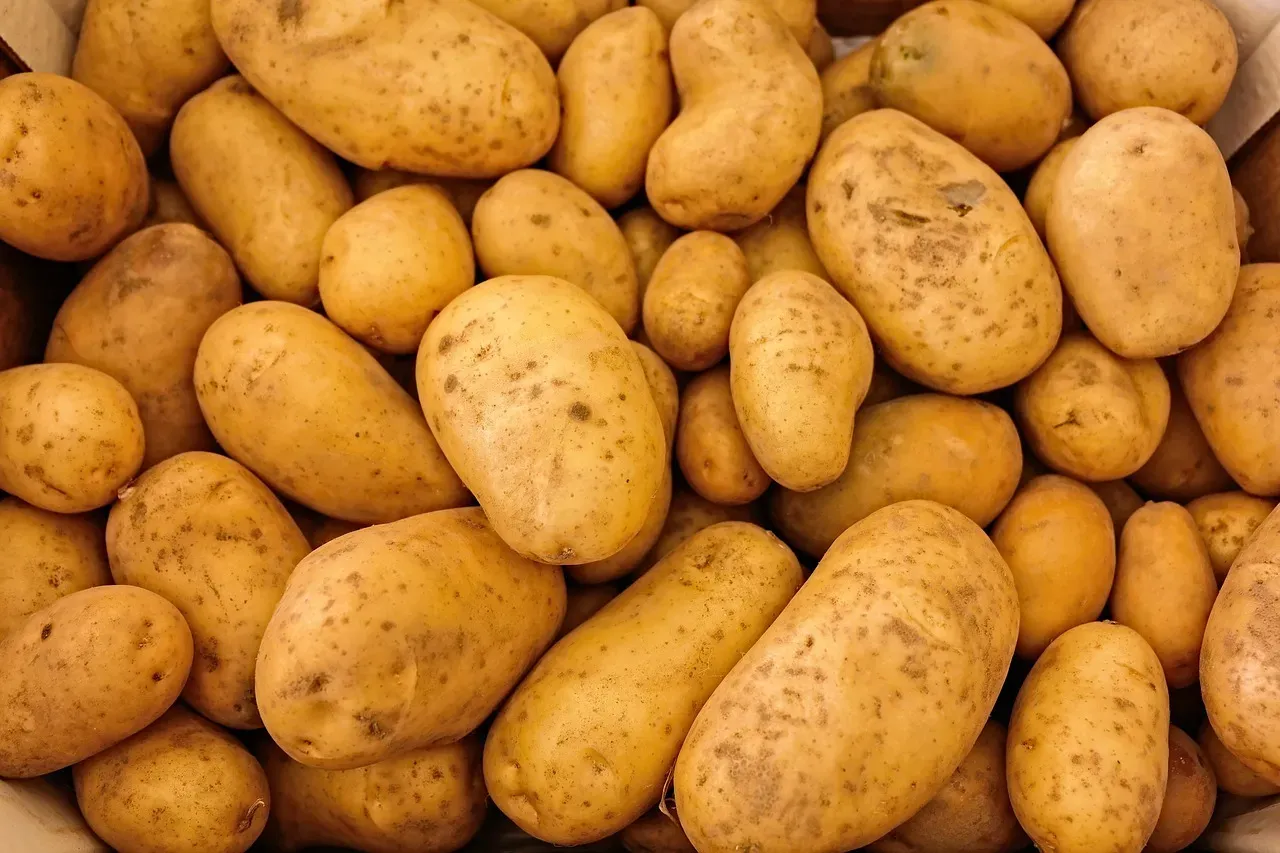
Raw potatoes become grainy once thawed. The high starch content in potatoes reacts badly to freezing, causing a really unpleasant grainy or mealy texture. It's hard to say for sure what causes the most damage, but the combination of water and starch seems to be the culprit.
Conventional freezing techniques include air blast freezing and plate contact freezing, with freezing rates limited by thermal conductivity; rapid freezing better maintained the texture and microstructure of potatoes in research settings. However, home freezers simply can't achieve these rapid rates.
If you want to freeze potatoes, cook them first. Mashed potatoes, french fries, or roasted potatoes all freeze reasonably well because cooking changes the starch structure. Raw potatoes? Skip the freezer entirely and store them in a cool, dark place instead.



Leave a Reply