
You're hungry after a long day. The fridge is calling. Last night's dinner sits right there, ready to pop in the microwave. What could be easier? Honestly, most of us do this without a second thought. It's convenient, it saves money, and let's be real, some leftovers taste even better the next day.
Here's the thing though. Food safety experts have been sounding the alarm about certain foods that can turn surprisingly dangerous when reheated. We're not talking about rare or exotic dishes either, but everyday dinner staples that appear on family tables across the country. According to recent data, illnesses from contaminated food jumped from 1,118 in 2023 to 1,392 in 2024, with hospitalizations more than doubling from 230 to 487. What makes this even more concerning is that roughly one in six Americans get sick from foodborne illness each year. So let's dig into what you really need to know about reheating your meals.
Rice: The Sneaky Bacterial Time Bomb

Rice seems harmless, right? Turns out, it's one of the riskiest leftovers you can reheat. The culprit is a bacterium called Bacillus cereus, and here's why it's such a problem: uncooked rice contains heat-resistant spores that survive the cooking process. When you leave cooked rice at room temperature, those dormant spores wake up and multiply like crazy.
What really catches people off guard is that reheating won't save you. Reheating rice may not eliminate the toxins produced by these bacteria, and the B. cereus spores can survive cooking. The symptoms hit fast too, typically within six to twelve hours. The Centers for Disease Control and Prevention estimates Bacillus cereus causes roughly 63,000 annual cases of foodborne illness in the United States, though many cases go unreported because symptoms are usually mild.
The United Kingdom's Food Standards Agency suggests eating rice leftovers within 24 hours if they cool down quickly and are refrigerated within one hour. The key is moving that rice into the fridge fast after cooking and never leaving it sitting out on the counter.
Spinach and Leafy Greens: When Healthy Turns Harmful
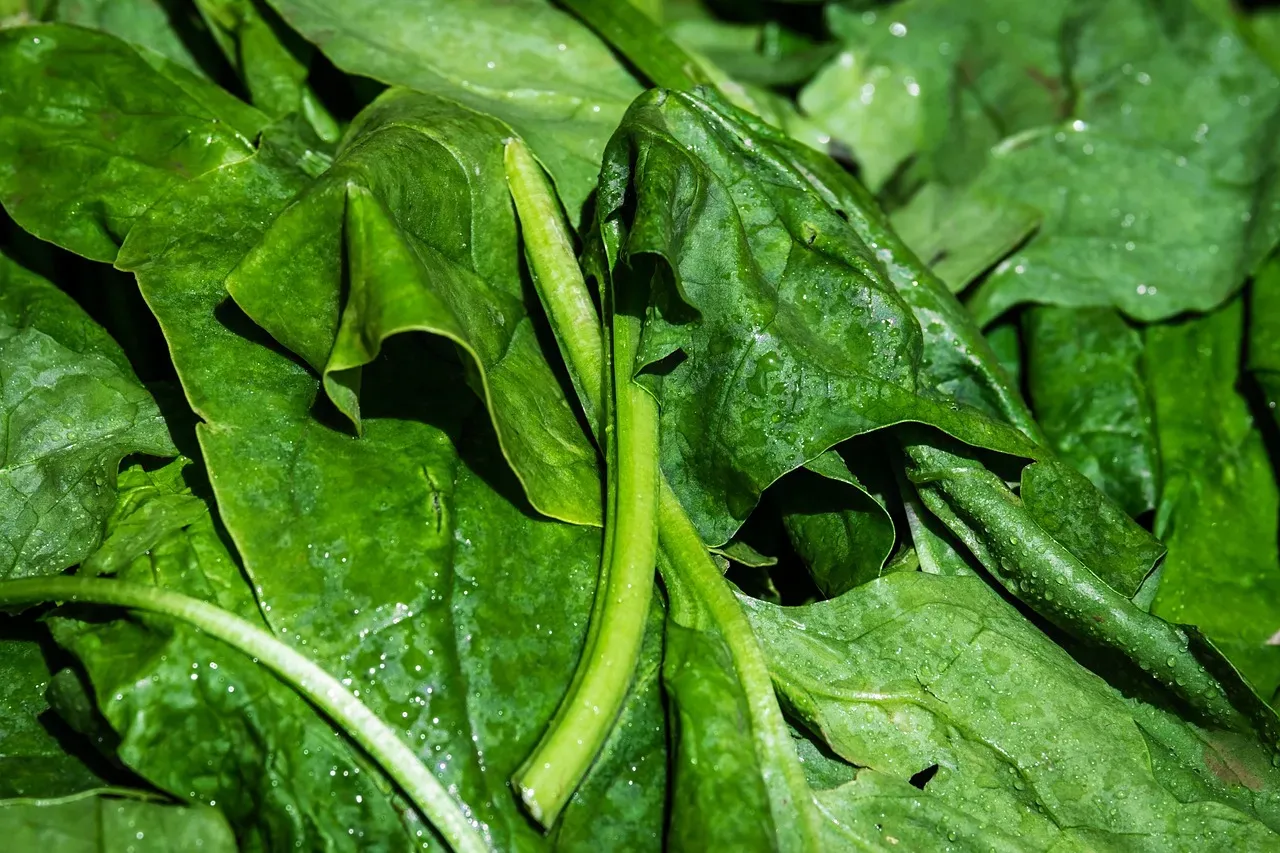
Spinach is packed with nutrients, iron, vitamins, all the good stuff. Yet when you reheat it, something sinister can happen. Leafy greens such as spinach, kale, and beetroot are high in nitrates, which can convert into harmful nitrites and nitrosamines when reheated, compounds that have been linked to an increased cancer risk.
I know it sounds crazy, but vegetables we eat for health benefits can transform into cancer-promoting substances through simple reheating. A study published in the scholarly journal Foods recommends not storing boiled spinach for more than 12 hours at room temperature to avoid a direct nitrate safety risk and adverse health effects. The longer spinach sits before reheating, the more nitrates convert.
The transformation doesn't happen instantly, though. Bacteria in the air and on utensils contaminate the cooked vegetables, converting nitrate to nitrite over time. If you must store spinach, chill it quickly and keep it in the fridge. Better yet? Enjoy your leftover spinach cold in salads instead of warming it up again.
Chicken: Protein Breakdown and Bacterial Risks

Chicken is a common source of foodborne illnesses, especially when reheated incorrectly. Salmonella is the number one culprit when it comes to foodborne illnesses, and about one in every 25 packages of chicken at the store contains salmonella at any given time. Eventually, you're probably going to bring home a side of salmonella with your chicken.
The protein composition of chicken actually changes when it goes through repeated heating cycles. When cooked chicken is reheated, the protein breakdown process intensifies, and proteins can break down further, potentially resulting in the production of harmful compounds. Each time chicken is reheated, its temperature rises and falls, creating an ideal breeding ground for bacteria.
If chicken hasn't been stored at the proper temperature immediately after cooking, harmful bacteria produce toxins that remain dangerous even after thorough reheating. The poison they leave behind doesn't disappear with heat. So if you must reheat chicken, make absolutely sure it reaches an internal temperature of at least 165 degrees Fahrenheit throughout.
Mushrooms: Unstable Protein Structures

Mushrooms are nutritious and flavorful, but they degrade quickly after cooking, and when reheated, mushrooms undergo chemical changes that can cause digestive discomfort or worsen the breakdown of proteins and nutrients, with mushrooms left at room temperature for extended periods encouraging the growth of harmful bacteria.
The protein changes that occur in mushrooms during reheating are particularly concerning because they can't be reversed. Once those proteins have broken down and reformed into potentially harmful compounds, no amount of additional heating will make them safe again. Commercial mushroom growers and food safety experts know this secret. That's why fancy restaurants always prepare mushroom dishes fresh.
If you have leftover mushrooms, store them properly in the refrigerator and consume them cold the next day. Don't keep them for more than a day. Think of mushroom dishes as one-time-only meals rather than good candidates for your weekly meal prep rotation.
Potatoes: The Botulism Breeding Ground
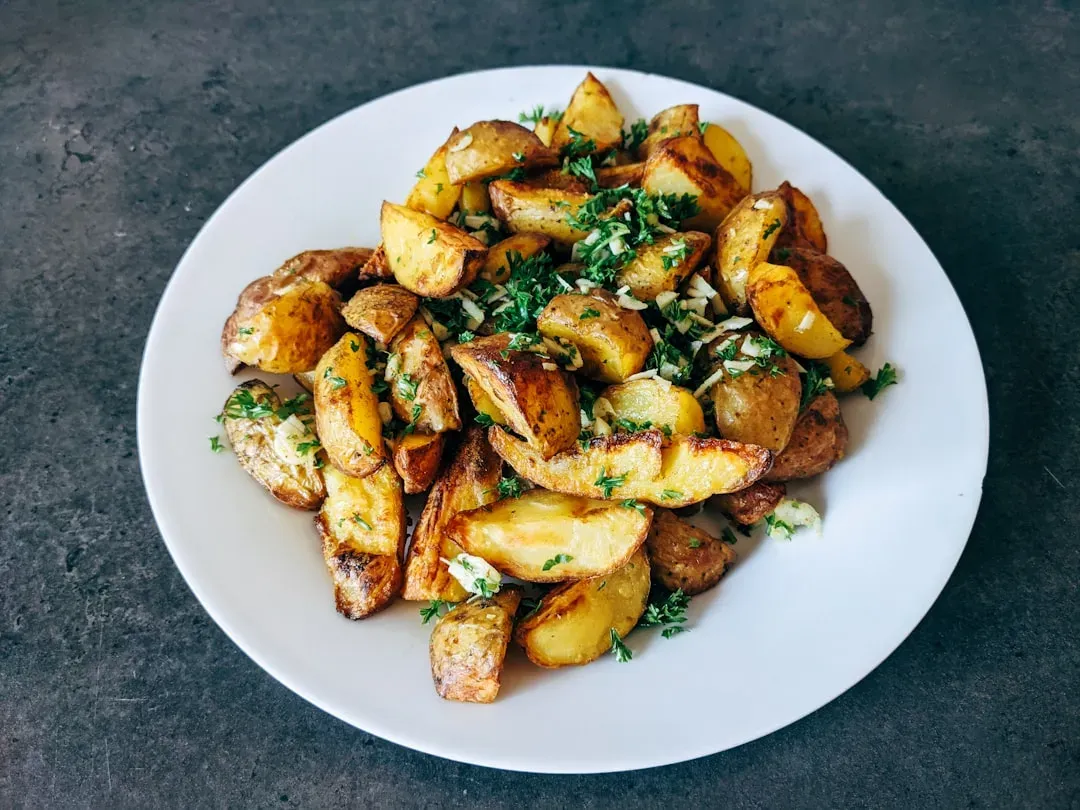
Potatoes have been linked to cases of botulism, a rare but serious illness caused by a toxin that attacks the body's nerves. Potatoes are a prime example of a food that shouldn't be reheated because reheating can encourage the growth of Clostridium botulinum, the bacterium responsible for botulism, which thrives in anaerobic environments, making reheated potatoes a breeding ground.
According to Food Safety News, the source of botulism was potatoes stored at room temperature for two weeks. The greatest risk comes from baked potatoes stored in the fridge wrapped in aluminum foil. The foil wrapping creates that perfect oxygen-free environment where this deadly bacteria loves to multiply.
Reheating potatoes not only diminishes their essential dietary nutrients but also leads to the formation of harmful chemicals such as acrylamide, which studies have shown may be linked to various health issues, including cancer. Consume cooked potatoes soon after preparation, and if storing them, cool quickly and refrigerate promptly.
Celery: The Hidden Nitrate Danger
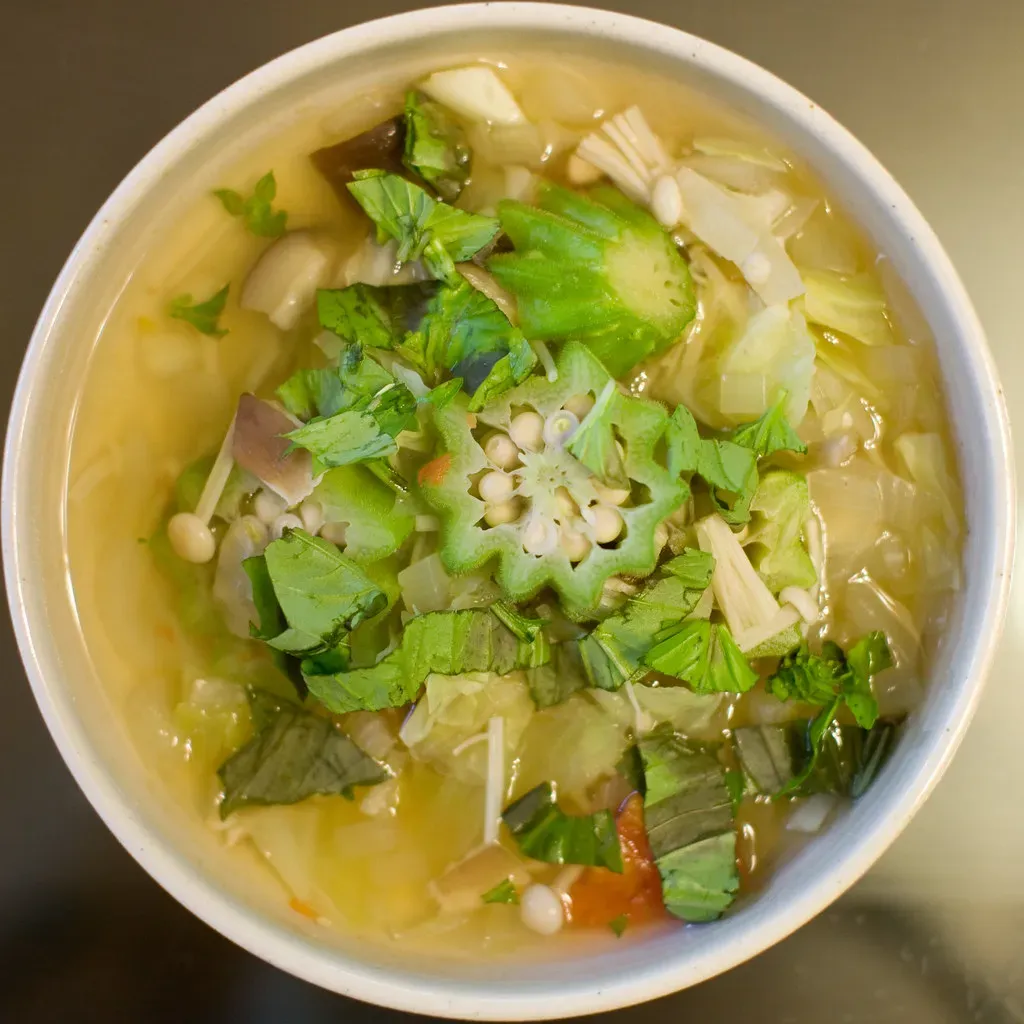
We often use celery for soups and stews. It adds that perfect crunch and flavor. Yet celery is rich in nitrates, just like spinach. Celery is rich in nitrates, and when you heat up your soup with celery, nitrates can be turned into nitrites, so take out the celery when you want to warm up your soup.
The heating process converts nitrates in vegetables like celery into nitrites, and each time you reheat them, they become a little more toxic. Some vegetables such as raw spinach, beets, celery and lettuce are considered to contain high concentrations of nitrates. The amount of nitrate in any particular vegetable depends on soil conditions and amount of fertilizer used.
When these vegetables are cooked and left at room temperature, the nitrates can convert into nitrites, which can then convert into nitrosamines, some of which are carcinogenic. While the risk is generally low, it's best to avoid reheating these vegetables repeatedly or storing them improperly.
Seafood and Fish: Highly Perishable and Dangerous

Seafood is highly perishable and prone to bacterial growth if not stored and handled correctly, and reheating improperly stored seafood can lead to severe food poisoning such as scombrotoxin poisoning from certain fish. Certain types of seafood, such as tuna and mackerel, can produce histamine if not stored properly.
Histamine is a toxin that causes scombroid poisoning, characterized by symptoms like rash, headache, and nausea. Here's the kicker: reheating won't eliminate histamine. Once it forms, it's there to stay. Always consume seafood fresh, and if you have leftovers, refrigerate them immediately and consume cold within 24 hours.
Foods that are rich in protein, particularly eggs and seafood, and starchy foods such as rice, potatoes and pasta are some of the riskiest of all. Reheating seafood is generally not recommended due to the high risk of bacterial contamination and toxin formation.
Eggs: Chemical Changes Under Heat

Eggs are known as the powerhouse of protein. They're a morning staple for millions of people. Eggs can be toxic when exposed to high temperature once they have been cooked, and reheating eggs causes protein to be destroyed and changes its composition to become toxic.
Scrambled or boiled, eggs are another protein-rich food that doesn't reheat well. Reheating eggs can cause chemical changes that make them difficult to digest. This is especially true for dishes like quiches or egg-based casseroles. The texture also suffers, often becoming rubbery or dry.
You can reheat foods that contain eggs as ingredients, but it's dangerous to reheat scrambled or boiled eggs directly. If you're not eating eggs fresh, it's best to enjoy them cold or skip the reheat altogether. For meal prep enthusiasts, cook everything but the eggs ahead of time and add fresh eggs at serving time.
Cooking Oils: Toxic Transformation
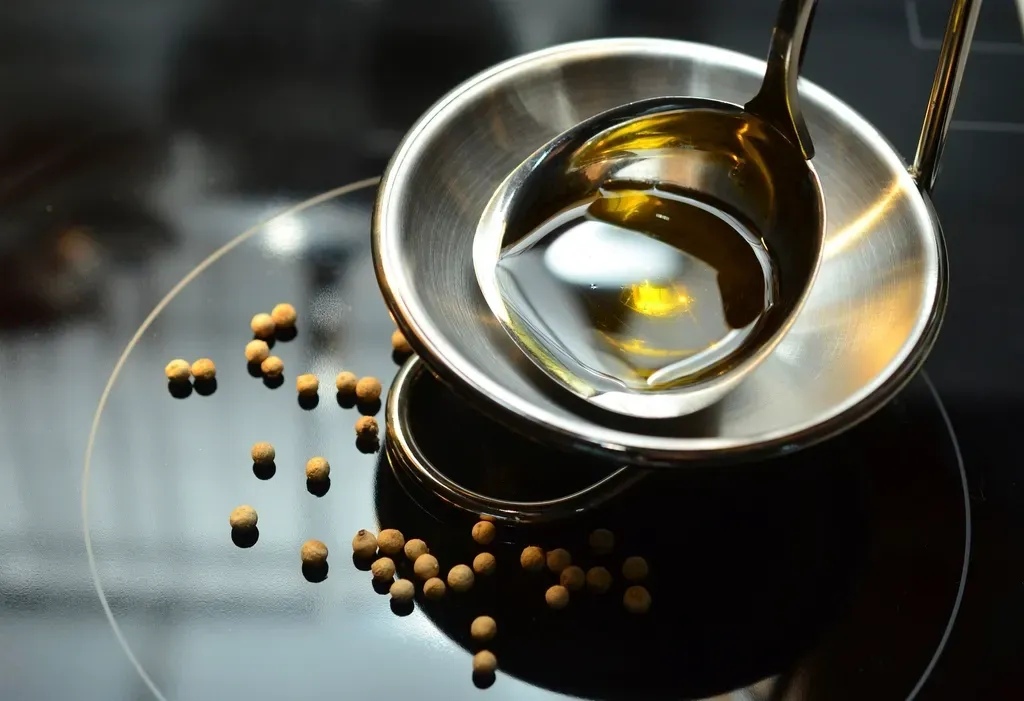
Certain oils, especially those with a low smoke point like avocado and walnut oils, can turn toxic when reheated, and when oils are heated beyond their smoke point around 375 degrees Fahrenheit, they produce harmful toxins that can increase LDL bad cholesterol and the risk of heart disease.
Frequent use of deep-fried oil, particularly reused deep-fried oil, has been linked with neurodegeneration, higher levels of oxidative stress, liver inflammation, high cholesterol, and colon damage in rats, because reheated oils become more and more unstable with each use. As they become more unstable, they release more toxins that result in negative health effects.
Rather than risk this bevy of bad effects, consider just tossing your cooking oil and opting for fresh oil each time you want to fry something. Use oils with higher smoke points for cooking and sprinkle the delicate ones onto your dish at the end to enhance taste.
Beets and Root Vegetables: Nitrate Concerns
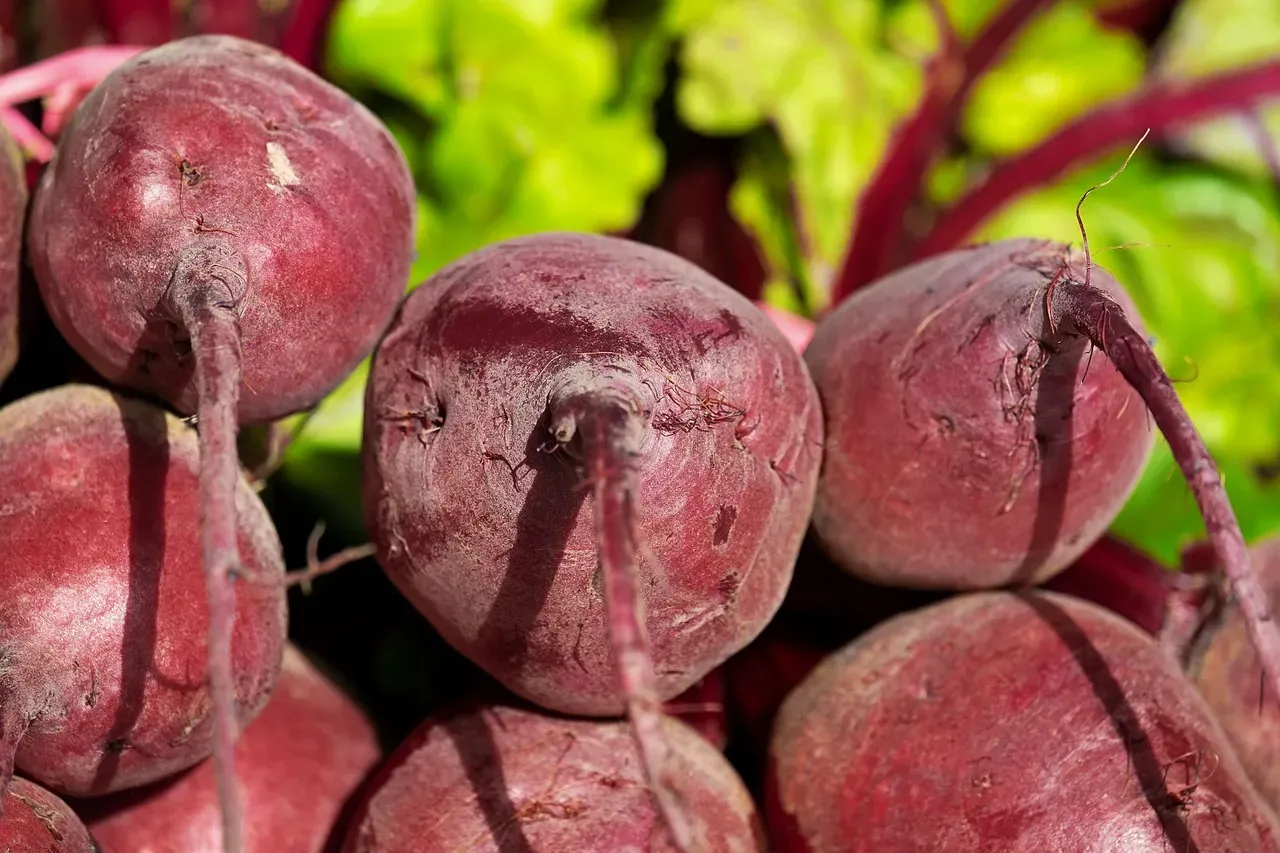
Like spinach, beets are one of the handful of foods that are high in nitrates. Beets contain high nitrate levels, and heat can lead to the creation of nitrosamines which increase cancer risk, making reheating leftover cooked beets a risky endeavor.
Beets are another vegetable that should not be reheated because like spinach and celery, they are high in nitrates which convert into harmful nitrites when reheated. This doesn't mean if you have an excess of beets that you have to throw them out. Consider making pickled beets, which can stay good in the fridge for multiple months, ready to be eaten cold as part of a salad.
Storage temperature has a significant effect on the nitrate and nitrite contents of cooked vegetables because low temperature reduces the growth of bacteria and their activities of converting nitrate to nitrite. If you must store cooked beets, refrigerate them immediately and eat them cold rather than reheating.




Leave a Reply