
You paid good money for this reservation. Maybe you planned it weeks in advance, dressed up for it, even looked forward to it. Fine dining is supposed to be an event, a memory in the making. So why, within just a few minutes of sitting down, does something already feel... off?
Experienced servers who have worked the floor at high-end restaurants know the signs instantly. They see them every shift. The small tells that reveal whether a restaurant truly operates at the level it claims, or whether the whole thing is a beautifully packaged illusion. The global fine dining market reached an estimated $166.9 billion in 2024, with projections pushing it to $243.2 billion by 2030, which means the stakes, and the expectations, have never been higher. Let's see what the insiders actually notice.
1. The Table Setting Is Sloppy or Incomplete

Walk into any truly excellent fine dining establishment and the table speaks before anyone does. Silverware should be spotless, glasses polished to a gleam, and each element precisely placed. Table setting is a core feature of restaurants that cannot be neglected. The way tables are set has a profound impact on the customer's experience, and it is often how many diners form their very first impression.
Formal table settings, used at fine dining restaurants and black-tie events, are designed for a six-course meal and employ more flatware and glassware than other configurations. If you sit down to a nearly bare table that looks like something thrown together in a hurry, that's a serious warning. It signals that the back-of-house prep was rushed, and rushed prep rarely stays confined to just the table.
Improper table-setting etiquette can set a business off on the wrong foot. For example, a place setting may indicate a casual dining experience when in fact a formal one is on offer, putting off diners who expected something more elevated. Honestly, it's one of the fastest ways to tell whether a restaurant takes its own concept seriously.
2. Smudged Glassware and Spotted Silverware
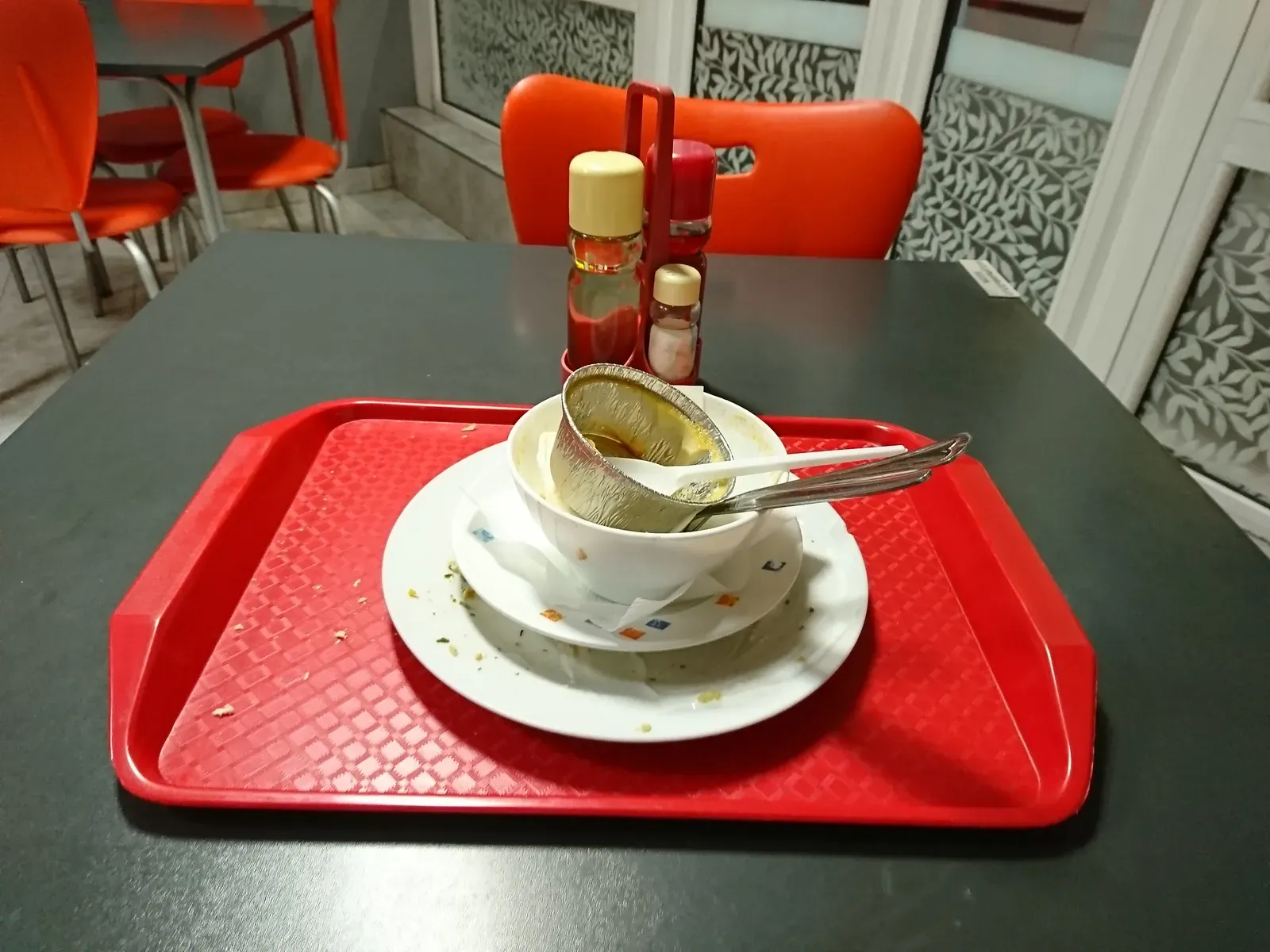
Here's the thing: fine dining servers are trained to check every single piece of tableware before service begins. It's not optional. Dirty plates, sticky menus, or smudged glasses scream "low standards." Glassware should be polished before service, menus wiped regularly, and silverware reset with gloved or sanitized hands.
Tableware should be inspected for chips, irregularities, and dirt. Cutlery should be polished with no water spots, and white server gloves should be worn while handling silverware to eliminate fingerprints. If your wine glass arrives looking like it's been through a dishwasher three times and wiped with a paper towel, someone skipped the prep ritual entirely.
Think of it this way: if a restaurant can't manage to deliver a clean glass, what does that say about how they handle the food? These aren't petty complaints. They're reliable signals of deeper operational sloppiness that usually shows up on the plate as well.
3. Nobody Acknowledges You When You Arrive

You walk in. You stand at the entrance. Seconds tick by. A server glances at you and keeps walking. This is one of the most immediate and telling signs you'll experience. Improving the dining experience can be as simple as greeting guests promptly and authentically when they walk through the front door, and all interactions following that initial touchpoint should align with that level of service.
I think the greeting sets the emotional tone for the entire evening. It's not just courtesy, it's strategy. Simple things like acknowledging customers when they arrive could dramatically improve the overall experience. When a fine dining room fails at this basic step, the rest of the meal rarely recovers.
A study by PwC revealed that nearly a third of customers would stop doing business with a brand they love after just one bad experience, underscoring the critical impact of service failures on customer retention. Feeling invisible the moment you arrive is a bad experience. Full stop.
4. The Menu Is Sticky, Torn, or Outdated

A fine dining menu is not just a list of dishes. It's a physical artifact of the restaurant's identity. Servers who have worked luxury rooms will tell you without hesitation: a battered menu is a red flag that goes hand in hand with a battered operation. Glassware should be polished before service and menus and leather-bound wine lists should be wiped regularly.
An outdated menu is an even bigger problem. When you see crossed-out items or prices that have been physically altered, it almost always means the kitchen is struggling with supply issues, staff shortages, or both. Staffing challenges remain among the top concerns for restaurant managers and employees, alongside supply chain disruptions and compensation pressures.
Let's be real: you're about to spend a serious amount of money on this meal. A typical fine dining guest can spend between $50 to $1,000 per visit, depending on location and inclusions such as wine pairings. At that price point, a laminated, dog-eared menu with coffee stains is more than a disappointment. It's a warning to proceed with caution.
5. The Server Can't Answer Basic Menu Questions

Ask your server what's in the signature dish. Ask whether the fish is sustainable, or what wine pairs best with the tasting menu. In a well-run fine dining room, they should be able to answer without hesitation, without pulling out a phone, and without physically walking off to ask a colleague mid-sentence. In the foodservice industry, clients judge not only the product standard but also the service quality they receive during their experience. When the dining experience is strongly regarded by consumers, they are happier to recommend the establishment to others.
Menu knowledge in fine dining is not optional, it's fundamental. Servers in high-end settings are expected to have memorized ingredients, preparation methods, allergens, and suggested pairings. A persistent labor shortage has continued to affect the industry, with operators facing difficulties in attracting and retaining skilled staff. High turnover rates added to operational costs and directly impacted service quality.
When your server seems genuinely unsure what's in the dish they just enthusiastically recommended, you're almost certainly dealing with an undertrained staff member. That doesn't mean they're a bad person. It means the restaurant failed them, and is about to fail you.
6. The Noise Level Is Out of Control
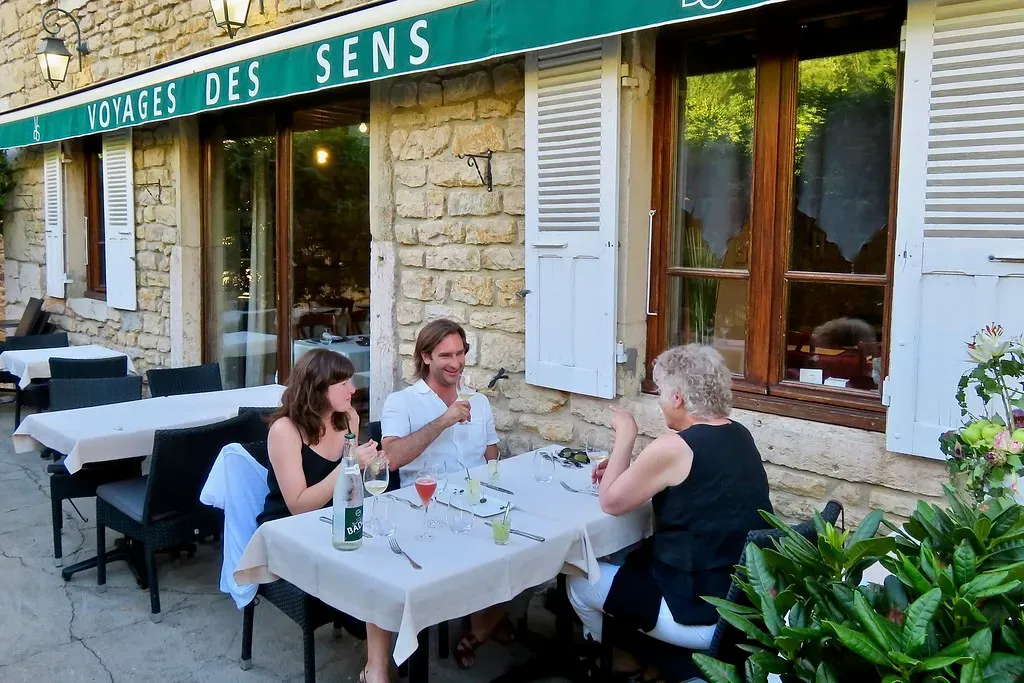
Fine dining should feel like a private world for a few hours. Not a sports bar with candlelight. Acoustic design matters at this level, from ceiling height to soft furnishings, all of it contributes to a controlled atmosphere. When you can barely hear your own companion across the table, something is wrong with either the physical space or how the room is being managed.
Research has actually backed this up in measurable terms. Customers in quiet restaurants spend more money and eat more of their food. However, guests in noisy restaurants both spend and eat less. So a thunderously loud fine dining room is not just an annoyance. It is actively undermining the financial logic of the evening for both the diner and the restaurant.
Seasoned servers know to manage the "temperature" of a room. A well-orchestrated floor has controlled sound, intentional spacing between tables, and no one shouting across sections. If the chaos hits you within three minutes of sitting, the kitchen is going to feel it too.
7. Staff Are Visibly Stressed or Disorganized
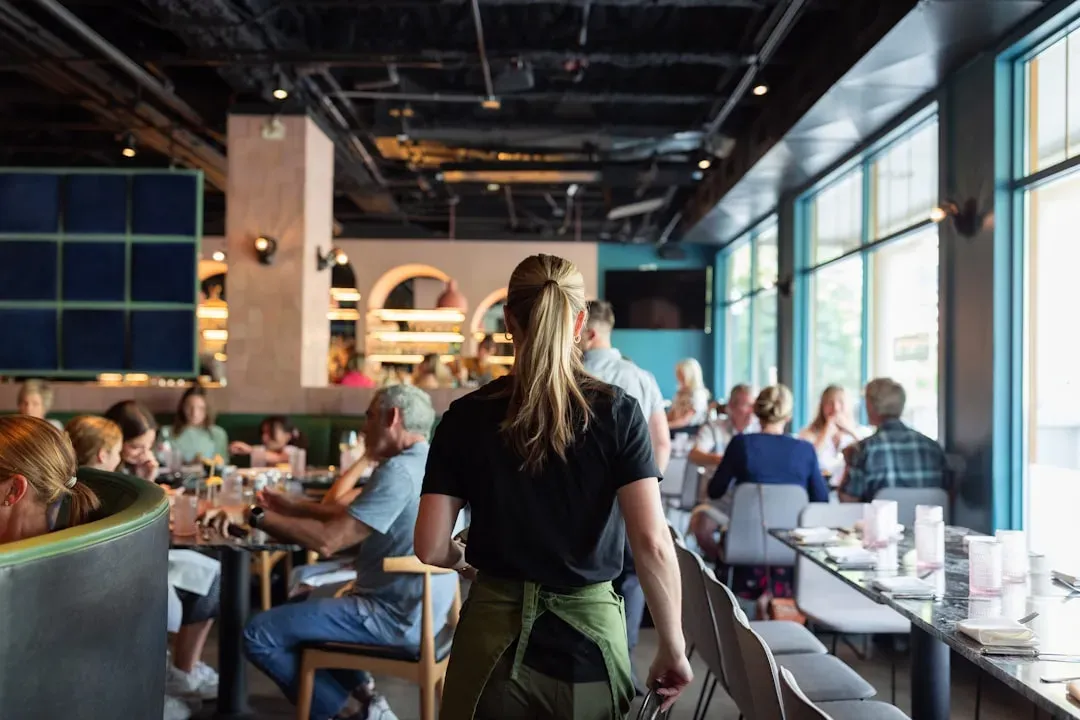
You can sense it immediately. Servers whispering aggressively to each other near the pass. A runner delivering a plate to the wrong table and doing nothing to hide their confusion. Someone darting past your table three times without making eye contact. In fine dining, the floor should move like choreography, not like a scramble. Servers should never leave dirty dishes in a colleague's section and should back each other up during a rush, communicating using eye contact, gestures, and short, discreet phrases. Fine dining service etiquette includes how staff treat each other, not just the guest.
The restaurant industry continues to experience high turnover, with an average rate exceeding 75% in 2025. That level of churn means many floors are operating with newer, less confident staff on any given night. Studies show that restaurants with lower turnover rates tend to have more positive guest sentiment related to their food, service, and cleanliness.
The visible stress of your server is not something to overlook or feel awkward about noticing. It's data. It tells you the house is understaffed, the management is scrambling, and the evening ahead may be more frustrating than relaxing.
8. Courses Arrive at the Wrong Pace
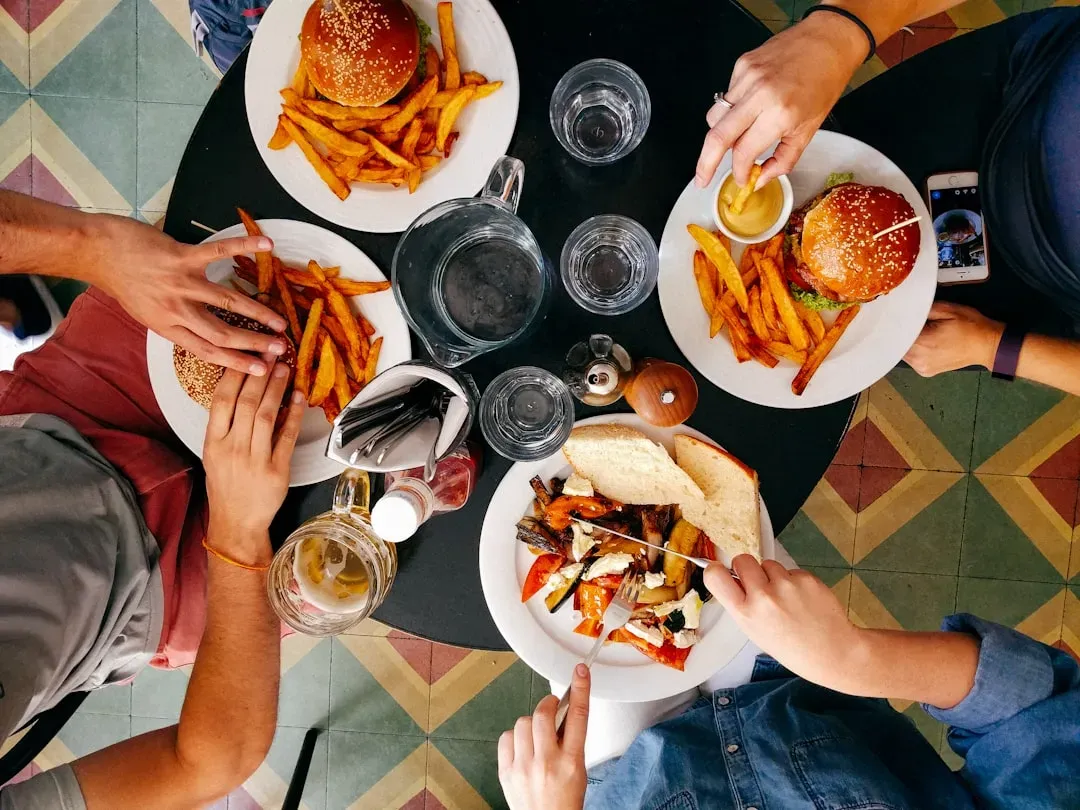
Timing is everything in fine dining. One of the clearest signs of a kitchen in trouble is when courses land on your table before you've even finished the previous one, or when gaps between courses stretch past fifteen minutes without explanation. Proper pacing is crucial for a positive dining experience. Staff should be trained to read the table's rhythm, ensuring courses are neither rushed nor delayed, and service processes should be streamlined without sacrificing quality.
This red flag is often visible within the first two courses, so well within your first thirty minutes at the table. Fine dining table turnover is comparatively slower, at roughly one and a half to two hours, since guests want to experience a leisurely meal. When a kitchen rushes pacing beyond that natural rhythm, it usually means they're hitting operational bottlenecks.
Managing wait times and guest expectations is essential. Restaurants should be transparent about wait times and offer alternatives or complimentary items if delays occur. If nobody at the restaurant mentions a delay or offers any acknowledgment, that absence of communication is its own red flag layered on top of the first one.
9. The Restaurant Has an Unpleasant or Strange Smell
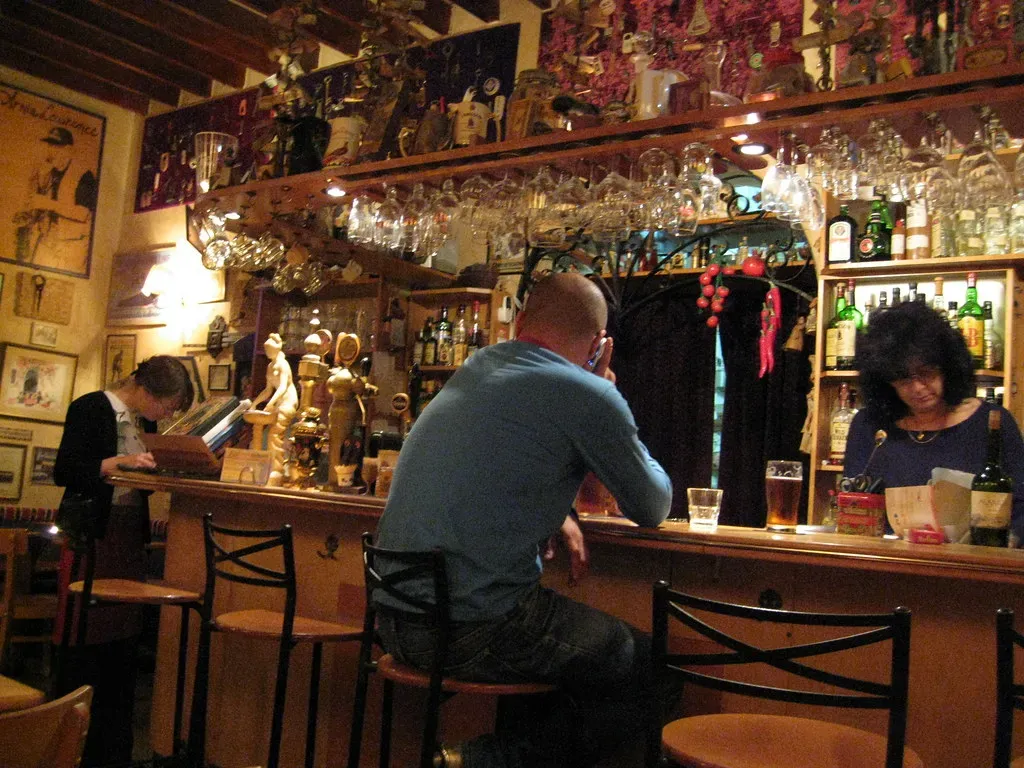
Your nose is an extraordinary tool for evaluating a restaurant, and it starts working before your eyes even adjust to the lighting. Fine dining rooms should carry a subtle, pleasant scent. Fresh flowers, lightly circulated air, perhaps a whisper of whatever is happening in the kitchen. Your nose knows when you've stumbled upon a not-so-stellar establishment. Whether the restaurant smells like stale grease or there's just an overall stench, kitchens and restaurants that emphasize cleanliness will work to eliminate lingering odors from coolers, cooktops, and other sources.
A smell that hits you wrong the moment you walk in is not something to rationalize away. It's a health and safety signal as much as it's an aesthetic one. Health code violations tied to poor sanitation, improper food handling, or pests can lead to serious problems during inspections. The fact is, a well-managed fine dining kitchen keeps the front-of-house completely insulated from back-of-house odors.
It's hard to say for sure, but in my experience, a restaurant that smells clean is almost always run by people who think carefully about every aspect of the guest experience. The reverse is equally true, and often more telling.
10. No One Recovers from a Mistake Gracefully
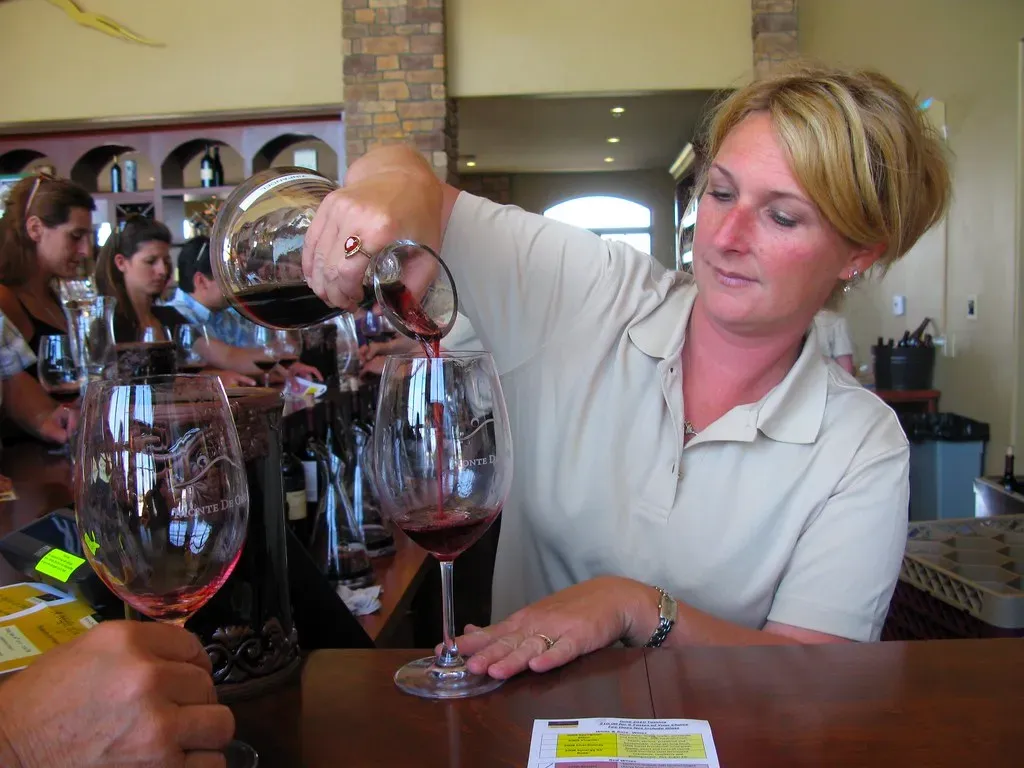
Mistakes happen even in the world's greatest restaurants. A dropped fork, a wrong order, a delayed course. What separates a truly excellent establishment from a mediocre one is not the absence of errors. It's the elegance and speed of recovery. Active listening and empathy are key when addressing complaints. Staff should give their full attention to the guest, acknowledge their feelings, and avoid becoming defensive. By handling complaints effectively, restaurants can turn negative experiences into opportunities for building loyalty.
Here's where things get real: if a server drops something and does nothing, or worse, becomes defensive or dismissive within your first few minutes at the table, the culture of that restaurant has a problem that starts at the top. The statistics around unhappy customers are startling. The vast majority of unhappy customers simply don't complain. Most will leave and never return. A dissatisfied customer will share their experience with somewhere between nine and fifteen other people.
That means every small, graceless failure you witness has a long tail of consequences for the restaurant. A Harvard Business School researcher found that a single one-star increase in a restaurant's Yelp rating correlated with a five to nine percent increase in revenue. The way a restaurant handles the small things, especially in those critical first minutes, tells you nearly everything about how the rest of the night will go.


Leave a Reply